Bächle: from a medieval sewer to the heart of Freiburg, where a stream decides fate (17 photos + 1 video)
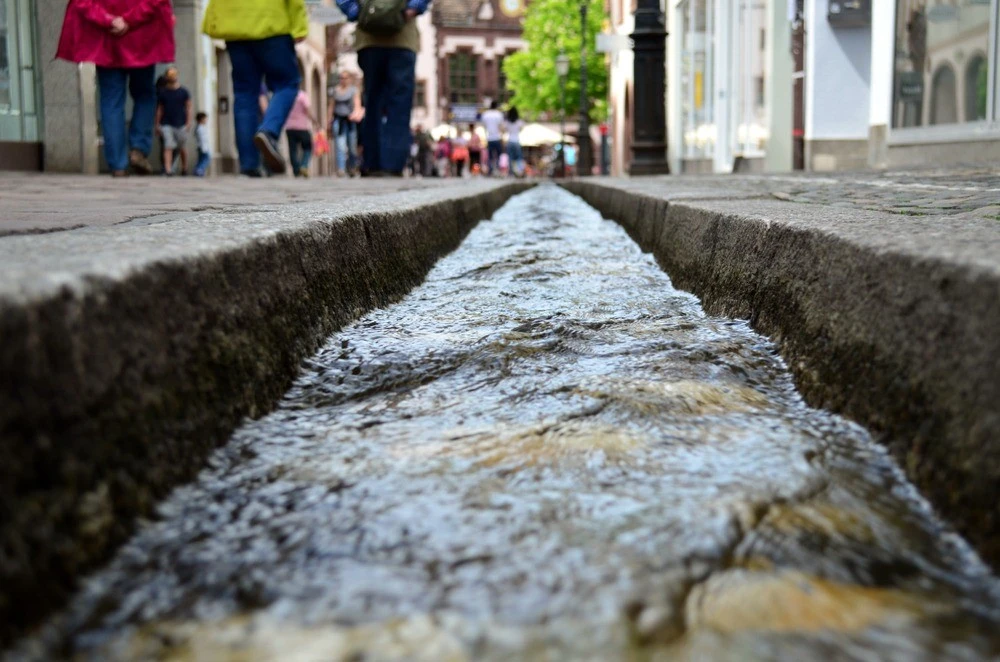
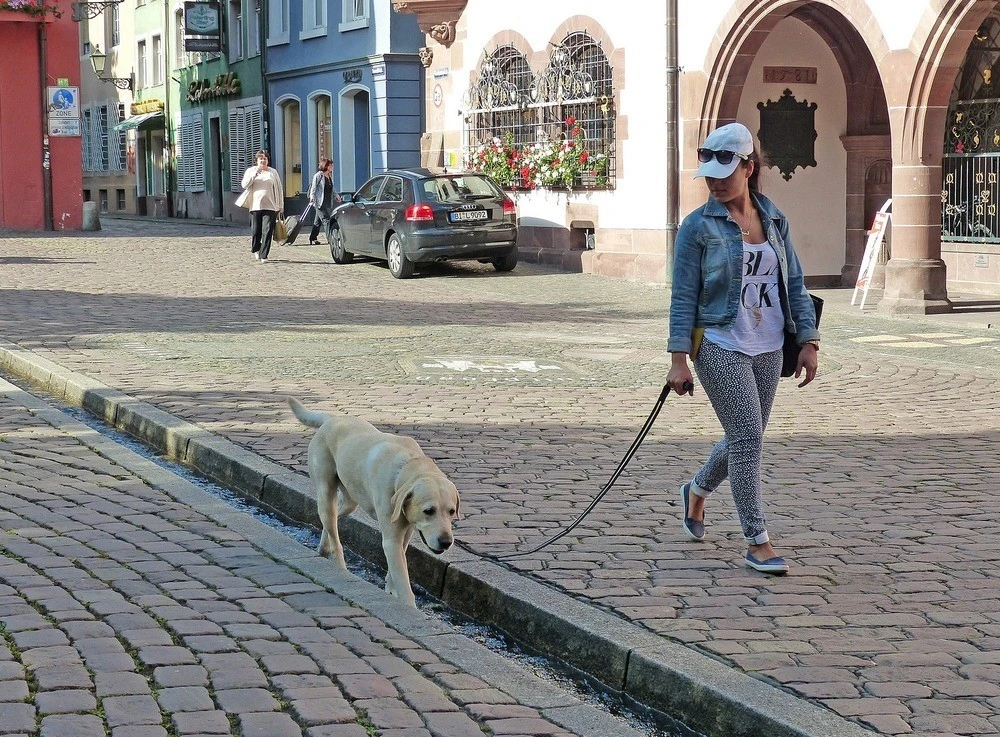
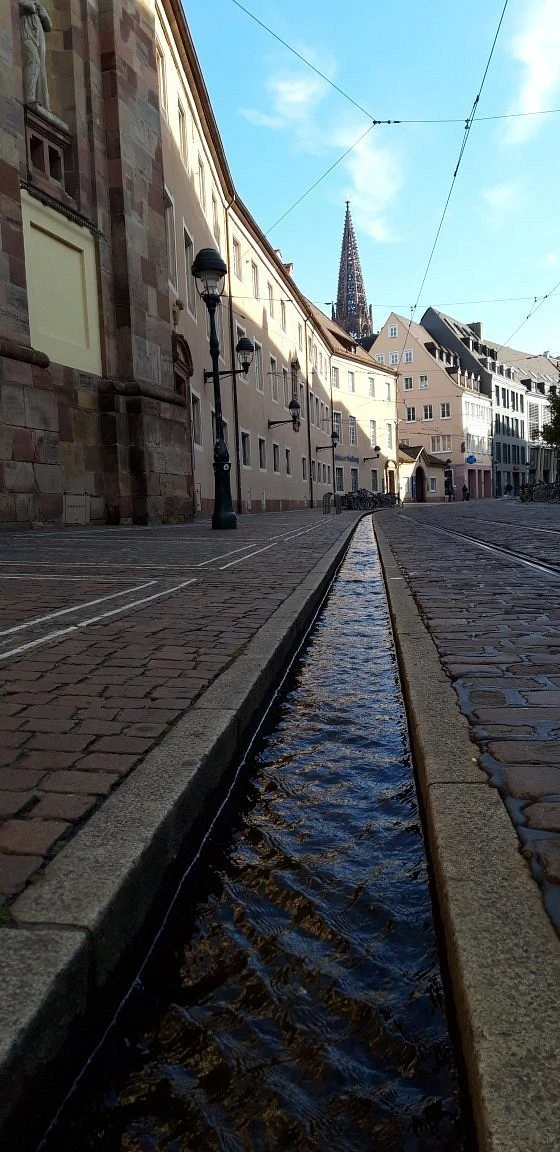
Nestled on the edge of the legendary Black Forest is Freiburg, a city where crystal streams snake along the cobblestone streets, embedded in the very streets. 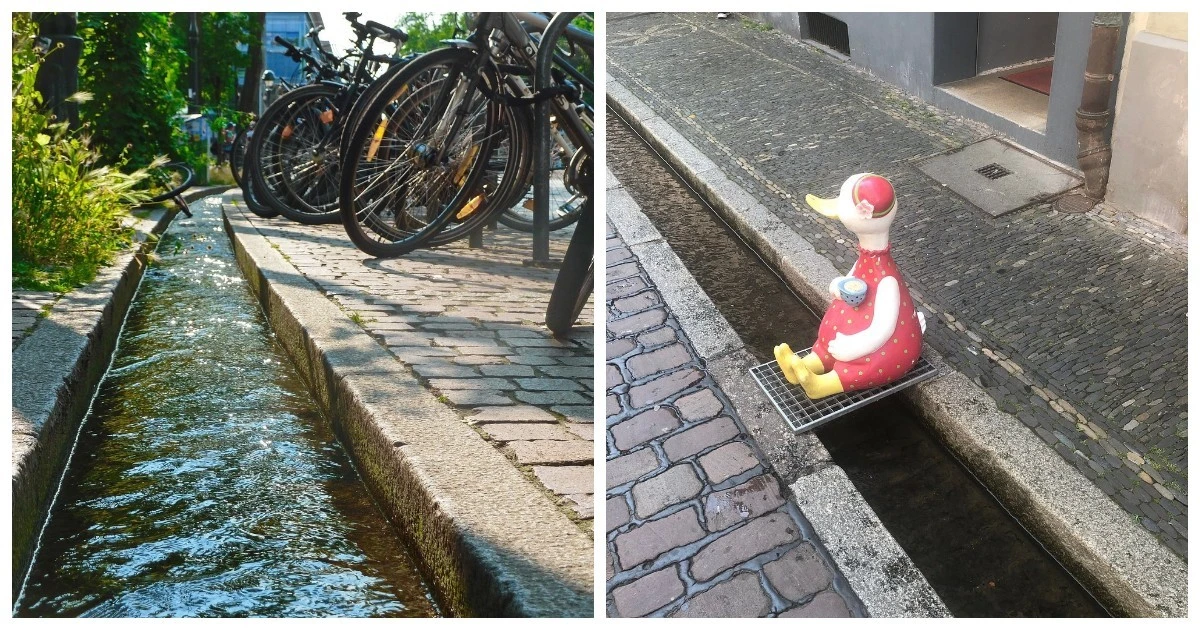
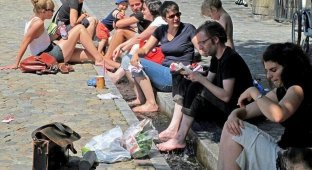
On hot days, of which there are many here, townspeople gather along these streams, dipping their bare feet in the icy water. Children frolic in the shallows, launching paper boats, and local superstition holds that if a visitor accidentally steps into the water, they are destined to marry a Freiburger. 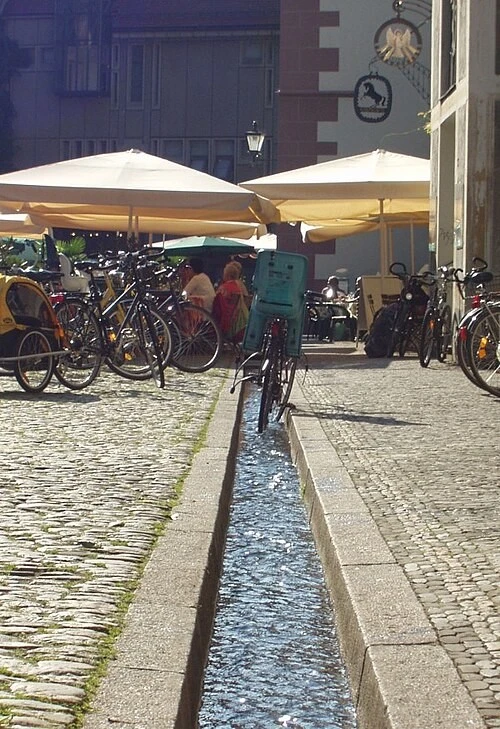
This unique system of man-made streams, known as the Bächle, was once fed by the Dreisam River and served as a cattle watering hole and fire suppression system. The Bächle were first mentioned in chronicles in 1220, but excavations indicate they arose a century earlier, just after Freiburg itself had begun to flourish. 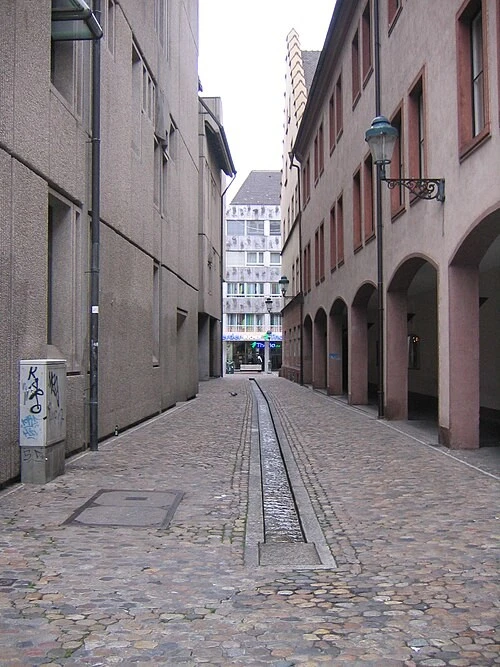
Market Alley
Originally, the city was built on a slope, making canals a natural solution. However, as Freiburg grew, the water level of the historic center had to be raised, in some places by up to three meters, to ensure water reached all neighborhoods. Water from the Bächle was never drunk, but it irrigated fields after passing through the city and also served as a drain for rainwater and street debris. 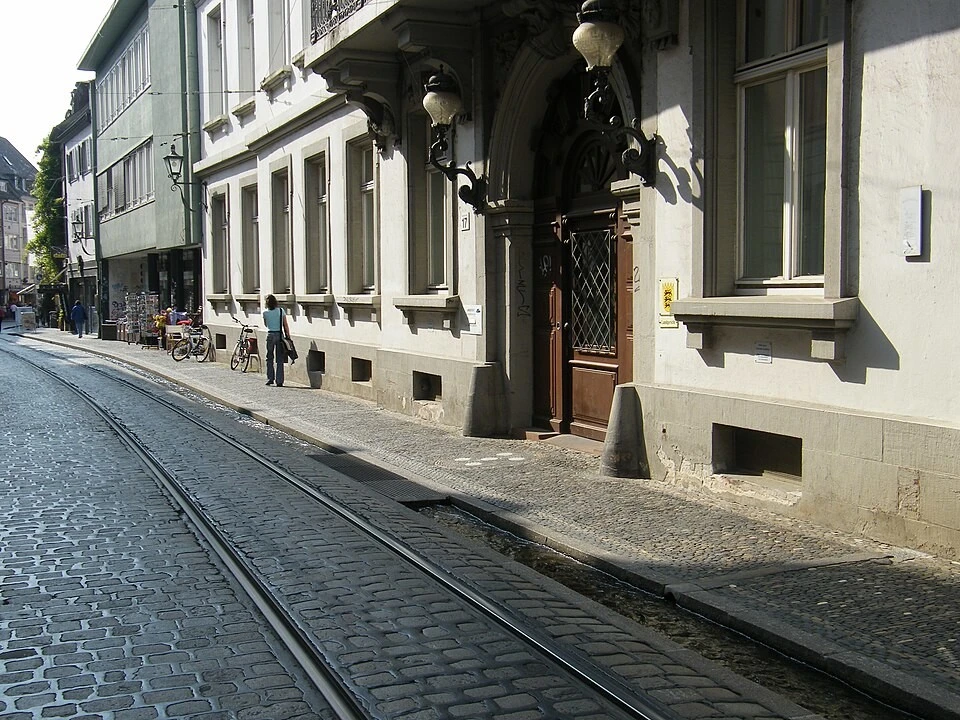
Not everyone was thrilled with Behle. In the 16th century, the scholar Erasmus of Rotterdam wrote with disgust in a letter to the politician Gaspar Schetz:
Great filth reigns here. Artificial streams flow through every street, carrying the bloody waste of slaughterhouses, the fumes of kitchens, the filth of houses, vomit and urine, even the waste of those without toilets. This same water is used to wash linens, wine glasses, and even cooking pots. 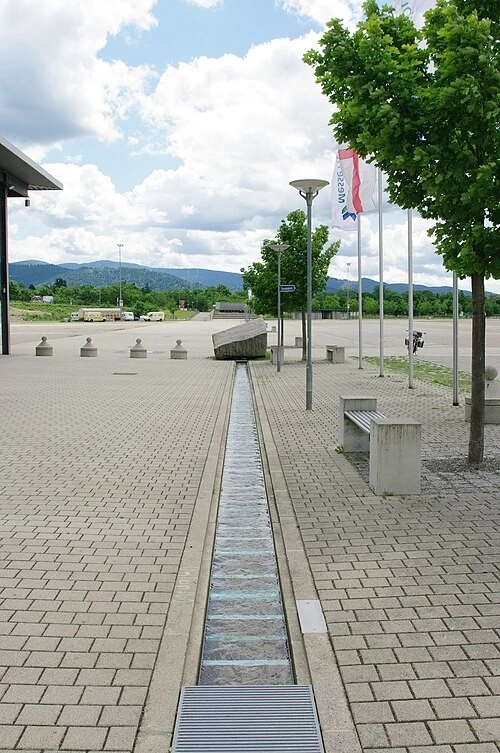
Originally, the Bächle flowed right in the middle of the streets, which can still be seen on the Market Allee. But with the growth of population and traffic, they became a nuisance, and by the mid-19th century, most of them were moved to the edges of the pavements, covered with wooden or iron shields, lined with stone, or hidden in pipes. 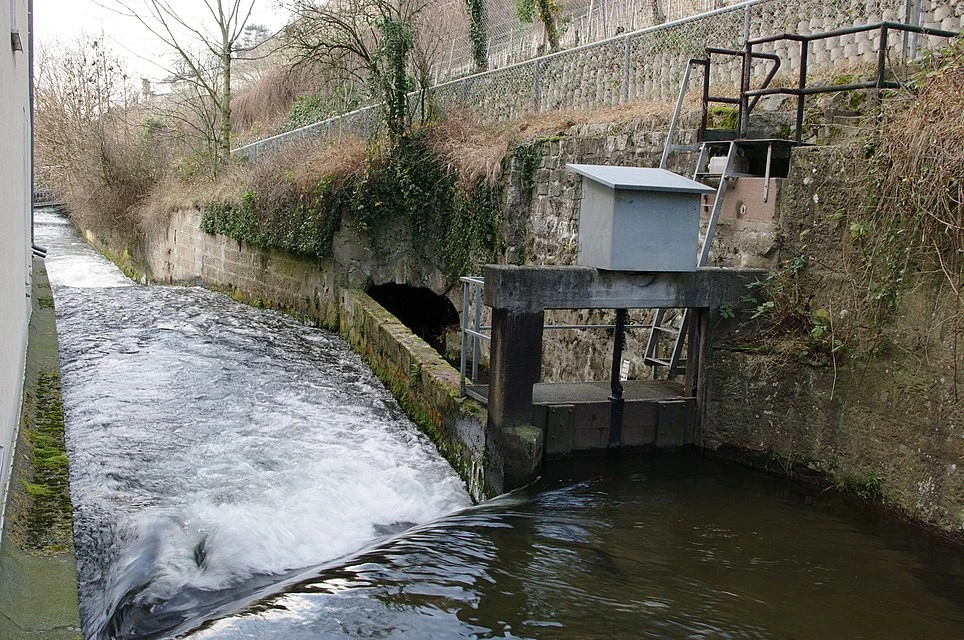
Such water systems were common in medieval cities. In the 15th century, the Italian traveler Antonio de Beatis noted that Innsbruck had "wide streets, with many canals and fountains." In Goslar, Germany, the Gose River was channeled through the city as a water supply around 1200. And while streams exist in many German cities, it was Freiburg's Bächle (streams) that became legendary, having evolved from a utilitarian past to a symbol of serene joy. 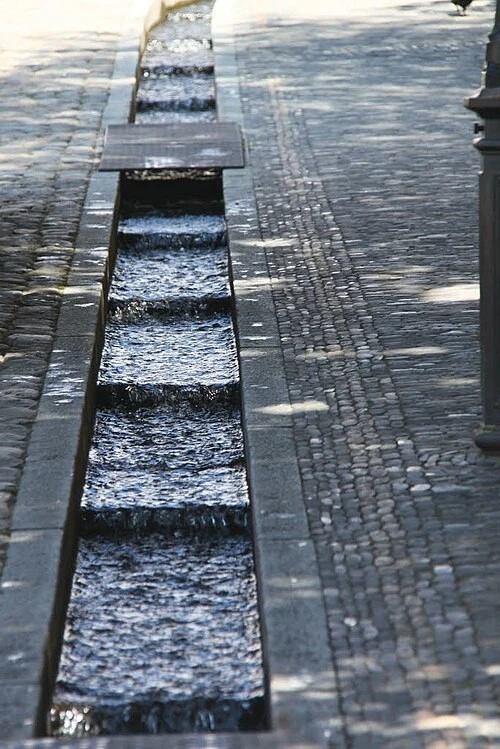
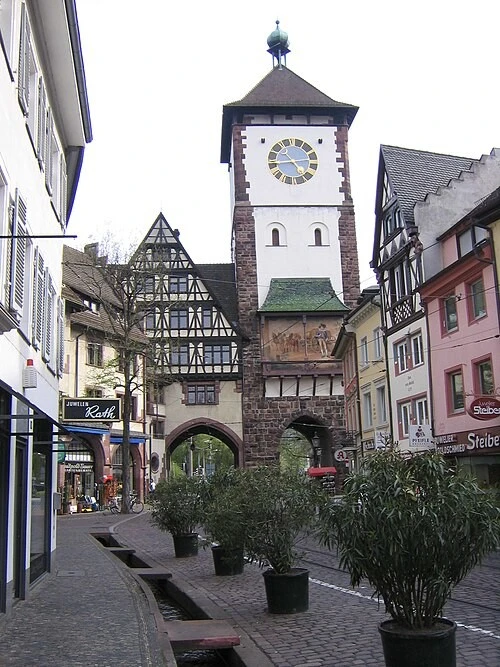
Start stream 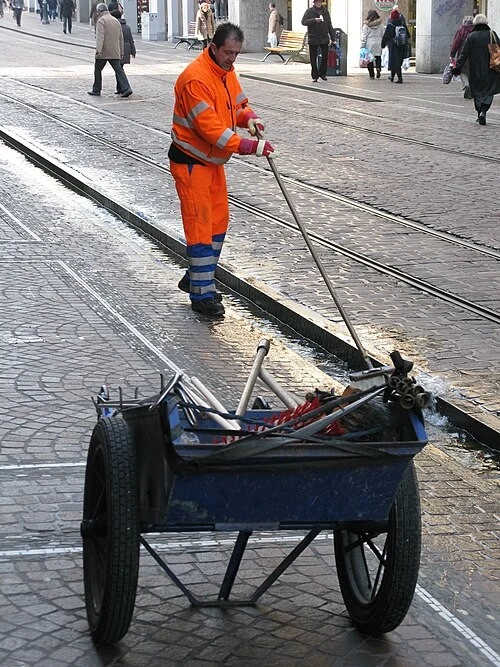
[t humb]207_files/0077ad2afbb1d7b8ba2e6da297100b8d.webp[/thumb] 
[thumb]https://cn22.nevsedoma.com.ua/p/29/2920/207_files/9bac5 ce40237549470d595399645f68a.webp[/thumb] 
[thumb]https://cn22.nevsedoma.com.ua/p/29/2920/207_files/643f0db90aa9ce1f92b3a029e c637b71.webp[/thumb]