Why Do Filipinos Build Temples Out of Honey and Eggs (5 photos)
Did you know that churches in the Philippines, and a couple of palaces in Malaysia, were made of eggs and honey? Sounds delicious. And also very durable, because these churches have survived countless typhoons and volcanic eruptions. 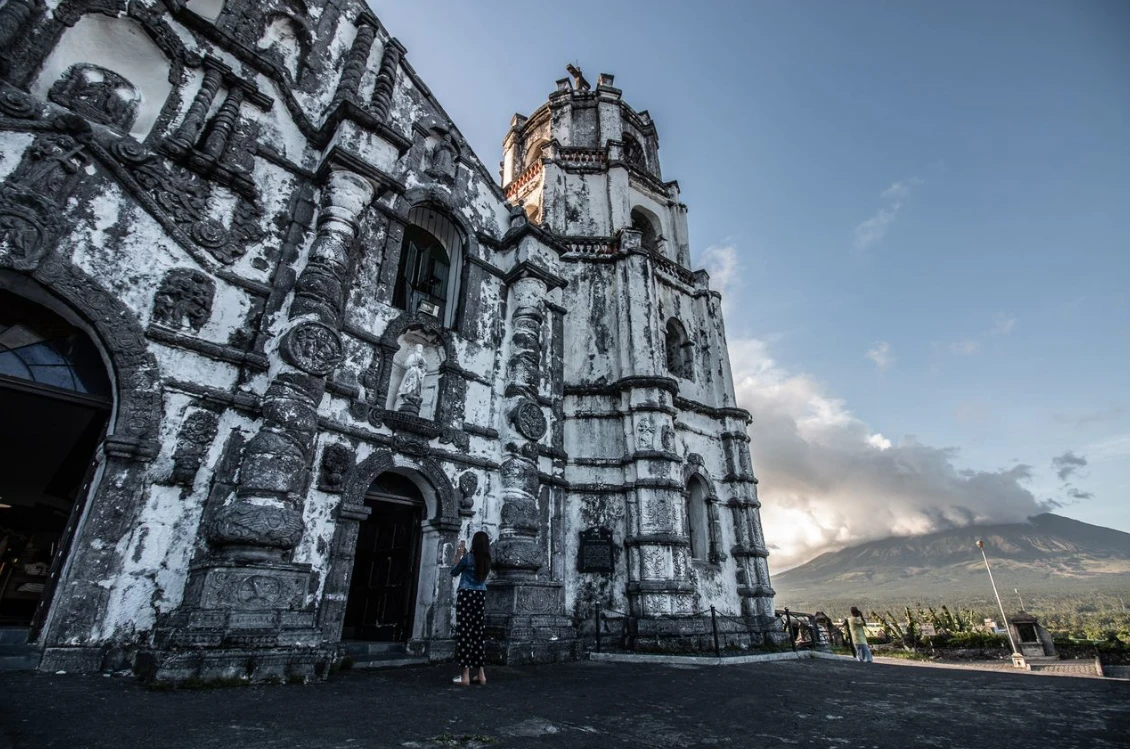
The edible church looks grand and eerie.
For example, the Holy Rosary Church in Angeles City, Philippines, was built in 1877, and almost forever changed Filipino cuisine.
Why are you adding eggs? Are you crazy?
In fact, it was the Spanish colonizers who began building churches in the Philippines, and they suddenly found themselves in a shortage of familiar materials, particularly cement. So they came up with a brilliant solution: adding egg whites to the mortar for strength. This mixture, known as "argamasa," was supposed to make the structure incredibly durable. 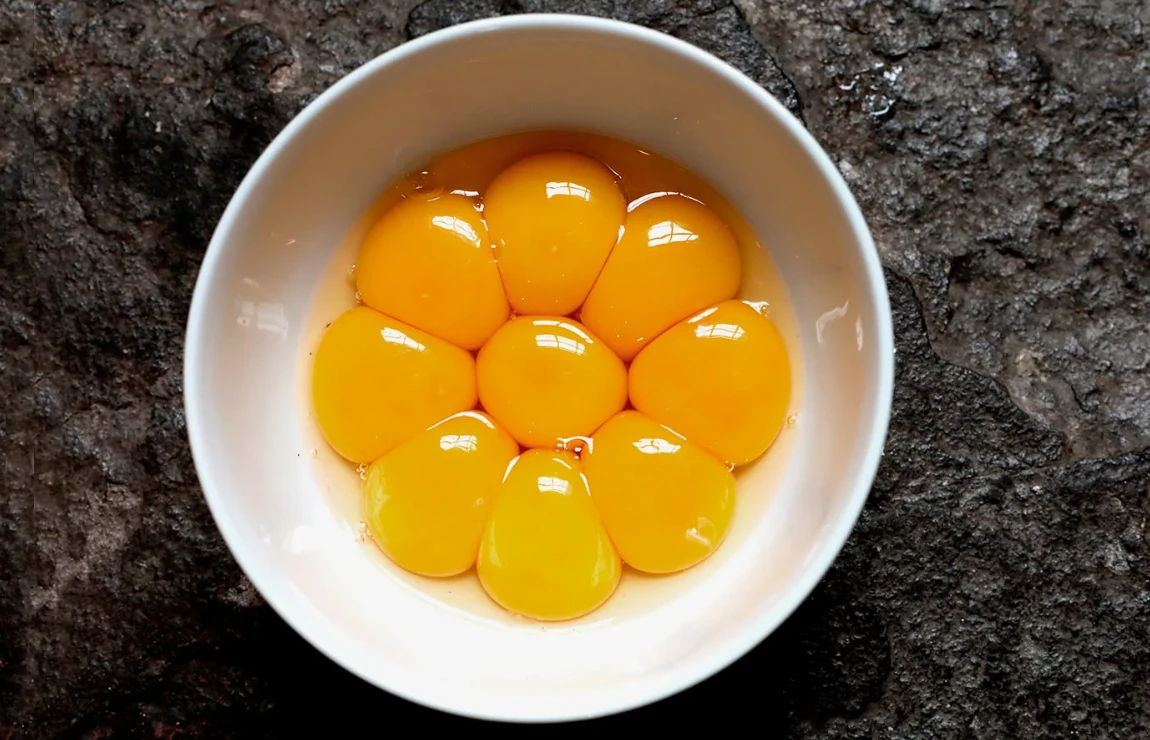
Some dieters also like to cut out the yolks. As if this would change their entire lives and diet.
Historical records confirm this: in 1780, the dome of the Manila Cathedral was coated with a layer of lime mixed with duck eggs and bamboo sap, and in 1824, Friar Mariano Gomez listed duck eggs as part of his construction budget. Do you know how many yolks were left over after such a construction project? Millions. And the question remained: what to do with them if all the builders were sick of eating them. The Spaniards had already begun dumping buckets of yolks into the river, horrifying the local women. 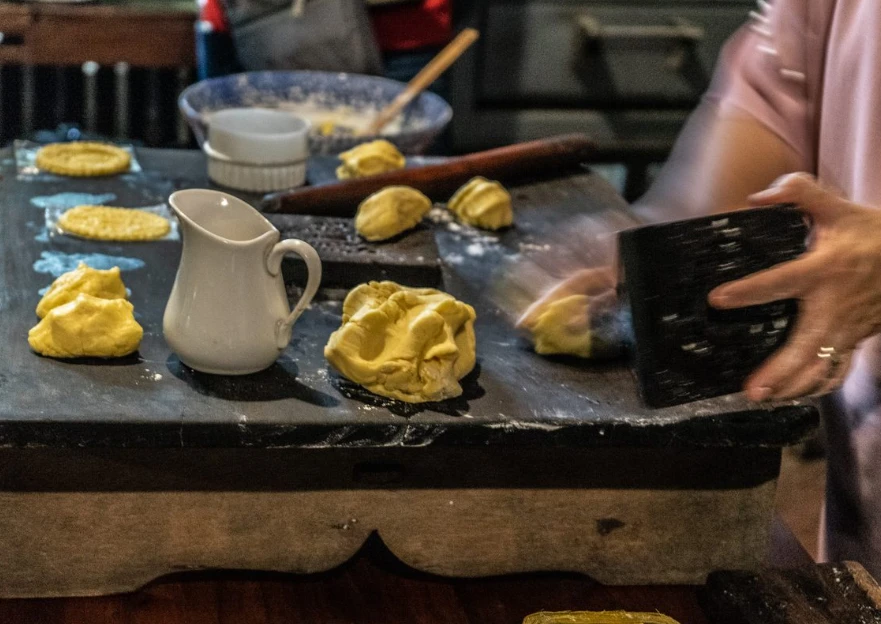
Cookies made with yolks, see how yellow they are?
And then women began to invent new recipes with the yolks, giving them a fresh taste, and the Spaniards agreed to eat them instead of throwing them away. This is how desserts emerged that are now a staple in the Philippines. For example, Pan de San Nicolas cookies (dedicated to Saint Nicholas), which are baked exclusively with yolks. Or leche flan (custard), soft yema fudge, and tosino del cielo. 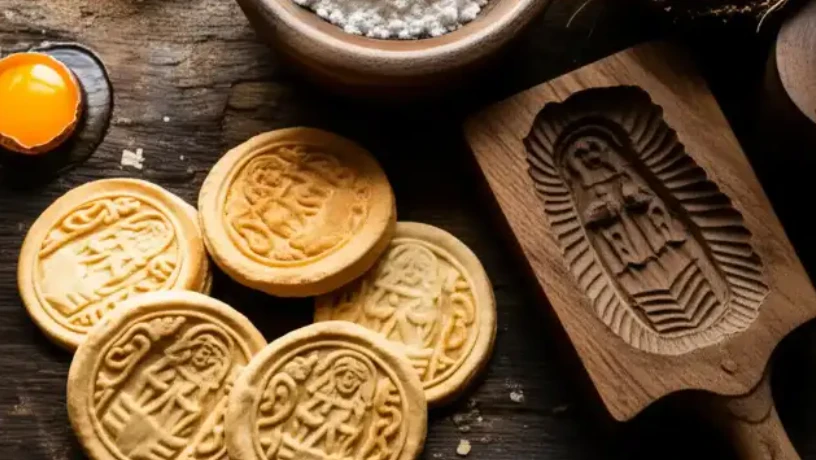
They are traditionally baked using heavy wooden molds.
In pre-Hispanic times, desserts, or pangimagas, were simply fresh fruits such as bananas, coconuts, watermelons, mangoes, guavas, melons, and other tropical fruits. The country's love of sweets and desserts developed during the Spanish colonization. And honey was added to palaces! More precisely, to the castles that sultans built for their wives (but this was in Malaysia). Cement was also in short supply; natural binders were needed, and honey was just as good a glue as egg white. Only it was sweet, and it was a metaphor for the sweet life awaiting his wife in the palace built for her with the Sultan. 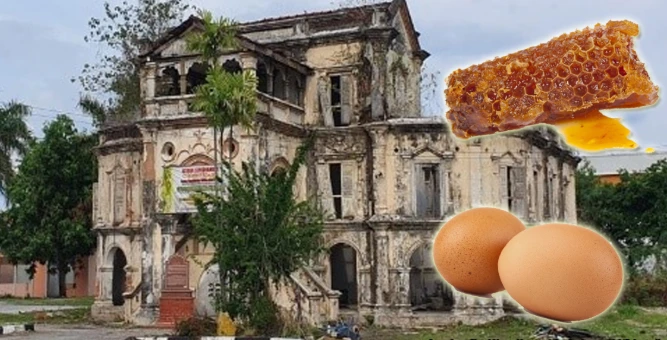
A local landmark (yes, there's no money for restoration)
So, the Istana Sepachendera castle was built by the late Sultan of Kedah for his wife, Che Sepachendera, around the 1880s. Locals say she truly lived quite happily. Incidentally, in China, rice was used in some sections of the Great Wall because it's sticky and hardens well. But they had to be careful that the poor workers didn't gobble it up on the sly.