Why did they stop putting engines on airplane tails? (5 photos)
Even non-experts know that older aircraft often feature a pair of engines in the tail. However, this arrangement is rarely used in modern aviation.
What is the reason behind this decision by engineers and designers? 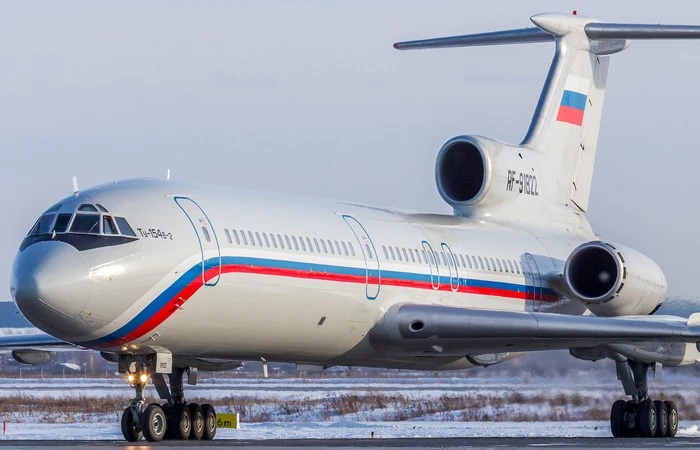
It's important to clarify right away that turboprop engines have never been installed in the tail of an aircraft. Those models that feature engines in the tail are correctly called turbofans (jet engines).
The reasons for abandoning tail-mounted turbofan engines are purely technical.
Advantages: The engines are located higher, which reduces runway debris ingestion. Furthermore, the yaw moment in the event of a single engine failure is much less than with engines mounted in or under the wings. Furthermore, the cabin is significantly quieter with this engine arrangement.
Disadvantages: A strong fuselage is needed to support these engines (lift is generated in the wings). Tail-mounted engines require a T-tail, which complicates the cable routing to the control surfaces. In some cases, an aircraft with a T-tail is more susceptible to spins (due to the wings shadowing the elevators) and engine surge (due to the wings shadowing them). 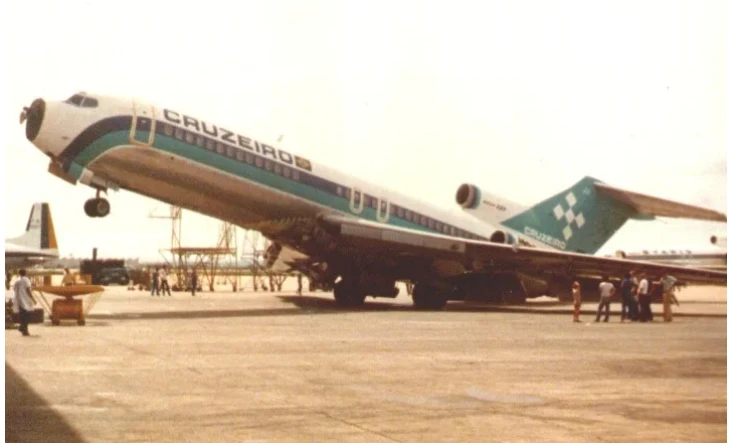
Tail engines require fuel lines to transfer fuel from the wing tanks to the tail. Furthermore, the tail is disproportionately heavy; older people remember how on the Tu-154 they would announce, "We invite passengers in the second cabin to exit; we will invite passengers in the first cabin as well." This was to prevent the plane from tipping over. The Il-62, which had four engines in the tail, had an additional fourth landing gear leg for parking, preventing it from tipping over when empty. And for empty ferry operations, the Il-62 had a front tank into which four tons of water were pumped to counterbalance the heavy tail.
Finally, high-mounted engines are more difficult to maintain. 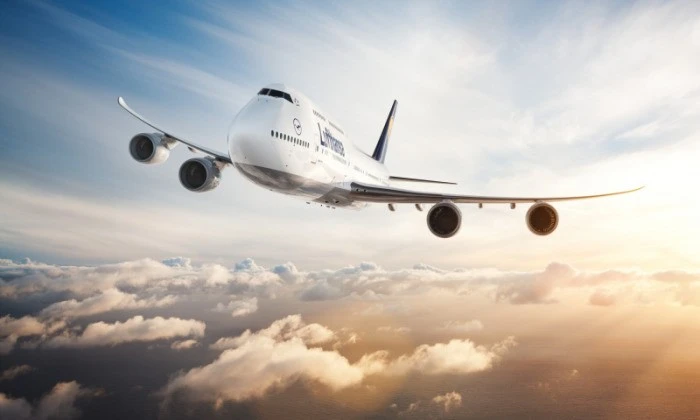
The engines are mounted under the wings where lift is generated, eliminating the need for a strong and heavy fuselage to support them. Furthermore, the fuel is nearby, in the wings. Servicing them often doesn't even require a stepladder. The disadvantages of this design include a large yaw moment when one engine fails, a nose-up moment when the engines are at full thrust, and a nose-down moment at idle due to their aerodynamic drag.
Engines located close to the runway suck up debris, and engine size is limited by the space under the wing. 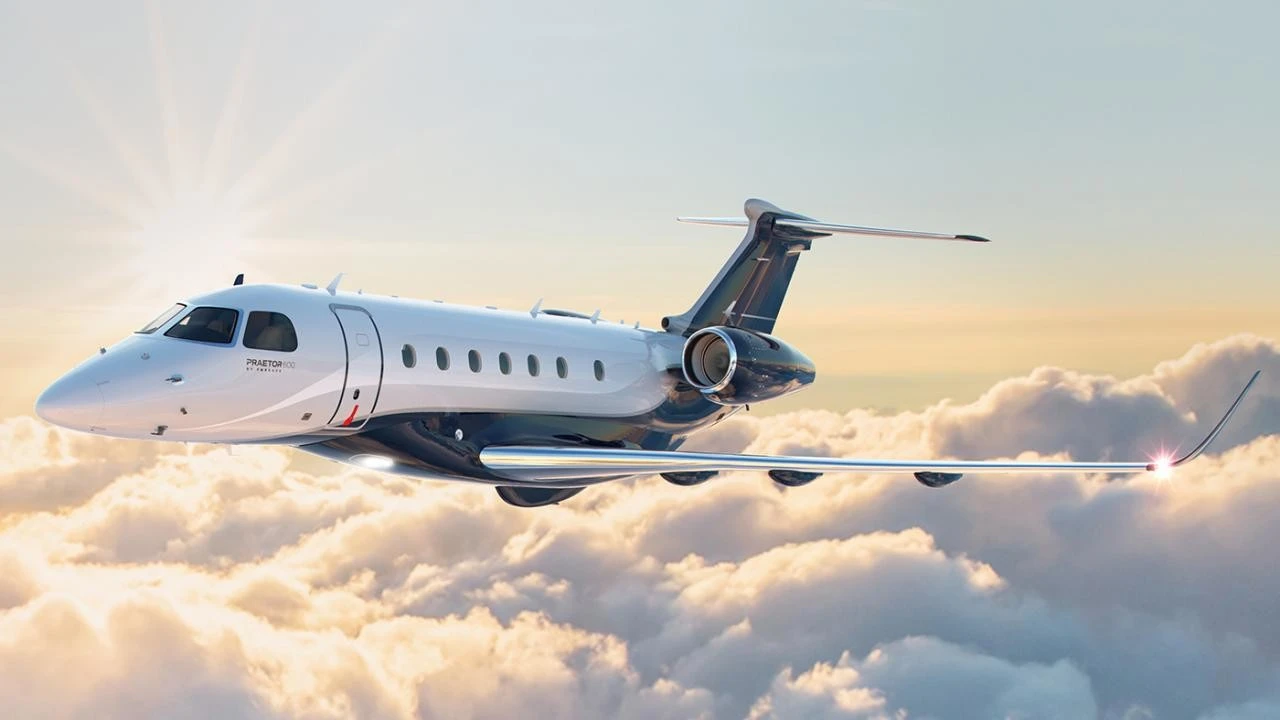
Even Embraer, a proponent of this layout/design, has switched to underwing engine placement in its latest models.
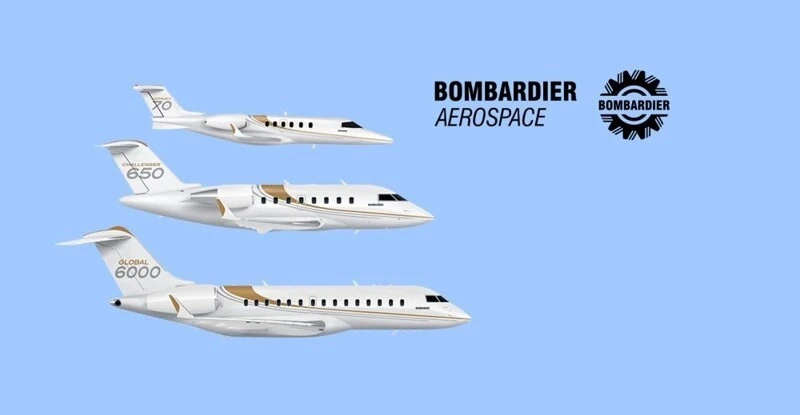
But Bombardier is probably one of the last remaining in passenger aviation with this layout?