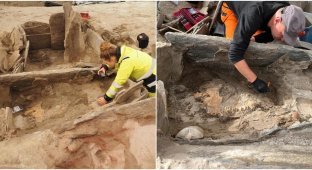
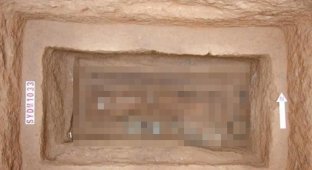
A treasure trove in an ancient Egyptian tomb changes our understanding of the past (3 photos)
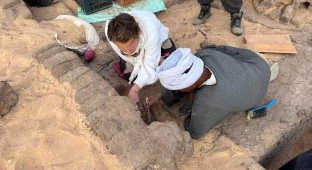
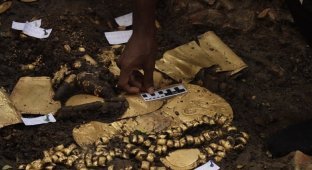
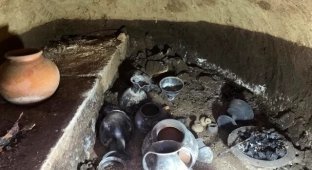
Archaeologists in Egypt have made a sensational discovery. Beneath the sands of Tanis, researchers discovered 225 funerary figurines in a mysterious arrangement. But the tomb itself was empty. 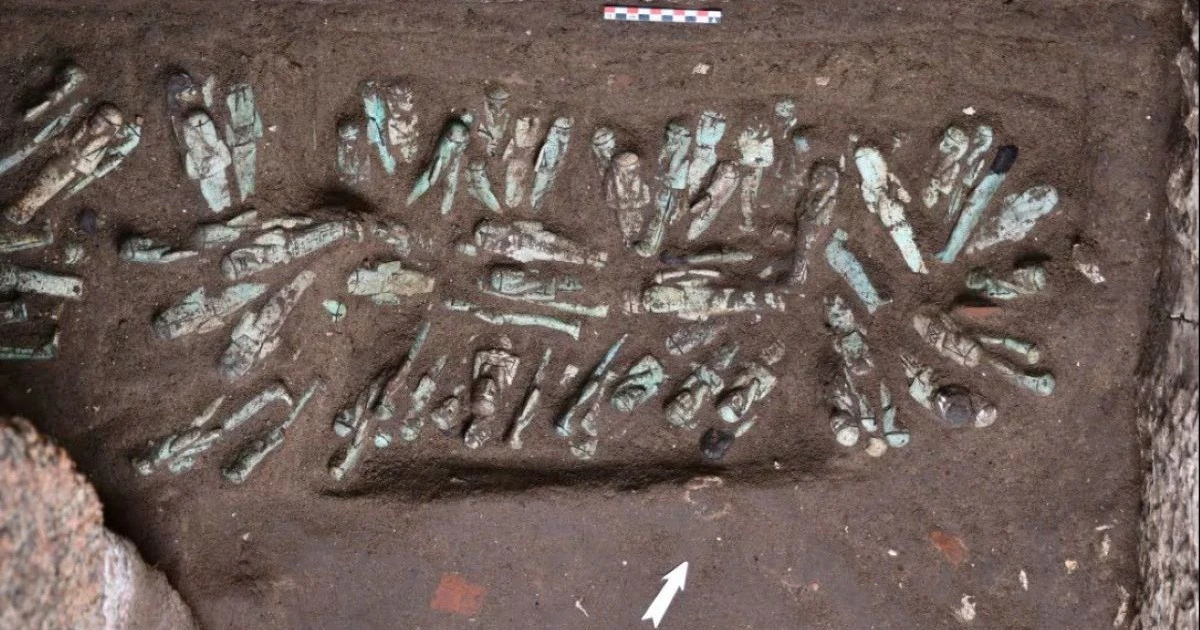
More than half of the figurines are female, which is unheard of in the funerary traditions of the Third Intermediate Period in Egypt.
The pieces are arranged in star-shaped patterns and perfect horizontal rows, indicating a carefully planned ritual that remained virtually unchanged for three thousand years.
This is one of the most significant finds since the 1940s. Royal symbols on miniature figurines indicate that the tomb belonged to Pharaoh Shoshenq III. His final resting place remained a mystery to Egyptologists for decades. He reigned from 830 to 791 BC. 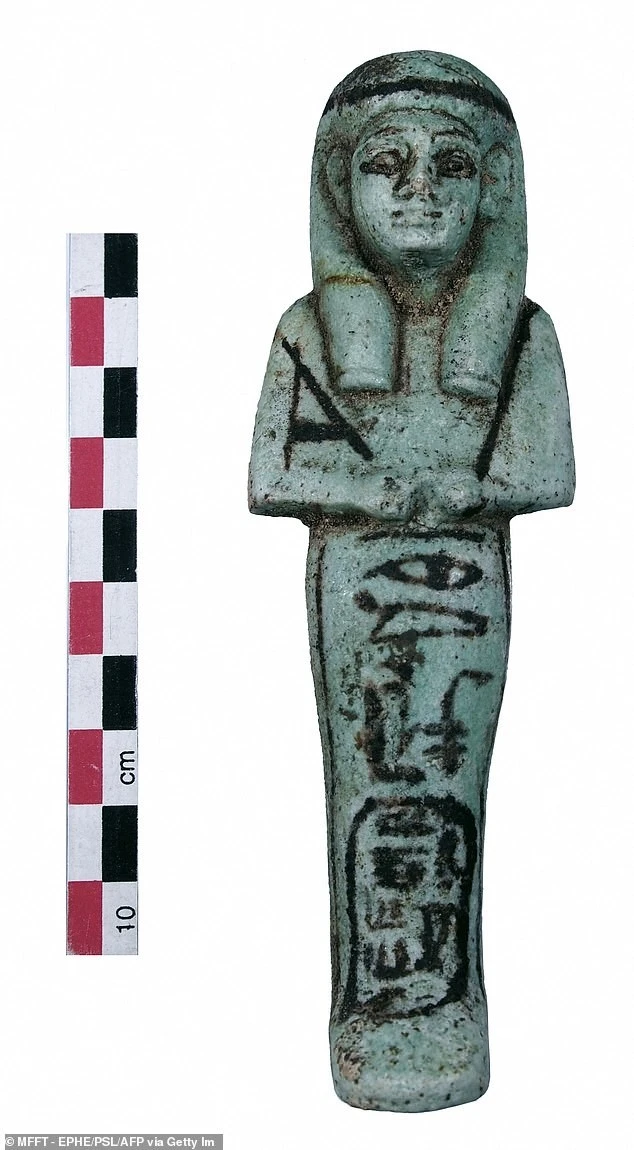
The discovery overturns old theories and reopens the question of why the pharaoh was never laid to rest in his tomb.
Experts carefully removed the artifacts for 10 days, working through the night to preserve their fragile condition.
After the study, the figurines will be exhibited at the Egyptian Museum. Visitors will be able to see the funerary rites of one of Egypt's most mysterious pharaohs.
French Egyptologist Frédéric Payraudeau told reporters in Paris: "Why isn't Shoshenq III buried in this tomb? Building a tomb is always a risk, because there's no guarantee that your successor will bury you there. Now we have further confirmation that such ventures don't always end in success."
Shoshenq III ruled during the Third Intermediate Period in Egypt, when the country was politically fragmented and plagued by power struggles.
His reign, which lasted forty years, was turbulent: a bloody civil war raged between Upper and Lower Egypt, during which several pharaohs fought for power.
Perhaps the succession to the throne did not go as planned, and the pharaoh was not buried in his chosen tomb.
Another theory: his remains were moved later due to looting. 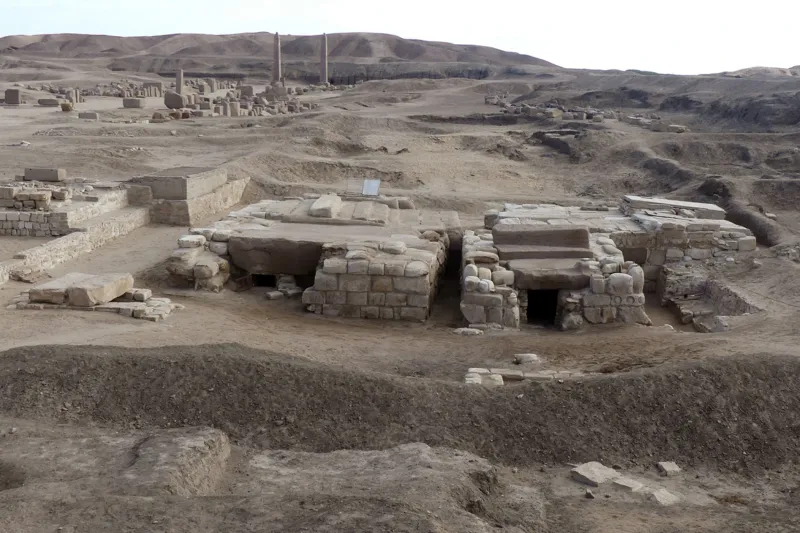
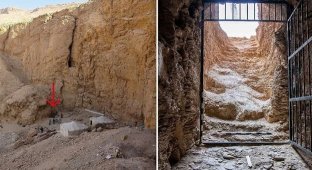
French Egyptologist Pierre Montet discovered a limestone tomb next to the Temple of Amun in 1939. Although ancient robbers had already visited, the largest of the four chambers still contains the granite sarcophagus of Osorkon II, a pharaoh of the 22nd Dynasty.
Researchers excavated three other corners of the tomb, where they found an impressive unmarked sarcophagus. "When we saw three or four figurines together, we immediately knew we were in for something incredible," says Pairaudo. "I ran to tell my colleagues and officials. It was the day before the weekend; we usually finish at 2 p.m. But in this case, we couldn't abandon the excavation."
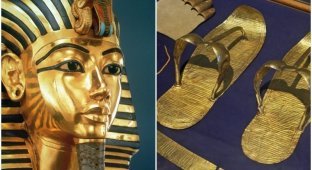
With the exception of Tutankhamun's tomb, discovered in 1922, similar objects had never been found in this region. Most ancient burials had been looted over the centuries, Pairaudo noted.