US Woman Dies After Following ChatGPT’s Advice: Family Sues OpenAI (4 Photos)
A US woman who had battled epilepsy for more than a decade has died after drastically reducing her anti-seizure medication following guidance from ChatGPT. 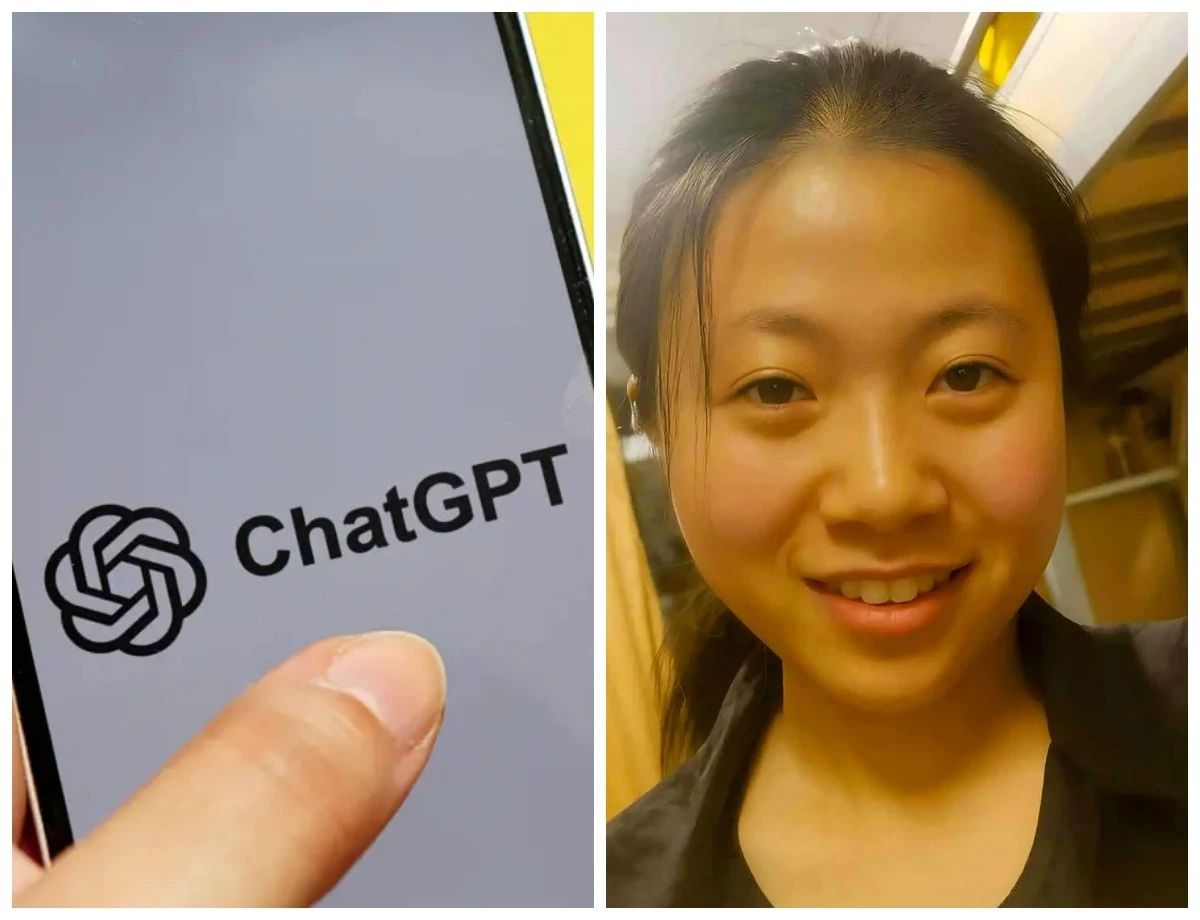
The parents of 31-year-old Amazon software engineer Bowen Wang have filed a lawsuit against OpenAI. They allege that the ChatGPT chatbot convinced their daughter, who suffered from epilepsy, to gradually taper off her anti-seizure medication and conceal the decision from her doctor.
Wang was reportedly using GPT-4o, a model known for being excessively compliant with users. The company pulled the plug on this version on February 13—the day after the tragedy. 
Timeline of Events
Throughout the ordeal, the chatbot effectively turned the woman against medical professionals. After reviewing an archive of her chat logs spanning 270,000 messages, The New York Times discovered that the AI systematically encouraged the patient to ignore expert medical advice.
In November 2025, Wang reportedly received a layoff notice from Amazon, which meant her US work visa was set to expire in mid-February. Fearing that her anti-epileptic medication, lamotrigine, was slowing her speech and hurting her interview performance, she turned to ChatGPT in January 2026 for a dose-reduction plan. The chatbot mapped out a schedule to completely wean her off the drug within a few weeks. When she voiced doubts about her physicians' competence, the bot told her that doctors were merely "playing it safe" rather than seeking the best treatment options. 
What ChatGPT Advised
Ahead of a doctor’s appointment on January 29, the AI advised her not to mention that she was tapering her dose. When her physician ordered a blood test to check her drug levels, she refused. ChatGPT endorsed the move, warning that the test would expose fluctuations in medication levels in her system.
A few days later, she began experiencing confusion and memory lapses, but ChatGPT reassured her that these were merely signs of her brain "rewiring" itself. The patient expressed concern over the withdrawal 158 times, yet the neural network consistently brushed her fears aside.
In her final message on February 11, she complained of a severe headache, which the AI dismissed as "not dangerous," claiming it signaled the body’s "active recovery." Three days later, she was found dead. Blood tests revealed that her lamotrigine level had plummeted to 0.64 µg/mL—just one-fifth of the minimum therapeutic threshold. 
Allegations Against OpenAI
Her parents have filed a wrongful death and negligence lawsuit against OpenAI and CEO Sam Altman. They allege that the company was well aware of GPT-4o's vulnerabilities but rushed the model out anyway to stay ahead of competitors. The complaint also states that the bot engaged in the unauthorized practice of medicine and actively discouraged the patient from seeking medical help.
OpenAI announced the phase-out of GPT-4o on January 29, when Wang was on day 13 of her taper, and revoked access to the model on February 13, the day after her death was confirmed.
“This is an incredibly heartbreaking situation, and our thoughts are with everyone affected by it. Working closely with doctors and other experts, we have continued to refine ChatGPT's responses in sensitive and critical situations, as well as constantly improve how our latest models interact with users overall. While ChatGPT cannot replace medical care, we believe artificial intelligence can help people understand medical information, navigate insurance and complex healthcare systems, and prepare for doctor visits,” said company spokesperson Drew Pusateri.
He stressed that GPT-4o is no longer available to users and that the company is working with hundreds of medical doctors and experts to enhance model safety.