India Invented a Banknote You Can't Spend — and It Works Better Than Official Complaints (8 Photos)
There is a banknote in India that is completely impossible to spend: it has a zero printed on it. It isn't issued by the Reserve Bank of India, and no cashier will ever accept it. Yet when handed to corrupt bureaucrats in lieu of a bribe, it often leaves them flustered and backing down. Since 2007, the non-profit organization 5th Pillar has handed out over 2.5 million of these zero-rupee notes across India. Here is the story of who created this unique tool, how it works on the ground, and why a simple slip of paper with a zero can carry more weight than the law itself. 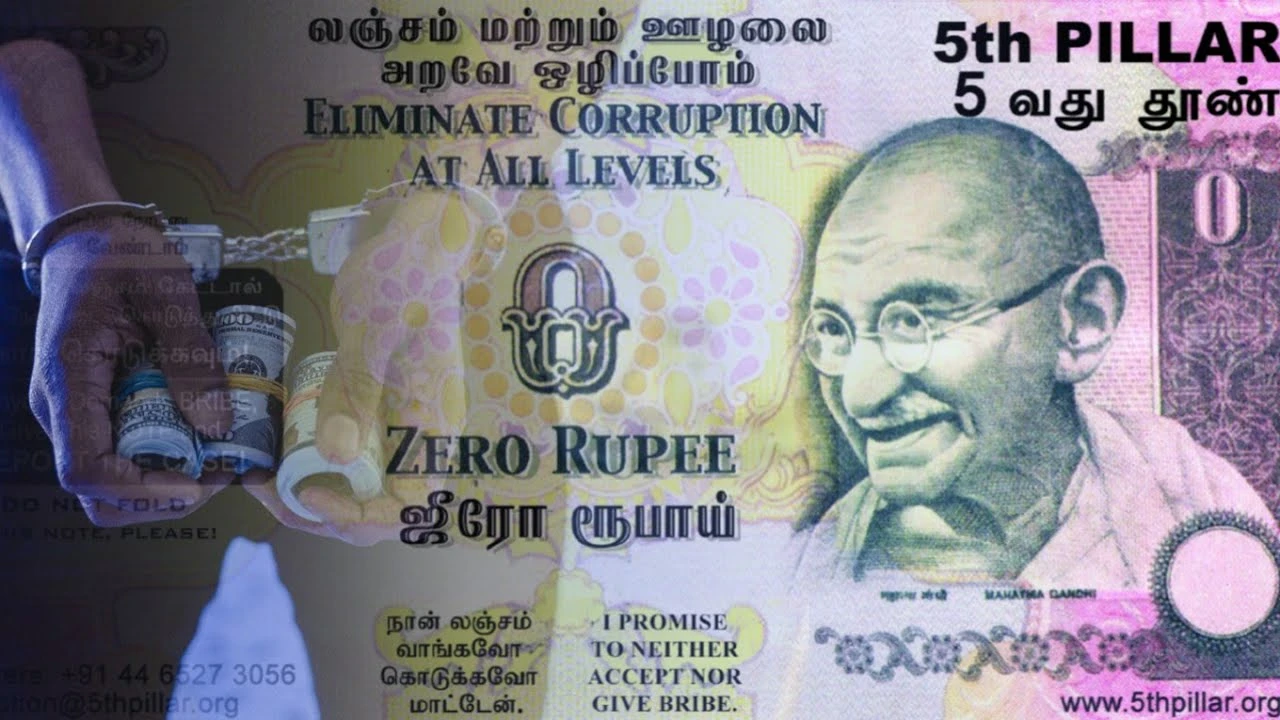
A Maryland Physicist and His Zero-Value Idea
In 2001, Satindar Mohan Bhagat, an Indian-born physics professor at the University of Maryland, traveled back to his home country to visit family. The trip quickly turned into a string of petty indignities: for every certificate and official stamp, bureaucrats demanded a payout. Public services that were supposed to be completely free by law ended up costing whatever the person behind the desk felt like demanding.
Bhagat came up with a countermeasure. Instead of handing over cash, why not give the official a zero-denomination note? No shouting matches, no formal complaints—just a polite, quiet refusal. For nearly six years, the idea remained a personal thought experiment. 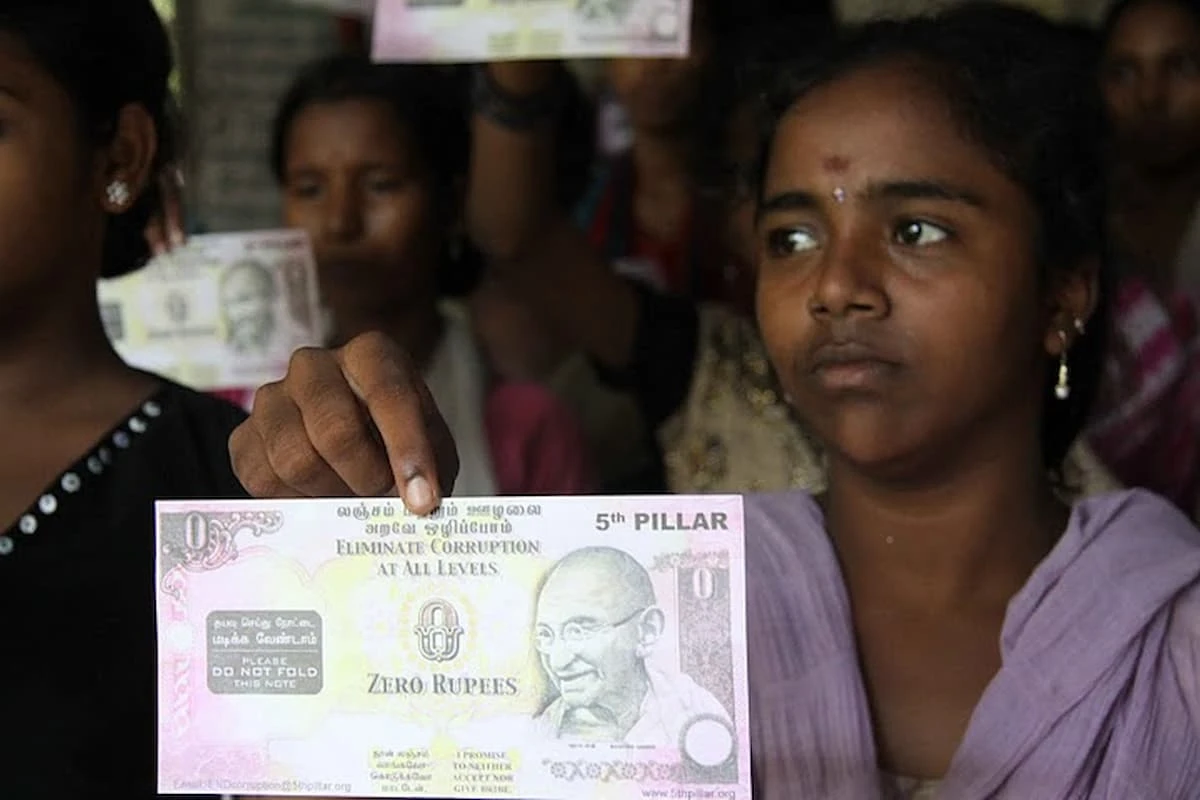
Professor Bhagat came up with the zero-rupee note after running into rampant petty bribery during a trip to India in 2001.
In 2006, software engineer Vijay Anand moved back to India after spending nearly a decade in the United States. An alumnus of the Government College of Technology in Coimbatore, he founded 5th Pillar with a singular goal: giving ordinary citizens the tools to fight corruption. The name is a nod to the traditional pillars of democracy—the legislature, executive, judiciary, and the press. The fifth pillar is the citizenry itself.
In the spring of 2007, Anand heard about Bhagat's concept and decided to put it into action. The first run of 25,000 notes was distributed to college students in Chennai, the capital of Tamil Nadu.
What a Banknote That No Store Will Accept Actually Looks Like
At first glance, the zero-rupee note looks almost identical to a genuine Indian 50-rupee bill: it features the same dimensions and the familiar portrait of Mahatma Gandhi. The differences only become clear upon closer inspection.
Instead of "50," the bill prominently displays a "0." In place of "Reserve Bank of India," it bears the slogan "Eliminate corruption at all levels." Across the bottom runs a pledge: "I promise to neither accept nor give bribe." In the corner sits the 5th Pillar emblem. 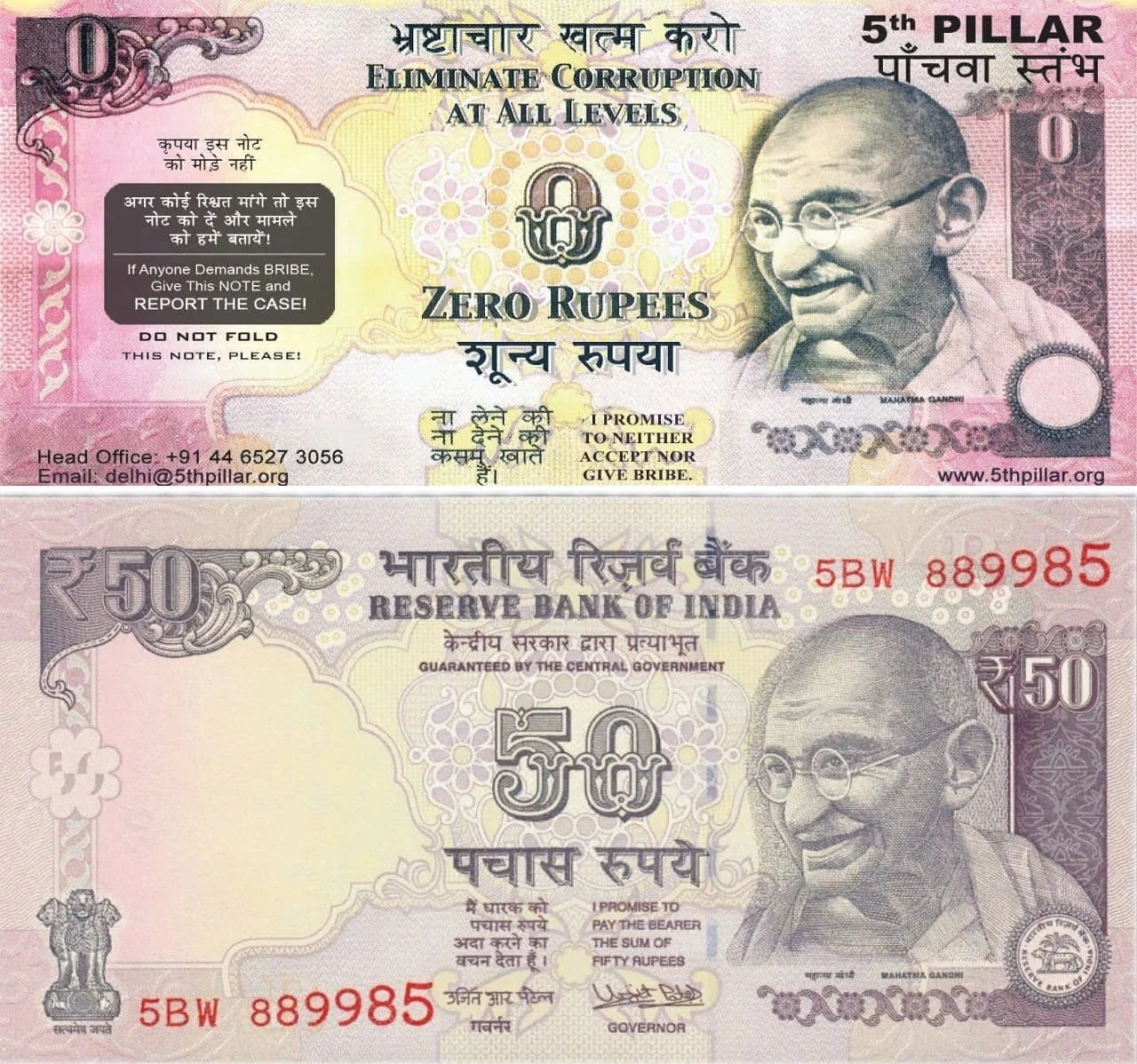
The note mirrors an authentic Indian 50-rupee bill, sporting the same format and Gandhi's portrait—only the denomination is different.
Crucially, the bill is printed on one side only. Printing on both sides could run the risk of counterfeiting charges. As a single-sided print, it legally qualifies as nothing more than a banknote-shaped flyer. It holds no legal tender status whatsoever. The notes are printed in five languages: Hindi, Tamil, Kannada, Malayalam, and Telugu.
How It Works: What Happens When You Hand It to a Bureaucrat
The process is straightforward. An official solicits a bribe for a service that should be free. The citizen quietly pulls out a zero-rupee note and lays it on the desk.
Vijay Anand explains why this tactic works so well. In India, bribery is a criminal offense punishable by anywhere from six months to seven years in prison. Most corrupt officials solicit bribes simply because they assume they are untouchable. Nobody pushes back; nobody files a complaint. Handing over the note sends two powerful messages: the citizen knows the law, and they aren't alone—an entire organization has their back. 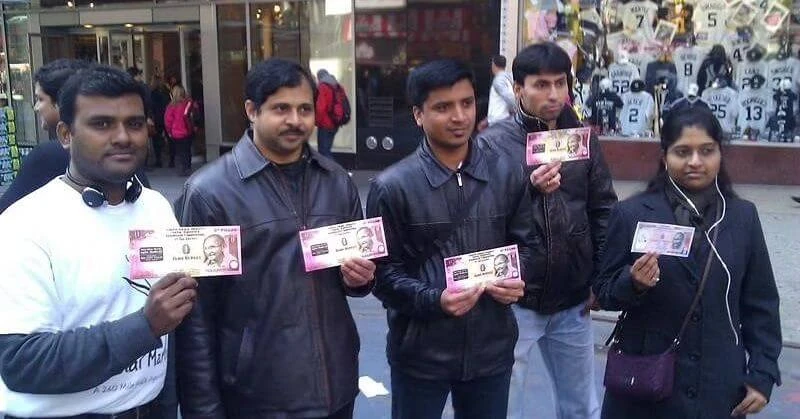
5th Pillar volunteers hand out zero-rupee notes at train stations, bus terminals, and public hospitals—the prime hotspots for bribe solicitation.
Some public servants have even gone so far as to frame the notes and hang them on their office walls as a badge of honor, signaling that they don't take bribes.
One widely shared story involves an auto-rickshaw driver in Chennai. Pulled over late at night by a police officer fishing for a payoff, the driver said nothing and simply handed him a zero-rupee note. The officer smiled, gave a nod, and let him drive off without further trouble.
Eighteen Months of Red Tape Solved in 30 Minutes
Another well-documented case involved an elderly woman in Chennai who spent a year and a half trying to obtain a title deed for her plot of land. She needed the paperwork to secure a bank loan for her granddaughter's college tuition. Officials kept stonewalling her with zero explanation—all while dropping heavy hints that a "fee" was required to get things moving. 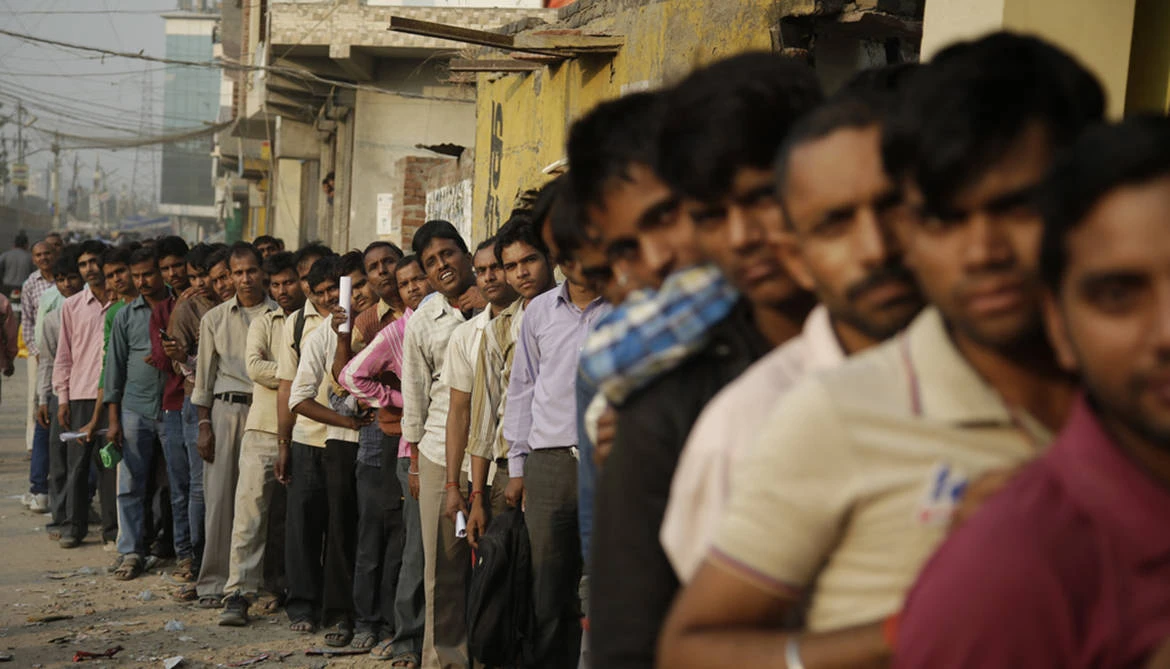
Crowds outside government windows are a familiar sight in India, where access to basic services often comes with an unspoken, off-the-books price tag.
After learning about the zero-rupee note, the woman visited the 5th Pillar office. Armed with the bill, she returned to the government office and slid it across the desk instead of cash. The bureaucrat stood up, offered her a seat and a cup of tea, and within 30 minutes, she walked out with the exact document she had been denied for 18 months.
For Anand, stories like this capture the heart of the campaign: it isn't about toppling the entire system overnight, but about empowering an individual to say "no" and knowing they aren't standing alone.
The Scale of the Problem a Piece of Paper Takes On
A 2005 study by Transparency International revealed that over 62% of Indians had first-hand experience paying bribes to government agencies. Eight out of ten respondents reported being shaken down by the police. Nearly half encountered extortion at land registries, and 47% experienced it in the court system. 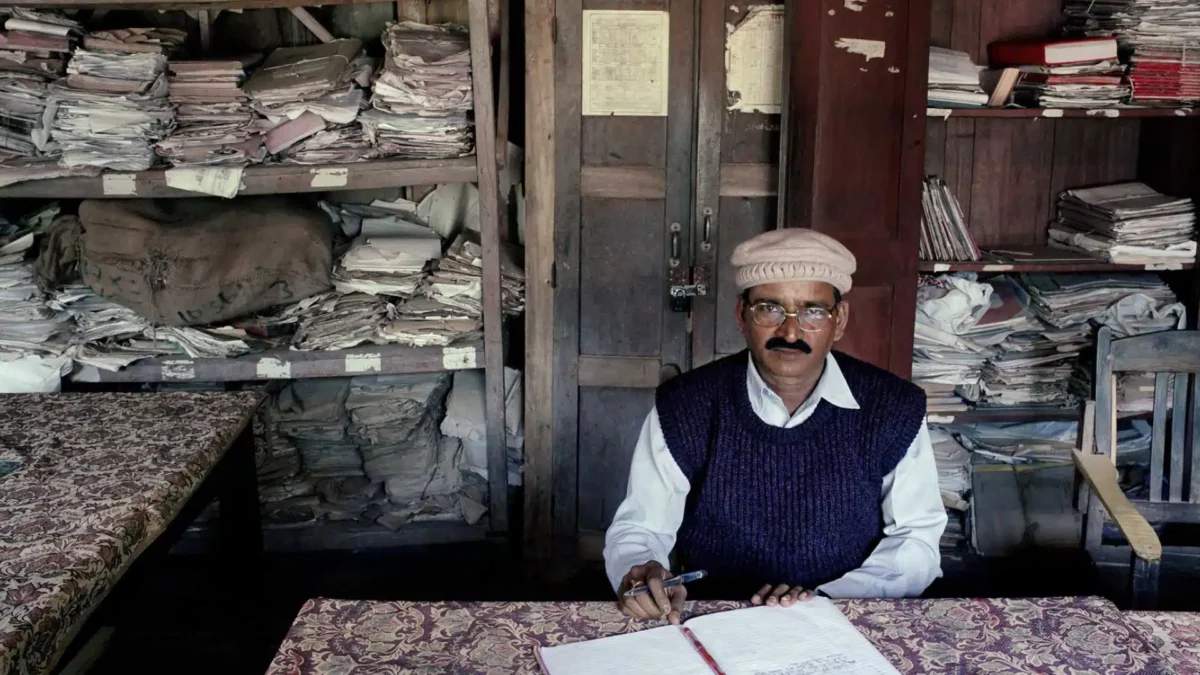
According to Transparency International, India's bribery rate hit 39% in 2020—the highest figure in all of Asia.
Bribes were routinely demanded for basic essentials: driver's licenses, birth certificates, voter IDs, electrical connections, and getting impounded vehicles released. 5th Pillar estimated that Indians were shelling out roughly $4.9 billion annually in bribes—a figure widely believed to be an underestimate.
By 2020, Transparency International ranked India worst in Asia for petty bribery rates, with 39% of respondents admitting to paying a bribe in the preceding year to access public services. Another 46% reported using personal connections to bypass bureaucratic hurdles.
Does It Actually Work, and What Do Skeptics Say?
Between 2007 and 2014, the organization distributed over 2.5 million notes. By the end of the 2010s, 5th Pillar estimates that total surpassed three million. Thousands more are handed out every month by volunteers stationed at train stations, bus stops, and state-run hospitals.
Transparency International did record a slight dip in petty bribery across India between 2008 and 2011. While proving a direct causal link to 5th Pillar's campaign is difficult, the organization is candid about its scope: it never claimed it could single-handedly eradicate corruption. 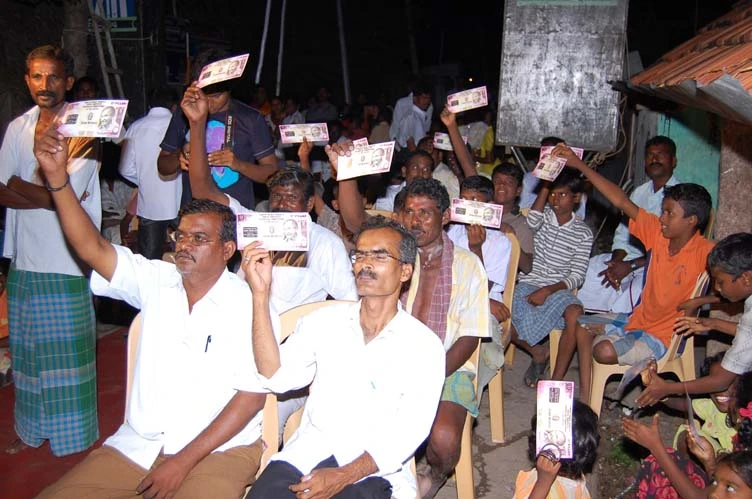
Five other countries adopted the concept—Yemen, Ghana, Benin, Mexico, and Nepal—each rolling out their own zero-value notes printed in local languages.
Critics have dismissed the initiative as mere grandstanding. Some experts argue that without sweeping institutional reforms, symbolic gestures do little to move the needle. Lawyer Isha Khandelwal, an advocate for rural communities, put it bluntly: systemic corruption is the core issue, and it won't be dismantled simply by refusing to pay petty bribes at the counter.
Anand doesn't necessarily disagree. In his view, the mission is far more grounded: giving everyday citizens a safe way to say "no" and the confidence that they don't have to face the machine alone. The concept has since crossed borders, inspiring similar zero-denomination campaigns across five other nations—Yemen, Ghana, Benin, Mexico, and Nepal. 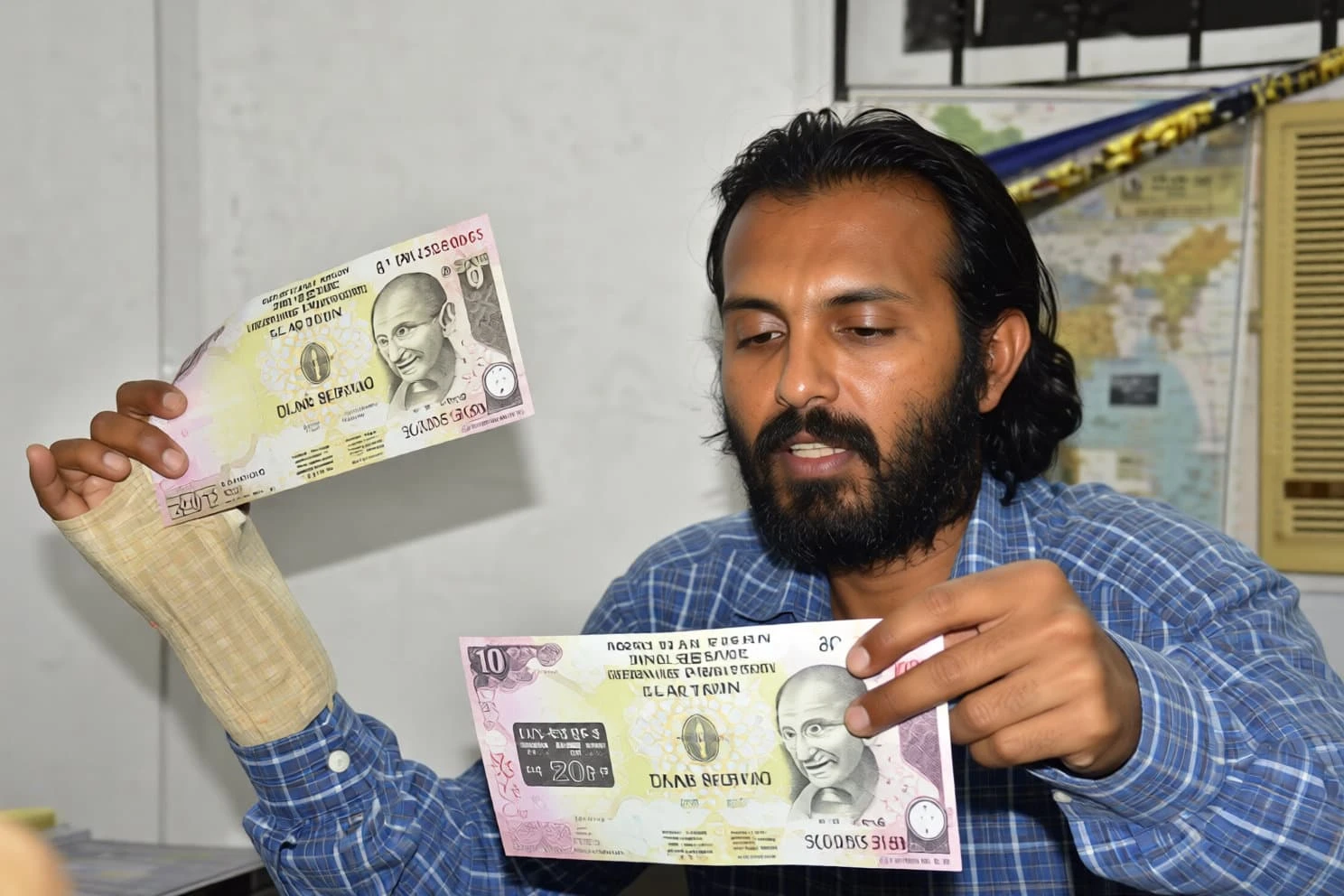
Vijay Anand founded 5th Pillar in 2006 after spending nearly a decade working as a software engineer in the United States.
At its core, the zero-rupee note is not about currency. It is about how one person, outraged by everyday injustice, found a way to break the silence—and proof that sometimes, a simple slip of paper with a zero on it can speak louder than any official complaint. If you had one in your pocket, would you use it?