The Beautiful Carolina Otero: How a Former Prostitute Drove Europe Wild (12 Photos)
The French courtesan Caroline Otero was known as the "Queen of Paris." She was admired not only in France but also in Britain, Germany, Spain, and Austria. She traveled a difficult path from a woman selling her body on the streets to a society lady admired by aristocrats and even monarchs. 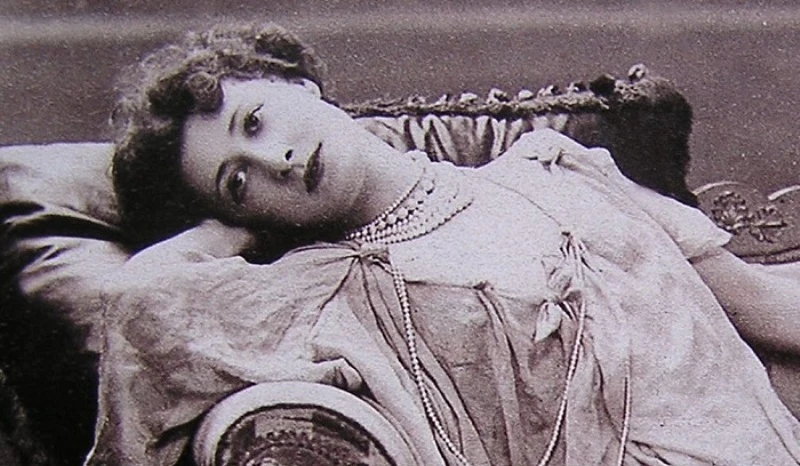
A Girl from the Slums
The legendary Parisian courtesan Caroline Otero’s real name was Agustina de Carmen Otero Iglesias. She was born on November 4, 1868, in the Spanish province of Pontevedra. Her mother, Carmen Otero Iglesias, was raising four other children—born to different fathers—in addition to little Agustina. Carmen had no husband and sold her body to support her large family. 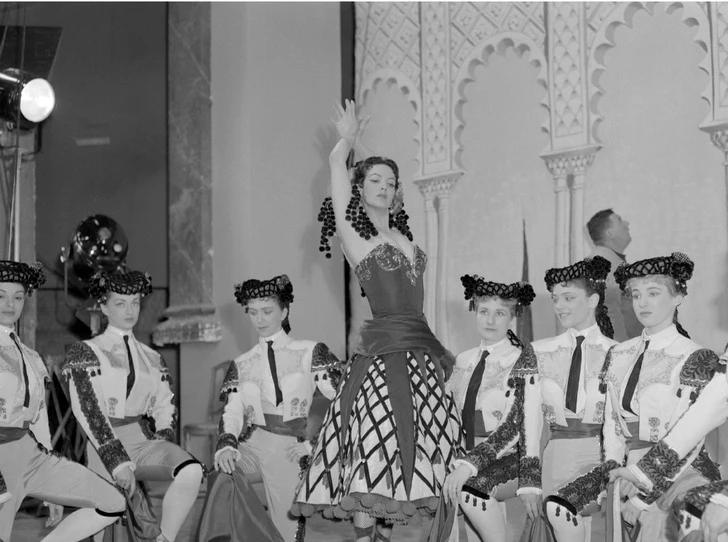
Her mother was rarely home, and the children were left to fend for themselves. Agustina spent almost all her time on the street in the company of local hooligans. She scavenged for food and clothing in trash heaps and did not shy away from petty theft. When the girl was just ten years old, she was raped and nearly killed. Passersby saved the child by scaring off the attacker. The police attempted to find the perpetrator but were unsuccessful. Agustina suffered severe injuries—both physical and emotional. 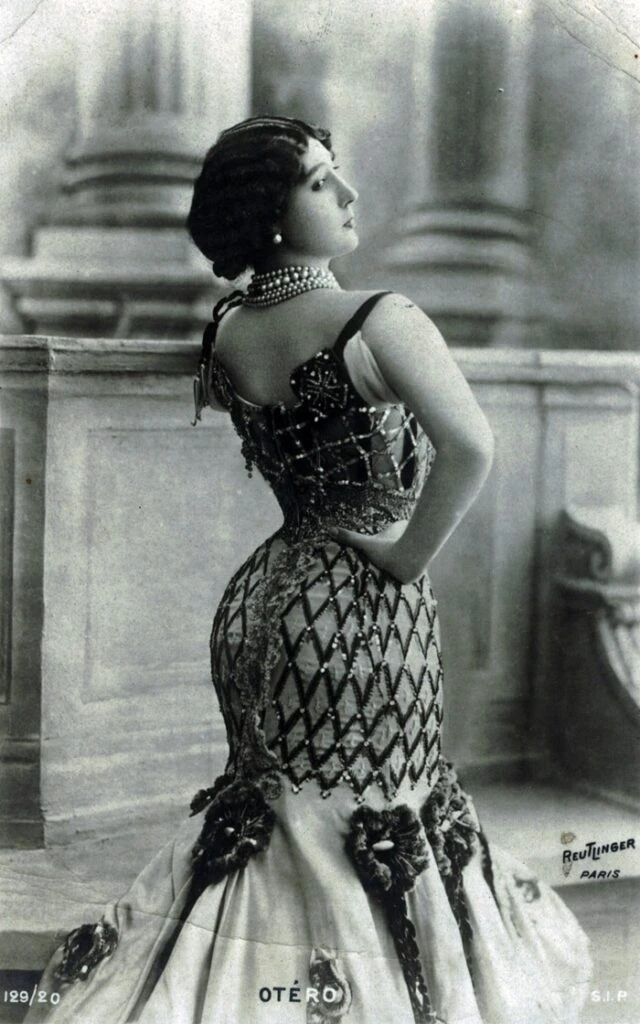
The tragedy changed the girl's outlook on life. It was as if Agustina snapped to her senses and resolved to do everything in her power to escape poverty. At the age of 14, Carolina—the name she chose for herself—ran away from home with a group of friends. They headed to Lisbon. There, the young Spaniard worked as a prostitute and occasionally performed dances in local bars. 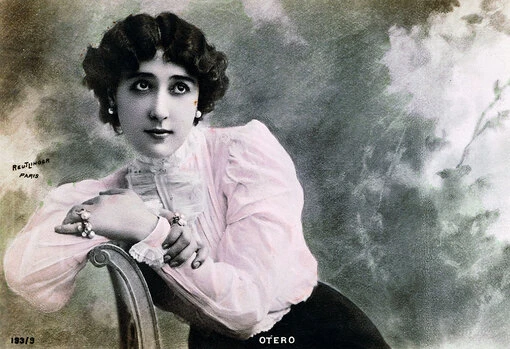
Carolina possessed undeniable talent; she soon rose to fame, and various establishments vied to book her. She could have built a career as a dancer in Lisbon, but she had entirely different plans. Otero set off for Barcelona, where there were greater opportunities to earn money. Before long, Carolina became a star there as well. Wealthy men flocked to her, captivated by the young performer's beauty and grace.
Dreams Come True
The year 1888 marked a turning point for 20-year-old Carolina. She met a wealthy man who became not only her lover but also her patron. He invested in Otero’s talent and funded her spectacular dance shows. The couple frequently appeared at bohemian haunts, where Carolina cultivated valuable connections. She mingled with celebrities, artists, musicians, and politicians. 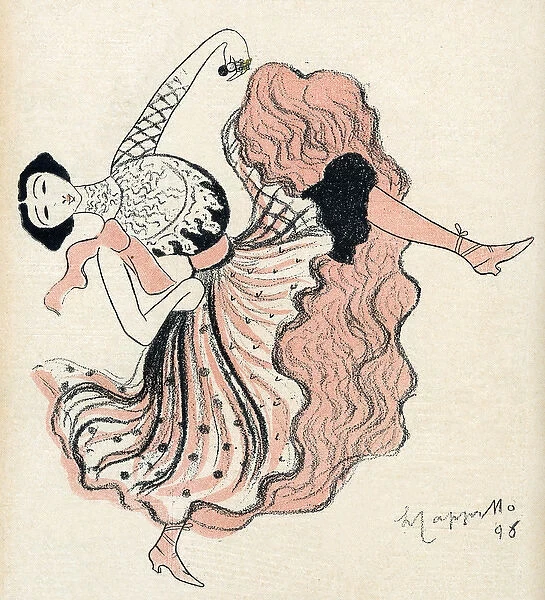
It was during this time that a new stage persona emerged. Carolina began performing as an Andalusian Gypsy under the stage name "La Belle Otero." The dancer’s natural gift and beauty captivated audiences, making them fall in love with her. After her performances, she was showered with flowers and lavish gifts, while hundreds of admirers longed to spend even a few moments in her company. 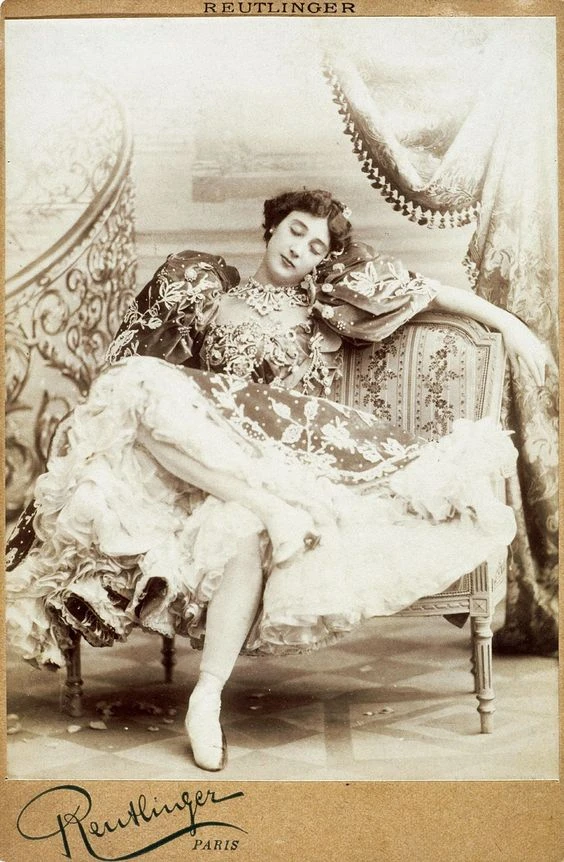
Carolina Otero became a muse for poets, writers, artists, and architects. When the InterContinental Cannes hotel was completed in 1913, rumors circulated that its two domes were modeled after the beautiful courtesan's breasts. Before long, Barcelona felt too small for Carolina, and she moved to Paris. There, she began performing at the Folies Bergère, dancing in lavish costumes encrusted with crystals. 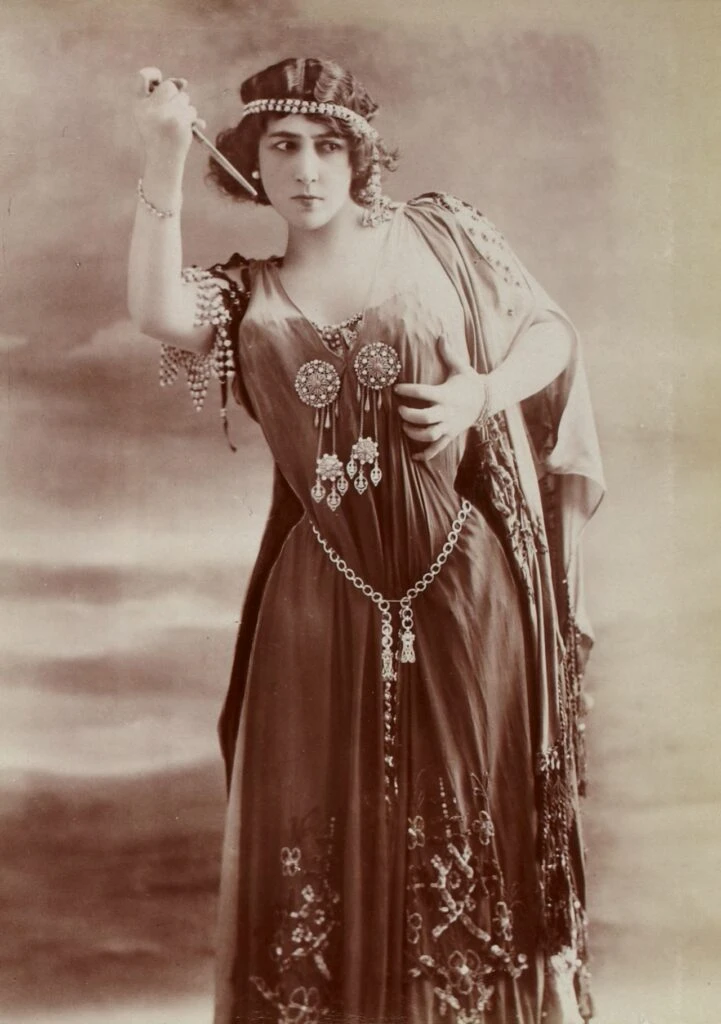
Everything the hungry Spanish girl had once dreamed of came true. She became wealthy and famous. Millionaires and aristocrats vied for her favor. Otero’s lovers included Kaiser Wilhelm II of Germany, Prince Albert I of Monaco, Grand Dukes Peter Nikolaevich and Nicholas Nikolaevich Romanov, Hugh Grosvenor (the Duke of Westminster), and King Edward VII of Great Britain. 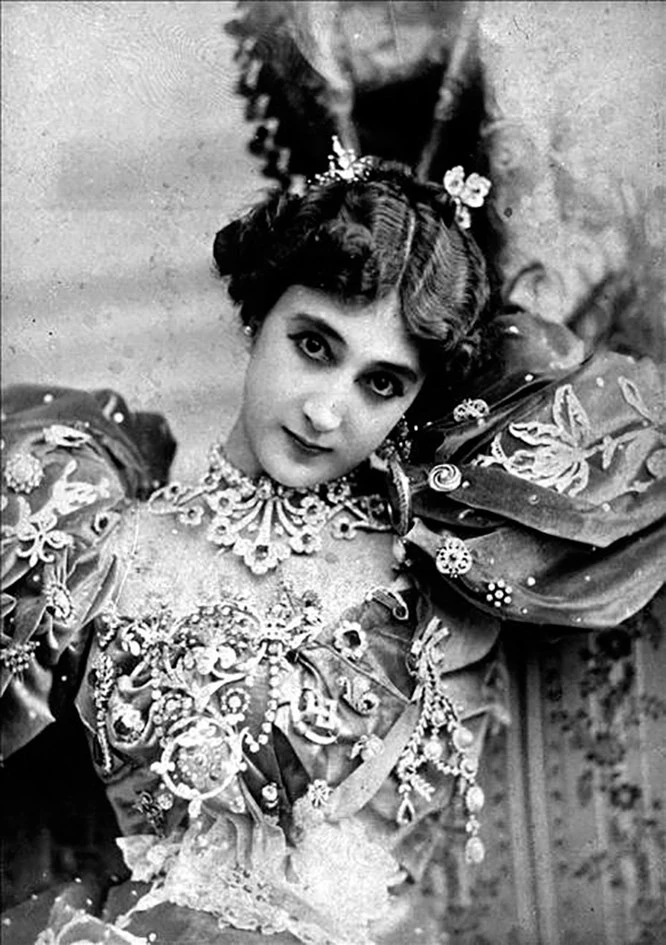
Duels were fought over Carolina, and six of her rejected suitors took their own lives. Women, meanwhile, loathed the beauty; her success provoked bitter envy. Consequently, Paris was rife with rumors and vile gossip regarding the star's promiscuity and scandalous behavior. Yet, Otero herself was little troubled by the machinations of her envious detractors; she remained focused on her fame and fortune.
A Destructive Passion
By 1918, Carolina Otero could afford anything she desired, even without wealthy admirers. She purchased a vast mansion in Nice and furnished it with regal opulence. Everything would have been perfect, were it not for a single vice that ruined it all: she was a compulsive gambler. Over the years, Otero became a regular at the Monte Carlo casino, where she could lose a fortune in a single evening. 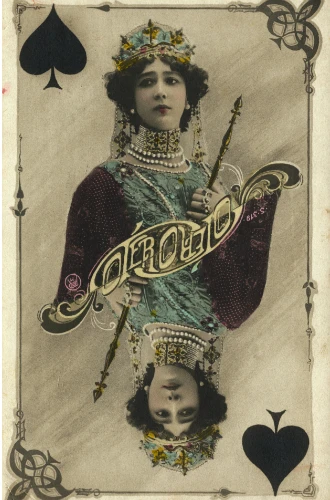
Whenever she ran out of money, Carolina would unhesitatingly pawn her jewelry. The courtesan possessed a magnificent collection of gems gifted to her by infatuated admirers. Among them were Queen Marie Antoinette’s necklace, a string of black pearls belonging to Empress Eugénie (wife of Napoleon III), and a unique masterpiece by Cartier—a diamond and white gold "bolero" necklace. 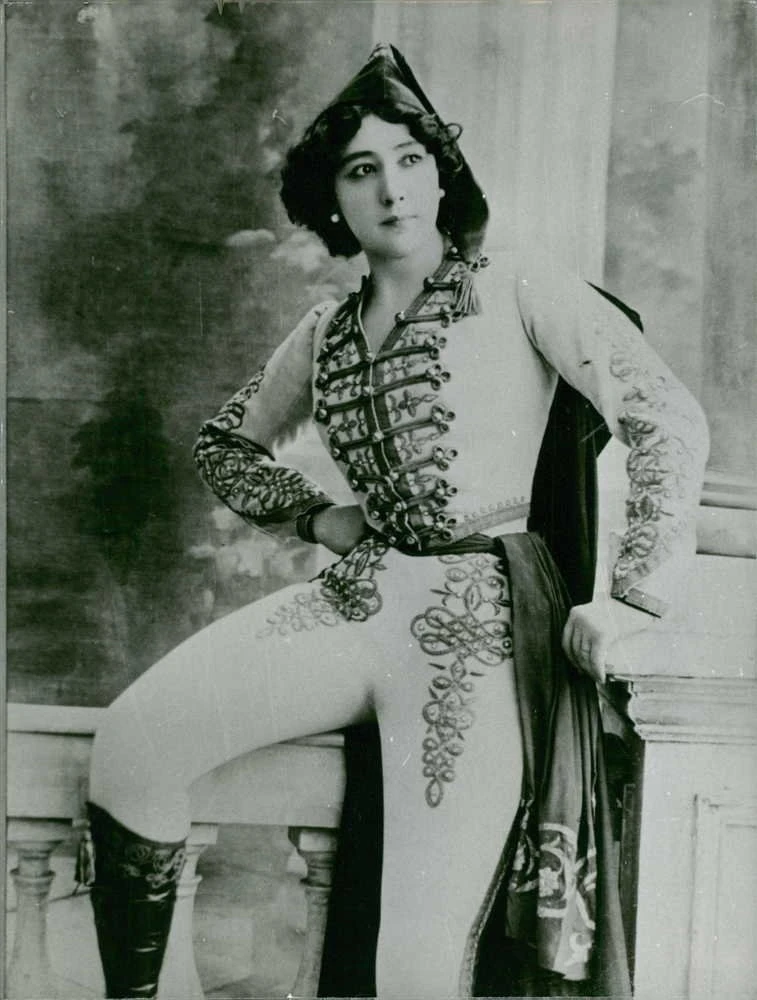
Carolina gambled away all these priceless treasures. By 1948, both her money and her jewels were gone. Unable to stop, the elderly, ailing woman sold off her real estate. Ultimately, she ended up living in a standard single room at the Hotel Novelty in Nice. It is said that several Monte Carlo casinos granted her an allowance out of respect for one of their oldest patrons. According to another version, a wealthy admirer who kept his identity secret supported Otero until her death. 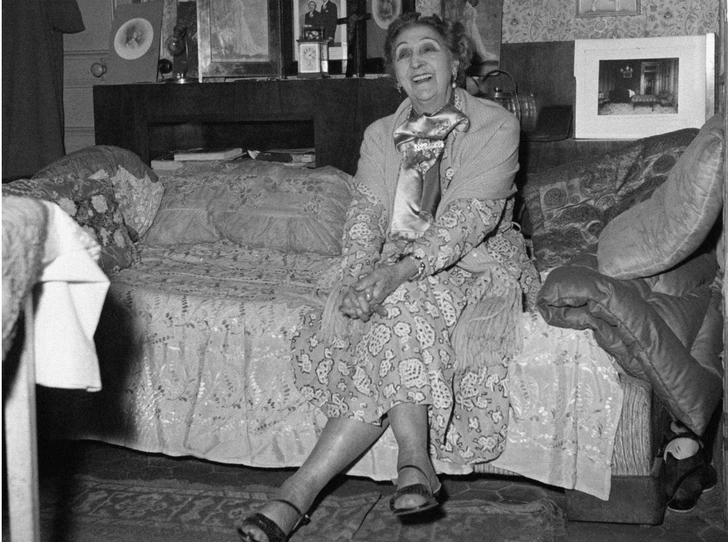
Carolina Otero. 1965
Shortly before her death, Carolina Otero wrote a book of memoirs titled *Memoirs and the Intimate Life of the Beautiful Otero*. Europe's most famous courtesan died in 1965 in her modest hotel room. The "Queen of Paris" was gone, but her life continued to inspire artists. 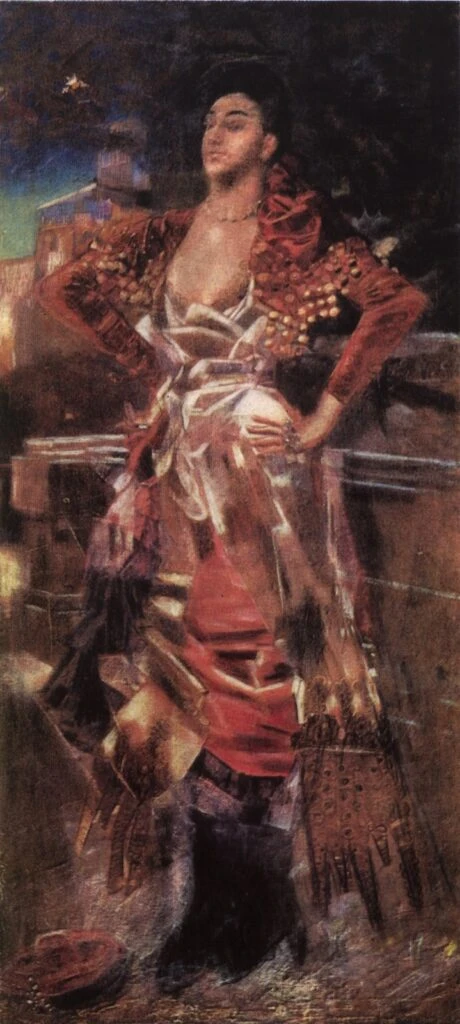
The Beautiful Otero. Painting by Mikhail Vrubel. 1898
Uruguayan writer Carmen Posadas wrote a book about the courtesan titled *The Beautiful Otero*. French director Richard Pottier made a feature film of the same name. The artist Mikhail Vrubel immortalized the image of the beautiful dancer in one of his paintings.