US Officially Authorizes AI Robots to Write Prescriptions for Humans (2 Photos + 1 Video)
While we're laughing at AI-generated memes, artificial intelligence in the US has quietly reached for healthcare's holy grail: prescription pads. Utah has launched a pilot program allowing a mobile app called Nolla Derm to diagnose patients and write official prescriptions. Human doctors are either completely optional in this setup or only needed once a month to make sure the algorithm hasn't killed anyone. 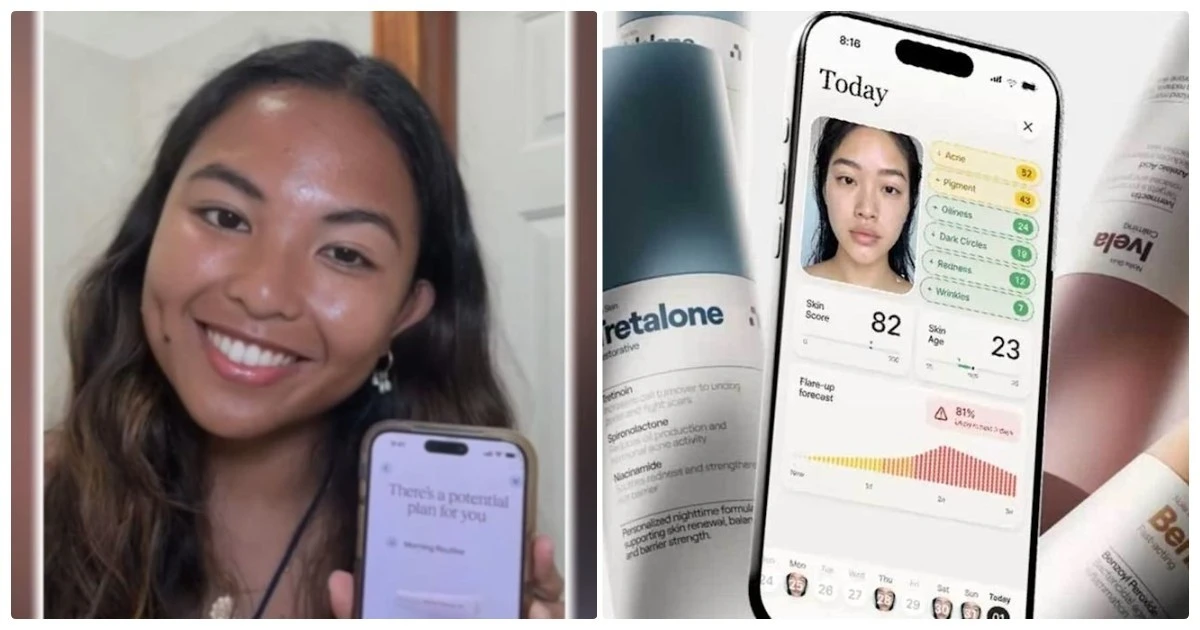
For now, AI is being deployed against the most harmless yet lucrative target: acne and pimples. The thing is, seeing a dermatologist in the US is a whole ordeal. First, you wait a month for an appointment, then shell out a couple hundred bucks just to have a doctor glance at your pimple and write a prescription for ointment. The creators of the Nolla Derm app set out to disrupt this exact model.
For patients, the process works like ordering a pizza. You confirm you’re at least 18 years old and upload your ID. Take selfies of your face from five different angles. Fill out a brief questionnaire and pay a $4.99 subscription fee. That’s it. The algorithm scans your breakouts, makes a diagnosis, builds a treatment plan, and, most importantly, generates an official prescription sent straight to your nearest pharmacy. 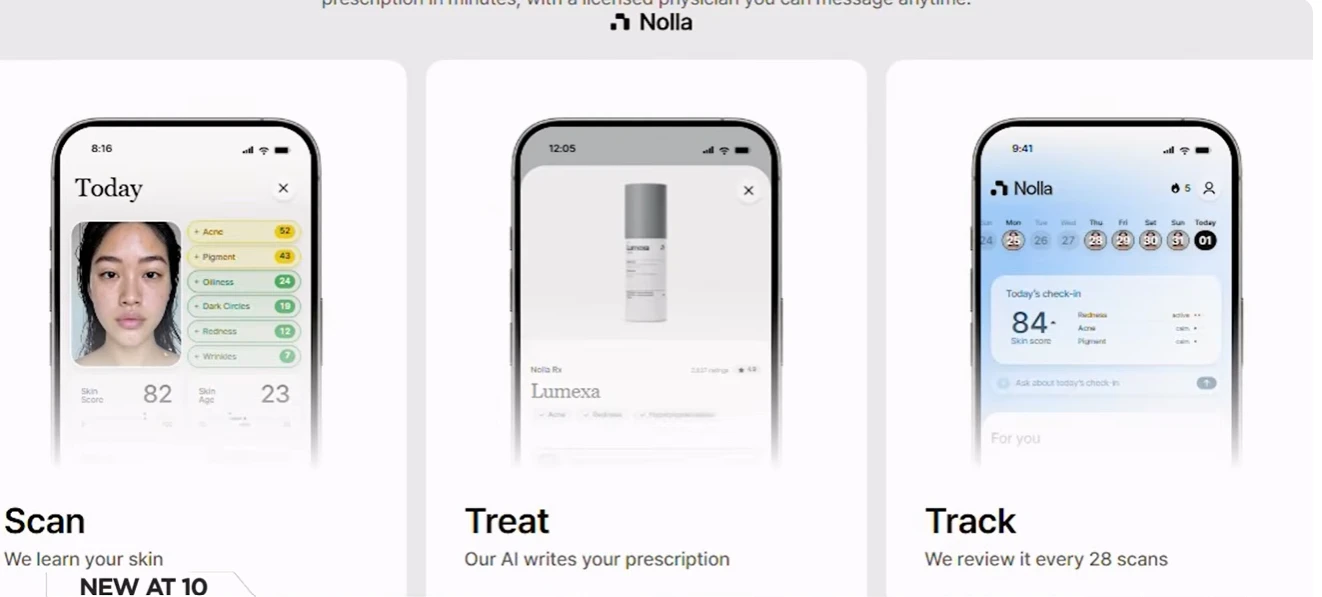
Utah regulators forced the developers to split the trial into three phases, with real doctors serving as babysitters for the AI. In the first phase, the robot generates a prescription, but it won't be sent to the pharmacy until two licensed human doctors independently approve it by hand. Once doctors confirm the prescriptions are solid, the AI is set free. It writes prescriptions directly for patients, while doctors simply log into the database once a week to casually check if everything is fine and ensure no one was prescribed rat poison as a preventive measure. If the robot's diagnostic accuracy matches human doctors by over 95% in the early phases, the AI is moved to a monthly audit. Doctors will review just a random 10% sample of prescriptions from the database and deal with any unfortunate souls experiencing allergic reactions or side effects.
The developers candidly admit that treating acne is like building with Lego blocks. Treatment protocols have been refined over decades, and the medications are mostly topical (various creams and ointments). This means the risk of the AI accidentally prescribing something lethal that causes liver failure is kept to a minimum.
On top of that, the app's creators are cheekily trolling the medical community: "Why should top dermatologists waste time inspecting routine teenage acne? Let them save people from skin cancer, and we'll cure the pimples ourselves."
To put it mildly, American medical professionals are furious about such "help." The reason is that Utah is a unique state. Local authorities created a "regulatory sandbox" there, allowing startups to legally bypass strict US federal laws.
At the beginning of the year, Utah tried launching another AI project (Doctronic) that automatically renewed old prescriptions for chronic patients. Back then, the Medical Board raised hell, claiming that robots can't see side effects and are "practicing medicine without a license." The project was eventually dragged to a halt, though not without difficulty.
But progress seems unstoppable. Startup CEO Louis Venus is already openly declaring their ambition to build a full-fledged AI primary care physician that will eventually treat just about anything.