Why Ritchie Blackmore Stormed Out of Deep Purple—and How He Decided to Return (6 Photos)
Even the most die-hard Deep Purple optimists had long surrendered any hope that the band would ever share a stage with their legendary guitarist and co-founder, Ritchie Blackmore. Too many bridges had been burned, and far too many bitter barbs had been traded in the press over the years. 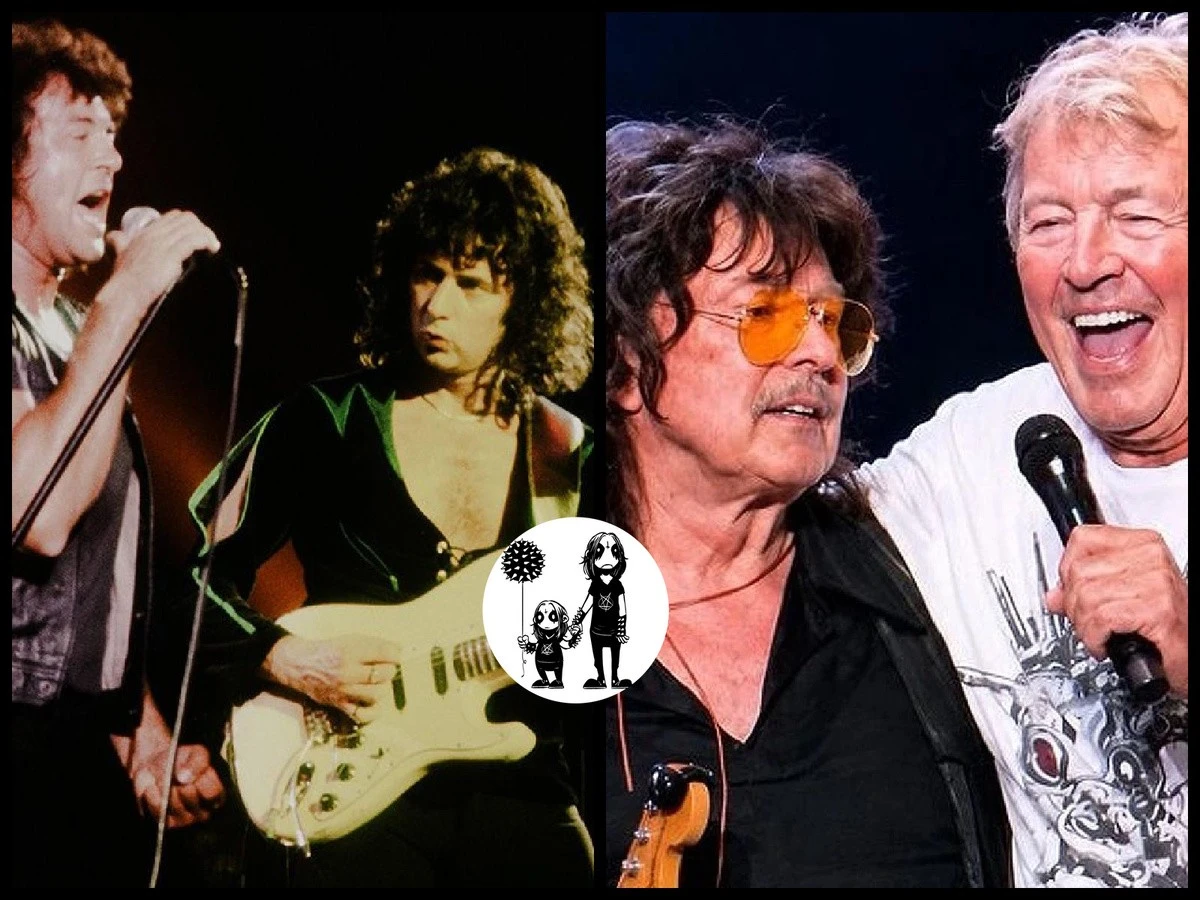
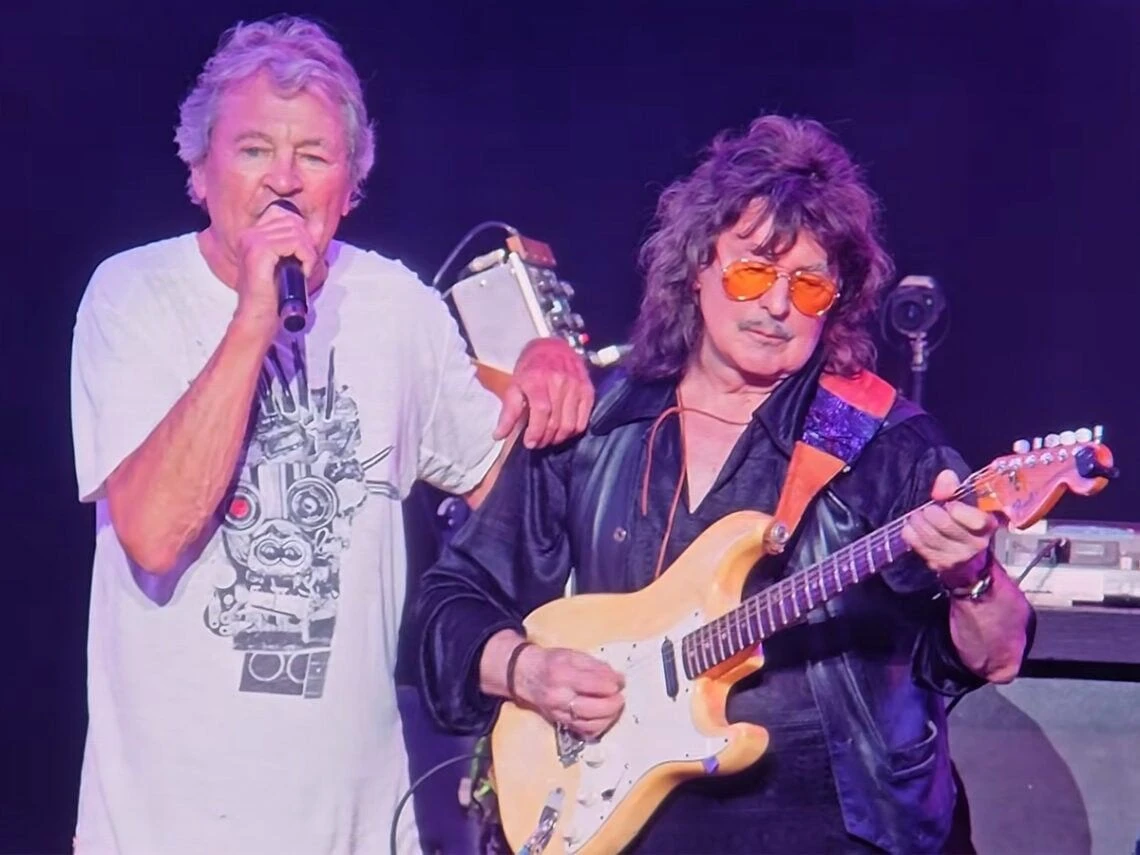
Yet, as this year has proven, anything is possible in rock and roll. In August, Blackmore stunned the music world by making an unannounced guest appearance with Deep Purple during their concert in New York! 
Speaking to reporters after the show, the maestro revealed how the seemingly wild idea first came to life:
"I sent an 'electronic pigeon'—an email—to Ian Gillan in Portugal, where he lives now," Blackmore explained. "I asked, 'How would you feel if I just came on for the encore? Just for one song. I don't want to muscle in. No pressure—just for old times' sake. I'm 81 now.' And believe it or not, he loved the idea! He ran it by the band, everyone gave it the green light, and we just went out and did it!"
This historic appearance brought a graceful end to a 33-year cold war. The two camps hadn't spoken since Blackmore's infamous, stormy departure following a show in Helsinki back in November 1993.
Here is a look back at why the classic lineup imploded and how "the battle raged on" for more than three decades.
Chapter 1. A Cruel Irony and the Album Nobody Wanted to Make
Blackmore's relationship with the group he co-founded in 1968 had always been turbulent, to say the least. He first walked away from Purple in 1975, disillusioned by the funk-infused direction of the album *Stormbringer*. After the classic Mark II lineup successfully reunited in 1984, the old friction between the guitarist and frontman Ian Gillan flared up again, driving Gillan out in 1989.
The band brought in former Rainbow vocalist Joe Lynn Turner, but album sales were dwindling. Record executives then strongly "advised" bringing Gillan back, whose own solo career was losing steam at the time. Neither Blackmore nor Gillan was thrilled at the prospect, but both agreed to try and bury the hatchet.
They managed to keep their mutual animosity in check just long enough to record their 1993 release. Fittingly enough, the album was titled *The Battle Rages On...* 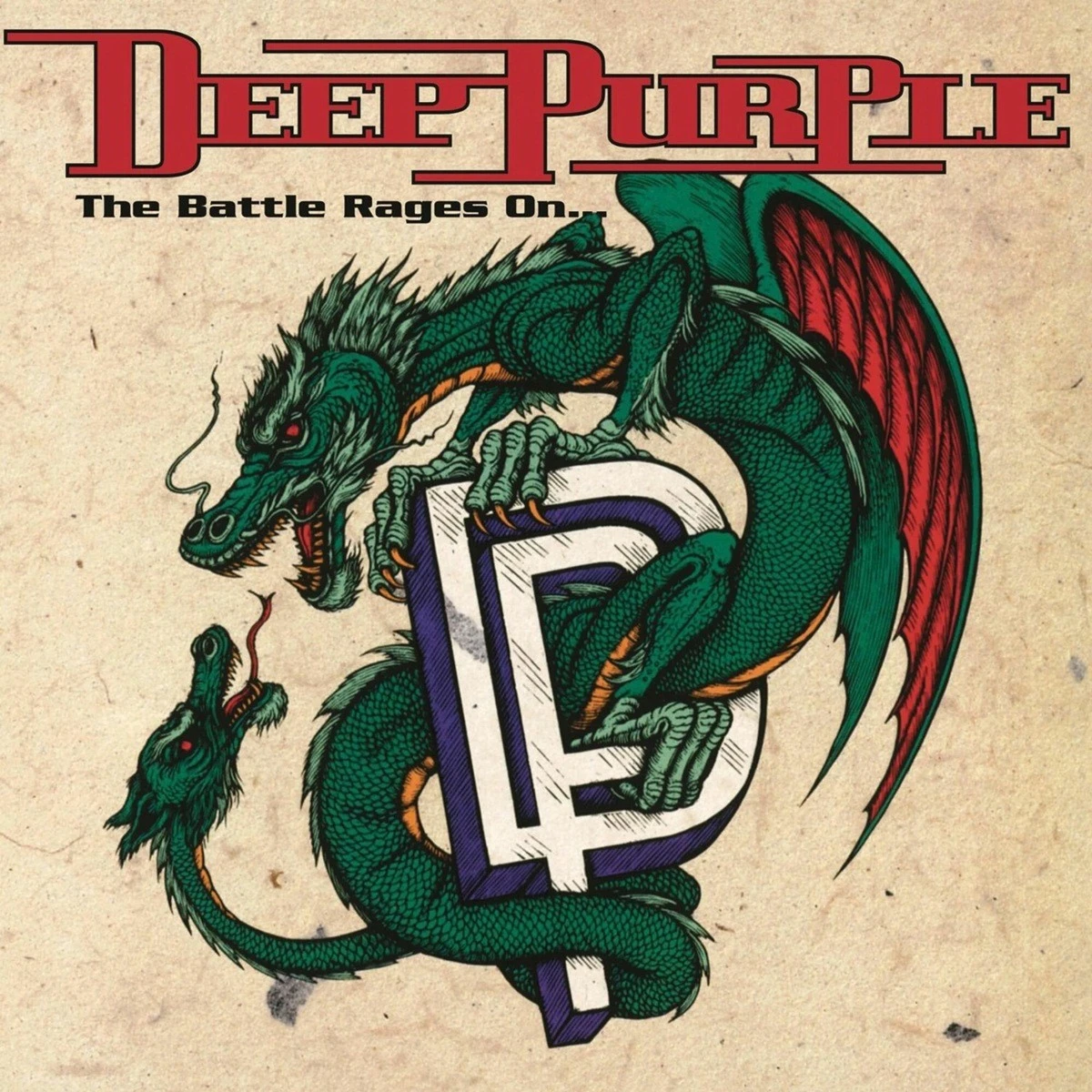
The recording sessions dragged on for a grueling ten months, and the finished product left critics and fans underwhelmed. Music writers tore into the record, quickly coining a scathing pun: by tweaking a couple of letters, they dubbed *The Battle Rages On* as *The Cattle Grazes On*. The joke was clear—the once-mighty rock titans had devolved into a sluggish, cud-chewing herd merely going through the motions to fulfill a contract. Audiences, too, gave the release a lukewarm reception.
Both leaders knew the magic was gone.
Chapter 2. Two Brilliant, Immovable Egos
The dynamic between Gillan and Blackmore had always resembled a ticking time bomb. 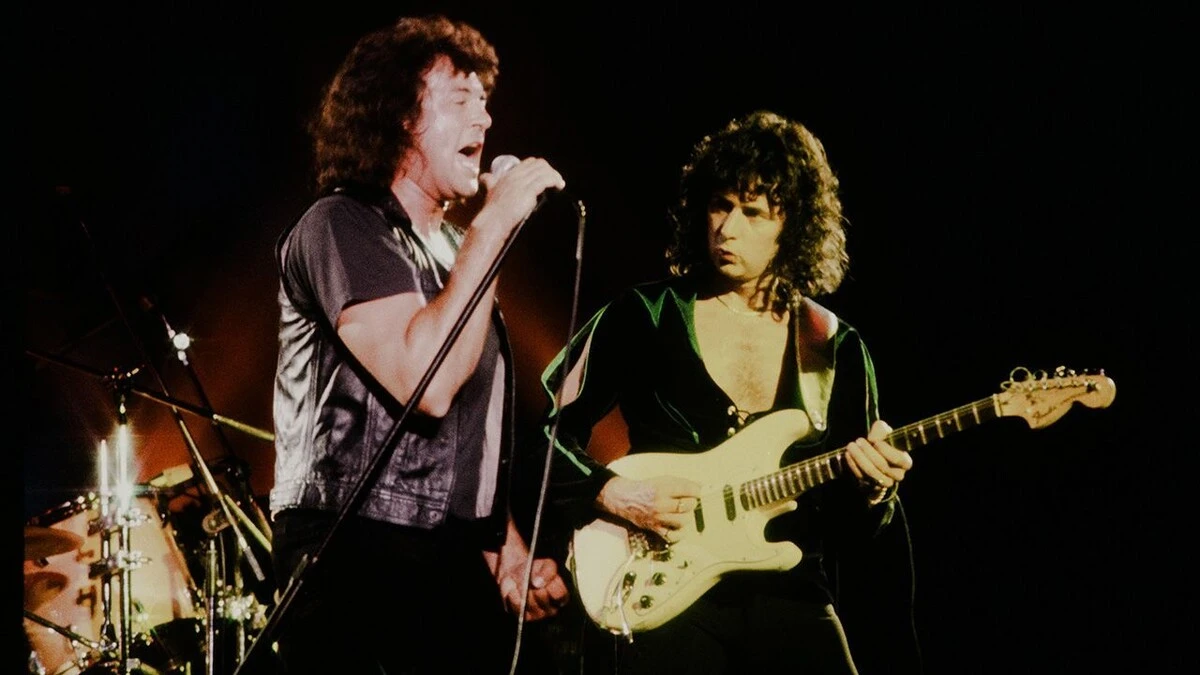
"Ritchie isn't the sort of person you can make up with in the ordinary sense of the word," Ian Gillan later reflected. "We're both incredibly stubborn. Yes, he's a genius. I'll always respect his talent—just don't ask me to go on holiday with him."
Blackmore didn't pull any punches either when describing his bandmate:
"You have to know Ian well to understand who he really is. He's a very sharp and clever man. But there is an odd, thoroughly unbearable and off-putting side to his personality that I simply cannot stand."
Just two weeks into the 1993 European tour, Blackmore decided he had had enough. He was furious over the label's refusal to properly promote the record's lead single, "Anya." Ritchie sent a formal letter to management stating he would quit the band once the tour wrapped up.
The group kept the impending split under wraps, but the tension on stage was palpable.
Chapter 3. A Glass of Water and the Birmingham Fiasco
On November 9, 1993, at a concert in Birmingham, England, things boiled over. Much to Blackmore's irritation, the show was being filmed for a future home video release.
Taking the stage for the opening number, "Highway Star," Ritchie spotted a cameraman positioned between him and the audience. Insulted, the guitarist spun around and stormed backstage, forcing the rest of the band to tackle the hard-rock anthem as a quartet!
After being promised that the cameraman had been removed, Blackmore was persuaded to return just in time for his guitar solo. But the moment he walked out, he caught sight of the same cameraman, who had simply moved to the other side of the stage.
"I walked right over to the cameraman, picked up a glass of water, and threw it straight at the lens! It was the only way I could get him out of my face," Blackmore recalled. "And sure enough, he backed off. But I was so mad, because the whole evening was an absolute fiasco."
The incident was cemented in rock lore when the performance was released on video and audio under the eerily fitting title *Come Hell or High Water*.
Chapter 4. The Helsinki Fallout
By the time he took the stage for his final Deep Purple show—on November 17, 1993, before 8,000 fans in Helsinki—the guitarist had completely checked out.
Backstage after the show, an explosive shouting match broke out. Gillan would later speak of the incident only reluctantly, calling the row "deeply personal."
"The problem was that Ritchie acted as if everything the band had ever achieved was down to him alone. But that wasn't the case," the singer remarked. "He was only one-fifth of the group."
Blackmore slammed the door and walked away for good. The band scrambled to salvage an upcoming Japanese tour by bringing in guitar virtuoso Joe Satriani as an emergency substitute. Steve Morse eventually stepped in as the permanent guitarist, later succeeded by Simon McBride. Blackmore, meanwhile, resurrected Rainbow before shifting his focus entirely to Renaissance-inspired acoustic music.
It seemed Deep Purple was a chapter closed forever.
=======
Epilogue. Time Heals All Wounds
Now, 33 years later, the ice has finally thawed. Having crossed into their eighties, both musicians seem to have realized that life is too short to nurse old grievances. 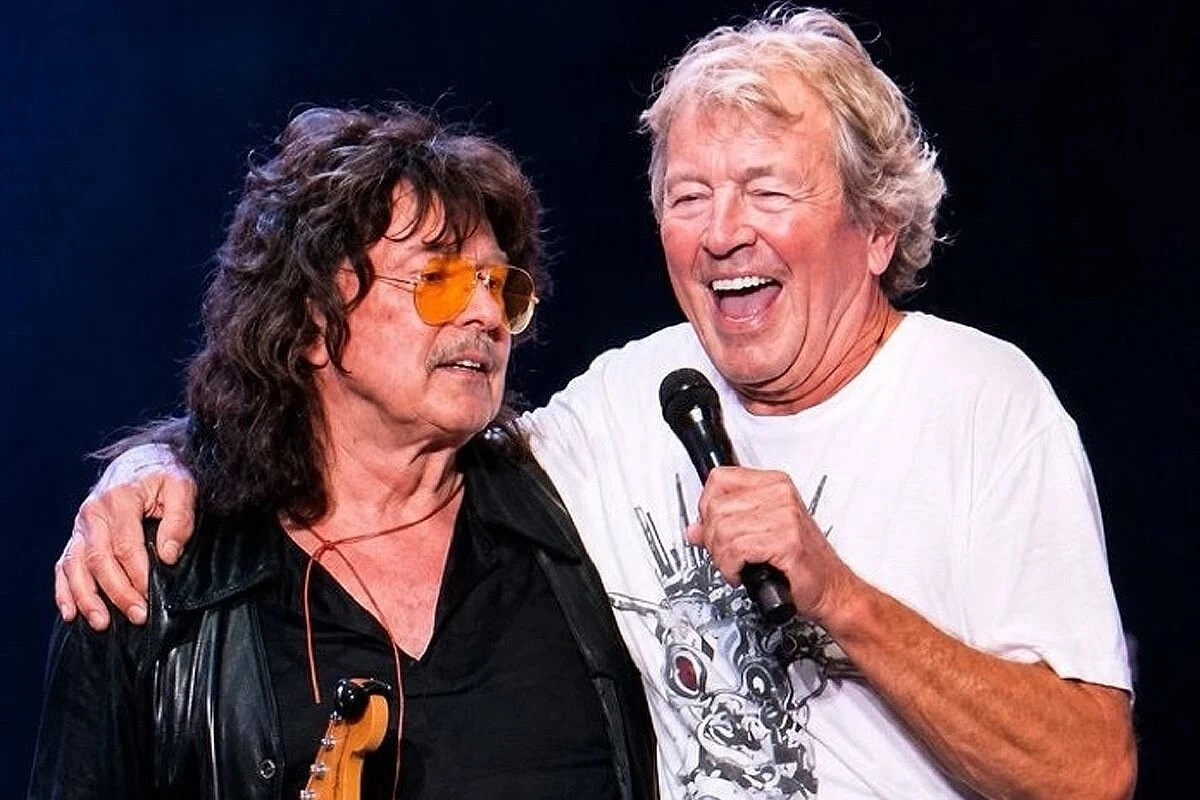
"It'll be great to see the old boys again," Ritchie Blackmore said with a smile on the eve of his return. "I just thought it would be nice to let people know what I had in mind, because I think a lot of people might like to see it. So, hopefully my guitar stays in tune and I can pull off whatever they need me to play."