Energy on Your Plate: 10 Foods That Fight Fatigue (11 photos)
Good nutrition isn't just about filling your stomach. Choosing the right foods can give you a vital energy boost, significantly improving your quality of life. If your meals leave you feeling sluggish rather than refreshed, you might be reaching for the wrong ingredients. Fatigue isn't just a minor inconvenience you can easily brush off; over time, chronic tiredness can increase your risk of various health conditions. 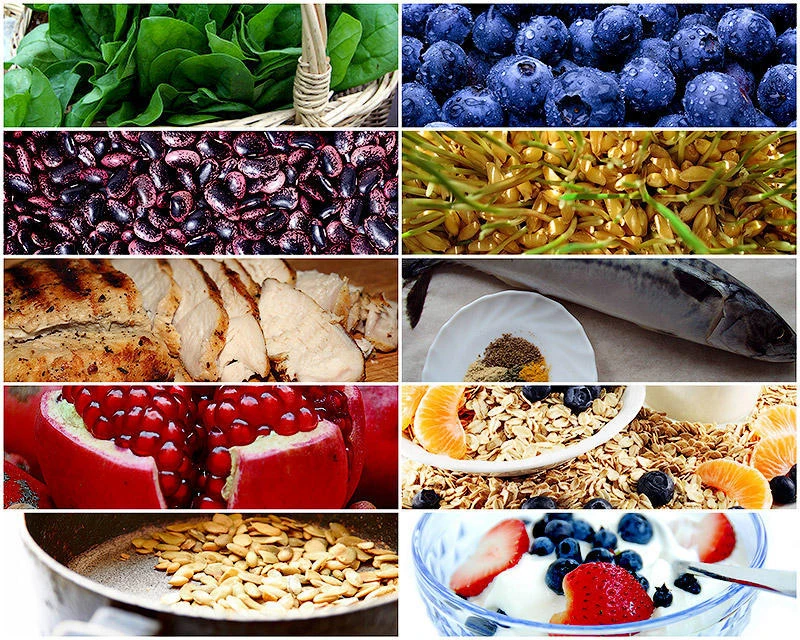
Fortunately, there is a solution. Nutrient-dense, easily digestible foods can give your body the natural boost it needs. Here are ten powerful foods to help you beat fatigue and stay energized. 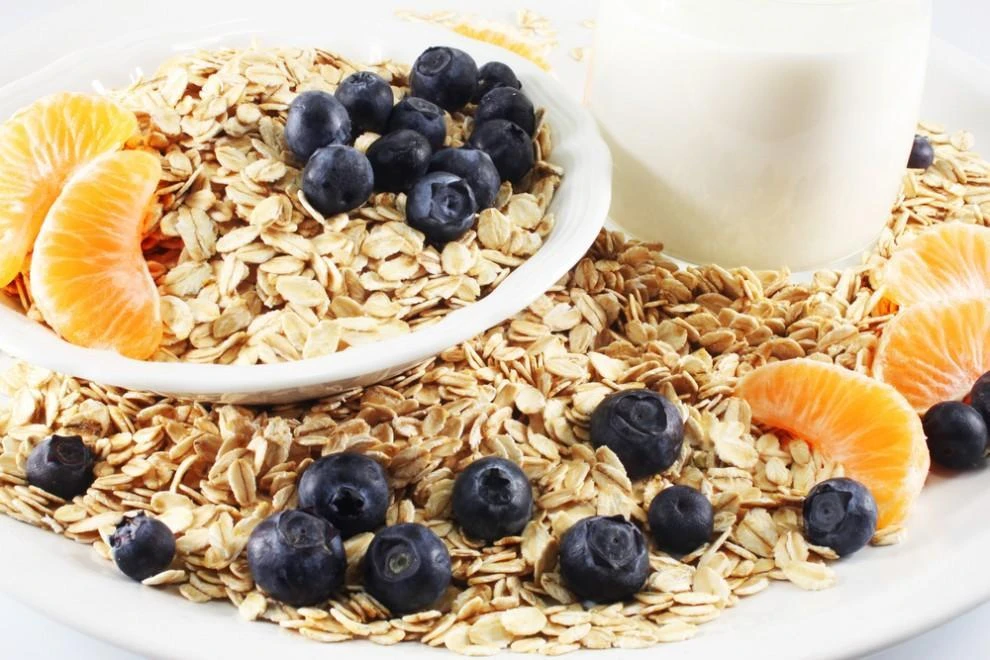
1. Oatmeal.
Oatmeal is packed with magnesium, protein, phosphorus, and vitamin B1 (thiamine)—key nutrients that directly support your energy levels. This makes it an ideal breakfast choice to kickstart your morning and fight off tiredness. To make your bowl even more power-packed, toss in a handful of nuts or seeds. 
2. Yogurt.
A staple in many diets, yogurt is as nutritious as it is delicious. Light and easy on the stomach, it digests effortlessly. Recent studies suggest that compounds found in yogurt can help relieve symptoms of chronic fatigue. It is rich in beneficial probiotics that support healthy gut flora and aid digestion.
More importantly, probiotics boost levels of tryptophan—an amino acid essential for producing serotonin, a brain chemical that helps ward off fatigue. Starting your day with plain, low-fat yogurt is a fantastic way to recharge! 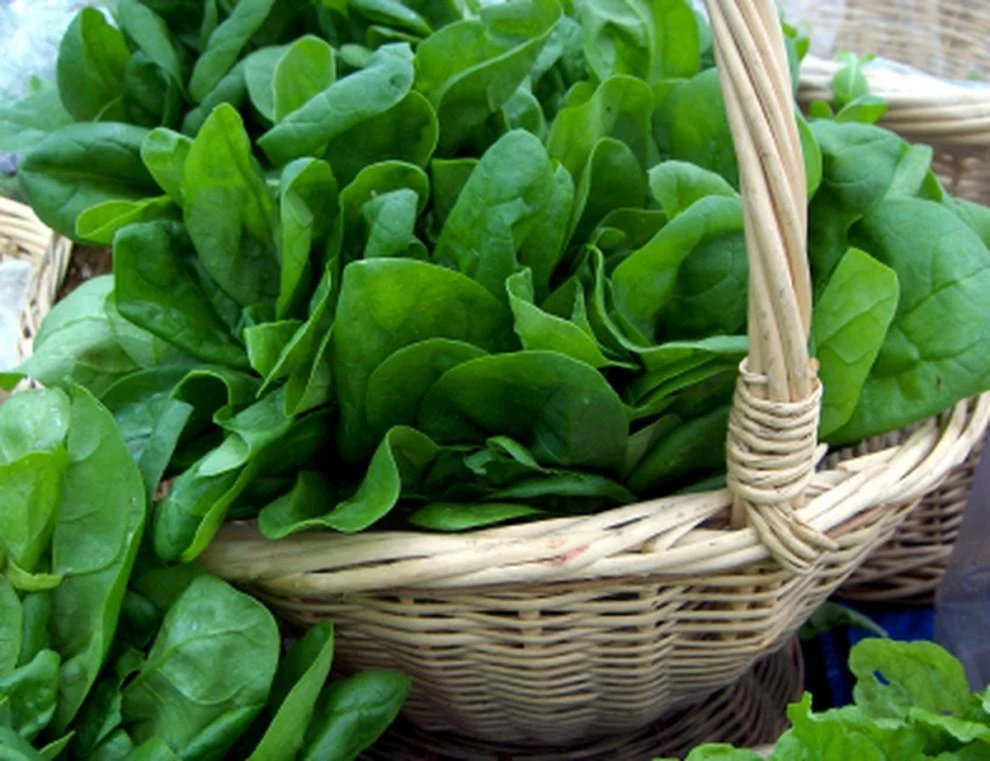
3. Spinach.
Spinach is rich in iron, an essential mineral required to produce hemoglobin, which carries oxygen throughout your body. Iron also plays a key role in energy production, meaning an iron deficiency can leave you feeling constantly drained.
The magnesium in spinach is equally crucial for energy synthesis and optimal digestion. A lack of magnesium can contribute to mood dips, muscle cramps, insomnia, and poor appetite. Spinach also delivers potassium, another energy-boosting mineral; without enough potassium, you may experience muscle weakness.
Try adding fresh spinach to salads, soups, stews, sauces, or morning smoothies. 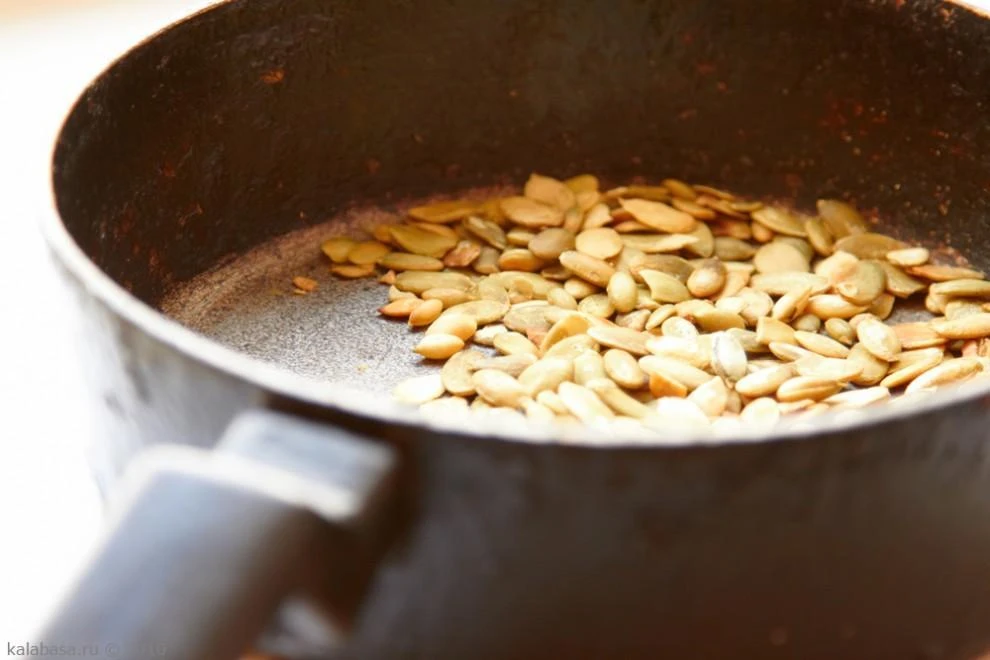
4. Nuts and seeds.
Nuts and seeds are exceptional sources of magnesium, which helps ease muscle fatigue. They also contain tryptophan, an amino acid that promotes restful sleep. Packed with high-quality protein and omega-3 fatty acids, they provide sustained energy while helping to lift your mood and combat mental burnout. 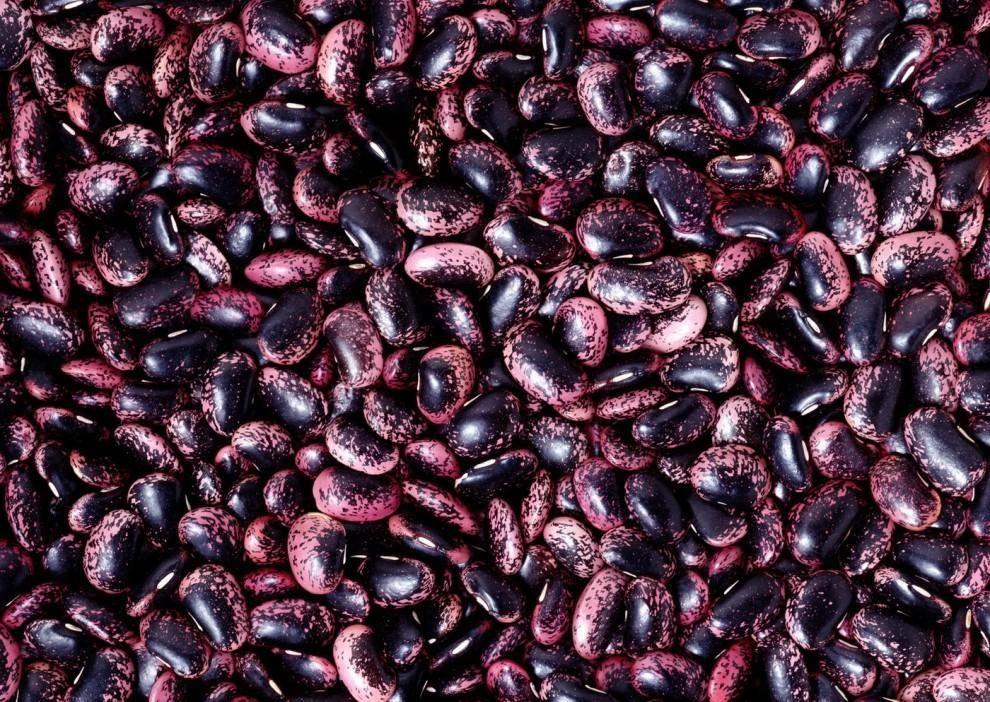
5. Beans.
High in dietary fiber, beans keep your digestive system running smoothly and help flush out toxins, keeping you light and energized. They are rich in manganese and copper—minerals essential for mitochondria, the powerhouses of your cells. The magnesium and potassium in beans promote healthy blood flow, while vitamin B1 (thiamine) aids energy conversion. Plus, their iron content supports a robust immune system to keep tiredness at bay.
Tip: Add beans to salads, serve them as a hearty side dish, or blend them into dips. 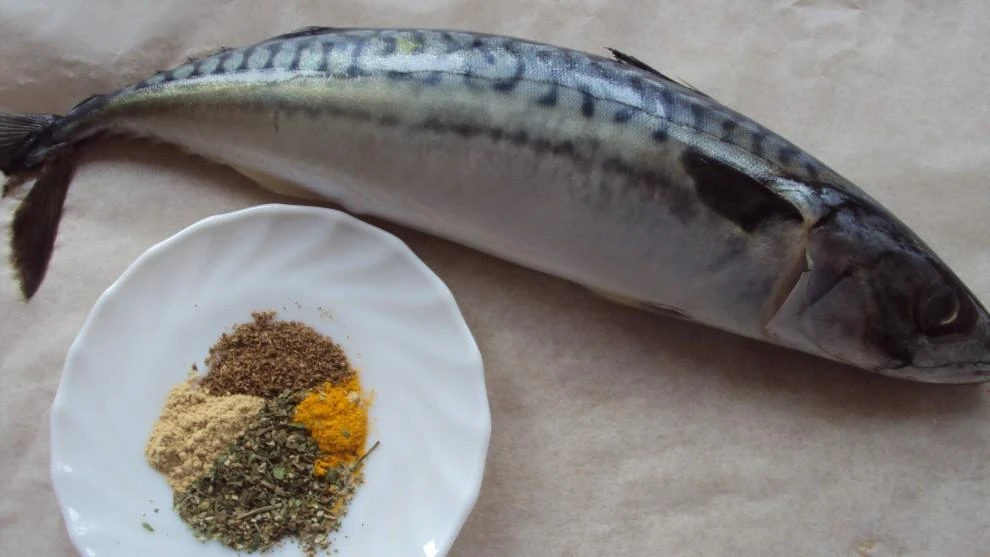
6. Fresh mackerel.
Mackerel is packed with vitamin B12, which is critical for producing oxygen-carrying red blood cells. A deficiency in B12 can lead to megaloblastic anemia, causing deep fatigue. Maintaining healthy B12 levels ensures your tissues get plenty of oxygen, keeping you vibrant and alert. For maximum health benefits, opt for fresh rather than salted, cured, or smoked mackerel. 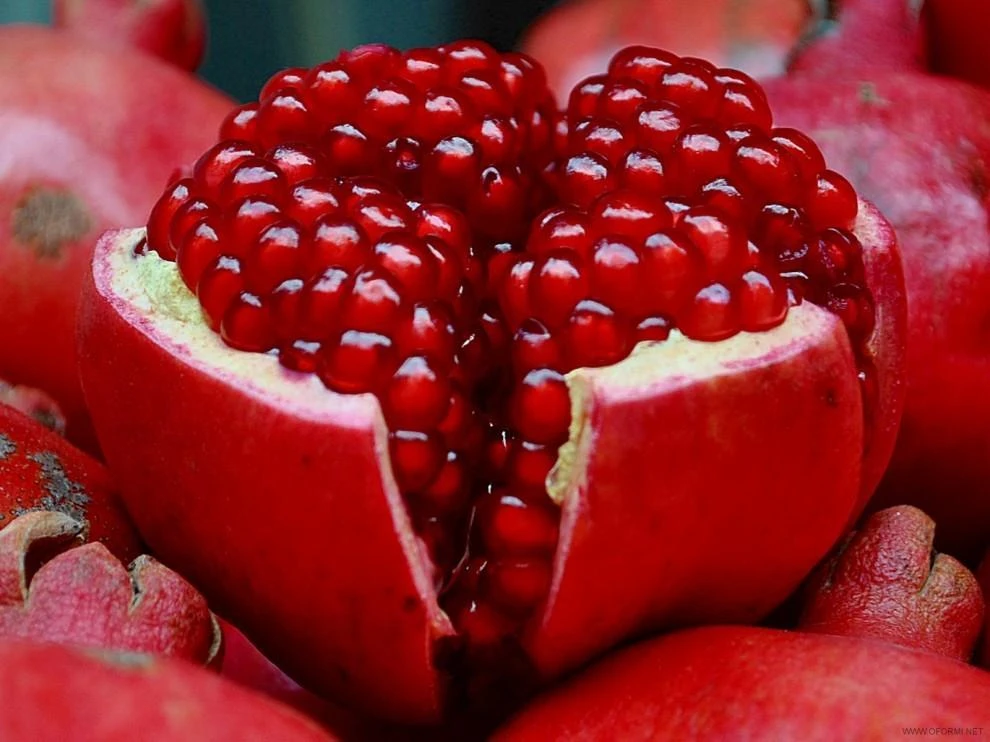
7. Pomegranate.
Rich in: Vitamins A, B, C, E, and P, as well as calcium, magnesium, potassium, manganese, and cobalt. Benefits: Boosts stamina, strengthens immunity against infections, and stimulates appetite. Recommended daily amount: 1 glass of fresh pomegranate juice or half a fresh pomegranate. 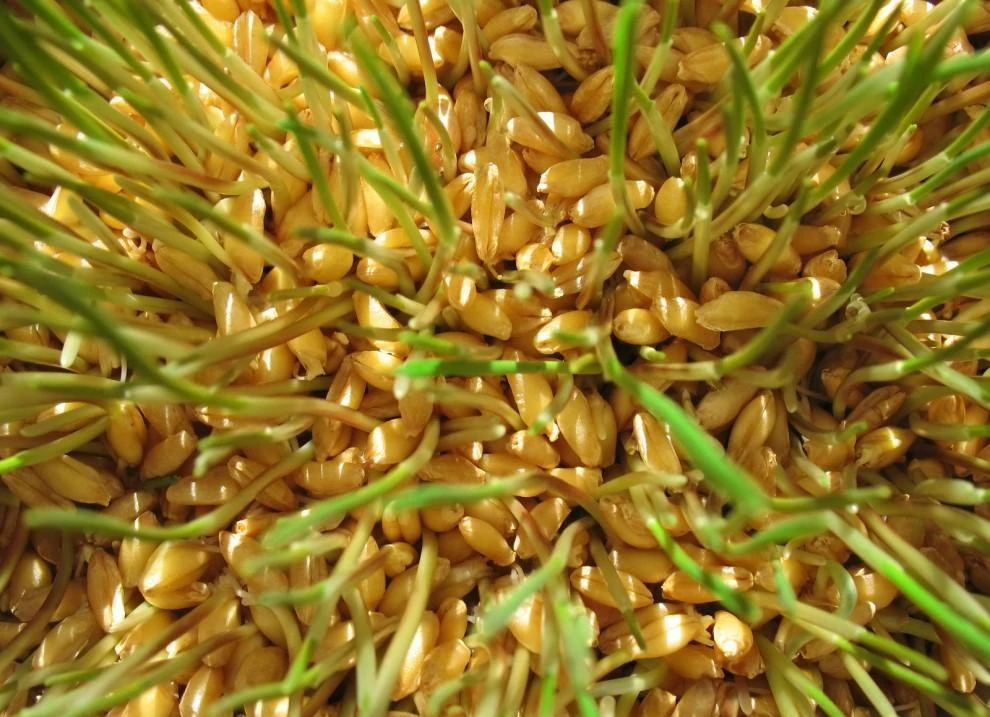
8. Sprouted wheat.
Rich in: Vitamin E, B-complex vitamins, iron, calcium, phosphorus, and magnesium. Benefits: Acts as a powerful energy booster and aids in the production of lecithin, which nourishes the nervous system. Recommended daily amount: 100 g; try tossing wheat sprouts into your favorite salads. 
9. Chicken breast.
Chicken breast is a great source of dietary iron, a key element in synthesizing hemoglobin to transport oxygen to your organs and tissues. When your body has adequate iron levels, you feel active and vital; when iron is low, sluggishness quickly sets in. 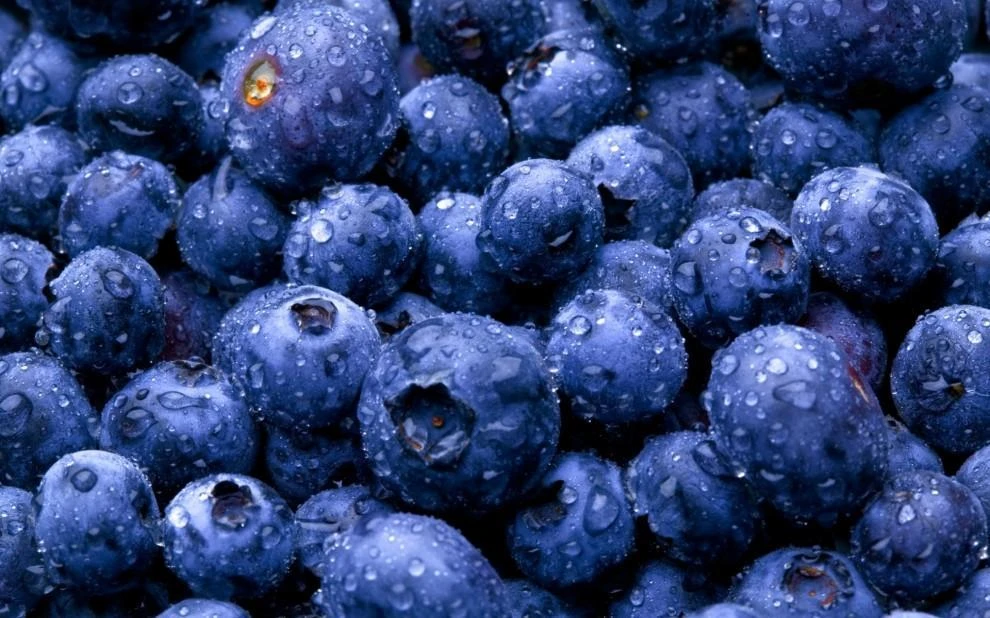
10. Blueberries.
Blueberries improve cerebral blood flow, helping keep your brain sharp and energized. Fresh berries are best, but frozen blueberries blended into a delicious smoothie (mixed with yogurt, for example) work just as well.