The West Port Murders: How Two Irishmen Built a Business on Death Trading Cadavers (18 photos)
In November 1827, an elderly tenant died in a West Port lodging house owing four pounds in rent. The landlord, William Hare, refused to write off the debt and sold the man's body to the local university. What began as a desperate scheme quickly spiraled into a spree of 16 murders within a year, ultimately ending on the gallows for one of the accomplices. 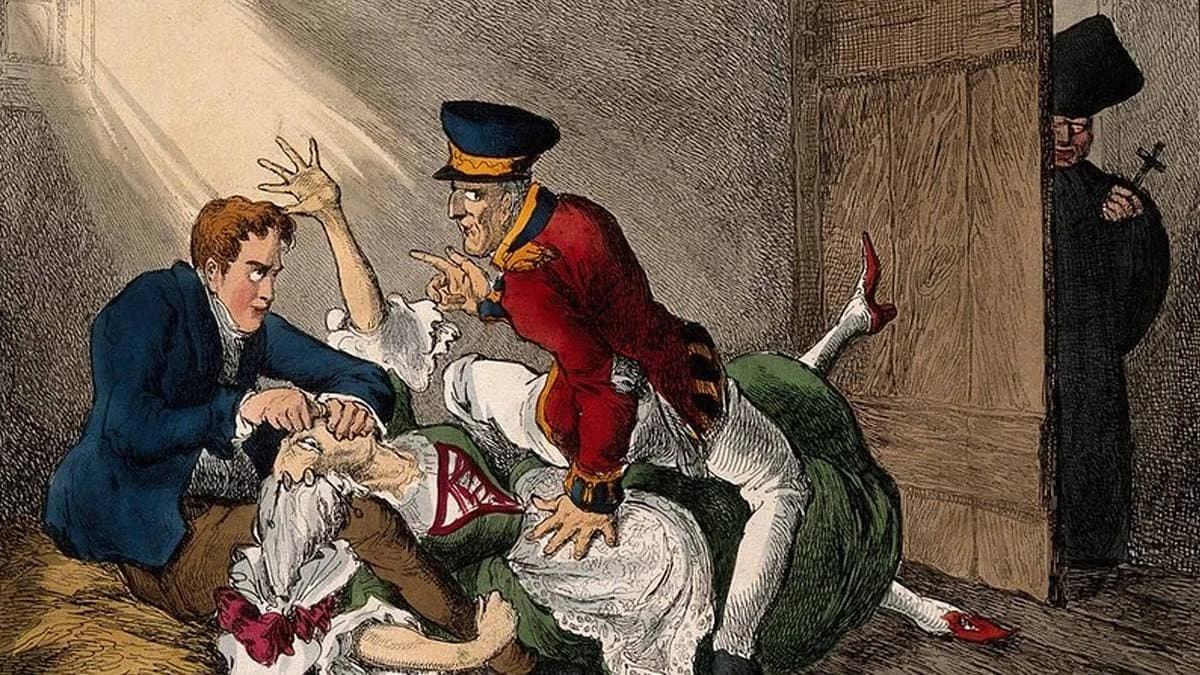
A Lucrative Trade
By the early 19th century, Edinburgh had become a renowned European hub for medical science and anatomical research. Medical students desperately needed corpses for dissection, but British law was strict: doctors were legally allowed to dissect only the bodies of executed criminals. 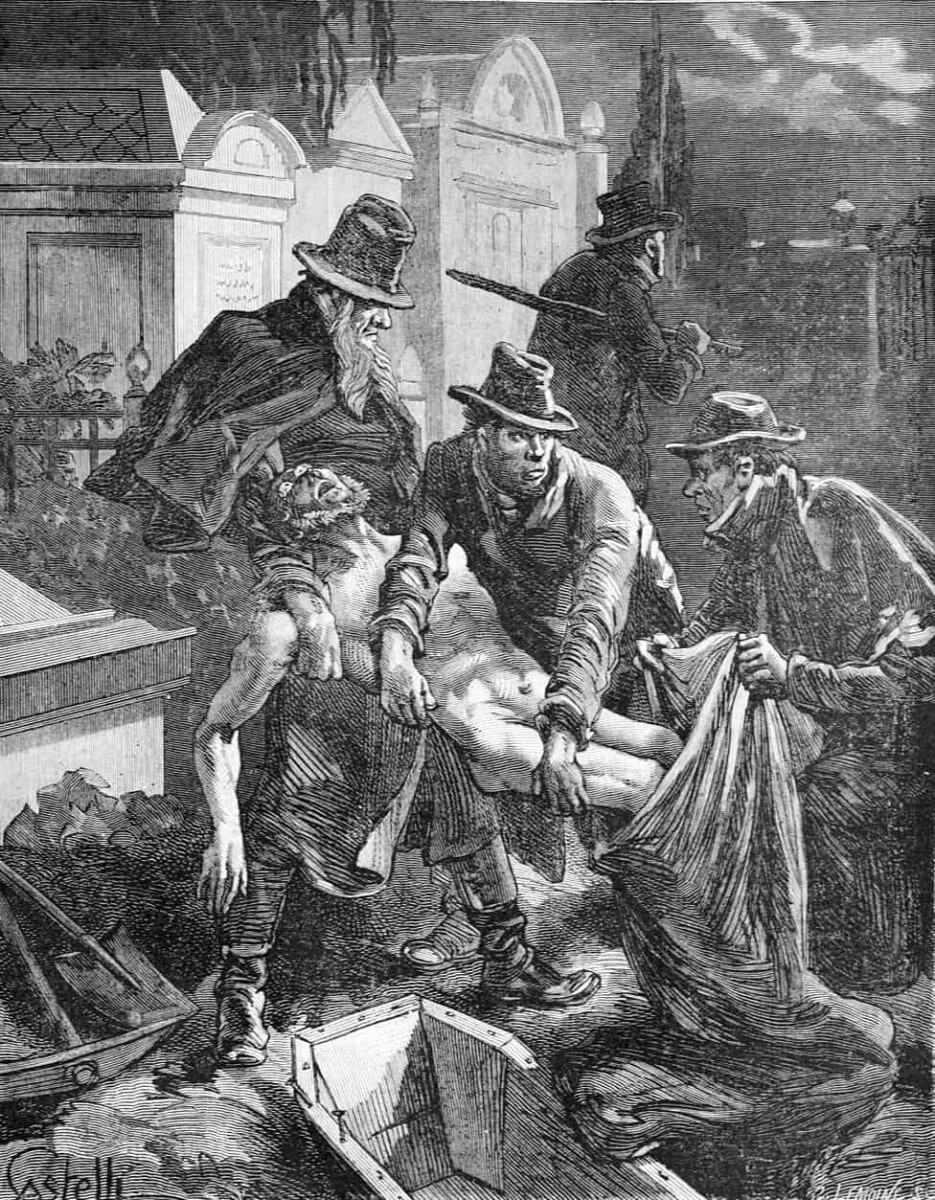
An 1888 engraving depicting the "resurrectionists"—a severe shortage of cadavers spawned a whole industry of grave robbers
Executions were rare in Scotland, leaving anatomical theaters with a desperate shortage of cadavers. This scarcity fueled the rise of the "resurrectionists"—body-snatchers who raided fresh graves under the cover of night. Distraught relatives took to guarding graveyards or securing graves with heavy iron mortsafes. Yet greed consistently trumped fear, with some grave robbers even tunneling underground to reach the coffins. 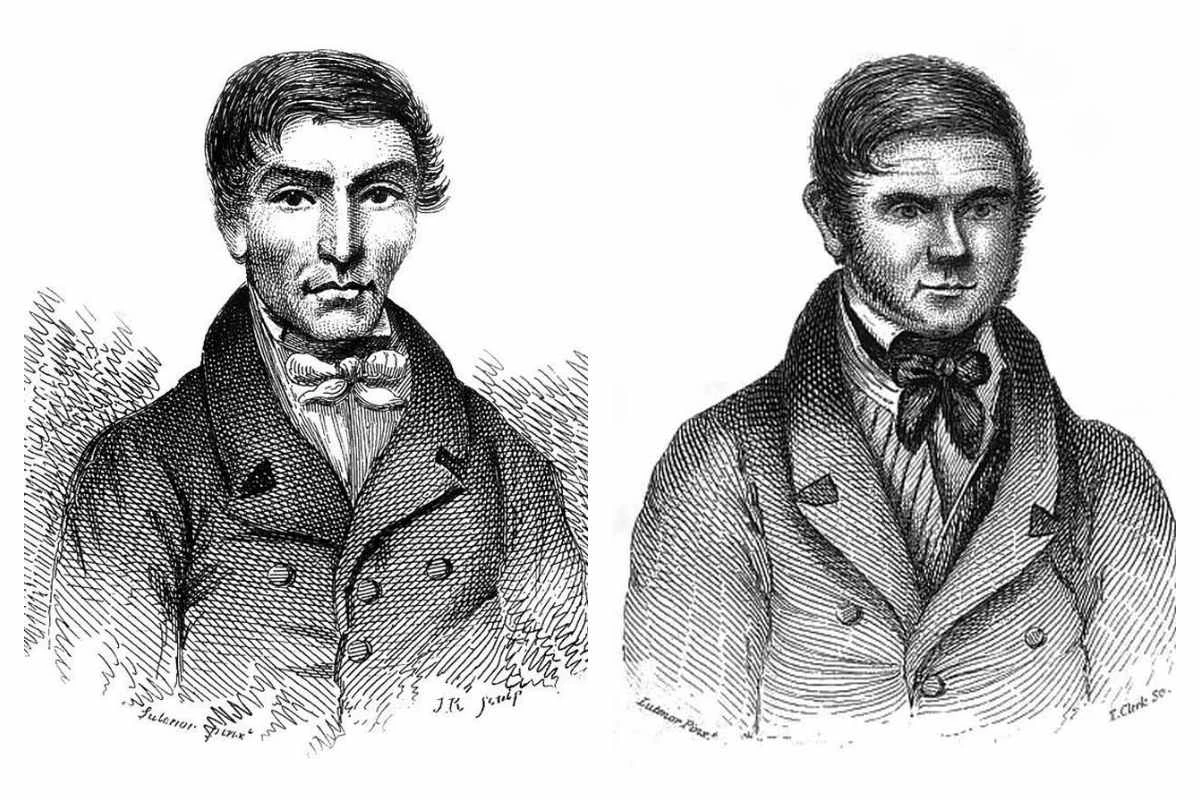
William Hare and William Burke, the Irish immigrants who decided killing was far more profitable than waiting
Anatomists paid handsomely and asked no questions. It was into this dark marketplace that two Irish immigrants, William Burke and William Hare, stepped in 1827. Realizing that waiting for people to die naturally was far too slow and unlucrative, they hatched a scheme that would claim 16 lives in just a matter of months.
The First "Merchandise" and Old Donald
Burke and Hare had migrated from Ireland to Scotland seeking a better life. Hare married the landlady of a lodging house in the West Port area, eking out a modest living from rents, while Burke scraped by working odd jobs as a cobbler. Both were eager to get rich, and opportunity knocked sooner than either expected. 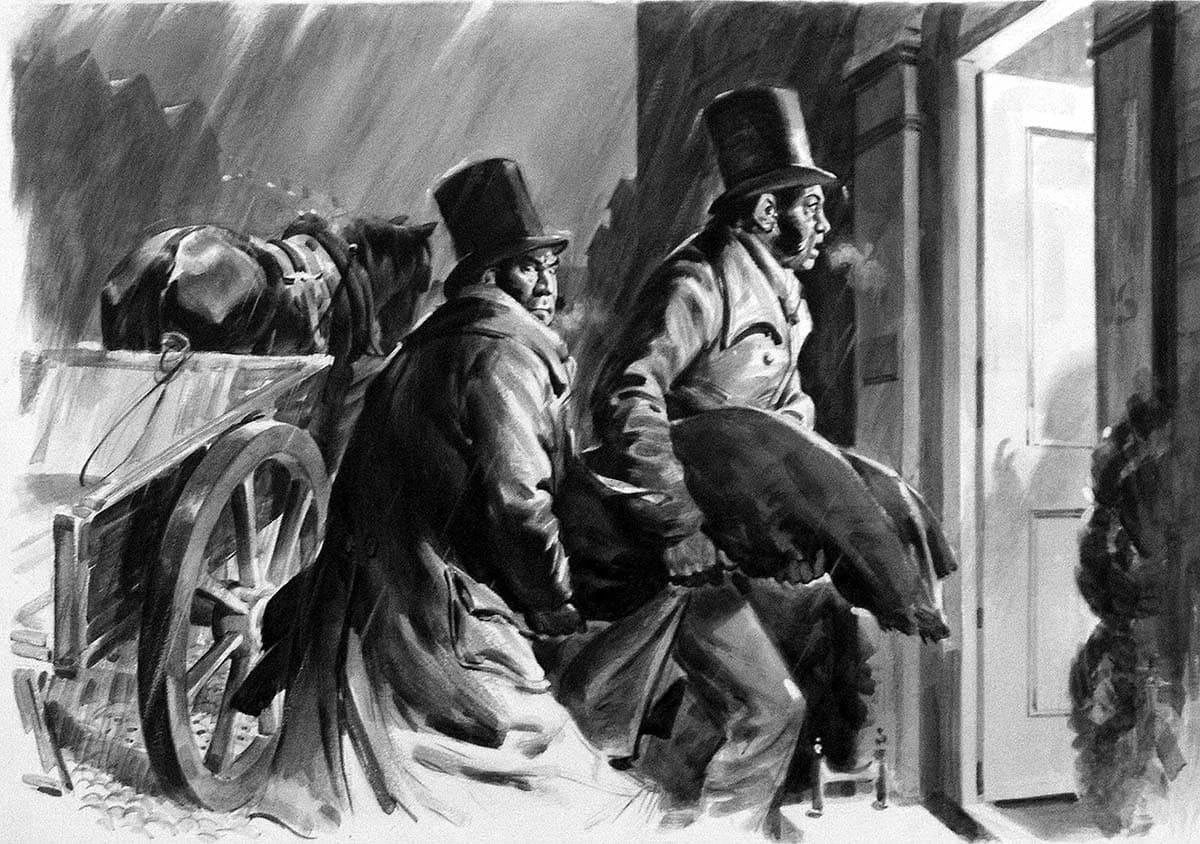
Artist James McConnell depicted Burke and Hare, whose tenant's death sparked an unexpected business idea
In November 1827, an elderly retired soldier known as Old Donald, one of Hare's lodgers, died of natural causes. He owed four pounds in back rent. Furious at the loss, Hare decided to recoup his money through unusual means. Before the burial, he and Burke opened the coffin, replaced the corpse with bark and rubbish, and carried the body to the University of Edinburgh. 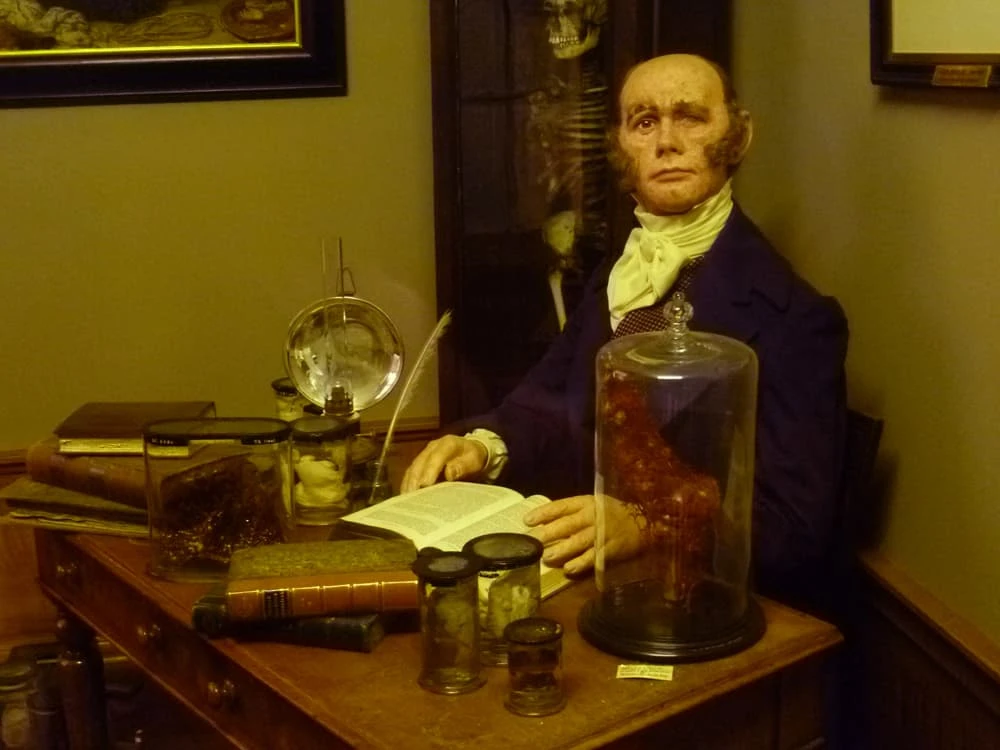
A waxwork figure of Dr. Robert Knox at the Surgeons' Hall Museums in Edinburgh—the anatomist bought cadavers with no questions asked
There, they were directed to Dr. Robert Knox, a prominent Edinburgh anatomist whose lectures drew massive student crowds. Without hesitation, Knox bought the corpse for seven pounds and ten shillings—a small fortune for men in their position. The easy money went straight to their heads. 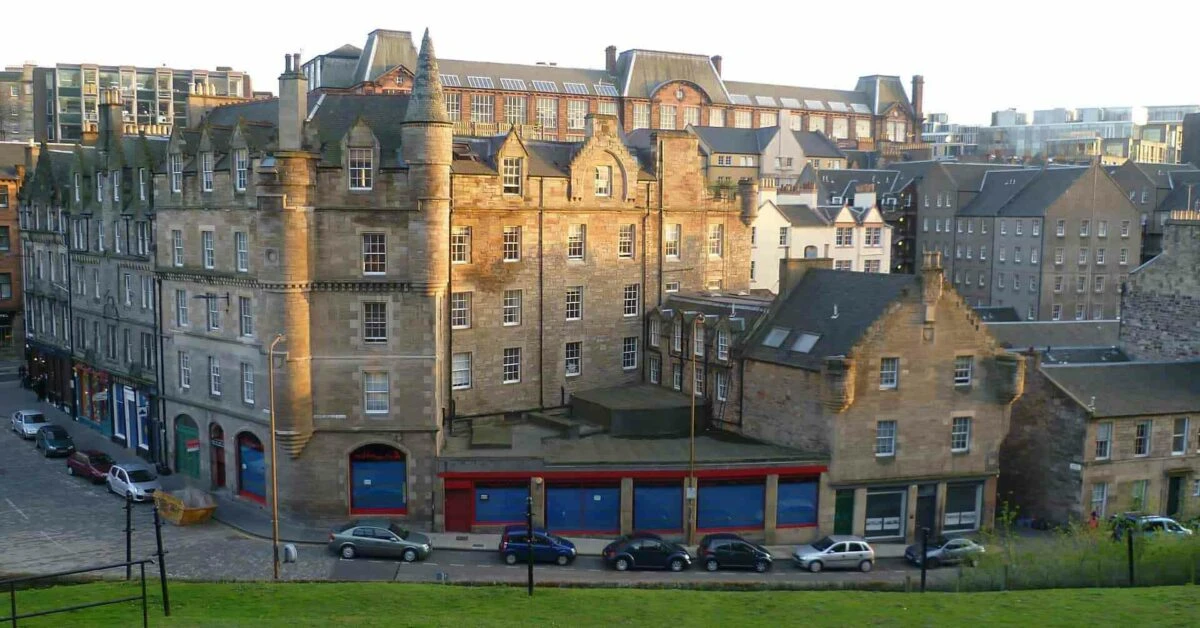
Edinburgh's West Port district: inside a lodging house demolished in 1902, an assembly line of death was born
They realized that death could yield far more profit than honest work. There was just one snag: Hare's lodgers were in no hurry to die of natural causes.
The Assembly Line of Death Begins
"If someone isn't ready to go, they just need a little help" became the duo's unspoken motto. Their first victim was a sick miller named Joseph. After getting him dead drunk on whisky, Burke pinned him down while Hare held his mouth and nose shut. At trial, the killers offered a cold rationale: "He was going to die anyway." 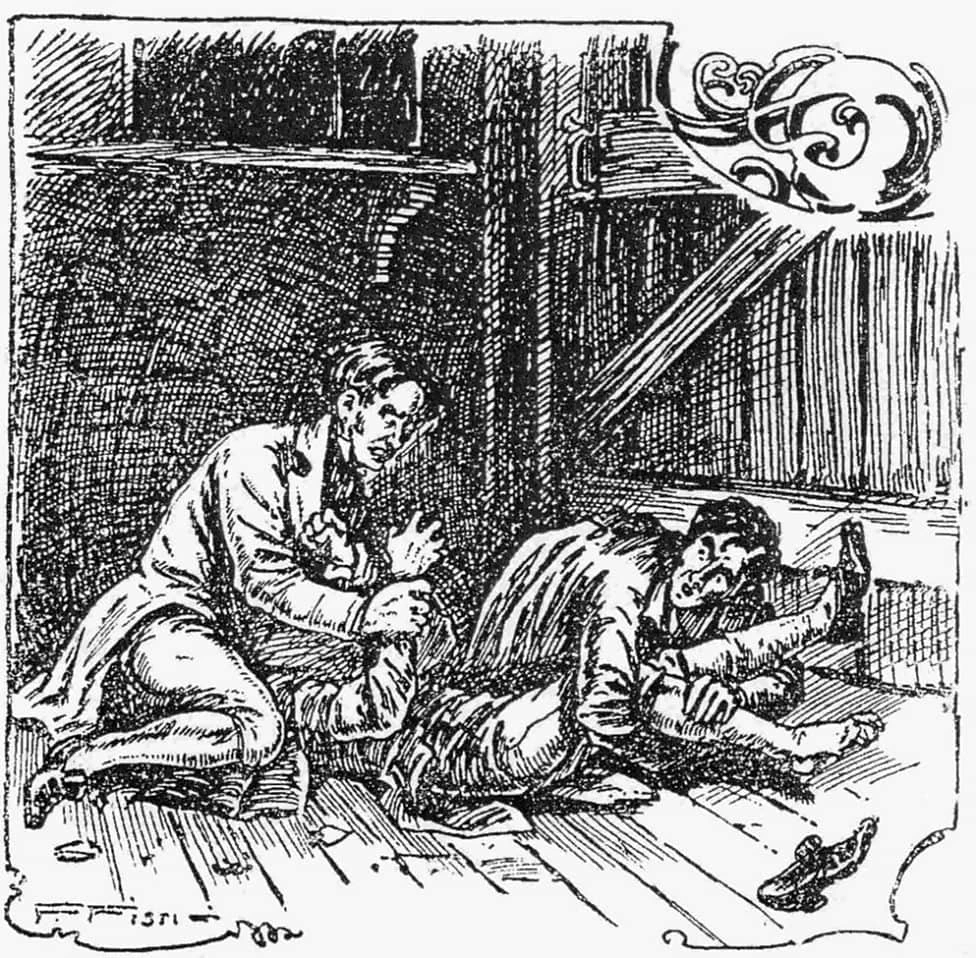
Burke and Hare suffocating a victim in a 19th-century engraving—a murder technique that left no mark on the body and became known as "burking"
Suffocation left no visible marks, making the method disturbingly effective. The technique was later grimly dubbed "burking" after Burke himself. Knox paid ten pounds for the fresh, unmarked corpse, and from that moment on, murder became routine. 
Dissection in an anatomical theater, depicted by William Cheselden in the 18th century—fresh, unmarked bodies were worth their weight in gold
By February 1828, their next victim was Abigail Simpson, an elderly salt vendor from the village of Gilmerton. She was plied with drink and suffocated in her sleep. Shortly after, an unnamed match seller from Cheshire fell ill with jaundice at Hare's lodging house. Fearing the sick man would scare off other tenants, Hare decided to eliminate him.
Victims Nobody Missed
In the spring of 1828, Burke and Hare murdered 18-year-old Mary Paterson. The press later labeled her a prostitute, though no proof was ever produced. The pair delivered her body to Knox while it was still warm. Struck by the young woman's beauty, the anatomist postponed the dissection, preserving her body in a barrel of whisky for three months and inviting artists to sketch her features. 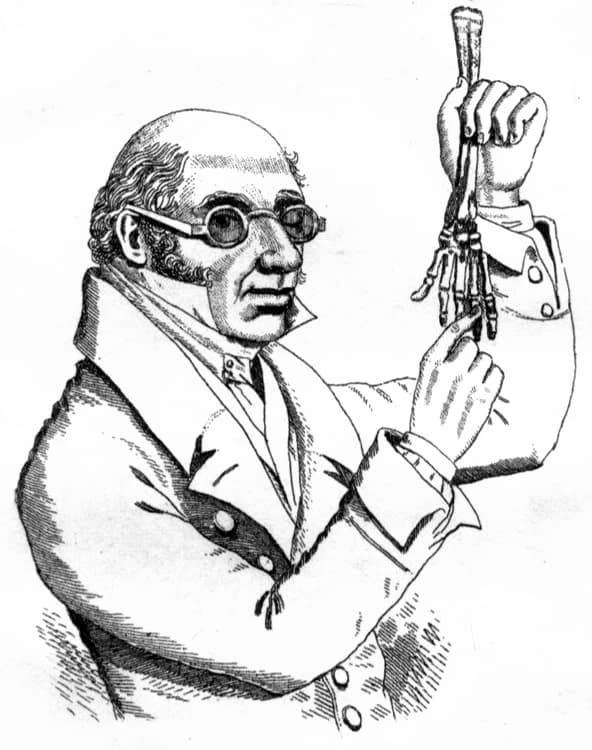
Dr. Robert Knox in an 1830 sketch—he was so taken by the beauty of one victim that he delayed dissecting her
In the summer of 1828, an elderly woman known as Mrs. Haldane and her daughter Peggy fell victim to the pair. Peggy had come to the lodging house searching for her mother, only to meet the same fate. Not even family ties could stop them: Burke murdered Ann McDougal, a cousin of his common-law wife, Helen McDougal. 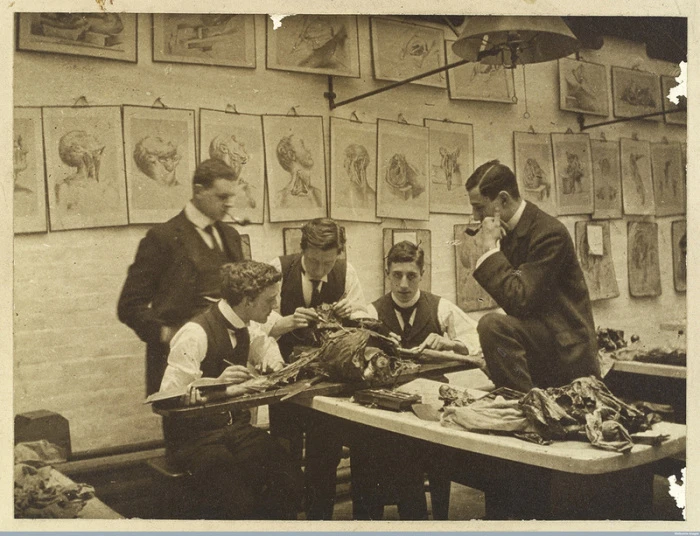
Medical students in a dissecting room, 1900
By the end of the year, their body count had reached 16. Almost all were vulnerable targets nobody would report missing: paupers, the elderly, travelers, and women of the streets.
The Fatal Mistake of "Daft Jamie"
In the autumn of 1828, Burke and Hare made a critical blunder by targeting 18-year-old James Wilson, known locally as "Daft Jamie." A familiar street figure with learning difficulties and a limp, Jamie was known to almost everyone in West Port. He put up a fierce fight, forcing both men to struggle to overpower him. 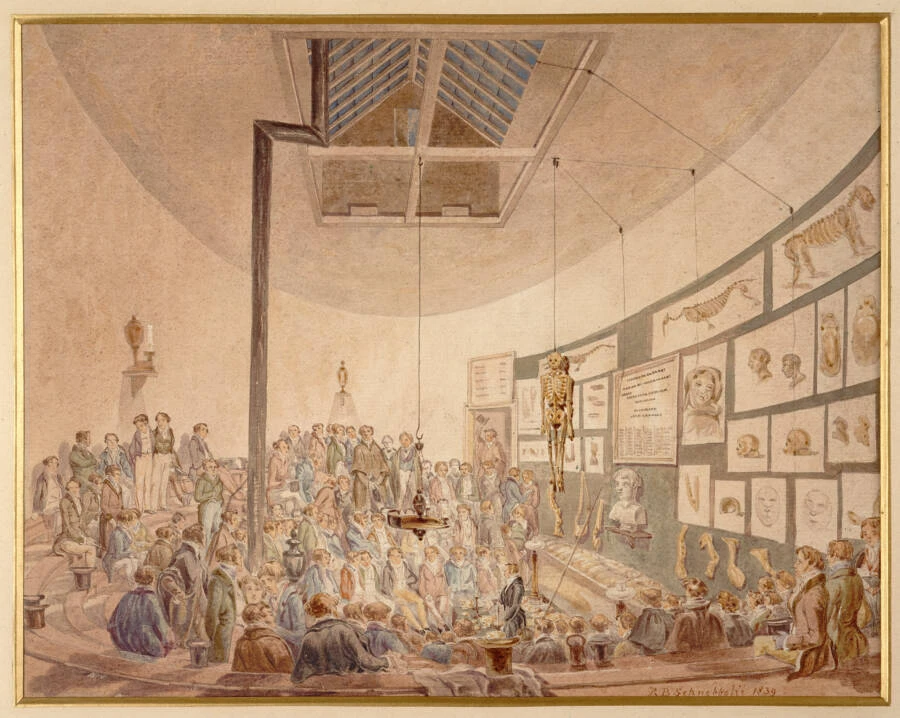
An anatomy lecture at the University of Edinburgh in an 1839 drawing—students recognized a familiar face on the dissection table
When the body was laid out on the dissecting table, whispers rippled through the lecture hall as several students recognized Jamie. Knox hastily began dissecting the face and head to destroy identifying features, reassuring students they were mistaken. While he managed to quell immediate suspicion, the net was closing in. 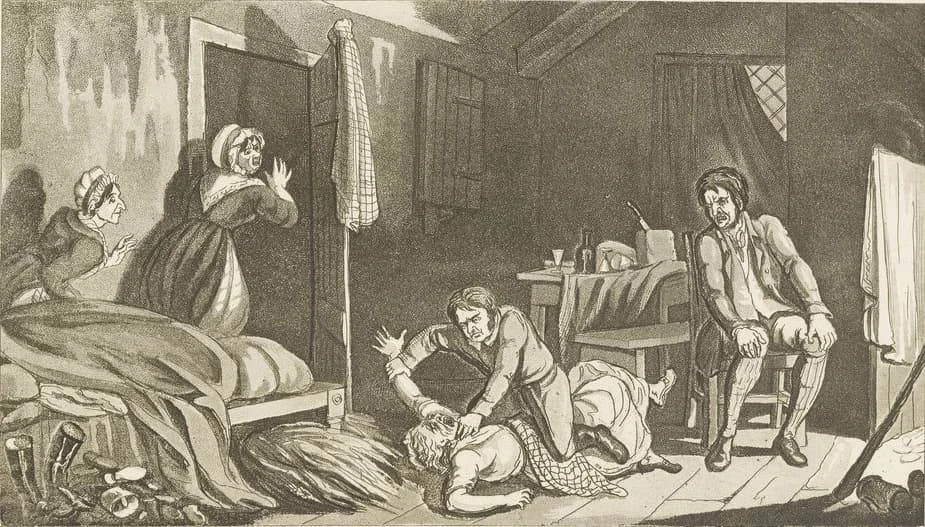
Burke's murder of Margaret Docherty, engraved by Robert Seymour—the killers' female companions were also accomplices who knew of the murders
The men were aided by their partners. Helen McDougal, Burke's common-law wife, and Margaret Laird, Hare's wife, were fully aware of the killings, though they usually made a point of leaving the room while the murders took place.
The Final Victim and the Exposure
Their final victim was Margaret Docherty, an impoverished Irish woman who begged outside Edinburgh's churches and markets. On November 1, 1828, Burke lured her to his lodgings with the offer of a drink and killed her. However, witnesses had seen Docherty with Burke and remembered his face. 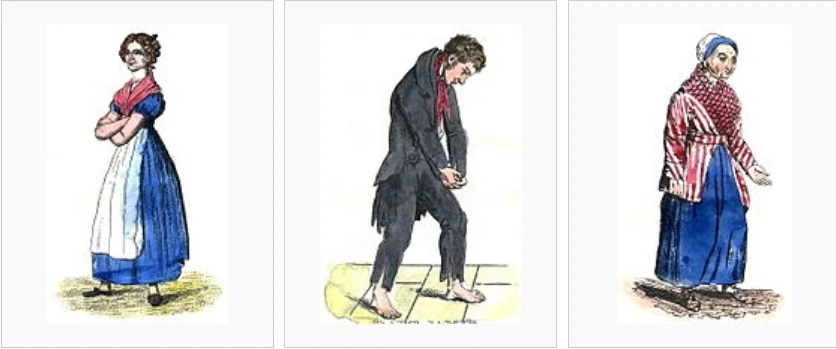
The killers' final three victims: Mary Paterson, James Wilson, and Margaret Docherty—the very ones who brought Burke and Hare down
When Docherty disappeared, Burke was initially questioned but released after police failed to find a body. Fate soon intervened: fellow lodgers James and Ann Gray discovered Docherty's corpse hidden beneath straw under a bed. An anonymous tip then led police straight to Knox's lecture room. 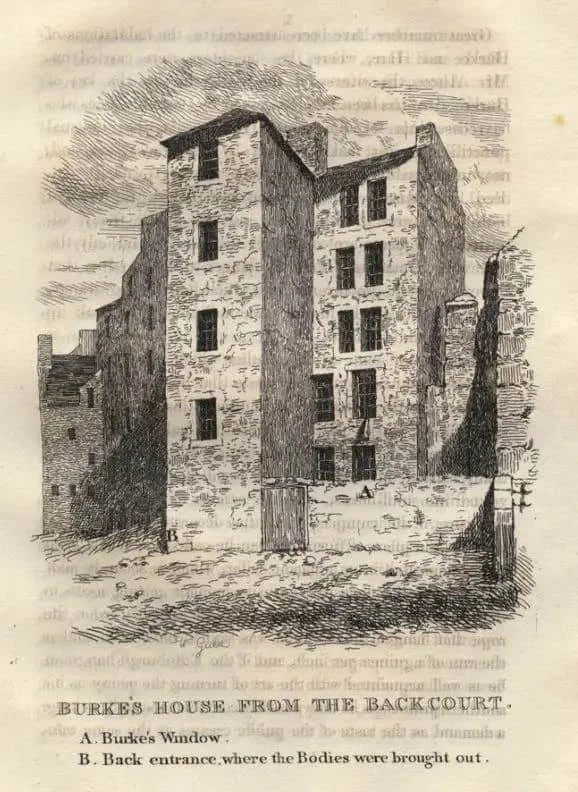
Burke's house—the second murder scene after Hare's lodging house, where the last victim's body was discovered
There, on the dissection table, lay Docherty's partially dissected body. Burke, Hare, and both women were promptly arrested and interrogated.
Retribution and a Souvenir in Human Skin
Lacking direct physical evidence, prosecutors struggled to secure a conviction as the men refused to confess. The deadlock broke when Hare turned King's evidence, agreeing to testify against Burke in exchange for immunity. The trial opened on Christmas Eve, December 24, 1828, at the High Court of Justiciary in Edinburgh, with 300 constables holding back furious crowds outside. 
The execution of William Burke in a 19th-century engraving—Hare's confession in exchange for immunity sent his partner to the gallows
On Christmas morning, the jury returned a verdict of guilty for Burke, while the charge against Helen McDougal was found "not proven"—a unique Scottish verdict—and she was released. Burke was hanged on January 28, 1829, before a crowd of some 25,000 onlookers. In a poetic twist of justice, his body was handed over for public dissection—the very trade he had killed for became his ultimate punishment. 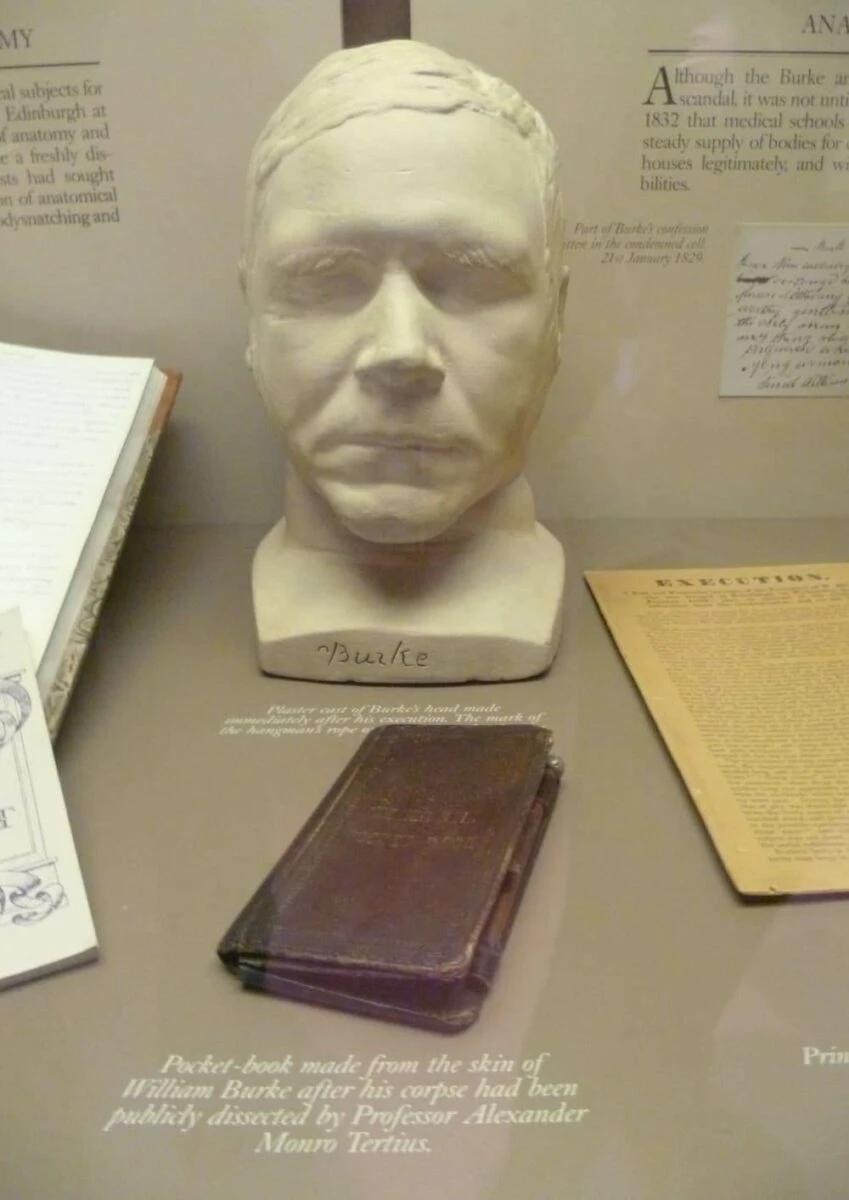
Burke's death mask and a pocketbook bound in his skin—the murderer's own body became anatomical material, just like those he had traded
On February 1, Burke's body was dissected by Professor Alexander Monro tertius, Knox's rival. To this day, Burke's skeleton is preserved at the University of Edinburgh's Anatomy Museum, while the Surgeons' Hall Museums holds a pocketbook bound in his tanned skin, stamped with the words "Executed 28 Jan 1829". 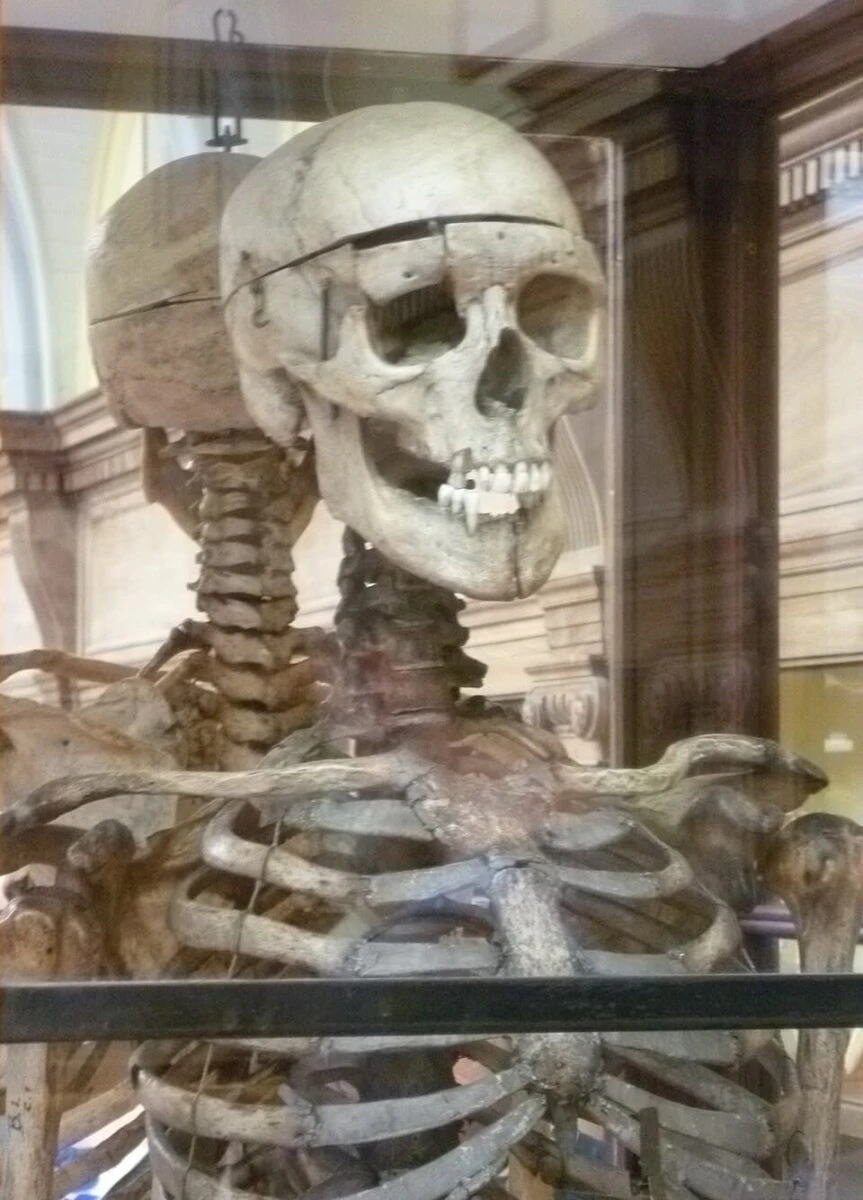
William Burke's skeleton on display at the University of Edinburgh Anatomy Museum, where it remains today
Dr. Knox escaped prosecution, having avoided purchasing the bodies directly and maintaining a legal distance. However, public outrage ruined his career. He eventually fled Edinburgh and spent his remaining years working as a pathologist in London. After his release, Hare vanished without a trace; legend had it he was recognized and chased out of every town he visited, with unverified rumors claiming a mob eventually beat him to death.
The End of the Body-Snatching Era
The bloody legacy of Burke and Hare spurred Parliament to pass the Anatomy Act of 1832. The law finally allowed medical schools legal access to unclaimed bodies from workhouses, prisons, and hospitals, effectively destroying the illicit cadaver trade and bringing Britain's era of grave-robbing to a close. 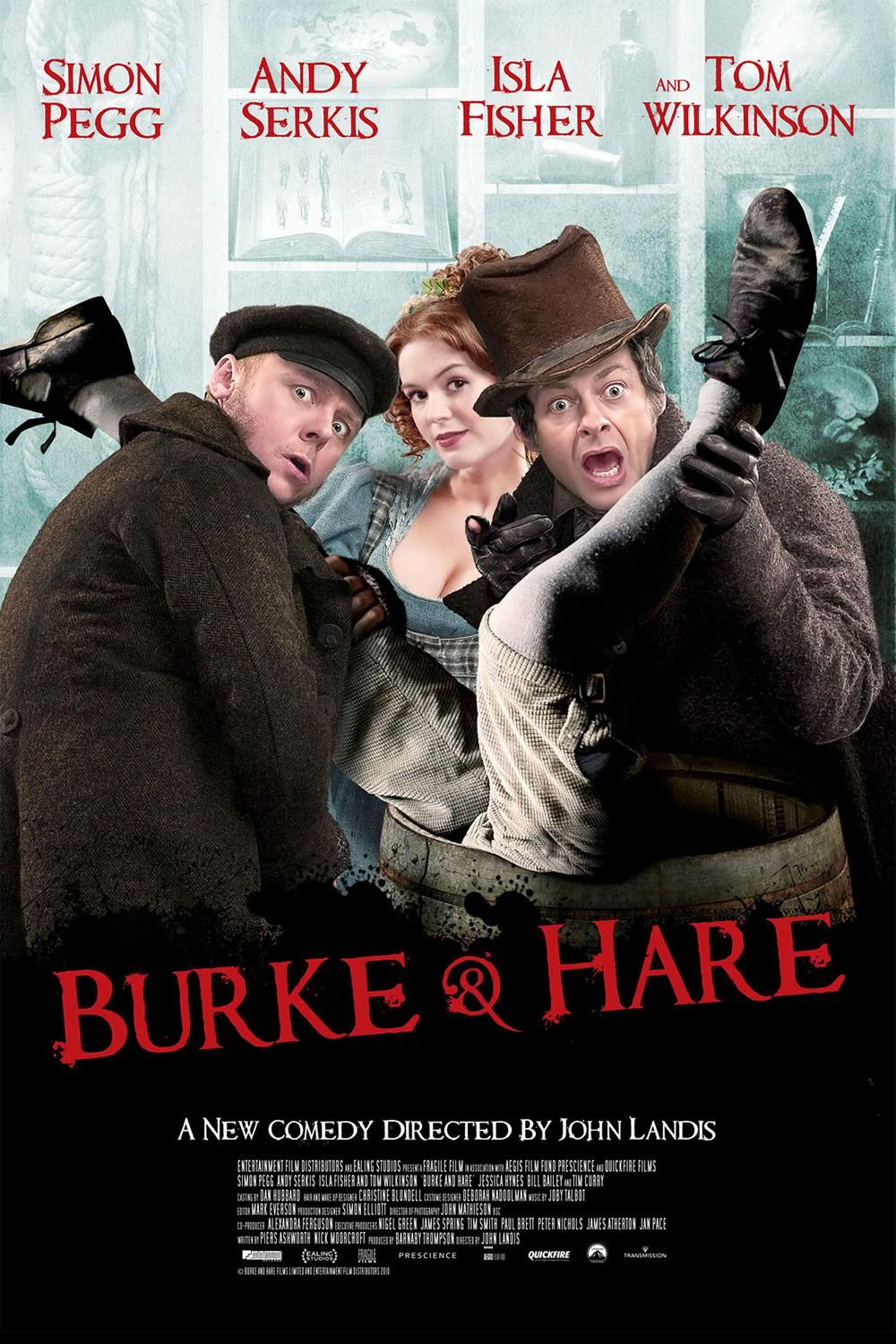
"Burke & Hare" (2010)—the black comedy starring Simon Pegg and Andy Serkis turned the story of Burke and Hare into a farce
The macabre tale of the two Irishmen lives on in popular culture. In 1884, Robert Louis Stevenson published his short story "The Body Snatcher," inspired by the Burke and Hare murders. More recently, in 2010, the British black comedy *Burke & Hare*, starring Simon Pegg and Andy Serkis, brought the story back to the screen.
Can Dr. Knox be excused for turning a blind eye to where the bodies came from? Or is the buyer of stolen lives just as guilty as the killer?