The Life and Death of Anna Göldi, Switzerland's Last Witch (9 photos)
In 1782, Anna Göldi became the last woman in Europe to be executed for witchcraft. Yet her story is far more than just a witch trial; it is a tale of injustice, fear, and prejudice that turned a simple maidservant's life into a tragedy. Discover how personal intrigue and false accusations led to one of the darkest chapters in Swiss history, and read about the life, trials, and legacy of a woman whose tragic fate still resonates today. 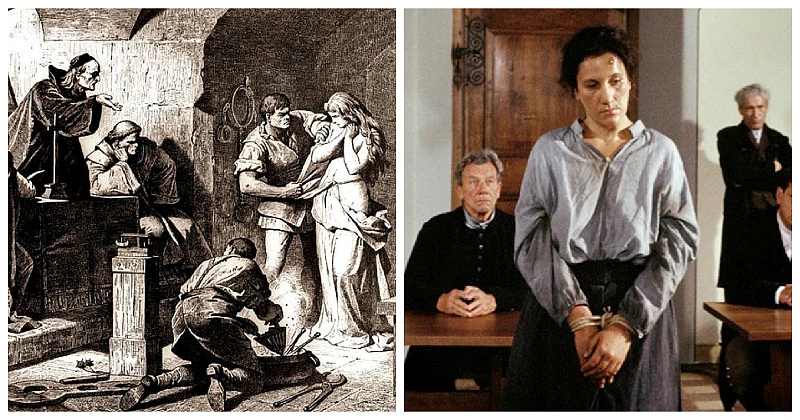
The witch hunts claimed the lives of thousands of women across Europe, Britain, and North America. Spanning the 16th to 18th centuries, this mass hysteria marked one of the darkest eras in human history. Women young and old were accused of sorcery, often based on flimsy suspicions or spiteful denunciations. Innocent lives were swept away in a wave of widespread indifference and cruelty. 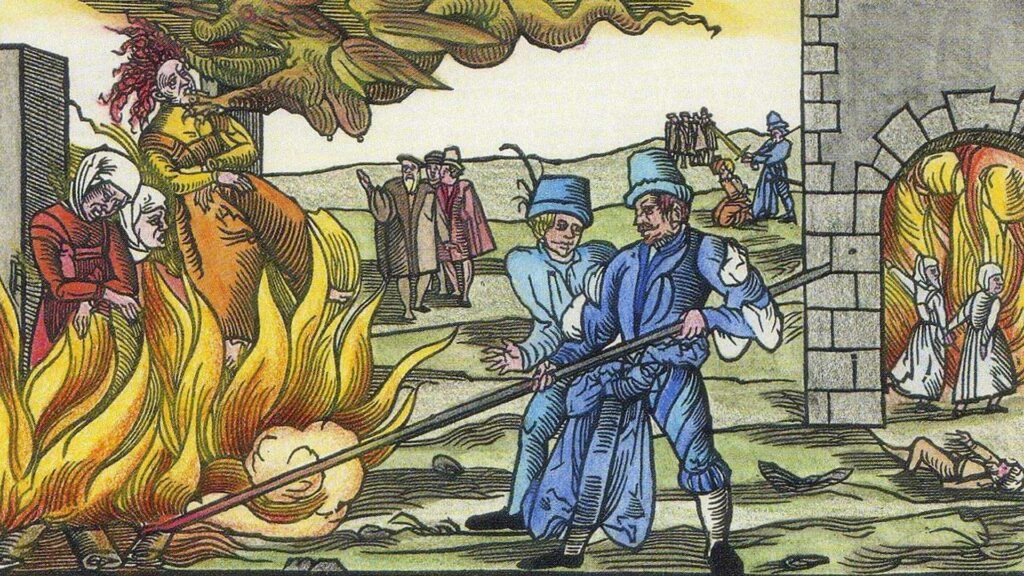
By the 18th century, with the dawn of the Enlightenment, witch trials began to wane. The last woman executed for witchcraft in Europe was Anna Göldi—a tragic figure whose story still touches hearts today. Her memory now lives on in a museum dedicated to this grim chapter of history.
Anna Göldi's Early Years: The Road to Tragedy
Anna Göldi was born in 1734 in the Swiss village of Sennwald. Little is known about her early childhood, which comes as no surprise: she was born into a poor family, and few cared about the fate of a peasant girl. From a young age, Anna had to earn her living through hard physical labor as a maid. 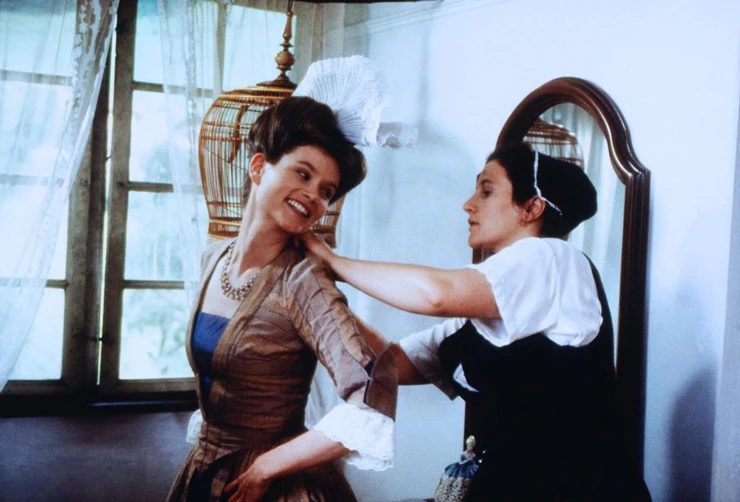
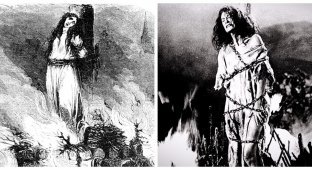
Still from the film "Anna Göldin – The Last Witch" (1991)
Anna’s life was fraught with hardship. As an unmarried young woman, she became pregnant by a soldier, but her baby died just hours after birth. Child mortality was exceptionally high at the time, particularly among the poor. Yet public opinion was merciless: without any proof, Anna was accused of murdering her own child. The unfortunate woman was sentenced to the pillory and six years of house arrest. For Göldi, being unable to leave home and earn a living was effectively a death sentence by starvation. Refusing to submit to this fate, Anna fled.
Life on the Run: A Fresh Start
Anna found refuge in Glarus, taking a job in the household of the Zwicky family. There she bore a son fathered by her employer, but her position remained precarious. Although attractive and intelligent, social norms offered little hope of a comfortable life for a woman in her position. With her reputation tarnished, any chance of a happy future seemed out of reach. 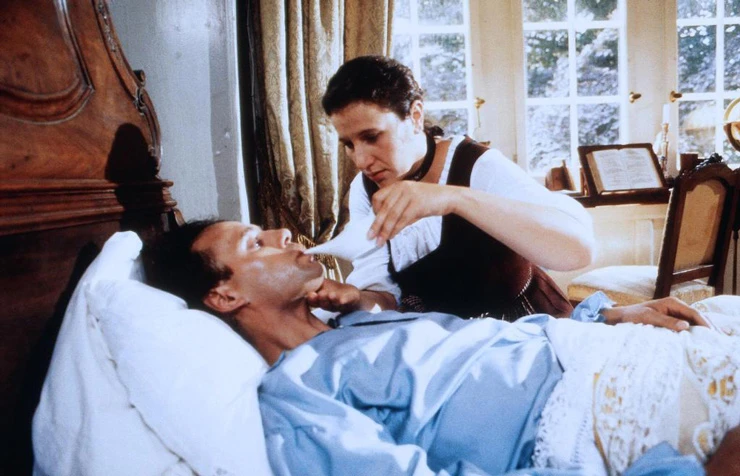
Eventually, at the age of 46, Anna secured employment in the home of Jakob Tschudi, an influential doctor and magistrate. An affair appears to have developed between Anna and Jakob—a relationship that would later pave the way for her undoing. Unexpectedly, Tschudi accused his housemaid of putting sharp needles in his daughter’s milk and bread, claiming he had seen the child vomit metallic objects. At first, the affair ended with her dismissal. But Anna Göldi's ordeal was far from over.
The Real Motive: From Witchcraft to Vengeance
Angered by her dismissal, Anna likely threatened to reveal their affair, which would have ruined Tschudi's reputation and standing in society. Fearing public scandal, Tschudi claimed that his daughter continued to suffer even after Anna's departure. This claim launched the witchcraft allegations—a smear campaign driven purely by personal vengeance. 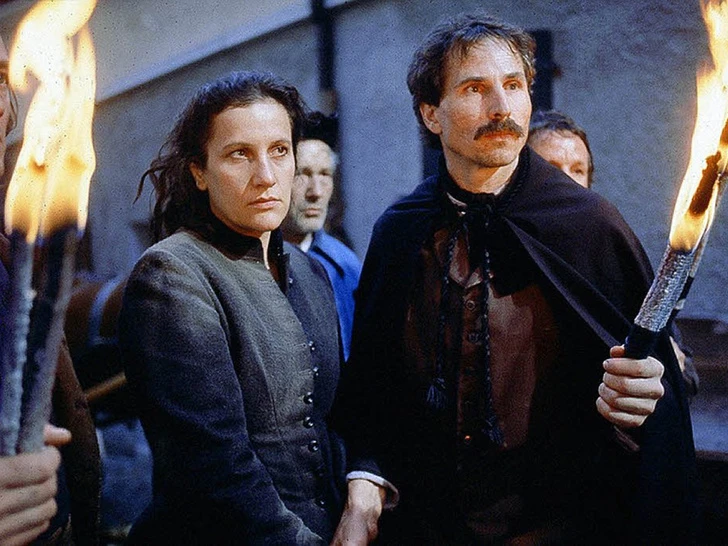
Still from the film "Anna Göldin – The Last Witch" (1991)
Authorities in the canton of Glarus offered a reward for Anna Göldi's capture, placing a notice in the *Neue Zürcher Zeitung*. Found hiding in a nearby house, Anna was arrested, taken into custody, and brought back to Glarus to face formal charges of witchcraft.
Torture and Confession: The Cost of Survival
During the investigation, Anna was subjected to brutal torture to extract a confession. She was hoisted on the strappado three times—her hands tied behind her back and heavy stones attached to her feet to intensify the agony. Unable to endure the torture, Anna confessed to making a pact with the Devil, who she claimed had appeared to her as a black dog. The forced confession sealed her fate. 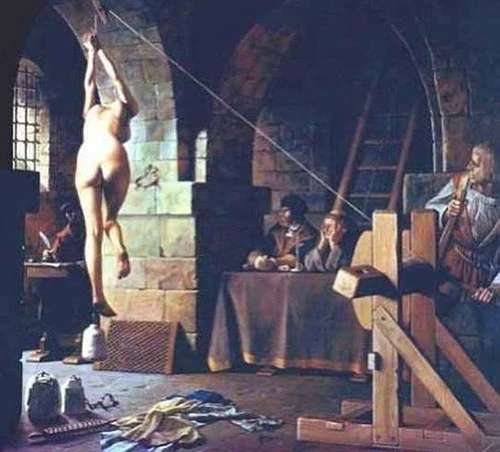
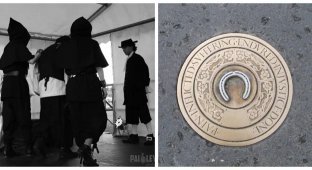
Today, a museum dedicated to Anna Göldi stands in the town of Mollis, in the canton of Glarus. Visitors can view a replica of the torture device used on her—a stark reminder of the cruelty and injustice she endured.
Trial and Execution: A Tragic End
Anna Göldi's trial was a mere formality despite its gravity. Judges considered educated and respectable men passed sentence based on absurd allegations. Tschudi used his considerable influence to ensure her execution, permanently eliminating the threat to his reputation. 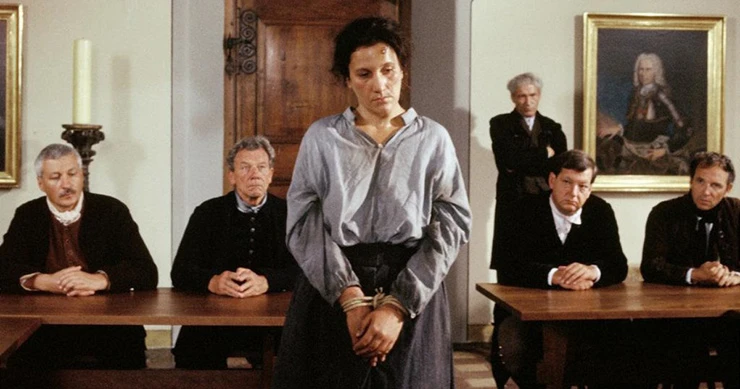
Anna was formally charged with poisoning and sentenced to death by beheading. Although the legal charge cited non-fatal poisoning, she was tried and condemned in practice as a witch. On June 13, 1782, at the age of 48, Anna Göldi was executed. All official records mentioning witchcraft were destroyed immediately after the trial.
Exoneration and Justice
Although Anna Göldi’s trial caused public outrage even in her own time, her case was officially re-examined only centuries later. In 2008—226 years after her execution—the Swiss Parliament officially exonerated Anna Göldi, declaring her conviction a miscarriage of justice and taking a vital step toward setting the historical record straight. 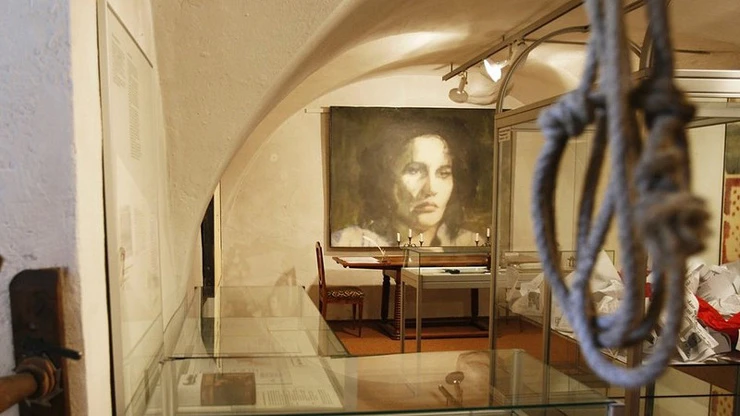
The Anna Göldi Museum in Glarus
Journalist Walter Hauser played a key role in her exoneration, writing several books and articles on Göldi and helping establish the museum in her honor in 2007. Today, the museum serves as a poignant reminder of how easily society can succumb to fear and prejudice, underscoring the importance of remembering history's lessons to prevent such atrocities from happening again.
Film and Musical Adaptations
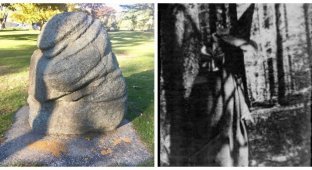
In 1991, director Gertrud Pinkus released the film *Anna Göldin: The Last Witch* (*Anna Göldin, letzte Hexe*). Cornelia Kempers delivered a powerful performance in the title role, conveying the profound suffering and despair of her character. The historical drama formed part of the "Sabbath" film series exploring myths and legends. In 2017, a stage musical based on Göldi’s life premiered in St. Gallen, Switzerland, bringing the dramatic story of Europe's last witch to life through music and dance. 
Masha Karell stars in the musical about Anna Göldi
The story of Anna Göldi is a tragic reminder of how easily fear and prejudice can destroy a human life. Blighted by false accusations and horrific torture, her fate encapsulates an era when superstition and self-interest could condemn an innocent person to death. Centuries later, her exoneration stands as a testament to the enduring struggle for justice and human dignity. Her memory lives on, calling us to uphold reason, compassion, and humanity.