The Salem witch trials remain one of the darkest and most chaotic periods in colonial American history. The northeastern colonies were plunged into a spiral of fear and paranoia, fueled by Puritan dogma. Any suspicion of witchcraft or devil worship was punishable by death. 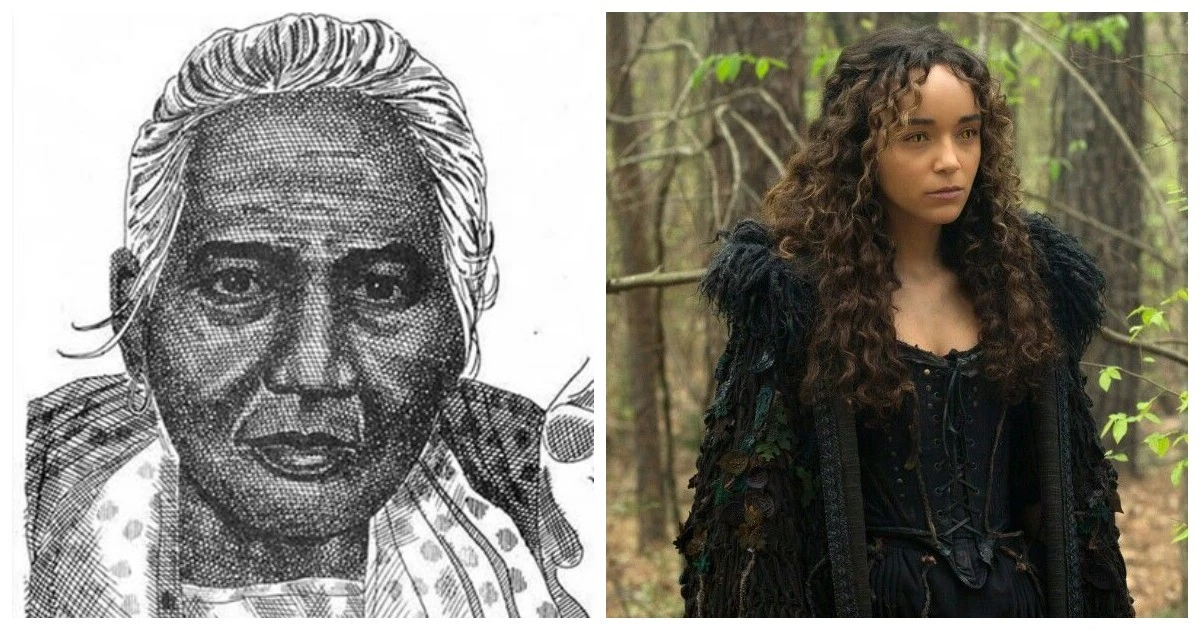
The spark that ignited this flame was, in part, a slave named Tituba, who belonged to the priest Samuel Parris. 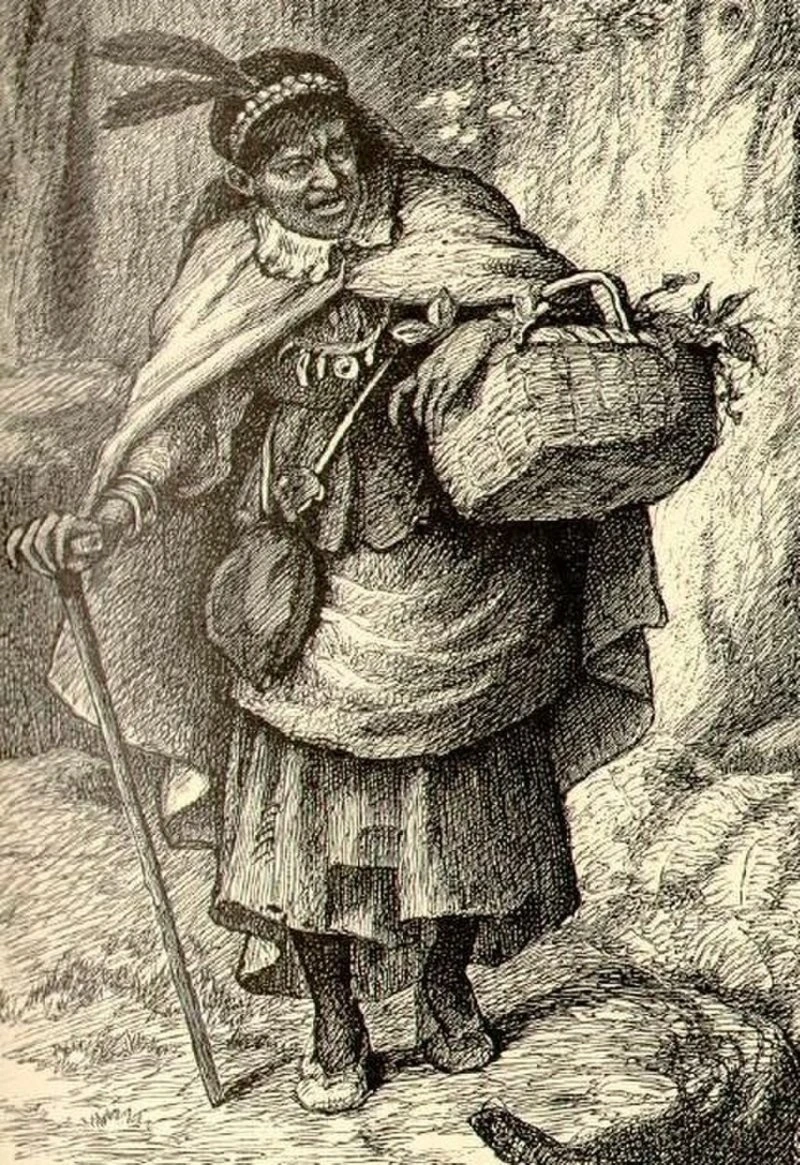
Tituba
Tituba's early life is shrouded in mystery. Historians agree that she was of Central or South American descent, possibly from Barbados. Enslaved, she ended up on Thompson's plantation, where she became a cook. After the death of the plantation owner, Tituba passed into the possession of Samuel Parris, who brought her to Massachusetts in 1680. Her role in the subsequent witch hunt proved fatal: she was among the first accused, and her testimony laid the foundation for the entire judicial nightmare. 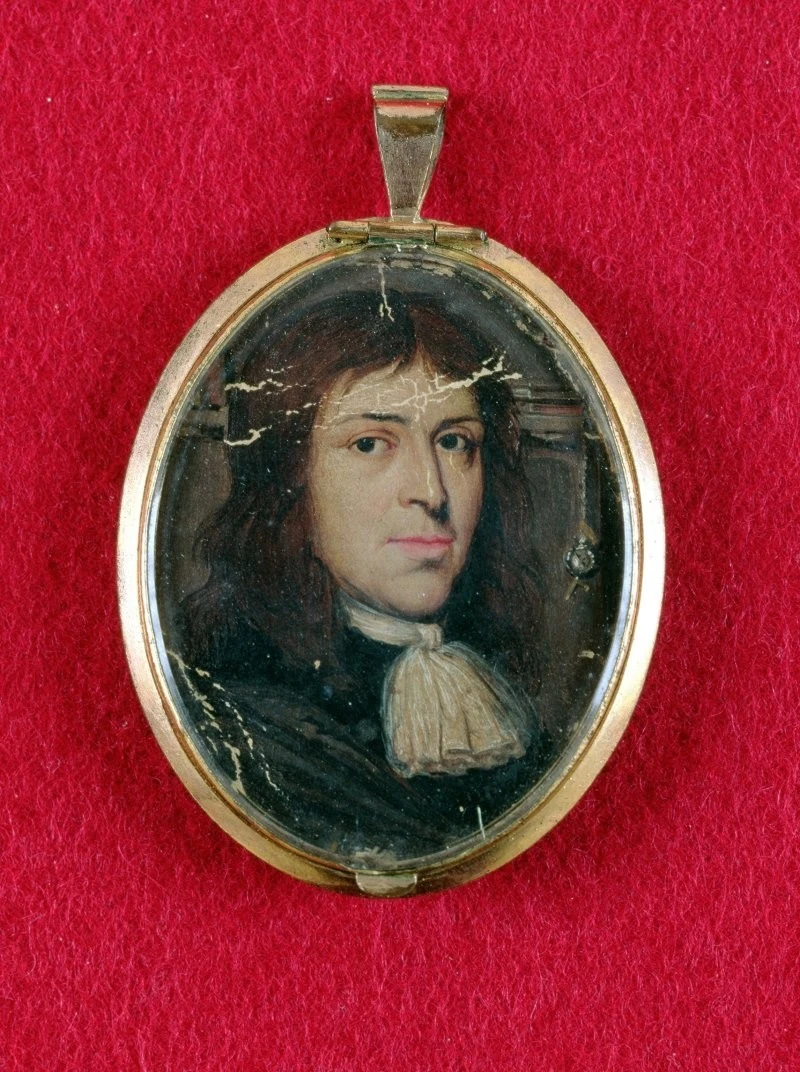
Samuel Parris
In 1689, Samuel Parris became a pastor in the village of Salem and moved there with his family. Tituba cared for his children, becoming especially close to nine-year-old Elizabeth. In early 1692, Betty and her cousin Abigail Williams began suffering from seizures and pain, and periodically disappeared without a trace. Unable to find a medical explanation, doctors declared the children to be cursed. 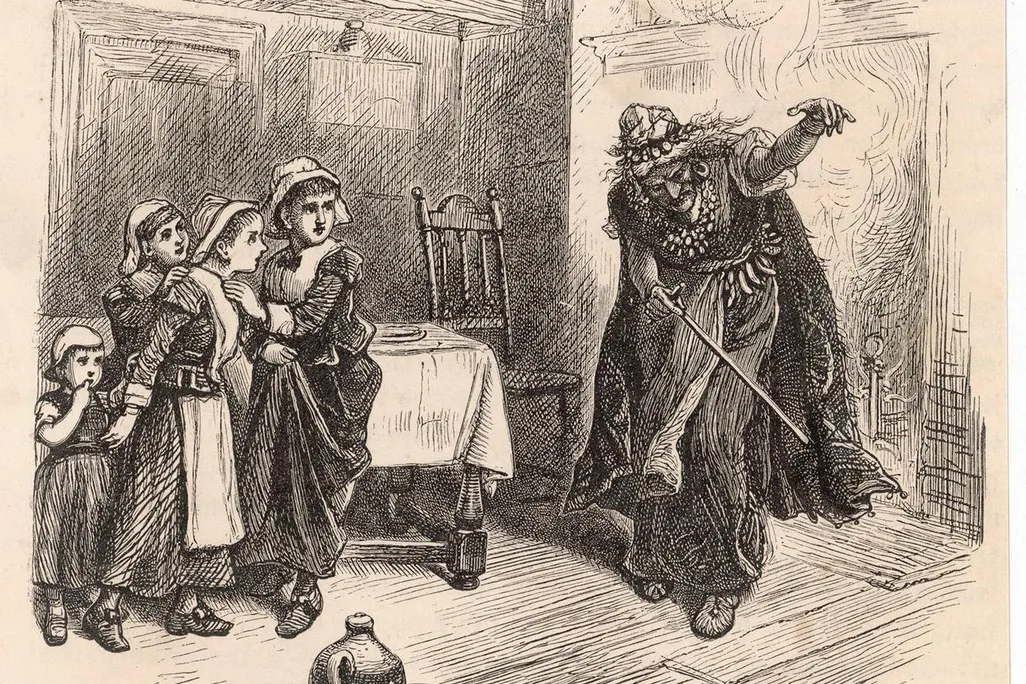
Tituba, as depicted in the 19th century by artist Alfred Fredericks
The girls accused Tituba and two other women, outcasts of the community—Sarah Good and Sarah Osborne—of witchcraft, claiming to have seen their images in visions. Courts of the time accepted this spectral evidence as incontrovertible proof of guilt. 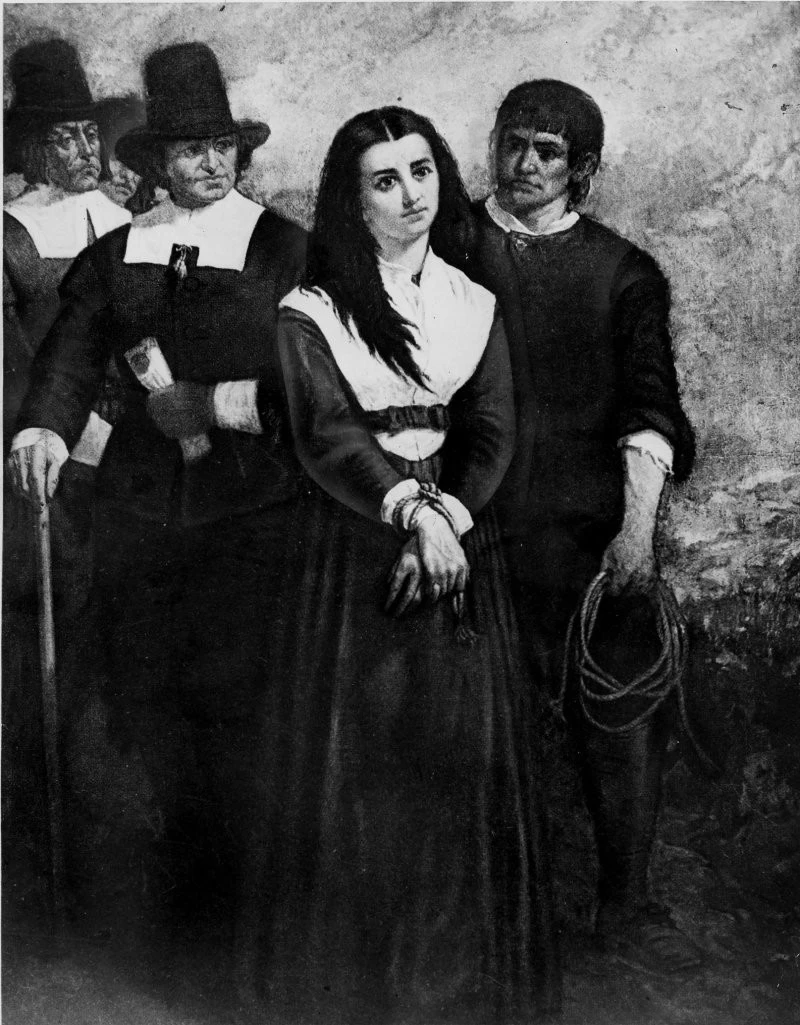
Sarah Good
During interrogation, Sarah Good and Sarah Osborne vehemently denied any involvement, but their defense was shattered by Tituba herself. She gave vivid and emotional testimony, claiming that the devil had appeared to her to harm the children and that he had accomplices—both defendants. The surviving records state:
Sarah Good and Osborne wanted me to harm the children, but I didn't... No, there were four women and one man, they tormented the children, and they blamed it all on me, saying that if I didn't harm the children, they would harm me. 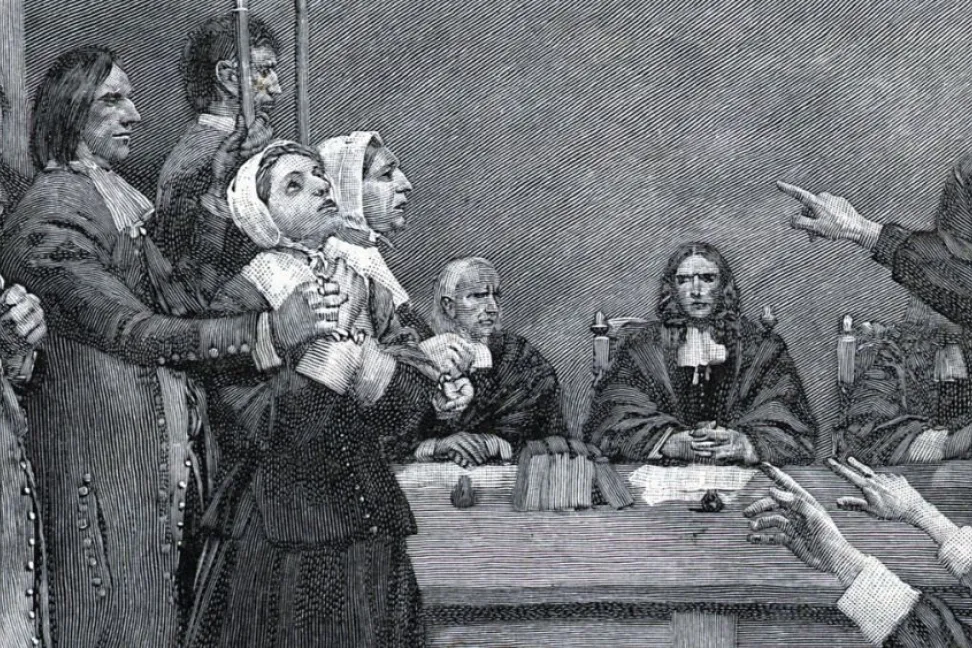
Salem Witch Trials
The uneducated Tituba managed to convince all of Salem with her stories, sowing the seeds of widespread suspicion. 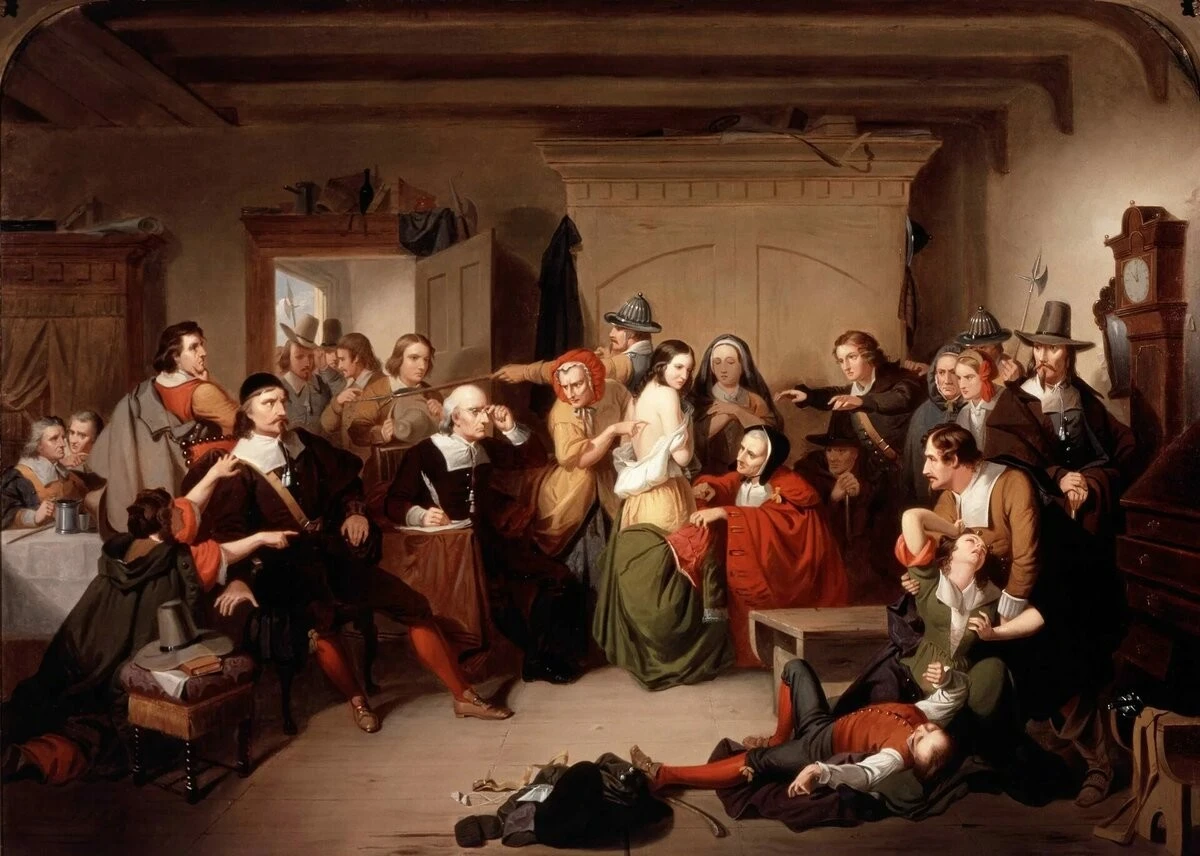
Tituba's story quickly grew. The number of her "accomplices" grew from two to four, then to nine, and finally to nearly five hundred. With each interrogation, her narrative evolved, making her increasingly valuable to the court. She described strange creatures accompanying the devil and spoke of a book filled with the names of those who had made pacts with him. According to Tituba, she couldn't make out any names in it except those of women already arrested. This vagueness allowed her to weave anyone she wanted into her story. 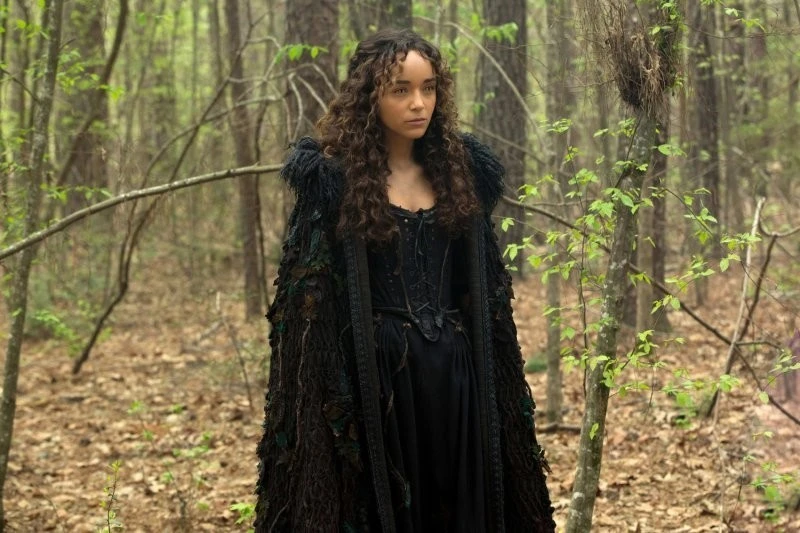
Still from the TV series "Salem," Ashley Madekwe as Tituba
By the end of the trials, 19 people had been hanged, and five more had died in prison. Tituba herself was also imprisoned, but her revelations deflected the brunt of the blame, allowing her to avoid or delay the death sentence. While in prison, she became a model for many other "penitents," who used fragments of her testimony in their confessions. 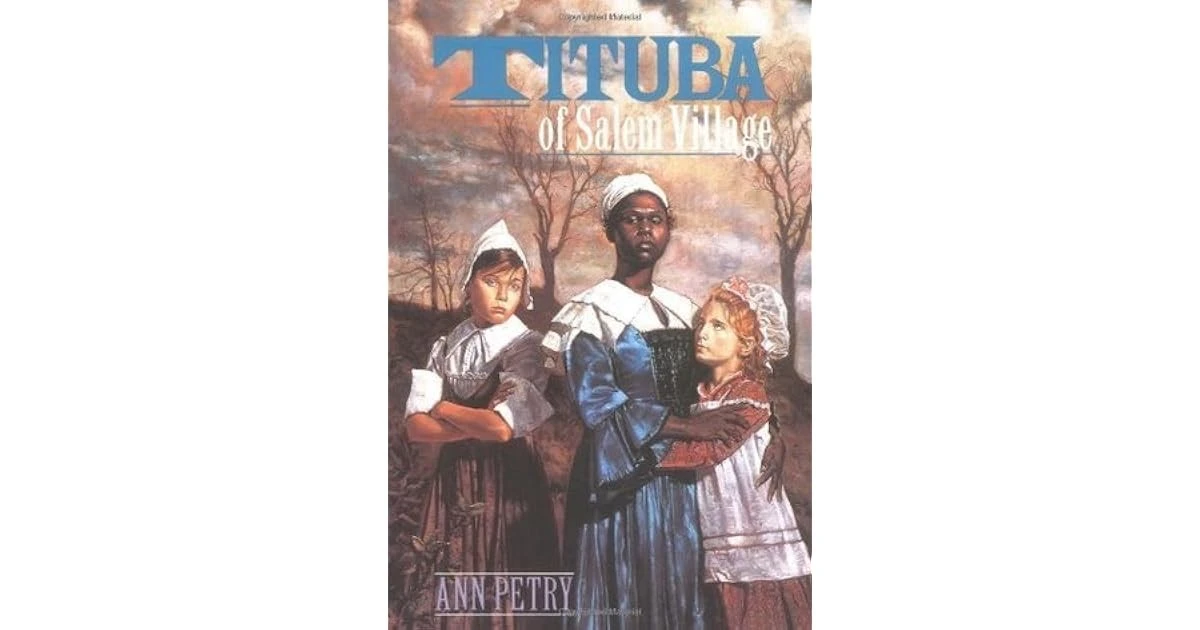
Ultimately, Tituba attempted to recant. She claimed she had perjured herself under duress after Samuel Parris beat her and forced her to perjure herself. When she was tried for conspiracy with the devil, the jury acquitted her. Her prison expenses were paid by an unknown benefactor, with whom she supposedly left the area forever, leaving behind only a dark shadow that cast a shadow over Salem.
Her story is one of vulnerability, survival, and her tragic role in the mechanism of collective panic.
Add your comment
You might be interested in:















Persistence in achieving a goal

A biker prevented a hit-and-run driver from escaping

Not everyone is having fun on the amusement ride

The cutest lunch delivery ever

A book titled "A Guide to Rebuilding

Young women, Dancing and George Michael: nothing superfluous

An apology delivered with a running start

A steam locomotive for "big boys"

Bollywood never ceases to amaze
