Haile Selassie — Ethiopia's Last Emperor and Descendant of King Solomon and the Queen of Sheba (14 Photos)
Haile Selassie I (whose name translates to "Power of the Trinity") served first as regent and then as emperor for 44 years starting in 1930. Revered as a direct descendant of the legendary dynasty of King Solomon and the Queen of Sheba, he bore the grand title "Conquering Lion of the Tribe of Judah, Elect of God, King of Kings of Ethiopia."
Haile Selassie remains one of the most towering figures in Ethiopian and African history. 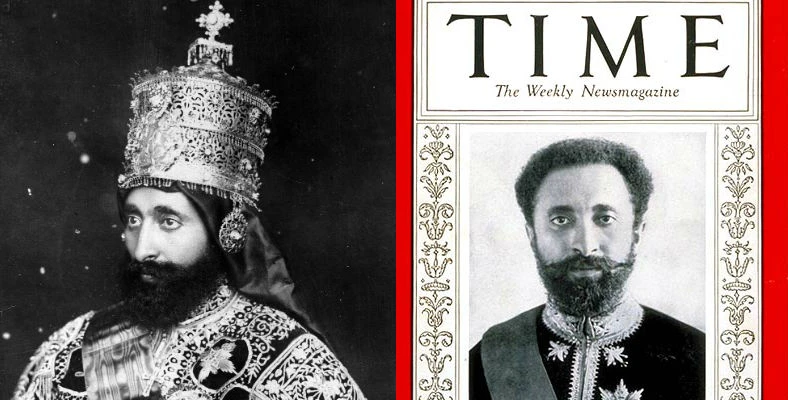
Born Tafari Makonnen, the future ruler of Ethiopia was the tenth child of the ruling emperor's first cousin, leaving him with virtually no initial prospect of inheriting the throne. However, his father was governor of Harar province, a senior military commander, and the emperor's chief advisor, ensuring the boy received a fine education despite his birth order. 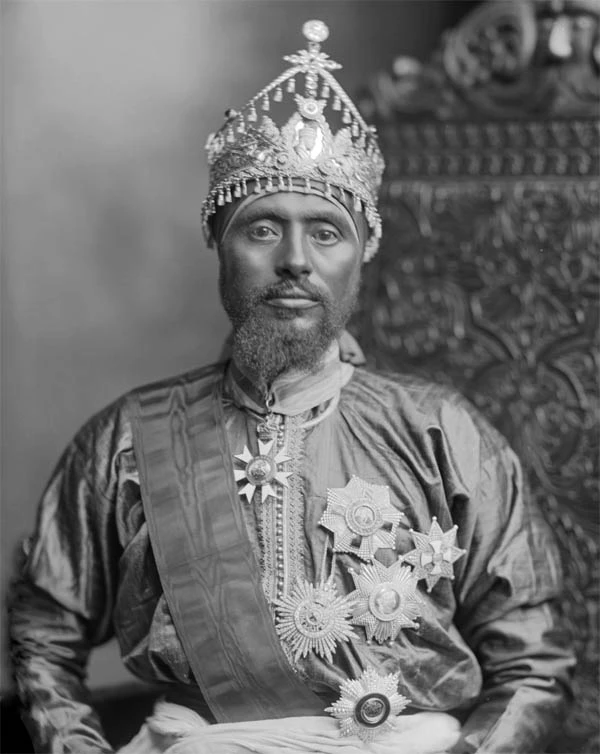
Haile Selassie I's father, Ras Makonnen.
By age 13, the future emperor had already gained his first experience in governance, having been entrusted with a small district 35 kilometers from the city of Harar.
Following the death of Emperor Menelik II in 1913, the throne passed to his grandson Lij Iyasu, who reigned as Iyasu V. Relations between Iyasu and Tafari were initially warm; prior to taking power, Iyasu had even arranged Tafari's marriage to his niece, Menen Asfaw. On September 27, 1916, a faction of dissatisfied nobles deposed Iyasu and excommunicated him. Menelik II's daughter was elevated to the throne, while Tafari Makonnen was declared regent and heir apparent with the title of Ras.
In 1930, Tafari Makonnen was crowned as the 225th Emperor of Ethiopia, taking the regnal name Haile Selassie I. 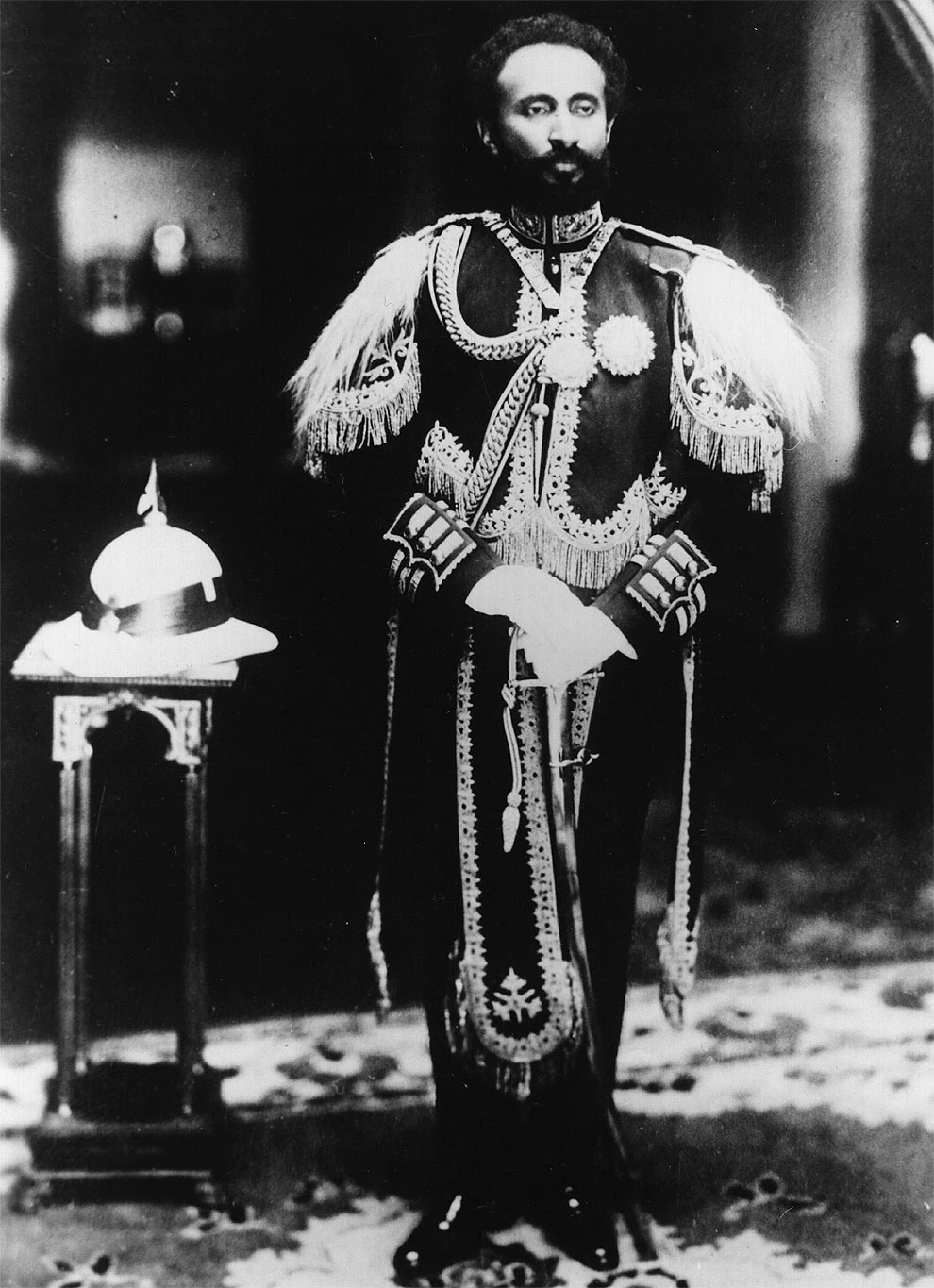
When Italy invaded Ethiopia in 1936, Haile Selassie delivered a fiery address to the League of Nations, fiercely condemning the Italian military's use of chemical weapons against his people. His internationalist outlook made Ethiopia a founding member of the United Nations, and his vision of multilateral diplomacy and collective security proved both far-sighted and enduring. 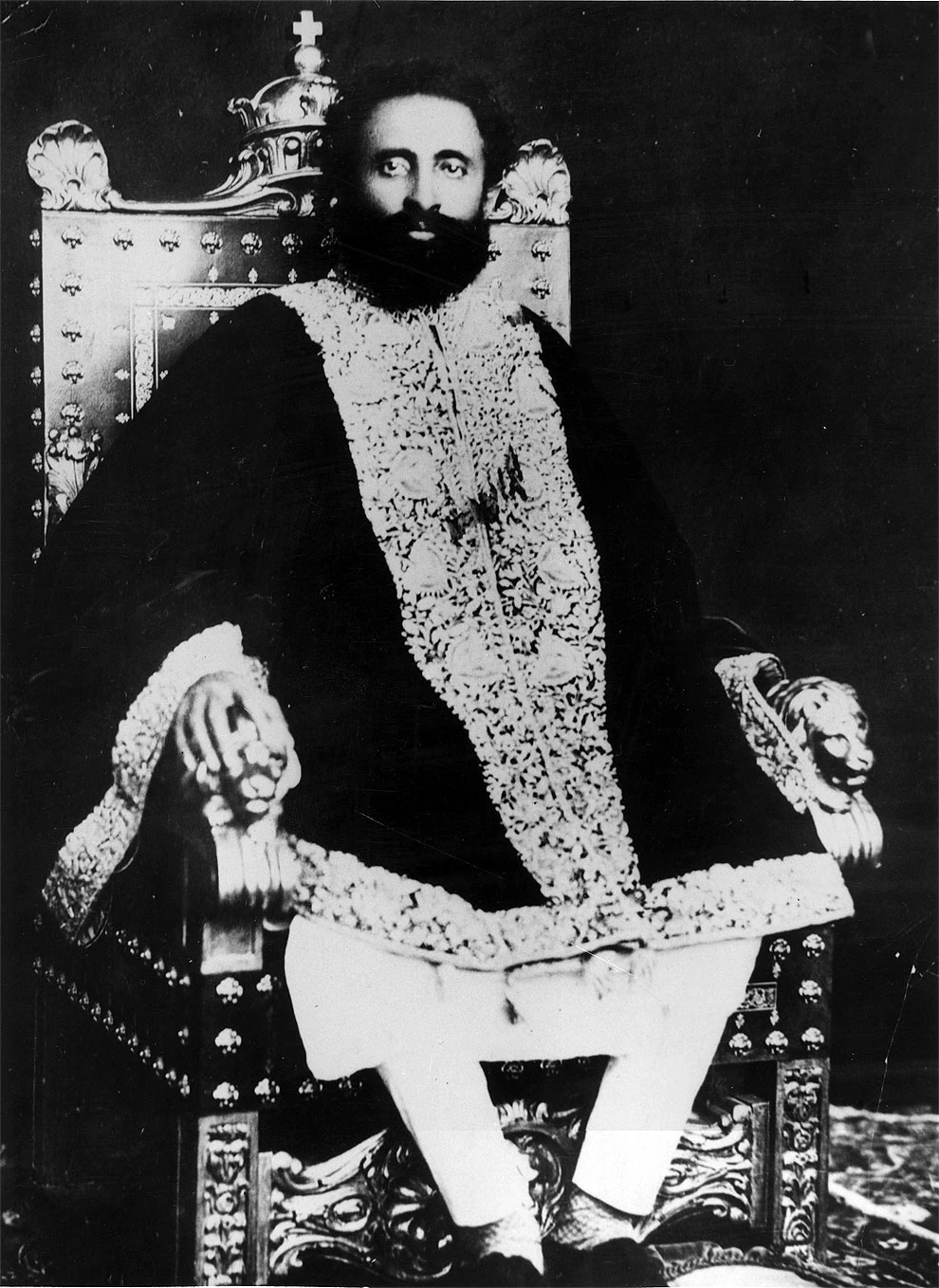
However, his brutal suppression of rebellions among the Ethiopian nobility, combined with mixed success in modernizing a nation where slavery still persisted in the 1930s, drew sharp criticism from many historians and contemporaries. 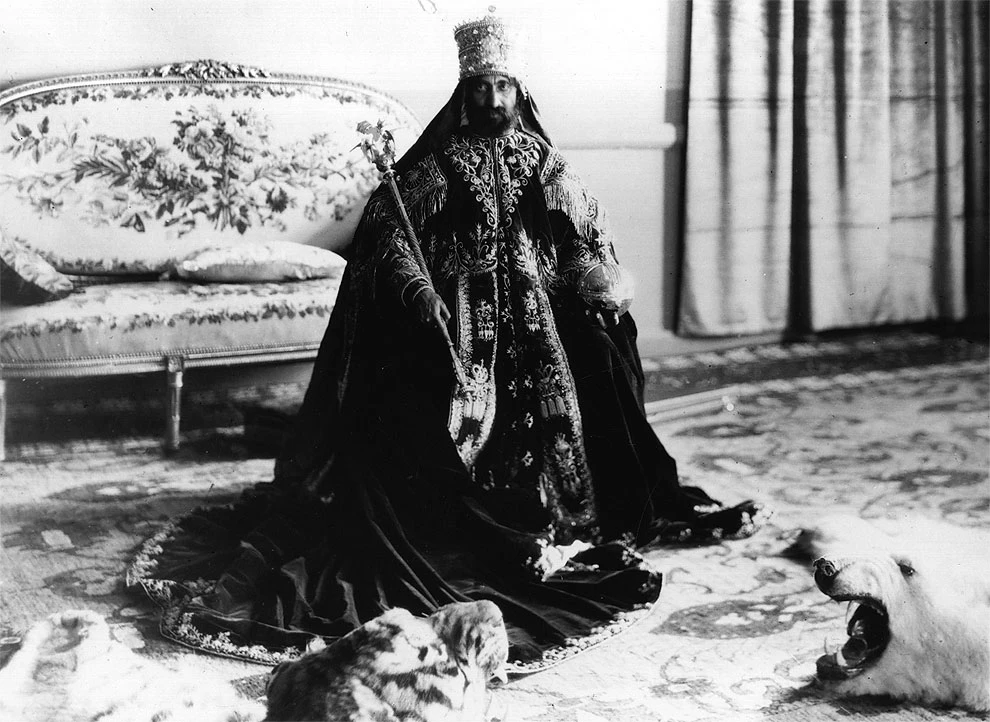
In his youth, Haile Selassie met the Russian poet Nikolay Gumilyov during the latter's travels in Ethiopia. Gumilyov had sought an audience with the future emperor to secure a travel permit to explore Abyssinia.
A decade and a half later, academician Nikolai Vavilov also set off to explore Ethiopia. He too was received by Haile Selassie—no longer a local governor, but not yet emperor, serving then as regent. Vavilov later recalled: "Ras Tafari inquired about our country with keen interest. He was particularly fascinated by the revolution and the fate of the imperial family." 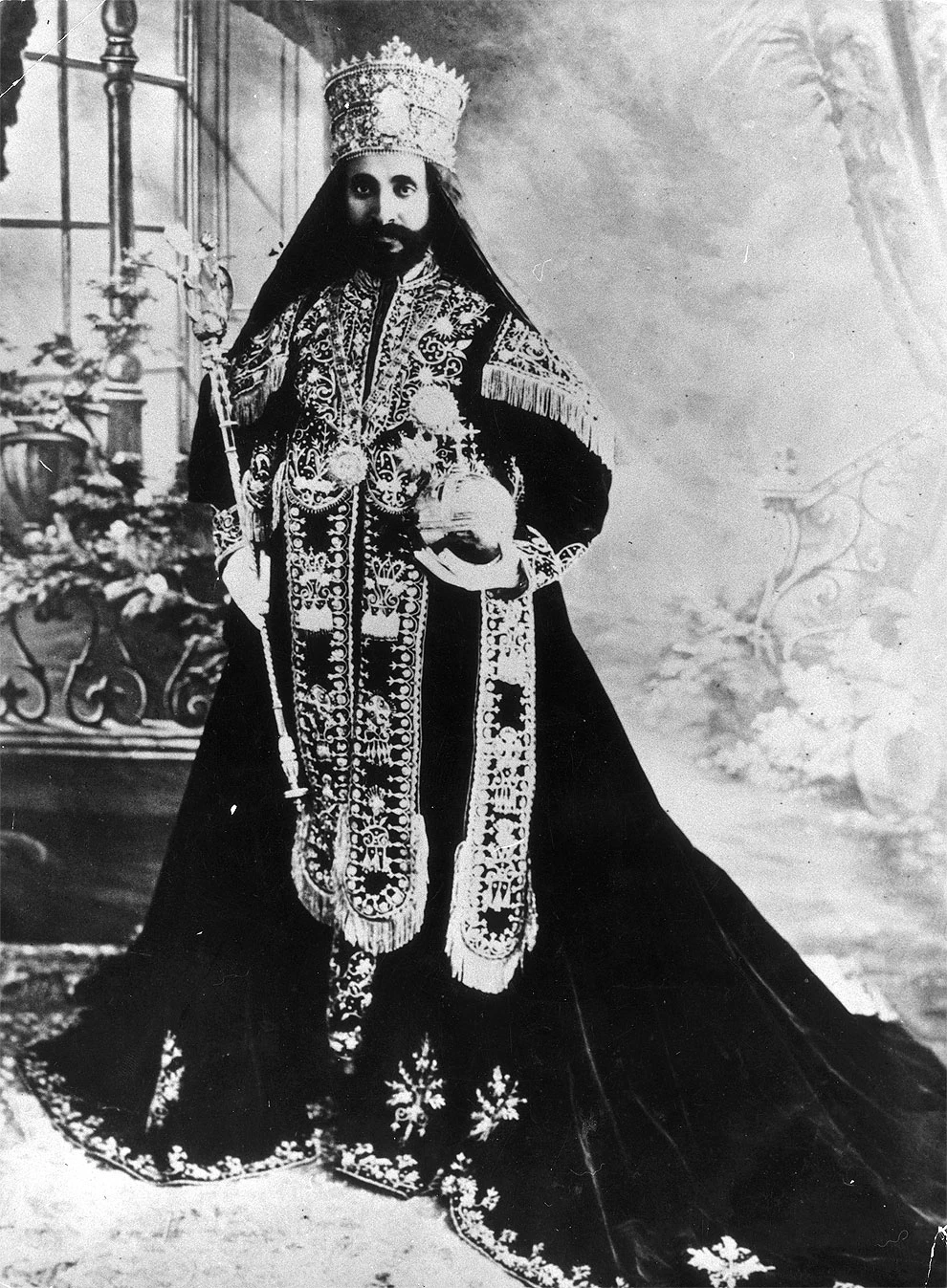
Public discontent with his rule reached a breaking point in 1974. A military junta ousted the emperor and stripped him of power; a year later, Haile Selassie was found dead in his bed. The exact cause of his death remains a subject of debate to this day. 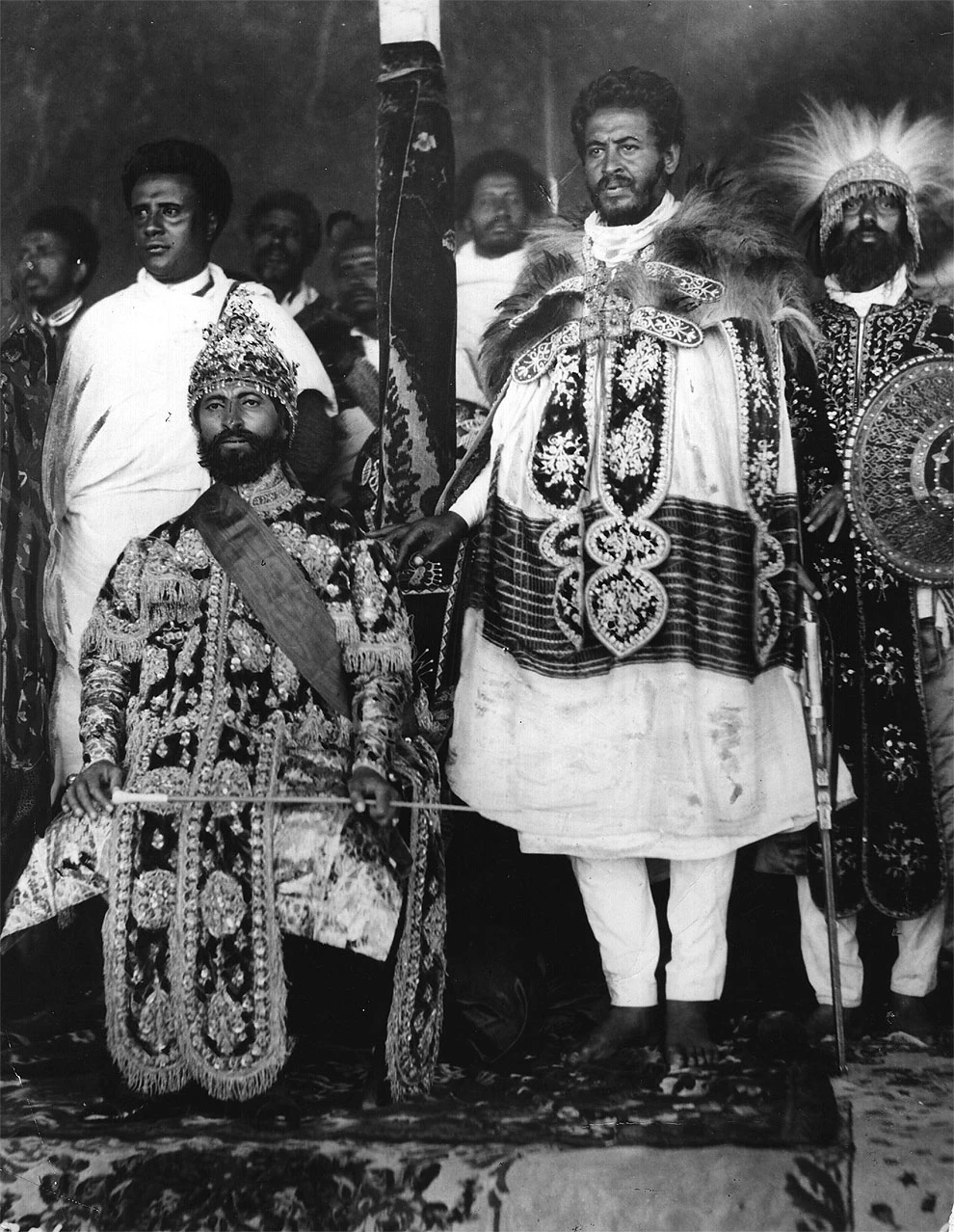
In the wake of the coup, Mengistu Haile Mariam—one of the key figures behind the revolution—seized control. He would go down in history as one of the 20th century's most ruthless dictators, presiding over a regime responsible for the deaths of between 200,000 and 3 million people through famine, torture, and genocide. 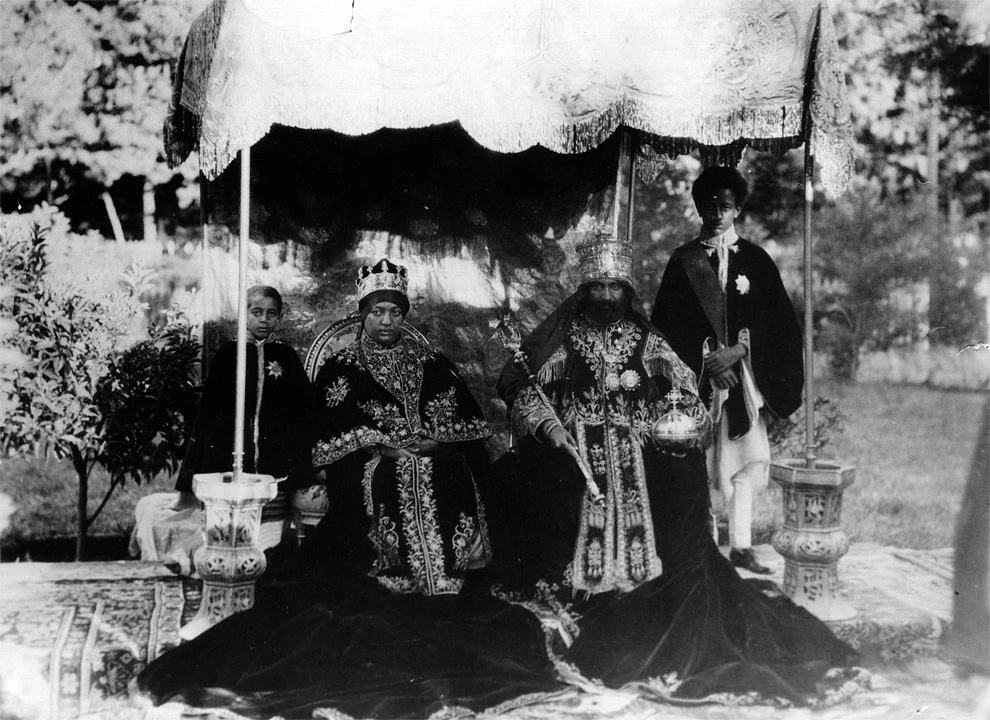
Emperor Haile Selassie I in full imperial regalia, seated outdoors beside his wife, Empress Menen Asfaw, following their coronation. 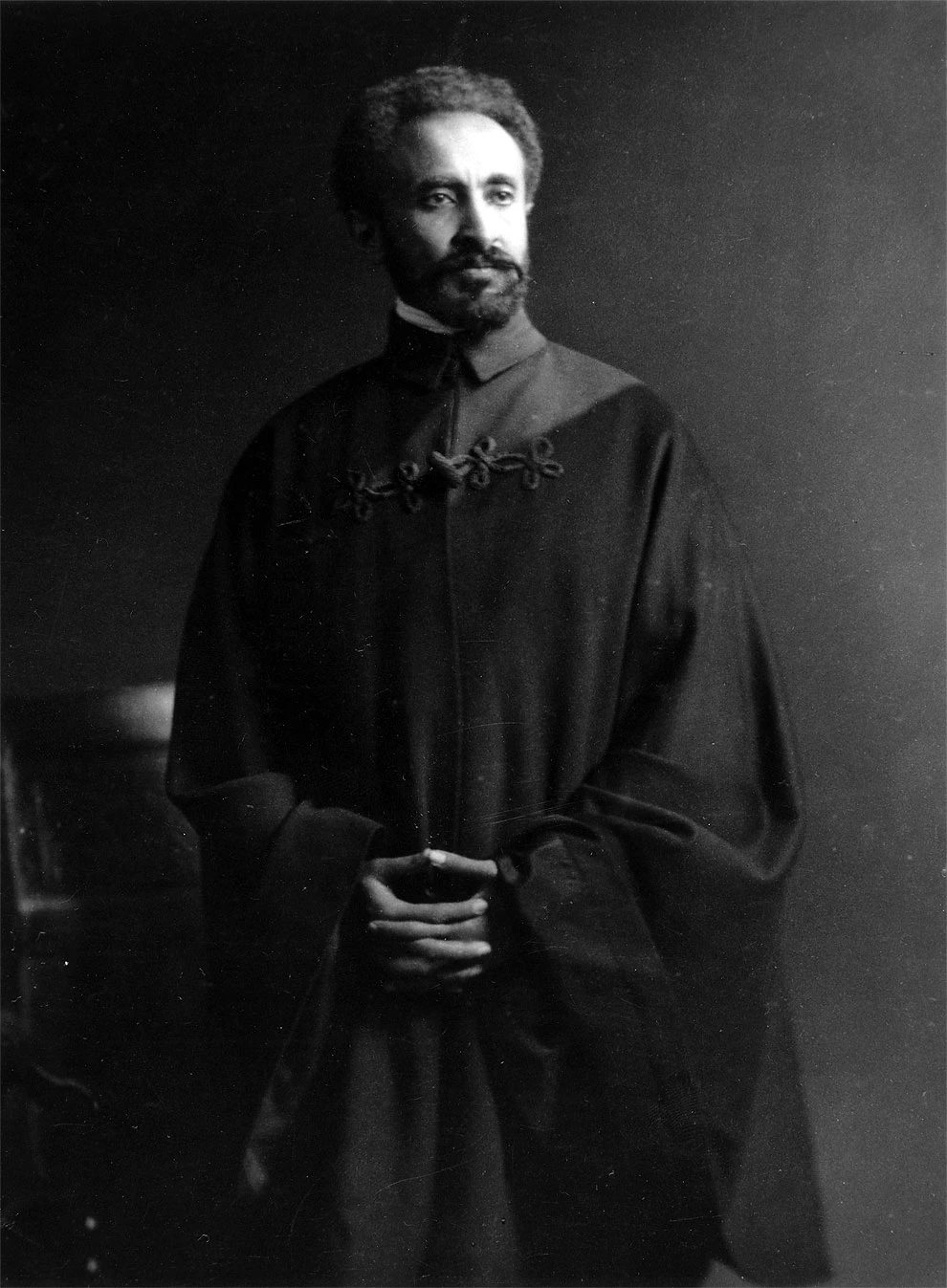
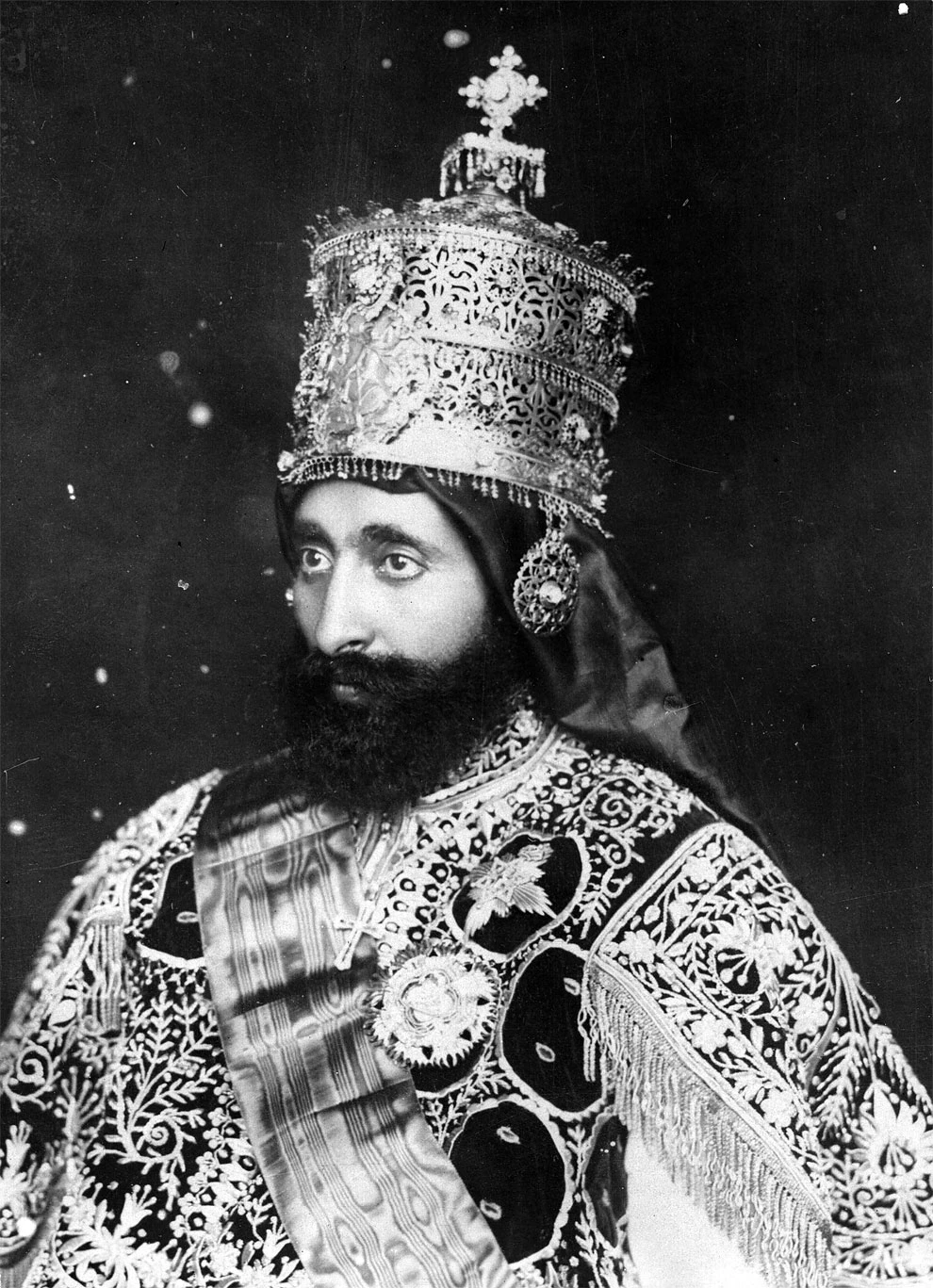
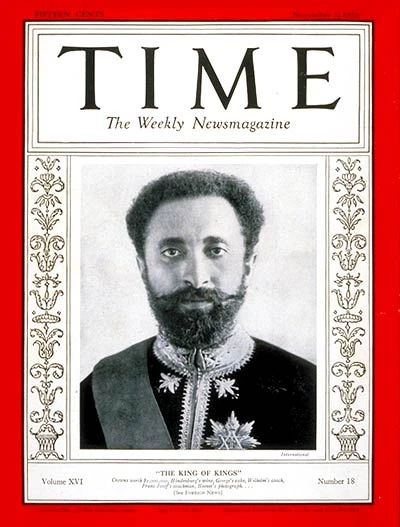
Emperor Haile Selassie I on the cover of Time magazine, 1930. 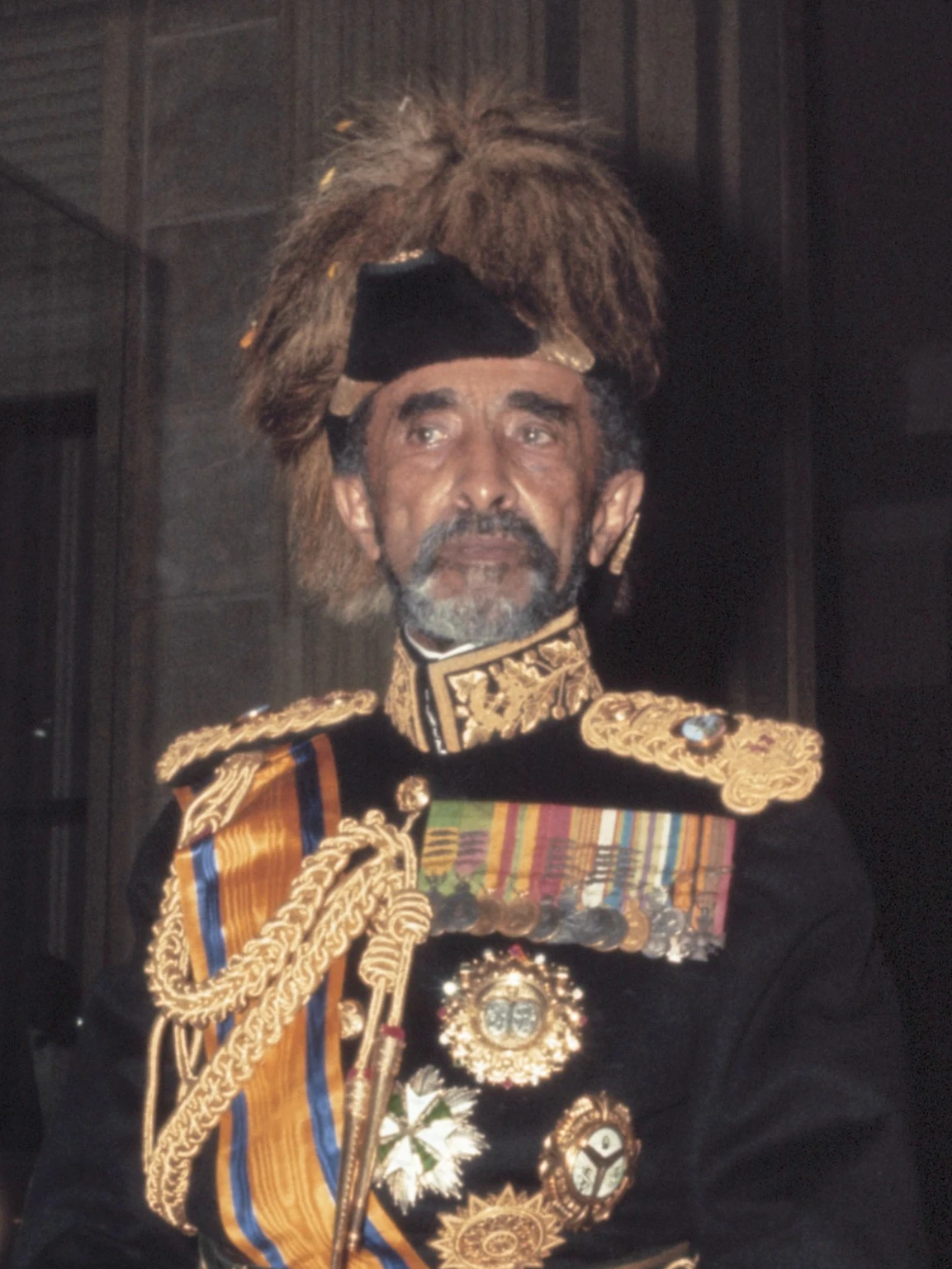
1969. 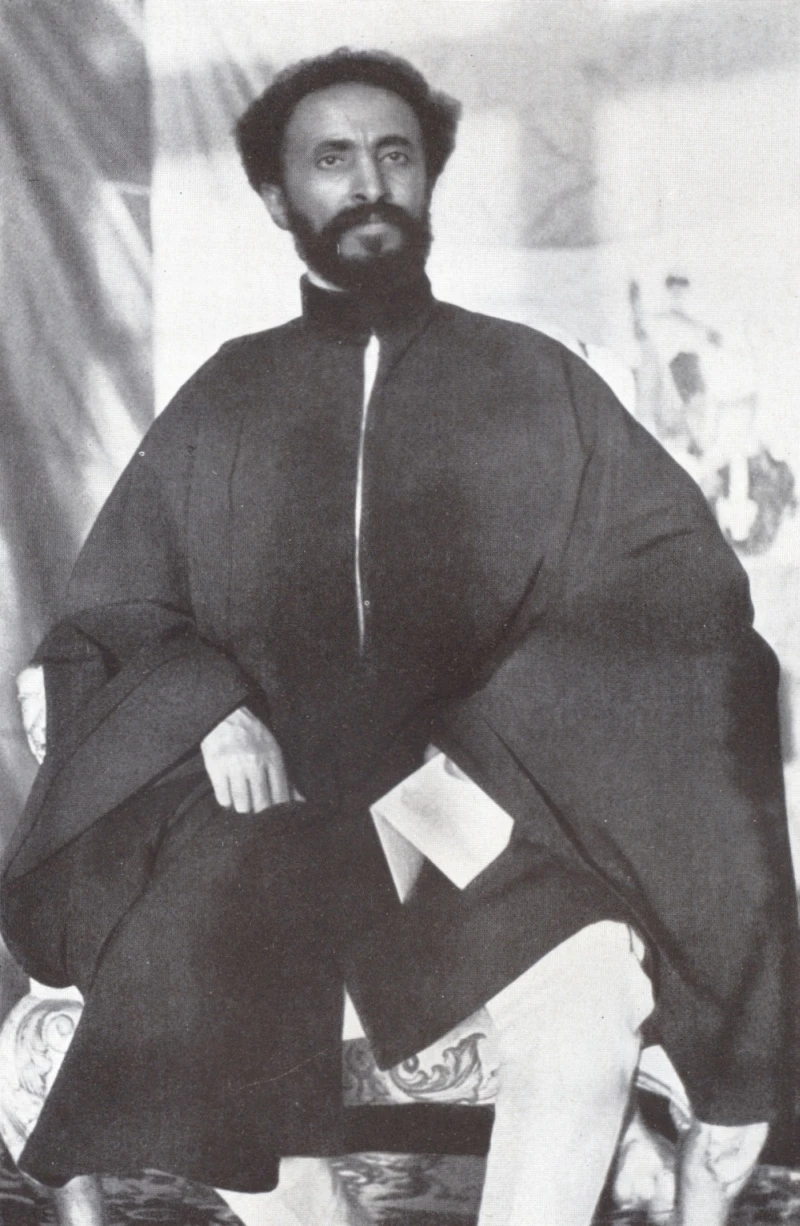
February 1934. 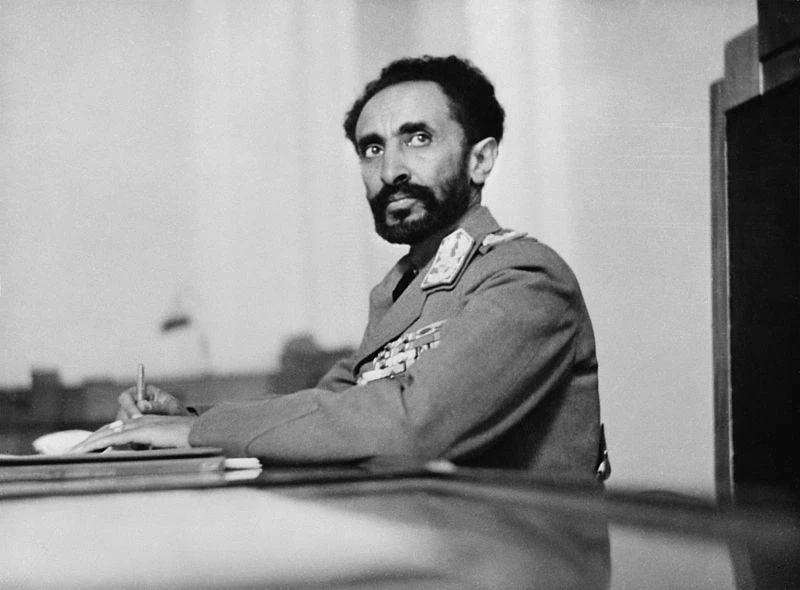
1942.