The True Story Behind Wat Tyler’s Rebellion Featured in 'The Resister' (11 Photos)
On June 14, 1381, an armed mob wielding pitchforks and axes stormed the Tower of London, the primary fortress of England's monarchs. That very day, the Archbishop of Canterbury was dragged out into the square and beheaded. The rebels nearly forced the 14-year-old king to abolish serfdom. Leading the uprising was a simple tiler from Kent named Wat Tyler, whose story has returned to the spotlight thanks to Paul Greengrass’s historical film *The Resister*, starring Andrew Garfield. Here is how a single tax pushed England into the largest peasant revolt in its history. 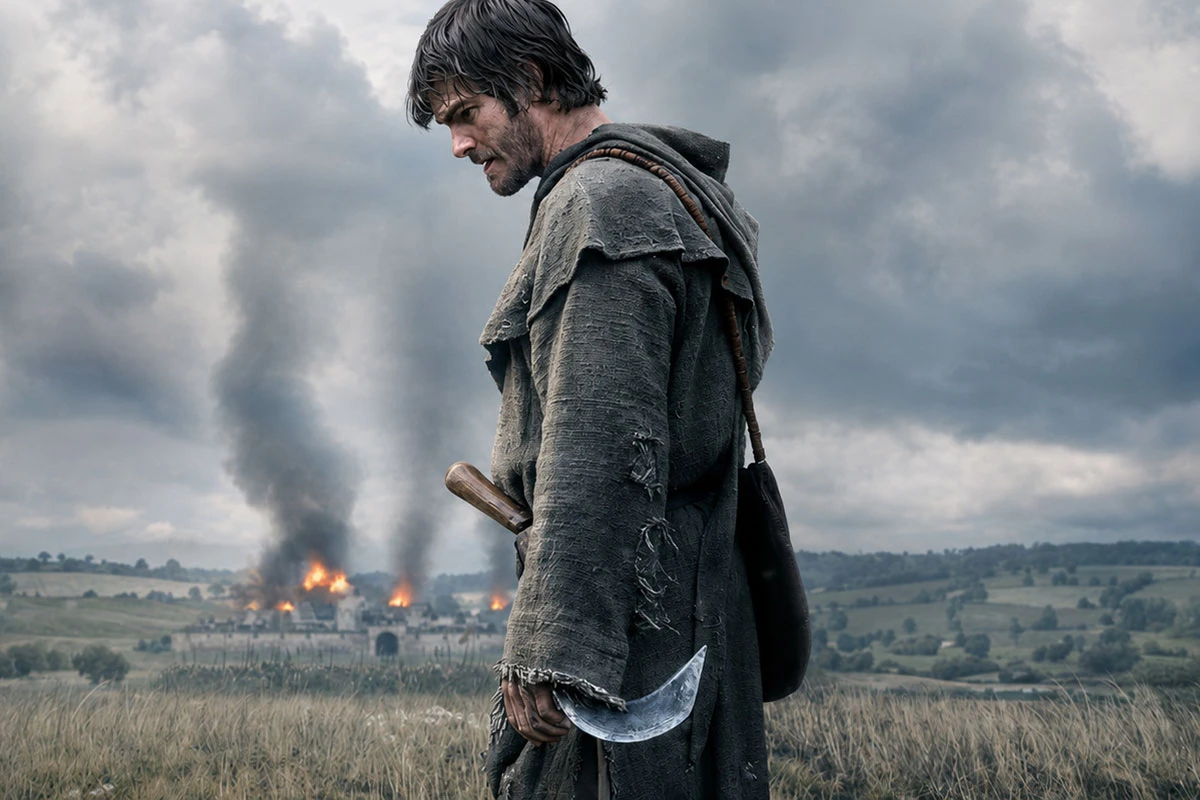
The Kentish Tiler Who Never Sought War
Wat Tyler remains a surprisingly elusive figure to historians. Accounts vary, but he was likely born between 1320 and 1341 in Kent or neighboring Essex. His actual birth name has been lost to time; "Wat" was probably short for "Walter," while "Tyler" reflected his trade as a roof tiler. Some chroniclers claim that prior to the rebellion, Tyler had fought in France—his bearing and leadership skills certainly betrayed the mark of a seasoned soldier. 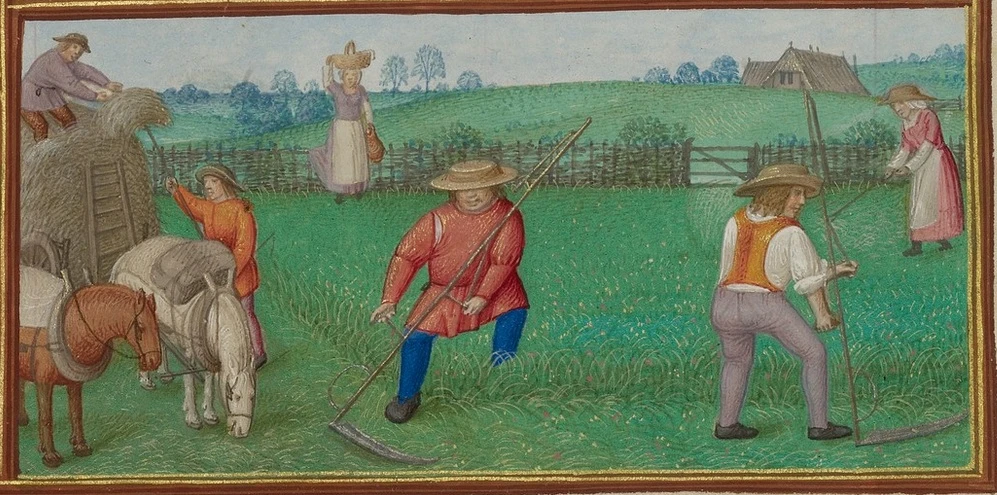
Peasant labor in medieval England: the very environment that produced the rebel leader.
Legend has it that in the spring of 1381, a royal poll tax collector arrived in his village. The official aggressively questioned whether Tyler’s daughter had reached the taxable age of 15 and attempted to assault her. Rushing to her defense, Tyler struck the collector on the head, killing him instantly. In a single moment, a quiet craftsman was transformed into the leader of an insurrection. However, this tale only surfaced in chronicles written a century and a half later, and some historians attribute the killing not to Wat, but to a namesake, John Tyler of Dartford. The true identity of the vengeful father remains a matter of debate.
The Tax That Set the Country Ablaze
The revolt was triggered not by abstract poverty, but by a very specific number. Between 1377 and 1381, the English Crown levied three poll taxes to fund its ongoing war with France. The first levy in 1377 demanded four pence—one groat—from everyone over the age of 14. In 1379, a sliding scale was introduced based on social rank and occupation. But by 1380, with coffers empty once more, Parliament passed a third tax: 12 pence, or three groats, on every person over 15—regardless of wealth. 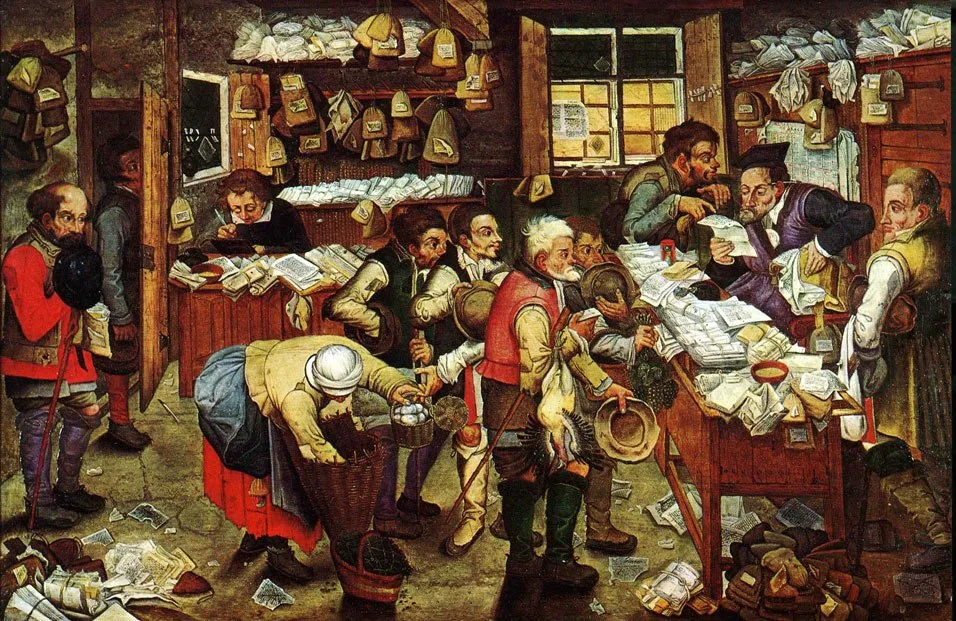
Poll tax collectors visited villages three times in four years, demanding more each time.
For ordinary laborers, this was a crippling sum. An agricultural worker in Essex earned around three pence a day in 1380, meaning 12 pence amounted to roughly a week’s wages. Paying it was made even harder by the Black Death; repeated outbreaks of plague had wiped out nearly a third of England's population. To make matters worse, the Statute of Laborers of 1351 artificially froze wages at pre-plague levels. Survivors of the pestilence found themselves trapped between devastated villages and crushing taxation, viewing the levy as outright extortion. 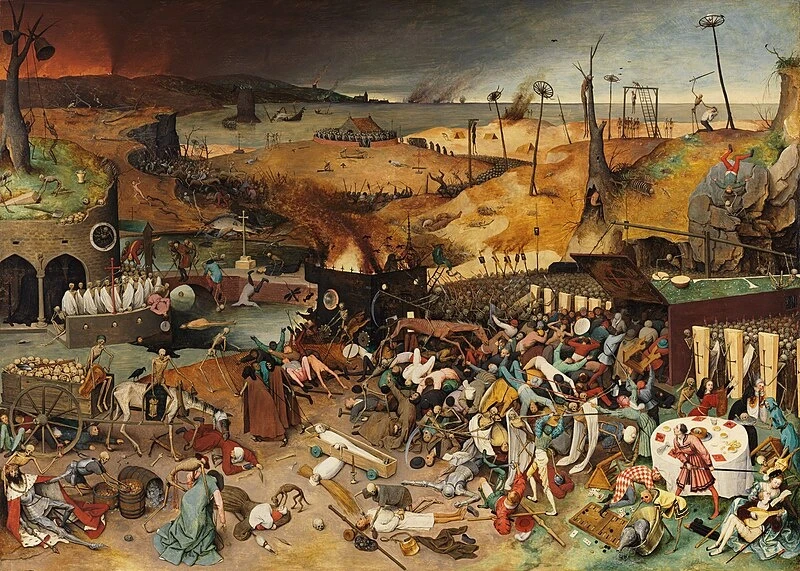
*The Triumph of Death* by Pieter Bruegel the Elder: depicting the horrors of plague and war that haunted 14th-century Europe.
Anger flared all the more because this was the third such tax in just four years. Tensions finally boiled over not in the capital, but in the countryside, where tax collectors faced fierce resistance.
The March on London
In late May 1381, an angry crowd in the Essex town of Brentwood assaulted and drove off yet another tax collector. Unrest quickly spread to neighboring Kent. On June 7, rebels broke open Maidstone Gaol to free the radical preacher John Ball and elected Wat Tyler as their leader that same day, relying on his military background and authority. On June 10, the rebel forces captured Canterbury before marching on London, sacking the Archbishop of Canterbury’s palace and throwing open prison doors along the way. 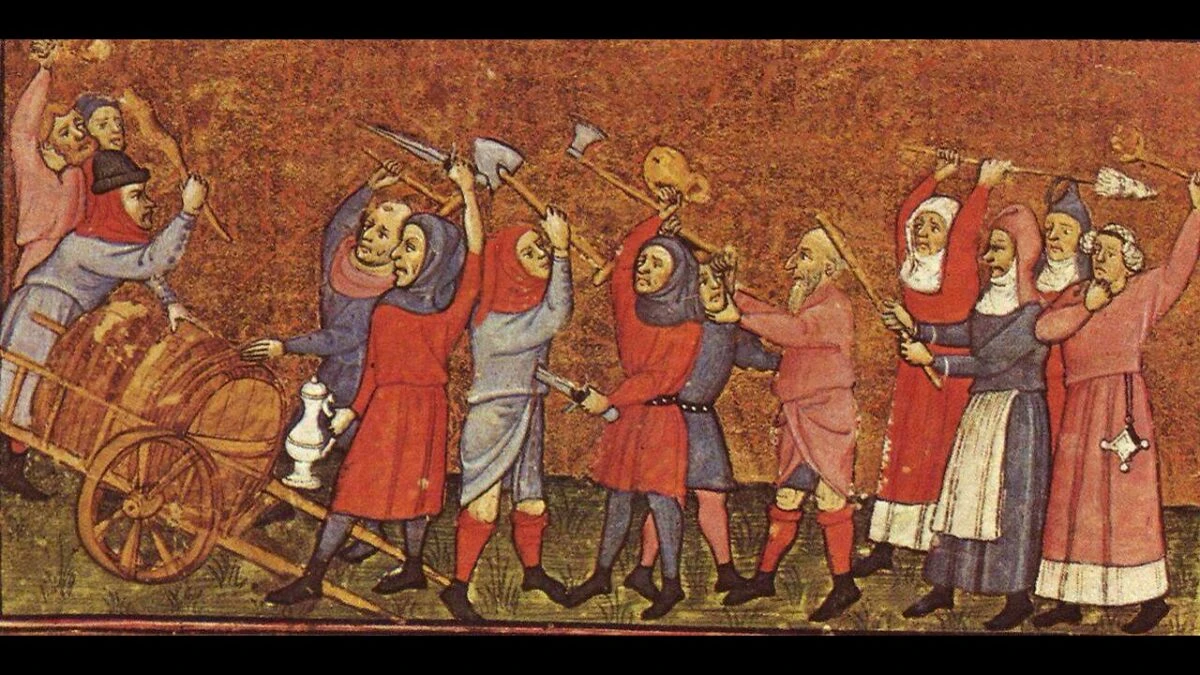
Rebel mobs from Kent and Essex marched toward London, gathering supporters along the way.
Once in the capital, the rebels found ready allies among the urban poor; resentment toward taxes and the ruling elite united rural peasants and London's underclass. Sympathetic locals opened the city gates, allowing thousands of armed marchers to pour into London unopposed. Their first target was the opulent Savoy Palace, home of John of Gaunt, one of the King's most despised advisors.
John Ball’s Sermon on Social Equality
John Ball, an itinerant priest previously excommunicated for preaching class equality, emerged as one of the rebellion’s key figures. At Blackheath, just outside London's walls, he delivered a speech that echoes through history, asking the crowd: "When Adam delved and Eve span, who was then the gentleman?" 
John Ball preaching to the rebels at Blackheath, as depicted in Jean Froissart’s medieval chronicle.
The message was simple yet deeply disruptive to the medieval social order: all human beings descend from Adam and Eve, meaning the divide between nobility and commoners was invented by man, not ordained by God. In the 14th century, such an idea was radically subversive, and the crowd embraced it enthusiastically. Historians view Ball’s sermon as one of the earliest public rallying calls for social equality in English history.
The Storming of the Tower and First Royal Parley
On June 14, 1381, at Mile End, the rebels met face-to-face with King Richard II, who was just 14 years old. The peasants demanded the abolition of serfdom, fixed land rents, free trade, and a full amnesty for all insurgents. Rattled, the young king acceded to all their demands and urged them to disperse peacefully. 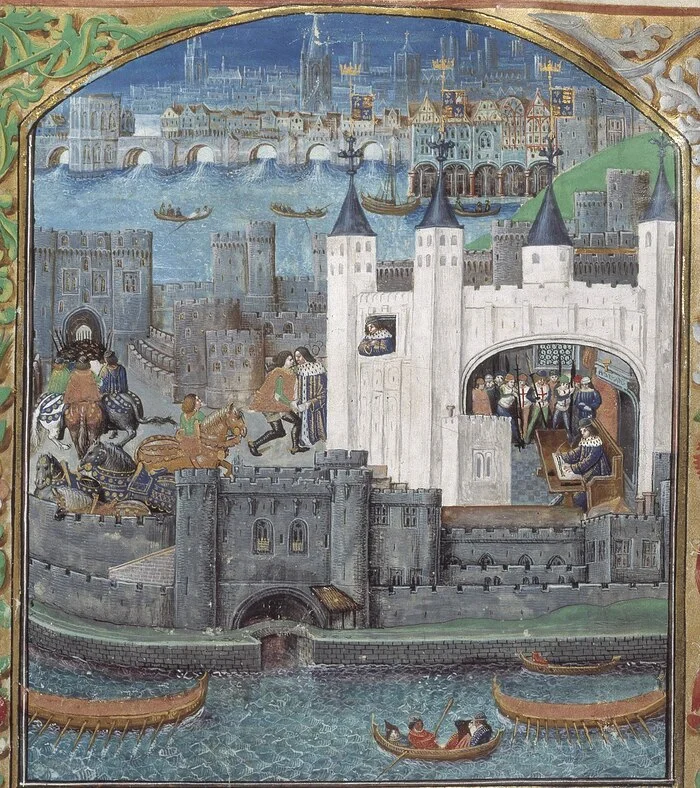
The storming of the Tower of London in June 1381 cost the lives of the Archbishop of Canterbury and the Lord High Treasurer.
While negotiations were underway, another contingent of rebels stormed the Tower of London—the Crown’s primary fortress, which had stood unbreached for three centuries. Taking refuge inside were Simon Sudbury, Archbishop of Canterbury, and Robert Hales, the Lord High Treasurer, whom the peasants blamed for the hated tax. Both men were dragged to Tower Hill and summarily beheaded.
Smithfield: The Death of the Rebel Leader
The following day, June 15, a second meeting took place at Smithfield, just outside the city walls. The rebels’ demands had grown even more radical: they sought total equality before the law, the return of common lands, the abolition of aristocratic privilege, and the redistribution of church property to the people. 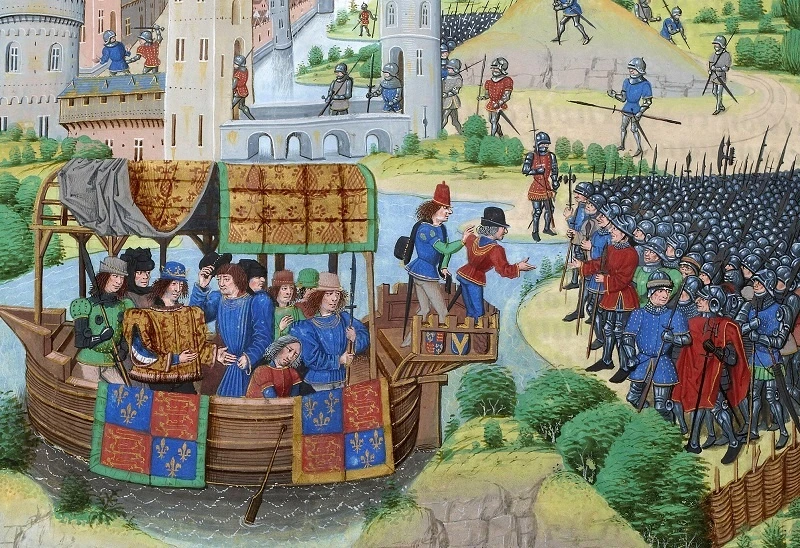
King Richard II meeting with the rebels, depicted in a miniature from Jean Froissart’s chronicle.
During the exchange, a royal squire named John Newton insulted Tyler, calling him the greatest thief and robber in all of Kent. Tyler drew his dagger on Newton, prompting the Mayor of London, William Walworth, to intervene and arrest him. In the ensuing scuffle, Walworth slashed Tyler in the neck, and Ralph Standish, a royal esquire, dealt the fatal blow. 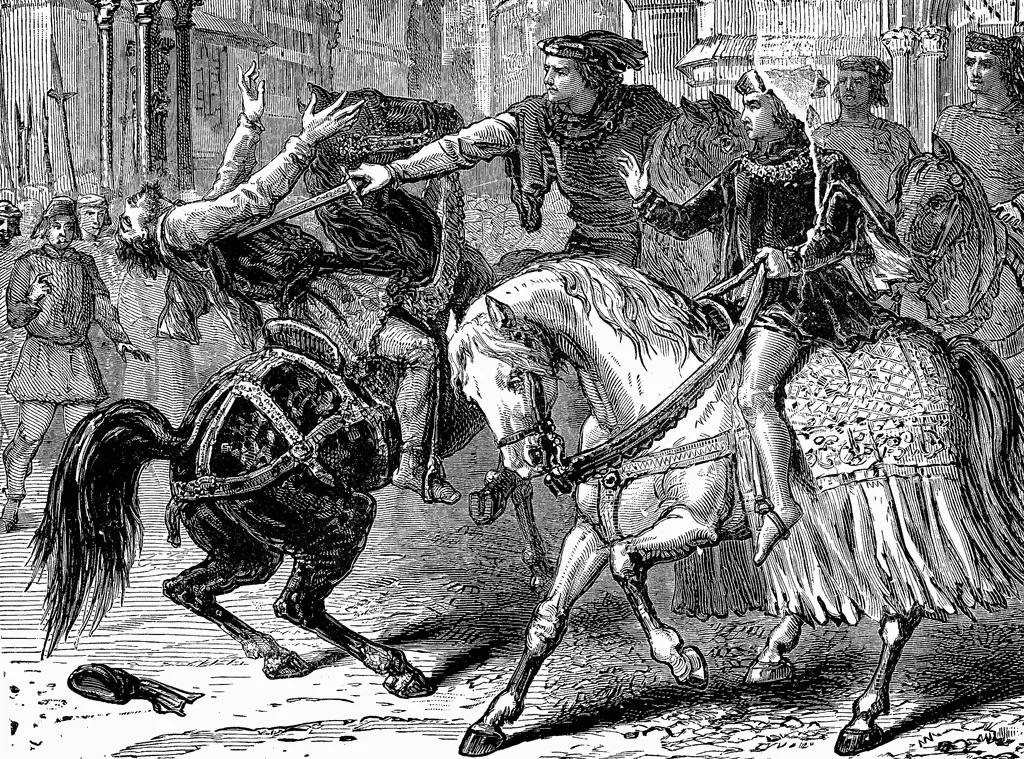
Tyler's death in full view of thousands of his followers decided the fate of the revolt within minutes.
The mortally wounded Tyler was carried into St. Bartholomew’s Hospital, but Walworth rallied royalist forces, had Tyler dragged back into the open, and ordered his decapitation. His severed head was impaled on a pike atop London Bridge as a grim warning to anyone considering further rebellion.
The Aftermath and Legacy
Robbed of their leader, the rebel crowd fell into disarray and scattered. King Richard promptly revoked all his promises, and royal forces hunted down and executed ringleaders across the realm. On the surface, the revolt failed, and serfdom endured in England for nearly another century. Yet the Crown never attempted to levy a poll tax again—the disastrous experiment died on the field at Smithfield alongside Tyler. 
A memorial plaque today marks the site of Tyler’s death at Smithfield.
Historians consider 1381 a turning point in the decline of English serfdom. Though not formally abolished, landlords grew far more cautious about raising dues on their tenants. The revolt burned itself into the nation's collective memory as England's first mass uprising against unjust taxation—a historical precedent invoked by anti-poll tax protesters six centuries later.
Plowman, Not Tyler: Who Andrew Garfield Plays in 'The Resister'
Director Paul Greengrass has been developing the film *The Resister* since 2020. Rather than focusing solely on the historical Wat Tyler, the narrative centers on a fictional peasant known as "the Plowman," played by Andrew Garfield. The moniker nods to William Langland’s 1370s poem *Piers Plowman*, which notably contains the earliest literary mention of Robin Hood. Tyler himself is portrayed by Cosmo Jarvis, while Jamie Bell stars as the radical preacher John Ball. 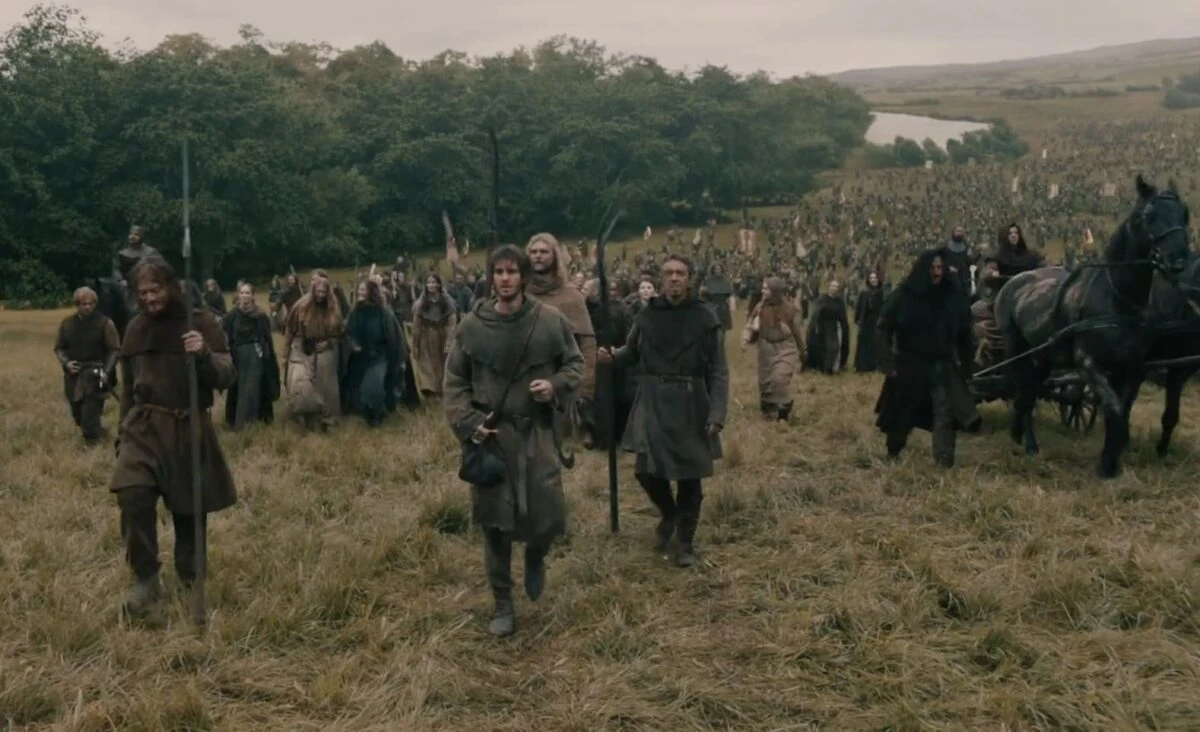
Andrew Garfield plays the fictional Plowman—a character created by Greengrass specifically for the film.
The character choice sparked initial marketing confusion, with early promotional materials in the US briefly retitling the film *The Resister: The Rise of Robin Hood*, hinting that Garfield’s character was the legendary outlaw himself. Although the title reverted back to *The Resister*, ties to the Robin Hood mythos remain woven into the plot. While the Plowman's journey intersects with the genuine historical events of June 1381, he is a dramatic invention rather than a real historical figure.
Do you think the peasants' demands could have been realized had Tyler not been slain at Smithfield?