How Anime Is Made (16 Photos)
How is anime actually made? It all starts with an idea. Sometimes the team holds a brainstorming session to sift through dozens of concepts and pick the absolute best one. Other times, studio executives make the call. Either way, it's the very first—and often most mundane—stage of the process. Once an idea is greenlit, the production crew is assembled and sponsors are brought on board. 
Making anime is surprisingly expensive. Broadcasting a 52-episode late-night series across five to seven TV networks can run close to 50 million yen. By contrast, airing a prime-time hit like Fullmetal Alchemist at 6:00 PM cost roughly ten times as much. 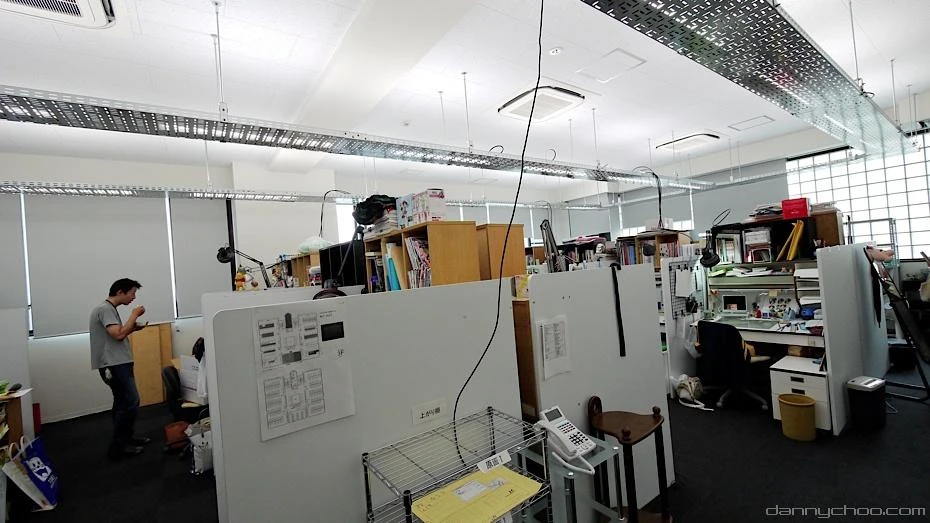
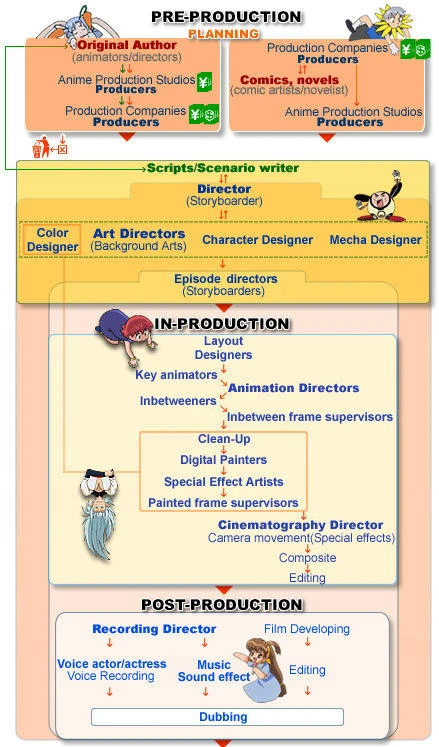
This chart illustrates the step-by-step anime production process from start to finish. 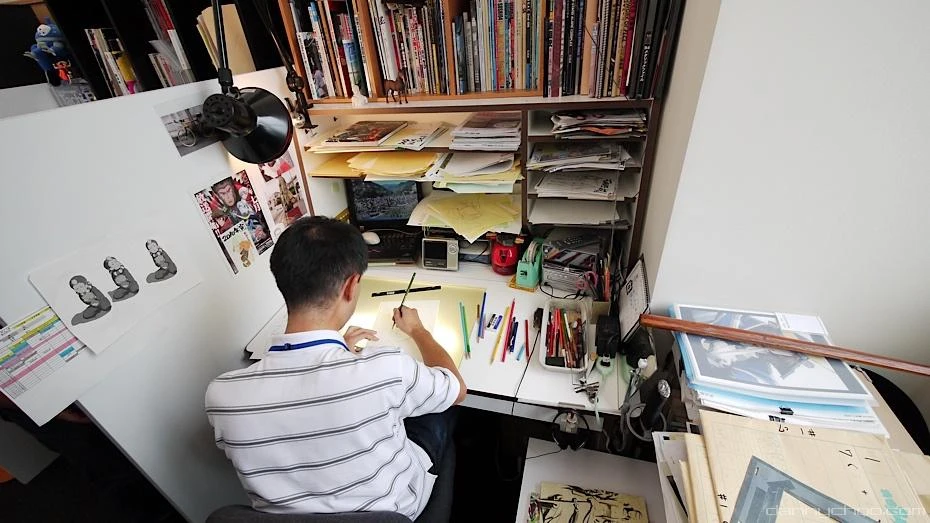
The next few steps are skipped if the anime is adapted from a manga. In fact, the vast majority of anime series fall into this category, and for good reason: a manga’s popularity offers a reliable indicator of potential anime success while keeping pre-production costs down. Occasionally, the reverse happens and a manga is created based on an original anime series—FLCL being a famous example. 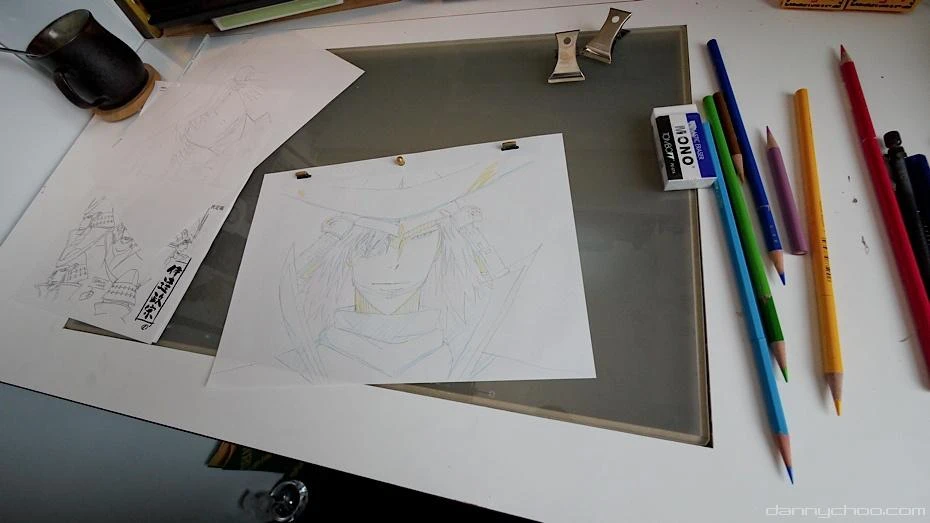
The second phase revolves around the overarching concept—defining the who, what, how, and why of the story. Designers draft character concepts and outline the core plot. Once these basics are settled, screenwriters and artists take over: a detailed script is written, character and background art is finalized, and a rough storyboard is created. 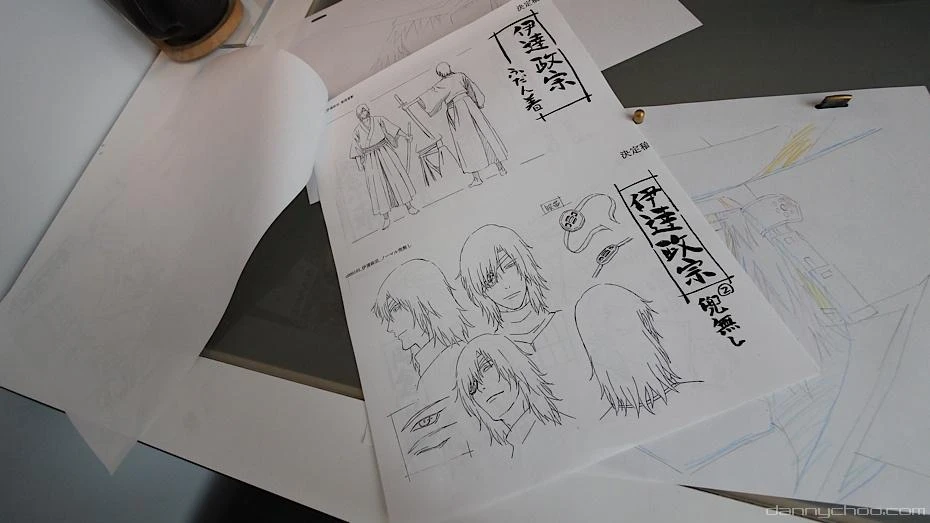
Most initial artwork is still done the old-fashioned way—with pencil on paper. Characters are drawn from various angles and with different expressions, outfits, and props. 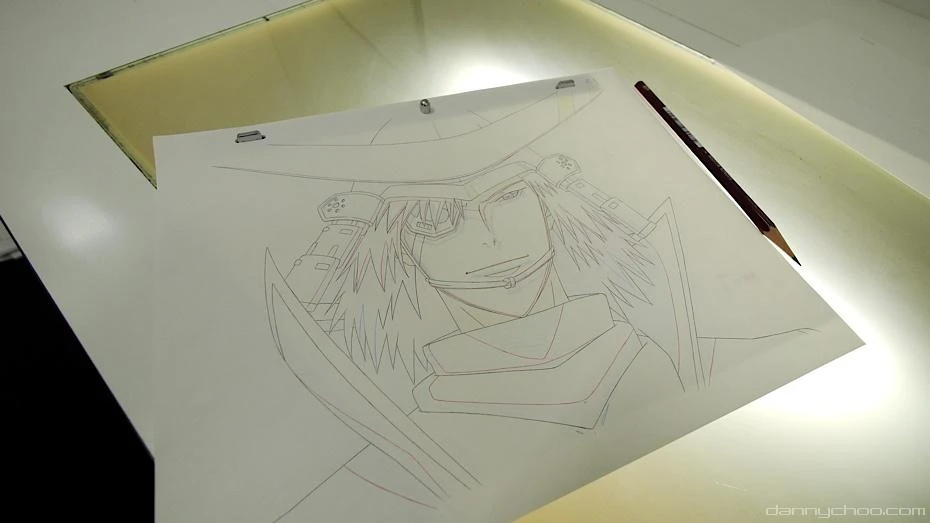
Digitizing these sketches generally follows one of two methods. In the first, pencil sketches are inked or traced over with a hard pencil to boost contrast before being scanned: 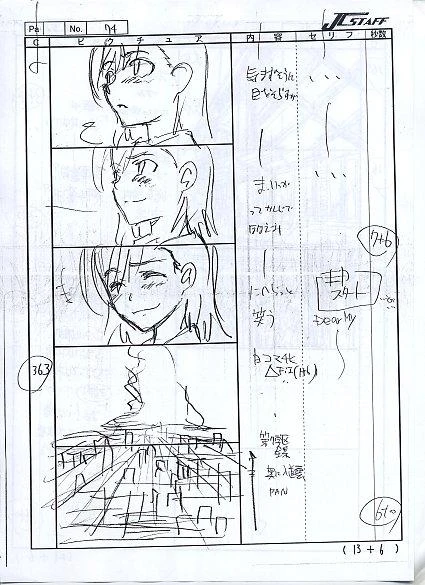
Alternatively, raw sketches are scanned first and then cleaned up digitally on a graphics tablet. The end result is essentially the same. Once the character sheets are complete, artists sketch out storyboard panels for the entire storyline—again on paper, complete with notes and timing cues down to the second. 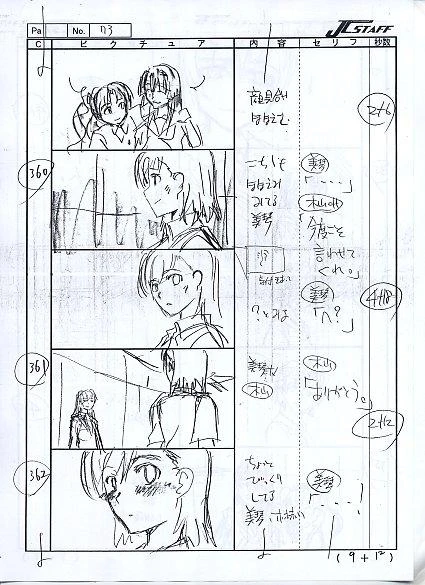
Backgrounds are developed separately. Animators often base background art on real-life photographs rather than creating it entirely from scratch. So if you ever visit Japan and get a sense of déjà vu, you might just be standing in a real-world anime location. 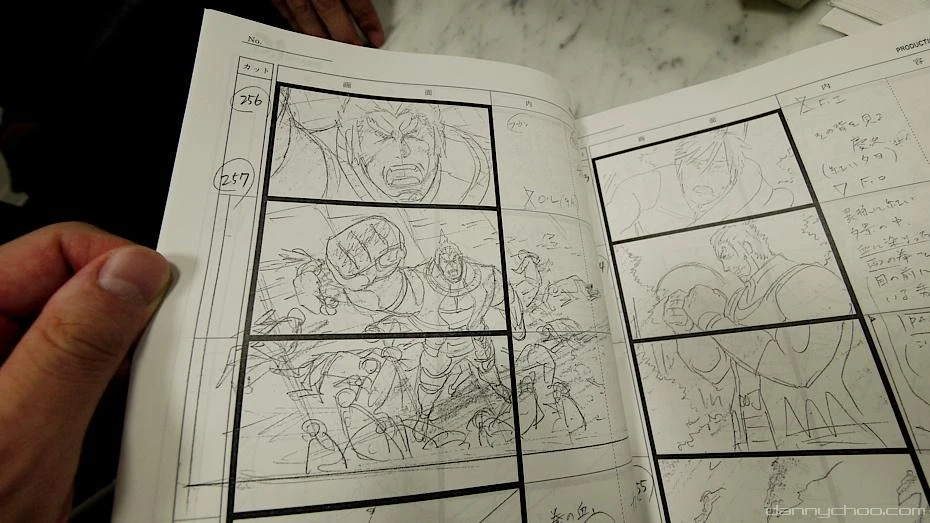
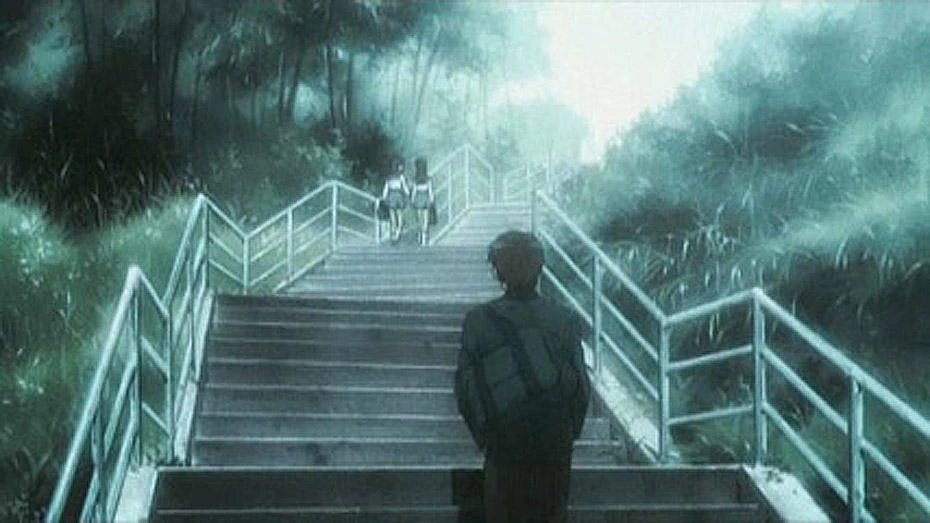
That said, background art can also be completed later in the pipeline, especially for distant scenery where detailed interaction with character shadows isn't required. 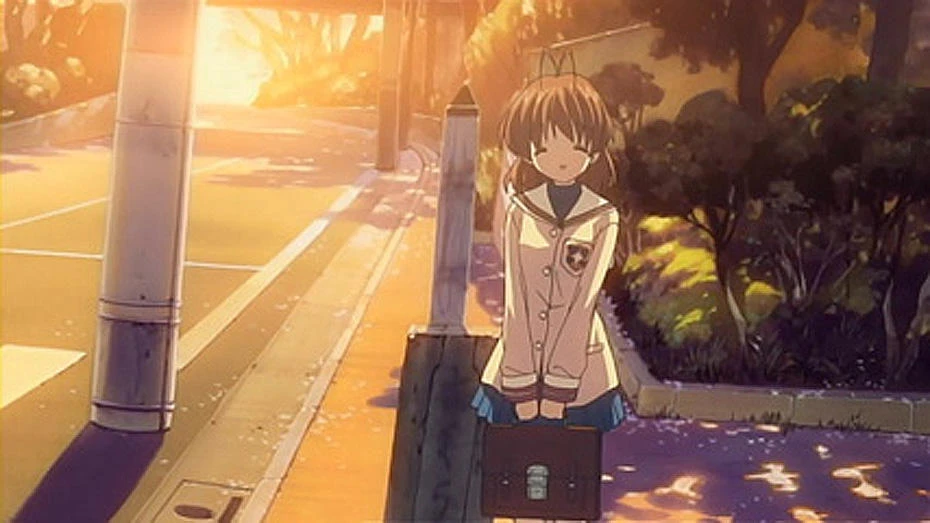
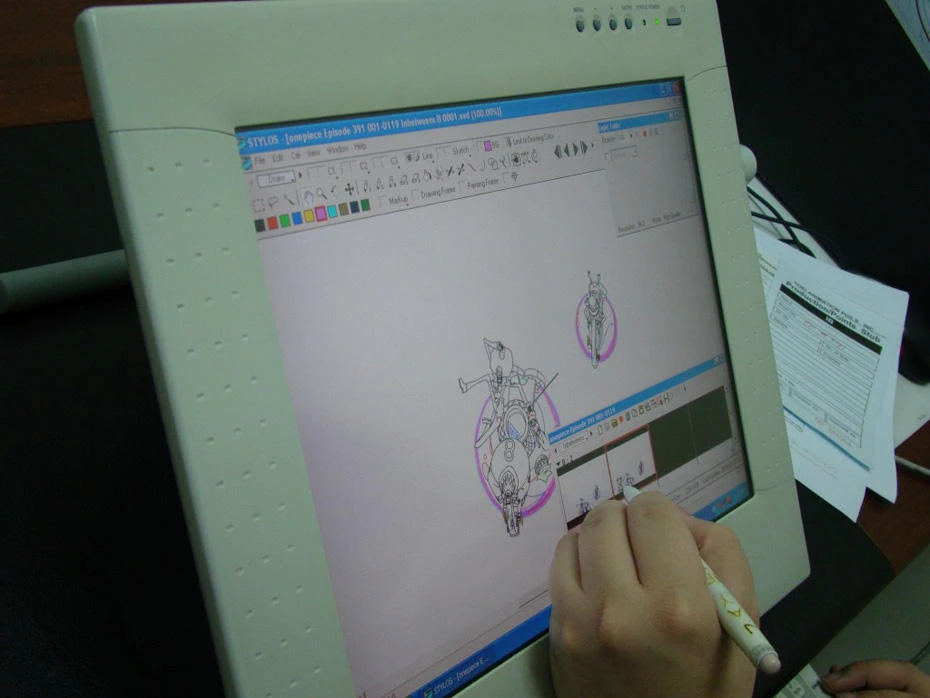
From here, the production moves to digital tools, entering the most labor-intensive phase: keyframing, coloring, and compositing. Inbetween animators draw the frames that bridge key story points. Broadcast anime typically runs at 12 frames per second, though it can range from 8 to 24. These keyframes are drafted on paper and digitized just like the character designs—painstaking work, considering how many individual frames a 25-minute episode requires. 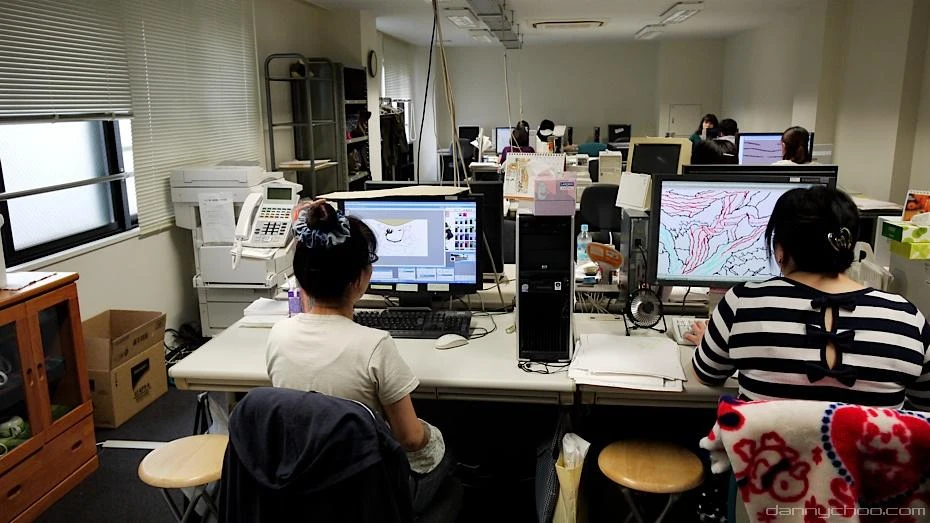
Next, clean-up artists smooth out the animation to ensure fluid motion, while colorists add tone and detail. Visual effects artists jump in to add elements like sparkles, explosions, or environmental effects. Once composite artists merge these layers with the background, a scene is nearly complete. 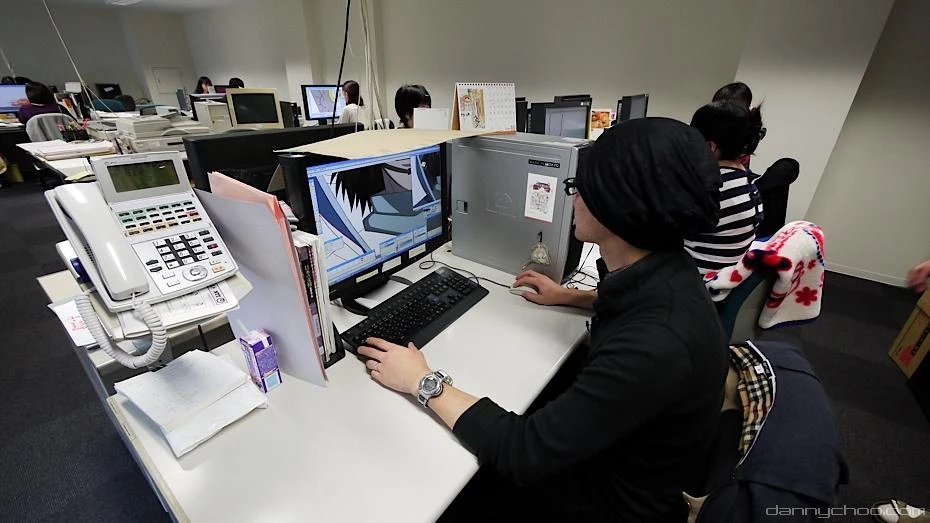
Overseeing the entire process is the animation director, who reviews frames, makes corrections, and occasionally redraws key scenes themselves—which is why the role is usually filled by veteran animators. 3D graphics have streamlined the workload significantly in recent years—director Makoto Shinkai, for instance, makes extensive use of CGI in his films. Even so, the vast majority of anime is still drawn by hand. 
Next comes audio production. Voice actors (seiyuu) record their lines and perform musical numbers. Interestingly, young male characters are almost exclusively voiced by women, as adult male voices sound too deep and child actors are rarely cast in Japan.
The dialogue is then audio-engineered, and sound effects—from rustling leaves to footsteps—are added alongside the soundtrack score. Once post-production wraps, the anime is finally ready for broadcast.
How do studios monetize anime? Primarily through advertising and merchandise. Commercial breaks run mid-episode, and sponsors often secure product placements directly in the show—such as characters all using smartphones from a specific brand. Studios also generate revenue through Blu-ray/DVD releases, posters, action figures, and collectible merch. And as for us? We just get to sit back and enjoy the show.