Early Autochromes Capture "Ethno-Exotica" From Around the World (1907–1931) (15 Photos)
During the first third of the 20th century, several major global initiatives aimed to systematically document the world through early color photography using the autochrome process. The largest was Albert Kahn's ambitious project, which produced over 70,000 color photographs between 1912 and 1932, followed closely by the extensive collection built by *National Geographic* magazine.
Here is a curated mosaic of fascinating, standalone ethnographic photographs from across the globe. 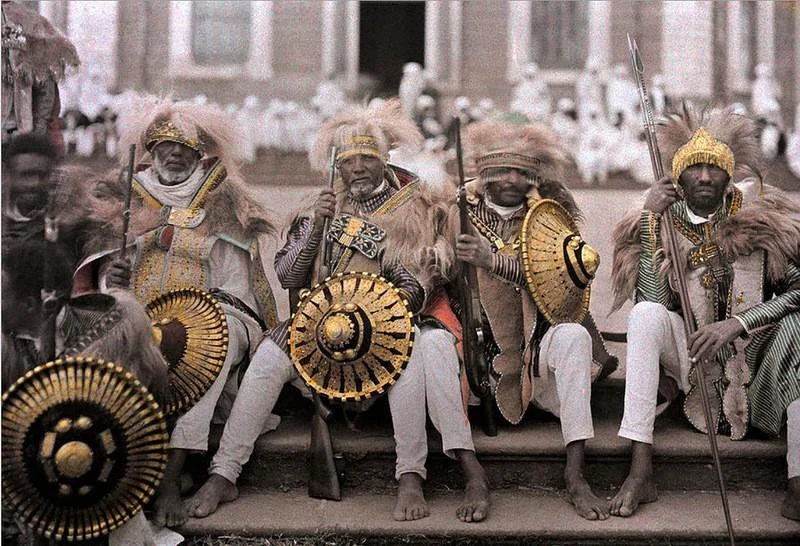
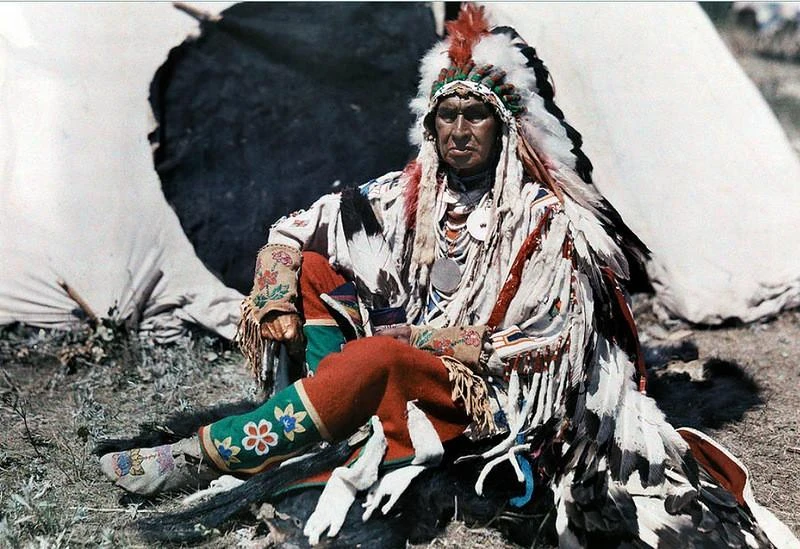
A Native American chief on the Crow Indian Reservation, Montana, photographed by Edwin Wisherd, 1927. 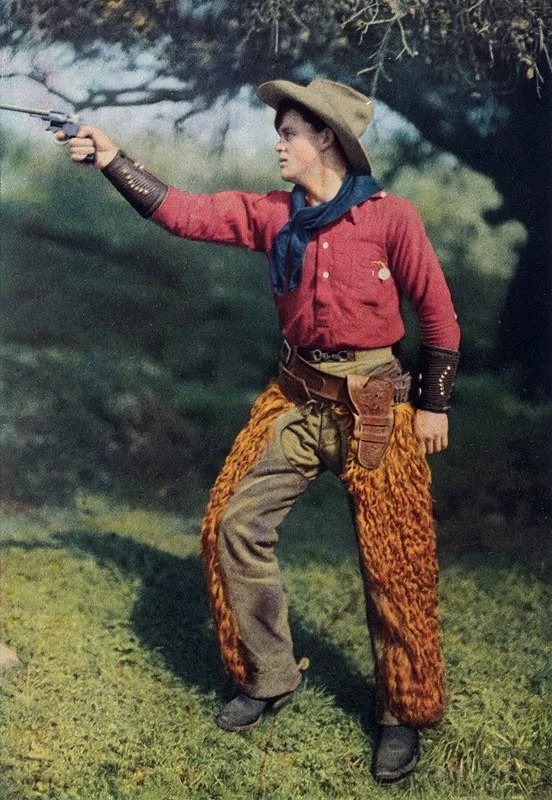
A young man in cowboy attire, California, 1920s. 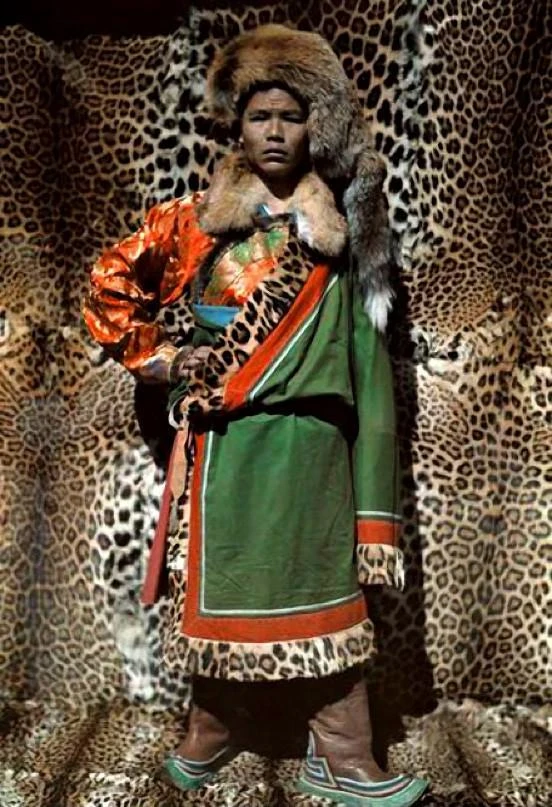
A Naxi leader in Tibet, photographed by Joseph Rock, c. 1927.
Ethiopian veterans in traditional dress, photographed by Robert Moore, 1930. 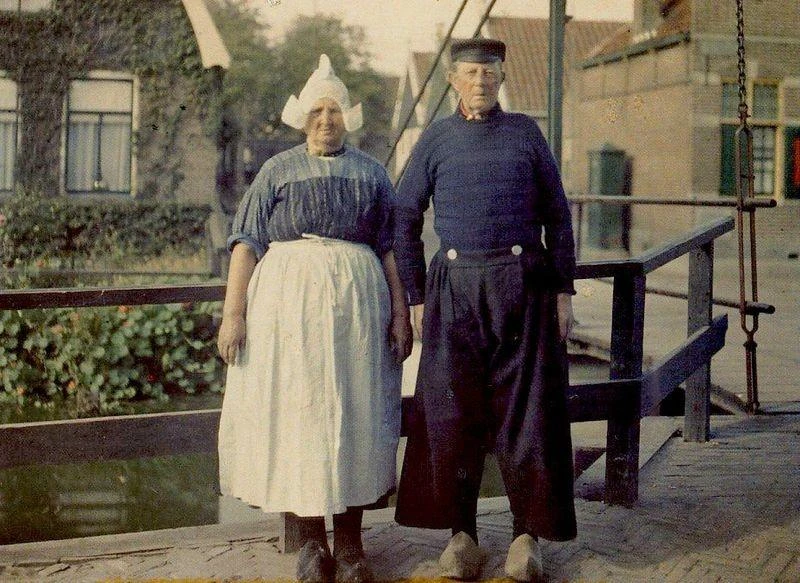
Dutch locals, photographed by Stéphane Passet, 1910s. 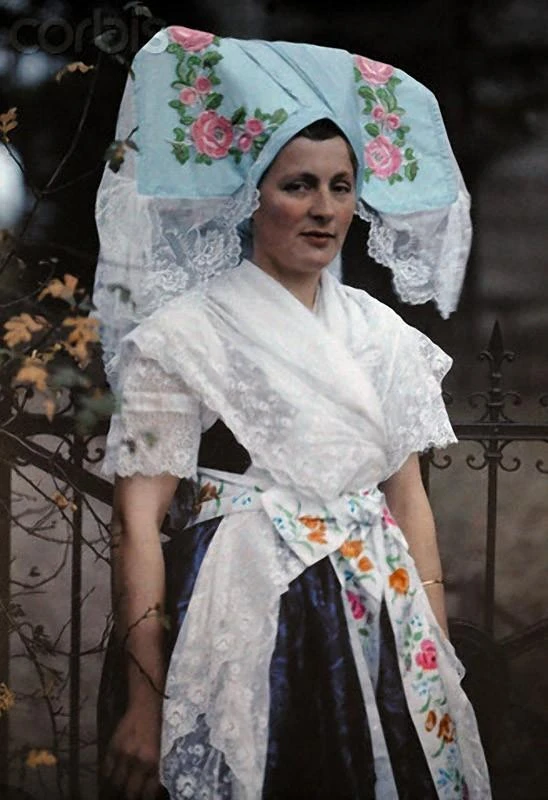
A Wendish (Sorbian) woman in traditional costume, Germany, photographed by Hans Hildenbrand, 1931. 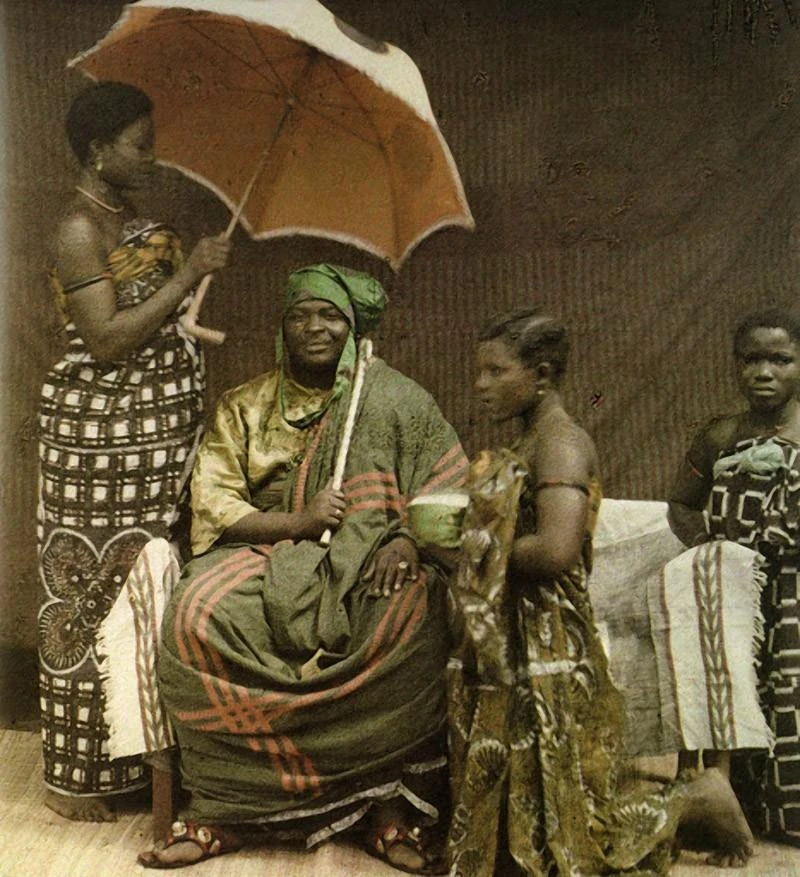
Residents of Dahomey (now Benin), photographed by Frédéric Gadmer, 1920s. 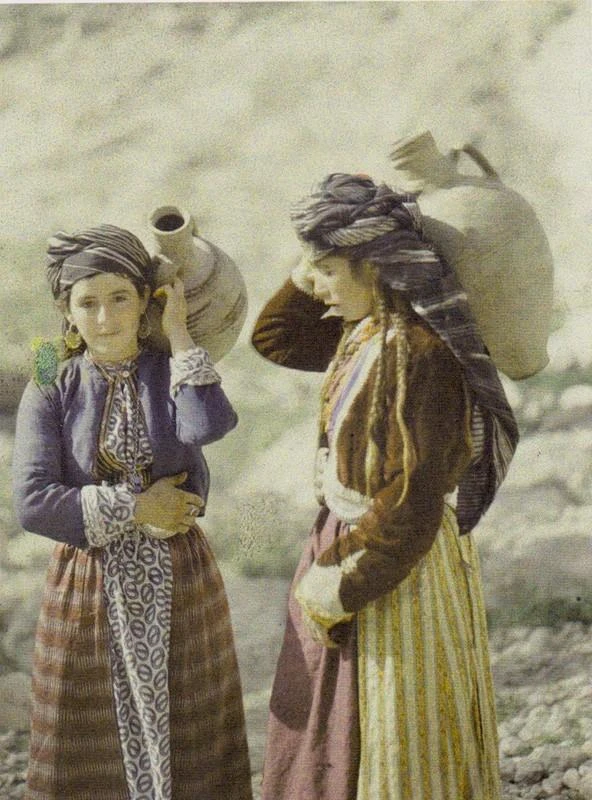
Kurdish girls in Iran, photographed by Frédéric Gadmer, 1920s. 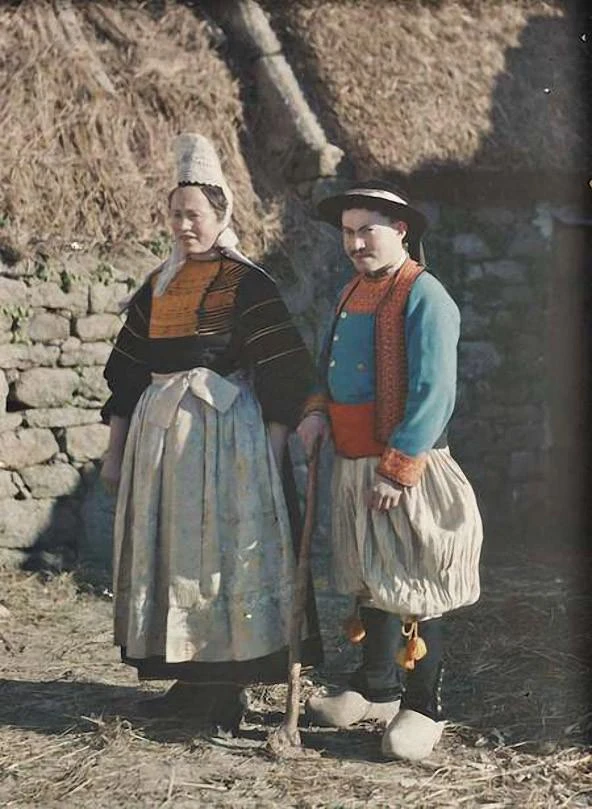
A Breton couple in traditional attire, France, photographed by Georges Chevalier, 1920. 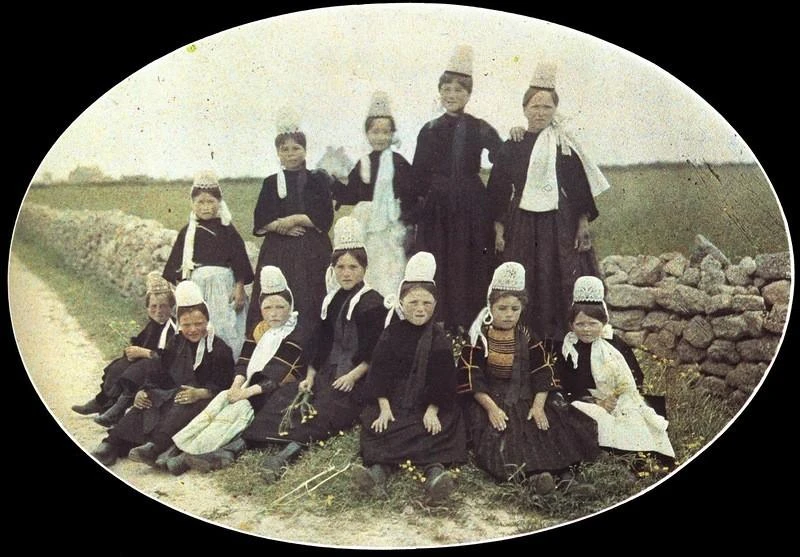
A group of Bretons in traditional costume, photographed by Adrien, between 1907 and 1928. 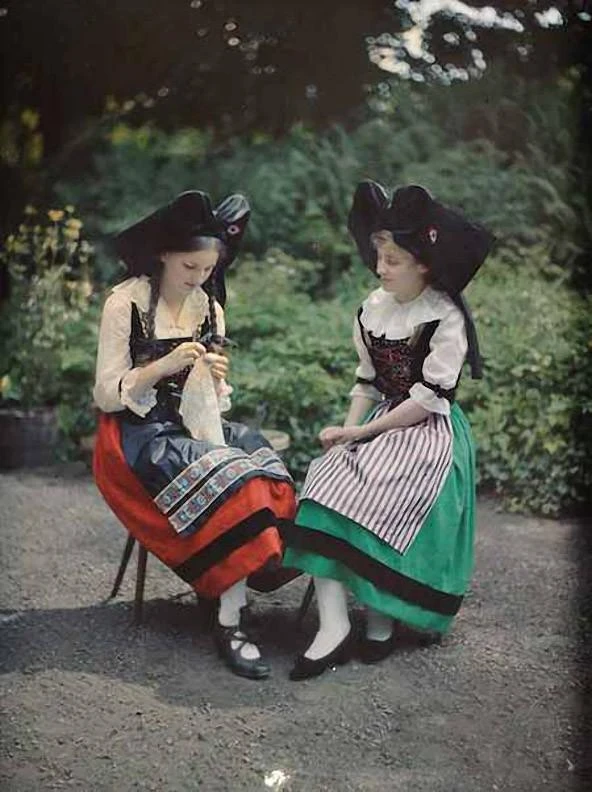
Sisters Hélène and Denise Lauth in Alsace, France, photographed by Georges Chevalier, 1918. 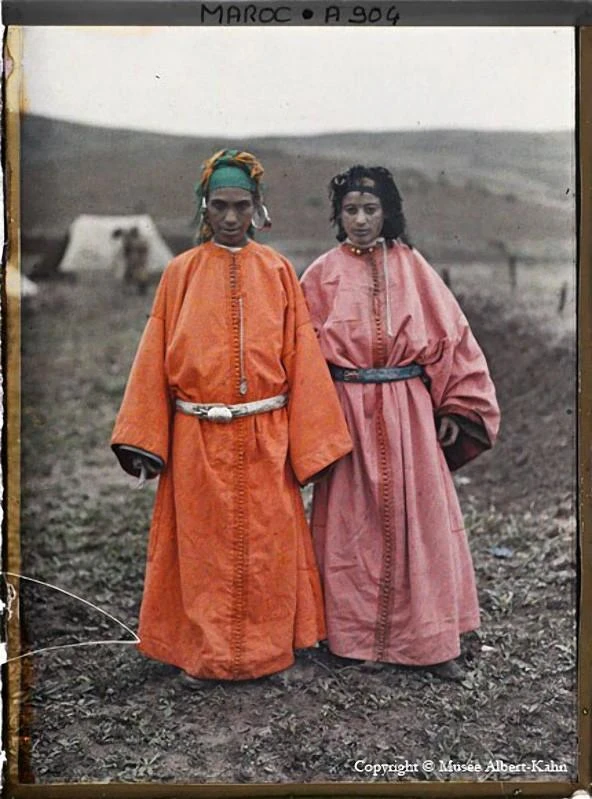
Moroccans, from the Albert Kahn Collection, 1910s. 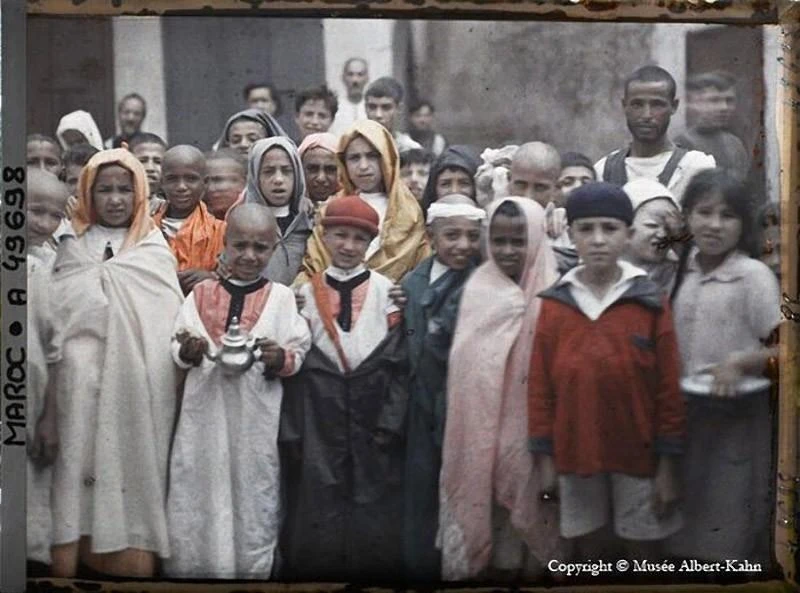
Moroccan children, 1910s. 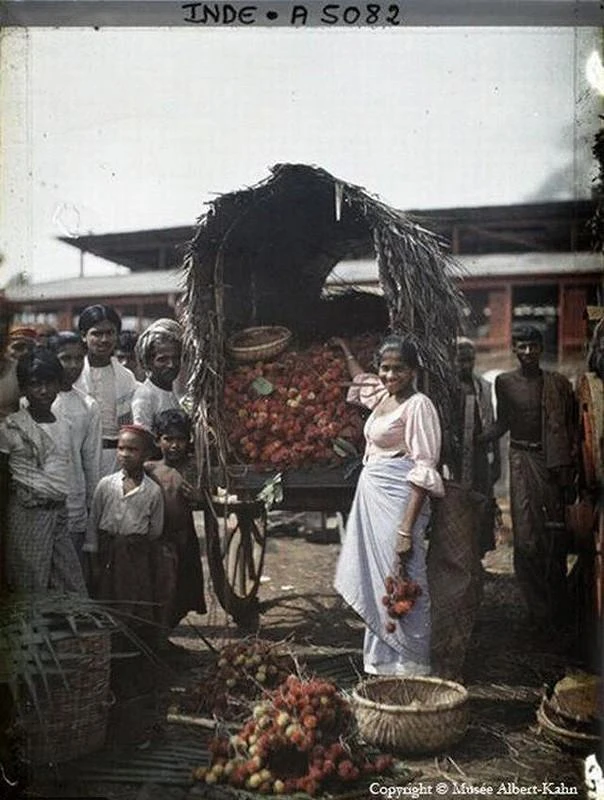
People of Ceylon, 1910s.