A Kitten-Sized Leopard: Scientists Discover Previously Unknown Feline Species in Bolivia (12 Photos)
A cat named Tigrino has lived at Bolivia's Senda Verde wildlife sanctuary since 2017. Weighing just 1.4 kg (3.1 lbs), he is smaller than most house cats, yet his spots are unusually large. For nine years, he was thought to be merely an odd specimen of a known species. But on September 17, 2026, researchers made a startling discovery: Tigrino is the world's only captive representative of Leopardus tilcayo—the first new wild cat species to be officially described by science in over a century. Here is a look at the tilcayo and why this breakthrough fundamentally changes conservation efforts for all tiger cats. 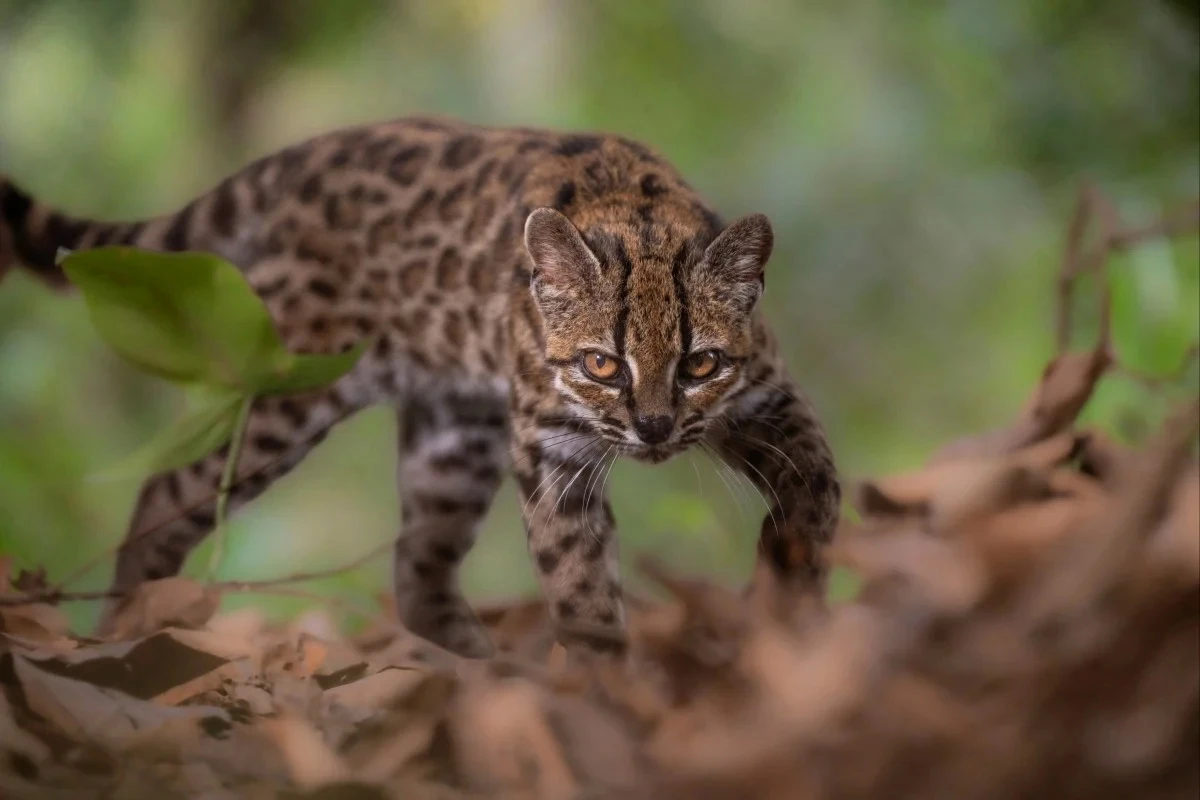
The Kitten Raised on Noodles
It all began far from the deep jungle. In 2016, a resident of Bolivia's Nor Yungas region spotted a tiny kitten on the side of a road. He brought the creature home and fed it a diet of noodles, rice, and eggs.
As the little animal grew, it became clear that this was no ordinary domestic cat. In 2017, the family handed him over to Senda Verde, a sanctuary for rescued wild animals near La Paz. 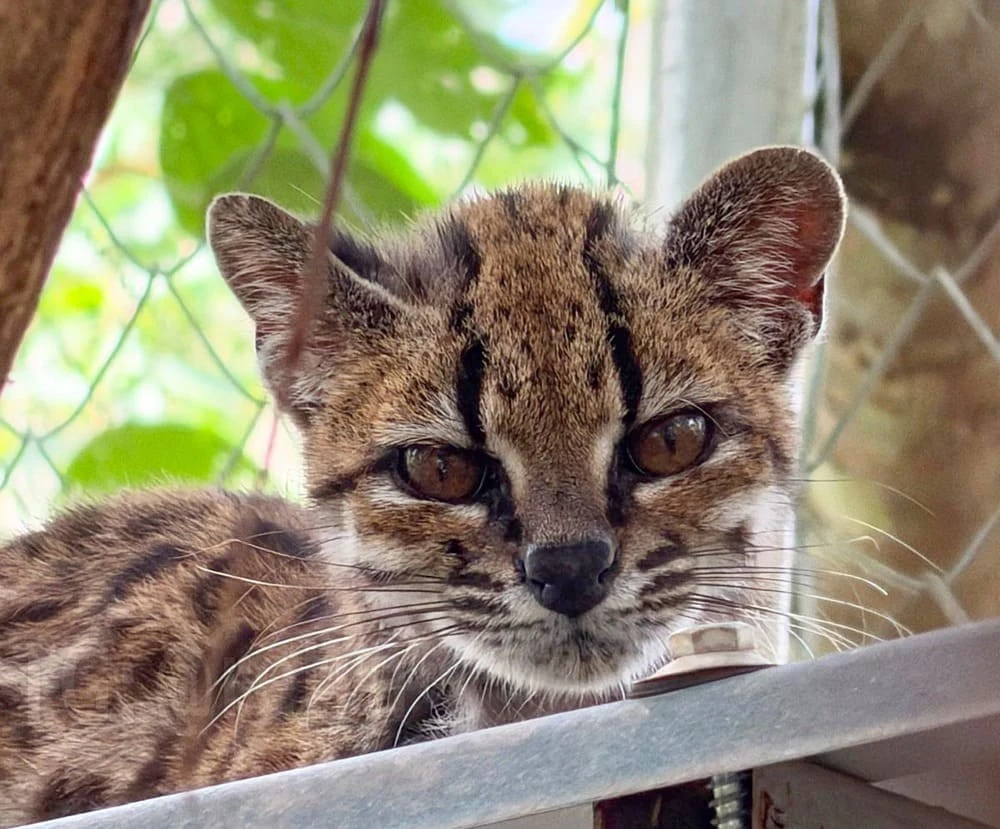
Tigrino at the Senda Verde sanctuary—the only captive tilcayo in existence. Photo: Fernando Faciole/ National Geographic
Biologist Paola Nogales-Ascarrunz was volunteering at the sanctuary when she first laid eyes on him. She instantly noticed something off. "I saw this cat, and he was so extremely tiny—I couldn't believe it," she recalls.
Nogales-Ascarrunz initially assumed he was an unusual specimen of the northern tiger cat (Leopardus tigrinus). She took hundreds of photographs and set the project aside for a while.
In 2019, she compared her photos with Brazilian specimens. Tigrino’s spots were far too large; the pieces simply didn't add up.
What the Tilcayo Looks Like
The tilcayo is a small spotted cat with rounded ears and a long, slender tail. Its head-and-body length ranges from 45 to 50 cm, with the tail adding another 25 cm. Weighing between 1.3 and 2 kg, it is noticeably smaller than a typical house cat. 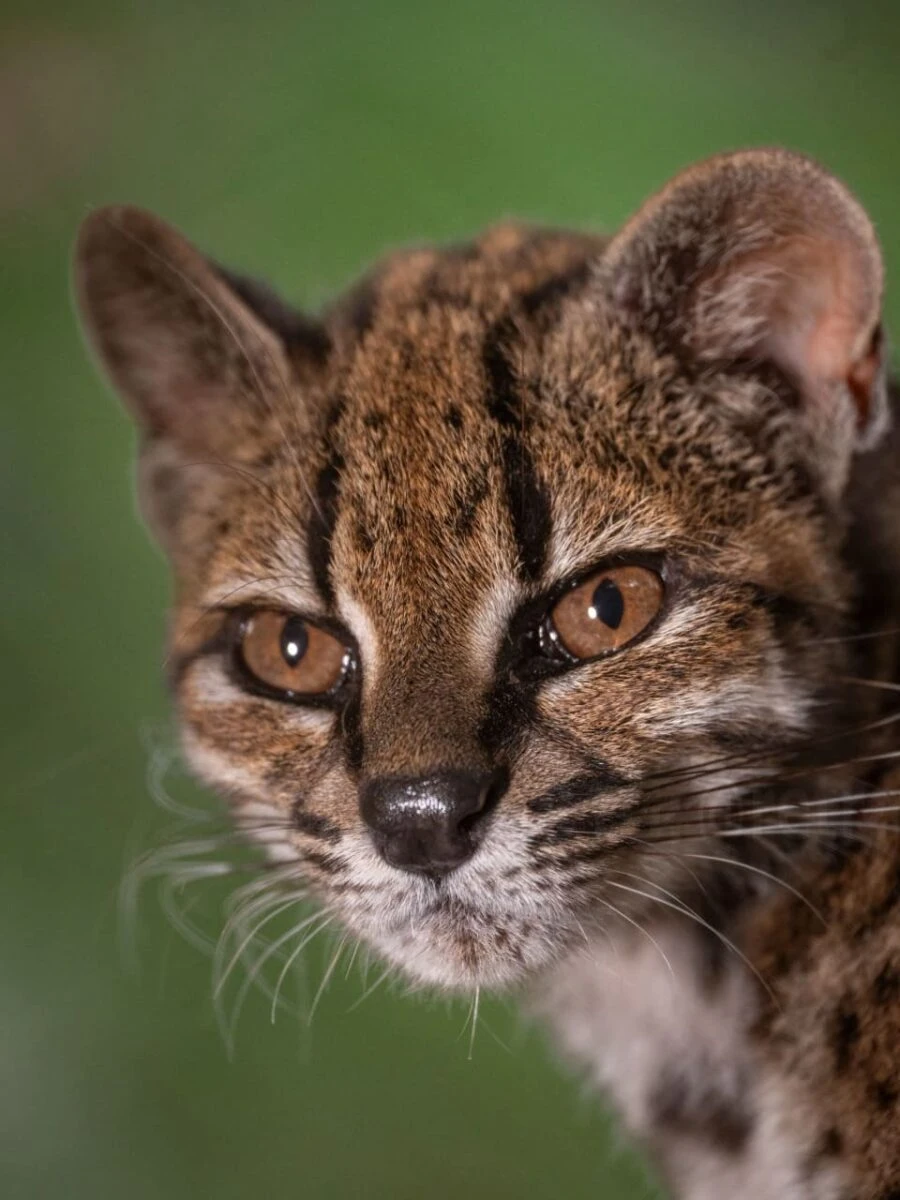
The tilcayo's rosettes are larger than those of related species—a detail that first tipped off Nogales-Ascarrunz.
Its coat is light brown, marked with large, irregularly shaped dark rosettes. Its tail is longer and thinner than those of its closest relatives, and its overall coloration is muted.
The Washington Post captured its appearance perfectly: "It looks like a leopard shrunk down to the size of a pet kitten." 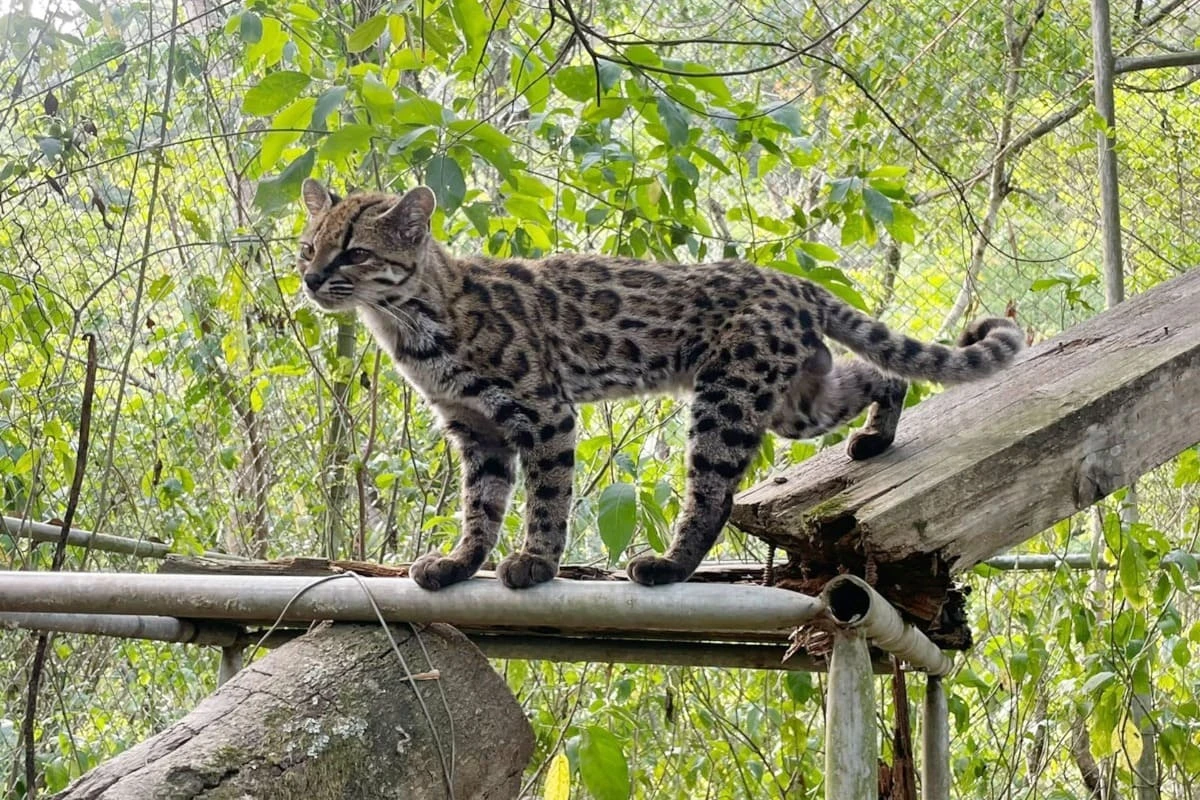
The tilcayo's distinct coat pattern: irregular rosettes set against a pale background serve as a key identifying trait of the species.
Bolivian locals had long referred to the animal as the "tilcayo." When scientists asked what the word meant in Quechua or Aymara, the response was always the same: "My grandfather called it that, so I do too." Though its literal meaning remains a mystery to locals and researchers alike, the indigenous term was adopted as the official scientific name of the species.
How the Genomes of 38 Cats Redrew the Zoological Map
Proving that Tigrino was more than just a genetic anomaly required solid data. Jonas Lescroart of the University of Antwerp teamed up with Nogales-Ascarrunz to assemble an international research team. 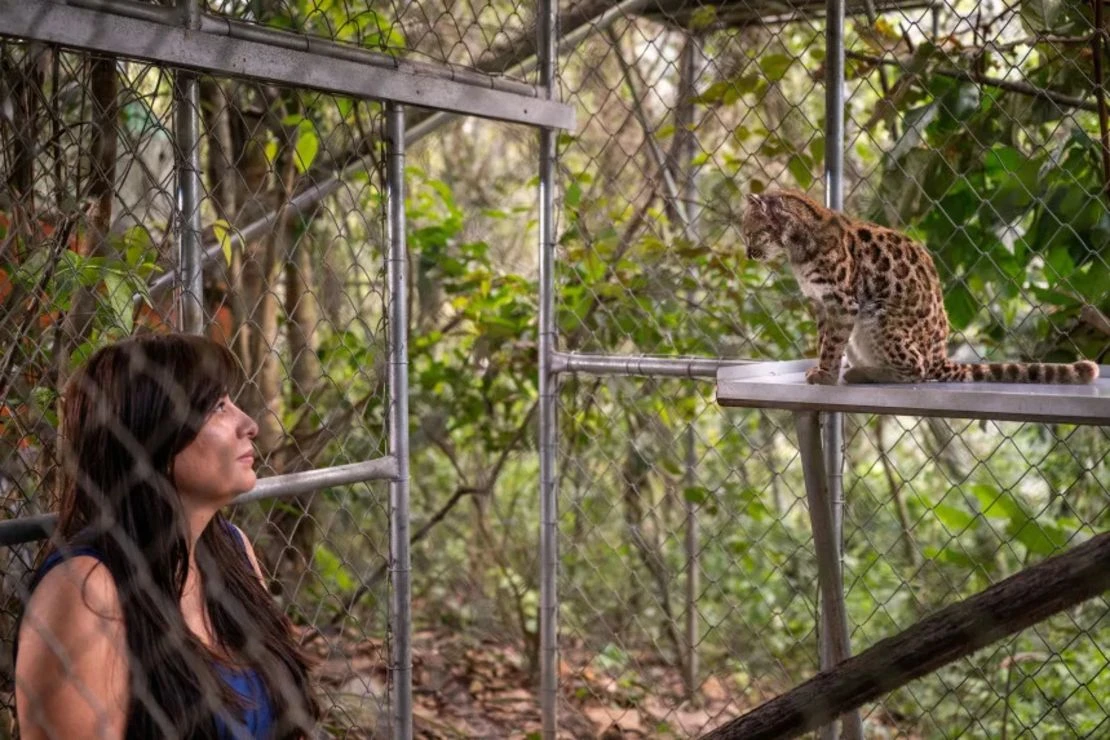
Lead study author Paola Nogales-Ascarrunz pictured with Tigrino at the Senda Verde sanctuary.
The team sequenced full genomes from 38 specimens across eight countries: Costa Rica, Colombia, Peru, Bolivia, Brazil, Suriname, Guyana, and Venezuela. Eight of these came from museum collections, extracted from teeth, bone, skin, and fur samples. 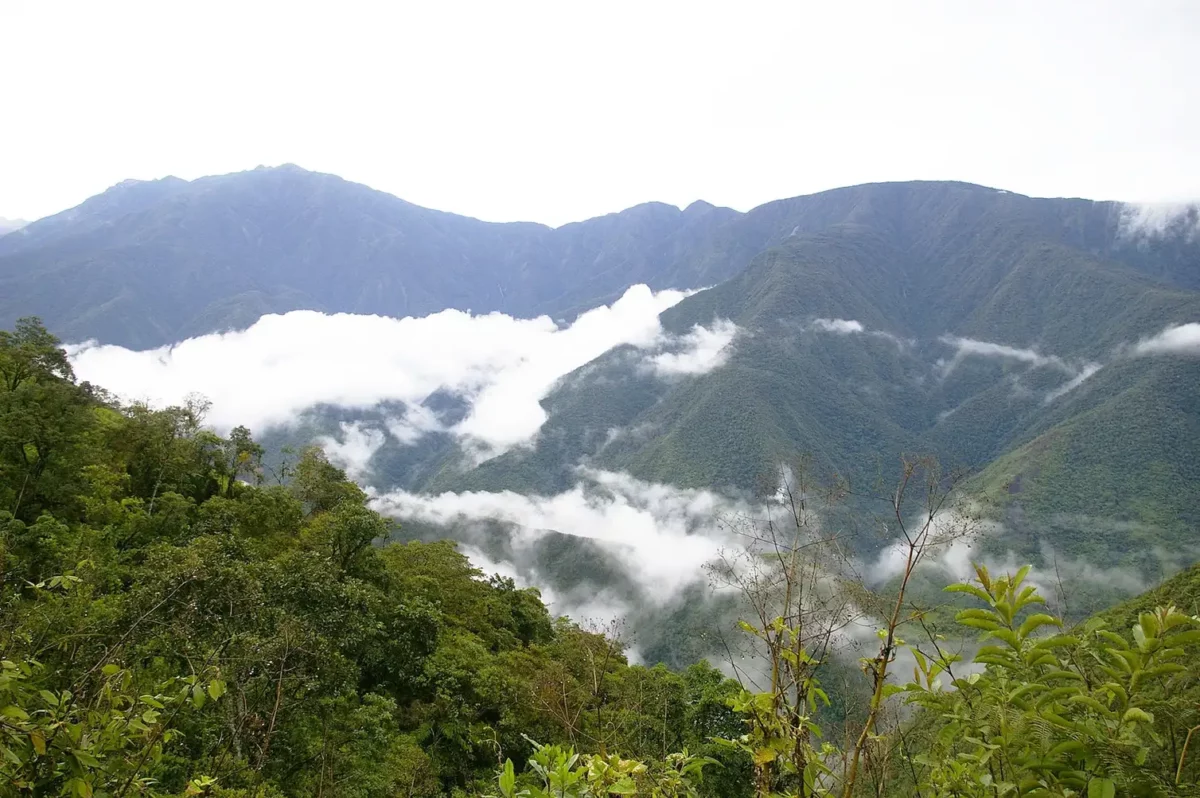
The Yungas is a narrow transition zone between the Andes and the Amazon basin—and home to the tilcayo.
The results were groundbreaking: what zoologists had classified for decades as a single species—L. tigrinus—turned out to be a complex of five distinct species: the tilcayo, L. guttulus, L. emiliae, L. pardinoides, and L. tigrinus. Furthermore, a new subspecies was designated within L. tigrinus: L. tigrinus antisuyo from the Peruvian Yungas, named after Antisuyu, the northeastern region of the Inca Empire.
1.4 Million Years of Evolutionary Isolation
Genomic analysis revealed that the tilcayo diverged from its closest relatives approximately 1.4 million years ago—an evolutionary distance comparable to that between modern lions and extinct cave lions. 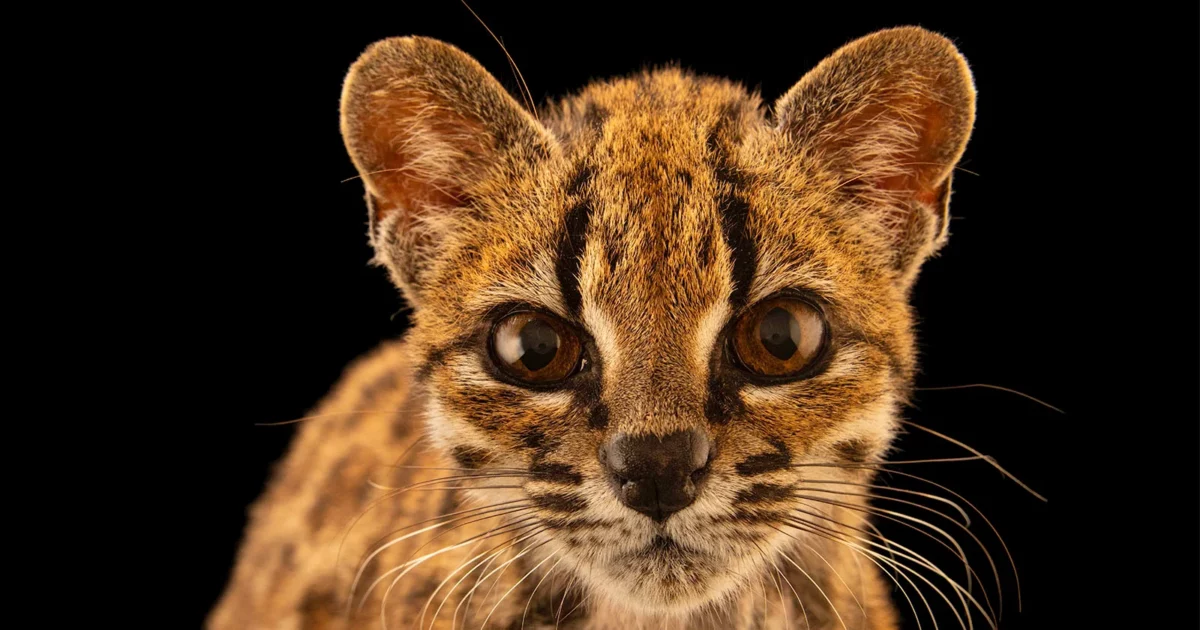
Camera traps have captured the tilcayo at night, suggesting the species is primarily nocturnal.
"The greater the genetic differences, the longer the lineages have been evolving independently," Lescroart explained. Previously, no one had even hypothesized that the Bolivian tiger cat might be a distinct species.
As of September 2026, science knows of only two living tilcayo specimens: Tigrino at Senda Verde, and a second male brought to the same sanctuary at a later date. Beyond those two, researchers have only a handful of camera trap photos. 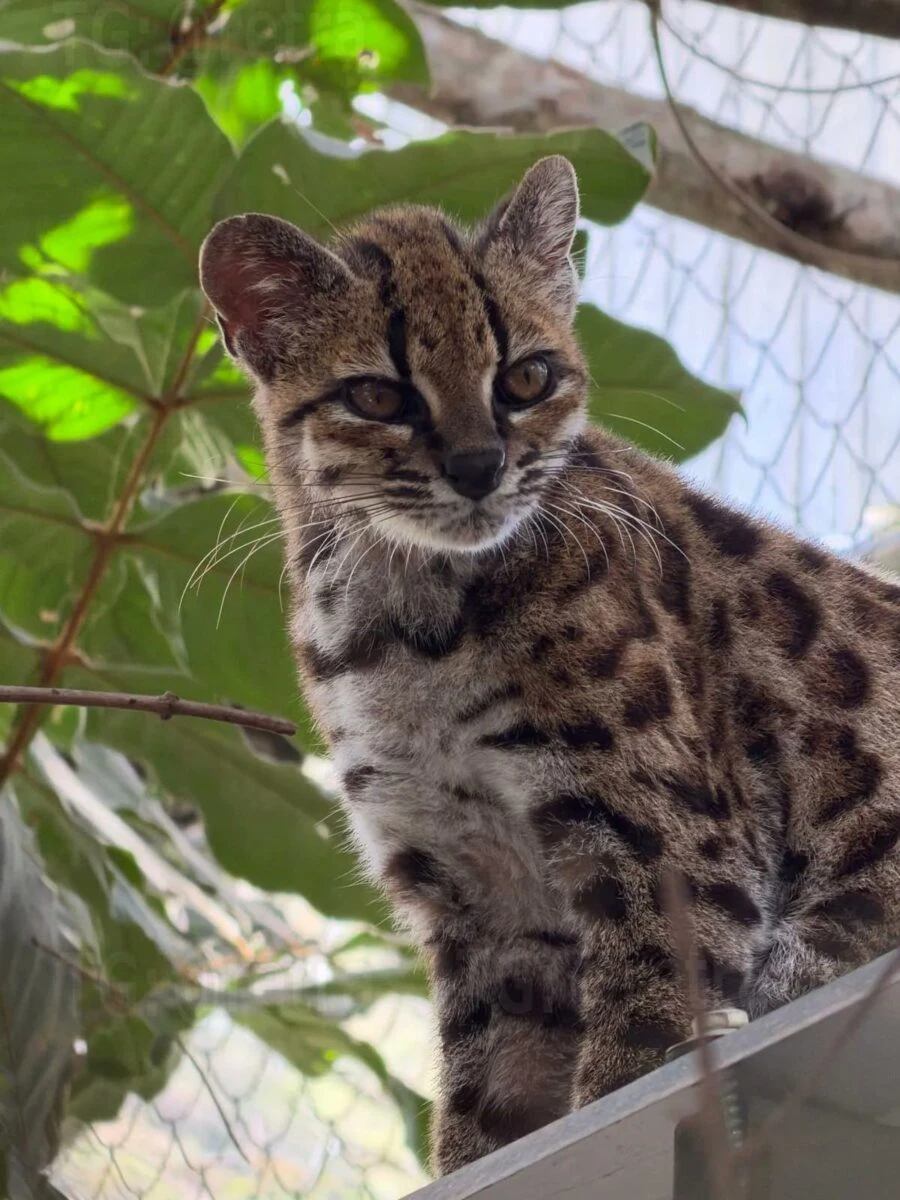
Tigrino at the sanctuary. Now around 10 years old, he spent virtually his entire life in plain sight, living under the wrong scientific identity.
Why This Discovery Matters for Conservation
As long as tiger cats were lumped together as a single species, they didn't appear particularly vulnerable. Their expansive range—stretching from Costa Rica to Brazil—created a false sense of security regarding their population numbers. 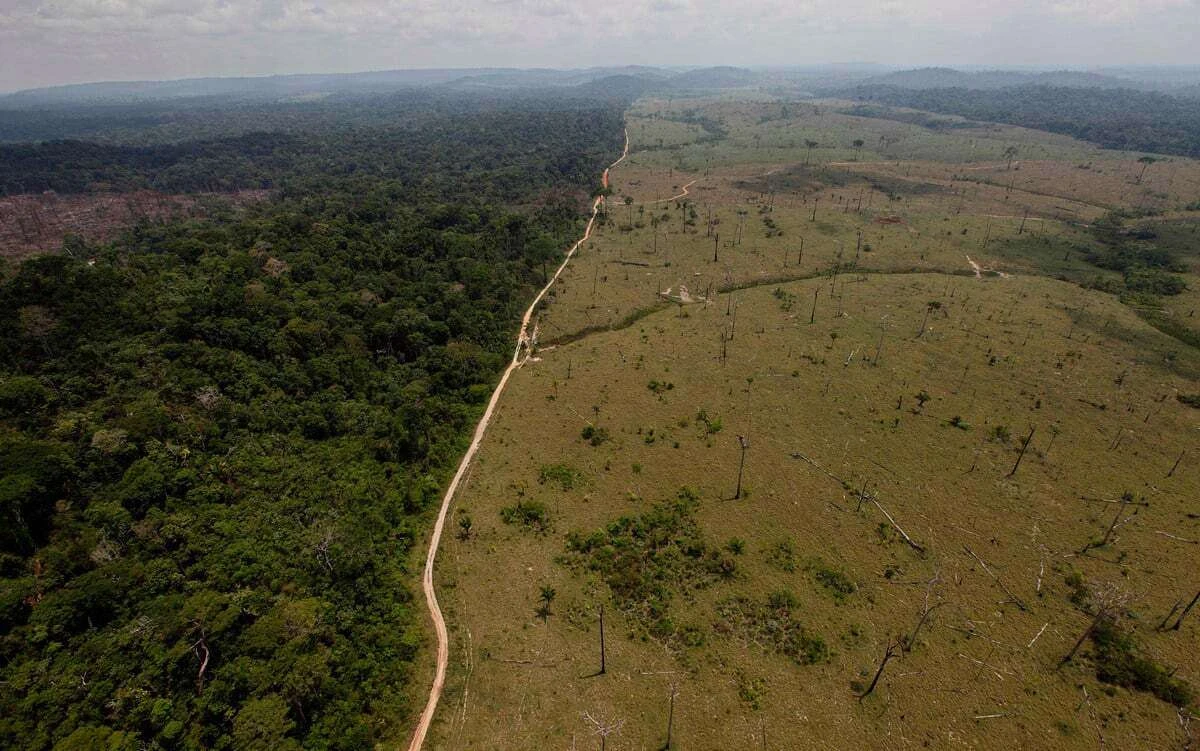
Forest cover in the Yungas is rapidly shrinking due to deforestation, agriculture, and mining.
Today, the picture is starkly different. Five species with distinct ranges mean five separate, smaller populations, each requiring its own conservation assessment. The researchers have already submitted their findings to the IUCN to prompt a formal reevaluation of their protection status.
How many tilcayos remain in the Bolivian Yungas is still unknown. Nogales-Ascarrunz is currently setting up camera traps throughout the region to find out. 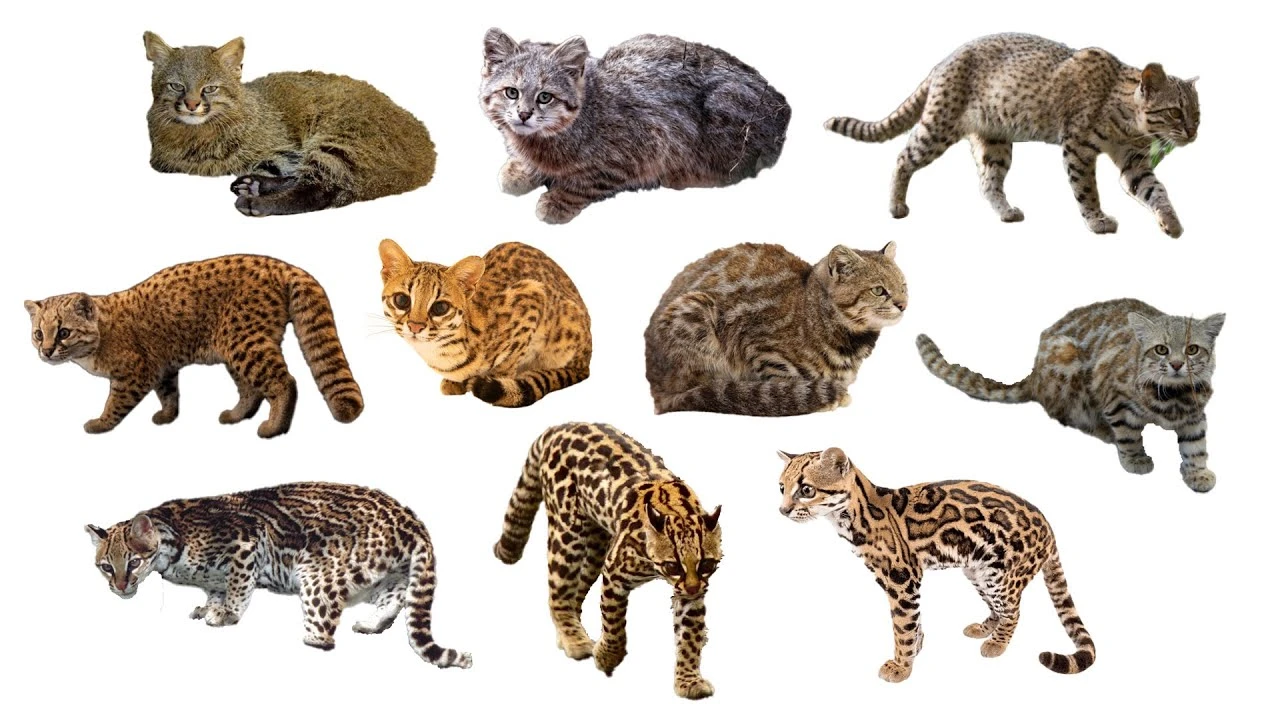
The five tiger cat species: L. guttulus, L. emiliae, L. pardinoides, L. tigrinus, and the newly described L. tilcayo.
Meanwhile, scientists suspect a similar genetic analysis could split the margay into four distinct species. Across Africa and Asia, other cryptic feline species may be hiding in plain sight. As the tilcayo demonstrates, sometimes all it takes to make a groundbreaking discovery is looking a little closer at what's right in front of us.
The Cat Who Didn't Know What He Was
Tigrino spent nine years in a rescue center, completely unaware that he was a scientific breakthrough. Now around 10 years old and weighing about 1.4 kg, he is the official "type specimen" for the species—the benchmark animal upon which the scientific description of Leopardus tilcayo is based. 
Tigrino, the "type specimen" of the tilcayo: the formal zoological description of the species was based on him.
"We never expected the Bolivian tiger cat to be a separate species," Lescroart said. "No one had ever suggested it." The discovery was made possible by modern genomic technology and the keen eye of a single biologist who refused to overlook a cat with unusual spots. 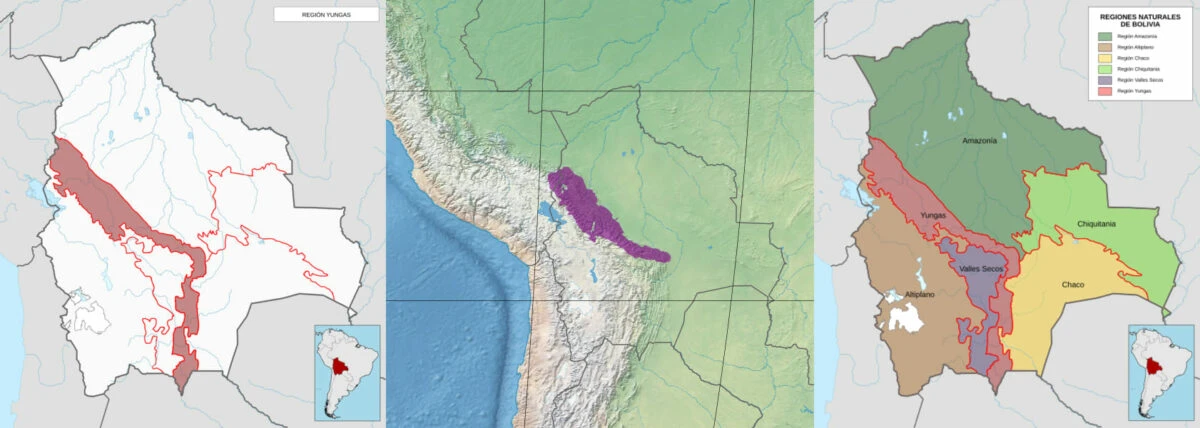
The tilcayo's habitat spans the Yungas on the eastern slopes of the Andes. Its exact range has yet to be mapped out.
The next step is determining how many tilcayos remain, where they live, and how fast their habitat is disappearing. Time is running out for the newly recognized species.
What do you think: is the golden age of zoological discovery behind us, or are there still undiscovered species hiding in tropical rainforests? Let us know in the comments!