There’s a Reason Freddy Krueger’s Sweater Freaks You Out (16 Photos)
The terrifying killer Freddy Krueger from the iconic
A Nightmare on Elm Street
franchise is one of the most recognizable movie villains in horror history. On September 13, 1991, Los Angeles Mayor Tom Bradley officially declared Freddy Krueger Day in his honor to coincide with the premiere of
Freddy's Dead: The Final Nightmare
. The burn-scarred slasher in his signature striped sweater has long since broken out of his movie franchise, infiltrating rap music, mainstream cartoons, and even a discarded script by the future director of
The Lord of the Rings
. Here is the truth behind the wildest legends surrounding Krueger—from a showdown with Nintendo to the real psychological trick behind his sweater. 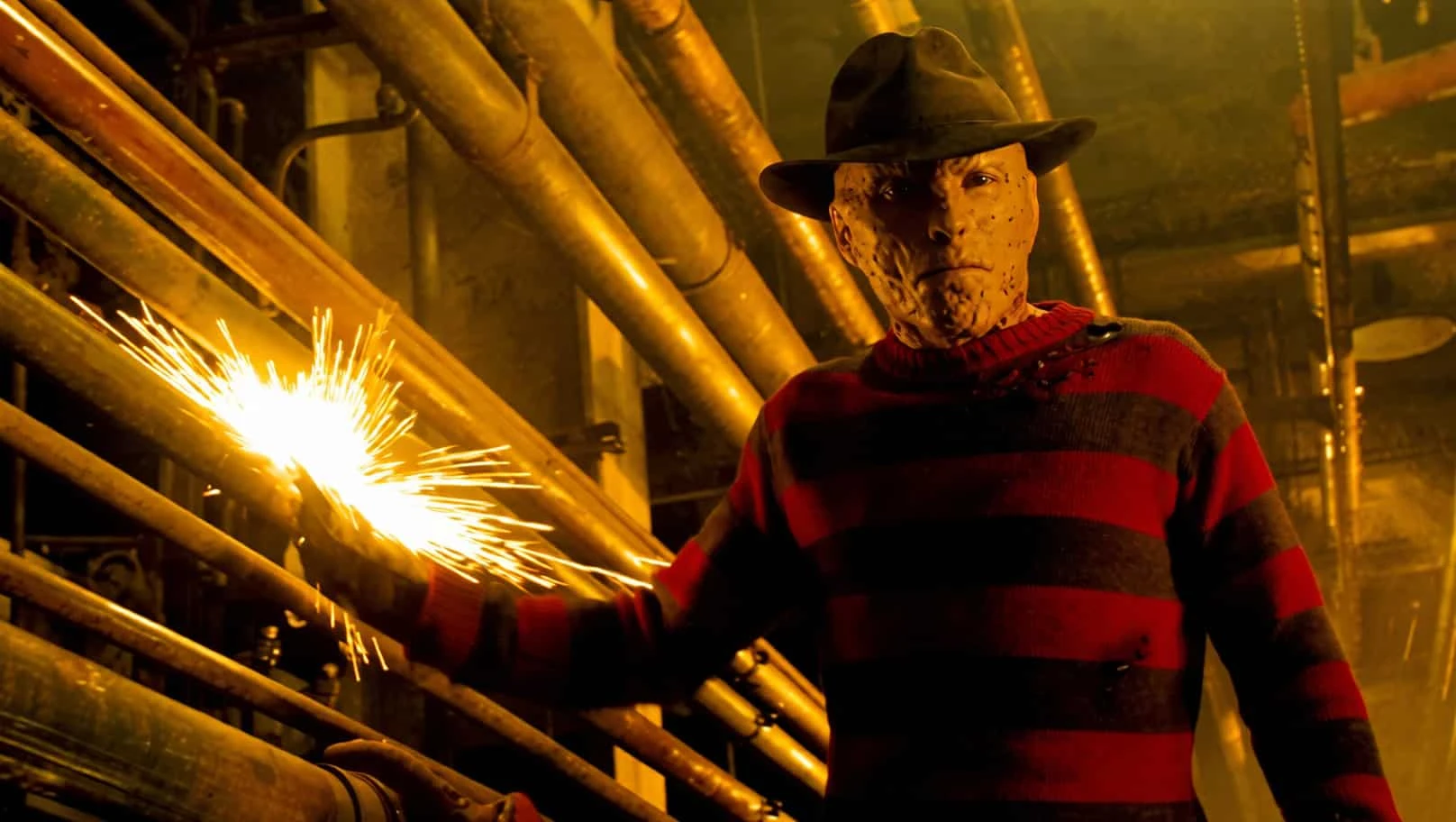
Nintendo Refused to Associate Its Name with Krueger
In
Freddy’s Dead: The Final Nightmare
(1991), Krueger sported his own modified version of Nintendo’s Power Glove controller. The filmmakers wanted the character to deliver the gaming giant’s actual catchphrase on camera: “Now I’m playing with power!” Nintendo refused, afraid of linking its brand to a fictional serial killer. 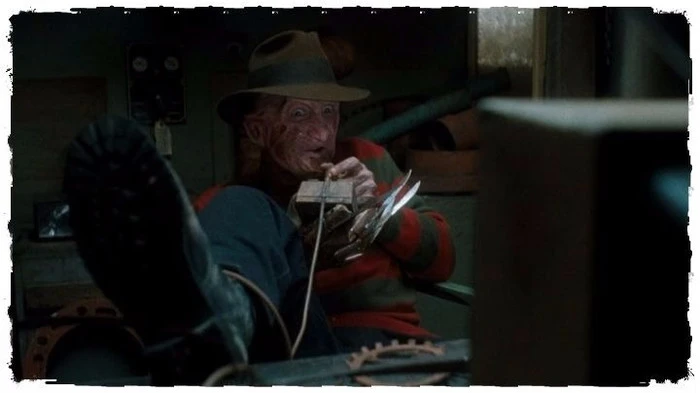
In the sixth installment, Krueger got a glove controller and an iconic Nintendo catchphrase
New Line Cinema head Robert Shaye decided to ignore the rejection and shot the scene anyway. The line and the glove made the final cut, becoming one of the movie's most memorable moments. Nintendo never sued, and according to the crew, the scene actually boosted sales for the dying gaming accessory.
Peter Jackson Once Wrote a Freddy Krueger Script
Over the years, rights holder New Line Cinema accumulated stacks of unproduced scripts about the famous slasher. One was written by a young New Zealand director named Peter Jackson, co-authored with Danny Mulheron. Titled
A Nightmare on Elm Street 6: The Dream Lover
, the script featured a wild premise: the teenagers of Springwood no longer feared Krueger and took sleeping pills on purpose to enter the dream world and beat up the weakened killer for fun—until one teen made a fatal mistake, restoring Freddy’s terrifying power. 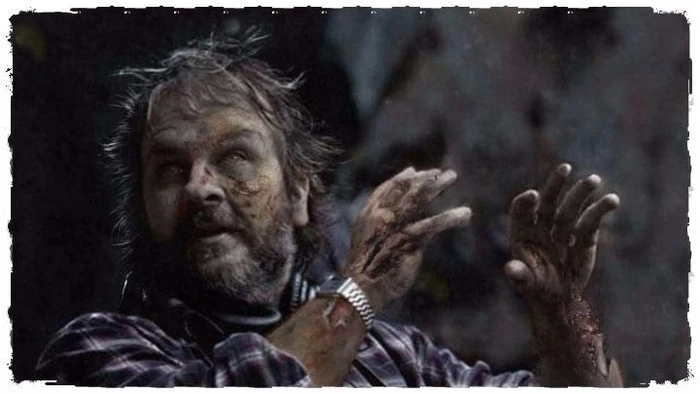
The future director of
The Lord of the Rings
pitched a completely different fate for Krueger
New Line passed on Jackson's pitch in favor of another script, which became
Freddy's Dead: The Final Nightmare
. But the relationship paid off: years later, the same studio entrusted Jackson with adapting
The Lord of the Rings
.
Just 7 Minutes of Screen Time
Eagle-eyed fans did the math: in the original 1984
A Nightmare on Elm Street
, Freddy Krueger is on screen for a grand total of roughly 7 minutes. That was all it took to terrify an entire generation and launch a low-budget horror flick into a blockbuster franchise. 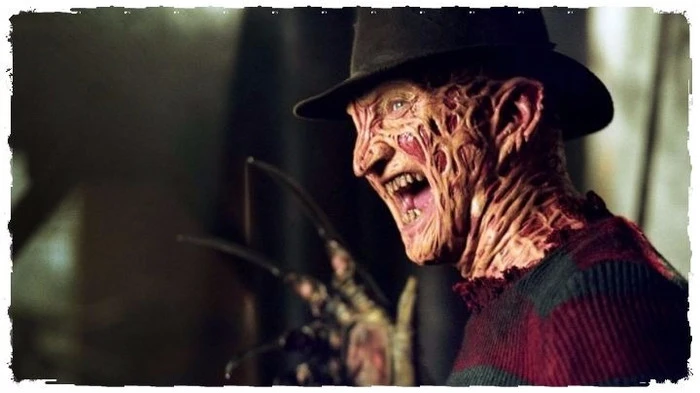
The less Krueger appeared on screen, the scarier he was
With every sequel, Freddy’s screen time grew, along with his stash of one-liners. He gradually evolved from a silent, lurking predator into a quipping, campy villain. That’s why many die-hard horror fans still consider the original film the scariest—because Freddy was kept largely in the shadows.
There Was a TV Series Prequel
Fans looking to explore Krueger's backstory should check out
Freddy's Nightmares
. The anthology TV show aired from October 8, 1988, to March 12, 1990, running for 44 episodes across two seasons. 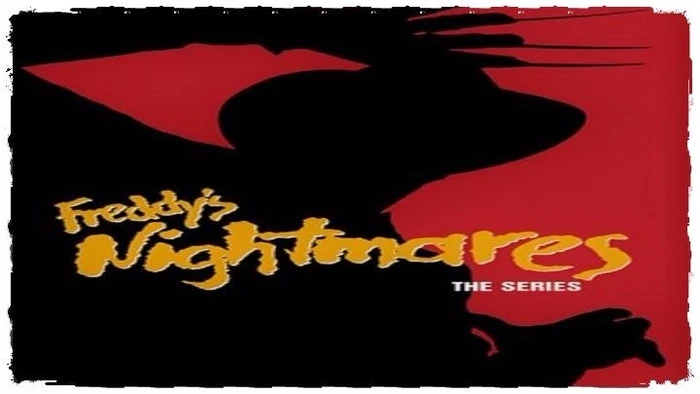
The TV spin-off featured standalone stories unrelated to the main franchise storyline
Robert Englund hosted every episode in full Freddy makeup, but the character was actually involved in only eight storylines. The rest were standalone terror tales about the troubled residents of Springwood. The series failed to catch fire and remains largely forgotten today, even among hardcore fans.
Freddy Has Invaded Pop Culture Cartoons
Krueger made three cameos on
The Simpsons
: Groundskeeper Willie parodied him in "The Shinning" and "A Nightmare on Evergreen Terrace," while in "Treehouse of Horror IX," Freddy chilled on the Simpsons' couch alongside Jason Voorhees, voiced by Robert Englund himself. He also popped up twice on
South Park
—in the "Imaginationland" arc and the episode "Insheeption"—and made a pit stop on
Family Guy
, where Quagmire deliberately enters the dreamscape just to ask Freddy to tell Peter a joke. 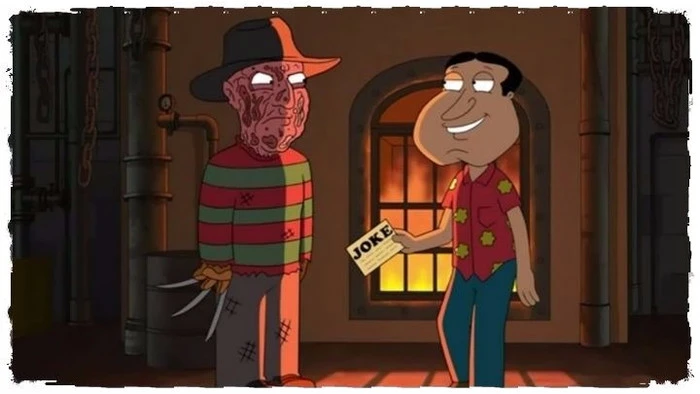
Animated parodies of Krueger have popped up even in family-friendly shows
Naturally, he crossed paths with another horror icon: at the end of
Jason Goes to Hell
, Freddy's gloved hand bursts from the dirt—a nod to the long-awaited crossover
Freddy vs. Jason
. And in 2011, the slasher joined
Mortal Kombat
as a guest fighter, complete with his own brutal moveset.
The Mind-Bending Secret Behind His Sweater’s True Colors
Many remember Krueger’s sweater as maroon and black, but its stripes are actually red and green. Director Wes Craven, meticulous about every detail, picked this pairing after reading an article in
Scientific American
about "optically clashing colors"—a color combination that the human eye struggles to process when side by side. Red light stimulates certain visual receptors while green suppresses them, creating a subconscious optical strain that makes the brain glitch. 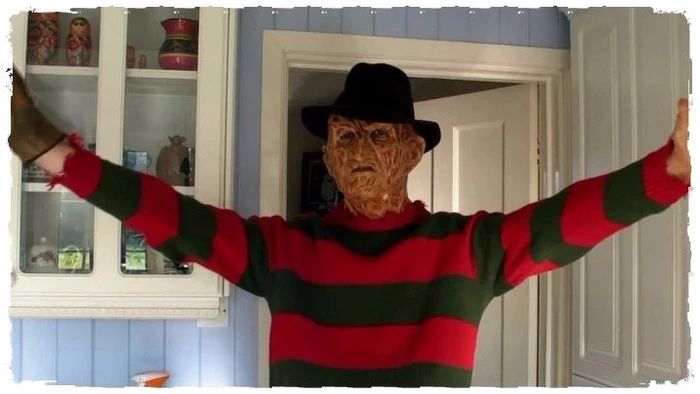
The sweater’s color scheme wasn't a fashion statement—it was designed to make viewers uncomfortable
The trick operates below conscious awareness: viewers feel uneasy before Freddy even steps into frame. The iconic sweater was more than a wardrobe choice—it was a psychological weapon woven right into his costume.
Playing Freddy Took a Heavy Toll on the Actor
Actor Robert Englund has often admitted that playing Freddy was a grueling ordeal. Every morning began with three to four hours in the makeup chair. Makeup artist David Miller designed the prosthetics using real medical photos of burn victims from UCLA, while drawing unexpected inspiration for the skin texture from melted pizza cheese. 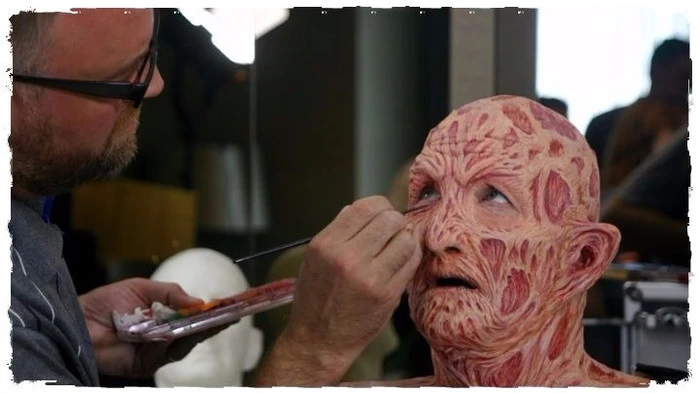
Transforming into Krueger consumed nearly half of the actor's workday
Taking the makeup off took another painful hour. According to the crew, Englund's chatty nature only dragged things out: artists had to stop whenever he launched into a story. But the second the director called "cut," Englund was always the first to start tearing off the latex.
The Nightmare Was Inspired by Real-Life Deaths
Wes Craven revealed that
A Nightmare on Elm Street
was rooted in a tragic reality. In the early 1980s, the
Los Angeles Times
published a series of articles about young Southeast Asian refugees—mostly Hmong men from Laos and Cambodia—who were dying mysteriously in their sleep after suffering from terrifying nightmares. One young boy who survived the Cambodian genocide fought sleep for days, terrified he wouldn't wake up. When exhaustion finally took over, he died screaming just minutes later. 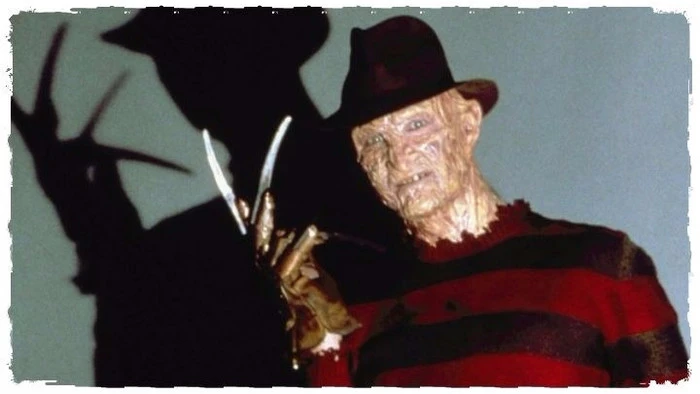
The concept of a dream stalker was born from news reports about a real-life tragedy
Medical professionals dubbed the phenomenon Sudden Unexplained Nocturnal Death Syndrome (SUNDS). Between 1977 and 1981, dozens of similar cases were reported among Laotian and Cambodian immigrants in the US. The press never connected the incidents, but Craven spotted the pattern and obsessed over it for nearly a year before putting pen to paper.
The Second Spark of Fear: A Creepy Stranger in a Hat
The second inspiration was far more personal. As a child, Craven looked out his bedroom window and saw a strange old man walking down the street. Dressed in a filthy sweater and a wide-brimmed hat, the man stopped and stared directly at the young future director. 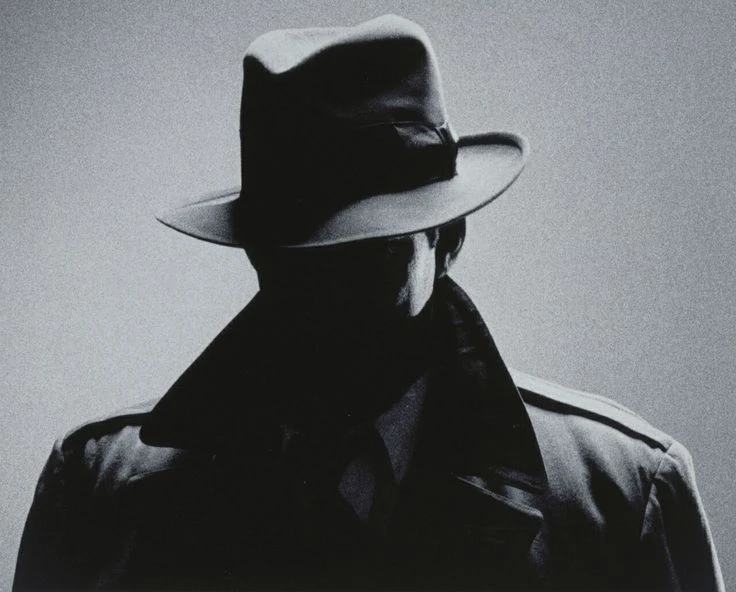
Craven encountered the second prototype for Krueger when he was just a child
Realizing the boy was watching him, the stranger turned around and headed straight for the front door of Craven's building. Terrified, little Wes hid inside. Craven never found out who the man was, but he always credited him as the visual blueprint for Krueger—the fedora, the ragged sweater, and that unsettling, deliberate menace.
Freddy Krueger Inspired Two Major Rap Hits
In 1988, hip-hop duo DJ Jazzy Jeff & The Fresh Prince released "A Nightmare on My Street" without studio approval. The track soared to No. 15 on the Billboard Hot 100, becoming a smash hit. Franchise owner New Line Cinema sued the musicians and forced the destruction of most copies of the music video. 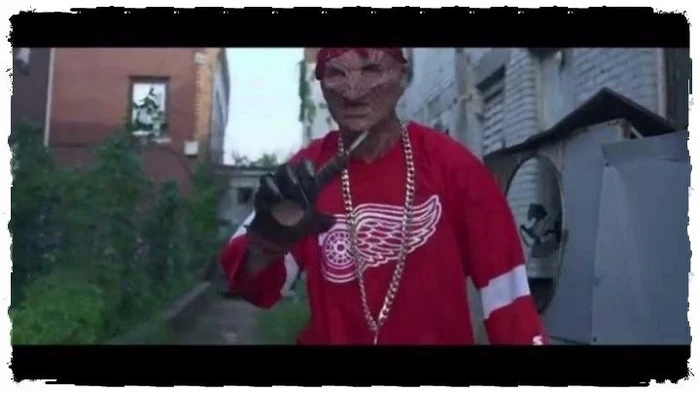
One of the rap hits about Krueger was released without permission—and completely outshone the official track
Meanwhile, the studio commissioned an "official" tie-in track from The Fat Boys titled "Are You Ready for Freddy?", featuring Robert Englund rapping in character. Despite New Line's blessing, the track peaked at a modest No. 93 on the R&B charts, failing to match the success of its rogue rival.
Wes Craven Played a Freddy Cameo Himself
In 1996, twelve years after creating
A Nightmare on Elm Street
, Wes Craven snuck a meta Freddy homage into
Scream
. The director made a brief cameo as a high school janitor named Fred—wearing a wide-brimmed hat and a red-and-green striped sweater—briefly startling the principal before slipping away. 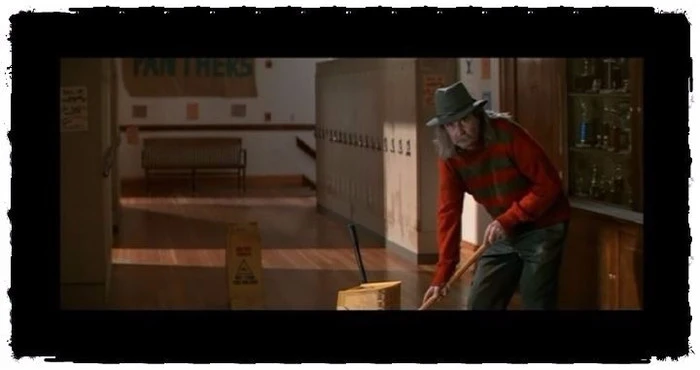
Craven made his secret cameo 12 years after directing the original film
Costume designers included a subtle detail only eagle-eyed fans noticed: Craven’s sweater sleeves had no stripes—just like in the original 1984 film. In every subsequent sequel, including Craven's own
New Nightmare
, the sweater featured striped sleeves.
It Was Johnny Depp’s Big Screen Debut
A Nightmare on Elm Street
marked Johnny Depp's feature film debut, playing Glen Lantz, the main character's boyfriend. Legend has it that Craven cast him partly because his teenage daughters pointed to Depp's headshot and declared him the dreamiest candidate. 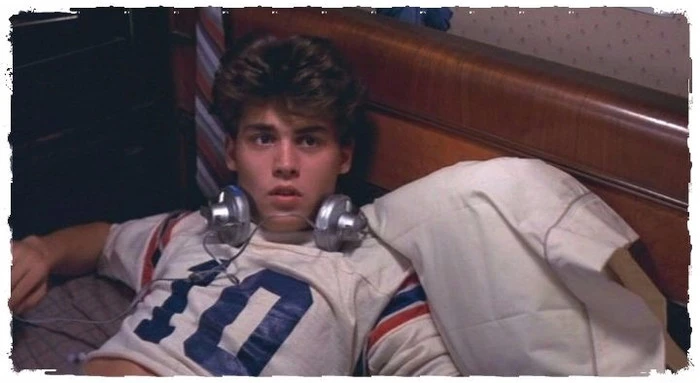
The future Hollywood megastar's debut role ended in one of the franchise's most iconic deaths
Contrary to popular belief, Glen wasn't Freddy's first target: the killer claimed Tina first, framed her boyfriend Rod second, and made Glen his third victim—pulling him into his own mattress and spraying a geyser of blood across the ceiling. That brutal early exit did nothing to slow down Depp’s meteoric rise.
Alice Cooper Played Freddy’s Stepfather
Freddy’s Dead: The Final Nightmare
features a flashback sequence showing a young Freddy living with his abusive foster father, Mr. Underwood. Rock legend Alice Cooper took the role specifically because it was the first time he was offered a movie role without his iconic signature makeup. 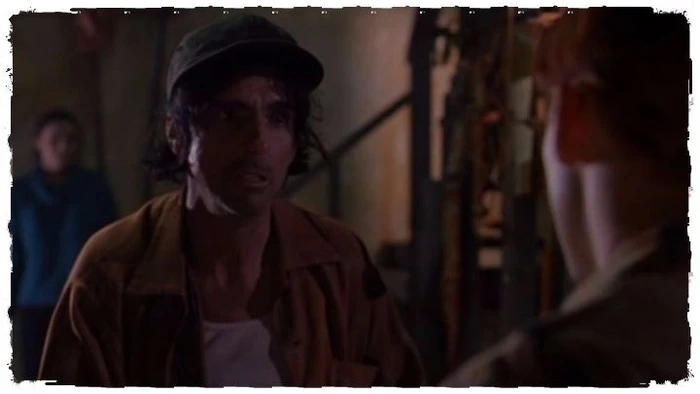
The shock rocker made a cameo appearance without his iconic stage makeup
Both Cooper and Robert Englund appeared completely unmasked in the scene—a rare treat for fans to see the actors' real faces. According to franchise lore, Freddy's biological mother was a nun and his birth father's identity was never revealed, making Underwood his abusive foster parent rather than a blood relative.
'Freddy's Dead' Was the Franchise's First 3D Feature
Freddy's Dead: The Final Nightmare
hit theaters on September 13, 1991—the very day Los Angeles declared Freddy Krueger Day—and was the only installment in the series filmed in 3D. It was also New Line Cinema's first-ever 3D release. The 3D sequence showcases the moment Krueger is granted his dream-demon powers. 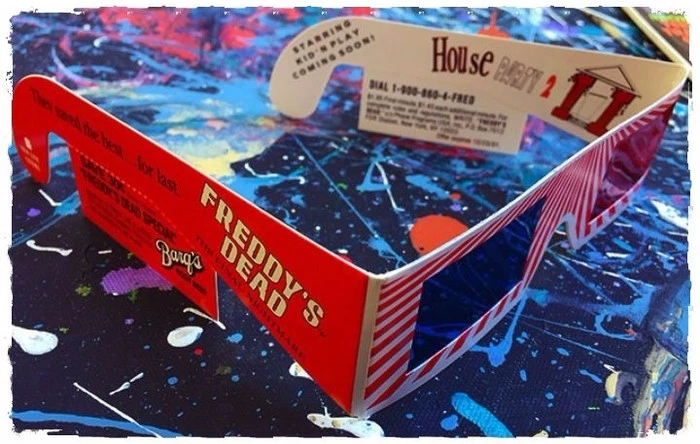
The climax of Krueger's journey was presented to audiences in 3D
Collector's box sets of the franchise still include retro 3D glasses so fans can experience the climax exactly as the filmmakers intended.
September 13 Was Officially Declared Freddy Krueger Day
Contrary to popular belief, Freddy Krueger Day isn't just an informal fan event. On September 13, 1991, Los Angeles Mayor Tom Bradley officially proclaimed the date "Freddy Krueger Day" to coincide with the premiere of
Freddy's Dead
. The proclamation ignited immediate backlash: advocacy groups like the National Organization for Women and local parent associations slammed city hall for honoring a fictional serial killer. 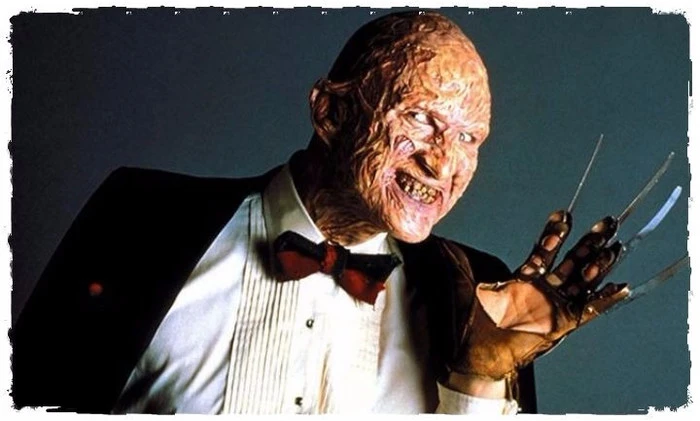
City officials once officially recognized a holiday honoring a fictional killer
City officials defended the move, insisting they were celebrating the studio's massive economic contributions to Los Angeles rather than the character itself. Fans continue to celebrate the date annually. Whenever September 13 falls on a Friday, the festivities go into overdrive, with horror fans donning latex masks to spook passersby. No injuries have been reported, though plenty of onlookers have been scared half to death.
Four decades after his big-screen debut, Freddy Krueger continues to terrify, entertain, and amaze fans—from legal battles over rogue rap tracks to a glove Nintendo refused to endorse. Which of these facts surprised you the most?