Why Turks Refused to Drink Tea for Years (9 photos)
Tea is Turkey's national symbol—no social gathering or work break is complete without a small tulip glass of the ruby-red drink. Turkey consistently ranks first in the world for per capita tea consumption, outpacing even Ireland and the United Kingdom. Yet in the mid-1980s, Turks en masse abandoned their favorite beverage for several years—and it had nothing to do with price hikes or a coffee trend. The real culprit was the fear of radiation that had traveled thousands of miles to reach Turkish tea plantations. Here is the story of how the tea capital of the world nearly fell out of love with its favorite drink, and what the government did to bring it back to every Turkish household. 
The World Leader in Tea Consumption
For decades, Turkey has held the top spot globally for per capita tea consumption. In 2016, the average Turk consumed around 3.16 kg of tea per year—more than anyone else on Earth. By 2023, that number had climbed to nearly 4.5 kg per person, with total national consumption surpassing 390,000 metric tons for the first time.
This devotion to tea might seem timeless and unshakeable. Yet in the mid-1980s, demand for tea in Turkey plummeted in a matter of months. Newspapers and television broadcasts urged citizens to switch to milk and other natural beverages, abandoning tea altogether. 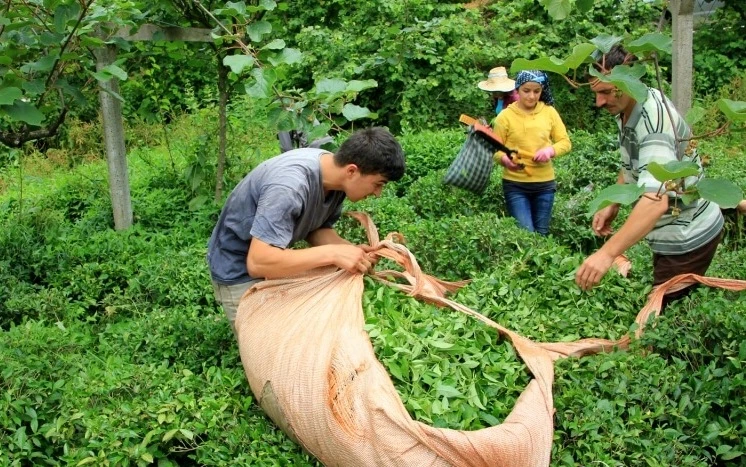
Karadeniz—Turkey's northeastern Black Sea region, where almost all of the country's tea is grown
The Karadeniz region suffered the hardest blow. Domestic tea sales plummeted, and those who simply could not give up their daily brew turned to imported alternatives.
A Chernobyl Cloud Over the Coast
The tea boycott was triggered not by shifting tastes or rising prices, but by fear of radiation. On April 26, 1986, Reactor No. 4 at the Chernobyl Nuclear Power Plant exploded, sending a plume of radioactive contaminants into the atmosphere. Prevailing winds carried the cloud across Europe, and by late April and early May, part of it reached Turkey's Black Sea coast.
During those exact days, heavy rain swept across northeastern Turkey—specifically the provinces of Trabzon, Rize, and Artvin. Downpours washed radioactive fallout out of the air, depositing it onto farmland, tea bushes, rivers, and coastal waters. Researchers estimate that around 100,000 people lived in the area hit by the contaminated rainfall. 
Rize Province—home to up to 70% of all Turkish tea production
Tea plantations were not the only victim; hazelnut crops, freshwater fish, and Black Sea catches were also contaminated. Karadeniz was uniquely vulnerable, as it bore the brunt of the fallout while hosting virtually all of Turkey's tea cultivation.
"Heathens and Traitors": The Government vs. the Skeptics
While independent scientists and investigative journalists warned of contamination, the Turkish government adopted a very different strategy. Minister of Industry and Commerce Cahit Aral famously drank Karadeniz tea in front of television cameras to prove it was safe. 
Minister Cahit Aral ostentatiously drinking tea on camera
On June 24, 1986, Aral launched a fierce attack on critics:
"Anyone claiming that radiation has affected Turkey is a heathen and a traitor. Why sabotage our tourism and commerce in this way?"
Following such a harsh rebuke, most Turkish media outlets chose not to challenge the official line. Critical coverage of the contamination virtually vanished from newspapers.
"A Little Radiation Is Actually Good for You"
At press conferences and public events, political figures—including the president and prime minister—made a point of sipping tea on camera, often with a package of a domestic brand strategically placed on the table. 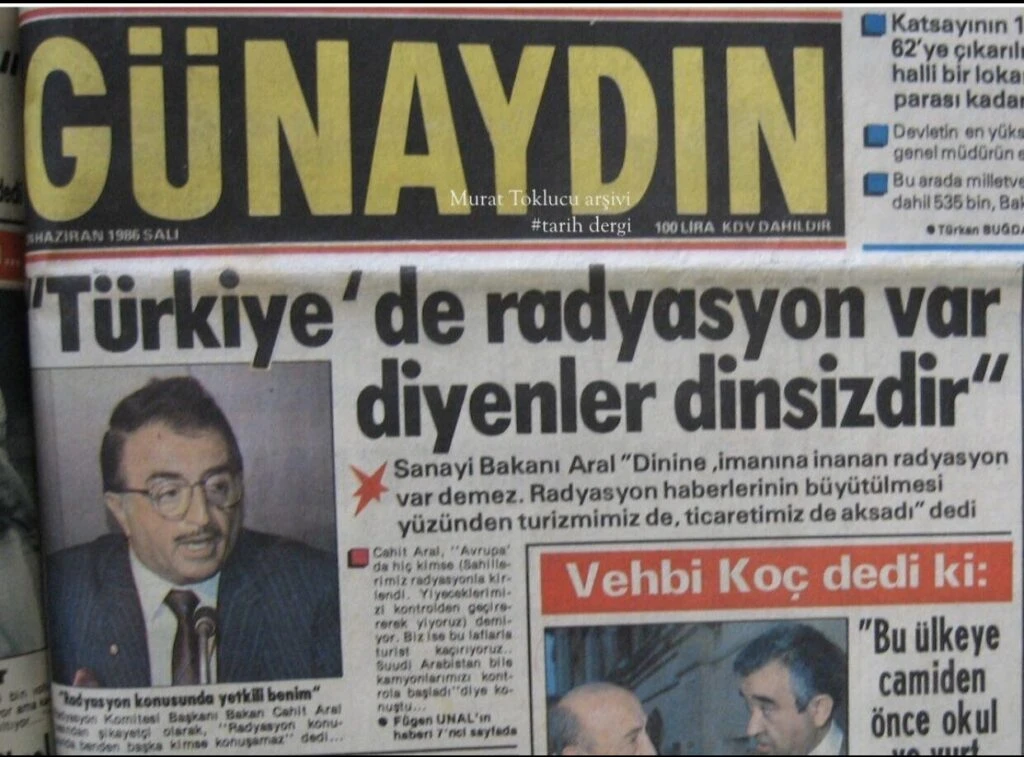
Front page of a 1986 Turkish newspaper: "Those claiming there is radiation in Turkey are heathens"
Some official claims verged on the absurd. Cahit Aral told reporters:
"A little radiation is actually beneficial. I drink 7 or 8 cups of tea a day and feel fantastic. Even 20 cups would be harmless. My wife drinks tea every day, too. We would never allow contaminated tea onto the market."
Environment Minister Doğan Akyürek went even further, washing his face with tea live on camera to demonstrate its safety. Taking their cue from above, major newspapers swiftly fell into line, running headlines like "Radioactive Tea Boosts Health" and "Radioactive Tea Tastes Better."
What Consumers Weren't Told
In 1987, the Turkish Atomic Energy Authority (TAEK) officially declared that radiation levels in tea were safe. Independent tests, however, painted a starkly different picture: certain batches of Turkish tea tested between 35,000 and 60,000 becquerels per kilogram—against a safe limit of roughly 40 to 50 Bq/kg. 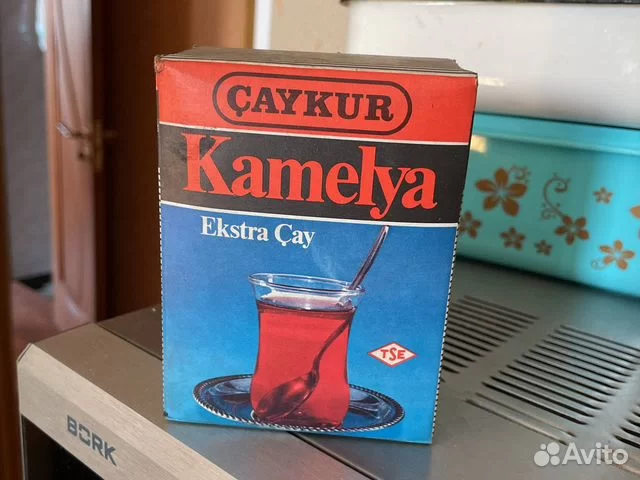
Contaminated tea was sold domestically, while clean batches were exported to Europe
The government exported clean tea while keeping contaminated stocks on the domestic market, blending old and new harvests to dilute overall radiation levels. Meanwhile, universities were banned from publishing independent test results.
Foreign buyers were far quicker to react than domestic consumers. In 1986, the UK rejected a shipment of imported Turkish tea due to excessive radiation levels, while Germany and the Netherlands refused Turkish hazelnut imports that September for the same reason.
A Confession Years Later
The tea panic lasted for over three years, only subsiding around 1990. But what was the true extent of the radiation? It was not until 1992 that former Commerce Minister Cahit Aral finally admitted: "The government did indeed cover up facts and figures regarding Chernobyl's impact on Turkey." 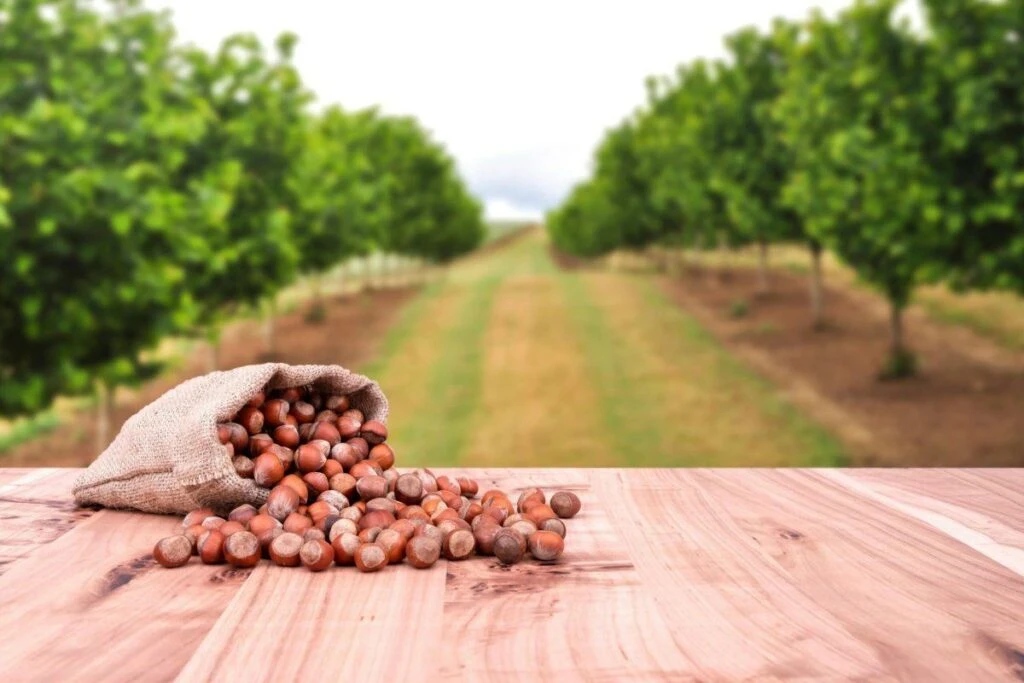
Turkish hazelnuts—the region's second major crop impacted by Chernobyl radiation
Aral's admission sparked public outrage, prompting the former official to try to deflect blame:
"We got our revenge on the Soviet Union for the nightmare of Chernobyl by exporting contaminated hazelnuts back to the USSR."
The comment backfired, immediately turning public attention toward hazelnuts. It soon emerged that since 1986, contaminated nuts had not only been exported to the USSR but had also been distributed to Turkish soldiers and schoolchildren. By 1992, authorities had already buried over 44,000 metric tons of contaminated tea, with plans to dispose of another 14,000 tons. Aral himself passed away in 2011 from heart failure at the age of 83.
The Long Road Back to the Teacup
Debate over the long-term health impact of Chernobyl radiation in Turkey continues to this day. According to the Turkish Ministry of Health, cancer has risen from the fourth to the second leading cause of death in recent decades. However, the ministry attributes this surge primarily to smoking and poor diet rather than Chernobyl.
Environmentalists from Greenpeace and local Karadeniz residents strongly disagree, pointing to elevated rates of goiter and cancer specifically in the Black Sea provinces. On the other hand, a scientific study conducted in Rize 22 years after the disaster found no increase in thyroid cancer among locals—leaving the true extent of the health damage a matter of ongoing debate. 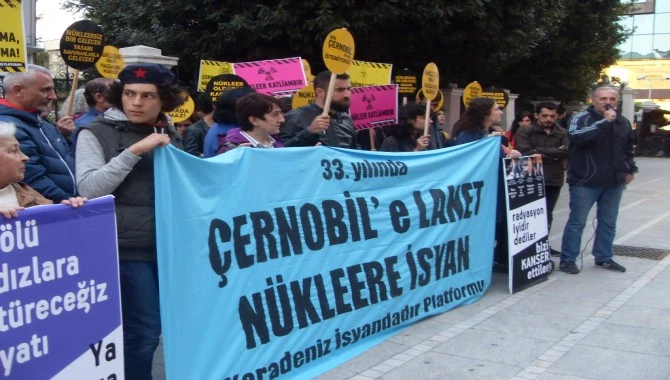
Demonstration in the Karadeniz region on the 33rd anniversary of the Chernobyl disaster
Over time, background radiation in the region returned to normal levels, and with it came the resurgence of Turkey's love for tea. By the early 1990s, the beverage had reclaimed its rightful place in every Turkish home. 
Today, Turkey once again holds first place worldwide in per capita tea consumption
The story of "radioactive tea" shows how an environmental disaster can reshape a nation's daily habits for years. Although Turkish tea eventually made a full comeback, memories of those turbulent years remain fresh in the minds of Karadeniz residents.
What do you think? Could this crisis of trust have been avoided if the government had taken a more transparent approach with the public? Share your thoughts in the comments!