Sharks Have No Bones: Why Their Skeletons Are a Marvel of Nature (8 Photos)
Not a single one of the 500-plus species—from the tiny dwarf lanternshark that fits in the palm of your hand to the 60-foot whale shark—has a single bone in its body. And this isn't just a minor anatomical quirk for biology buffs. It is the key to virtually everything we know—and don't know—about these creatures. 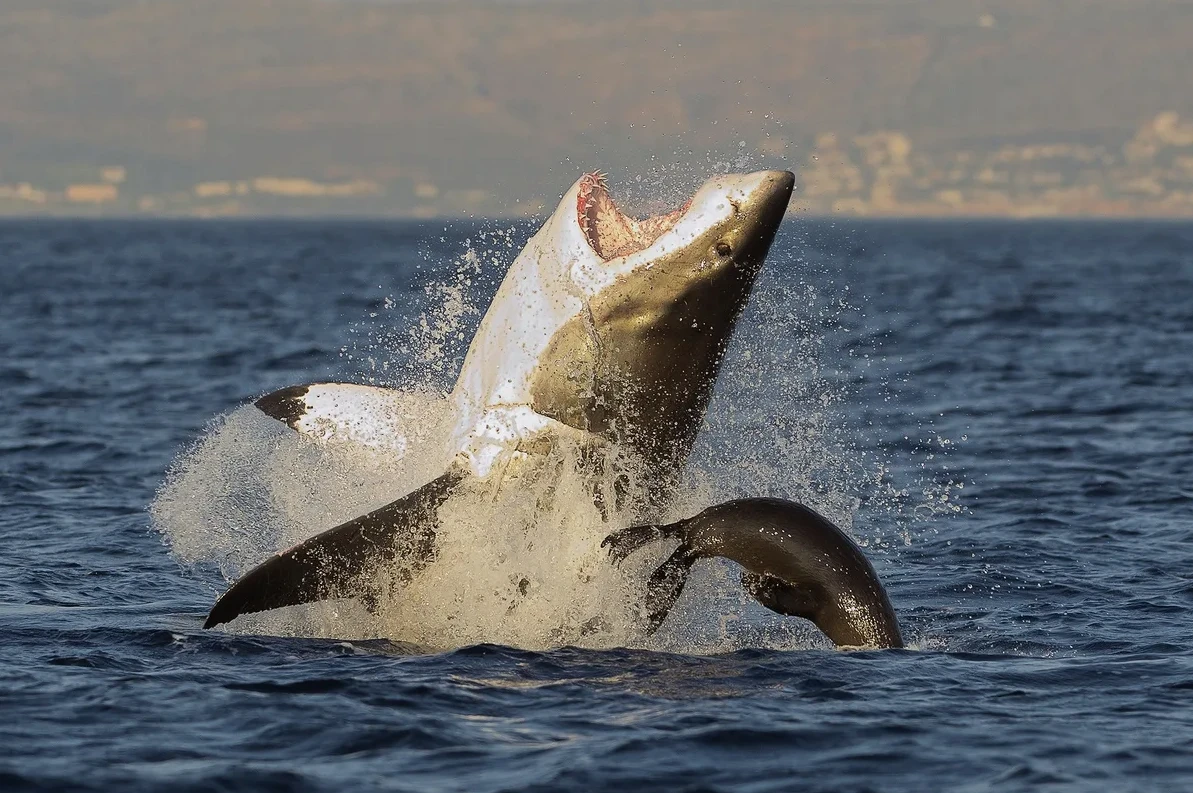
"What nonsense!" screams the shark. "I'm the one who's supposed to be dissecting your inner world, not you mine!"
Cartilage is roughly half as heavy as bone—a massive difference for an animal that spends its entire life suspended in water. The thing is, ordinary fish solve the buoyancy problem using a swim bladder—an internal gas-filled sac that allows them to hover motionless at a specific depth like a balloon on an invisible string. Sharks don't have one. They stay afloat through two other adaptations. First, their lightweight skeleton. Second, a massive liver packed with oils that are lighter than water. A shark's liver can take up to 90 percent of its body cavity and account for a quarter of its total weight. In one great white shark weighing over three tons, the liver alone tipped the scales at nearly half a ton. It isn't just an organ—it's a built-in floatation device that doubles as an emergency food reserve for lean months. 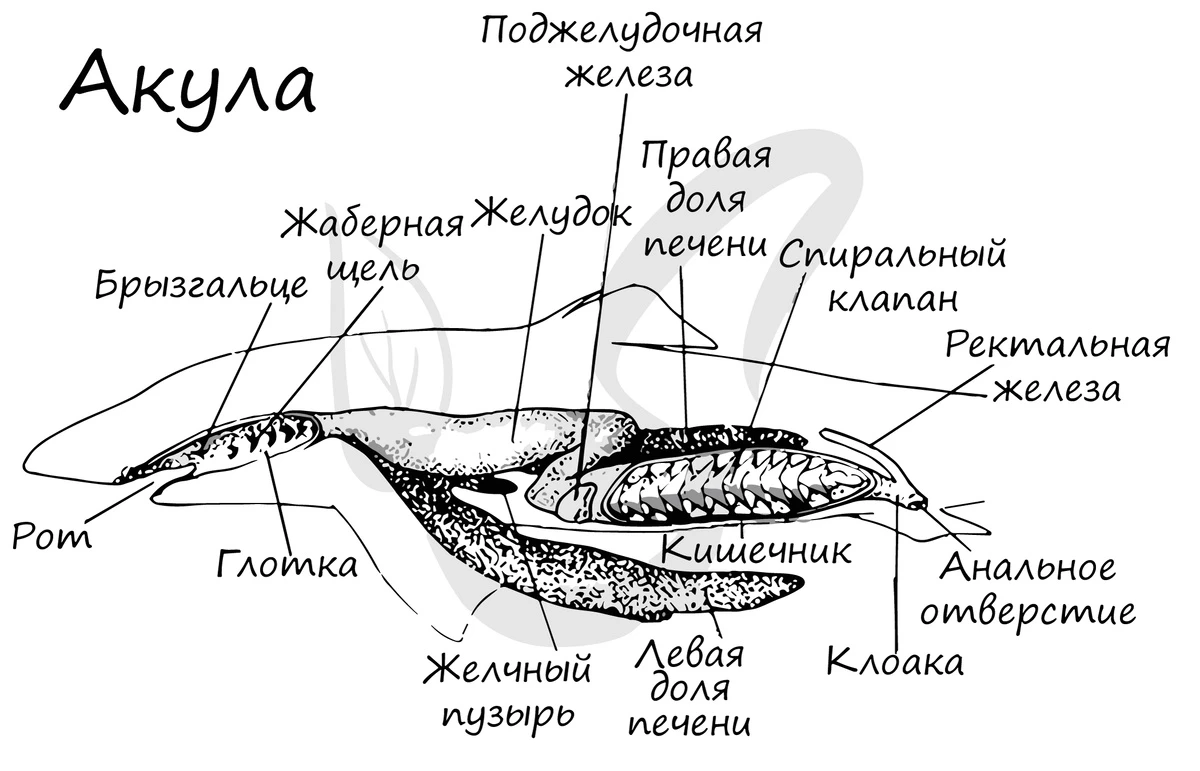
A shark's liver runs across almost its entire body.
The second advantage is flexibility. Bones are rigid, but cartilage bends and springs back. This allows a shark to contort its body in ways a bony fish never could, pivot virtually on the spot, and strike with jaws that open wider and pack a heavier punch: the flexible structure absorbs the impact and springboards it right back instead of cracking. When a great white rams a seal at full speed, it does so with enough force to shatter a skull made of solid bone. 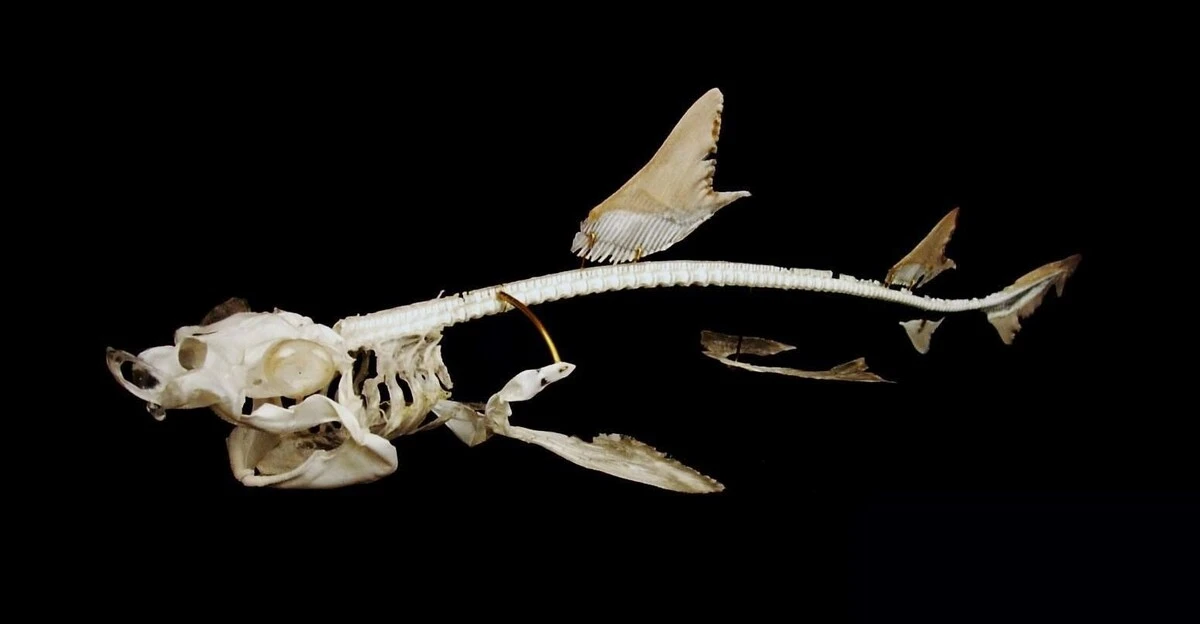
The bizarre cartilaginous skeleton of a shark. 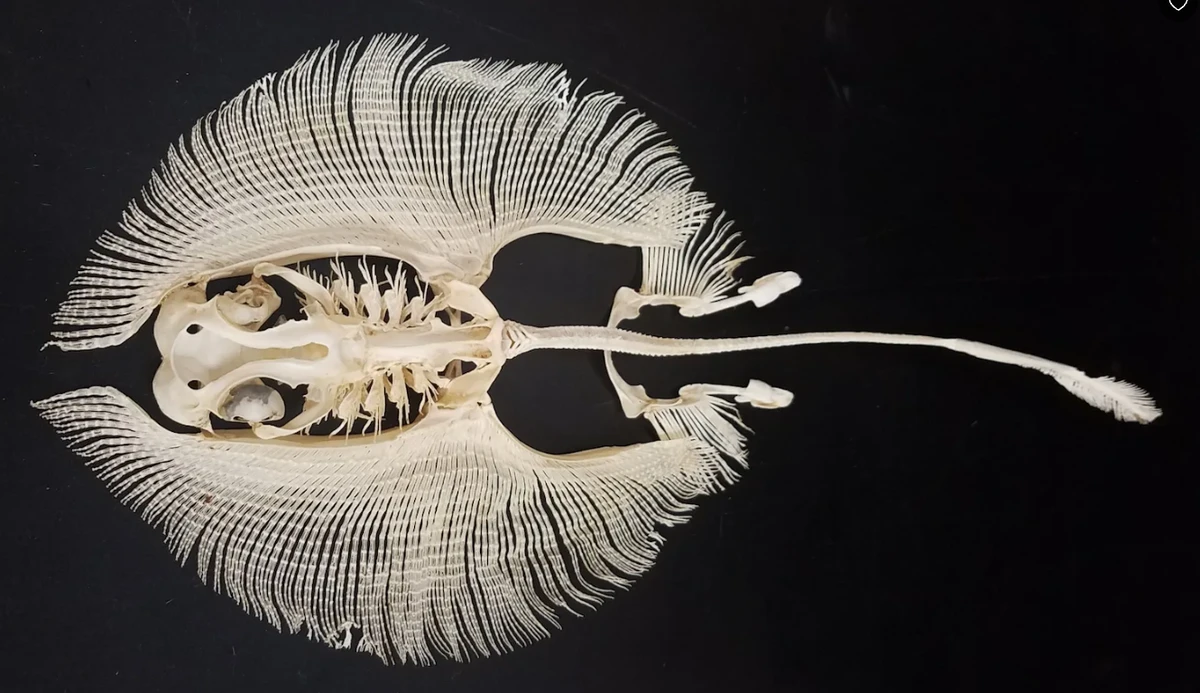
By the way, rays—the closest relatives of sharks—are also made entirely of cartilage.
However, these perks come with a steep price... Without a swim bladder, hovering in place is impossible. Sharks are heavier than water and will slowly sink if they stop swimming. As a result, many species are condemned to perpetual motion—and some can only breathe on the move, pushing water through their gills by moving forward. Stop one, and it suffocates. Most importantly, having no bones means having no bone marrow. In humans, blood is produced inside our bones—a major function easy to overlook. Sharks had to adapt by relocating blood cell production to other organs, simply because there was nowhere else to put it. So this apex predator—often seen as the ultimate killing machine—is engineered around a strict philosophy: light, flexible, no dead weight. And the price it pays is eternal motion. 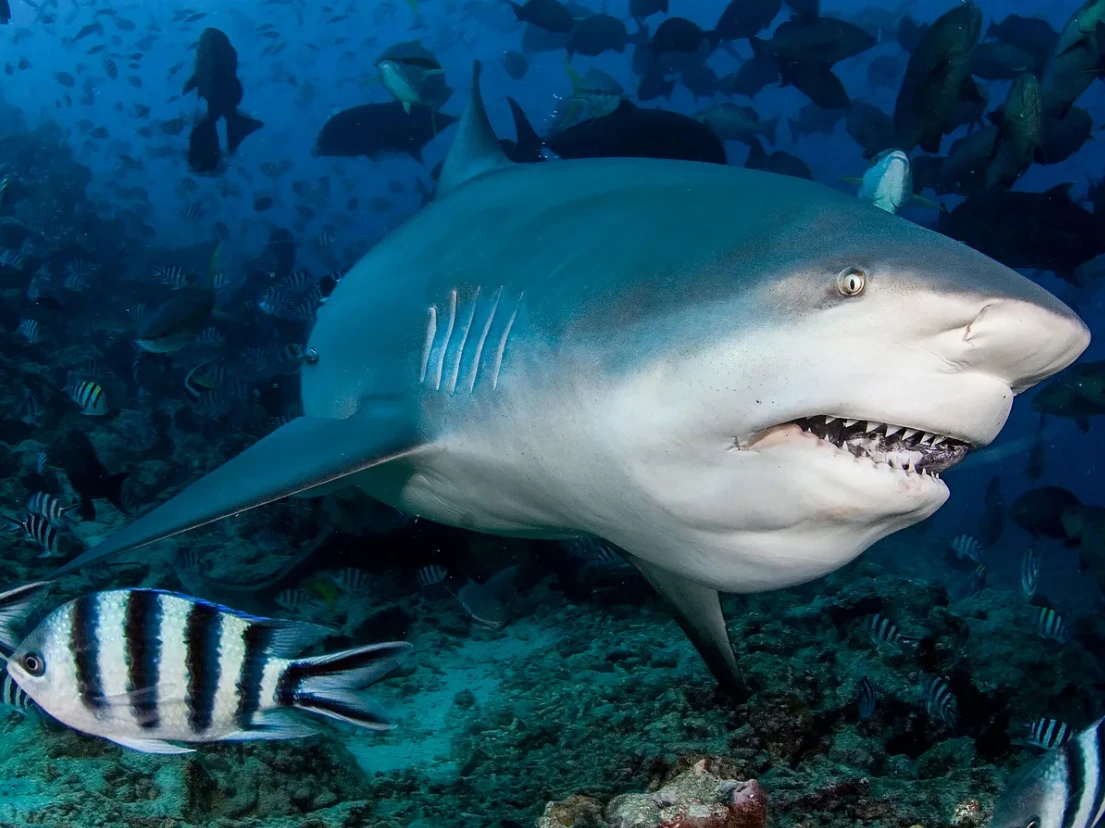
A samurai has no goal, only a path.
Sharks do have something hard inside them, though, and you can probably guess what it is: their teeth. But they aren't anchored firmly in the jaw like ours. Instead, they sit in rows, lined up like rounds in a magazine. The front row does the heavy lifting while the ones behind wait their turn, with the whole conveyor belt slowly advancing forward. Lose a tooth, and a replacement slides into place within a few days. Over a lifetime, a single shark can go through thousands of teeth, leaving a trail of them scattered across the ocean floor. 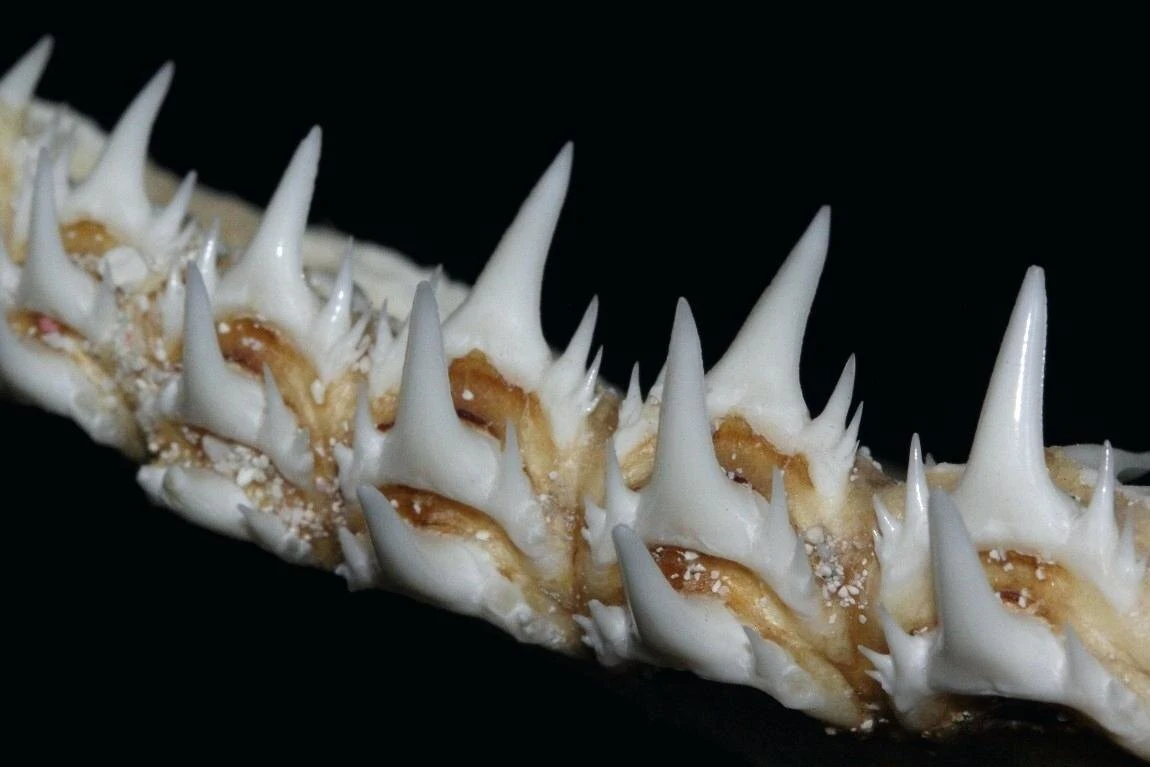
Almost like a revolver cylinder...
What's more, sharks leave no body behind when they die. Cartilage doesn't fossilize into stone; it rots, dissolves, and vanishes without a trace within weeks. Only bones can turn to stone, and sharks don't have any. That is why all we have left of a shark that died ten million years ago are its teeth. Nothing else. No skeleton, no skull, no body imprint—just a handful of triangular enamel fragments embedded in ancient silt. Consider the megalodon, the world's most famous extinct shark. Virtually everything we know about it comes from its teeth. The rest—its length, weight, body shape, fin proportions, and behavior—is reconstructed through guesswork and comparisons with modern sharks. 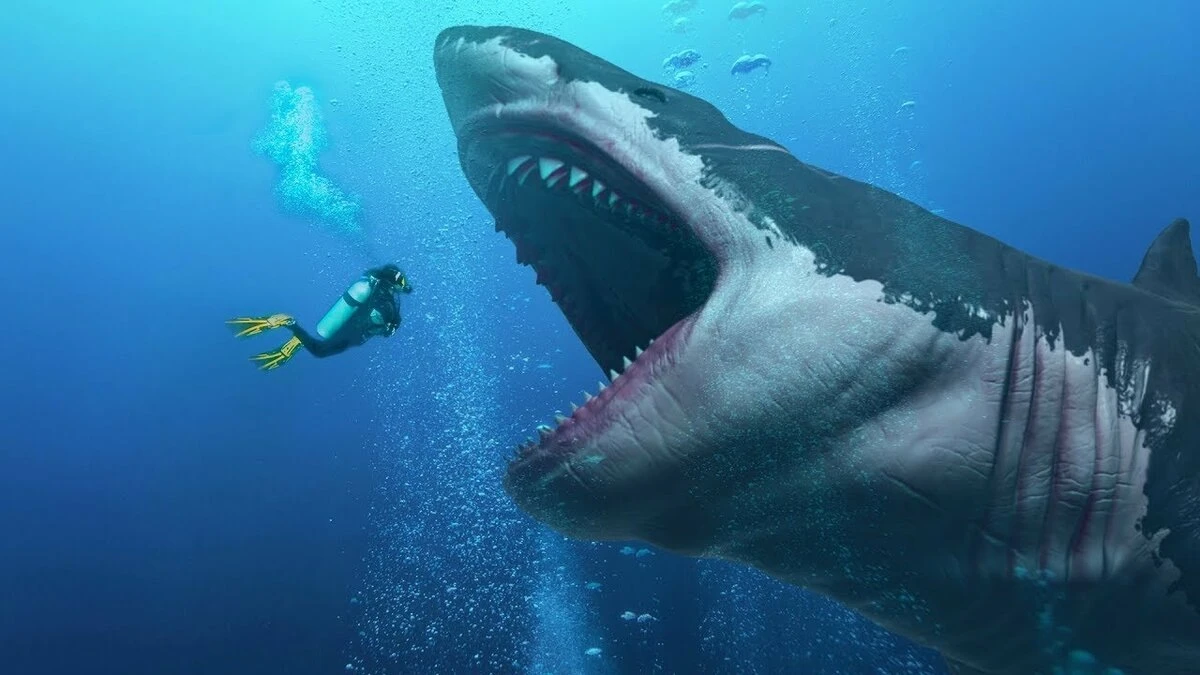
Oh look, a potato chip swimming right into my mouth.
We often assume sharks are primitive creatures that simply never evolved bones, getting stuck halfway up the evolutionary ladder. But evidence suggests the exact opposite. A growing body of research indicates that the common ancestor of all jawed vertebrates actually had bones. In 2020, scientists described a 410-million-year-old armored fish positioned near the evolutionary split that gave rise to both us and sharks—and its skull contained true endochondral bone, the exact same type human skeletons are made of. It turns out sharks didn't "fail" to evolve bones; they abandoned them. Somewhere along the line, their ancestors ditched the heavy skeleton in favor of a lightweight, flexible frame that proved far more advantageous in water. In this form, they weathered every major mass extinction, outlived the dinosaurs, outlasted hundreds of other apex predators, and swam into modern times virtually unchanged. 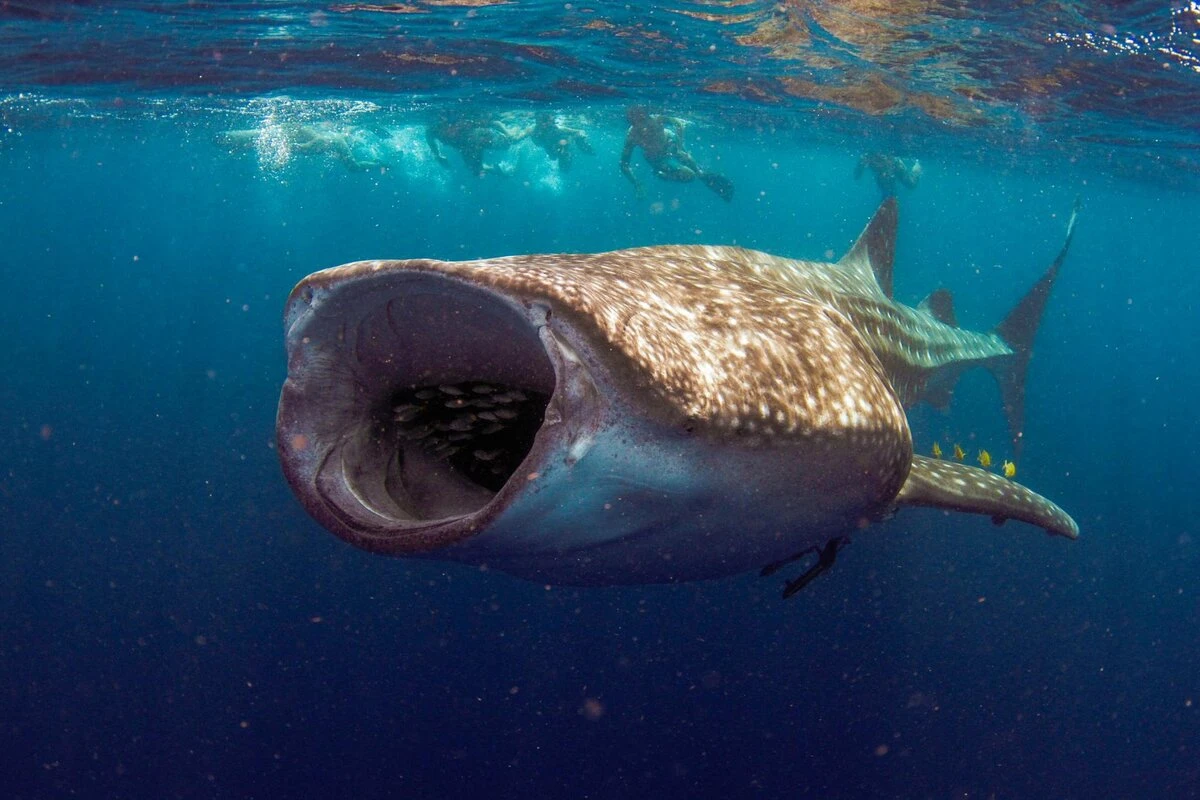
So basically—a giant piece of cartilage swimming in a giant soup.