Young Men Are Ditching Showers for Sex—and Here's What Science Has to Say (8 photos)
Young men around the world are ditching deodorant and skipping pre-date showers—claiming science is on their side. The "pheromone-maxxing" trend took TikTok by storm in 2025–2026, with proponents convinced that their natural body odor makes them biologically irresistible. It sounds wild, but it draws on actual scientific research—albeit heavily oversimplified. Here is where the science ends and marketing takes over. 
Pheromones: Proven in Insects, Questionable in Humans
In 1959, scientists Peter Karlson and Martin Lüscher coined the term "pheromone," from the Greek words pherein ("to carry") and horman ("to excite"). The scientific definition is strict: a chemical secreted by an individual that triggers a specific, predictable response in another member of the same species. One signal, one universal reaction. Take the silk moth: males can sense a female's pheromone from miles away and instantly fly toward her. No debate, no context required. 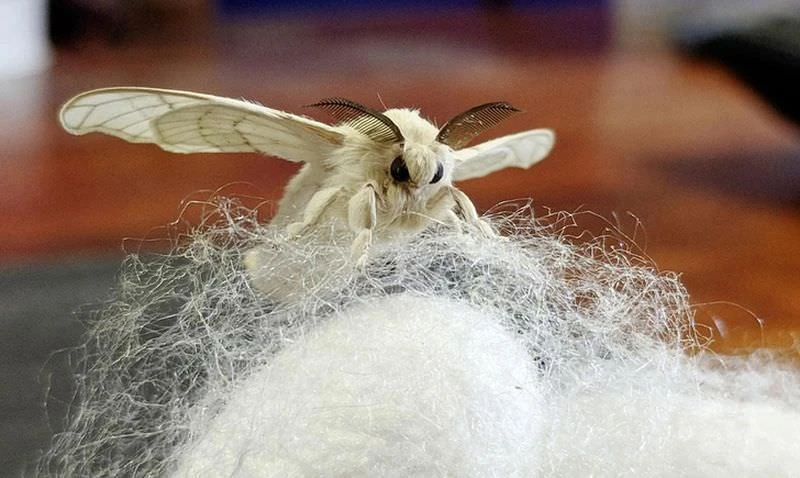
For silk moths, pheromones act as an irresistible command. Humans simply don't have this mechanism.
With humans, it's a completely different story. The vomeronasal organ (or Jacobson's organ)—which detects pheromones in most mammals—is either nonexistent in adult humans or entirely disconnected from the brain. There's literally no hardware to process the signal. That said, body scent does play a role in mate selection, but it works through standard olfaction and far more complex mechanisms than a direct chemical trigger.
And it's precisely this vague "does play a role" that spawned an entire industry.
How Marketing Masqueraded as Science
In 1991, Erox Corp. funded a study at the University of Utah. Researchers examined two compounds: androstadienone, found in male sweat, and estratetraenol, found in female urine. The study indicated that these compounds could influence mood. Erox promptly patented both molecules and launched a line of "pheromone perfumes." 
The pheromone perfume industry thrives regardless of scientific consensus: marketing got decades ahead of the research.
Influencing mood doesn't make a substance a pheromone. True pheromones trigger a universal, species-wide reaction, which androstadienone fails to do. A 2025 review in the journal Physiology & Behavior summarized over six decades of research, concluding that androstadienone's status as a pheromone "remains unconvincing." In 2023, one of the best-selling "pheromone roll-ons" became the subject of a class-action lawsuit in the US, with plaintiffs accusing the brand of making "scientifically false" claims about attraction. 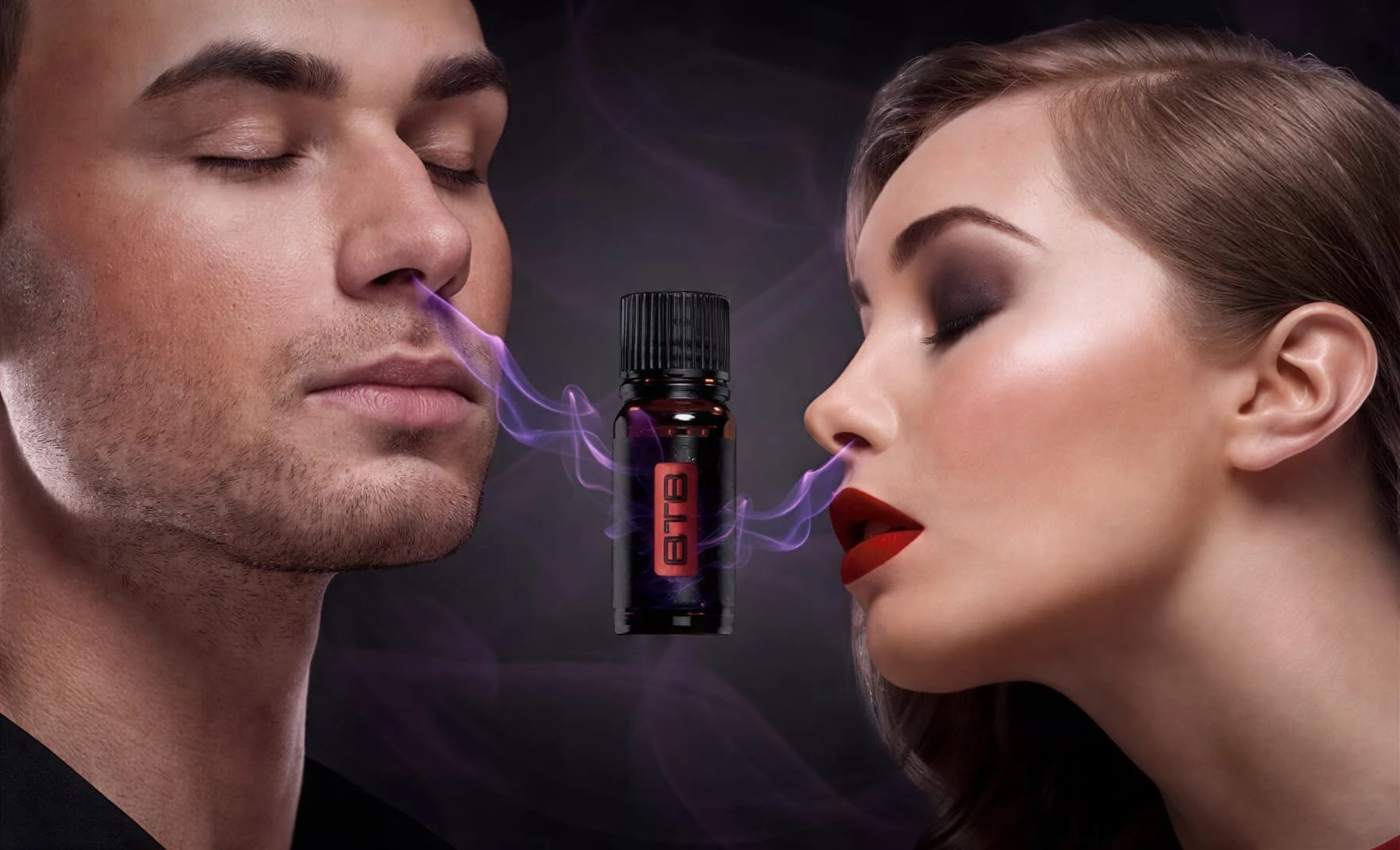
In 1995, Swiss zoologist Claus Wedekind demonstrated that sweat does carry information about an individual's immune system genetics. Women unconsciously favored men with dissimilar immune profiles, which grants offspring broader protection against disease. However, Wedekind himself never used the word "pheromone"—the underlying mechanism is far more intricate than a simple chemical switch. Furthermore, for women taking oral contraceptives, the effect actually reversed, leading them to prefer genetically similar men.
Three Days Without a Shower and the Same Shirt
Pheromone-maxxing evolved from the broader "looksmaxxing" trend (maximizing physical appearance), which originated on incel forums in the 2010s before migrating to TikTok in the early 2020s. Its core ideology rests on the "blackpill" worldview—the belief that sexual attractiveness is dictated entirely by biology and physical appearance, rather than personality or behavior. If nature is all that matters, the logic goes, you ought to let nature do the talking. Hence, tossing out the deodorant. 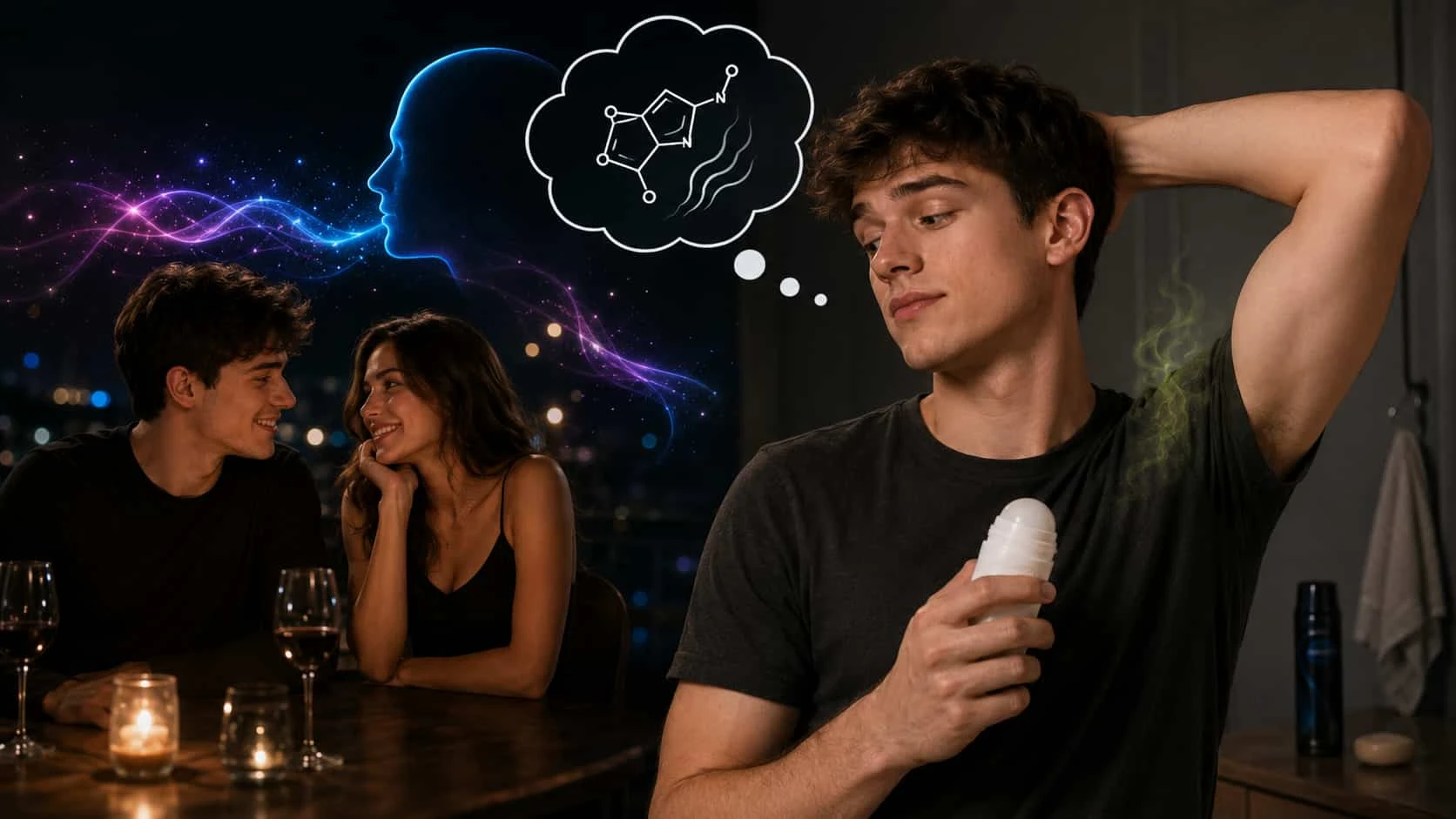
Content featuring armpits and sweat easily passes moderation where explicit videos never could
The beginner's version involves skipping shampoo and dropping cologne. Advanced followers refrain from showering for three days, then wear the exact same shirt to build what creators call a "pheromone halo." The most extreme adherents go as far as drinking their own urine to "flush out toxins through sweat."
"I stopped washing my hair, and girls started saying I smell great," claims a typical post.
"The reason you can't hit it off with hot girls is because you're wearing cologne and deodorant," echoes another. 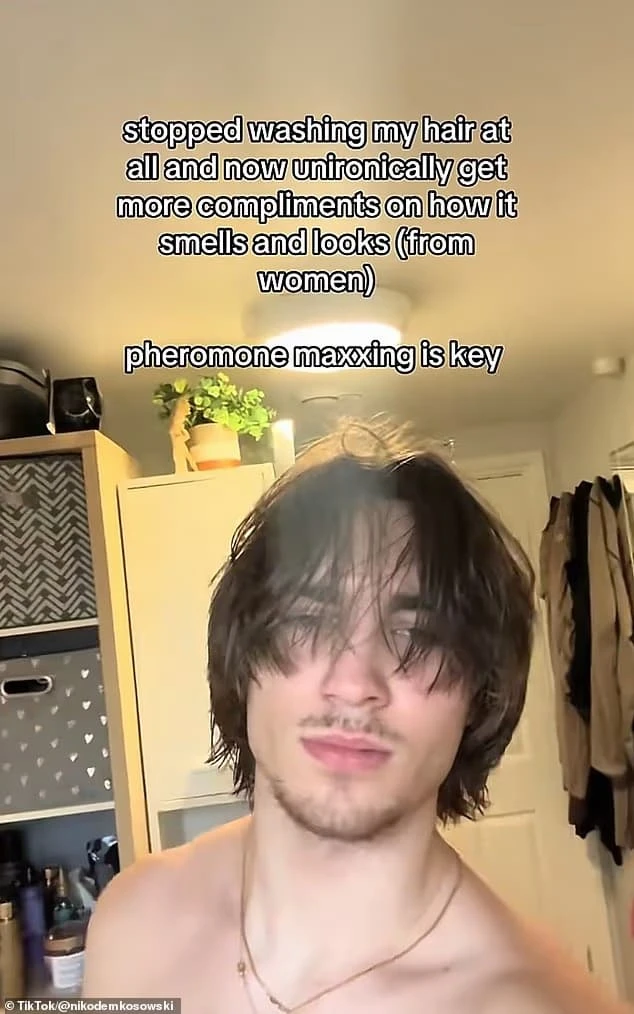
Pheromone-maxxing content racks up millions of views, as algorithms don't register it as adult content.
The comment sections under these videos are split down the middle: some claim "it works," while others wonder "how can you show up to a date looking like that." One Reddit user summed it up best:
"Does he actually think taking a shower destroys pheromones? Someone tell him that pheromones are secreted constantly."
The Role of the Algorithm
There is also a very pragmatic explanation for the trend—one that has nothing to do with biology. Platforms like TikTok strictly filter sexually explicit content, but videos featuring armpits and sweat slip right under the radar. According to sex educator Topher Kuzumano, quoted in Men's Journal, some creators deliberately eroticize body parts that algorithms don't flag as violations, achieving reach that standard adult content could never get. 
Thousands of views are guaranteed. A second date, not so much
Meanwhile, science provides a clear answer: body odor conveys genetic and immune information, but only when clean. Several days' worth of grime is the product of skin bacteria, not "natural musk." Bacterial odor masks your individual chemical signals rather than amplifying them. Pheromone-maxxing contradicts the very logic it relies on: if you want to broadcast a genetic signal, take a shower. 
Apocrine glands secrete odor continuously, but going three days without a shower drowns out the signal with bacteria rather than boosting it
After 60 years of research, science has reached an honest verdict: human pheromones in the traditional sense likely don't exist. Soap, however, definitely does.
What's your take on biohacking trends like this: an intriguing hypothesis or just an excuse to avoid showering?