Out of Milk, a Bartender Whipped Up an Egg—and Created an Iconic Drink (9 photos)
When a milk shortage struck Hanoi, a bartender created a drink that is now served in top coffee shops around the globe. He was simply trying to get through a single morning shift, unaware that 80 years later his creation would become a signature symbol of the city and even be served at a historic international summit. Born out of wartime scarcity rather than culinary ambition, here is the story of how a desperate substitute became a delicacy that draws tourists to Hanoi's Old Quarter. 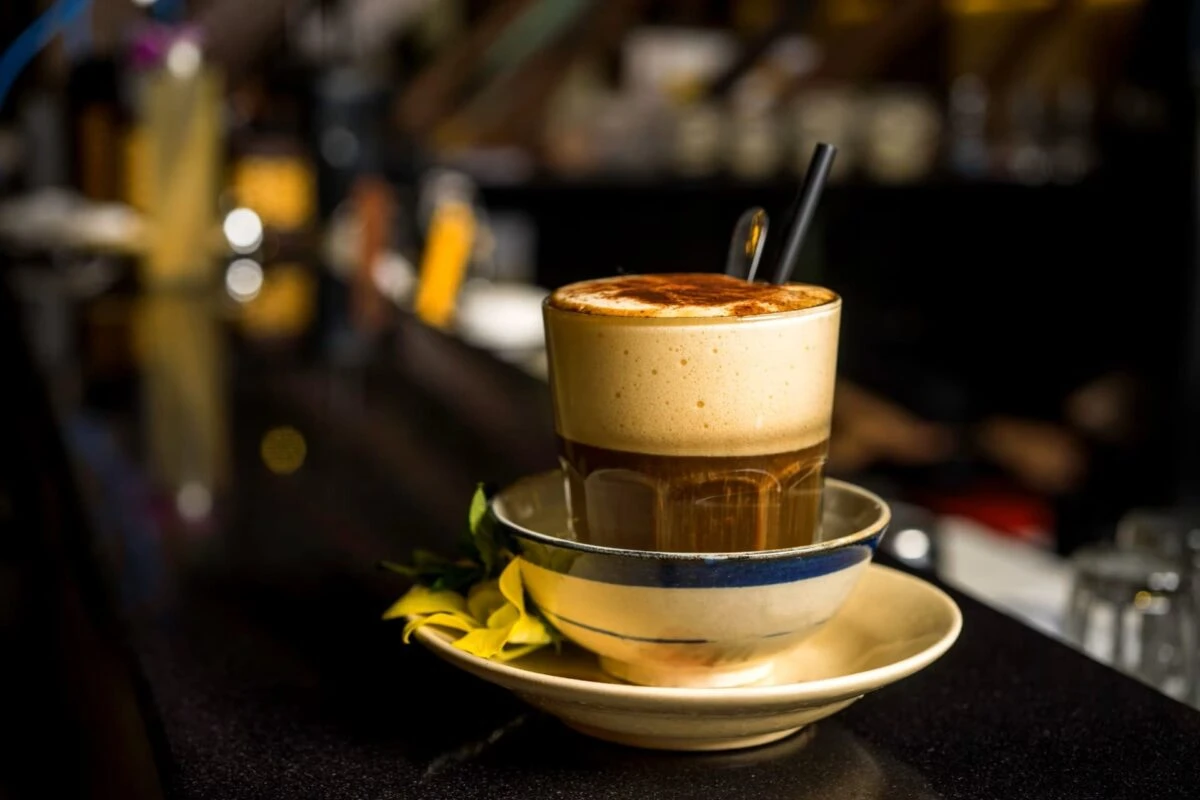
Hanoi, 1946: A City Without Milk
The First Indochina War officially broke out in December 1946, but supply chain disruptions had begun much earlier. As French forces returned to Indochina following Japan’s surrender, city supply lines collapsed rapidly.
Fresh milk was among the first essentials to disappear. Cafes and hotels took the hardest hit: without milk, cappuccinos and cream-topped coffees became impossible to make, wiping out menu staples almost overnight. 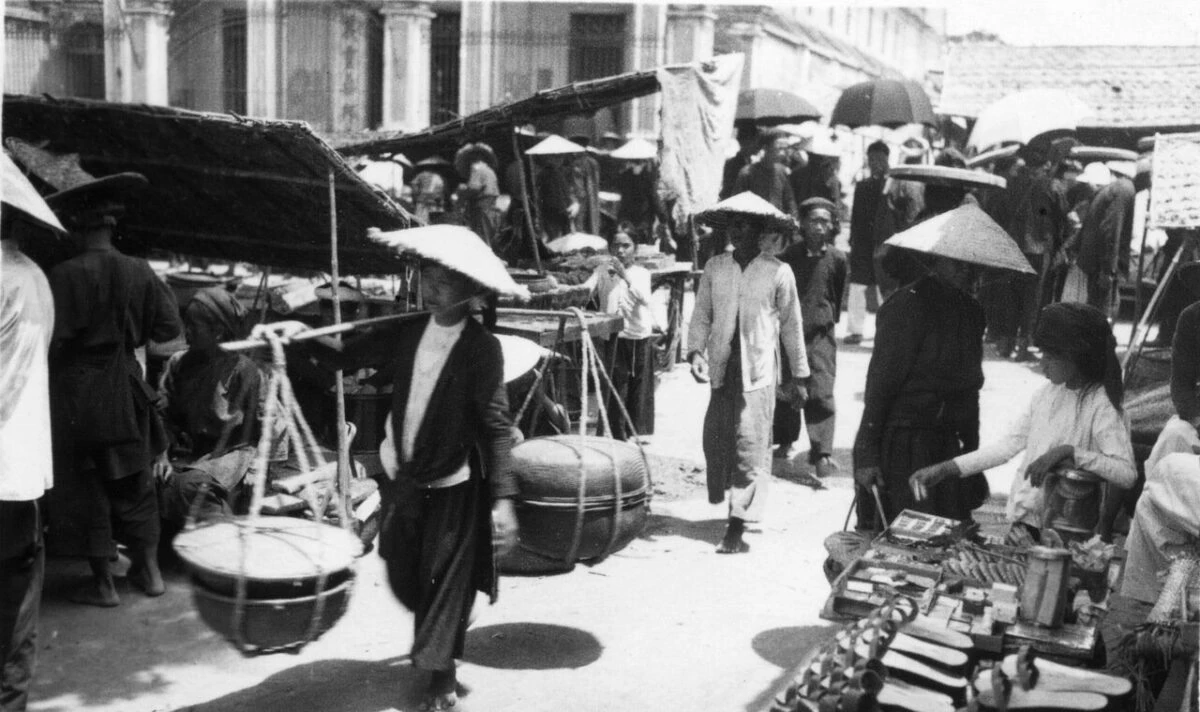
Hanoi's Old Quarter—the birthplace of egg coffee.
This was the exact predicament facing Nguyen Van Giang, a bartender at the Grand Hotel Metropole (now the Sofitel Legend Metropole). Finding a replacement for milk was not an artistic aspiration—it was a matter of survival for his bar.
How Egg Yolk Replaced Milk
Giang wanted to craft a Vietnamese take on cappuccino, complete with a thick, creamy foam top. Milk was nowhere to be found, but the kitchen had plenty of eggs.
He whipped egg yolks with sugar and condensed milk—which, unlike fresh milk, held up in the heat and could be stored for weeks. The result was a rich, sweet foam that held its shape just as well as whipped cream. 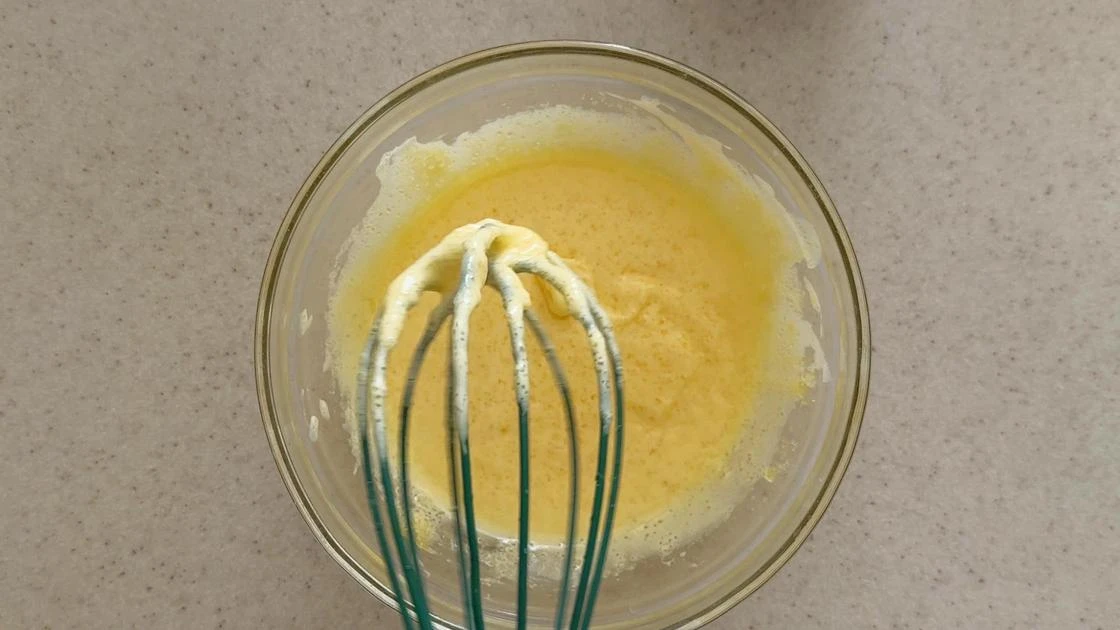
The secret to the foam: egg yolk, sugar, and condensed milk whipped into a rich froth.
The flavor was a pleasant surprise: rather than overpowering the coffee, the velvety yolk complemented its bitterness with a smooth sweetness. A truly unique drink was born.
From Hotel Bar to His Own Cafe
Giang wasn't the only one who loved the creation. Hotel guests kept coming back for more, prompting the bartender to strike out on his own.
He opened a cafe in Hanoi's Old Quarter at 39 Nguyen Huu Huan Street in the Hoan Kiem district—an area still famous for its silk and spice traders. Giang named the spot after himself: Cafe Giảng. 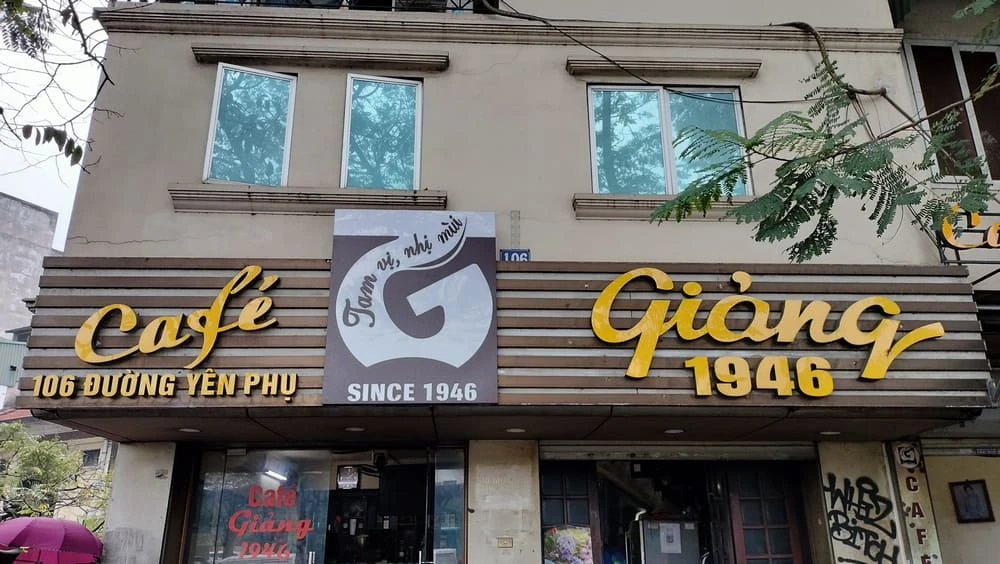
Cafe Giảng in Hanoi's Old Quarter has been serving customers for nearly 80 years.
Nearly eight decades later, the recipe remains a closely guarded family secret. The cafe has been passed down through generations rather than franchised.
A Family Affair: Three Generations Behind the Counter
Today, the cafe is run by the founder's son, Nguyen Chi Hoa. The exact recipe proportions have never been published; they are passed down orally within the family, never written down in cookbooks. 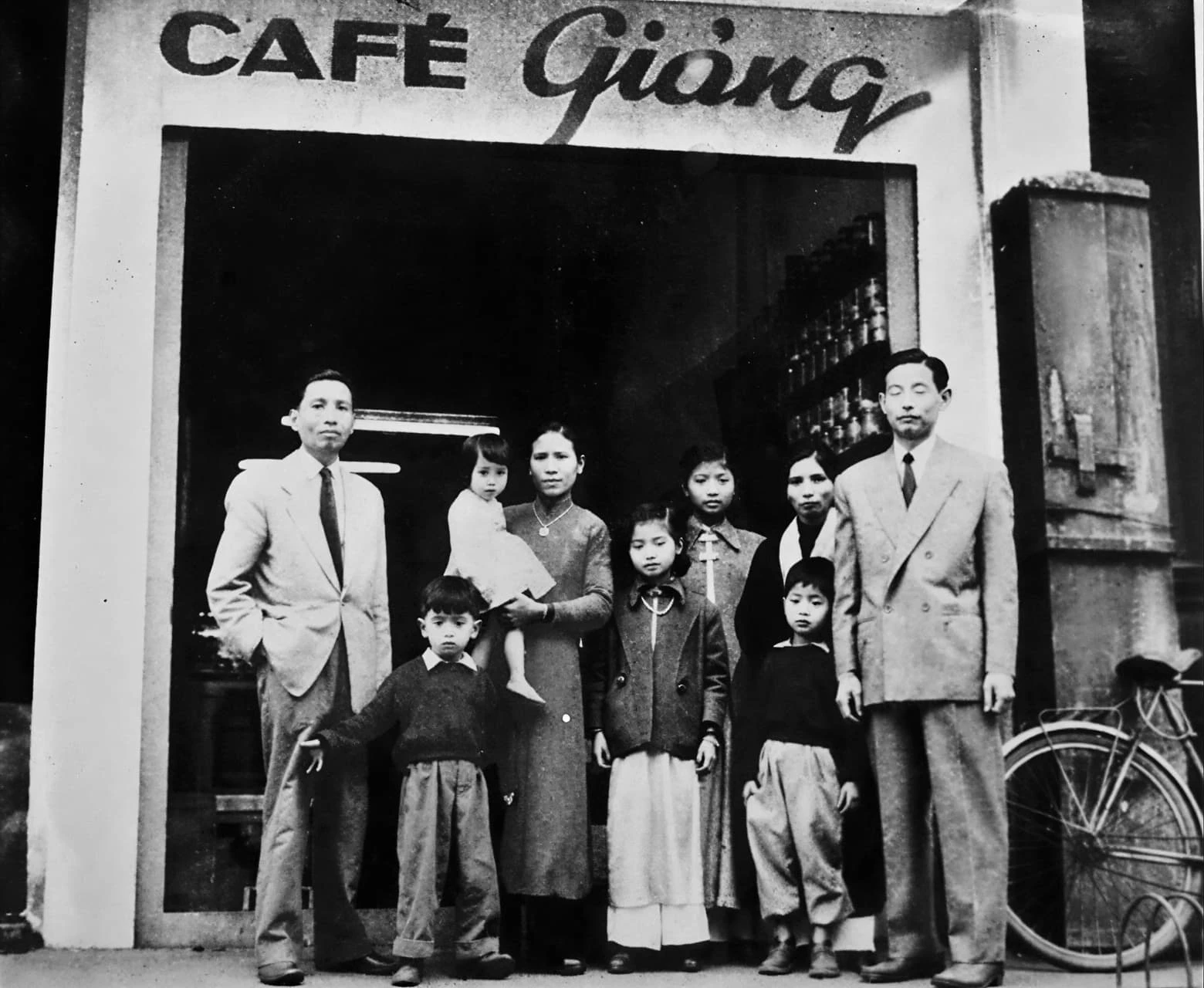
The founder's family outside Cafe Giảng. In this rare archival photo, the storefront sign looks almost identical to how it appears today.
According to Tatler Asia, the cafe serves more than 1,500 cups a day, mostly to international tourists. Over the decades, spinoffs have joined the menu: egg coffee with chocolate, matcha, rum, and even egg beer.
Yet the classic recipe remains untouched: coffee, egg yolk, sugar, and condensed milk—no fancy extras, exactly as Giang created it in 1946.
The Drink That Won Over the World
For decades, the Vietnamese specialty remained a local secret—until it hit the international stage.
In February 2019, Hanoi hosted the historic US–North Korea summit. Over three days, the international press center served around 3,000 cups of Cafe Giảng's egg coffee to journalists covering the talks between Donald Trump and Kim Jong Un. 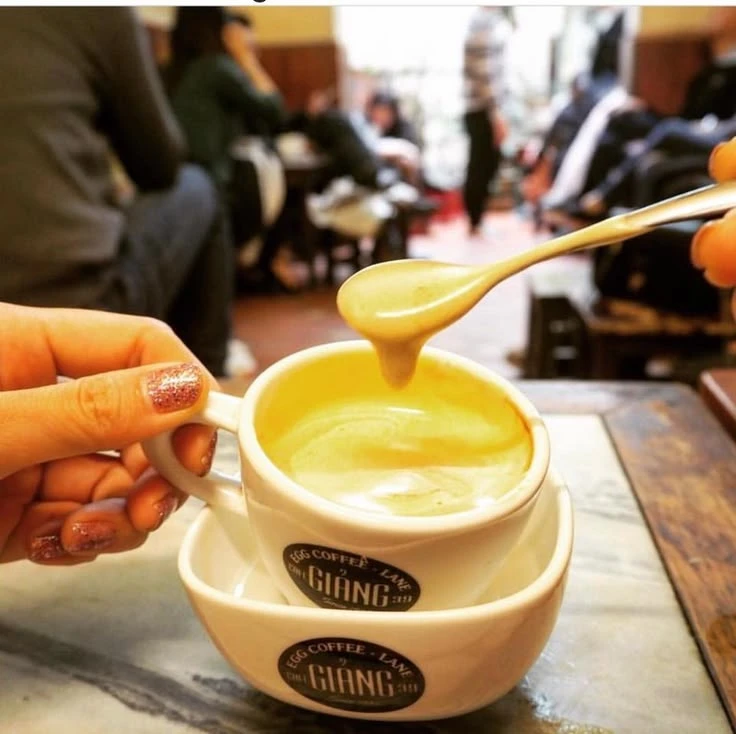
In 2019, Cafe Giảng served nearly 3,000 cups of coffee to journalists covering the Trump–Kim summit.
Coverage of the unusual brew quickly spread worldwide. Foreign travelers who used to come to Hanoi just for street food began seeking out egg coffee cafes specifically.
How It's Made and What It Tastes Like
The base is strong Vietnamese robusta coffee brewed using a traditional metal drip filter, known as a phin. Vietnam is the world's second-largest coffee producer, and its robusta is prized for its punchy strength and signature bitterness.
The top layer is a thick, whipped foam: egg yolk, sugar, and condensed milk beaten until soft and velvety. The cup is often set in a bowl of hot water to keep it warm. Texture-wise, it feels more like liquid tiramisu than a standard white coffee, and it is meant to be eaten with a spoon rather than gulped down. 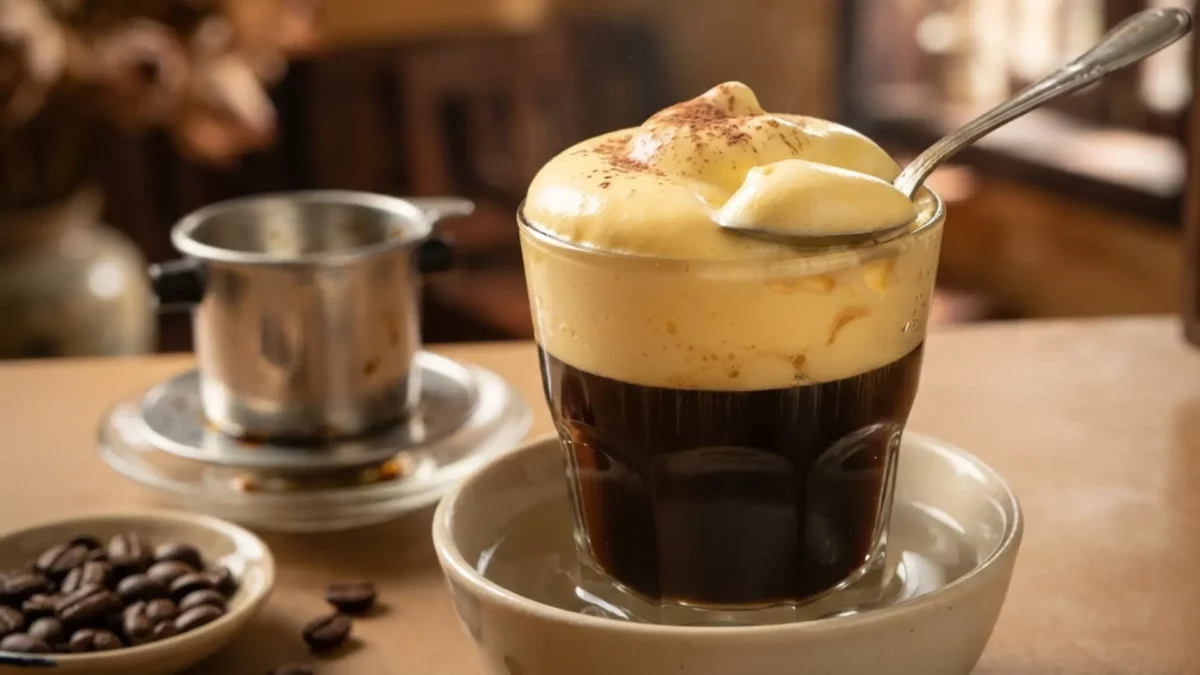
Egg coffee is traditionally eaten with a spoon rather than drunk straight from the cup.
While various shops experiment with additions like butter, cheese, or spices, the original remains simple: coffee, egg yolk, sugar, and condensed milk.
Are Raw Egg Yolks Safe?
The main concern first-timers have is whether consuming raw egg yolk poses a health risk.
There is an inherent risk: Salmonella can contaminate eggs if the shell is damaged. The only foolproof way to eliminate the risk is heat treatment, which the egg yolk in this drink doesn't undergo. 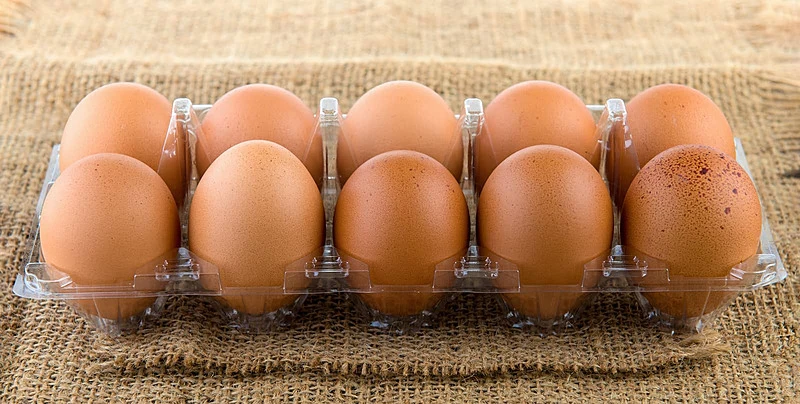
Pasteurization reduces the risk of infection without ruining the texture of the yolk.
Some cafes now use pasteurized eggs heated to around 60°C (140°F), which keeps the yolk looking raw while making it significantly safer. Pregnant women, children, and immunocompromised individuals should check with the cafe beforehand.
Why a Wartime Invention Survived Eight Decades
The story of egg coffee isn't about a passing trend; it's proof that necessity can inspire true innovation.
A bartender set out to solve a temporary shortage at a hotel and ended up creating an iconic drink that survived a war, became Hanoi's signature tourist attraction, and made international headlines at a historic summit. 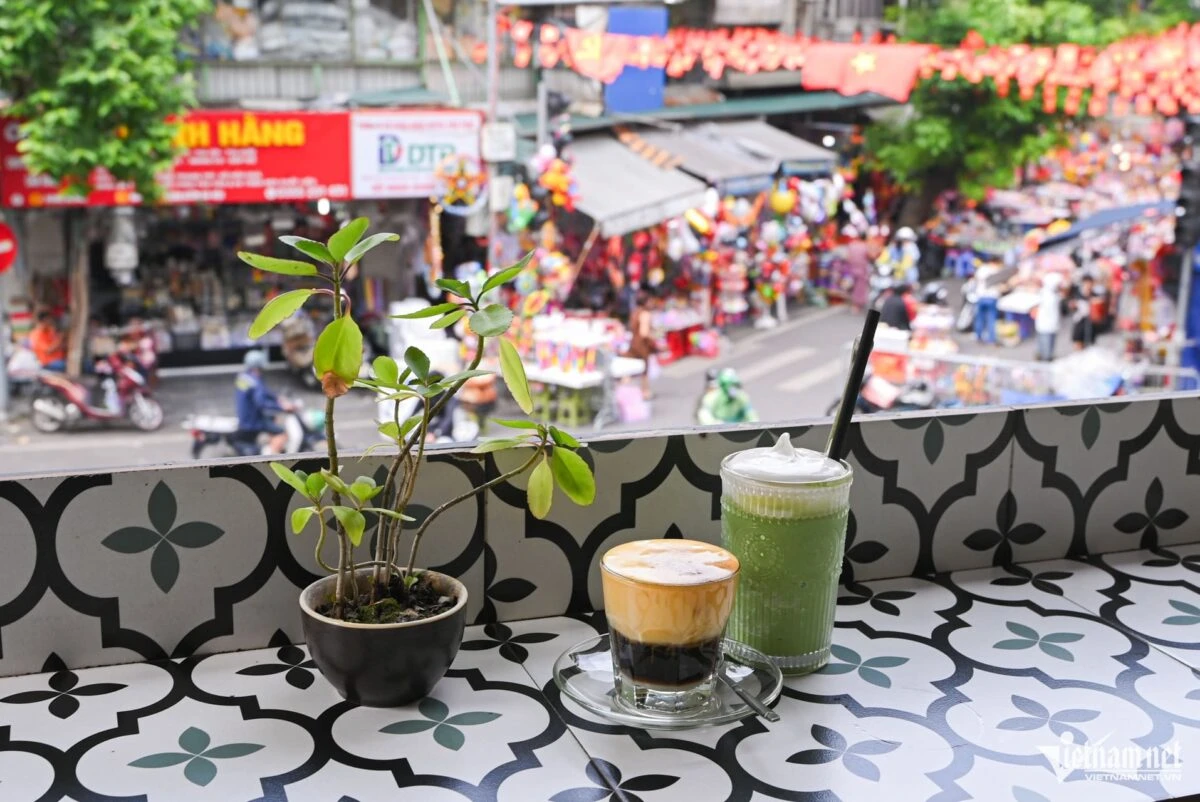
Nearly 80 years later, Nguyen Van Giang's recipe remains unchanged.
Today, you don't have to be in Hanoi to try it—the recipe has spread to cafes worldwide, though the original is still poured in the very neighborhood where it was invented.
A milk shortage gave birth to a legendary dessert coffee. What's your favorite accidental culinary hack?