Inside Cairo’s "Garbage Empire" Dictating Terms to the Egyptian Government (10 Photos)
Cairo and its suburbs are home to nearly 25 million people, making the Egyptian capital comparable in scale to small European nations. This sprawling megacity generates an overwhelming amount of waste—enough to bury its streets up to the top floors within months. Yet, the city keeps running thanks to a self-contained "empire" operating within the state. Manshiyat Naser, Cairo's notorious Garbage City, may be the most repulsive neighborhood in the metropolis, but it is just as essential as the financial district. 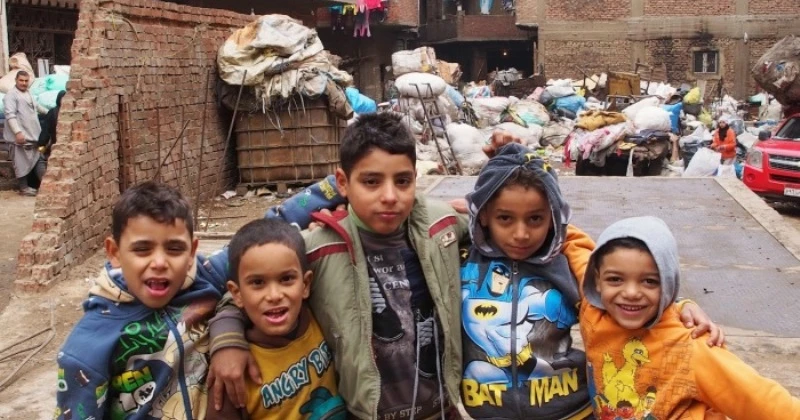
In 1969, the mayor of Cairo ordered all of the capital’s trash collectors to be relocated to a single district. That place was Manshiyat Naser, which quickly became home and workplace to thousands of locals who devoted their lives to waste management. Over the decades, the area continued to expand, and today it houses a densely packed population of 260,000. Nearly all residents of Garbage City are Copts—Egyptian Orthodox Christians. 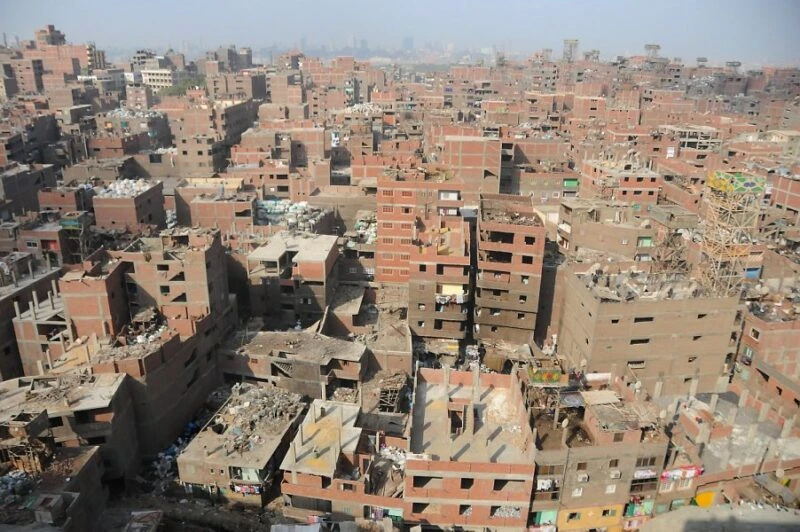
Anyone visiting this part of Cairo for the first time is practically knocked off their feet by an indescribable stench—a nauseating mix of rotting fruit, spoiled food, and decomposing animal carcasses. Locals chuckle at squeamish newcomers, reassuring them that after a couple of hours, you get used to the smell and stop noticing the stench altogether.
The vast majority of Manshiyat Naser's residents share the same trade: they are sorters, known in Arabic as
Zabbaleen
. The term roughly translates to "garbage people," a description that couldn't be more accurate. From birth to death, their entire lives unfold among the metropolis's refuse, which they meticulously pick through, sorting into categories and hunting for valuables hidden in the heap. 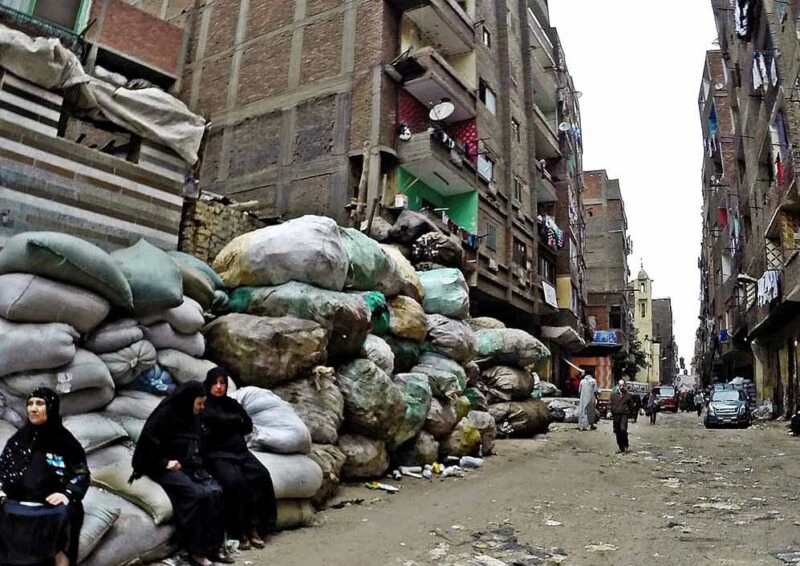
According to the waste pickers, none of them have turned into millionaires, but no one goes hungry either. In short, the landfill provides a steady income that will never dry up. Even during the peak of the COVID-19 pandemic, when Cairo saw widespread business closures and skyrocketing unemployment, the Zabbaleen barely felt the pinch—because people never stop producing trash, and it all inevitably winds up in Manshiyat Naser.
For a small fee, the collectors pick up waste directly from households across the megacity and haul it back to their pungent neighborhood. While no official records track the volume of refuse moving through their hands, experts estimate it at no less than 200,000 tons every month. Mountains of trash arrive on carts, wheelbarrows, and trucks, though most often it is simply carried in heavy sacks slung over workers' backs. 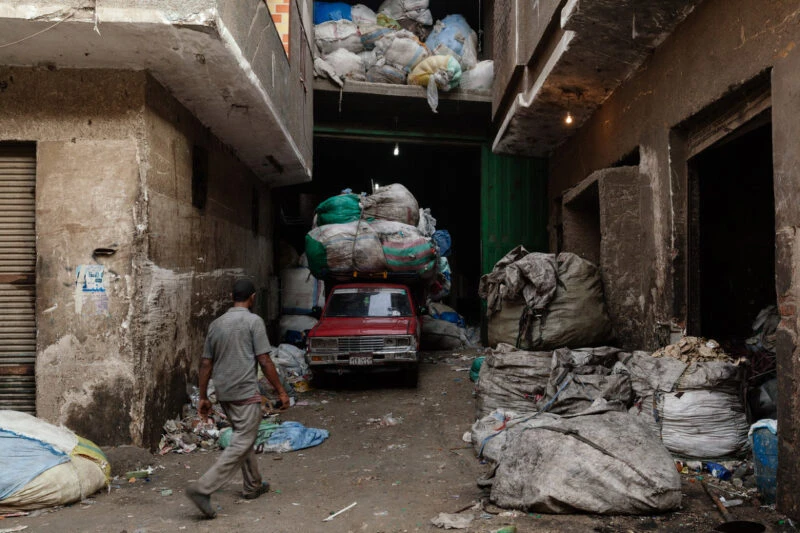
Once brought in, the trash is thoroughly sorted. Food scraps are set aside to feed livestock, while recyclable non-food waste—glass, rubber, paper, metals, and electronic components—is extracted and sent for recycling. Whatever is left over is either burned or discarded right on the spot. The district's streets and sidewalks are buried under a dense layer of trash trampled down by feet, tires, and hooves, while thick, toxic dust hangs heavily in the foul air.
Despite Manshiyat Naser being a concrete jungle, it is teeming with livestock. Herds of cows, goats, sheep, pigs, and poultry graze between the unsightly brick buildings. The Zabbaleen build their homes in a distinct fashion, adding story upon story—ranging anywhere from two to ten floors high. 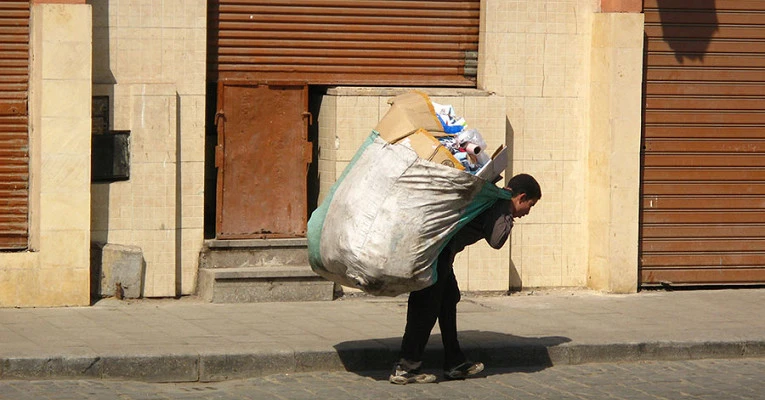
The ground level serves as a workshop where tons of waste are sorted daily. The upper floors house the owners and their families, storage space for salvaged goods, as well as makeshift chicken coops, cow sheds, and sheep pens. In Manshiyat Naser, no one bats an eye at goats and sheep grazing on a seventh- or eighth-floor balcony. Pigeons are also wildly popular—locals relish them as a delicacy, and neighborhood eateries serve them stuffed with boiled rice.
Specks of trash, soot, and dust coat everything. Grime floats in the air, settles on skin and lungs, and dusts the pastries sitting in local cafes. Yet no one seems bothered—the Zabbaleen have lived like this for generations and appear completely unfazed by the appalling lack of sanitation. 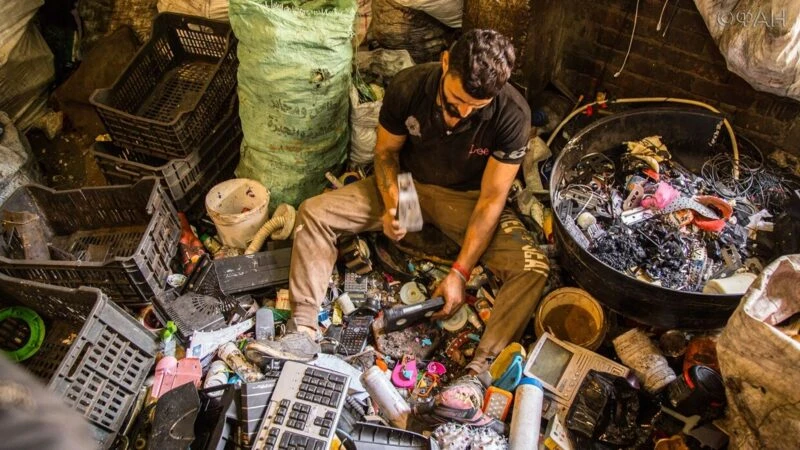
Local wits joke that even flies die off from the stench and filth here—and that might not be far from the truth. Oddly enough, despite the piles of rotting waste, flies are remarkably rare. The sorters also claim that COVID-19 never gained a foothold in their neighborhood, insisting that viruses simply cannot survive in such extreme conditions.
The Zabbaleen sort waste into 15 distinct categories, with men, women, and teenagers all taking part in the painstaking labor. Content with their lot, residents rarely consider changing professions or moving away, even after accumulating decent wealth. It is also a deeply religious community; several Coptic churches stand in the neighborhood, and street walls are adorned with images of Jesus and the Virgin Mary. 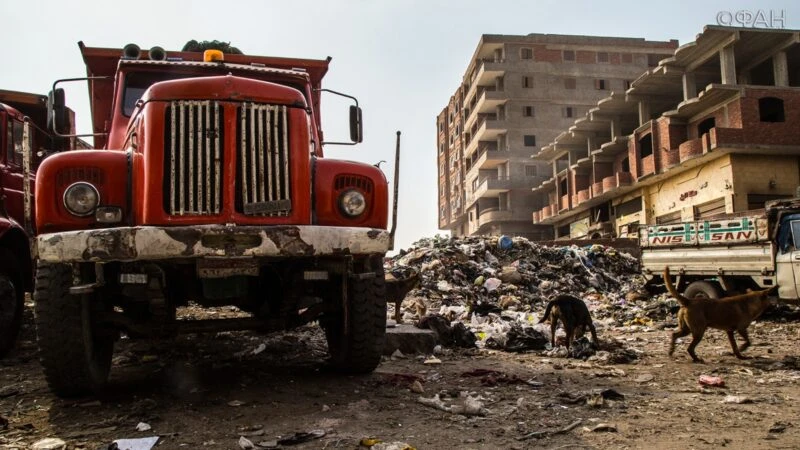
So why do Cairo’s garbage collectors endure such grim conditions? A sorter in Manshiyat Naser earns around 6,000 Egyptian pounds a month—a respectable wage in a country struggling with poverty. On top of fees earned from collection and selling recyclables, residents often enjoy unexpected "perks."
These perks come in the form of valuables discarded by accident—or in anger. Wads of cash, designer clothing with tags still attached, luxury watches, and fine jewelry frequently turn up in the heaps. One collector named Ibrahim casually explained the source of these windfalls to reporters:
"A husband gets into a fight with his wife and throws her gold into the trash. In our line of work, we really appreciate hot-headed people." 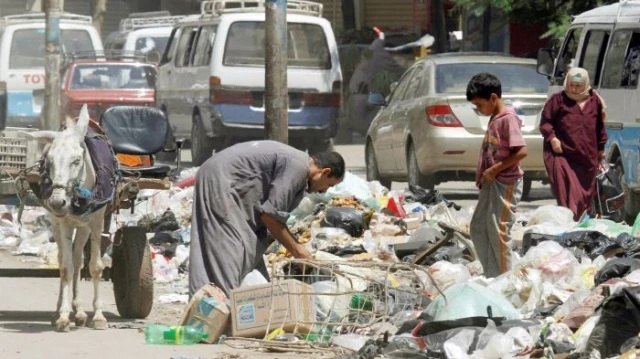
The daily lives of the Zabbaleen are rarely documented in detail; the locals dislike cameras and are reluctant to share details about their lifestyle. Spotting a tourist or journalist with a camera can even spark hostility—most sorters resent being gawked at or photographed like exotic zoo animals.
City authorities have repeatedly tried to bring order to the district—cleaning up streets and alleyways, upgrading utilities, registering local businesses, levying taxes, and setting official waste management fees. There are also plans to equip the neighborhood with modern waste-incinerating facilities. 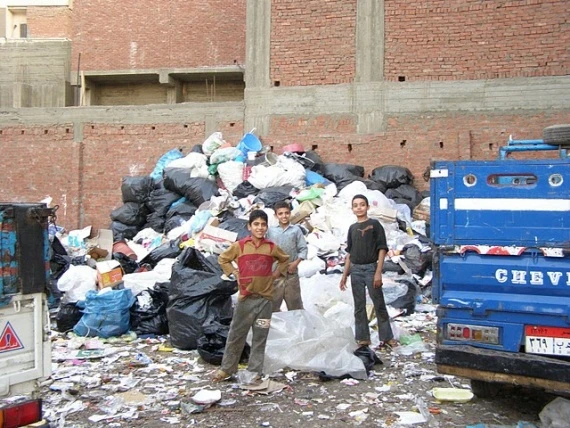
However, every municipal reform faces fierce pushback from the collectors. Should the government tighten regulations or attempt to intervene in their way of life, the "Garbage Empire" threatens to strike back. To do so, they wouldn't have to lift a finger—literally. If the Zabbaleen were to lay down their tools and stop their unglamorous yet vital work, Cairo would drown in its own refuse overnight.
A powerful "trash mafia" calls the shots here, and police prefer to stay clear of the neighborhood unless absolutely necessary. Outsiders attempting to set up shop without permission are routinely beaten and unceremoniously dumped outside Manshiyat Naser. 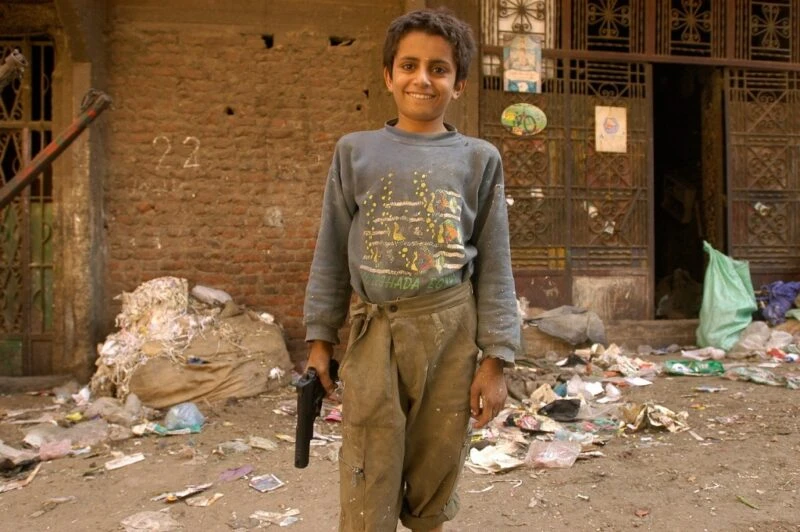
Whispers persist that Cairo's criminal syndicates used to enlist the Zabbaleen to make unwanted bodies disappear without a trace. Murder victims were buried under mountains of garbage, never to be seen again. No one can say for sure how many bodies lie hidden among the piles, and asking the locals will only elicit deflective jokes—no one wants their home treated as a mob graveyard, even if that home is a dumpsite.
A trash mafia dictating terms to city officials is hardly unique to Cairo. Organized crime syndicates in the United States carved out a stronghold in the waste management sector long ago, leveraging threats of garbage strikes to manipulate local authorities for decades.