Why Unripe Fruit Keeps Ripening After Being Picked (4 photos)
It’s common knowledge that fruit is often harvested before it fully ripens. There are plenty of reasons for this—from needing to ship produce across long distances to dodging uncooperative weather. Luckily, this isn't a problem, as most fruits ripen just fine after being picked. Let's take a closer look at how this happens. 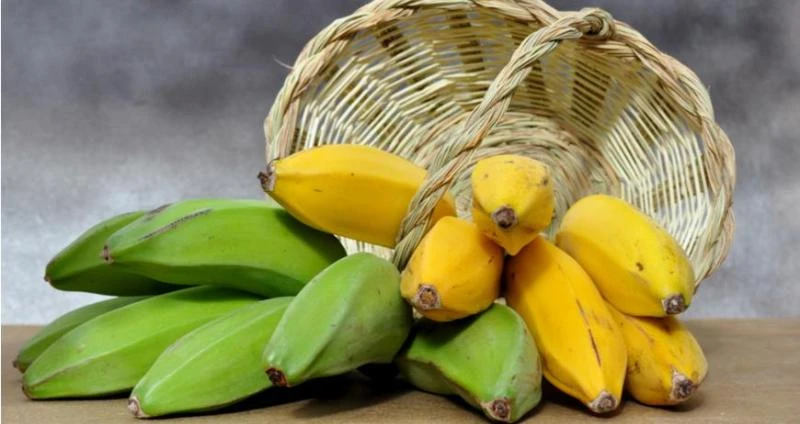
How It Works
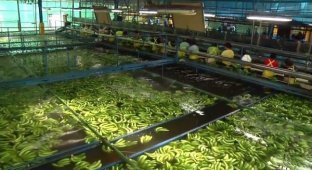
Fruit harvested while still green ends up just as tasty and nutritious once ripe as fruit left to mature naturally. Tomatoes and bananas are great examples, often left to finish ripening wrapped in newspaper in a dark spot. In commercial settings, bananas are frequently brought to peak condition in specialized "gassing chambers" that speed up the process. 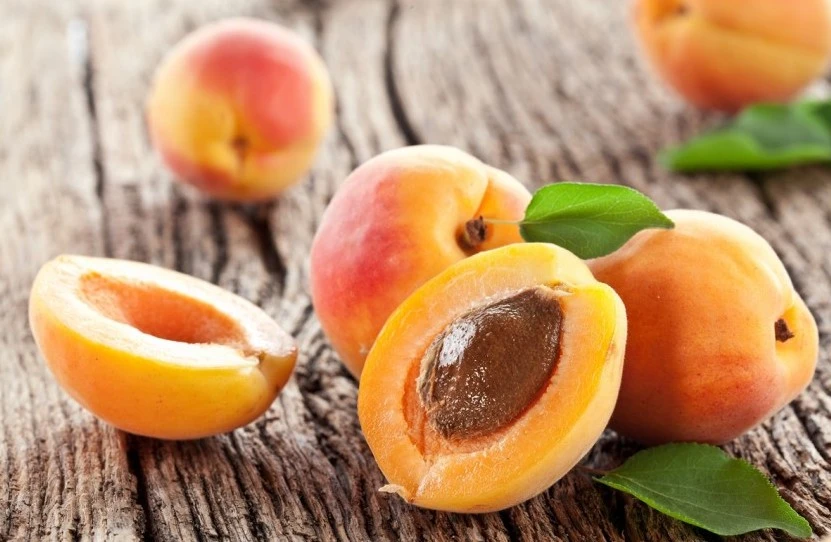
Fruit ripens thanks to ethylene—a gaseous plant hormone produced right inside the fruit itself. Scientists often call it the "ripening hormone." Ethylene accelerates metabolic processes, helping the fruit develop its natural color, juiciness, and signature flavor.
This ripening mechanism was first studied in the last century by Soviet scientist Dmitry Nelyubov, who discovered ethylene and explained its effects on fruit. The hormone continues to be released even after the fruit is picked. In fact, picked fruit often ripens much faster due to a lack of moisture, which normally slows ethylene down.
Do All Fruits Ripen After Being Picked?
Unfortunately, not all fruits have the ability to ripen off the plant. Apples, mangoes, bananas, avocados, pears, and apricots respond exceptionally well to the "ripening hormone." They emit enough ethylene to ripen not only themselves, but also other produce nearby. That’s why it's recommended to store ethylene-sensitive fruits that don't produce much ethylene of their own—like quinces, persimmons, plums, and pineapples—next to ripening bananas. 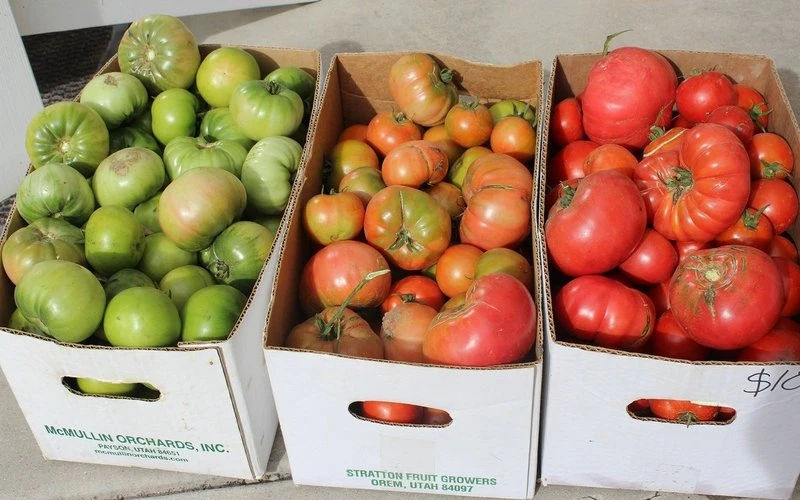
On the other hand, picking pomegranates, figs, or grapes while green and placing them next to ethylene powerhouses won't work. These fruits must stay on the vine or branch to mature, as they rely on a constant stream of water and nutrients from the plant. If picked early, they won't ripen—they will simply age and spoil.
Keep in mind that effective off-branch ripening requires the right conditions. Fruit should be placed in covered cardboard boxes or wooden crates in a dry, dark place. Ambient temperatures should be kept at around 20–22°C (68–72°F).
Optimal temperature is crucial: if it gets too hot, ethylene is released too quickly, causing the fruit to become mushy with soft, wrinkled skin. Direct sunlight has a similarly negative effect—UV rays cause dark spots on the skin, ruining the produce's appearance. 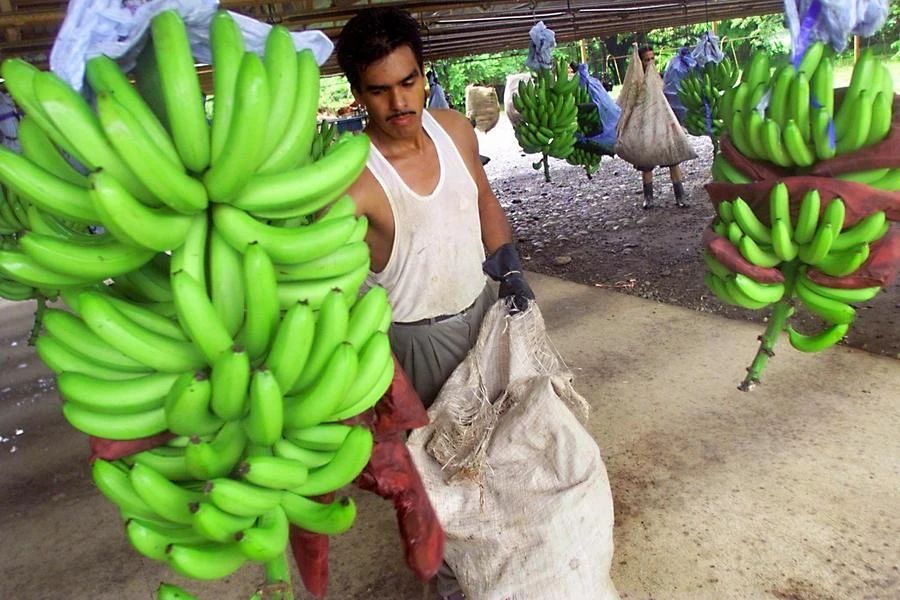
The worst thing you can do to unripe fruit is seal it in plastic. Condensation building up in an unventilated space will cause the fruit to rot within days. On an industrial scale, producers don't wait for bananas or apricots to slowly ripen in boxes. Instead, produce is placed in specialized chambers supplied with synthetic ethylene gas. In fact, nearly all the winter fruit you see on supermarket shelves has undergone this exact treatment.