Mosquitoes Have Been Around for 226 Million Years. Humans Have Fought Them for 300,000—and We're Still Losing (11 photos)
Mosquitoes have roamed the Earth for 226 million years. Homo sapiens emerged roughly 300,000 years ago and has been at war with the insects ever since. Over all this time, humanity has changed its weapons a dozen times—from smoldering branches to genetically modified specimens. Yet the score remains stacked against us. Today, on World Mosquito Day, celebrated on August 20, we look back at how this war unfolded. 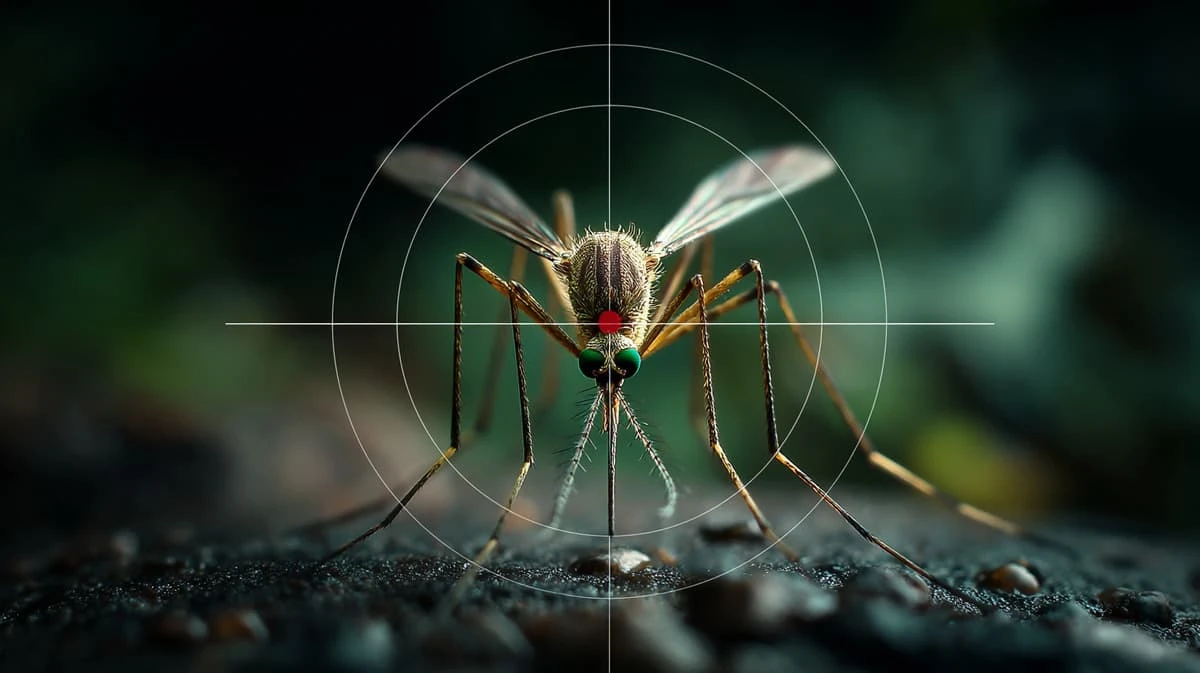
Smoke, Clay, and Camel Urine: The Ancient Arsenal
Fire was the first and most obvious weapon—or more precisely, smoke. Even before humans had permanent shelter, they noticed that thick smoke from a campfire kept the bloodsuckers at bay. Native Americans and indigenous peoples of Siberia took it a step further, smearing exposed skin with clay. Once dried into a crust, it made bites impossible. 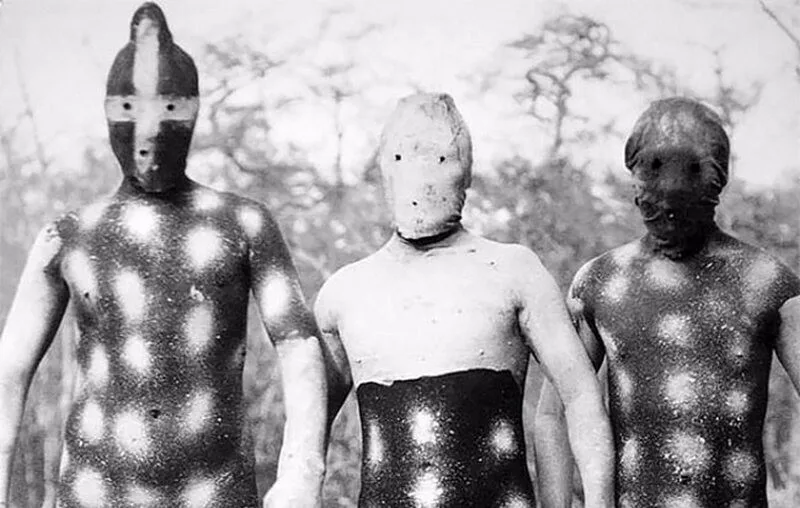
Native Americans knew that clay repelled mosquitoes just as effectively as modern chemicals
Across the globe, civilizations arrived at similar solutions independently. The Greeks rubbed their bodies with mint, clove, and laurel oils. In the Middle East, camel urine was used—its pungent stench deterred insects far better than any perfume. In Egypt, where the Nile Valley swarmed with mosquitoes, the nobility slept under fine linen canopies—effectively creating history's first mosquito nets. 
Linen canopies used by Egyptian nobility were the precursors to modern mosquito nets—a simple solution discovered thousands of years ago
Even then, ancients intuitively sensed a connection between mosquitoes and disease. The word
malaria
literally translates from Italian as "bad air"—
mala aria
. Swamp air was believed to be the culprit behind the fever, rather than the blood-sucking insect. The true mechanism remained a mystery for centuries, but the advice to "stay away from the swamps" held true. It worked—even if for the wrong reason.
The 19th Century: Unmasking the Real Culprit
The breakthrough came on August 20, 1897. In Secunderabad, British military surgeon Ronald Ross dissected the stomach of a mosquito that had fed on a malaria patient and discovered the malaria parasite—
Plasmodium
. This landmark discovery inspired World Mosquito Day. In 1902, Ross was awarded the Nobel Prize in Physiology or Medicine for his work. 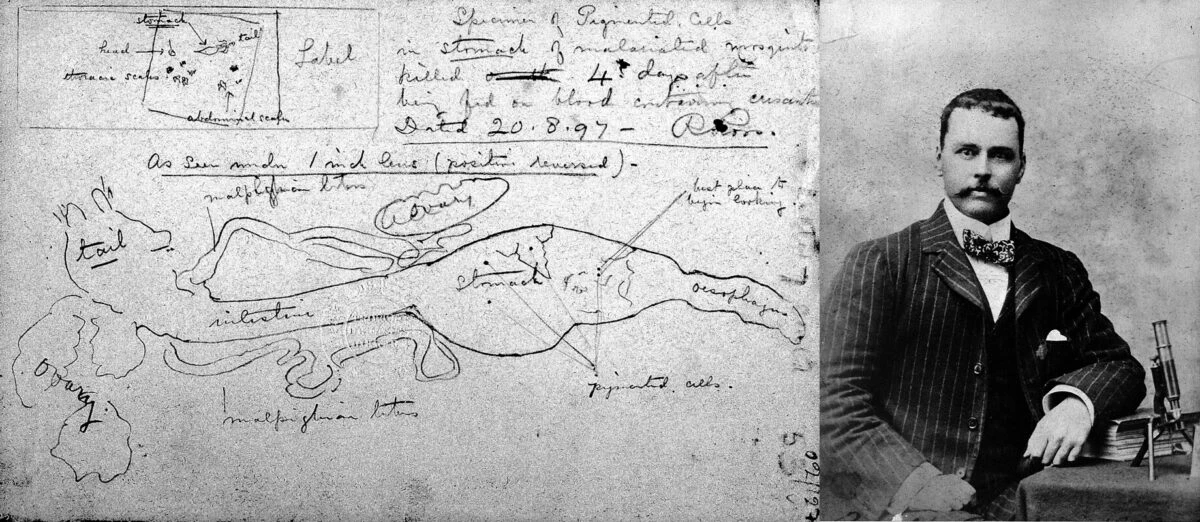
A page from Ross's notebook dated August 20, 1897—the historic sketch of Plasmodium in a mosquito's gut that changed medical history
Now it was clear: it wasn't the air carrying the disease, but the insect. This changed everything. Draining swamps shifted from a mere sanitation measure into targeted warfare against the vector. Europe launched large-scale land reclamation projects. Quinine, harvested from the bark of the cinchona tree, had been used to treat malaria since the 17th century, but its administration was now standardized. 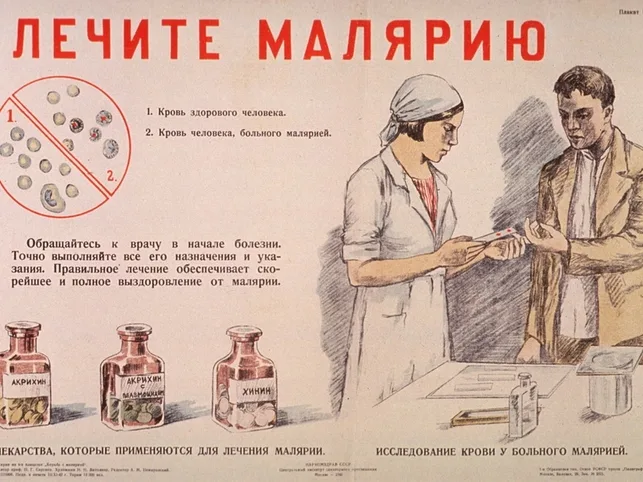
A Soviet poster served as a stark reminder: malaria wasn't an exotic tropical threat, but a reality for millions
The scale of the problem at the time was staggering. In 1923, Moscow alone reported around 150,000 cases of malaria. Not in the tropics—in Moscow. Mosquitoes were everywhere, and the disease showed no regard for latitude.
DDT: Triumph and Tragedy in a Bottle
In September 1939, Swiss chemist Paul Müller—after four years of work and 349 failed experiments—finally placed a crystalline powder into a cage of flies. The flies dropped dead. Thus, he discovered DDT (dichlorodiphenyltrichloroethane). Nine years later, in 1948, Müller was awarded the Nobel Prize for his breakthrough.
The US military immediately adopted the chemical. During World War II, soldiers stationed in the Pacific theater had their shirts treated with DDT before deployments. In the jungle, malaria was just as lethal as enemy fire. In 1943, DDT halted a typhus outbreak in Naples within three weeks—a feat unprecedented in medical history. 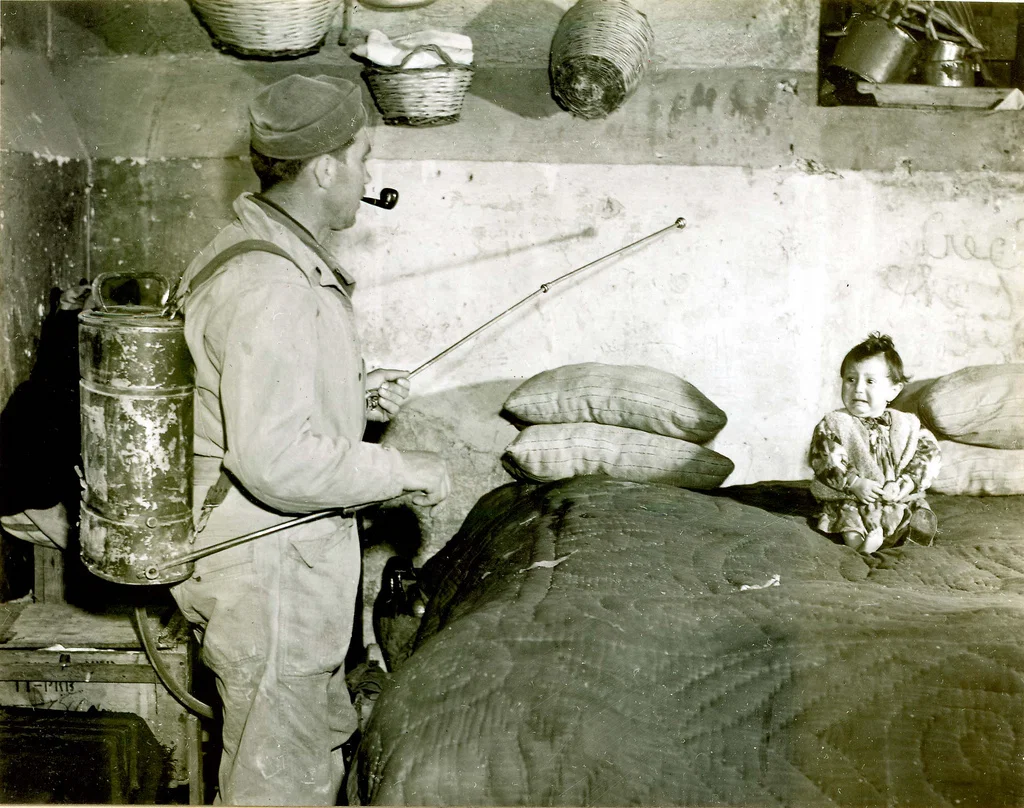
Italy, 1945: Spraying walls with DDT solution—at the time, it seemed the enemy had been defeated for good
In 1955, the WHO launched the Global Malaria Eradication Programme. The strategy was straightforward: spray the interior walls of homes in malaria-endemic zones twice a year to break the parasite's transmission cycle. The results were dramatic. Malaria was eradicated across Europe, North Africa, Taiwan, and the Caribbean. In Italy, the disease vanished within a few years. In India, annual cases plummeted from 100 million in 1952 to near zero by the early 1960s.
However, the story didn't end there. In 1962, American biologist Rachel Carson published
Silent Spring
. She revealed that DDT accumulated in animal tissues, traveled up the food chain, and thinned the eggshells of birds of prey. Eagle and pelican populations crashed. Public opinion shifted sharply, prompting country after country to ban the chemical. 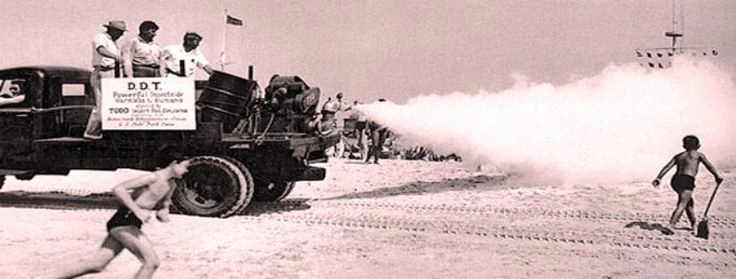
New York, 1945: DDT sprayed on a beach like air freshener.
Silent Spring
was still 17 years away
The paradox became starkly clear later. South Africa phased out DDT in 1996 under pressure from international organizations. By 2000, malaria cases in the KwaZulu-Natal province surged from 8,500 to 42,000, while deaths rose from 22 to 320. DDT was reinstated, and malaria retreated once again. In 2006, the WHO officially endorsed indoor residual spraying of DDT in areas where no suitable alternatives exist.
DEET: Military-Grade Chemistry in Every Pocket
While the battle over DDT raged, the US military was quietly synthesizing another weapon. In 1946, researchers at the USDA developed DEET (diethyltoluamide). It was engineered specifically for troops fighting in the jungles of Southeast Asia. Existing repellents lasted no more than two hours; the military needed protection that endured for ten.
In 1957, the compound reached the civilian market. In the Soviet Union, it gained fame as "DETA" paste in iconic aluminum tubes—a rare Soviet product that shared both its formula and name with its Western counterpart. Over the decades, DEET has been applied to human skin over eight billion times. 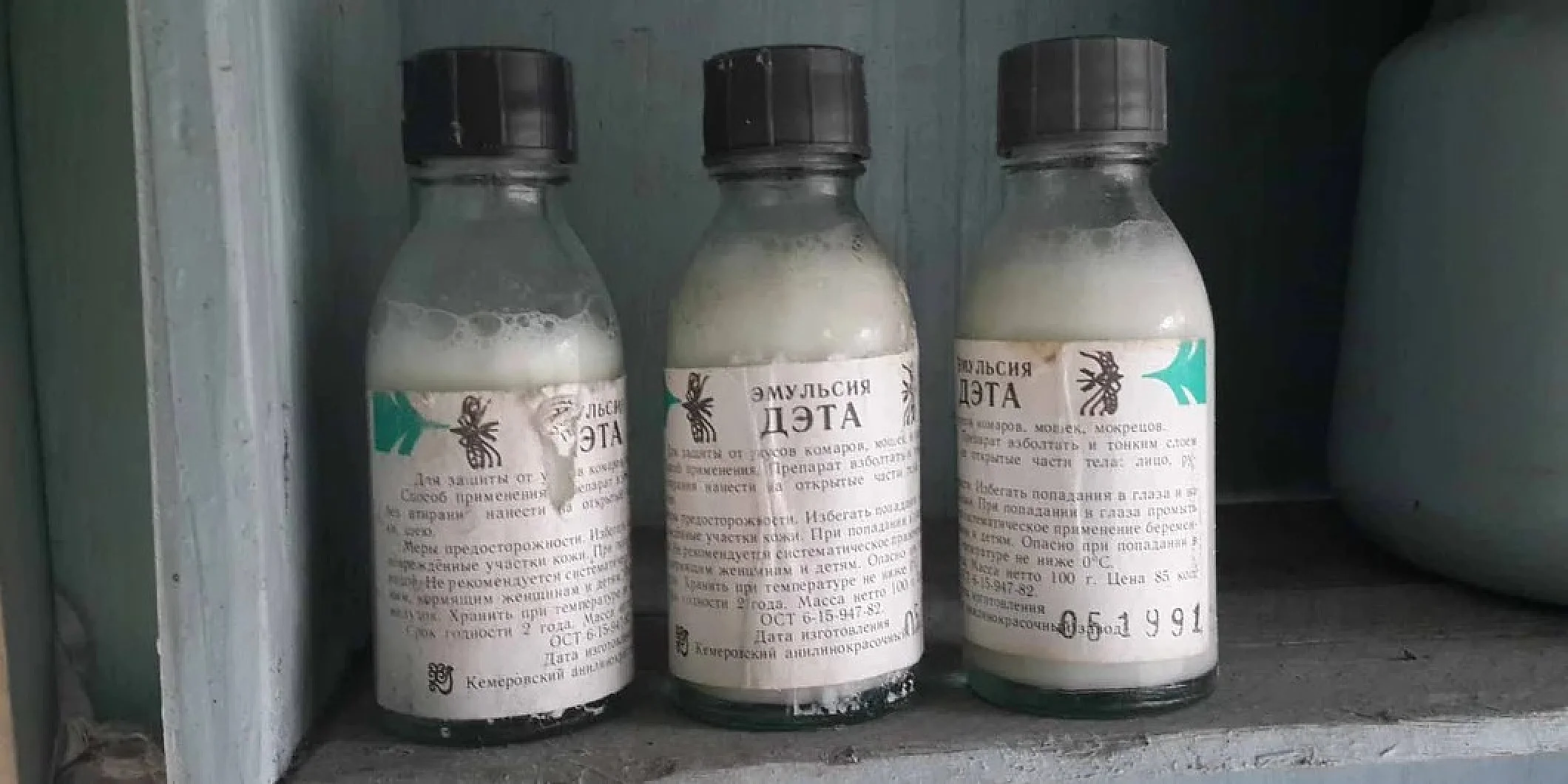
"DETA" became a symbol of Soviet summers—and one of the few truly effective insect repellents of its time
DEET doesn't kill mosquitoes. Instead, it renders humans invisible to them by jamming the olfactory receptors insects use to detect sweat and exhaled carbon dioxide. To a mosquito, a DEET-covered human simply isn't there. Nearly 80 years after its creation, DEET remains the most thoroughly studied and effective repellent on Earth, with no true successor in sight.
The Future of the War: Sterile Males, Bacteria, and Genetic Engineering
By the late 20th century, chemical warfare was losing ground. Mosquitoes developed resistance to insecticides, while global warming steadily expanded their habitats. Humanity needed fundamentally new tactics.
One such approach is the Sterile Insect Technique (SIT). Male mosquitoes are irradiated or infected with
Wolbachia
bacteria, causing their offspring to die before reaching maturity. When released en masse into the wild, they mate with wild females, driving down the overall population over time. The method is environmentally safe, releasing nothing into the wild except the insects themselves. 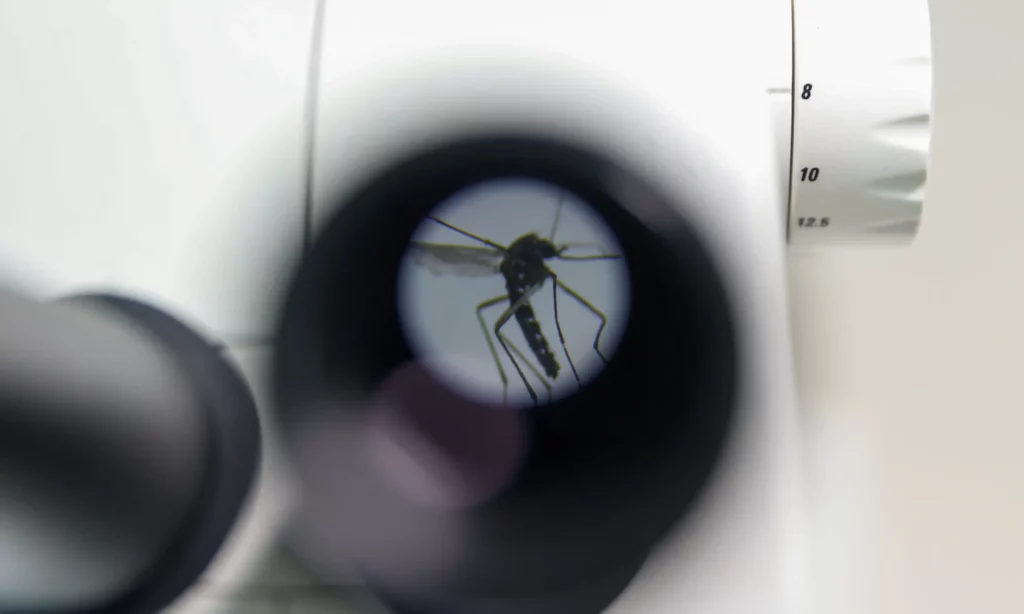
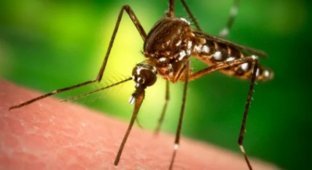
An Asian tiger mosquito under the microscope—a primary vector for dengue fever and the Zika virus
British biotech firm Oxitec took a more radical path. Scientists engineered male
Aedes aegypti
mosquitoes—the principal carriers of dengue and Zika—with a gene lethal to female offspring. When released males mate with wild females, their female larvae die before reaching adulthood. Field trials in the Cayman Islands, Malaysia, and Brazil yielded staggering results, crushing local
Aedes aegypti
populations by over 90%. In 2016, Brazil approved the technology for widespread use.
The
Wolbachia
bacterium operates differently. Mosquitoes carrying
Wolbachia
are unable to efficiently transmit dengue and Zika viruses, as the bacteria outcompetes the pathogens inside the insect. The World Mosquito Program has released
Wolbachia
-infected mosquitoes across Indonesia, Australia, and Brazil. In Yogyakarta, Indonesia, dengue incidence dropped by 77% over three years. 
The World Mosquito Program releases Wolbachia-infected mosquitoes in several countries. In Yogyakarta, Indonesia, the initiative reduced dengue incidence by 77%
Then there are more futuristic ideas. In the early 2010s, US researchers tested a laser system designed to shoot down mosquitoes in mid-air by recognizing their wing-beat frequency. The project never made it out of the lab—it was far too expensive and slow for practical deployment. Yet the concept highlighted just how far humanity is willing to go in this conflict.
A War Without a Winner
Two hundred and twenty-six million years of evolution are a formidable defense. Mosquitoes survived the dinosaurs, multiple ice ages, and every human attempt to eradicate them. Every time humanity thought it had won, the insect adapted. DDT resistance began emerging as early as the 1950s—barely a decade after its widespread adoption.
Today, malaria claims roughly 600,000 lives each year. Almost all deaths occur in Africa, and the vast majority of victims are children under five. Meanwhile, climate change is pushing
Aedes aegypti
further north. Twenty years ago, this mosquito was absent from many US states. Today, it is firmly established, and its territory continues to expand. 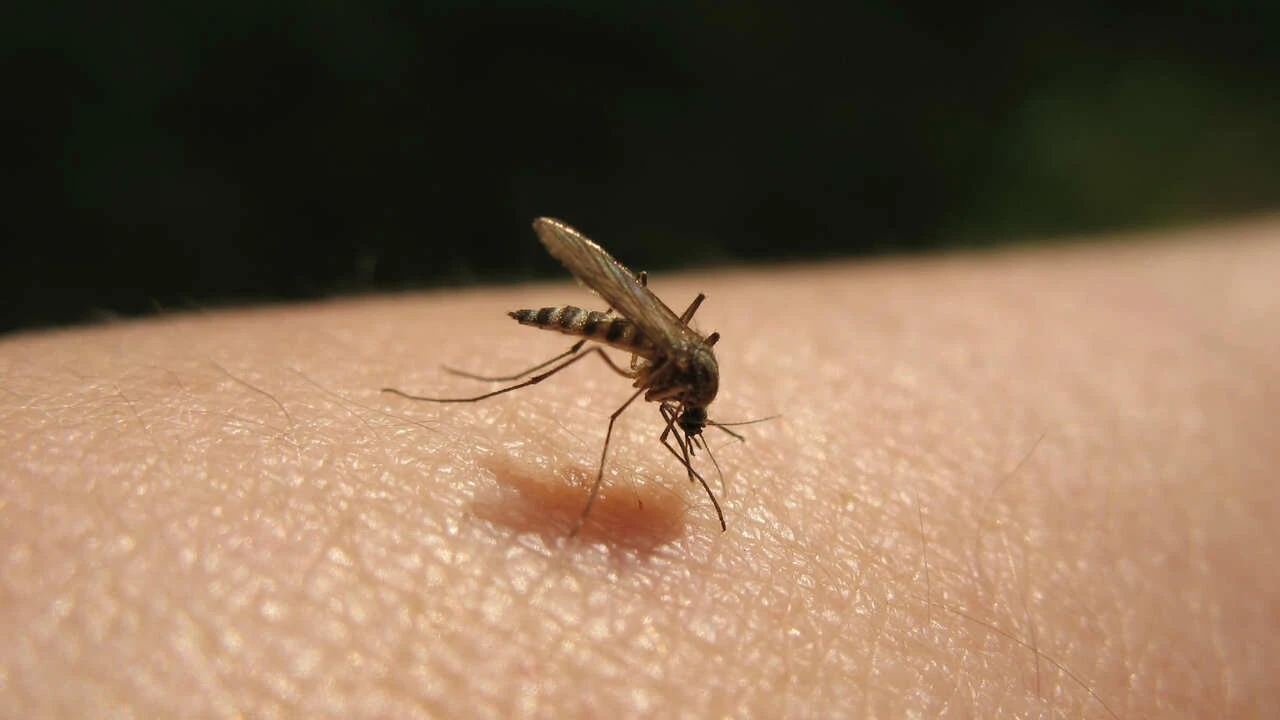
226 million years of evolution against human ingenuity—and the score is still stacked against us
Yet humanity's arsenal is also expanding. Genetically modified insects,
Wolbachia
, and sterile male releases are tools that didn't exist thirty years ago. In 226 million years, mosquitoes have never faced an adversary capable of rewriting their DNA. How this clash will ultimately end remains anyone's guess.
Incidentally, it was on August 20, 1897, that Ronald Ross first identified
Plasmodium
in a mosquito. He proposed commemorating the day as a reminder of just how formidable an enemy this creature is—one far too easily dismissed as a mere nuisance.
The mosquito is the single deadliest creature on Earth, killing more people each year through its bites than all wars and natural disasters combined. According to the WHO, mosquito-borne diseases include malaria, dengue, yellow fever, Zika, chikungunya, and dozens of other infections.
Do you use insect repellent, or do you prefer to brave it without?
Sex, Malaria, and Money: How 75,000 Workers Built the Panama Canal—and How It Ended for France
Bill Gates Donates $4 Million to Develop Killer Mosquitoes
The 25 Most Dangerous Insects on the Planet