According to World Health Organization projections, doctors will diagnose 19 million new cancer cases annually by 2025, and 24 million by 2035. Currently, around 14 million cases are diagnosed worldwide each year. Having a family history of cancer also raises the risk for other family members. 
But it’s not all bad news: you can significantly lower your risk of developing cancer. Here is how to do it.
1. Break a Sweat and Work Out
As reported by *Men’s Health*, a study conducted at the University of Vermont confirmed that men who exercise regularly cut their risk of lung cancer by 68 percent and colon cancer by 38 percent—compared, of course, to couch potatoes whose only exercise is clicking the TV remote. 
Although the study focused on men, it is safe to assume that women reap similar health benefits from staying active.
2. Ditch Fried Foods
If you value your health, it’s time to cut back on fried food. Even eating it just once a week can raise the risk of prostate cancer by 37 percent. And while women don't have a prostate, the risks associated with fried foods cooked in hot vegetable oils—which release high levels of carcinogens—apply to everyone. 
What's more, dishes like fried eggs with bacon or lard carry their own health hazards. The same goes for burgers, fries, and other fast food. Italian researchers found that a diet high in fat increases overall cancer risk by 20 percent.
The popular low-carb, high-fat Atkins diet may also raise the risk of breast cancer. Researchers at the National Cancer Institute in Milan found that this risk increases by 28 percent. Meanwhile, British studies show that high saturated fat intake is linked to an elevated risk of colon cancer.
3. Eat Pomegranates
Scientists continue to study the health benefits of pomegranates, and the fruit never ceases to amaze them. Recently, researchers at the University of Wisconsin discovered that pomegranate juice can slow the growth of lung cancer cells. 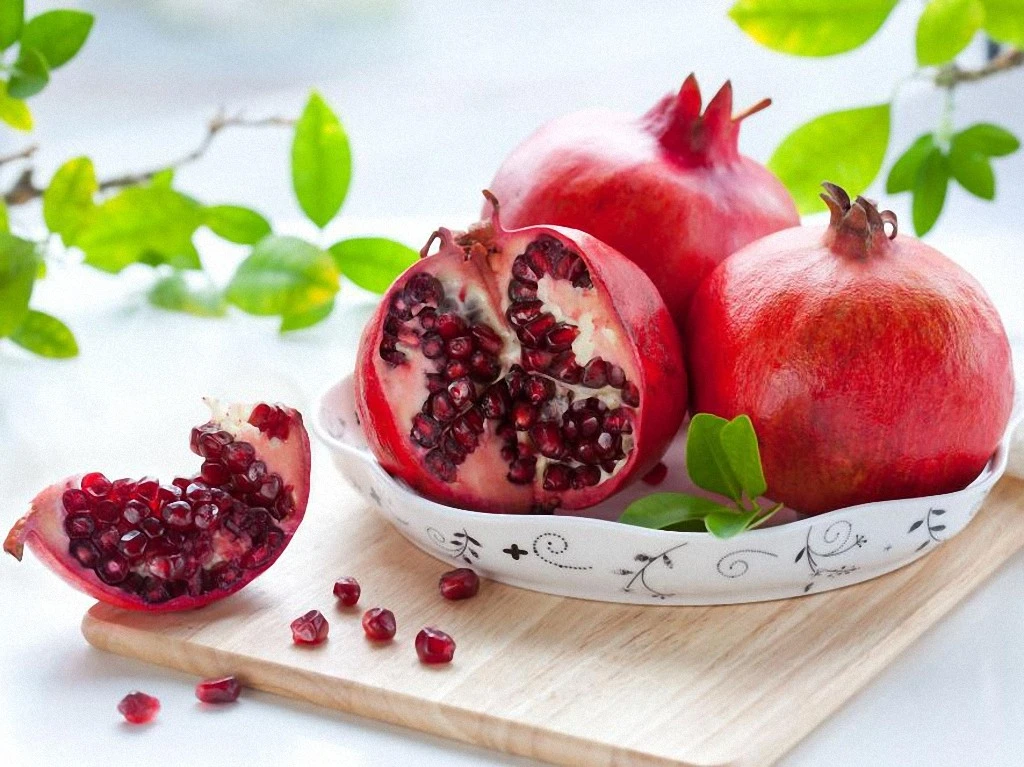
Studies in mice further confirmed that compounds in pomegranate juice help the body fight prostate cancer. What are these beneficial compounds? Primarily polyphenols and isoflavones.
4. Get Screened Early 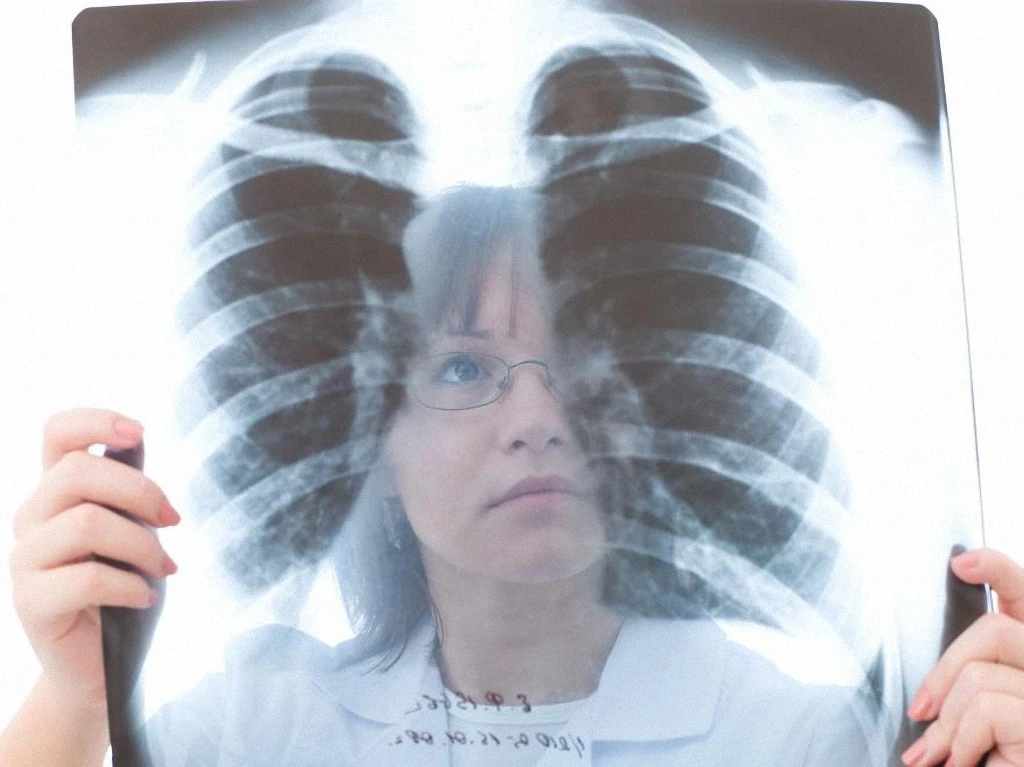
“It is estimated that every second cancer case could be treated successfully with early diagnosis,” says Dr. Christopher Wild, WHO expert and former Director of the International Agency for Research on Cancer (IARC). That is why regular medical checkups are so crucial.
5. Keep Moving 
Have you been sitting in front of a screen for too long? As soon as you finish reading this article, stand up and go for a walk or a jog. Studies by the American Institute for Cancer Research reveal that physical inactivity accounts for more than 90,000 cancer cases every year in the U.S. alone.
6. Load Up on Fruits and Berries 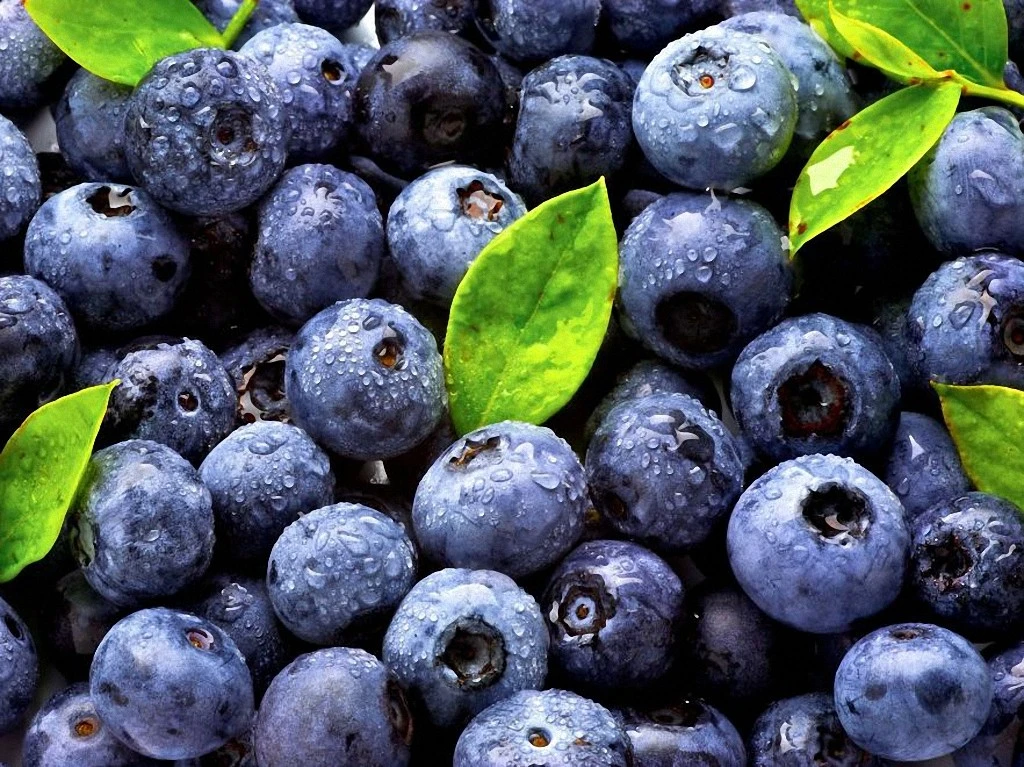
Starting your day with fresh fruit or berries is a great habit. They are packed with antioxidants—compounds that neutralize free radicals and protect the body against cancer cell formation.
7. Address Snoring (If You Snore) 
Believe it or not, even snoring is linked to a higher risk of cancer. How so? Snoring reduces oxygen levels in the body, which can cause benign tumors to grow and turn malignant. If you snore, see a doctor—not only for your own health, but also for the peace and quiet of your household.
8. Sunbathe Responsibly
*The American Journal of Clinical Nutrition* published intriguing findings showing that people who regularly take Vitamin D reduce their risk of developing cancer by up to 77 percent. During the summer, you can swap supplements for nature's best source of Vitamin D: sunlight. 
Just remember to apply sunscreen while soaking up the sun to protect your skin against skin cancer.
9. Eat Nuts
Harvard researchers recommend eating three Brazil nuts a day to meet your body's daily requirement for selenium—one of the most effective natural shields against cancer. 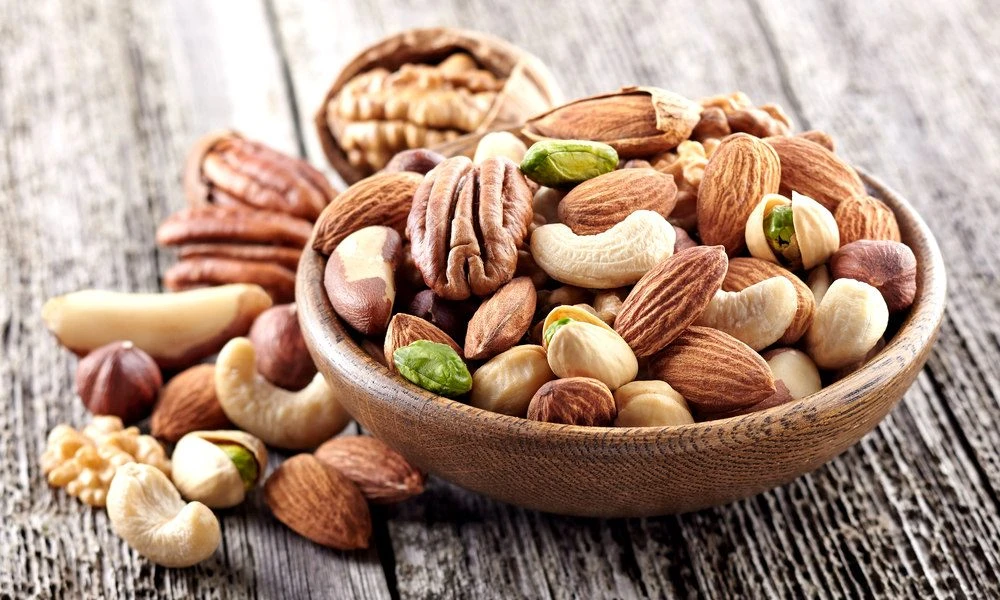
Numerous studies have highlighted selenium’s role in preventing various cancers, including breast, esophageal, stomach, prostate, bladder, and liver cancers. Besides Brazil nuts, selenium can be found in other nuts (as long as they are raw and unsalted) as well as sunflower and pumpkin seeds.
10. Don't Forget Fiber
Add fiber-rich foods to your diet: bran, whole grains, brown rice, whole-wheat bread, berries and fruits (currants, gooseberries, blackberries, raspberries, dried apricots, and prunes), and vegetables (especially Brussels sprouts, beans, cabbage, kohlrabi, broccoli, and green peas). 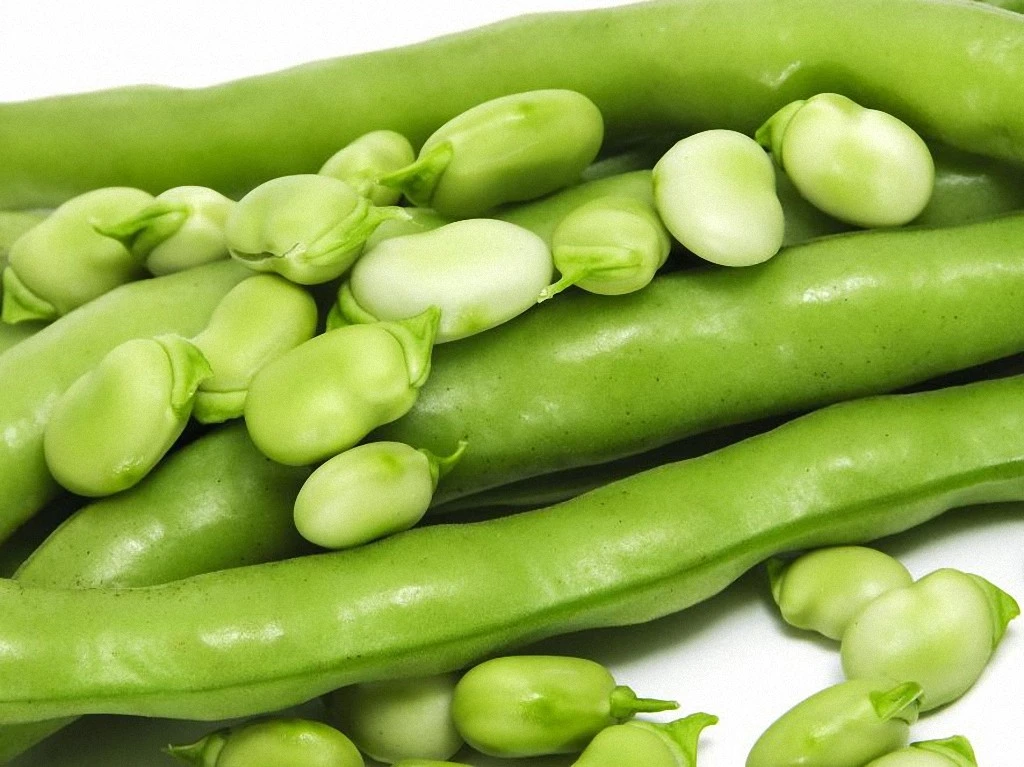
Fiber helps flush toxins out of the body and, as research published in *Clinical Nutrition* confirms, significantly reduces the risk of kidney cancer.
Add your comment
You might be interested in:
















Persistence in achieving a goal

A biker prevented a hit-and-run driver from escaping

Not everyone is having fun on the amusement ride

The cutest lunch delivery ever

A book titled "A Guide to Rebuilding

Young women, Dancing and George Michael: nothing superfluous

An apology delivered with a running start

A steam locomotive for "big boys"

Stunning Views of the Martian Horizon from 400 Kilometers
