We humans are accustomed to considering ourselves incredibly cruel. And we have good reason to believe this: just look at crime reports or list all the armed conflicts. People really do show no mercy to other people. But compared to meerkats, we're mere children, because they kill each other 39 times more often. 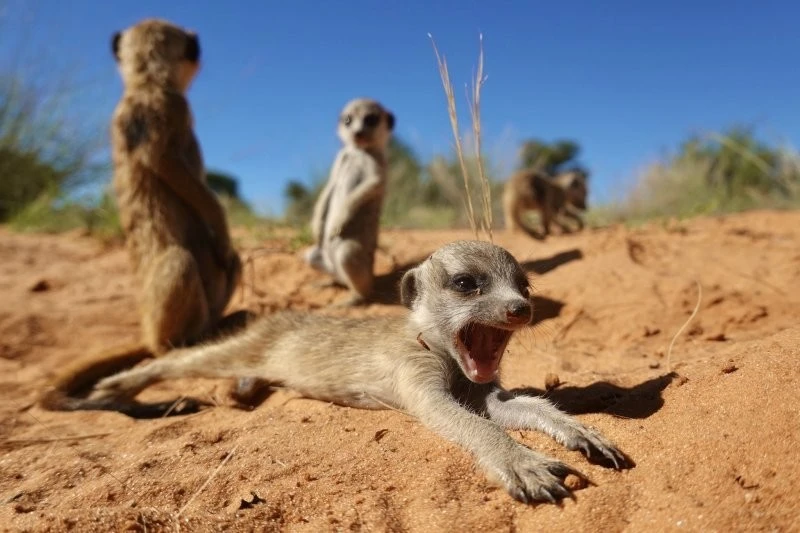
Yes, these funny little dogs weighing less than a kilogram are notorious thugs. True, no one realized it at first. After all, these inhabitants of the South African deserts and prairies always live in large family groups, feed primarily on insects, and share their burrows with ground squirrels and mongooses without a problem. What cruelty? They're the cutest creatures! However, this only seems so at first glance. In fact, violence and cruelty are so woven into the social structure of meerkat colonies that without them, the species simply could not exist. 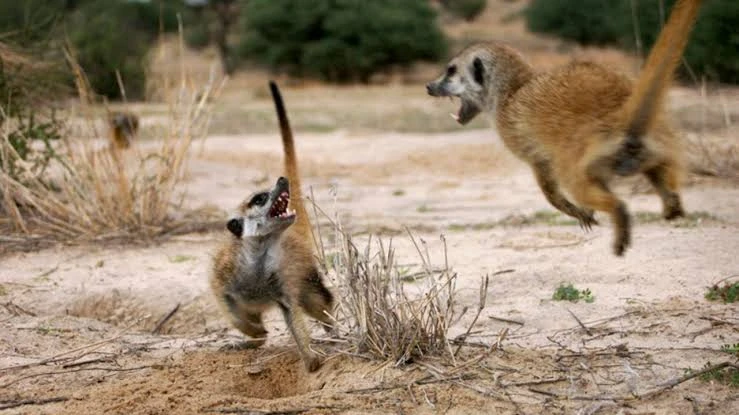
Two enter, one leaves.
Meerkats live in family groups led by a matriarch. For her, cruelty toward her subordinates is the only reliable way to maintain her right to power and a monopoly on reproduction. She will bite and push any females she deems too active, and will attempt to drive pregnant rivals out of the family. If this fails, she will take advantage of the opportunity to kill the other females' cubs. The remaining females, in her opinion, are only worthy of guarding and raising her offspring. 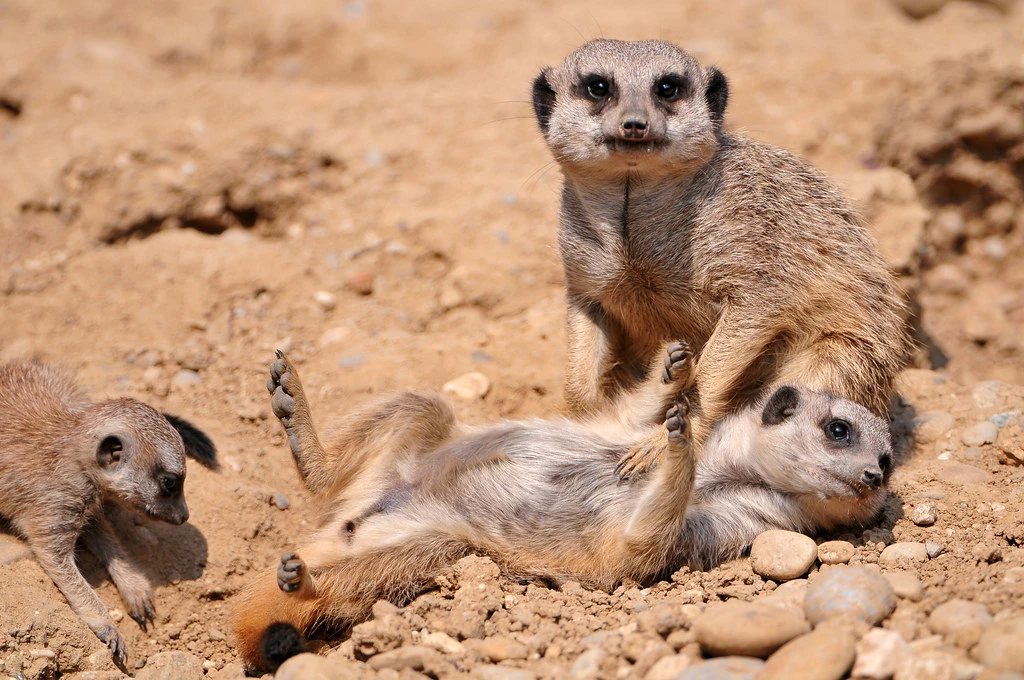
Pregnancy test, show me your belly!
Males, by the way, are not far behind the females; their aggression is simply directed outward, not inward. Dominant males constantly patrol the boundaries of the pack's feeding territories, looking for signs of weakness in neighboring packs. These patrols often escalate into border skirmishes, which then escalate into full-blown battles involving both sexes. Ultimately, the victors gain new land and food sources, while the losers retreat, licking their wounds and leaving their dead on the battlefield. 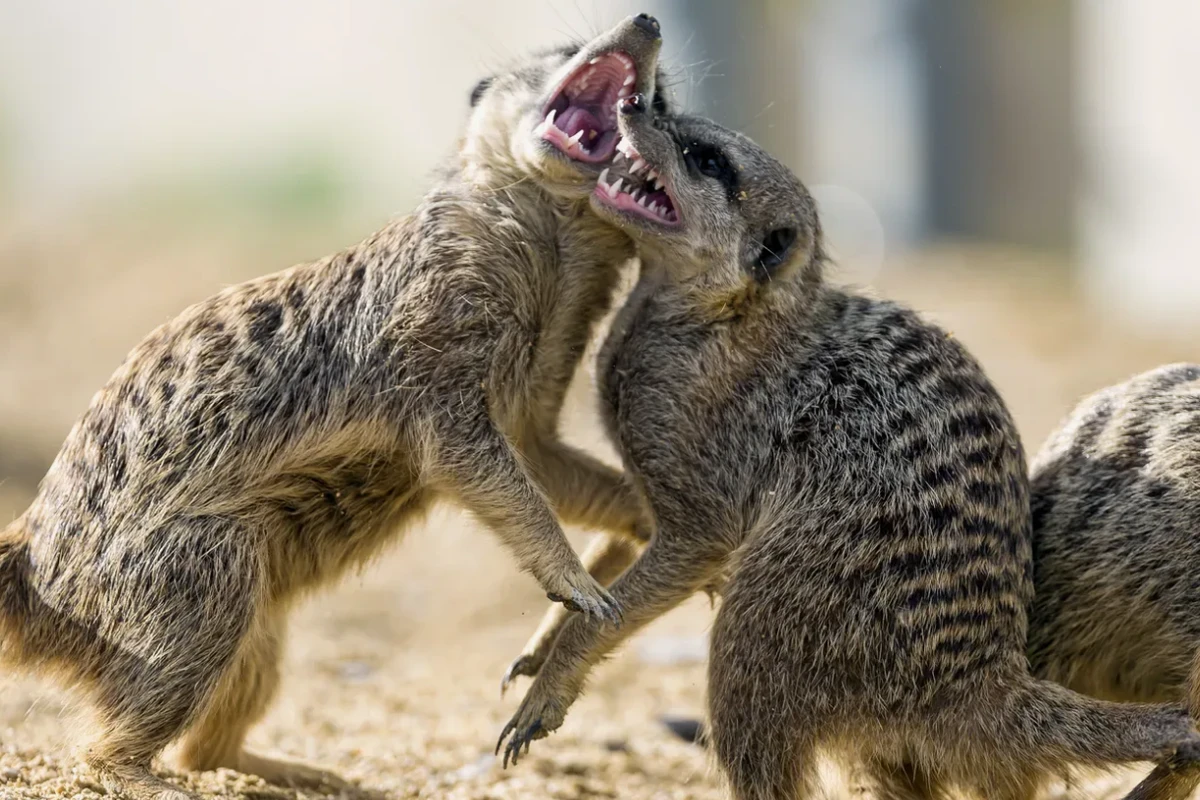
These teeth are designed for war. And eating insects, of course.
Intraspecific conflicts account for 19.4% of the meerkat population, and that's a monstrous number. For reference: today, conflicts across humanity—from wars to kitchen brawls—result in the deaths of approximately 0.5% of people. But in the brutal and immoral Stone Age, we destroyed each other only four times more often—about 2% of the total population perished at the hands of fellow homosapiens. 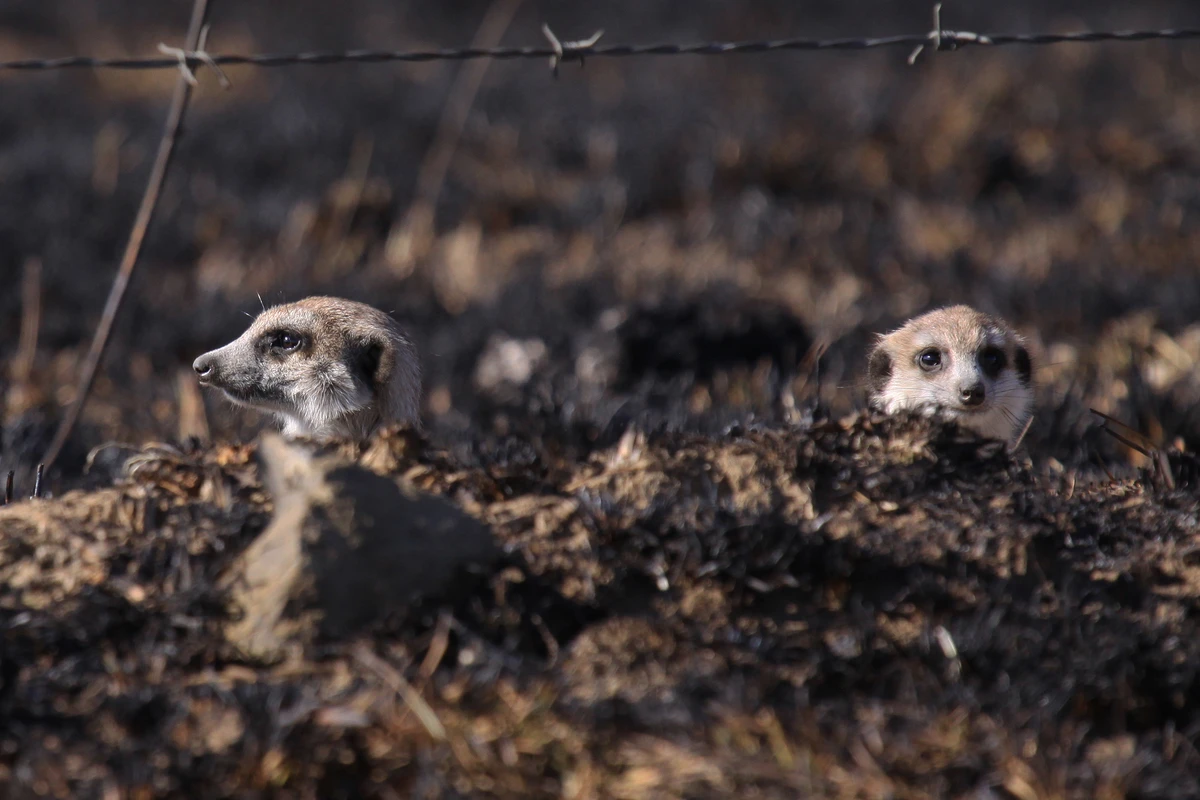
Johnny, the gooks are coming. Get out your grenades.
This difference in the severity of internal conflicts perfectly reflects the different outlook on life between humans and meerkats. For us, cruelty is a way to cope with a problem: to become richer, to get food, to seize resources, or to resolve a long-standing conflict. Meanwhile, for meerkats, violence is the foundation of society. 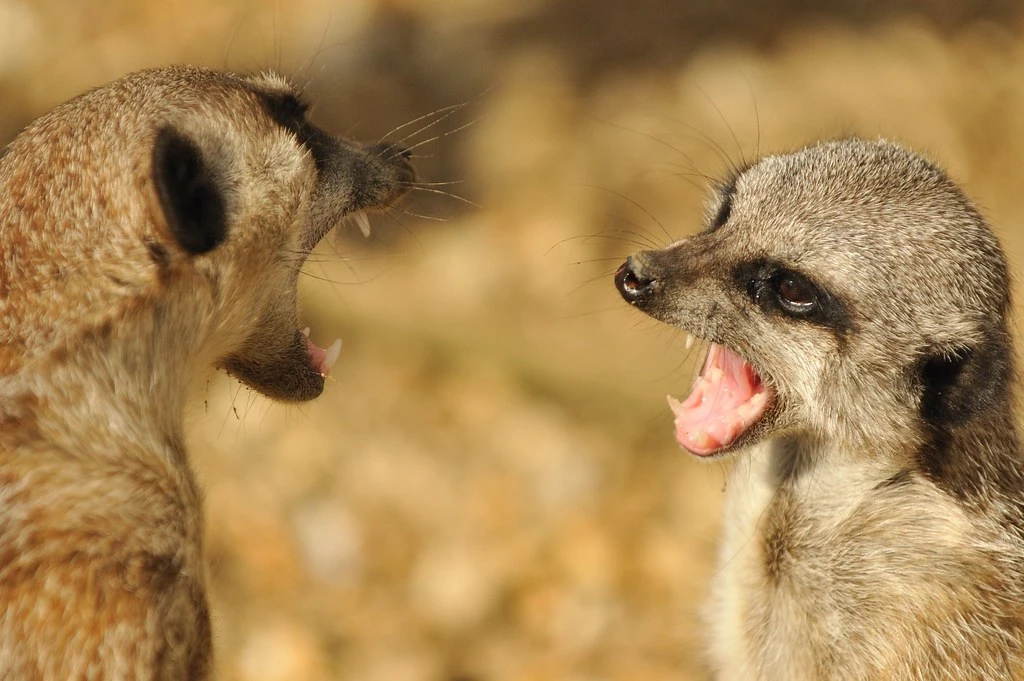
They also enjoy yelling at each other.
But if life in a pack is so hard and unsightly, then why do meerkats continue to gather in colonies? Because life alone is even more dangerous. A meerkat is a predator weighing less than a kilogram, possessing neither venom nor feline grace. Left alone, it will become easy prey for any other predator. After all, its defenses are small, sharp teeth and resistance to some poisons. But resistance, not immunity. 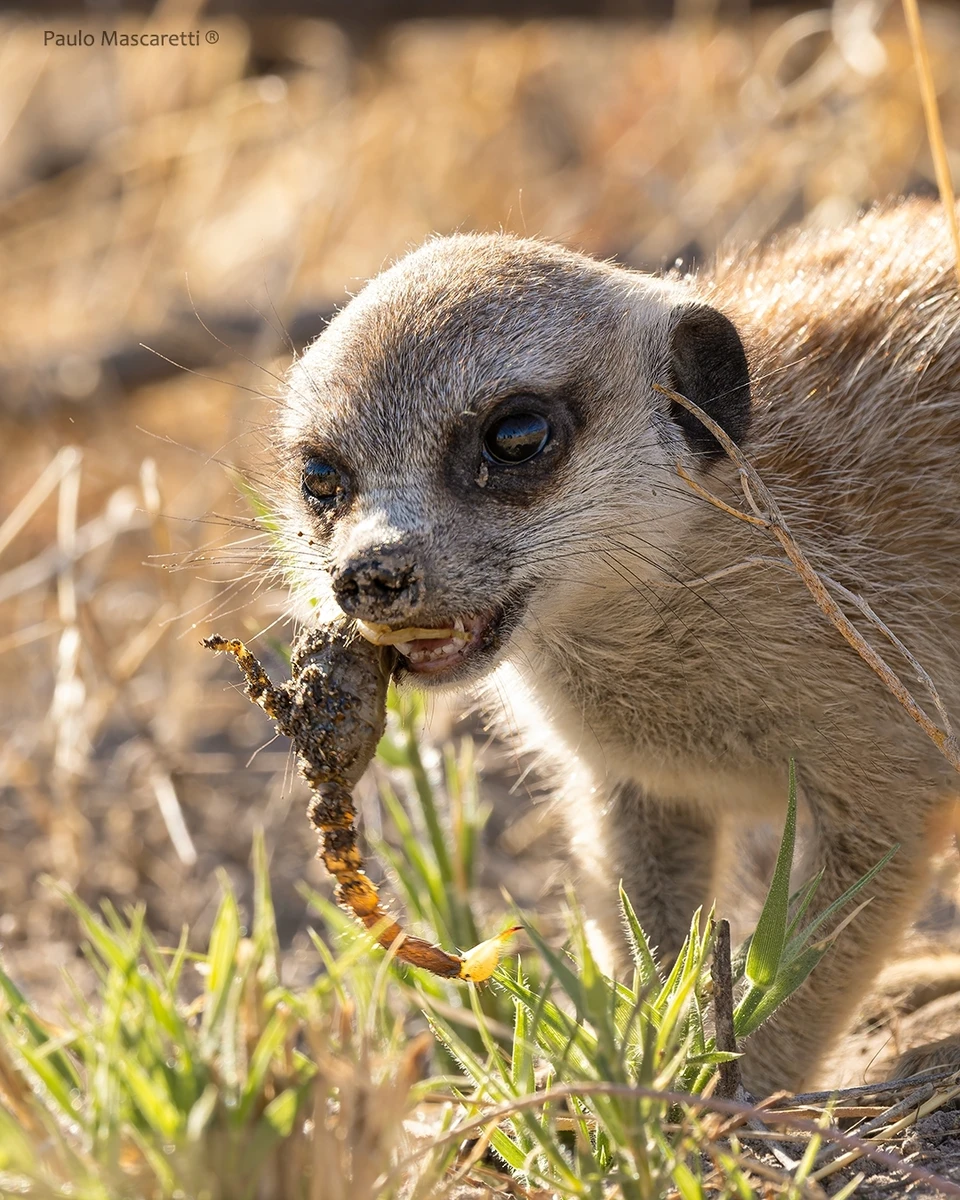
Thanks to their resistance to poison, meerkats can feed on scorpions, but this is dangerous even for them.
And in a pack, no matter how cruel it may be, there's always someone who'll offer a soft, furry shoulder. While you're turning over pebbles in search of bugs and lizards, your comrade stands guard and will definitely warn you of an approaching enemy. When fleas start to infest you, they'll comb your fur, saving you a ton of trouble. 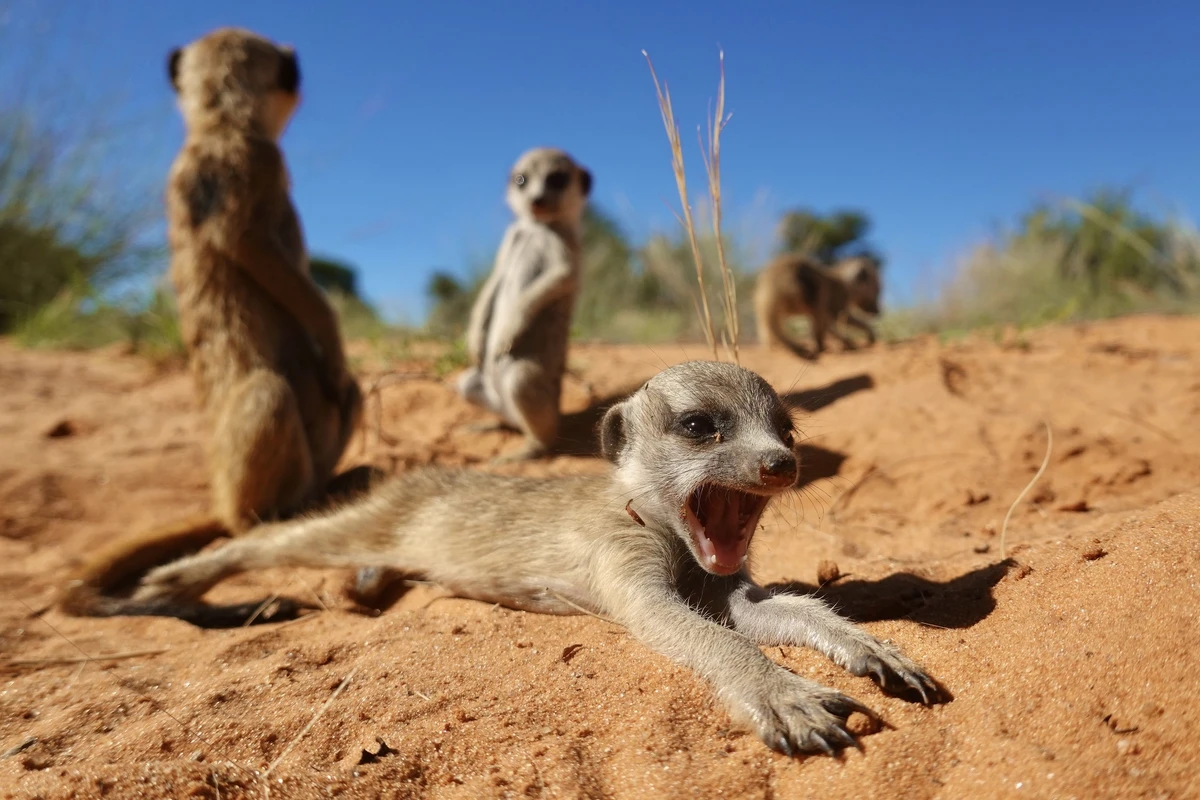
A baby basks in the sun under the supervision of adults.
Finally, social interaction for meerkats isn't a pleasant bonus, but a necessity. Meerkats who are constantly socializing have lower stress levels, better digestion, and greater energy reserves. So, for them, social interaction is both a blessing and a curse.
Add your comment
You might be interested in:









Persistence in achieving a goal

A biker prevented a hit-and-run driver from escaping

Not everyone is having fun on the amusement ride

Absolute perfection

17 Photos That Will Stop You in Your Tracks (18 Photos)

Young women, Dancing and George Michael: nothing superfluous

The cutest lunch delivery ever

What Would Happen to a Human on Every Planet in the Solar

Toyota Celica ST165 on a rally track
