The History of the Great Paraguayan War – Senseless and Merciless (7 photos)
War always means death, destruction, and grief. It doesn't matter what it's called—a world war, an anti-terrorist operation, or an armed conflict. But the Great Paraguayan War of 1864–1870 is most often called a massacre, or even a massacre. Senseless and incredibly bloody, it forever changed the fate of the countries of South America. Its echoes are still felt today, because such events have no statute of limitations and cannot be forgotten. 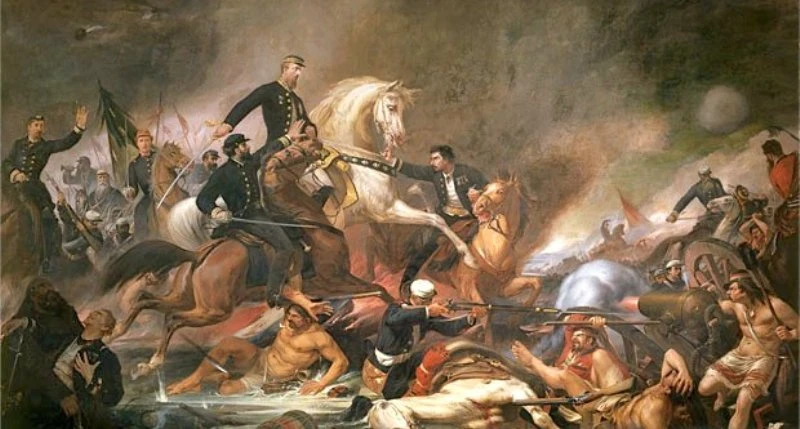
The key figure in the war was the Paraguayan General Francisco Solano López—a man of limited vision but incredibly ambitious. It's unlikely he would have achieved anything in life if power and respect hadn't been inherited. Francisco became a general as a child, and in 1862, he assumed the presidency from his dying father. 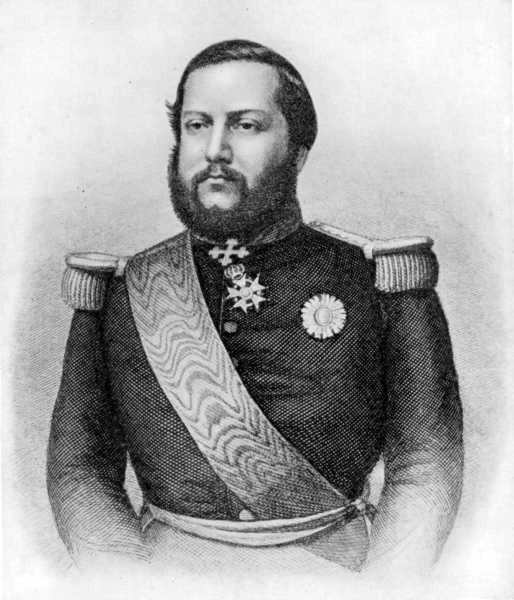
General Francisco Solano Lopez
The mid-19th century was rife with military conflicts. The American Civil War raged, Mexico was at war with France, which, in turn, was destroying Vietnam. Only South America, where new states with symbolic borders coexisted, enjoyed relative peace. This region lacked its own Napoleon, who could effectively take control of everything.
The Paraguayan Bonaparte
At the time, Brazil was a monarchy, Argentina was ruled by wealthy landowners, and small Uruguay, caught between them, was engulfed in a long, slow-moving civil war. Landlocked Paraguay found itself under the control of a dictator. Francisco López set his sights on Uruguay, whose capture would allow his country to become a maritime power. 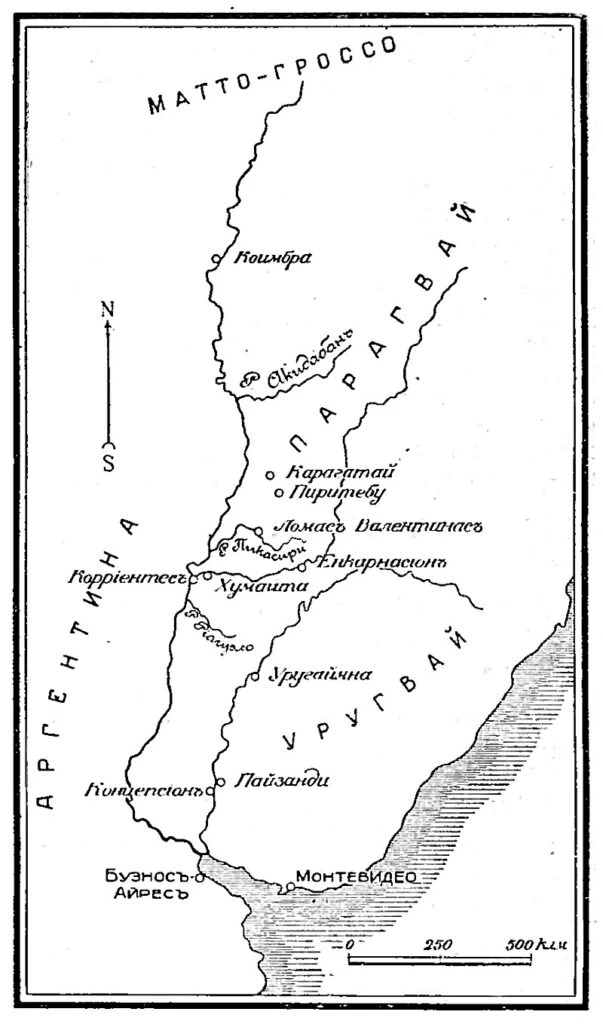
In 1864, a suitable opportunity presented itself. The Brazilian authorities threatened war against Uruguay and prepared for intervention. Lopez sent the Brazilians a stern ultimatum, but they ignored it and entered their neighboring country. The Paraguayans, unable to tolerate such insolence, seized a Brazilian warship patrolling the Paraguay River.
A month later, Francisco Lopez declared war on Brazil and invaded its territory in the northern province of Mato Grosso. He assembled an army of 100,000 men, conscripting 64,000 men in just one year. Meanwhile, in the south, Brazil successfully defeated Uruguay and appointed Venancio Flores as its president. 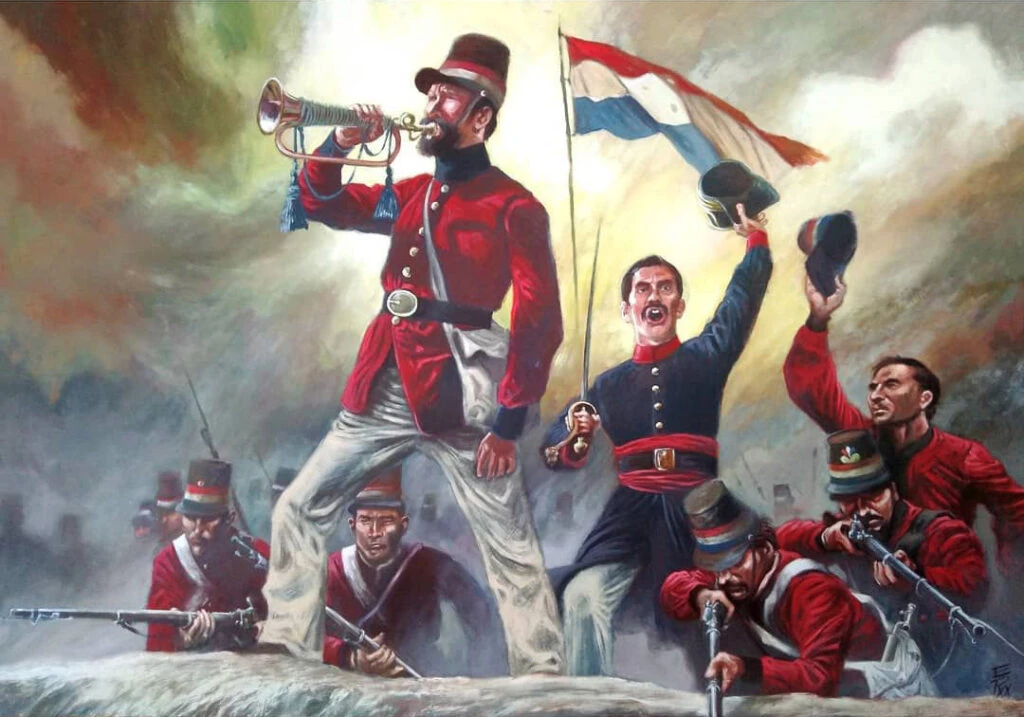
In early 1865, López plucked up the courage to demand that Argentina allow his troops into Uruguay. The general couldn't shake the idea of seizing that coastal country. When the Argentines refused, he declared war on them. Thus, Paraguay faced Argentina, Brazil, and its Uruguay under its control. The politicians of these countries came up with the idea of eliminating their lying neighbor, who had lost touch with reality.
A Hopeless War
If Francisco López had had any common sense, he would have capitulated immediately. But the general threw his people into a desperate battle with three serious rivals. López was elated by the thought that his army was twice the size of the alliance. But as the saying goes, victory is won not by numbers, but by skill. Paraguay lost the first battles on enemy territory. After that, the theater of war shifted to the aggressor's lands. 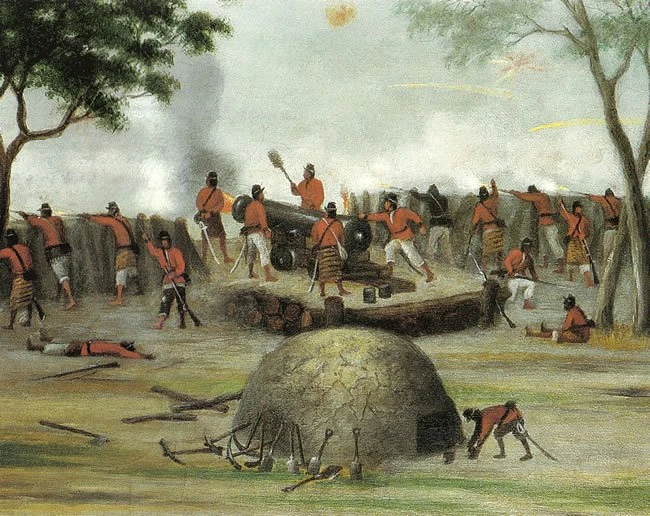
The fighting in Paraguay lasted from 1866 to 1868. It could have been concluded more quickly, but the indecisiveness of the Triple Alliance members prevented it. Instead of marching on the capital, the armies of those countries attacked enemy forts along the rivers, wasting time and energy on exhausting sieges. In 1868, the Paraguayan capital, Asuncion, was finally captured. But Francisco López wasn't broken—he launched a guerrilla war.
The two sides fought in different ways. While the Brazilians treated their soldiers with care, López's subjects fought to the bitter end. Paraguayan losses were enormous. While the Alliance lost 76,000 men, Paraguay lost over 300,000 soldiers and civilians. Incidentally, most of the losses were non-combat. Untrained soldiers recruited from peasants and townspeople drowned in swamps, died of overheating or cholera, or died of starvation. 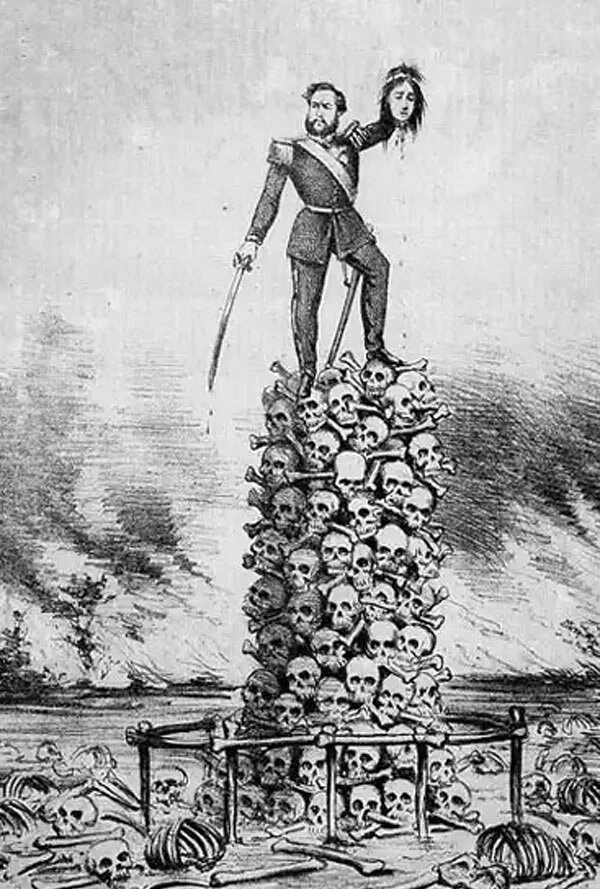
The Paraguayan commanders deserve special mention. They could easily send unarmed warriors into the attack, telling them to obtain weapons in battle. A detachment armed with knives could be deployed against cavalry, while those armed with sticks could be sent against fortified positions. In the last year of the war, López was so short of soldiers that he began conscripting children and teenagers into the army.
National Disaster
The Paraguayans flatly refused to admit defeat, preferring to lay down their lives in an unequal battle. Those who doubted the wisdom of continuing the war were mercilessly killed by their own officers. The Brazilians were shocked when they were attacked by children aged 9 to 15, armed with sticks and dummy guns. They refused to kill them, and commanders had to explain that the enemy, even such a grotesque one, must be destroyed. 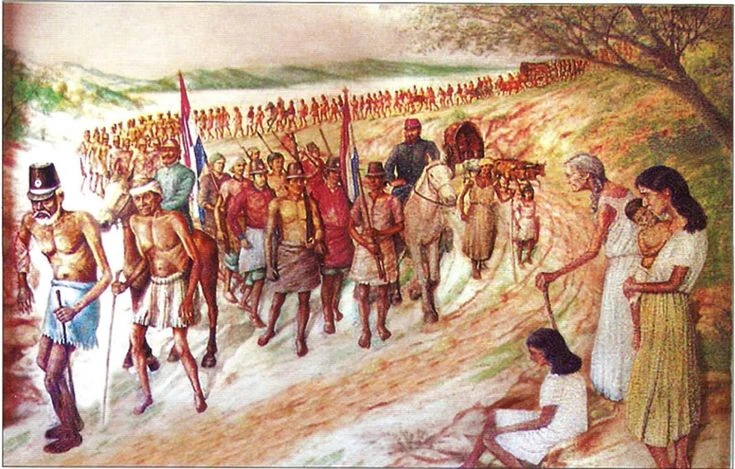
Surprisingly, Paraguay, having lost the war, remained on the world map, albeit having lost some of its territory. The capital was completely sacked by the Brazilians and Argentines, not even sparing the foreign embassies. Francisco López himself died on February 28, 1870, shot while crossing the Aquidabán River. Before his death, the 43-year-old general-president exclaimed, "I die for my country!"
López's unit, including his lover, were captured. The woman was forced to bury the general, digging his grave with her bare hands. This was the final act of a war that had wiped out 60 percent of the population, including 90 percent of the men, through bullets, disease, and starvation. Miraculously, General López's mother and sister were not among the dead. No, they weren't threatened by bloodthirsty Brazilians. The president himself signed the death warrants for the women, accusing them of treason. Fortunately, he died before he could deal with his family.