What a time of relaxation! Dangerous Diseases You Can Catch Abroad (9 photos)
Summer is vacation season, but it's also the season for dangerous illnesses that people often unknowingly bring back from abroad. And we all want our vacation to be trouble-free! Read below to learn how to recognize common illnesses among tourists and which countries are most likely to encounter them. 
Yellow Fever and Intestinal Disorders 
Intestinal disorders are a common complication of vacationers, and they can be treated fairly easily. Yellow fever, which is most common in South America, is far more dangerous, with a mortality rate of around 20%.
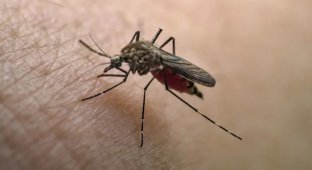
Both humans and mosquitoes transmit yellow fever, so even avoiding contact with potentially sick people and visiting crowded places can't guarantee your safety. The best solution is to get vaccinated before traveling.
Hepatitis A and Dysentery 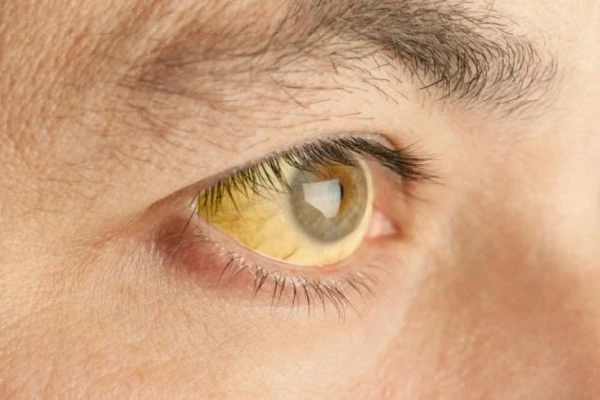
The fastest way to contract dysentery is by eating unwashed market fruits and vegetables, as tourists often do to save money. Activated charcoal and pancreatin are usually helpful in combating the unpleasant symptoms of poisoning. Hepatitis A, however, is more complicated...
There is no specific treatment. However, symptoms of hepatitis can appear up to 40 weeks after the onset of the disease. The virus is transmitted by the fecal-oral route, most often in places where sanitation is poor. On vacation, a regular swimming pool can become a haven for the virus if the water isn't changed frequently enough.
Typhoid Fever and Rabies 
You can catch typhoid fever at a regular market in Egypt—in the intense heat, even long-lasting sweets spoil within a few hours. What happens to the rest of the food is easy to guess...
The risk of contracting rabies is highest in Tunisia. There, you can catch it from bats, which sometimes like to bite the ubiquitous tourists.
Schistosomiasis and Amebic Encephalitis 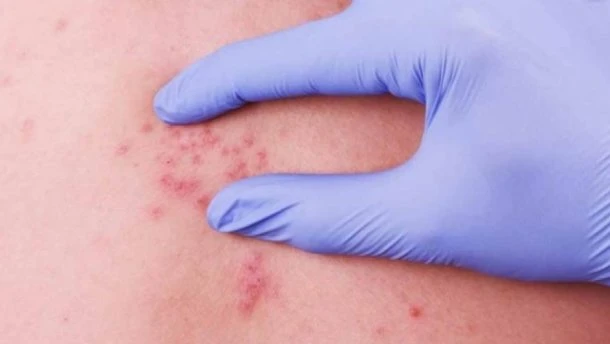
Schistosomiasis and amoebic encephalitis are relatively rare and dangerous diseases caused by parasites. They are typically found in India. It's no secret that in some regions of this country, the concept of "sanitary standards" is unheard of.
Therefore, eating even fresh and thoroughly washed vegetables in India puts you at risk of contracting amoebic encephalitis. And swimming in a local pond increases your chances of contracting schistosomiasis.
Zika virus, malaria, dengue fever 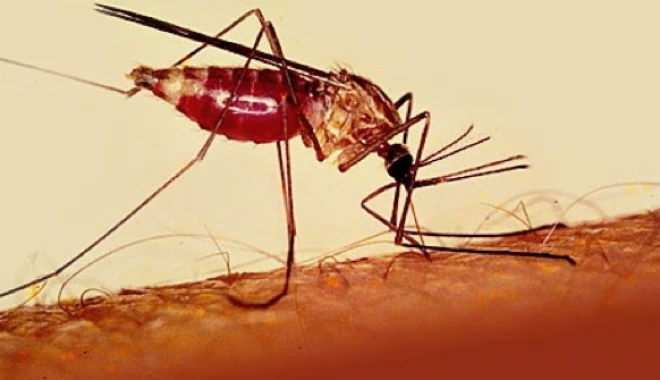
If you're ever planning a trip to Africa, Mexico, or Asia, be wary of bites from seemingly ordinary mosquitoes, which can be deadly there.
Zika virus, dengue fever, and malaria are all dangerous diseases carried by mosquitoes. The greatest threat is in Central African countries, such as Kenya.
Dangerous Parasites 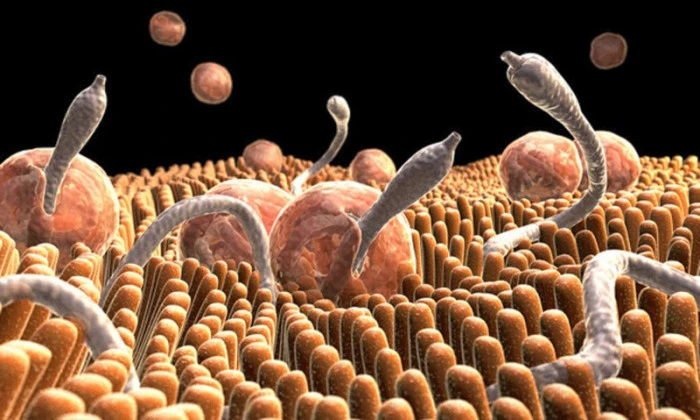
It's commonly believed that worms can only be contracted through food. In fact, these dangerous parasites can enter your body even when you're walking barefoot or lying on the sand. Especially if you're on a beach somewhere like Cuba or Cyprus.
Camel Flu and Leptospirosis 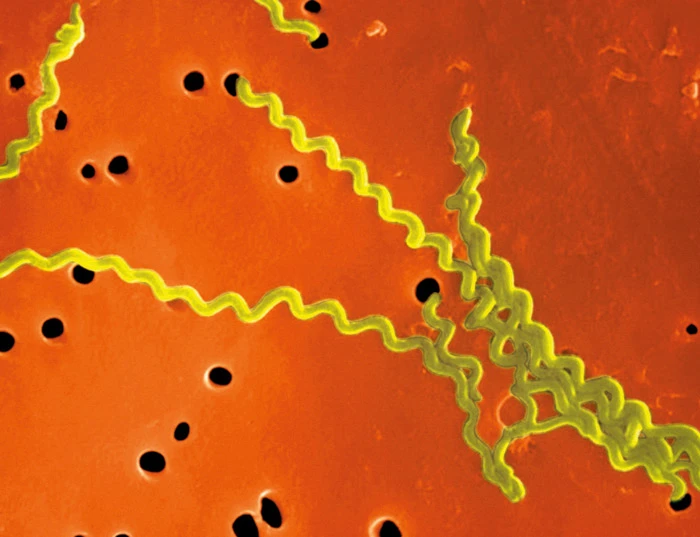
Leptospirosis and camel flu, previously described as a deadly virus posing a grave threat to humanity, are typically found in the United Arab Emirates. The former is carried by rodents and can be contracted by not washing your hands before eating. The latter, as you might have guessed, occurs when riding camels and is transmitted by airborne droplets.
Camel flu, also known as MERS, belongs to the coronavirus group and causes flu-like illnesses in humans. The main danger of MERS is that there is still no vaccine available to protect against it, and the mortality rate is around 50%.
Venereal Diseases 
Sexually transmitted diseases are not restricted by geography—you can catch them anywhere if you don't practice safe sex. However, STDs are most often acquired as "souvenirs" by travelers from exotic Asian countries, such as Thailand.
Do you take good care of your health? What precautions do you take while on vacation?