Today, proper nutrition is at the peak of popularity. More and more people are embracing a healthy lifestyle and giving up unhealthy habits.
What does it mean to "eat right"? Do you eat a balanced diet and allow yourself some indulgences, or do you impose strict restrictions, eliminating entire foods? Does a healthy lifestyle consist solely of proper nutrition? 
The more popular this topic becomes, the more myths arise around it. And navigating the vast amount of information can often be challenging. We've found 20 of the most common myths about healthy eating and debunked them for you. 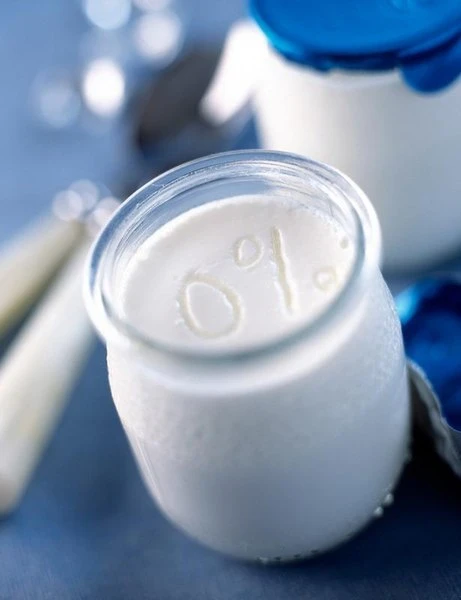
1. The less fat a product contains, the healthier it is.
Fats are considered the worst enemies of a slim figure. And in vain. These substances are vital for the body. Only trans fats and saturated fats are harmful. Vegetable and animal fats should be consumed in moderation. For example, these include fish, nuts, and dairy products. 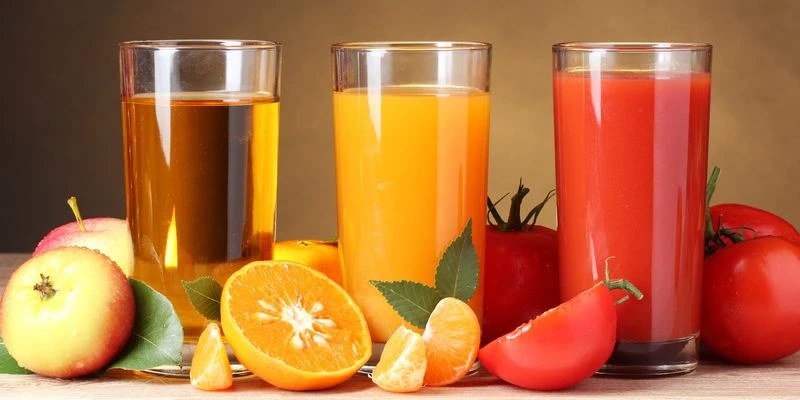
2. Fruit juices are just as healthy as fresh fruit
It's a common belief that fruit is healthy in any form. However, there are differences. Juices contain virtually no valuable fiber, and the concentration of vitamins and minerals is significantly lower. That's why it's better to choose fresh fruit. Incidentally, we're talking about freshly squeezed juices. Forget about packaged nectars from the store. They contain too much sugar, preservatives, and other food additives. 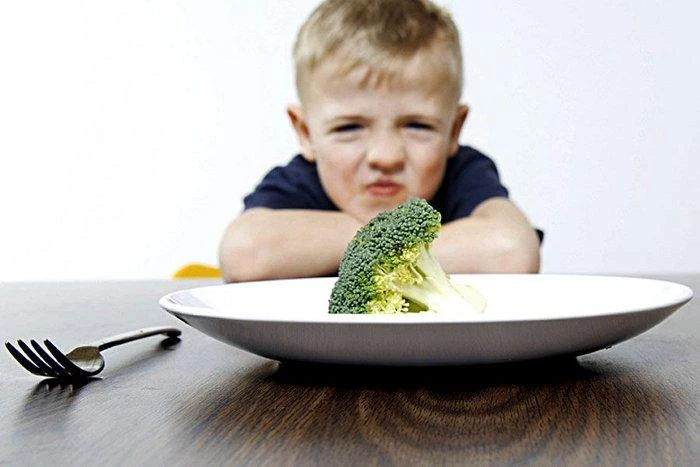
3. Healthy eating is tasteless
People who know nothing about healthy eating sometimes make completely absurd arguments about their laziness and lack of willpower. Healthy eating is not tasteless food.
You can experiment and find new and interesting combinations and dishes. For example, stuffed vegetables. 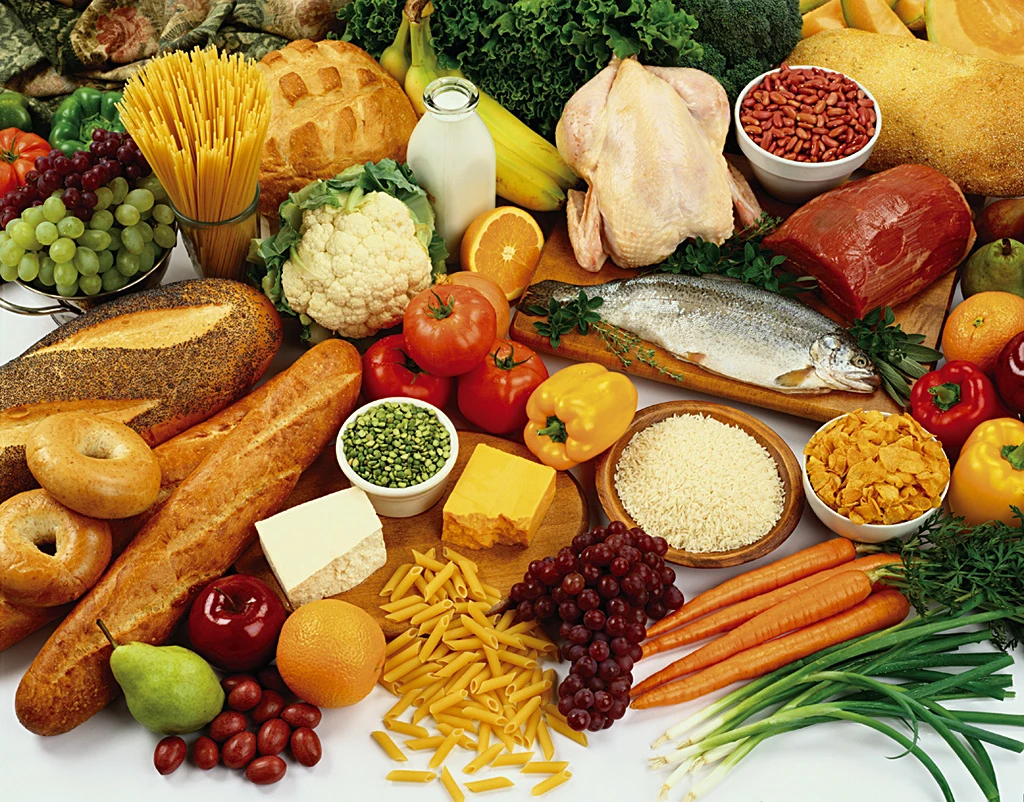
4. Healthy food is expensive
Another favorite excuse of those opposed to a healthy lifestyle is the claim that you need to be incredibly wealthy to eat right. This is a myth. Healthy eating can be quite affordable. For example, the price of grains and seasonal vegetables is quite reasonable. You don't necessarily need to buy products labeled "organic." This doesn't always mean that what you're buying is truly healthy. 
5. Reducing calories is the only way to lose weight
Cutting calories if you want to lose weight is completely natural and logical. Unless we're talking about starvation diets. Your diet should remain balanced and nutritious. You should consume slightly fewer calories than you burn throughout the day. To see good results, you should also be sure to incorporate exercise and sports into your schedule. 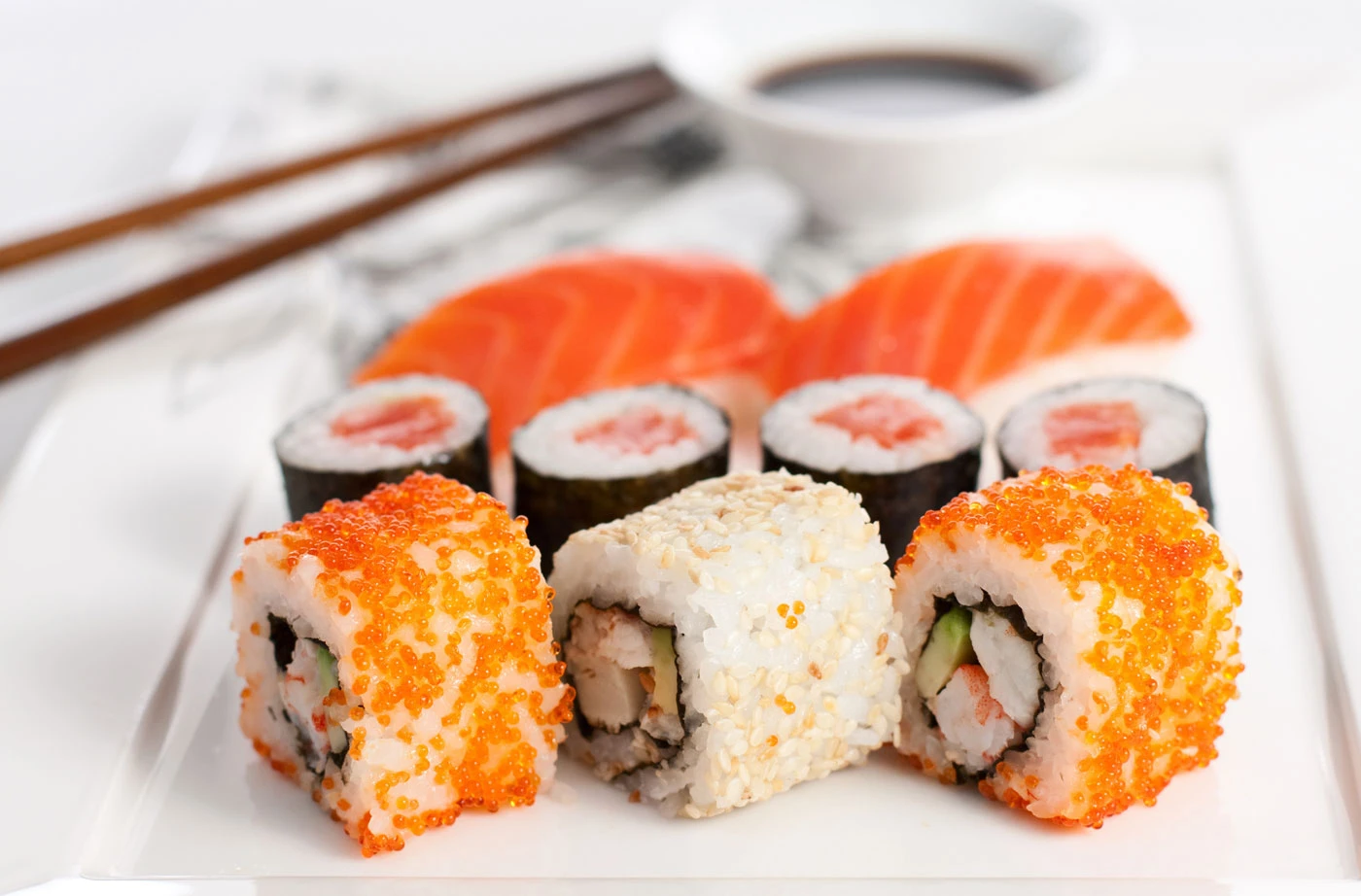
6. Sushi and rolls are diet foods
Sushi and rolls themselves won't do much harm to your figure. However, the white rice used to prepare this product isn't considered a diet food. The biggest danger, however, is the soy sauce, which is a staple at any Japanese restaurant. It's very high in calories and won't help you achieve a flat stomach. 
7. Snacking is bad for you
Snacks aren't harmful, they're an absolute necessity. They should be part of every healthy person's diet, as they replenish energy levels throughout the day. It's just important to choose the right snacks. Chocolate bars and other sweets are not suitable. 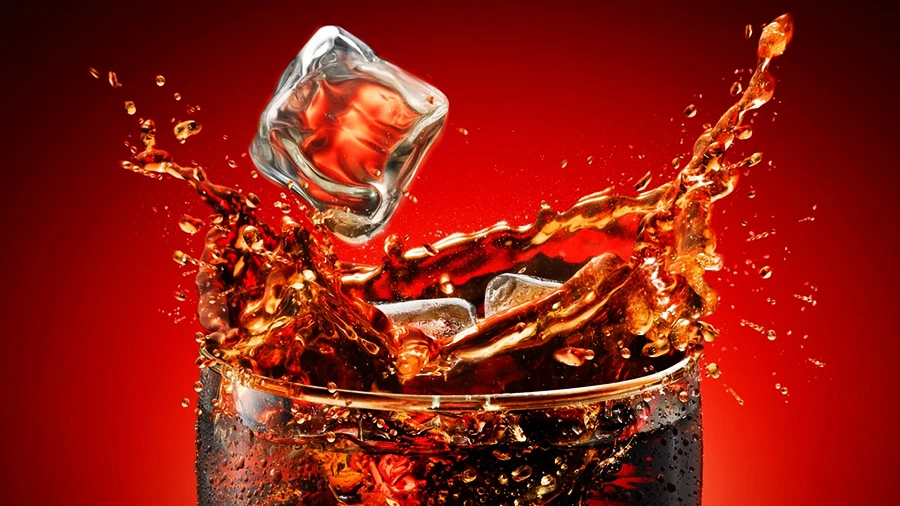
8. Diet soda is good for you
The clever marketers who invented Diet Coke never tire of convincing us that it contains no extra calories. Some people readily fall for the gimmicks and believe that sugary soda is perfectly consistent with healthy eating habits. This isn't true. Diet products often have even more colorings, preservatives, and sugar added to them to mask their distinctive flavor. 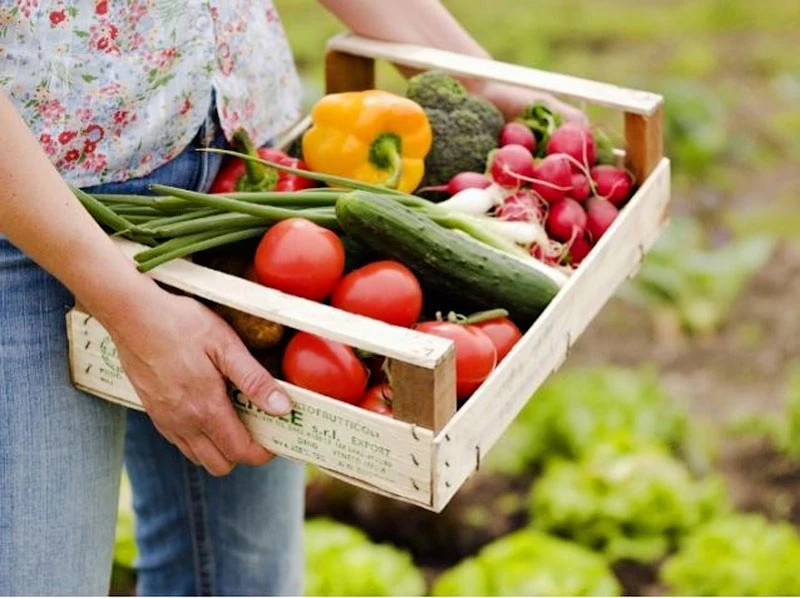
9. Buy only organic foods
This point is very similar to the previous one. Labels and tags on products that proudly proclaim "100% natural" or "organic" often bear no relation to reality and are indistinguishable from their conventional counterparts. Such statements are intended more to stimulate sales than to objectively assess the composition of a given product. 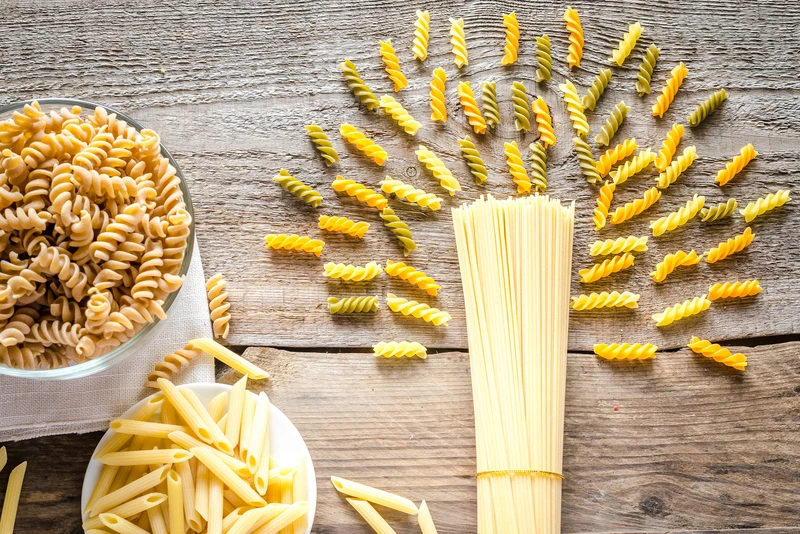
10. Carbohydrates should be reduced or eliminated from the diet
Those trying to lose weight mistakenly dislike not only fats but also carbohydrates. The latter is also not without its share of misunderstandings and distortions. Carbohydrates come in different types: simple and complex. It's best to minimize your consumption of simple carbohydrates, as they quickly dissipate the feeling of fullness. Complex carbohydrates, on the other hand, should definitely be included in your diet if you're determined to start eating healthy. 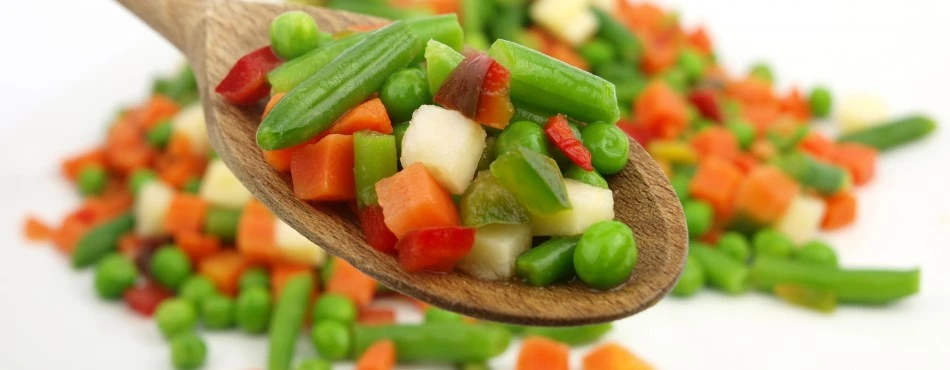
11. Fresh vegetables are healthier than frozen ones
Modern freezing technologies allow vegetables to retain absolutely all the vitamins, minerals, and other beneficial substances. This is especially important in winter, when stale fruits and vegetables, which have practically no nutritional value, hit the shelves. 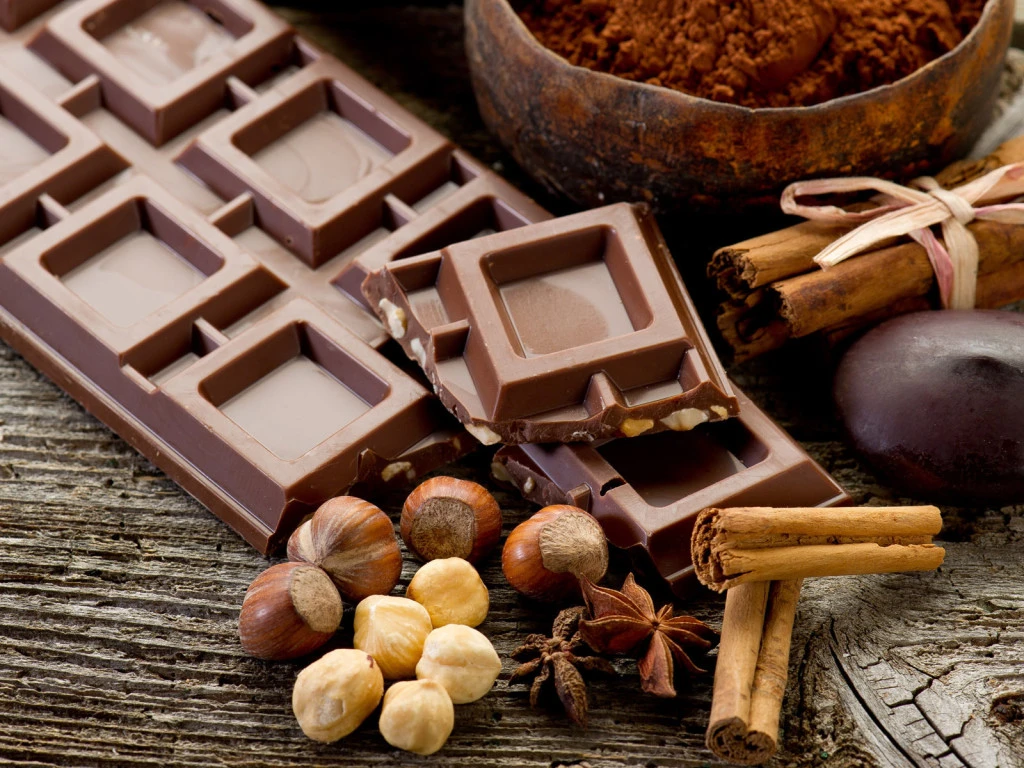
12. All chocolate, without exception, is harmful
If you're terrified at the mere thought of chocolate, it's time to reconsider. Not all chocolate is bad for your figure. There's dark chocolate, which is very rich in vitamins. It strengthens the immune system, stimulates mental activity, and improves cardiovascular function. So, a piece of dark chocolate in the morning will only do you good. 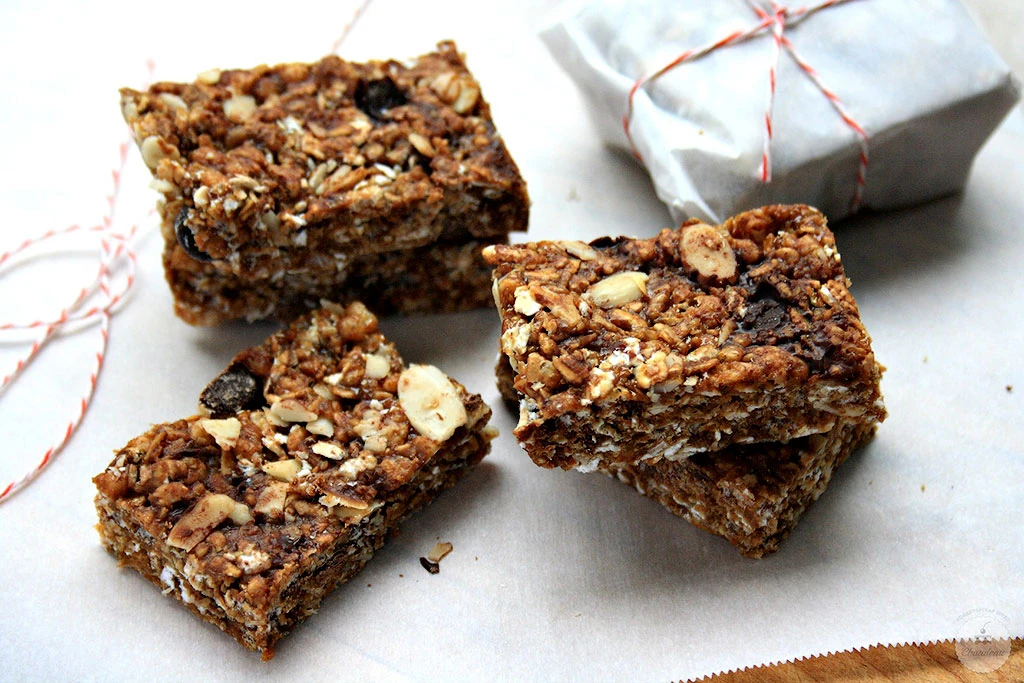
13. Granola is always nutritious and healthy
This popular snack, which originated in the United States, is considered one of the most nutritious snacks. However, it's not always truly healthy. Granola sometimes contains artificial sweeteners designed to reduce the calorie content. These, in turn, only provoke increased appetite and the desire to eat more than necessary. Choose your granola carefully. 
14. The Fewer Meals, the Better
The less you eat, the more your body stores. Two meals a day is not enough for a person, even if they are very large and filling. This is even worse. The stomach stretches, and excess calories are converted to fat. Ideally, you should eat about five or six meals: a full breakfast, lunch, dinner, and two snacks throughout the day. 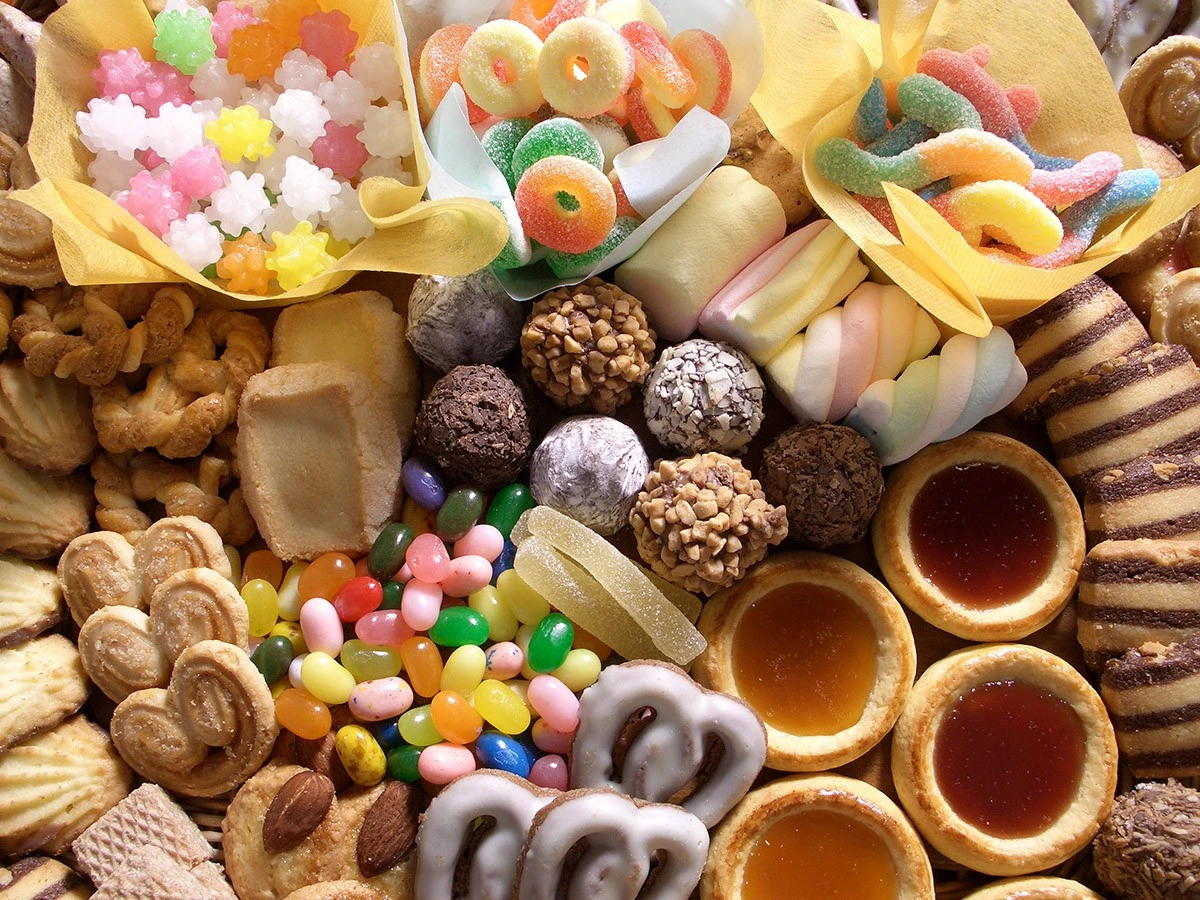
15. Forget about sweets
For some reason, it's believed that healthy eating requires giving up sweets once and for all. First, everything should be in moderation. Sometimes you can indulge and indulge in a piece of your favorite treat before 12:00. Second, who said sweets are only unhealthy? Choose something delicious from the healthy snacks for those with a sweet tooth. 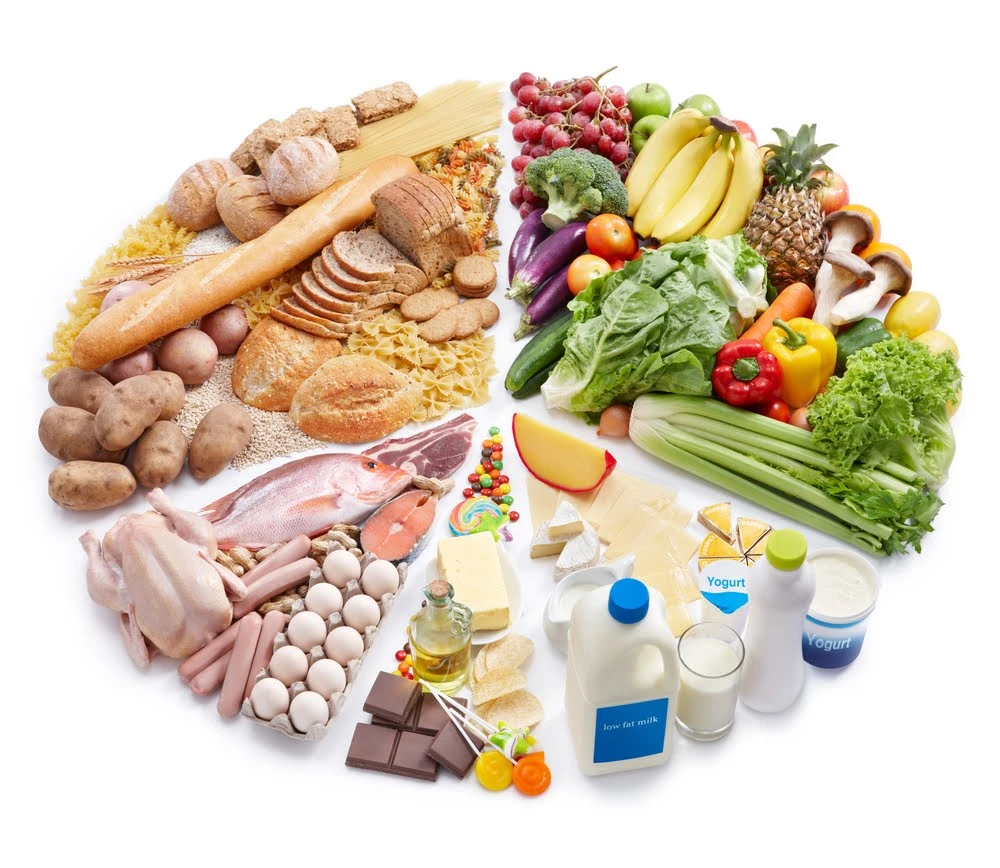
16. Separate meals will definitely help you lose weight
Nature has programmed humans and their digestive system for a mixed diet. During a meal, the stomach and pancreas produce a whole host of enzymes that can digest proteins, fats, and carbohydrates simultaneously. There is no scientific proof that separate meals are more effective in the fight against excess weight. Research shows that this system has no advantages other than psychological ones. When eating separate meals, a person is more careful about portion control and, as a result, serves themselves less food. 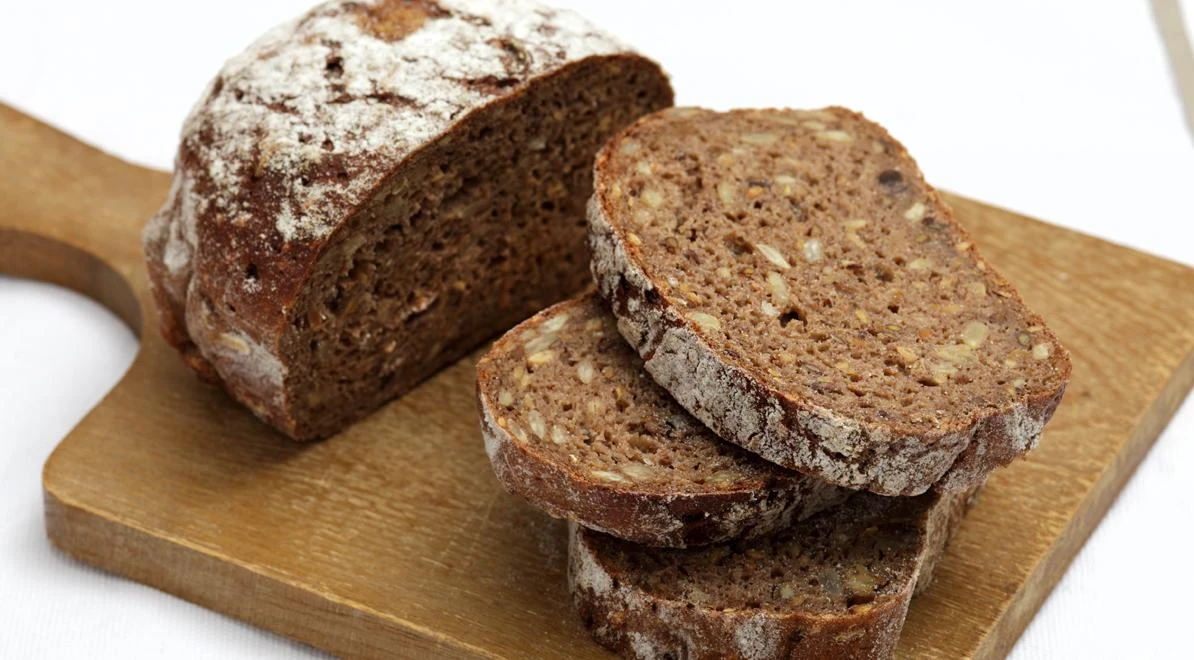
17. Brown bread is healthier than white bread
This isn't always true. The dark color of bread may not indicate a high fiber content, but rather the effects of caramel coloring. As for calorie content, brown and white bread are practically identical. Bran and whole grain bread are truly healthy. 
18. You shouldn't eat after six o'clock
A popular rule that's impossible to follow. Especially considering that, with today's hectic lifestyle, many people don't go to bed until midnight. It's not recommended to eat three to four hours before bed. This is necessary so that the body rests and doesn't have to process your food. 
19. To curb your appetite, eat some fruit.
Fruit is very healthy, which means it can help curb hunger if it suddenly hits you. However, it's best not to do this. The problem is that sweet yet low-calorie fruits, like apples or oranges, can trigger a ravenous appetite, causing blood sugar to spike. After such a snack, insulin levels will remain elevated for some time. A cup of unsweetened green tea is much more effective. 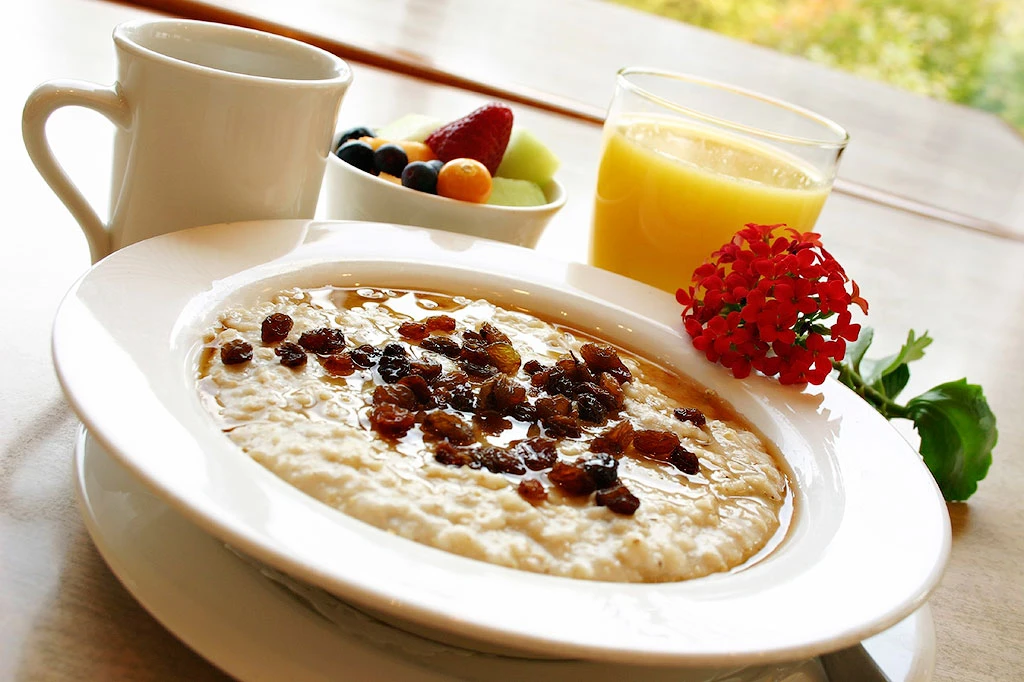
20. Oatmeal is the healthiest breakfast
This myth is only half true. Oatmeal is only healthy if you make it with whole-grain oats. This type is not available in all stores and supermarkets. Processed oats are largely devoid of their beneficial properties and don't fill you up as much as you'd like. Also, avoid instant oats. They're not a source of nutrients.
Add your comment
You might be interested in:














Persistence in achieving a goal

A biker prevented a hit-and-run driver from escaping

Not everyone is having fun on the amusement ride

Absolute perfection

17 Photos That Will Stop You in Your Tracks (18 Photos)

Young women, Dancing and George Michael: nothing superfluous

The cutest lunch delivery ever

What Would Happen to a Human on Every Planet in the Solar

Toyota Celica ST165 on a rally track
