10 Secrets of Living Nature That Scientists Still Haven't Uncovered (11 photos)
Although modern science has made great strides in understanding the laws of nature, there are many things that scientists simply cannot explain. Our review examines ten seemingly simple questions that remain unanswered. 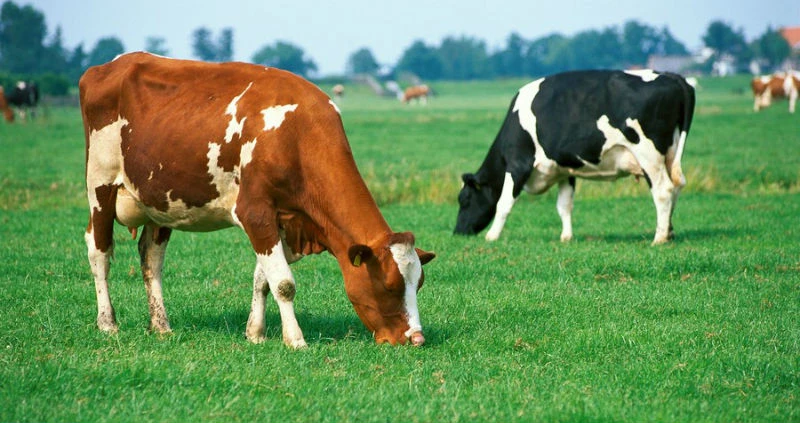
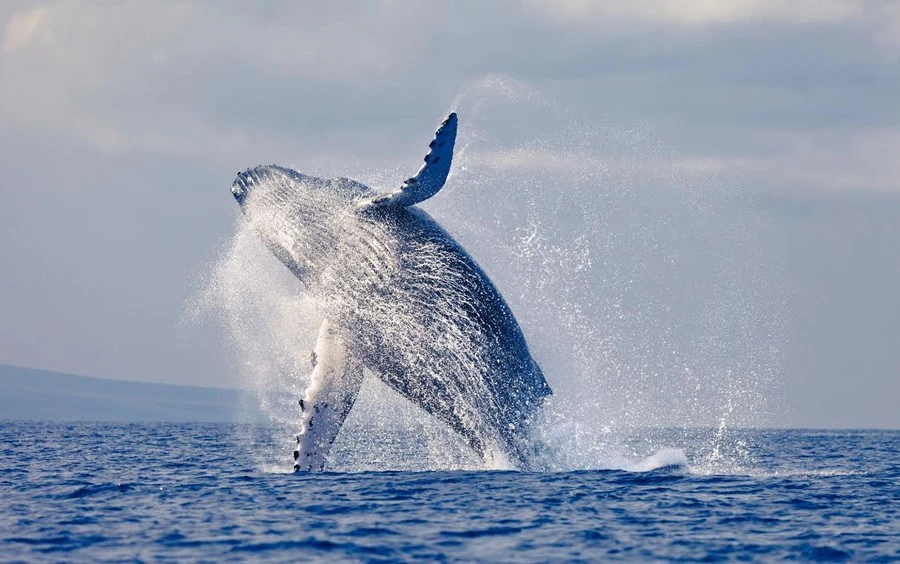
Why did some mammals return to the water?
Science claims that some marine animals evolved limbs that allowed them to move on land. But why some of these animals, such as the immediate ancestors of whales and seals, returned to the water remains unknown. It's evolutionarily much more difficult for land animals to return to the sea than vice versa. This is precisely what perplexes scientists around the world. 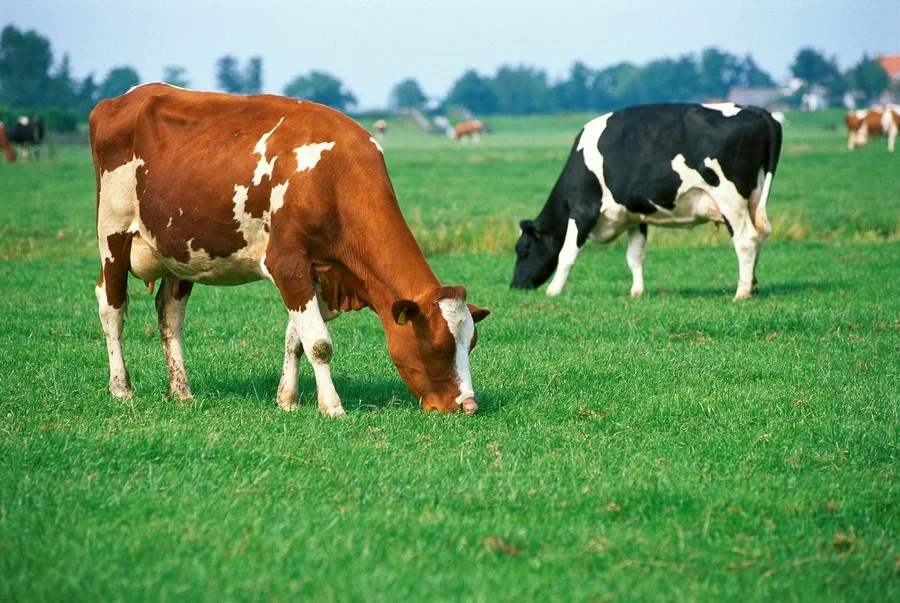
Cows Always Turn North or South While Eating
Nobody usually pays close attention to grazing cows, but when a team of scientists carefully studied thousands of Google Earth satellite images, they discovered a fact unknown for millennia. Cows always turn their heads toward the Earth's magnetic poles (north or south) when grazing or resting. This remains constant regardless of wind or other factors. No one knows why this happens. Although it has long been known that some animals have an "internal compass," this is the first time such a phenomenon has been discovered in large mammals. Also strange is that the closer cows are to the poles, the less accurately they navigate. This phenomenon has been observed on all continents of the Earth. 
Alkaloids in Plants
Plants often produce substances that have rather strange effects on the animals that consume them. These substances are called alkaloids, and one of the most common types is morphine. Scientists have identified approximately 7,000 different types of alkaloids in plants. Although modern science has been able to study these chemicals in detail, why they began to be produced in plants remains a mystery. Some believe that, in addition to external factors (such as protecting plants from herbivores), alkaloids may be useful for regulating the metabolism of the plants themselves. 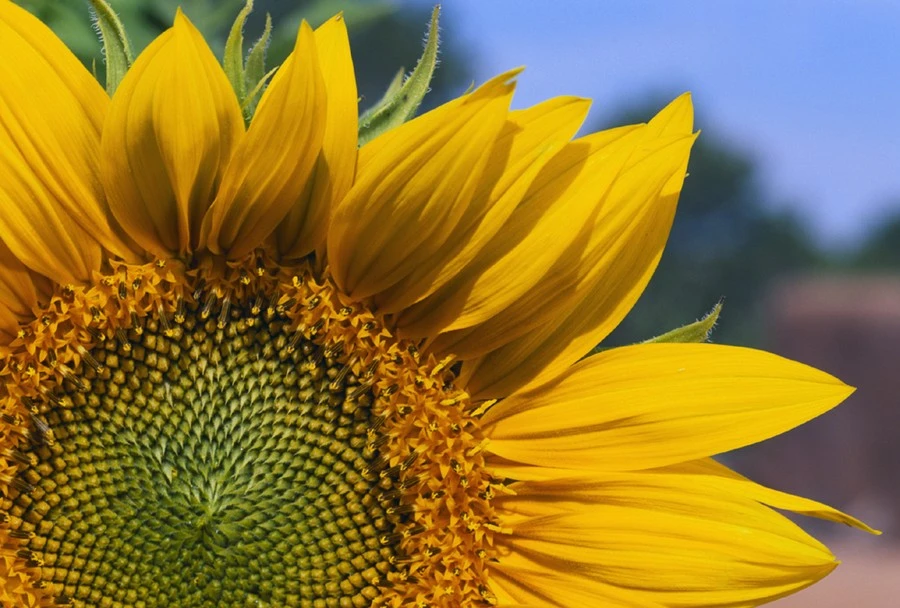
Why Flowers Grow All Over the Planet
Flowering plants are found throughout the world, regardless of climate. Interestingly, this wasn't always the case. Flowering plants quickly outcompeted other flora approximately 400 million years ago, and today they account for approximately 90 percent of all plant species. Charles Darwin spent his life trying to solve this problem, calling it a "terrible mystery." The rapid development of flowers soon after their appearance on Earth contradicted the theory of slow evolution by natural selection. 
Why is life so diverse near the equator?
As you travel from colder regions of the planet toward the equator, it's easy to notice that life becomes increasingly diverse. As early as 200 years ago, the Prussian explorer Alexander von Humboldt discovered that biological diversity increases as you approach the equator, while nature, human culture, and diseases also become increasingly diverse. For example, new, terrifying viral diseases are constantly appearing in Africa or South America, right near the equator. There are about three dozen theories explaining this phenomenon, but they often contradict each other. 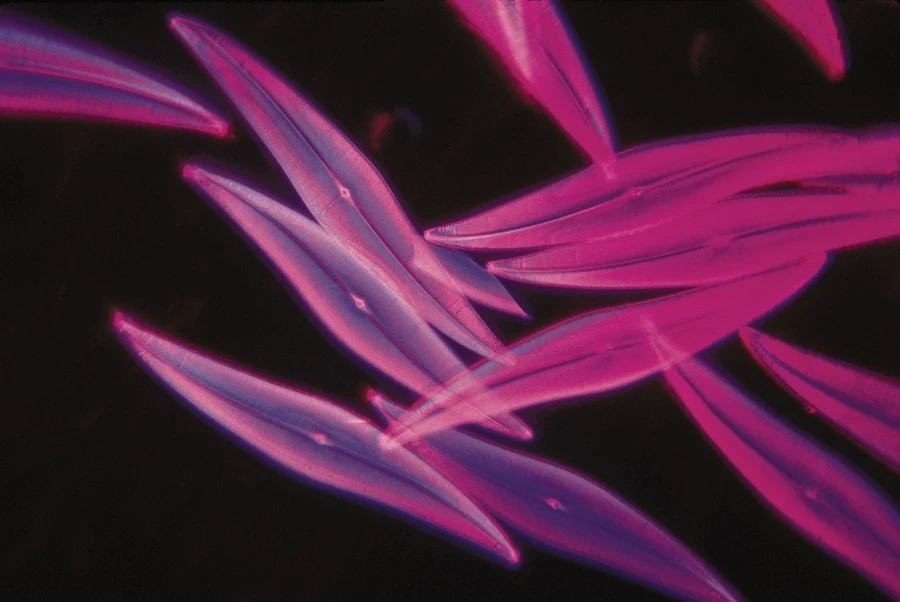
The Phytoplankton Paradox
Phytoplankton is a class of organisms found in large bodies of water and includes a wide range of different subspecies. Essentially, they are floating plants found throughout the world. The enormous diversity of these organisms challenges the theory of evolution and natural selection. A lack of resources makes it impossible for such a large number of different organisms to survive in an ecosystem. Yet, they exist. 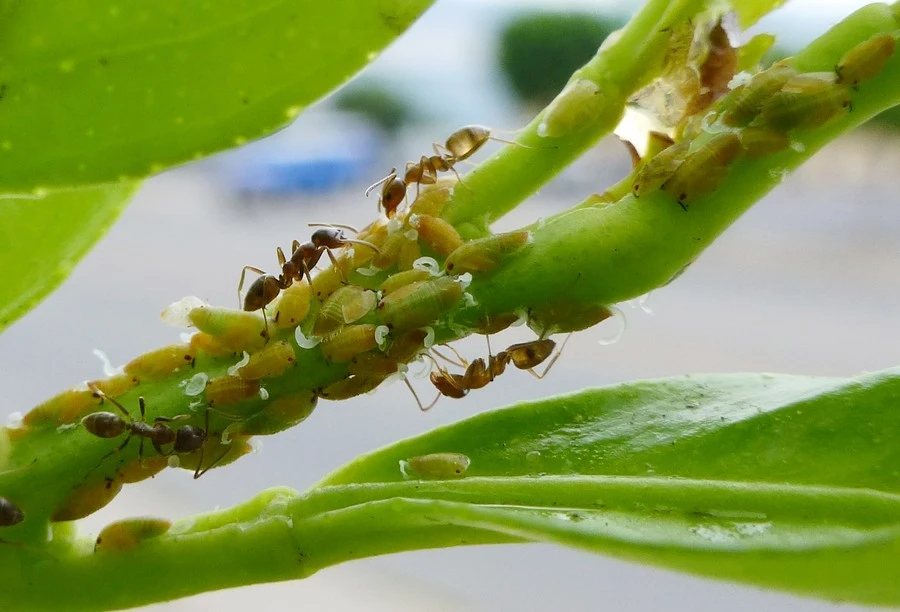
How Argentine Ants Create Colonies on Different Continents
At first glance, Argentine ants appear no different from other members of their species. But they are the only non-human inhabitants of Earth to have successfully colonized three continents. All three Argentine ant supercolonies in Europe, South America, and Asia are populated by ants that share the same genetic traits and are essentially a single population.
But it's not so much their habitat that perplexes scientists as their social structure. Argentine ants recognize their relatives from other continents, but are aggressive toward ants of other species. Furthermore, the ants' modern genetic code hasn't changed for thousands of years. This is surprising, as organisms outside their native environments tend to change rapidly. 
The Mysterious Ancestor of Humans
The lineage of modern humans has been meticulously studied for many years. Although the first humans appeared a long time ago, scientists today have a fairly good idea of the ancestors of Homo sapiens. At least, that's what it seemed until scientists discovered evidence of a whole new species of ancient human ancestor. When scientists studied the DNA of "Denisova man," they discovered traces of an unknown species that defied identification.
It's worth noting that the Denisovan hominids themselves are shrouded in mystery, but science at least knows who they were and where they came from. The same can't be said for the unknown species with which Denisovans apparently interbred around 30,000 years ago, which left a clear trace in Denisovan DNA. Essentially, all that's known about this species is that it gave Denisovans a strange set of teeth, found nowhere else in the animal kingdom. 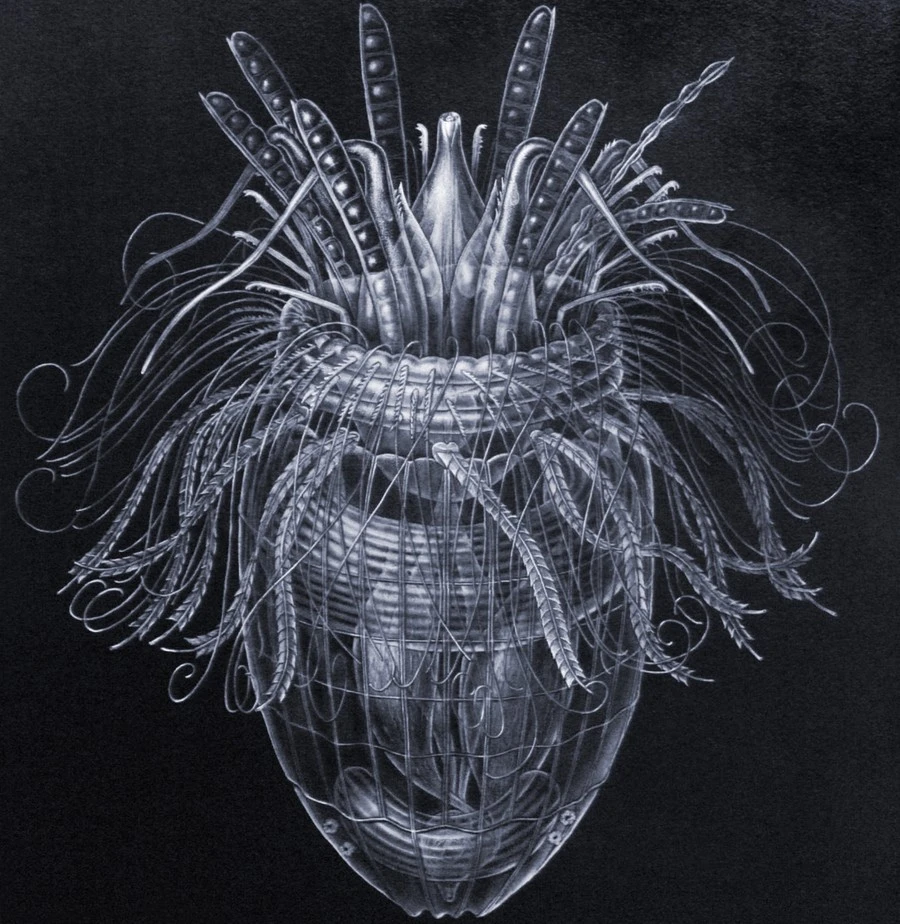
Animals That Can Live Without Oxygen
Almost every organism on Earth relies on oxygen—some organisms consume it, while others produce it. Recently, scientists announced a shocking discovery: the first anoxic animals were discovered deep in the Mediterranean Sea. Although some bacteria and other simple organisms can live without oxygen, this was previously unheard of for complex multicellular animals. Three species of these creatures, belonging to the loriciferan group of marine invertebrates, were found at a depth of 3.5 kilometers. Scientists have no idea how they evolved. 
Sexual Reproduction
Aside from some microbes and plants, almost all living things in the world reproduce sexually. People take this for granted, but in reality, it's a huge evolutionary anomaly. After all, half of all species (males) are incapable of producing offspring, yet they use the same amount of resources from the environment. Why was so much effort expended on developing a mechanism that has obvious long-term drawbacks? Therefore, sexual relations remain a phenomenon that scientists cannot fully understand.