The Story of Lakshmi Bai, an Indian Warrior Princess (8 photos)
History knows many cases of women commanding armies or even leading rebellions. In North Africa, the fearless Dahiya al-Kahina, who struck terror into the Arab invaders in the 7th century, became famous. India has its own heroine – Princess Lakshmi Bai. This woman made history in the 19th century and became a national hero, becoming one of the key figures in the Indian rebellion against Britain. 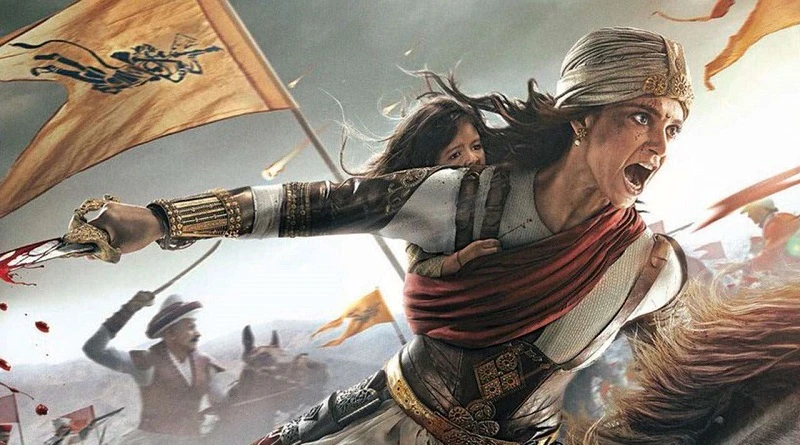
Male Education
Lakshmi Bai was born in 1828 to a ministerial adviser living in the holy city of Varanasi. She was given the name Manikarnika, meaning "mistress of jewels." The daughter of an important official, she was raised at the ruler's court. However, she had little female company, and Manikarnika was surrounded by boys—the sons of politicians and courtiers. Thanks to this, she mastered the most unfeminine arts—fencing, wrestling, and horseback riding. 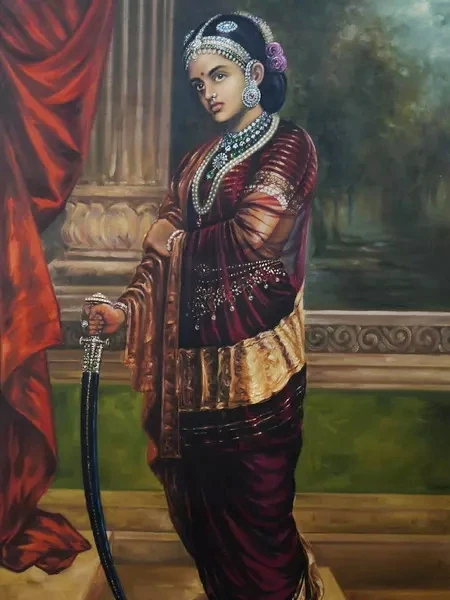
At 14, the girl's childhood ended. She was married to Gangadhar Rao, the Maharaja of Jhansi, a small region in northwestern India. The ruler had already been married and had recently been widowed. According to the laws of her country, Manikarnika took a new name upon marriage—Lakshmi Bai. 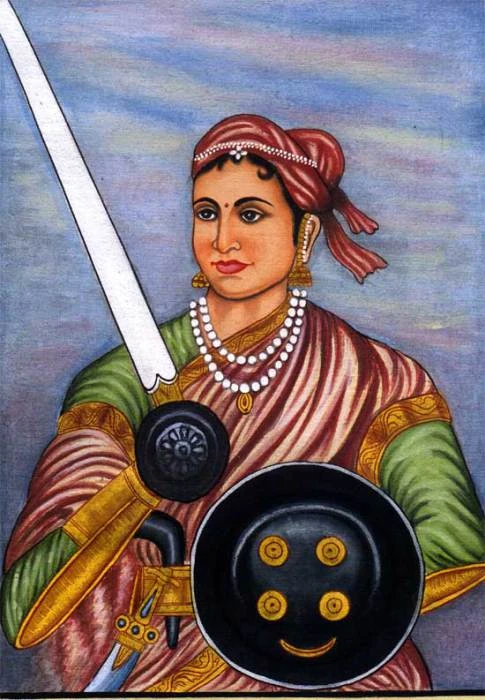
Her husband was 20 years older than Lakshmi. He showed no interest in his young wife, and she was left to her own devices. Some said the Maharaja was a man-lover, others that he kept an army of mistresses. He married simply because custom dictated it. 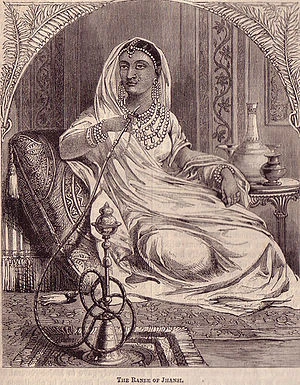
Gangadhar Rao treated Lakshmi well—he was so kind that he allowed her liberties unheard of for a woman, especially a married one. The young wife could continue to perfect her martial arts as much as she wanted. Moreover, her husband allowed her to create and train a detachment of female palace guards.
An Unrecognized Heir
Eleven years later, the Maharaja died without heirs. As a woman, Lakshmi Bai was ineligible to assume the position of ruler, so just before his death, Gangadhar Rao adopted a boy to whom he planned to pass the reins of power. The Principality of Jhansi was relatively independent within British India, but after the death of the Maharaja, everything changed. The British seized power and refused to recognize the adopted heir as ruler. 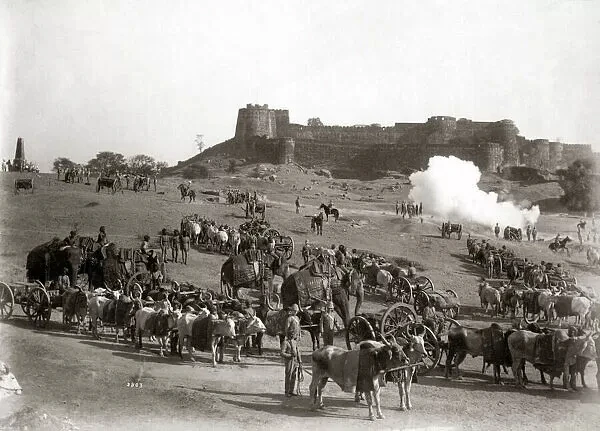
Jhansi Fort
A year after the ruler's death, the princess and heir were ordered to leave the principality. She refused and lived in limbo for another year. In 1857, the Sepoy Rebellion began in India. Ordinary Indians killed and robbed the colonialists, as well as their compatriots loyal to the British. More and more territories fell to the rebels, and Lakshmi asked the British to protect the principality of Jhansi from the rebels. 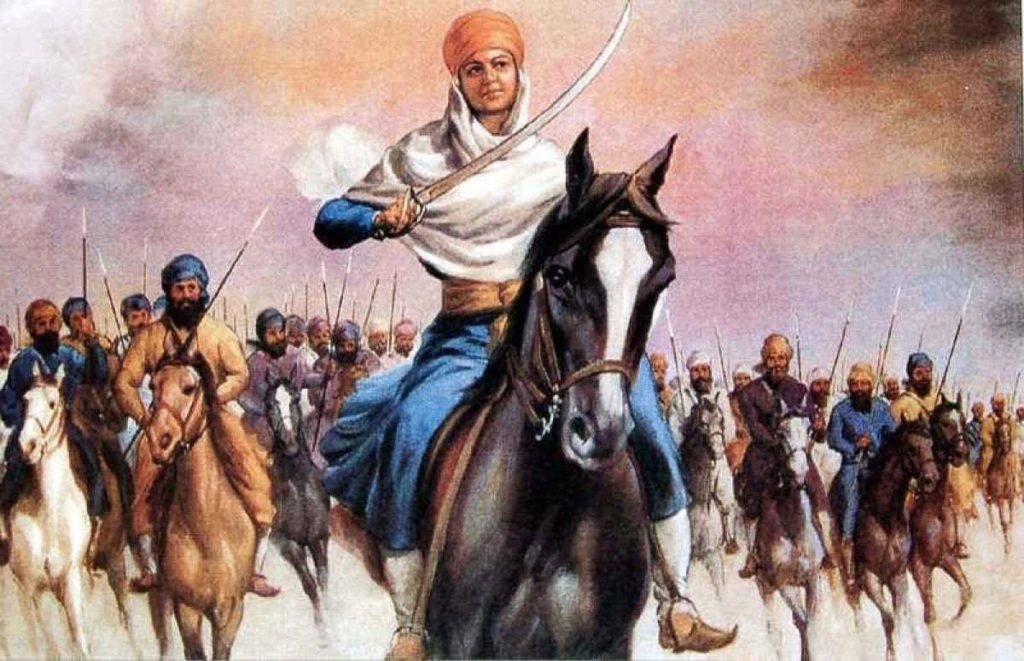
But they refused, and Lakshmi Bai decided to join the rebels. The first test for the princess and her supporters was the defense of the principality from the forces of British General Hugh Rose. She assembled an impressive army of 14,000 of her subjects and 15,000 sepoys who had previously served with the East India Company. It was a true army with iron discipline. Lakshmi even managed to solve the problem of weapons shortages – cannons began to be cast at the Jhansi fort under her leadership.
Participation in the Rebellion
The decisive battle took place in March 1858. Alas, Lakshmi Bai's army succumbed to the well-armed British. Her supporters were scattered, and the princess and the Maharaja's heir were forced to flee to a neighboring principality. But the courageous woman did not give in. She rallied her army again and in May of that year engaged Rose's army. However, the rebels were defeated again. 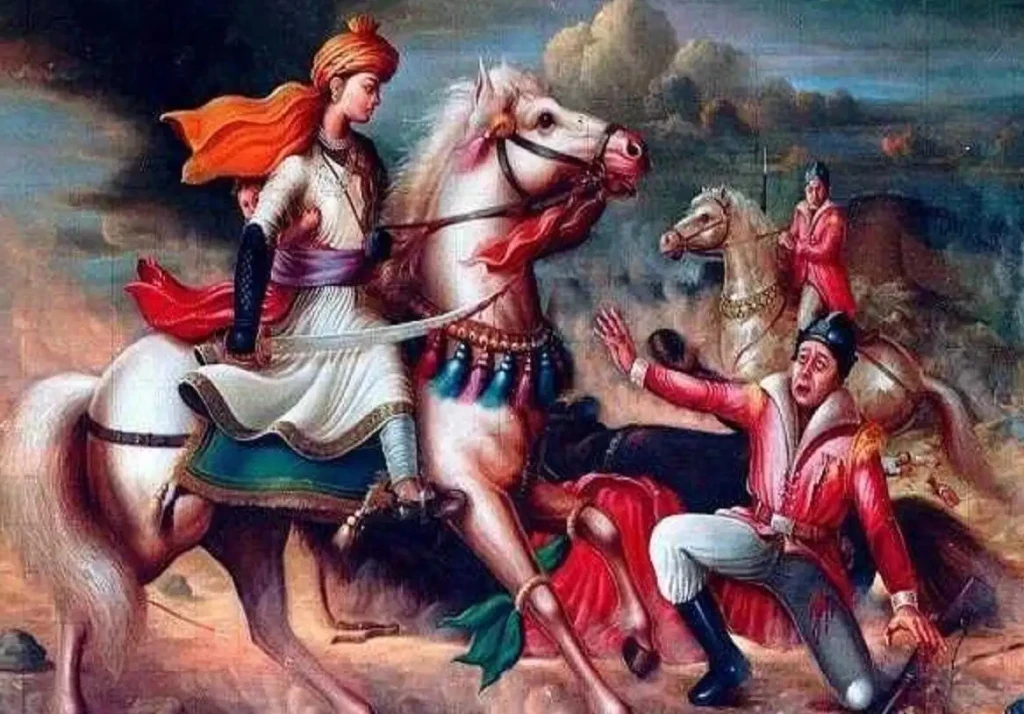
The princess and her supporters were forced to retreat to the Gwalior fortress. This was a powerful fortification, on which the sepoys had placed great hopes. However, these hopes were dashed, and on June 16, 1858, General Rose captured the fortress. The next day, Lakshmi Bai and the remnants of her army engaged the British outside the fortress walls. The brave woman died in this battle. It is believed that Lakshmi Bai's death marked the end of the Sepoy Rebellion. 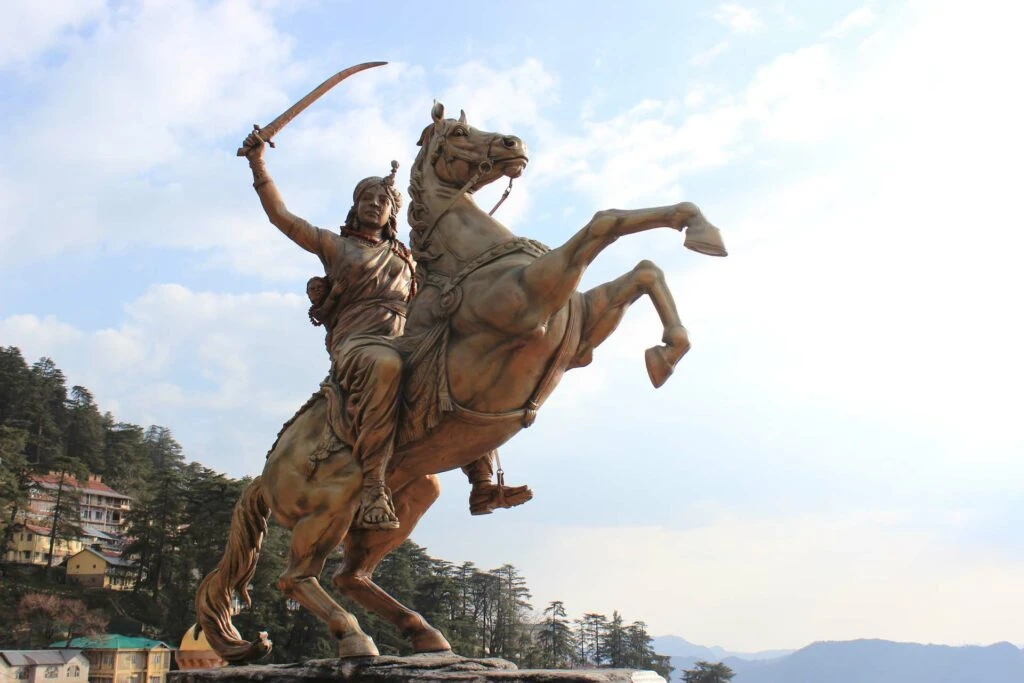
General Hugh Rose spoke highly of the warrior princess, calling her the most dangerous rebel leader, brave, persistent, and resourceful. The British commander also compared Lakshmi Bai to Joan of Arc. His compatriot, General Mason, wrote in his book on the Sepoy Mutiny that the princess took part in the rebellion because of unfair treatment, fought bravely, and died defending her land.