Why aluminum was once worth twice as much as gold (7 photos)
There was a time when only the most extravagantly wealthy could afford an aluminum spoon or fork. This is not surprising, since in 1852, a kilogram of this metal cost $1,200, while a kilogram of gold didn't fetch more than $600. What was the reason for such a high price for aluminum, and why did it depreciate so dramatically? 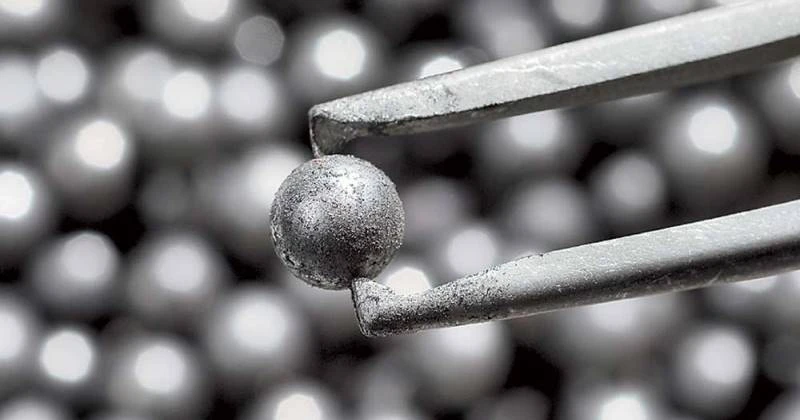
The mineral from which aluminum was once obtained is called alum, or, scientifically, aluminum double salts. It has been known since ancient times and was used for medicinal purposes, disinfection and cauterization, color fixation in fabric and leather dyeing, and as a wood impregnation to improve its fire resistance. 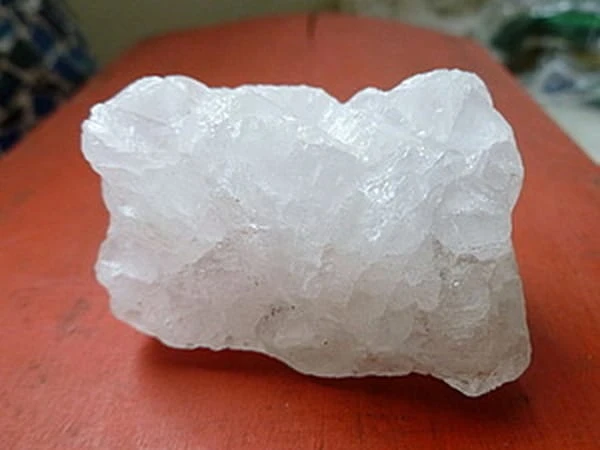
Today, alum is an ingredient in some types of antibacterial soaps, lotions, and various leavening agents. But most importantly, aluminum, which is not found in its pure form in the earth's crust, has been extracted from alum. The British chemist and geologist Humphry Davy was the first to discover the valuable metal in alum. Without much thought, he named it aluminum, since alum is called "alum" in Latin. Unfortunately, he was unable to isolate the metal itself.
Almost 30 years before Davy, the French chemist Antoine Lavoisier suspected the presence of some kind of metal in alum. However, he only detected aluminum oxide, calling it "agrilus." Lavoisier suggested that the metal might also exist in its pure form, but he didn't pursue the matter further. 
Humphry Davy
The first person to complete the work of Davy and Lavoisier and obtain pure aluminum was the Danish scientist Hans Oersted. In 1825, he heated potassium amalgam and anhydrous aluminum chloride, resulting in solid white particles of the metal. This was a remarkable discovery, but, unfortunately, the technology proved to be rather inefficient.
A more efficient method for producing aluminum was proposed by the German physician, physicist, and chemist Friedrich Wöhler. He based his method on Oersted's, but heated potassium and aluminum chloride. Wöhler produced metal granules of much higher quality. In 1854, the French chemist Henri Deville replaced the potassium with metallic sodium, and the process proceeded even faster. 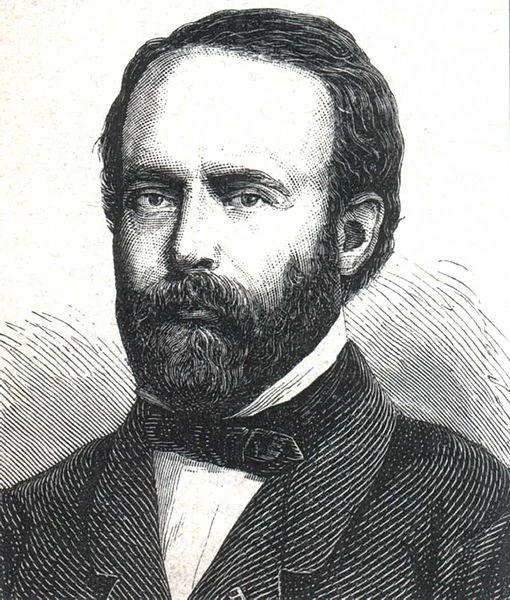
Henri Étienne Sainte-Claire Deville
Not satisfied with his discovery, Deville continued experimenting with alum and, in 1863, obtained aluminum using the then-revolutionary method of electrolysis. But more than 20 years passed before people learned to produce not just a pinch of aluminum powder, but industrial quantities of pure metal.
This happened in 1886, and the credit for the discovery was shared by two completely independent scientists from different countries – the Frenchman Paul Héroult and the American Charles Hall. At the time, the new technology was considered brilliant and was called the "Hall-Héroult process." But science moves on, and soon the chemist Karl Bayer made the method cheaper and proposed producing aluminum oxide from bauxite – an ore containing hydrates of aluminum oxide, iron oxide, and silicon. 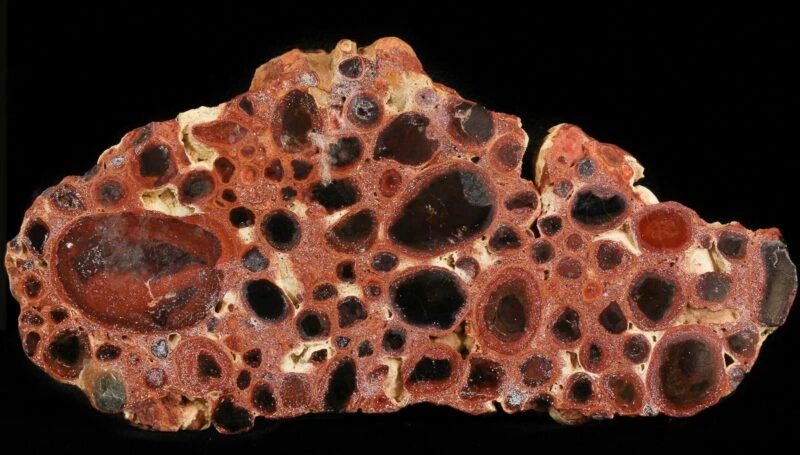
Bauxite
The resulting metal was quite pure, but had a significant drawback – it was too soft. In 1903, German scientist Alfred Wilm came up with the idea of adding 4% copper to aluminum, then rapidly cooling the alloy and holding it at room temperature for 5 days. The resulting compound was much stronger than pure aluminum, yet still easily workable.
High-strength aluminum became a German specialty. The first plant producing it opened in Düren, leading to the alloy being called "duralumin." This name has remained to this day—duralumin is in demand in the aerospace, automotive, and shipbuilding industries.
As we can see, several generations of renowned chemists had to work hard to produce high-quality and durable aluminum. Until the early 20th century, metal production technologies were not very productive and required complex manipulations with a large number of components. 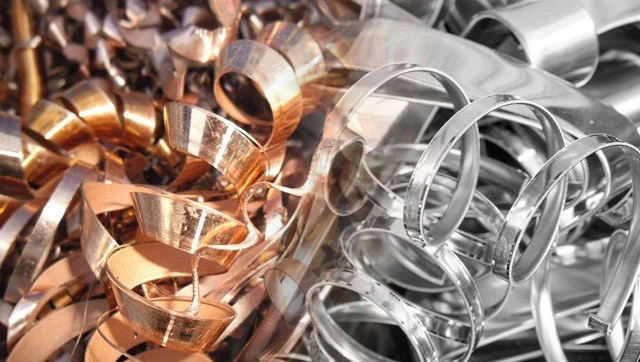
Copper gives aluminum its strength.
Gold, on the other hand, could be mined as sand or even nuggets. It was precisely because of the difficulty of obtaining it that aluminum was valued much higher than the "despicable yellow metal." But it must be said that the more sophisticated the methods became, the cheaper aluminum became.
In 1855, the metal was precious—French Emperor Napoleon III organized exhibitions displaying white ingots. He also introduced the fashion for aluminum tableware, which was affordable to the wealthiest industrialists, bankers, and aristocrats. Around the same time, aluminum was used in Japan for traditional jewelry. 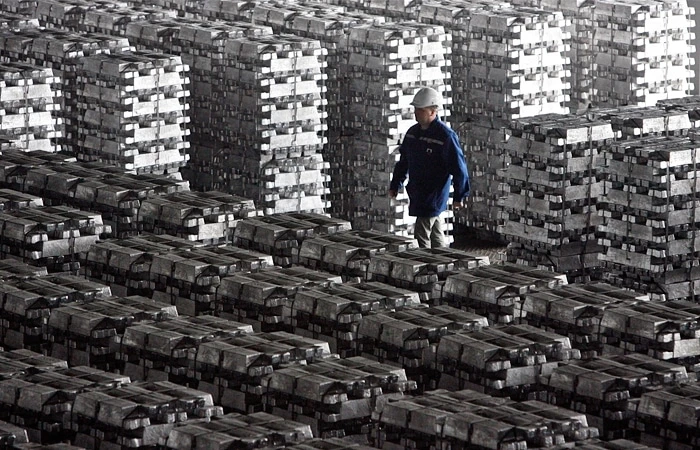
Thanks to technological advances, the price of aluminum fell from $1,200 to $1 per kilogram between 1852 and 1902. By the 20th century, aluminum tableware was already considered the cheapest and was manufactured for the army and government institutions, including correctional facilities.