City authorities' sanctions against pigeons: how the bird of peace has offended People (11 photos)
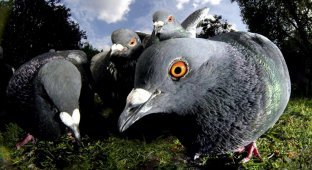
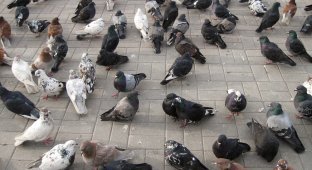
The pigeon is a universally recognized bird of the world. However, recently, this feathered inhabitant of city streets and squares has been called the flying rat. In many European tourist cities, feeding pigeons is punishable by a fine. For example, in Paris and Venice, you can be forced to pay for your loyalty to the birds, with the fine in the latter case reaching up to 500 euros. 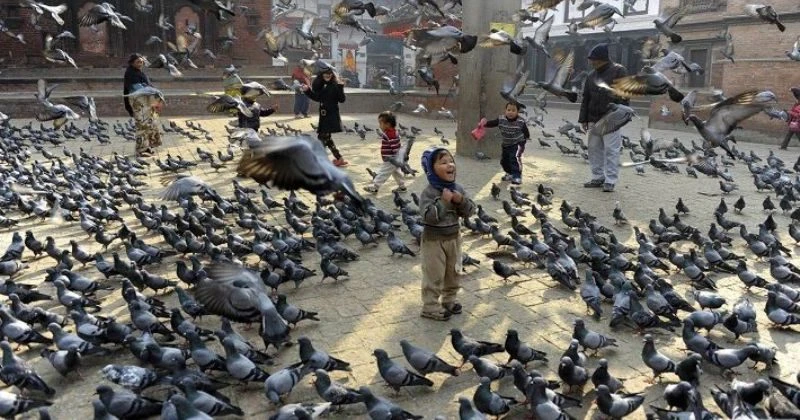
Tourists vacationing in Europe are outraged by the ban on feeding pigeons, while in sunny Magadan, due to a lack of tourists, local residents are dissatisfied. While sanctions against urban birds may seem harsh and strange, they are based on hard facts that cannot be ignored.
Let's start with the fact that without the help of compassionate passersby, pigeons are not in danger of extinction. Even in the capital of the harsh Kolyma region, where winter reigns for half the year, these birds are doing quite well and find shelter and food. The fact is that they are practically omnivorous and can feed on grain, seeds, fruits, vegetables, and bread. If necessary, pigeons can even peck at meat and digest it quite well. 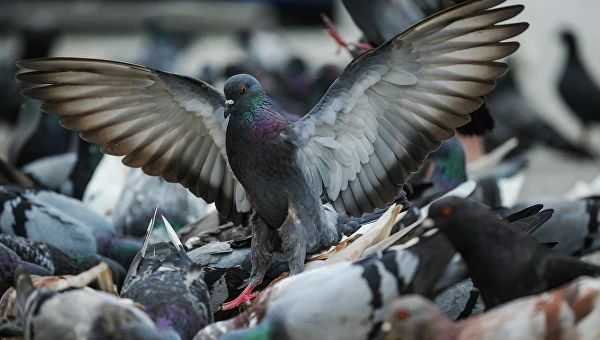
Such a varied diet makes these birds regulars at garbage dumps, where they can always find something from the above. Where there's garbage, there's increased microbial activity, but pigeons don't care – these street dwellers are in excellent health, and even a wide range of infections and parasites in their bodies doesn't prevent them from living a fulfilling pigeon life.
Unfortunately, the same can't be said for humans, and yet most of the microbes that develop in garbage pose a danger to us. The list of diseases that pigeons can transmit to humans is very extensive. Here are just a few of the most common options. 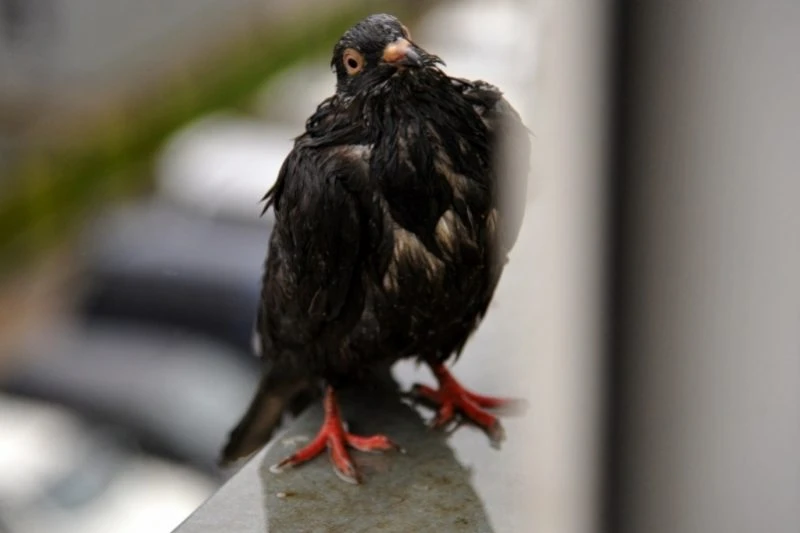
This disheveled and unhappy pigeon, which you immediately want to help, poses a serious danger to humans. A bird looking like this most likely has ornithosis, which is easily transmitted to humans. This infection, related to chlamydia, causes a severe respiratory disease that sometimes progresses to pneumonia.
Today, ornithosis, if detected early, can be successfully treated with tetracycline-based medications, but, again, only if treatment is started promptly. In advanced cases, the disease can lead to severe complications, including damage to the central nervous system, liver, kidneys, and lungs. Another insidious aspect of ornithosis is that the bacteria that cause it, Chlamydophila psittaci, can survive for a long time outside the host's body, for example, in bird droppings. 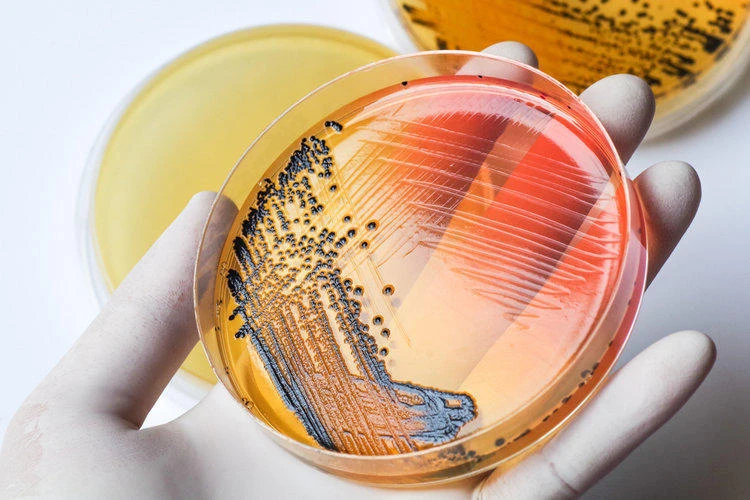
Salmonellosis is a dangerous intestinal infection that many believe is transmitted through contaminated food. However, it turns out that salmonella easily survives in the intestines of pigeons, causing no discomfort.
After leaving the bird's intestines in its droppings, salmonella is carried by the wind and can end up anywhere. Scientists have established that it's quite easy to contract this infection through airborne droplets. Salmonellosis isn't fatal today, but its treatment is lengthy and expensive. Furthermore, the disease is known for its complications. 
Tuberculosis is one of the most common causes of early death worldwide. Pigeons have their own form of tuberculosis, avian tuberculosis, caused by the bacterium Mycobacterium avium, which is very similar to the classic tuberculosis pathogen that is dangerous to humans. Infection can be acquired through food and water contaminated with bird down.
This infection is rare, but that doesn't make it any less dangerous. Avian tuberculosis affects the human lymphatic and respiratory systems, causing non-healing wounds. With a weakened immune system, it can even be fatal. The infection is resistant to antibiotics, making it very difficult to treat. 
The common environmental fungus cryptococcosis (Cryptococcus neoformans) thrives in soil contaminated with bird droppings. The microorganism can enter the human body through food or airborne droplets. In 30% of cases, people who become infected do not even notice they were sick. But in the remaining 70%, the disease presents with very serious symptoms, accompanied by fever, cough, and even hemoptysis.
In severe cases, hallucinations and severe brain damage, such as meningitis and meningoencephalitis, can occur. Cryptococcosis is treated with antifungal medications, but can sometimes become chronic, with horrific symptoms persisting for months or even years. 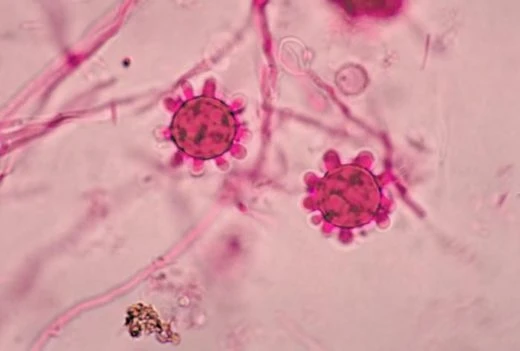
The fungus that causes histoplasmosis, Histoplasma capsulatum, is not dangerous to pigeons, as they merely carry it. However, infection with this infection is extremely dangerous for humans. By inhaling the fungal spores, which are abundant in soil fertilized with bird droppings, humans can develop one of three unpleasant forms of the disease: acute pulmonary, chronic cavitary, or disseminated.
Weight loss, severe coughing, shortness of breath, ulcers on the mucous membranes, and an enlarged spleen are just a few of the "joys" of this disease. Histoplasmosis, also known as Darling's disease, can even be fatal, especially if it affects children or the elderly. 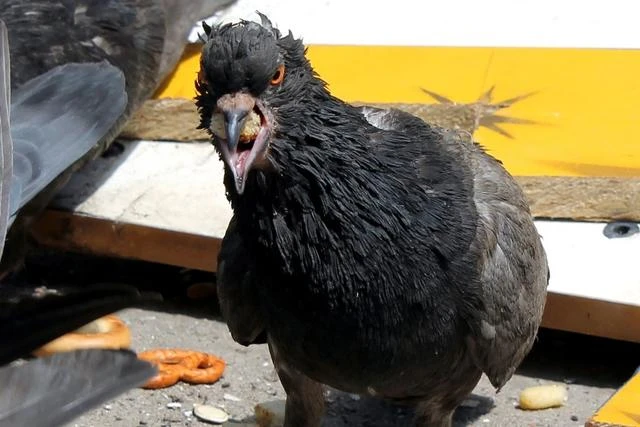
The list of infections carried by pigeons is long. It's also worth mentioning several species of mites, which are found on almost every bird. They cannot live on humans, but they are quite capable of biting the skin and causing an infected wound or dermatitis.
It's quite difficult to contract an infection from a pigeon simply wandering nearby or living on a balcony. Those at risk include those who keep or breed them, as well as those tourists who happily hand-feed the birds.
After a pigeon has eaten bread or grain from their hand, people, especially children, are reluctant to wash or disinfect their hands. Eating the food or simply touching your face can lead to one or even several diseases from the extensive list of pigeon-related diseases. Another, less common, form of infection is airborne. Dust kicked up by pigeon wings can cause a person to inhale pathogens and, if they become seriously ill, they're unlikely to know what they've been exposed to. 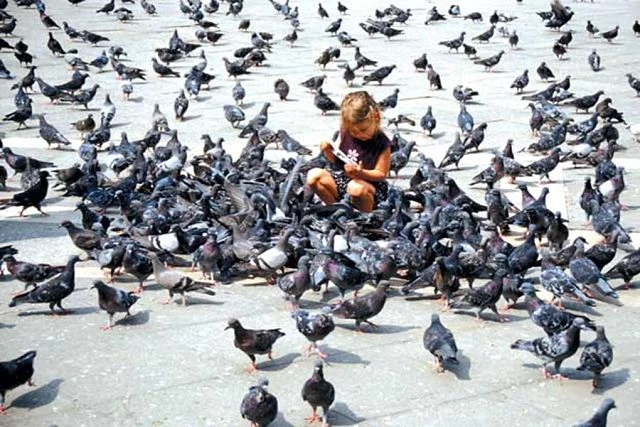
But these aren't the only problems associated with our feathered neighbors. Their droppings, which accumulate in attics and on architectural elements of landmarks and monuments, pose a huge problem. Pigeon droppings themselves are quite chemically aggressive and, with prolonged exposure, can even damage metal. Needless to say, monuments and car hoods stained with white streaks look unsightly.
There's a well-known story about a pigeon in Milan damaging a Renaissance masterpiece worth over $4 million. But this is unlikely to upset you more than a snow-white blouse or stylish hairstyle ruined by bird droppings.
It has already been calculated that a flock of just 100 pigeons produces over two tons of droppings per year. Considering the populations of these birds in cities like Rome, Paris, and Florence, it's clear that this is also a serious problem. Some European cities are even attempting to protect buildings from "flying rats." To this end, building eaves and tree branches are being equipped with special spikes to prevent the birds from using them as perches. 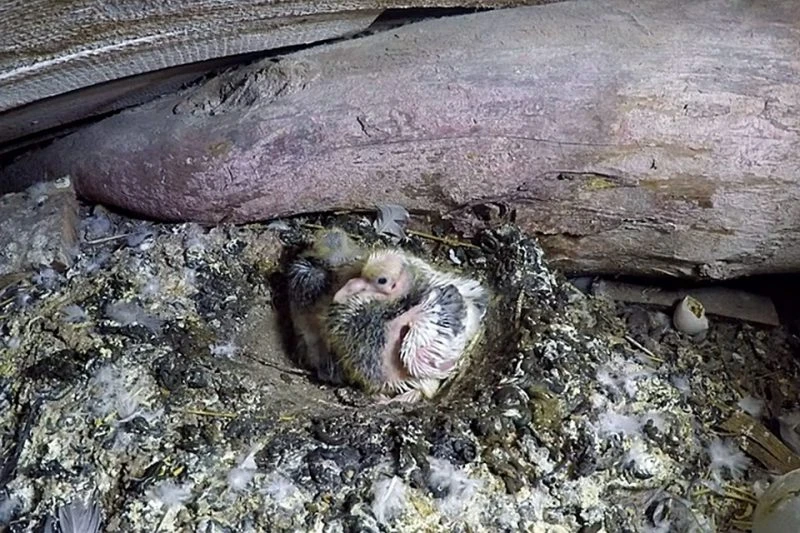
Houses with attics where pigeon families have nested for years accumulate enormous quantities of droppings, which are teeming with insects and allowing fungi and bacteria to thrive. Visiting such an attic without protective equipment can be hazardous to your health. Now consider that all of this is happening right above your heads, in some cases just 2-2.5 meters away.
By feeding urban pigeons, we're not so much caring for them as exacerbating the already difficult situation facing these birds. With easy access to food, flocks of birds grow exponentially, defacing monuments with their waste products and worsening the epidemiological situation. 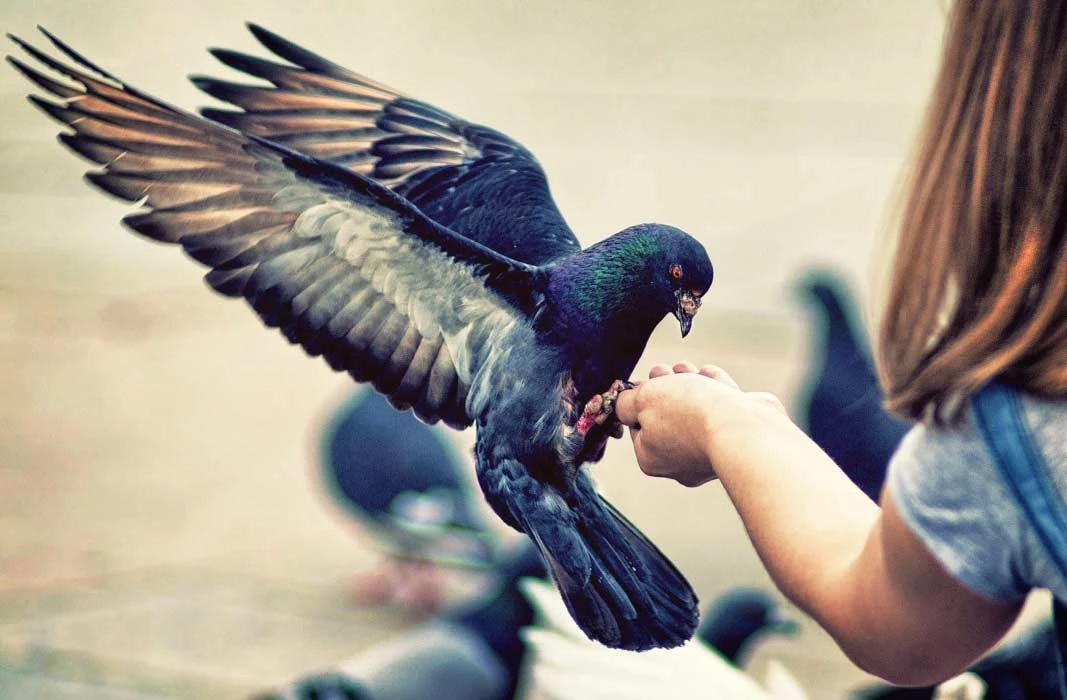 Pigeons cannot be killed—they are living creatures that have lived alongside humans for over 6,000 years. These birds have many natural enemies that control their populations in both cities and rural areas. But by providing them with unlimited food, we upset the fragile natural balance and encourage the already numerous birds to reproduce at an accelerated rate.