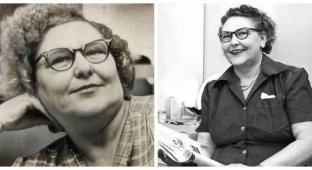
Love unto death: How a couple killed lonely women (13 photos)
Serial killers don't always lie in wait for their victims in dark alleys or vacant lots. They often operate online, through social media and instant messaging apps. Before the digital age, danger lurked for those who frequented the personals sections of newspapers. In the US, the "Lonely Hearts" section was a favorite among criminals. It was there that the "Laughing Killer" Nannie Doss found her husbands. It was also there that the sinister series of events involving Raymond Fernandez and Martha Beck began. 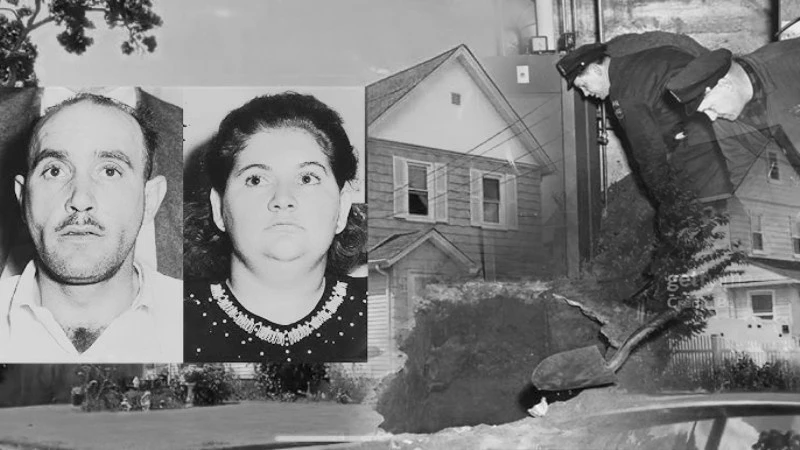
Criminal Duo
From 1947 to 1949, Raymond and Martha are believed to have murdered up to 20 women. The exact number remains a mystery, but three murders are considered proven. Their victims were lonely women seeking love through newspaper ads. For this criminal duo, human life meant nothing. For just a few hundred dollars, this pair killed not only adults but also children without hesitation. 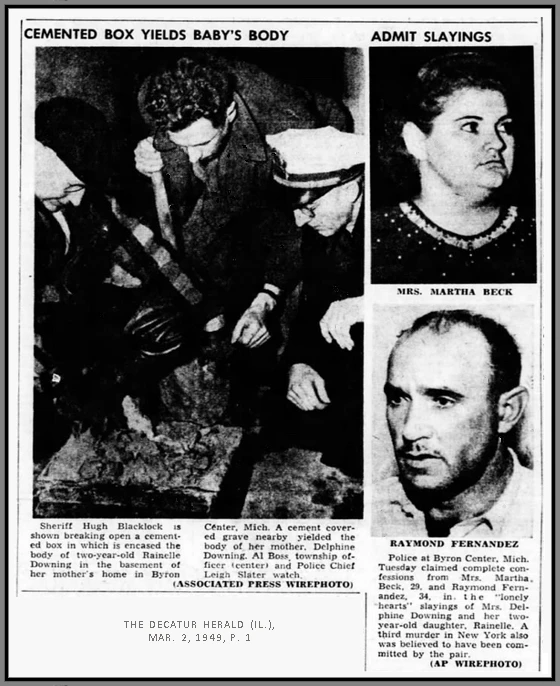
Newspaper article about the killers from 1949
When the killers were caught, many refused to believe that such crimes could have been committed by mentally healthy people. The two men showed no empathy whatsoever—the deaths of others left them completely untouched. However, several psychiatric examinations confirmed that Martha and Raymond were sane and fully aware of their actions. Ultimately, the court rendered the only possible verdict—the death sentence.
The Fat Girl from Florida
Martha Jule Seabrook, known as Martha Beck, was born in 1920 to a large family. Her hometown is Milton, Florida. She had a congenital disorder that caused iron deficiency and metabolic problems. Because of this, Martha suffered from excess weight throughout her life. 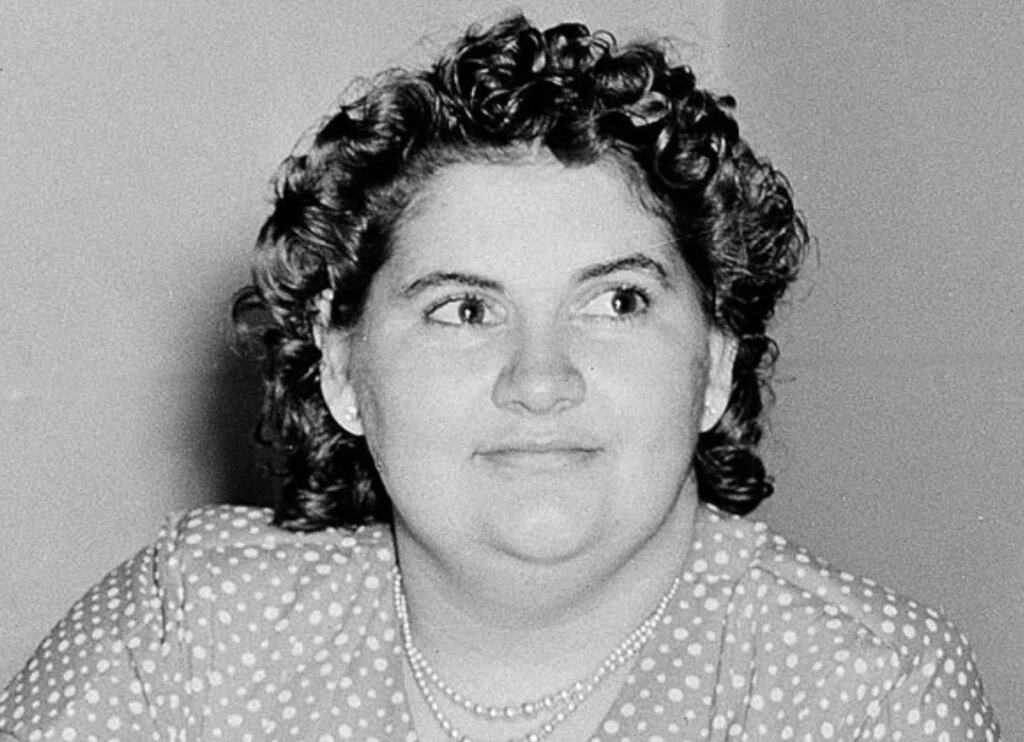
Martha Beck
The Beck family was dysfunctional. Her parents drank heavily and showed little interest in their children's upbringing. At 13, Martha was raped by her older brother. When she told her mother, her mother blamed her and then beat her. Unsurprisingly, Martha left home immediately after finishing high school.
Living on her own wasn't easy for Martha. She had no profession, and was rejected for unskilled work due to her excess weight. She was clumsy and slow, and not particularly beautiful. With great difficulty, in 1938, Martha found a job at a funeral home as an embalmer's assistant. Her duties included applying makeup to the faces of the deceased and doing their hair.
A turbulent personal life and dreams of happiness
At the beginning of World War II, Martha Beck moved to California and found work as a nurse in a military hospital. She was extremely promiscuous in her relationships, and by the age of 20, she was leading a wild and promiscuous sex life. She became pregnant by a hospital employee, but he denied the child and refused to marry Martha. After the birth of her baby, she quit her job and returned to her native Florida. 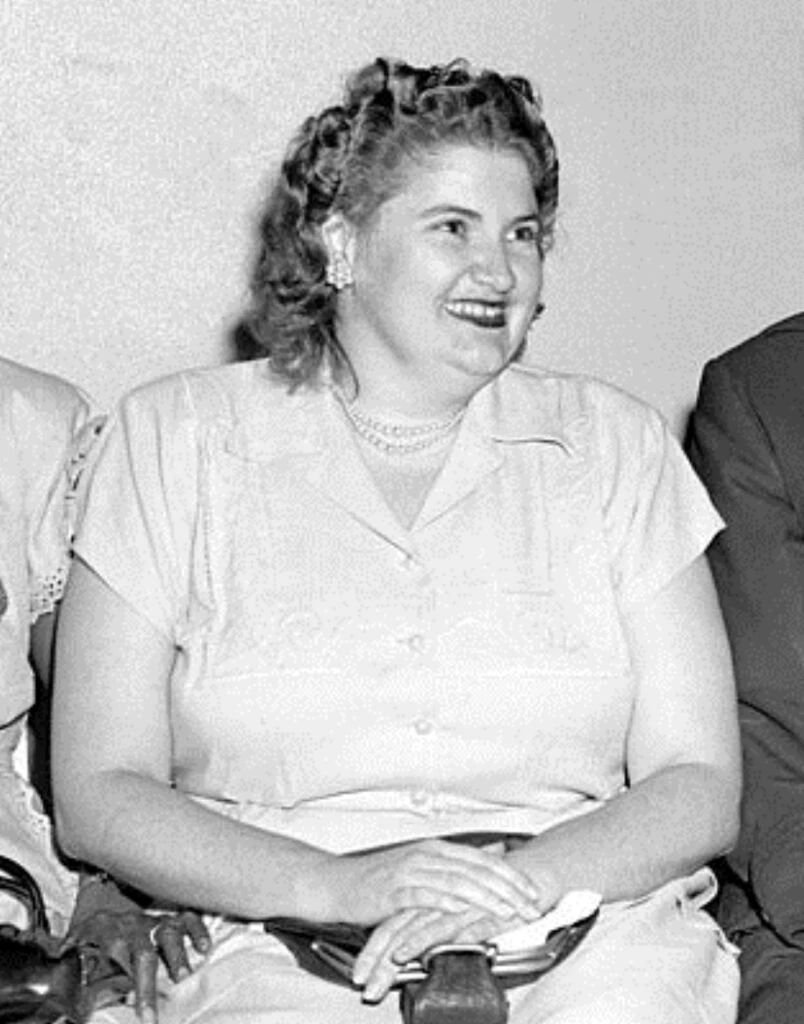
Martha Beck
In 1940s America, society frowned upon women with children born out of wedlock. To avoid gossip, Martha Beck lied to everyone that she had married a soldier who had died during the Pacific campaign. She later met a local chauffeur, Alfred Beck, and soon became pregnant with his child. They decided to make their relationship official, but their marriage lasted only six months and ended in divorce in 1946. Martha was left alone with two small children.
Martha Beck began working as a nurse at a Pensacola hospital, caring for disabled children. She spent the day performing her duties, and in the evenings, she immersed herself in romance novels, dreaming of true and fulfilling love. In 1947, she decided to place an ad in the newspaper's "Lonely Hearts" section. A man named Raymond Fernandez soon responded.
Fernandez, a Scout with Many Children
Raymond Fernandez was born in 1914 in Hawaii to Spanish immigrants. His father was a low-level employee prone to alcoholism and domestic tyranny. He regularly beat his wife and two sons, calling them slackers and parasites. When Raymond was forced to drop out of school and get a job, his father began taking all the money he earned and spending it on alcohol. 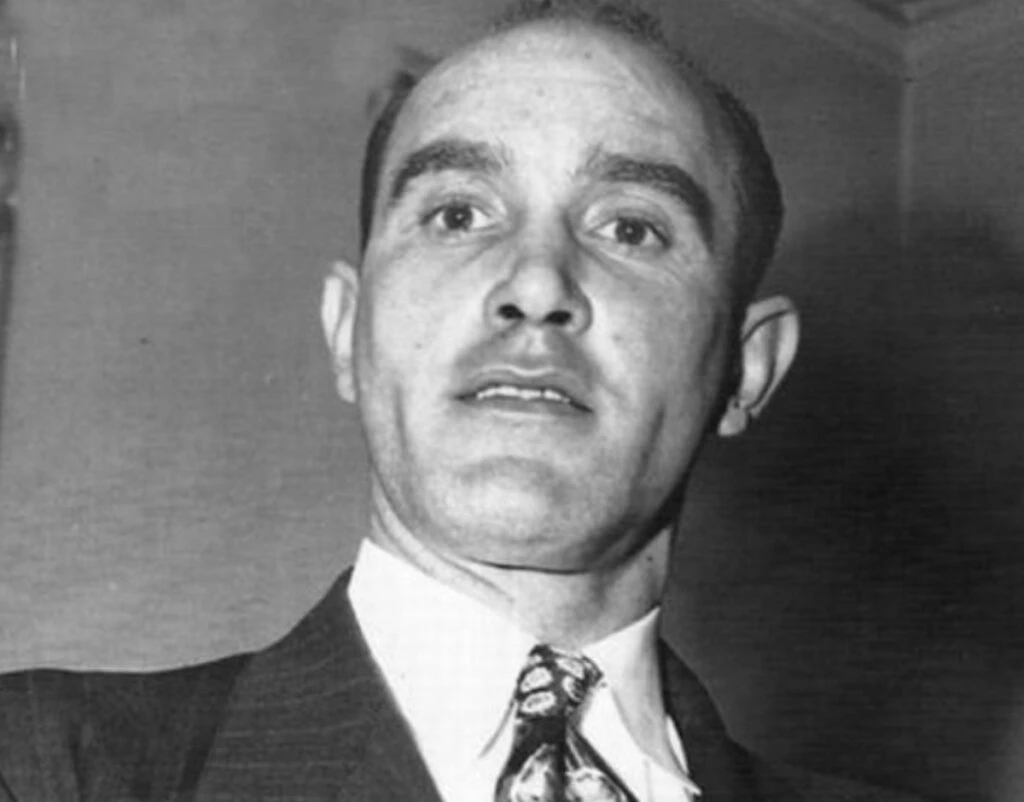
Raymond Fernandez
At 16, Raymond Fernandez and two friends were arrested by the police. They had stolen several chickens from a farmer. The families of Raymond's accomplices hired lawyers and paid compensation, resulting in their release. However, Fernandez Sr. refused to pay, resulting in his son spending two months behind bars.
Soon after this incident, the Fernandez family moved back to Spain. There, his father's fortune improved, and he even became mayor of the small town of Órgiva. At 20, Raymond went to Gibraltar, where he found work as an ice cream vendor. In the mid-1930s, he married, and soon his family had four children.
By the start of the war, Fernandez was working on a Spanish merchant ship and was later recruited by British intelligence. In 1945, he returned to his family, but soon left his wife and children and sailed to the United States on a merchant ship. During the voyage, he suffered an accident. During a storm near Curaçao, a heavy steel hatch collapsed on Raymond's head. He suffered a severe skull fracture and nearly died. 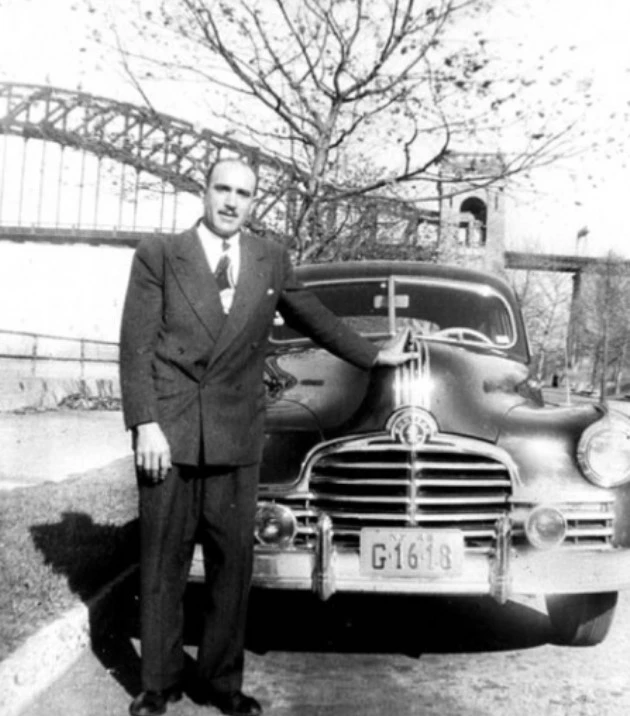
Fernandez next to the car of one of the victims
The injury profoundly changed Raymond's life. Surgery left noticeable scars on his skull, and his hair almost completely stopped growing. Because of this, he began wearing a wig. Fernandez's mental health also suffered: he became short-tempered and aggressive. He also had difficulty finding work—his disability made him reluctant to hire, and his confrontational nature made it difficult to hold down positions even when he was hired.
The Prison Magician's Apprentice
In 1946, Fernandez was arrested in Florida for reselling stolen goods and sentenced to six months in prison. While in prison, Raymond met a Latino man who claimed to possess voodoo magic and hypnosis. Mentally unstable, Raymond sincerely believed he could now control people and subjugate women through suggestion. At the end of that year, he was released and left Florida, moving to New York.
Believing in his supposed magical abilities and irresistible charm, Fernandez decided to quit his job. He planned to live off lonely women yearning for a soulmate. Raymond charmed them by posing as a wealthy man. His first victim was Lucila Thompson. She and her mother owned a boarding house where Raymond rented a room. Shortly before they met, Lucila had divorced her husband and was actively seeking a new love. 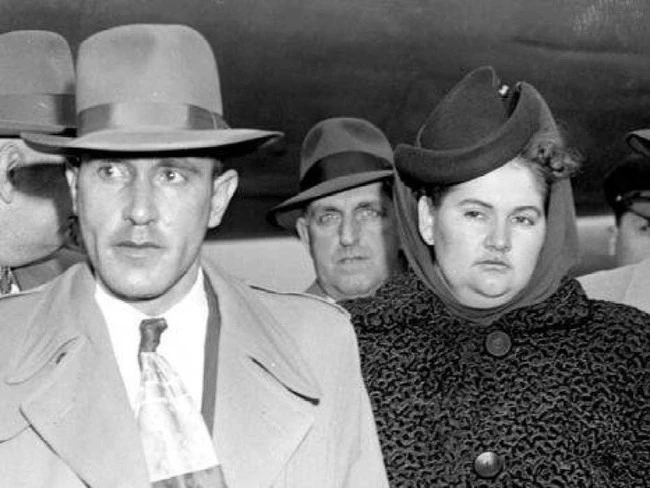
Fernandez and Thompson began a romantic relationship. In 1947, Raymond convinced his girlfriend to move to Spain. Everything started off well: the couple traveled at Lucila's expense and visited Madrid, Granada, Malaga, and La Linea de la Concepción. However, the man later made a mistake – he introduced his mistress to his wife and children. Upon learning that her fiancé had abandoned his family but was still technically married, Thompson created a scandal and announced she wanted to separate.
The next day, the woman's body was found in her hotel room. Police believe she died of a heart attack brought on by serious stomach problems. Fernandez then returned to New York and showed his deceased fiancée's mother the will. Of course, the document was forged, but the elderly woman failed to notice the trick. Thus, the criminal took possession of some of the victim's money and property.
Raymond and Martha's First Case
At the end of 1947, Raymond responded to Martha Beck's ad. They began a lively correspondence. Upon learning that his new acquaintance had neither money nor property, Fernandez informed her they weren't meant for each other. Beck responded by declaring her intention to commit suicide. What exactly drove the deranged killer to his next step remains a mystery, but he took pity on Marta and invited her to visit him in New York. 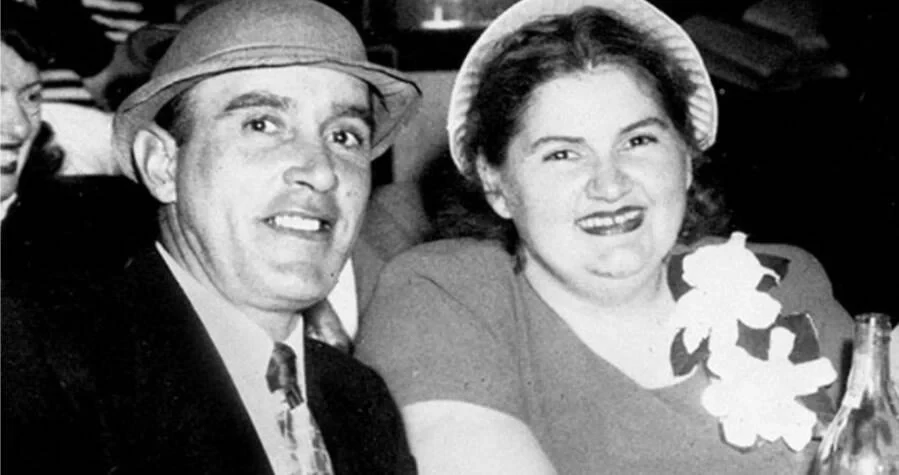
Marta took matters seriously: she quit her job, packed her things, and took the children. Fernandez was stunned to see Beck standing at the door with suitcases and boxes, revealing two children. Nevertheless, he began living with Marta, but she sent the children to live with her mother in Florida. The couple moved into the boarding house where the murdered Thompson had previously lived. Over time, they secured the eviction of Lucila's elderly mother.
A month after Marta moved in, Raymond laid his cards on the table. He told his partner that he intended to meet women and kill them for money. Beck, undeterred, agreed to help Fernandez. Fernandez was a classic psychopath—charming, lacking empathy, and easily manipulative. Beck suffered from low self-esteem and a pathological attachment to her lover, which made her willing to commit any crime for the sake of their union.
Marriage Scams and the Murder of Janet Faye
On February 28, 1948, Raymond went on a "business trip" to Fairfax, Virginia. There, he met teacher Esther Henn through an ad and promised to marry her. The marriage scammer and his victim married and began living in Henn's house. Later, Martha, posing as a lonely relative, moved in with them. The criminals convinced Henn to move with them to New York. But she became suspicious when her fiancé insisted on taking out a large life insurance policy on her. She made inquiries and learned of Thompson's strange fate. 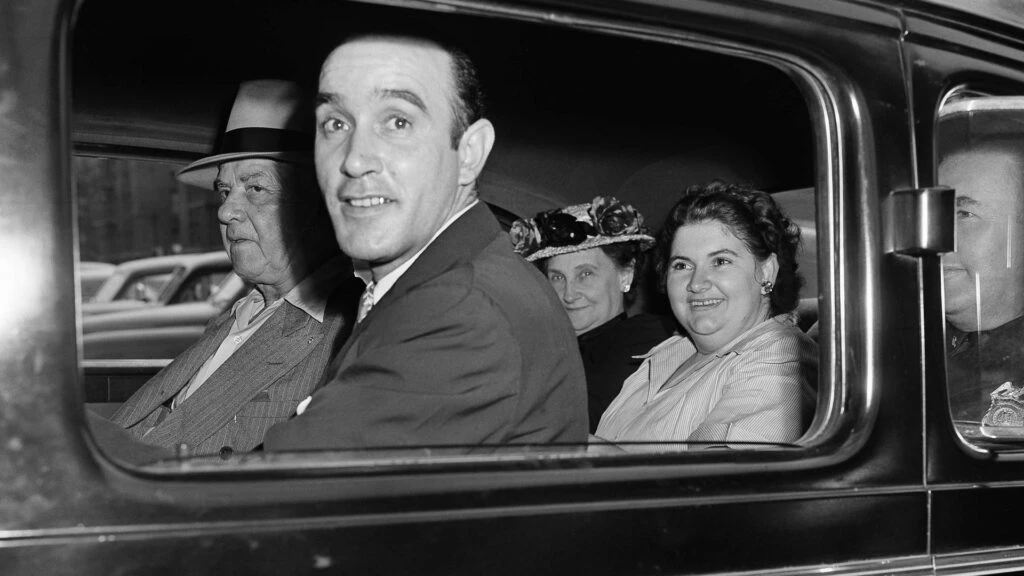
Fernandez and Beck
After this, Esther Henn decided to file for divorce and demanded that Fernandez return her car and the three hundred dollars she had lent him. She caught herself in time, and thanks to this, she escaped death. Meanwhile, the criminals sold their boarding house in New York and traveled to Arkansas, where they had already found a new victim, Myrtle Young.
Fernandez married Young, and Martha again moved in with them as a poor relative. She even went with the newlyweds on their honeymoon to Chicago, where the couple planned to get rid of Young. On the third day of their vacation, the young wife caused a scene and demanded that Martha live separately. The criminals then gave her sleeping pills, took four thousand dollars, and, while she was unconscious, sent her back to Arkansas on a bus.
In late 1948, Fernandez met a widow from Albany, Janet Fay. He introduced himself as Charles Martin and soon arrived at her place with his "sister" to propose. He immediately reported losing his wallet, and the bride contributed two and a half thousand dollars for the wedding expenses. Fay later gave the criminals another three and a half thousand dollars from her savings. 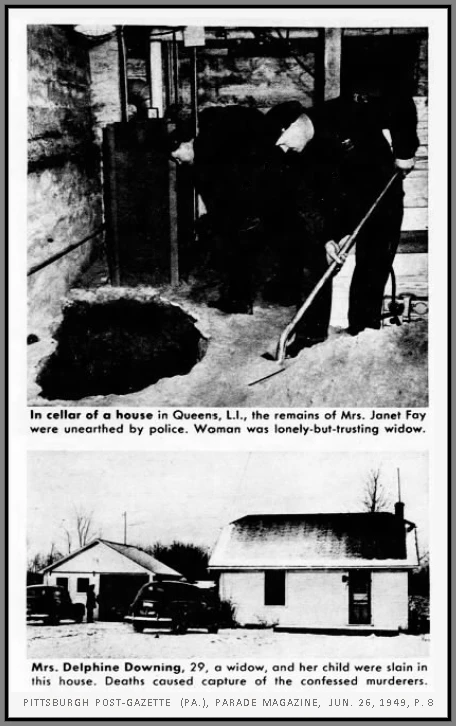
Police search for body in Janet Fay's home
Shortly before the wedding, the bride began to doubt her plans. She found it suspicious that the "brother" and "sister" had such different memories of their childhood together. Furthermore, Fay didn't like the fact that Beck planned to live with them. When the woman shared her concerns with Raymond, the killers decided to act immediately. Beck bludgeoned the woman to death with a hammer, after which they covered her body with cement in the basement.
The Death of Delphine Downing and Her Daughter
The cement over May's body had not yet set when Fernandez met Delphine Downing, a young widow from Grand Rapids, Michigan. She had a two-year-old daughter, Rainella. This time, the killers arrived together again, posing as brother and sister. But Beck soon became jealous of Raymond and Downing and began insisting on a quick execution. 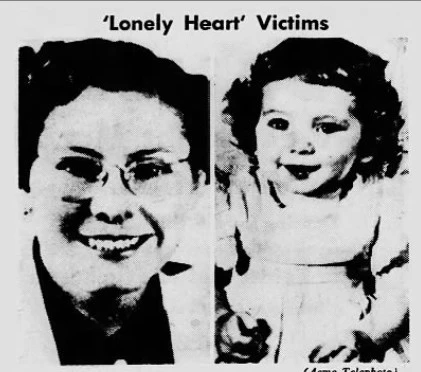
Delphine Downing and her daughter
On February 27, Beck slipped Delphine sleeping pills, passing them off as birth control pills. After she fell asleep, Fernandez shot her with a pistol belonging to her ex-husband. Her body was taken back to the basement and covered with cement. Beck drowned two-year-old Rainelle in the pool in the yard, after which the child was buried in the basement next to her mother.
The criminals planned to sell the house and forge documents to gain control of the victim's bank accounts. Meanwhile, they lived peacefully in someone else's house and even befriended the neighbors. They told them that Delphine and her daughter had gone to visit relatives. This seemed suspicious to a neighboring couple who had lived near the Downing family for many years.
Arrest and Exposure of Serial Killers
On March 1, 1948, Raymond and Martha, returning from a movie, were ambushed by police at their victim's home. Neighbors, who found it odd that strangers were in the Downing house, reported them. The police conducted a thorough search and found evidence incriminating the perpetrators. But even when the bodies of mother and child were removed from the cement, Fernandez and Beck continued to deny all charges. 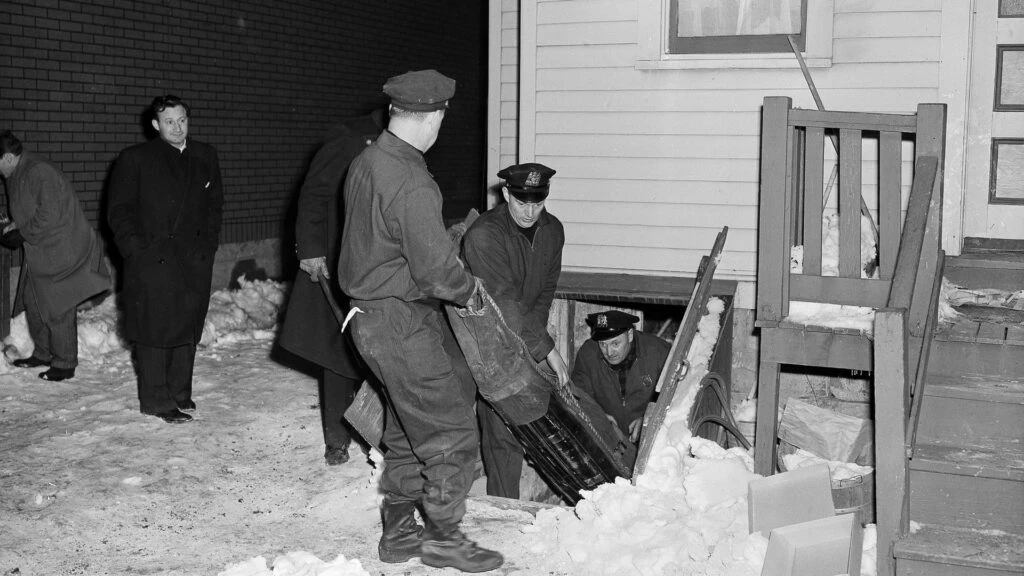
Police retrieve Janet Faye's body from the basement
At first, they categorically denied their guilt, but under the pressure of evidence and witness testimony, they began to accuse each other. Beck insisted she acted solely out of love, while Fernandez tried to shift all responsibility to his accomplice. During the investigation, the extent of the couple's criminal activity became clear. It was discovered that they operated in several states, leaving a long trail of deceived and murdered women in their wake.
Michigan police handed the suspects over to their New York counterparts, where they were charged with the murder of Janet Fay. In June, the couple attempted to feign insanity, but an autopsy failed to confirm the diagnosis. Their outlook was extremely dire: unlike Michigan, New York had a death penalty law.
Trial and Sentence
The trial began in July 1949 and quickly became one of the most high-profile of the time. The press dubbed the defendants the "lonely hearts killers," a name that would long stick with the couple. The defense relied on proving the insanity of both defendants. The defense argued that Fernandez suffered from the aftereffects of a traumatic brain injury, while Beck was mentally unstable due to pathological jealousy. 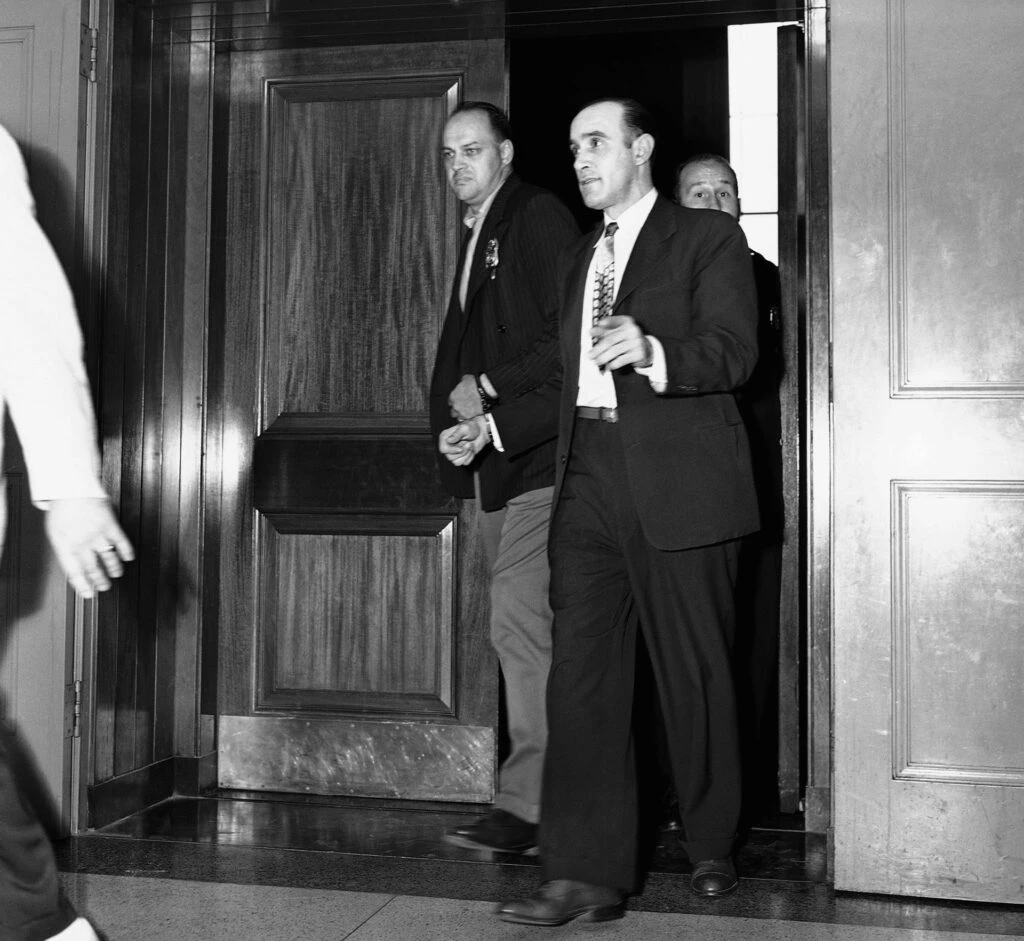
Raymond Fernandez in the courtroom
After a 44-day trial, Fernandez and Beck were found guilty of Faye's murder and sentenced to death by electric chair. Police linked them to one death, and Beck confessed to three. The duo was suspected of 20 counts in total, but no evidence was found. Their lawyers filed appeals, but all were rejected. The criminals spent nearly two years on death row, continuing to exchange letters and declarations of love.
On March 8, 1951, the executions were carried out at Sing Sing Prison. Martha Beck was executed first, followed minutes later by Raymond Fernandez. Until the very end, she insisted that her only crime was love.
History clearly shows that even casual acquaintances can be deadly. Today, manipulators and predators have learned to exploit modern technology, mastering social media and instant messaging apps. Do you think it's possible to recognize such people early on? Share your opinions and experiences in the comments!