Robbed genius: How Nikola Tesla lost his money, fame, and patents (13 photos)
The alternating current that powers the world is his invention. Wireless signal transmission, attributed to someone else, is also his. He received nothing of the $50,000 he received, refused millions in royalties, and was removed from the Nobel Prize for radio with the support of his own employers. July 10th marks the 170th anniversary of the birth of the genius Nikola Tesla. How did this inventor, ahead of his time, die alone with a "Do Not Disturb" sign on his door? 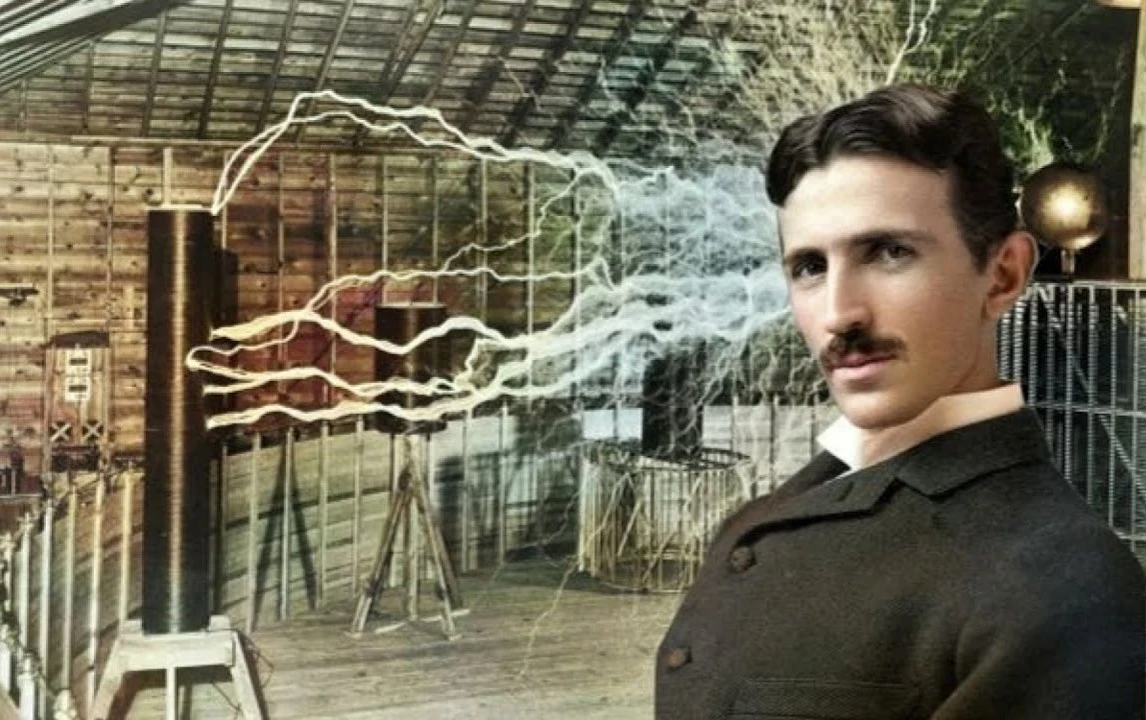
Arrival in New York and the First Deception
In 1884, Tesla disembarked from a steamship in New York City with almost no money. A few coins, some technical equipment in his pocket, and a letter of recommendation from Edison's partner—that was his entire capital. The letter read:
"I know two great men. One is you. The other is this young man." 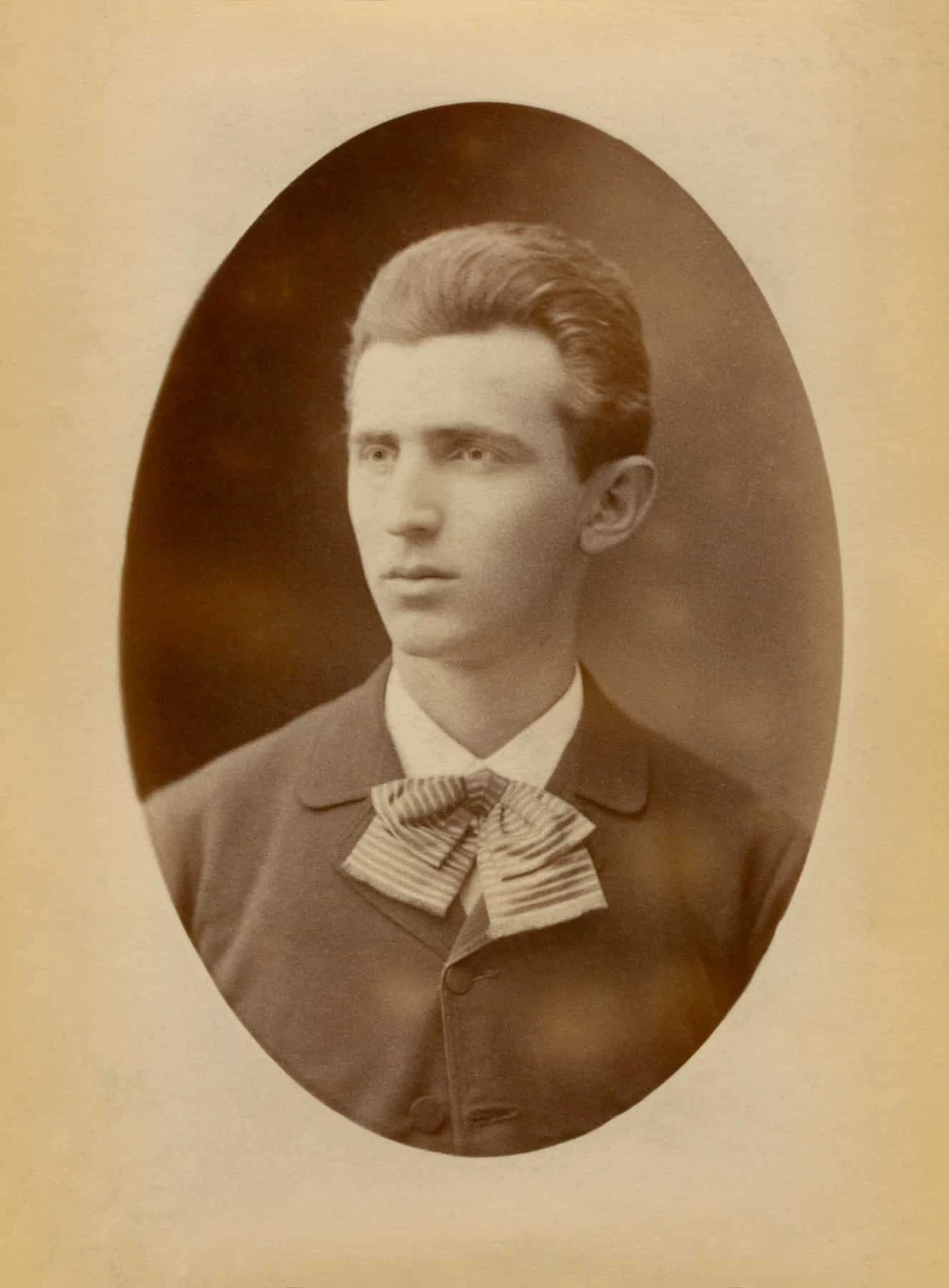
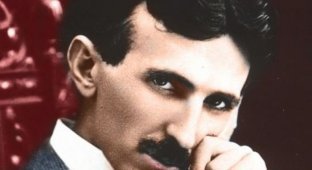
Young Tesla — portrait taken before leaving for America in 1884
Thomas Edison hired Tesla at Edison Machine Works. His task was to improve DC machines. He promised a large bonus for success: according to Tesla's recollections, it was $50,000. Within a few months, Tesla had developed 24 new generator designs and came to collect the money. Edison refused. "Tesla, you don't yet understand American humor," he explained. Instead of a bonus, he offered a $10 weekly salary increase. Tesla resigned immediately. 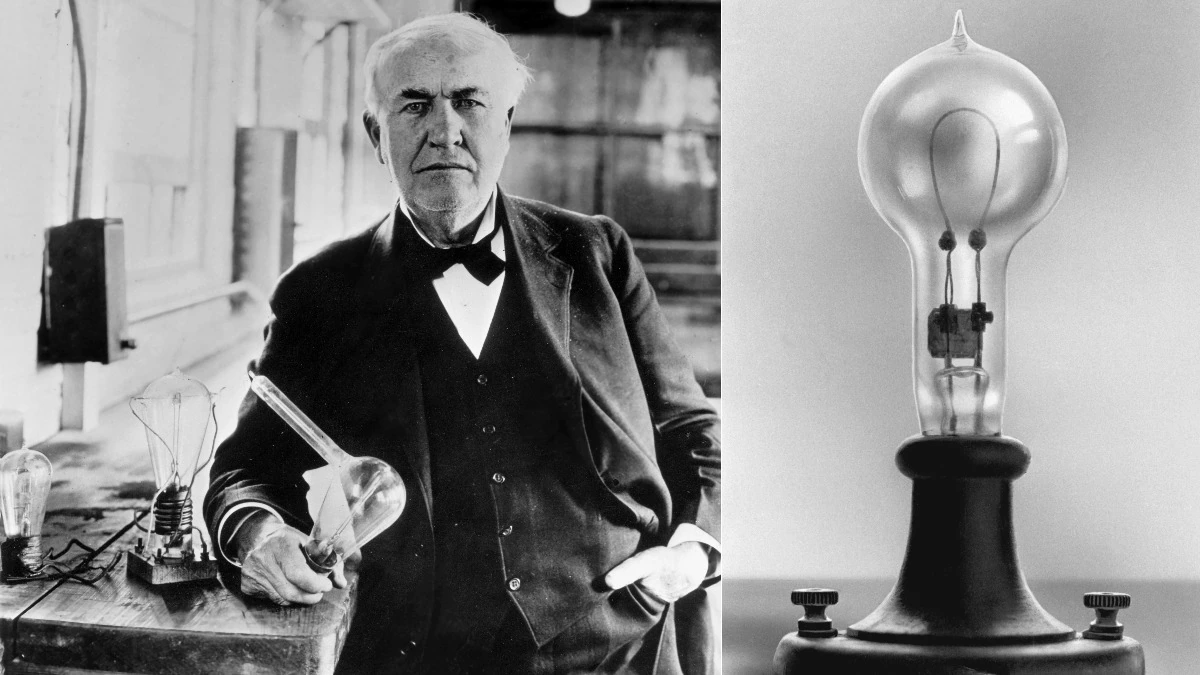
Thomas Edison – Tesla's main rival in the "war of currents" of the 1880s and 1890s
Tesla spent the next year digging trenches for cables in the streets of New York City. The very cables that carried the current of Edison's systems.
This conflict wasn't a personal vendetta. Edison owned an extensive network of direct current stations throughout the city and lived off patent royalties. The victory of alternating current meant the devaluation of this entire infrastructure. The stakes were financial, not personal.
Westinghouse and the money he himself turned down
In 1888, Tesla was noticed by industrialist George Westinghouse. He purchased Tesla's patents for the alternating current system for $60,000, plus stock and royalties: $2.50 per horsepower generated by his system. Tesla was also paid a salary of $2,000 per month. 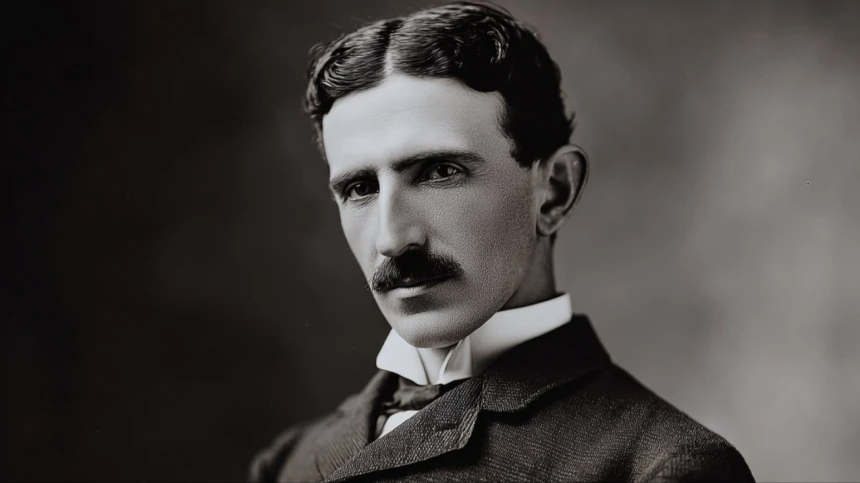
Tesla circa 1890 – at the peak of the "current war" and his collaboration with Westinghouse
Alternating current was winning. At the 1893 Chicago World's Fair, the Tesla-Westinghouse system lit 160,000 light bulbs—the largest electrical demonstration in history. Edison banned Westinghouse from using his patented lamps, so he developed his own design to circumvent the restrictions. In August of that year, Tesla personally attended the fair and demonstrated wireless lighting in a dark room, holding a gas-filled tube that glowed wirelessly. 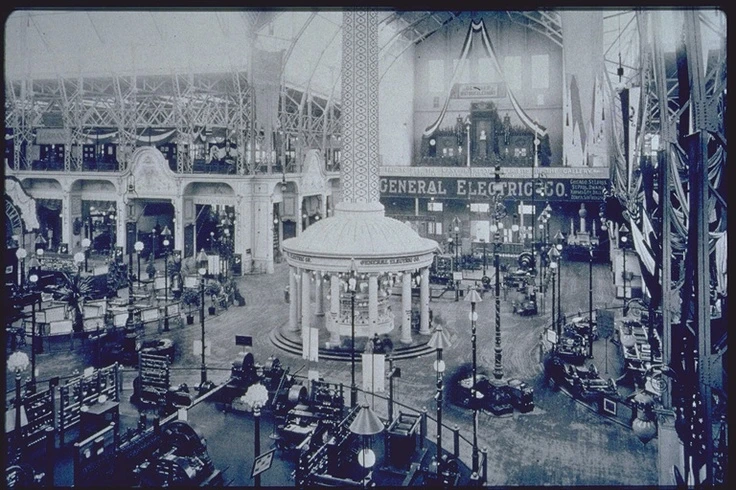
The Electricity Pavilion at the 1893 Chicago Fair—the first large-scale demonstration of alternating current
By 1890, royalties had made Tesla a millionaire before he turned 35. But around 1896–1897, Westinghouse came to him with bad news: the company was over $10 million in debt, and the bankers were demanding the royalty contract be cancelled or face bankruptcy. "Your decision determines the fate of Westinghouse Electric," he said. 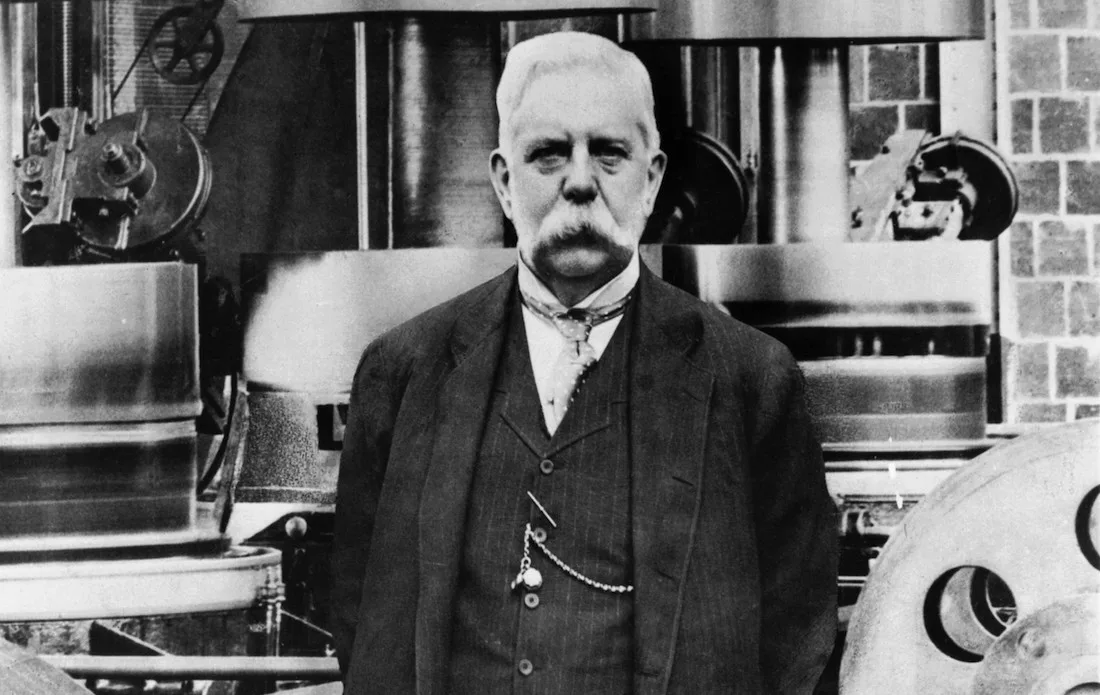
George Westinghouse—the only major investor who believed in alternating current from the start.
Tesla took out the contract and tore it up. He received a one-time payment of $216,600 and renounced all future royalties forever. The bankers valued these rights at $12 million. Westinghouse Electric survived, made a fortune from Tesla's patents, and became one of the largest companies in the United States. Tesla was left penniless.
Marconi and the Stolen Radio
In 1893, Tesla publicly demonstrated the principles of wireless transmission at a lecture in Philadelphia. In 1897, he applied for and received U.S. patents for wireless communication.
In 1904, the US Patent Office suddenly reversed its decision and gave priority to the Italian inventor Guglielmo Marconi. In 1909, Marconi received the Nobel Prize in Physics "for his contributions to the development of wireless telegraphy." Marconi's financial backers in the US included Andrew Carnegie and Thomas Edison. 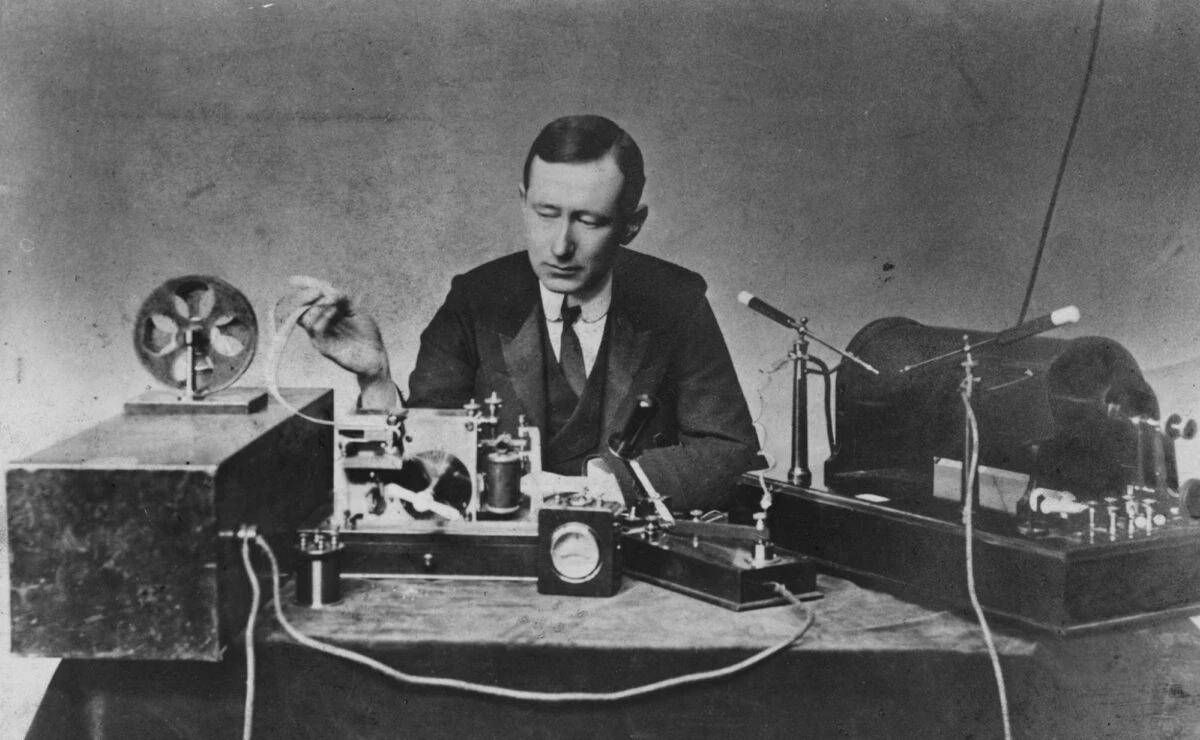
Marconi in 1901 – his patent was invalidated by the US Supreme Court in 1943.
Tesla filed lawsuits. The patent litigation dragged on for years. On June 21, 1943, the US Supreme Court ruled that Marconi's patent was invalid because it relied on Tesla's earlier work. By that time, Tesla had been dead for six months. Marconi for six years.
"Marconi's achievement was not an invention, but a commercialization. The theoretical foundations and patents belonged to Tesla"—the meaning of the US Supreme Court's decision of June 21, 1943.
Wardenclyffe Tower: The Last Chance
In March 1901, financier John Pierpont Morgan invested $150,000 in Tesla's project. Officially, it was for the construction of a wireless communications station on Long Island. Tesla built a laboratory building (designed by Stanford White) and began construction on the 57-meter-tall tower. 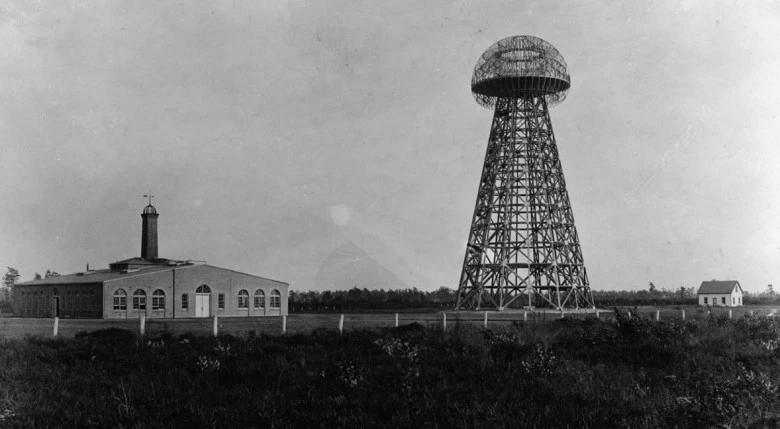
Wardenclyffe Tower, Long Island, 1904 – it never worked
In 1903, Tesla confided to Morgan that his true goal was wireless transmission of electricity worldwide, free to consumers. Morgan responded with a short letter: he had no intention of making "further investments at the present time." Free electricity was unprofitable – and that was the end of it. 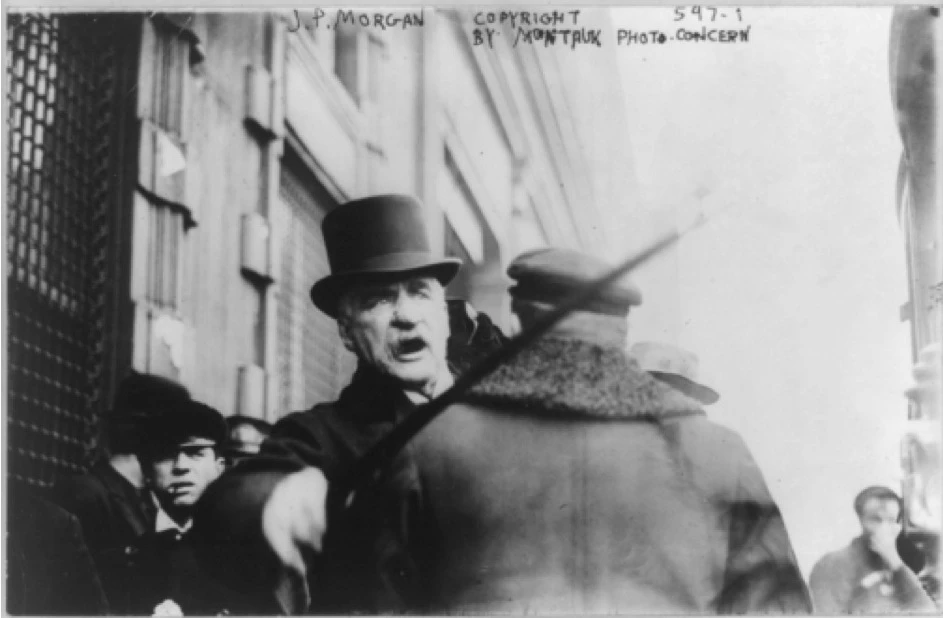
J.P. Morgan, photo from 1903 – the year he closed funding for the Wardenclyffe project.
Tesla sought investors, but to no avail. In December 1901, Marconi transmitted the letter "S" across the Atlantic – this was enough to completely extinguish investor interest in Tesla's more ambitious project. In 1906, construction stalled. The staff dispersed. In July 1917, the tower was blown up with dynamite and sold for scrap for $1,750 – to pay off Tesla's debts. 
The laboratory in Colorado Springs, 1899. Tesla was working on wireless power transmission—that's when he convinced Morgan to invest in Wardenclyffe.
Room 3327
Tesla spent the last 10 years of his life in the New Yorker Hotel on the 33rd floor. He rented two rooms—3327 and 3328. He fed pigeons outside. He worked on ideas that no one would finance. He lived on borrowed money. 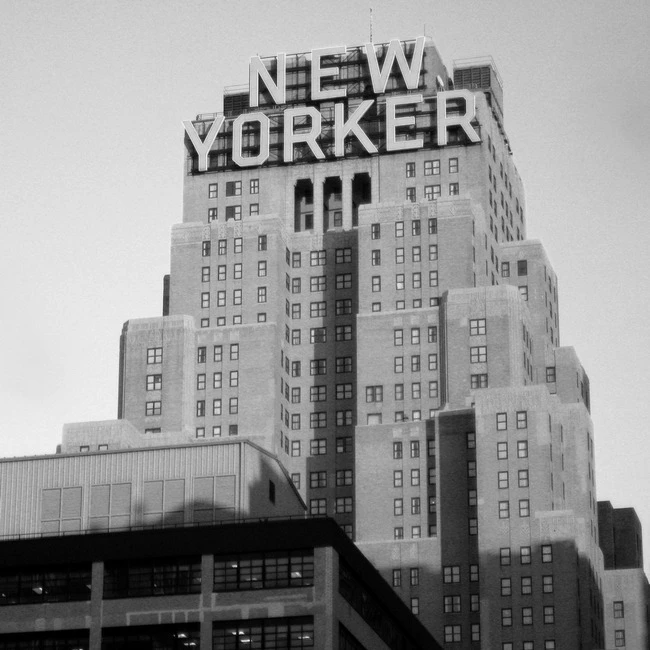
The New Yorker Hotel in Manhattan – Tesla lived here for the last ten years of his life
He died of a coronary artery thrombosis on January 7, 1943. His body was discovered by maid Alice Monaghan on January 8, when she entered despite the "Do Not Disturb" sign that had been posted for two days. Tesla's nephew, Sava Kosanovic, rushed to his room and discovered that numerous papers had already disappeared. The Office of Alien Property Custodian had already seized the documents, despite Tesla being a U.S. citizen. The FBI declared the contents of the archive top-secret. 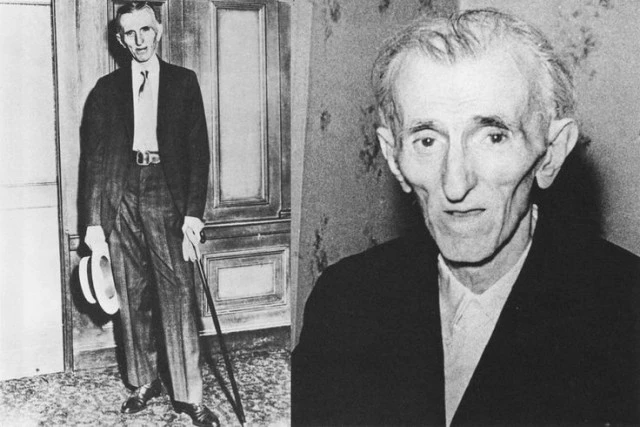
The last known photograph of Tesla, 1943
In 1952, the documents were handed over to the heir – 60 of the 80 confiscated boxes. The whereabouts of the remaining 20 remains unknown.
In 1943, the Supreme Court restored Tesla's radio rights. In 2003, an electric car company was named after him. The alternating current used worldwide operates on his principles.
170 Years Later
On July 10, 1856, Nikola Tesla was born in the village of Smiljan, in the Austro-Hungarian Empire. He didn't fail in science. His ideas proved correct, his patents valid, his system working. He failed in another way: he couldn't hold on to what he had created. Money, rights, authorship—all of it went into the hands of people who knew better. 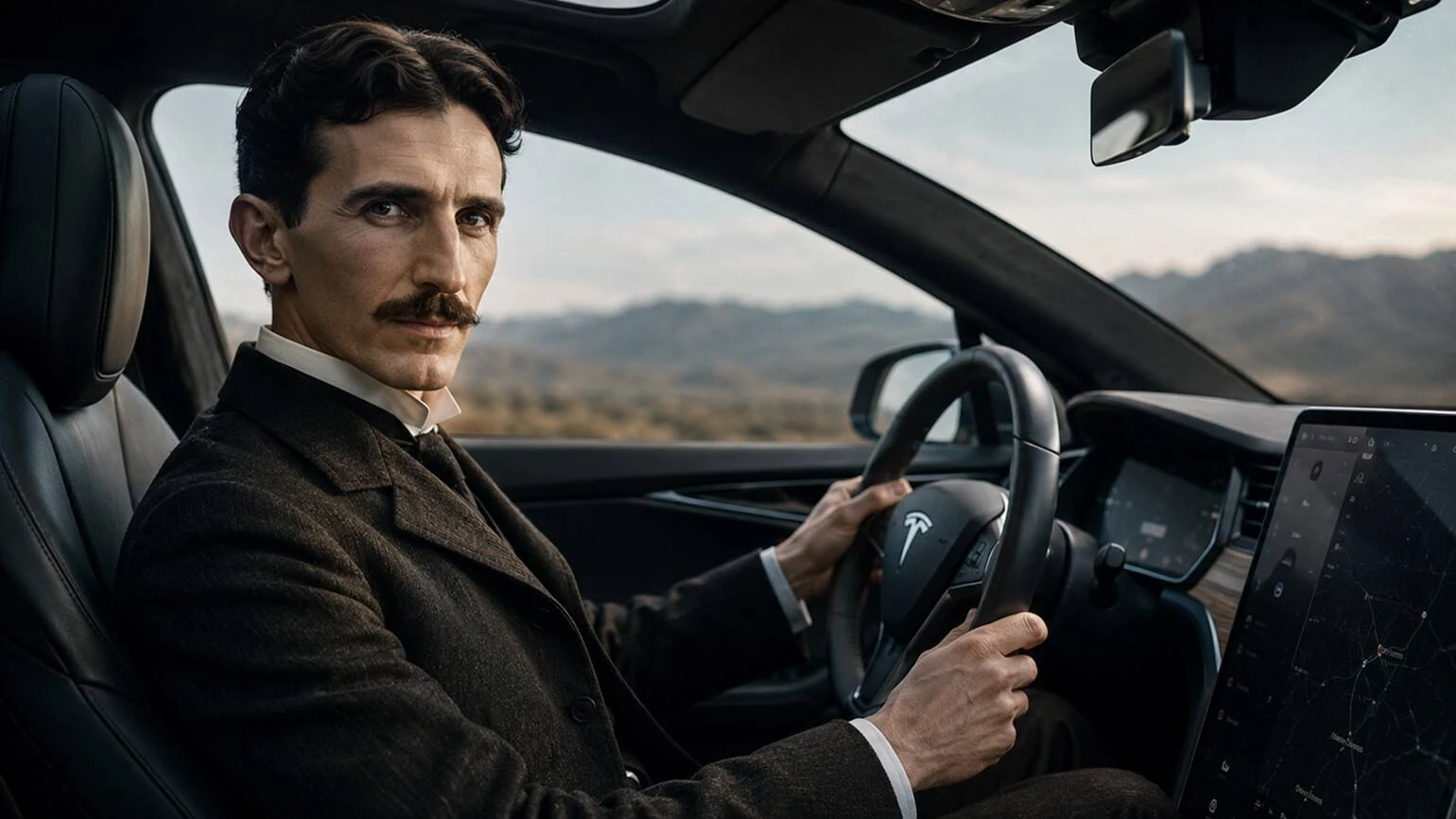
Decades after Tesla's death, an electric car brand was named after him – Tesla Motors was founded in 2003.
Three people in three different situations benefited from his work. Edison saved on the unpaid bonus. Westinghouse received the technology without lifetime royalties. Marconi received a Nobel Prize for someone else's patents. And Tesla received a hotel room with a "Do Not Disturb" sign.
Justice was only partially restored—and only on paper. The patents were recognized, but the man was no longer alive, and the money remained with others.
Do you think: if Tesla had been a different person—more ruthless, more practical, less idealistic—the history of electricity would have turned out differently?