Who Are American Sheriffs and Why Are They Not Part of the Police (7 photos) (photo)
For some reason, many people perceive the sheriffs we know so well from American films as domestic police officers, simply with broader powers and better equipment. In fact, the analogy isn't entirely appropriate, as a sheriff isn't part of the police force at all and performs his own, specialized functions. So who are these American sheriffs? 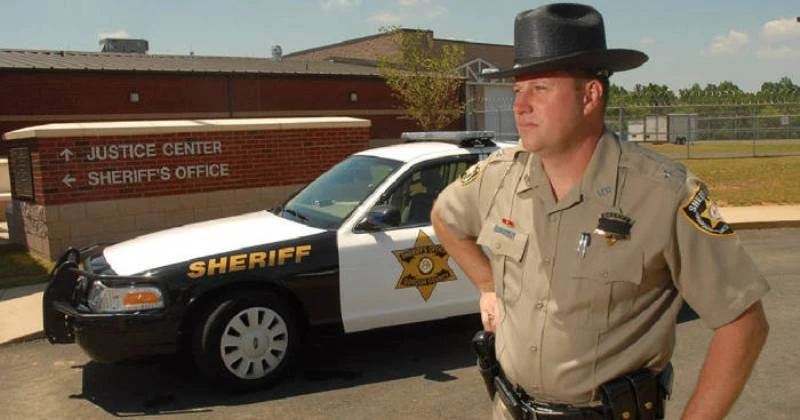
For us, a sheriff is the true embodiment of provincial America, with its prairies, canyons, dusty towns, and brutal cowboys. But, oddly enough, the birthplace of sheriffs wasn't America, but medieval England. In that kingdom, there was a position called a "reeve." These were governors personally appointed by the king to oversee order in the counties—"shires." 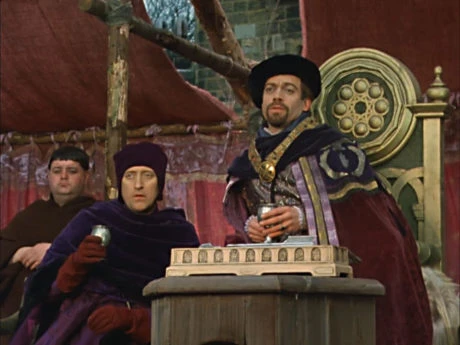
In English folklore, the Sheriff of Nottingham is Robin Hood's main antagonist.
The full title of the position was "shire-reeve," and after the colonization of America, it was successfully adapted overseas. However, the sheriffs' duties became somewhat different, and over time, American sheriffs became less and less like their metropolitan counterparts.
How the Sheriff's Office Works
First of all, it should be noted that the United States does not have a single police department. Every relatively large community has its own police office. But this wasn't always the case—earlier, the country had no police force at all, and until the 19th century, sheriffs, elected by local residents, maintained order in cities and towns. 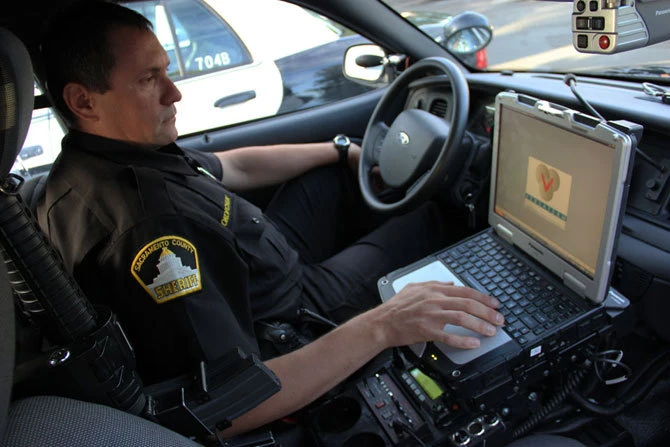
These officials had fairly broad powers to enforce the law and administer justice. When the police were established in the country, sheriffs remained in place, but simply assumed slightly different functions. In the United States, a sheriff is not a police officer, but an elected position, serving a term of two to six years. The term of office for this official varies depending on the laws of each state.
A newly elected sheriff must recruit deputies, the number of which depends on the size of the territory assigned to them and the population within it. Thus, the sheriff's office is a local department separate from the police and the FBI, enforcing laws in the county.
To understand the difference between a police officer and a sheriff, one must understand the rather complex administrative structure of the United States. The highest level in the country is the federal government, and only the FBI can maintain order there. 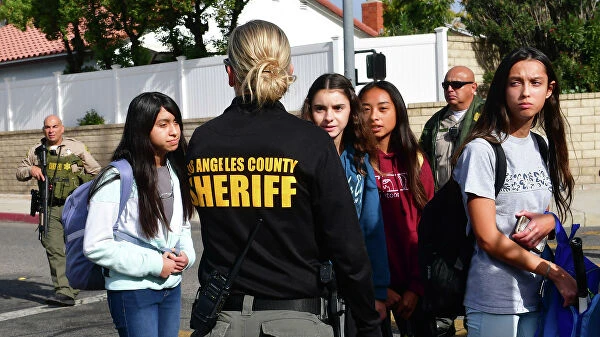
Then come the states, counties, and cities. Police can be either county or city police, but the sheriff represents only the county. Powers are distributed as follows: the FBI can operate anywhere, state police only operate within their state, and city police only operate within their city. Sheriffs have unique powers, as a county is smaller than a state but larger than a city, sometimes significantly so. Therefore, sheriffs are positioned between city and state police in this hierarchy.
Powers, Rights, and Duties of Sheriffs
As soon as English colonization of North America began, sheriffs performed a minimal set of functions. Their primary task was collecting taxes for the British Crown. After the American Revolution, the duties of these officials changed and became more diverse. 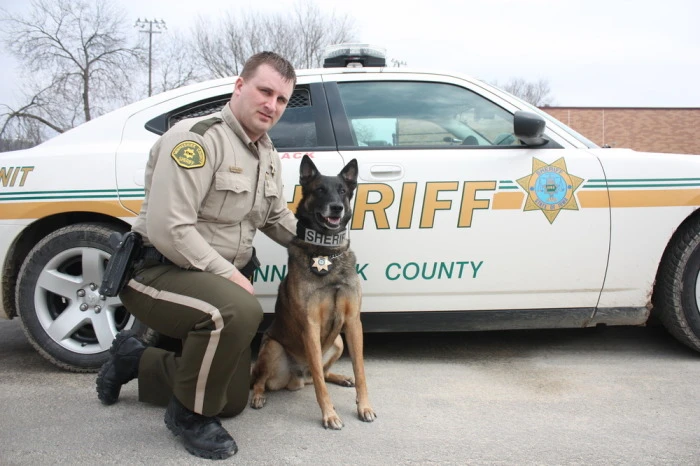
These days, sheriffs assist police in maintaining order where it's most difficult—in small towns without their own police departments. Of the 50 U.S. states, the office of sheriff exists in 48, and the powers and responsibilities can vary greatly from state to state.
The following functions are common to sheriffs and their deputies across all states: monitoring traffic, assisting drug enforcement, and preventing and investigating minor and moderate offenses. Sometimes, sheriffs even manage small local jails. Sheriffs make arrests and often serve as coroners.
How to Become an American Sheriff
Despite the fact that the work of a sheriff and his deputies is difficult and often dangerous, there are plenty of people willing to uphold the law. This popularity is fueled by the fact that a sheriff's salary, which is quite respectable for the US, ranges from $70,000 to $100,000 per year. Deputies earn about half that, but even that allows them to enter the middle class. 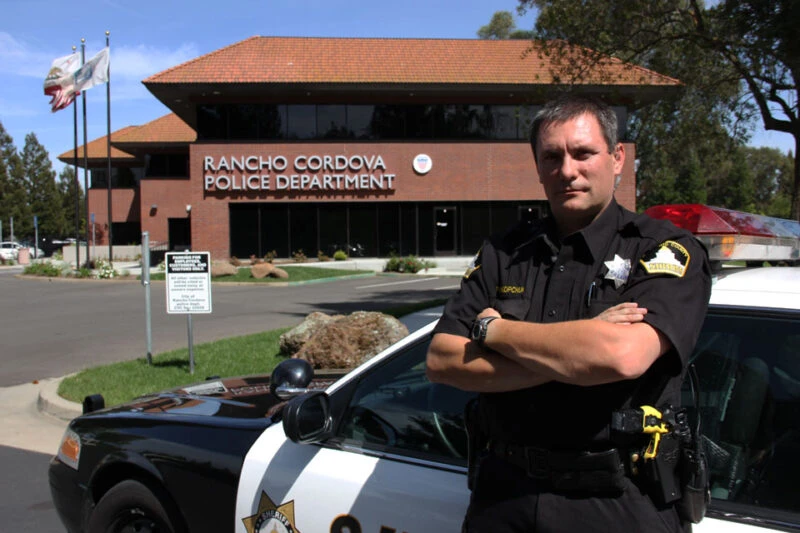
The prestige of this prestigious position, celebrated in Westerns and shrouded in legend, also plays a role. But becoming a sheriff is far from easy. All county residents vote in sheriff elections, and candidates face many strict requirements. Some sheriff hopefuls spend years working in the city or county police force before running. However, police service and even a law degree are not mandatory.
Many sheriffs begin training at the police academy after assuming their duties. Furthermore, regardless of their education, every American sheriff undergoes annual refresher training. Simply running around a remote prairie town with a shotgun isn't enough—the sheriff maintains a wealth of important records, meets with the public, and participates in a variety of events, including as a guest of honor. 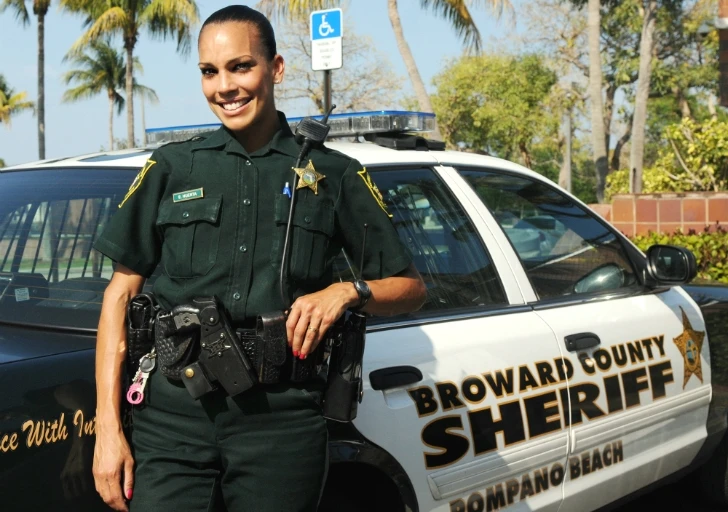
So the picture we see in American action movies doesn't quite reflect reality. Being a sheriff isn't just about chases, arrests, and fights, but also serious study, exams, a lot of routine paperwork, and a heavy responsibility to voters.