Thousands of Deer Take Over the Streets of Nara, Japan (23 Photos)
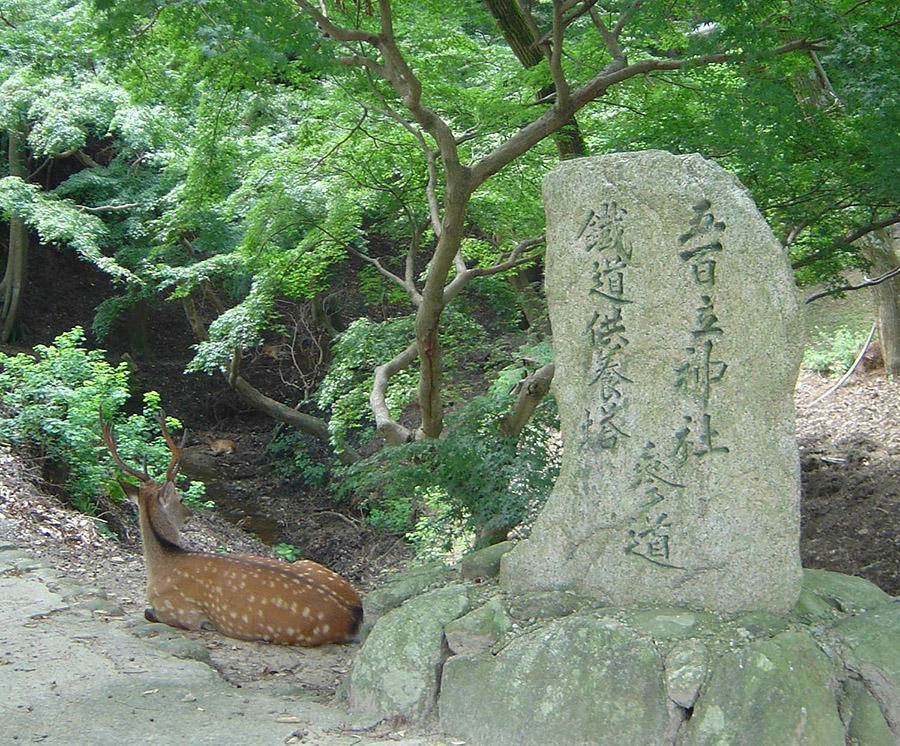
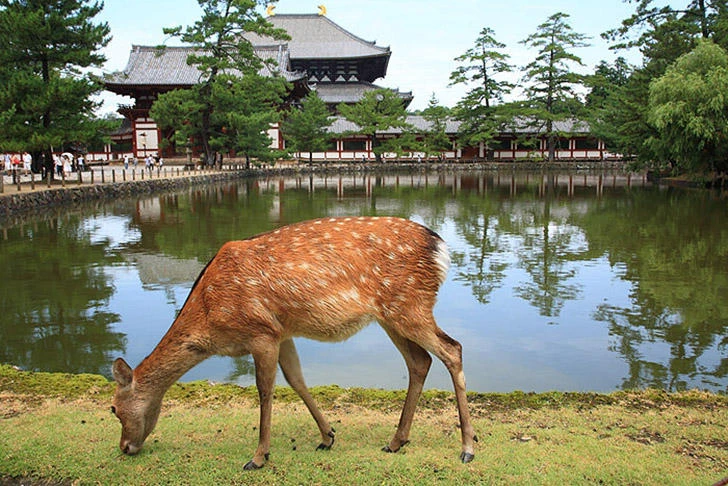
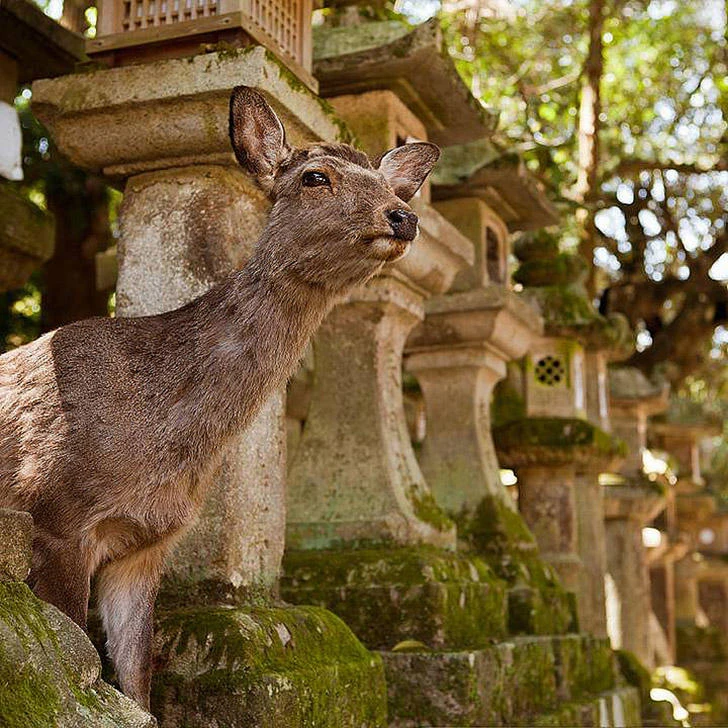
Steeped in history, Nara is an ancient Japanese city that once served as the nation's capital. Remnants of its former glory—ancient temples and historic landmarks—draw steady streams of tourists and pilgrims alike. But the city's main attraction isn't its architecture; it's the famous sika deer, which are revered here as sacred animals. 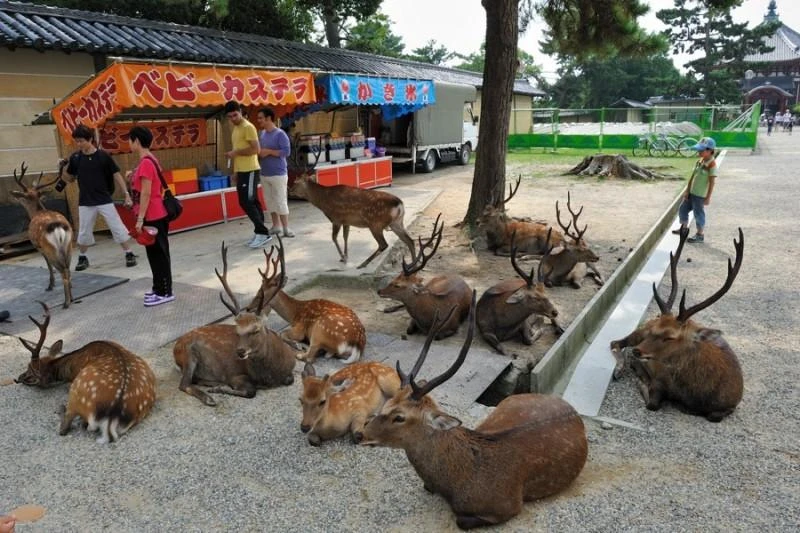
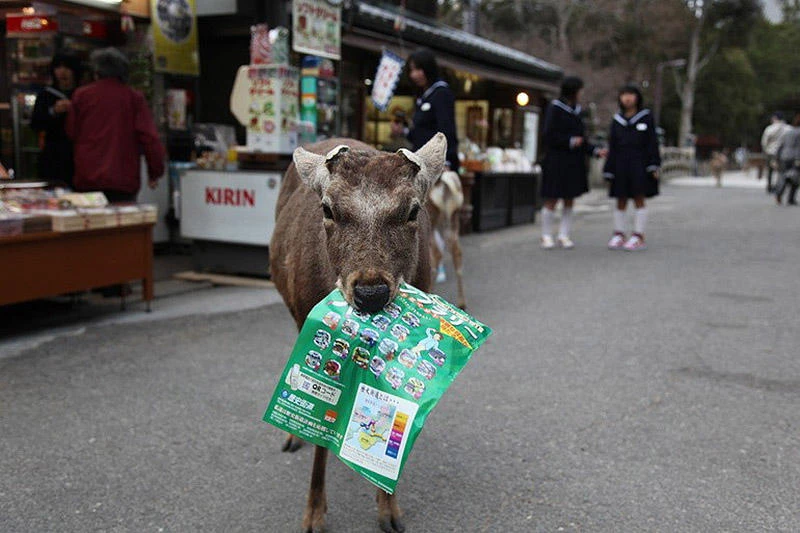
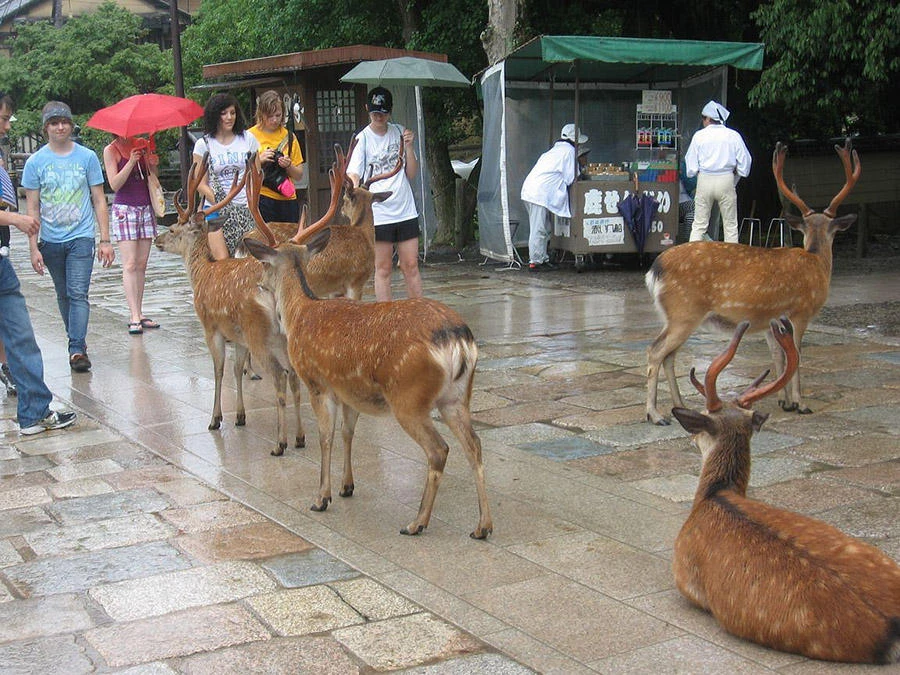
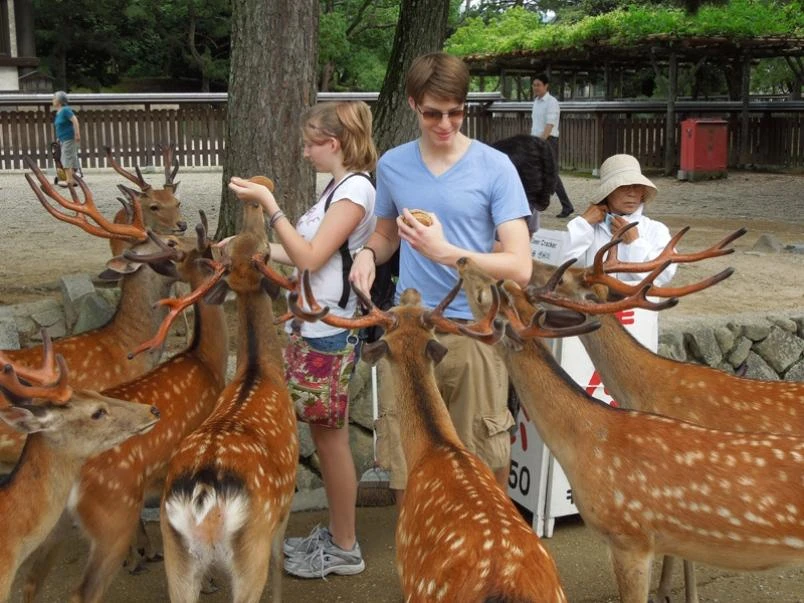
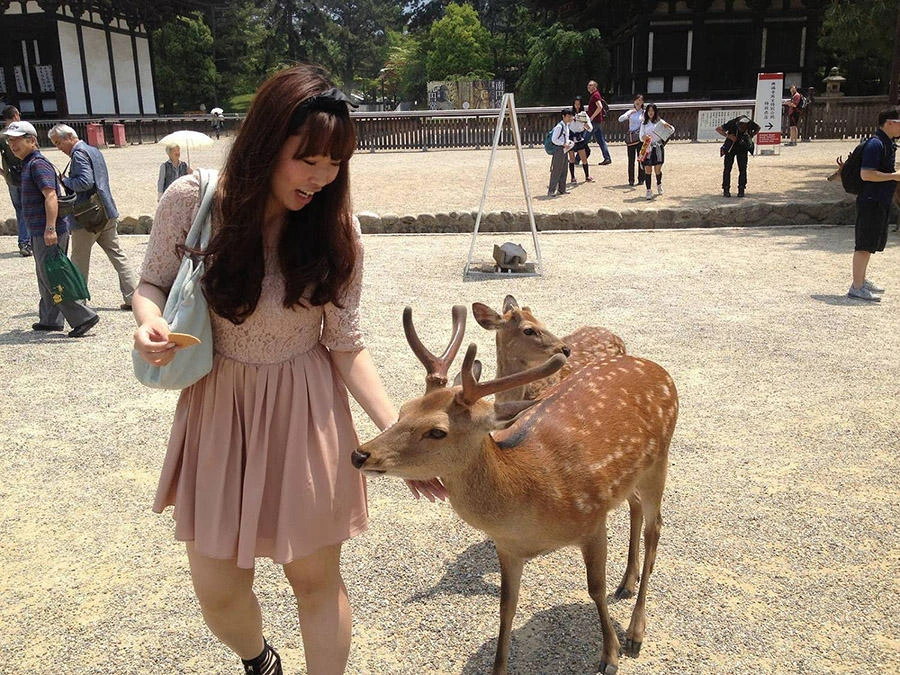
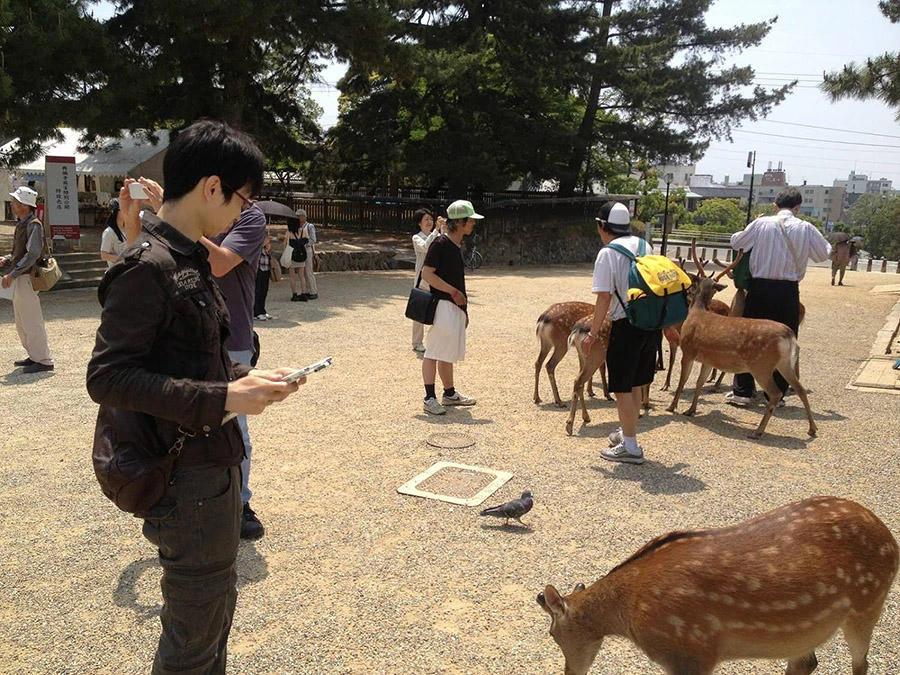
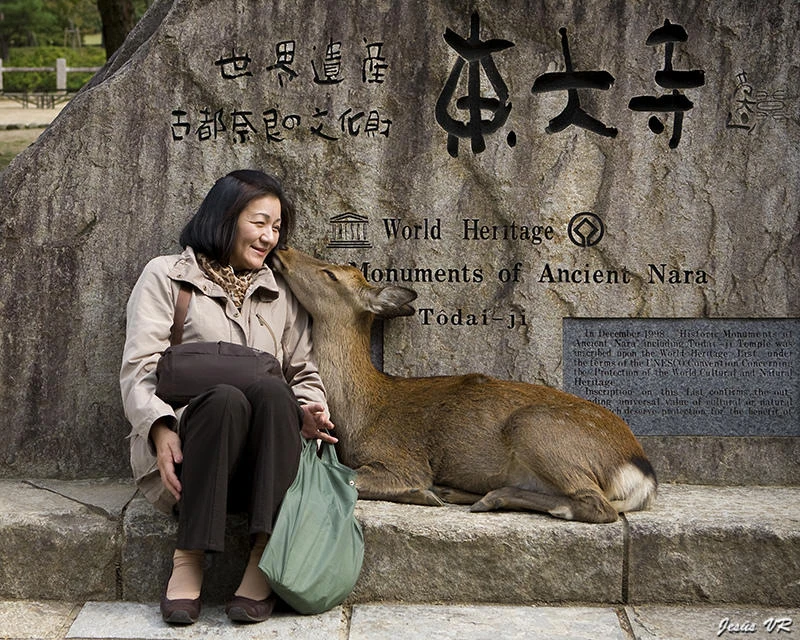
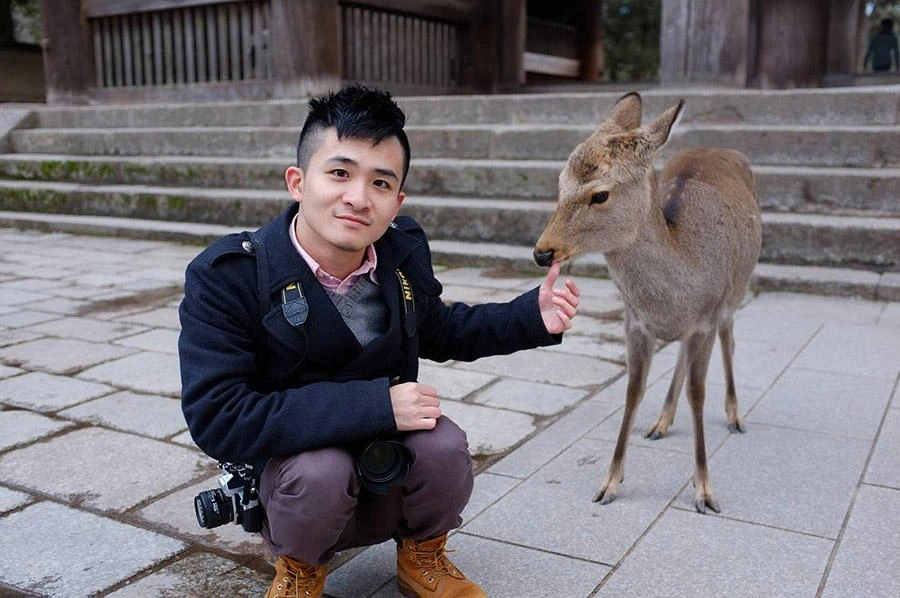
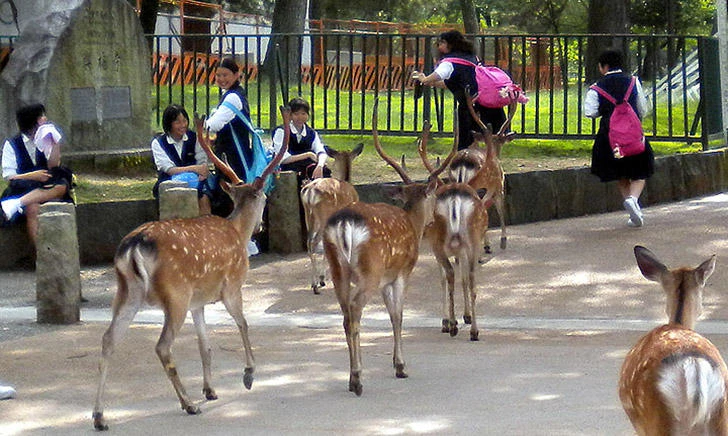
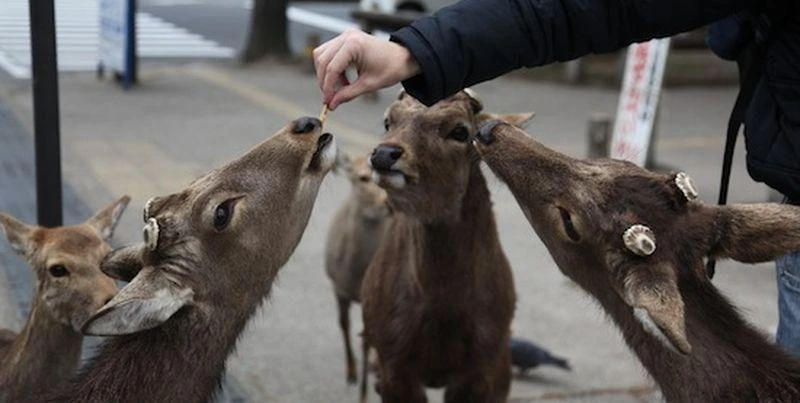
Today, around 1,200 plump, lazy deer roam the city streets in herds, cheekily nudging tourists with their snouts (and sometimes hooves) in search of a snack. Special crackers are sold everywhere just for them. Hundreds of these animals wander freely, essentially ruling the town. By local law and custom, even a deer taking a nap in the middle of a busy street can't be shooed away—drivers simply have to steer around it. 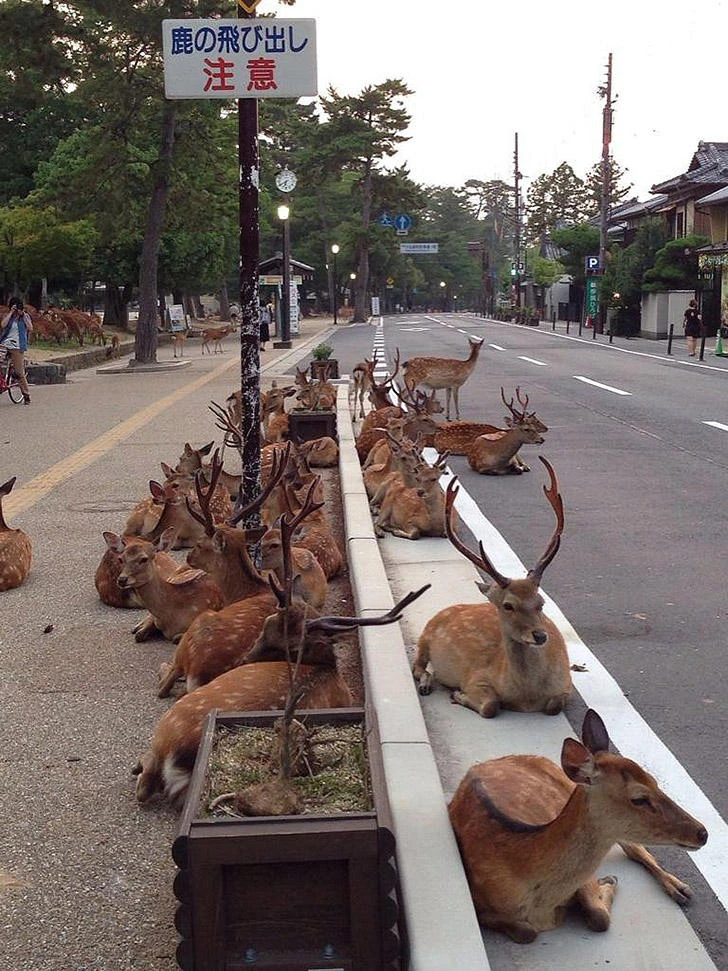
This reverent treatment goes back over a thousand years. According to legend, all local deer are descendants of a mythical beast that carried Japan’s first emperor down from the heavens. The only thing people are really allowed to do is feed them healthy, filling snacks. 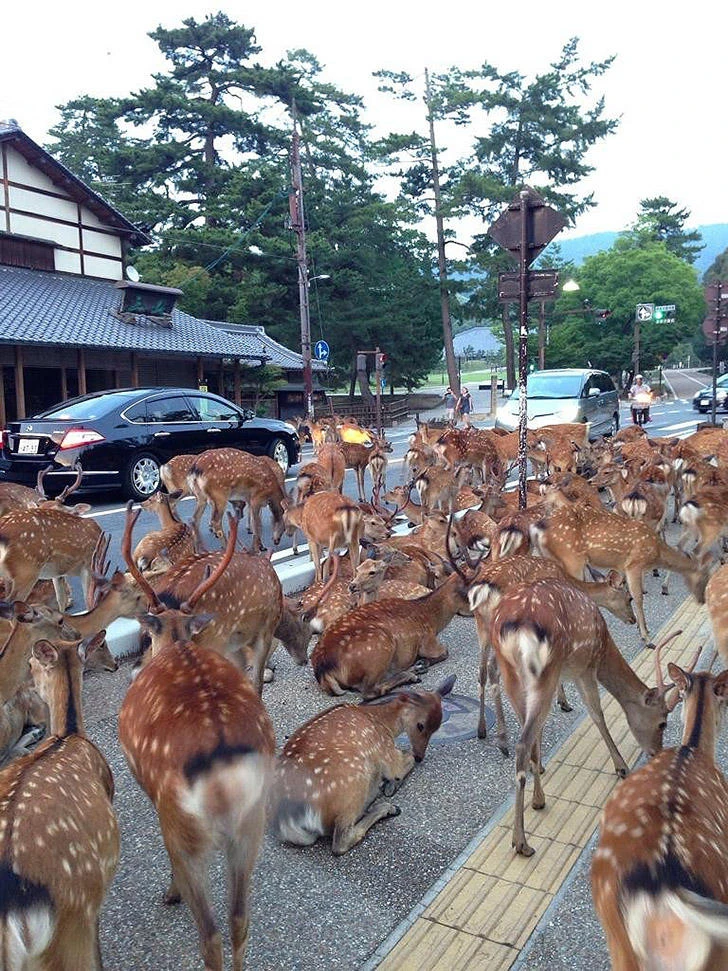
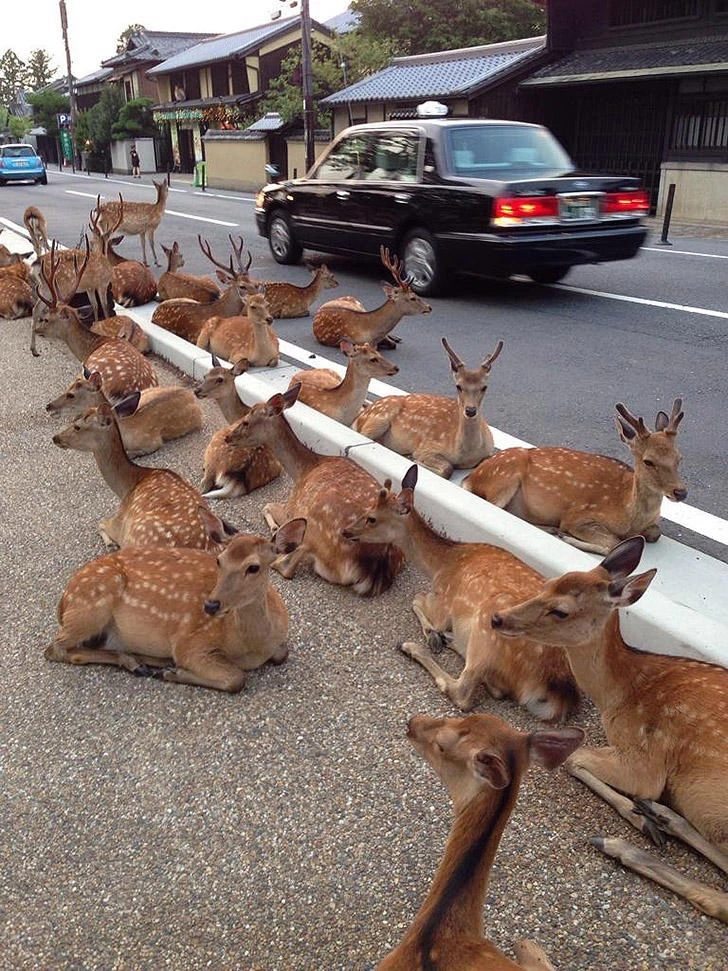
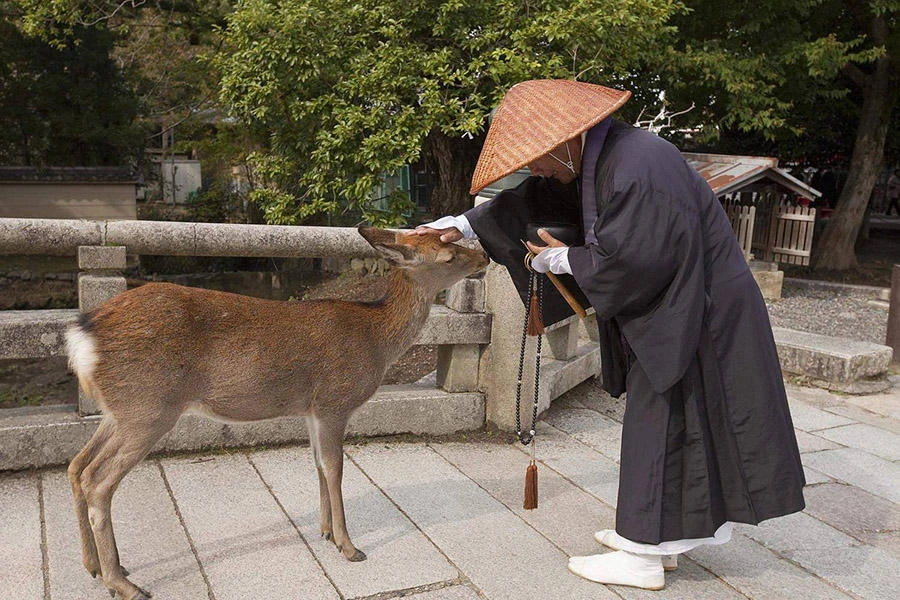
Legend has it that when Heijo-kyo (the ancient name for Nara) became the capital, the deity of Kasuga Taisha Shrine arrived on the back of a white deer to protect the city. Ever since, deer have been considered divine messengers safeguarding the city and the nation. 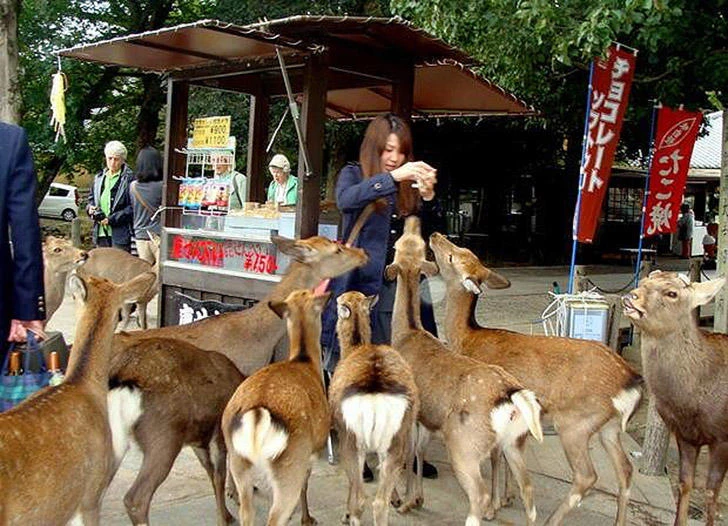
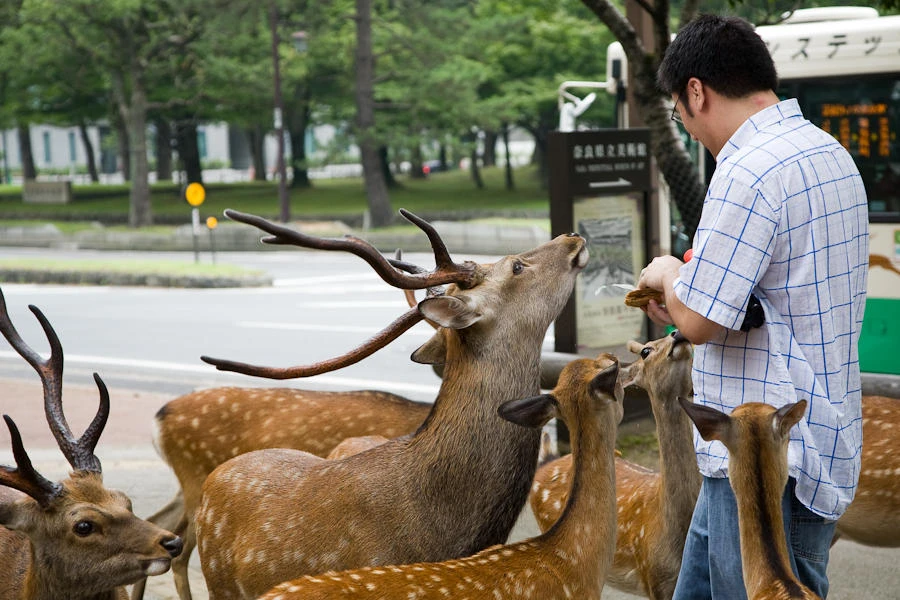
While guidebooks claim there are nearly 2,000 deer, it certainly feels like more—they are quite literally everywhere. They gather around every stall selling
shika-senbei
(deer crackers), swarming tourists in desperate anticipation. As far as the deer are concerned, ordinary grass and tree leaves don't even compare to these prized treats. 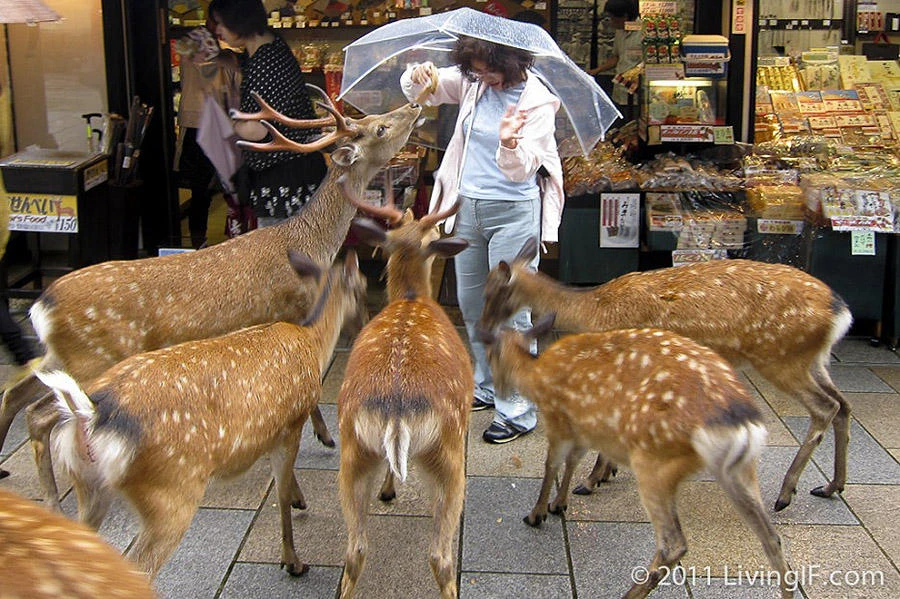
The moment someone buys a pack of crackers, the deer move in for the take. Swarming from all directions, they nudge each other out of the way, tussle for the snacks, and snatch them right out of visitors' hands. If they still had their antlers, they'd end up hurting one another—which is why they don't always get to keep them. 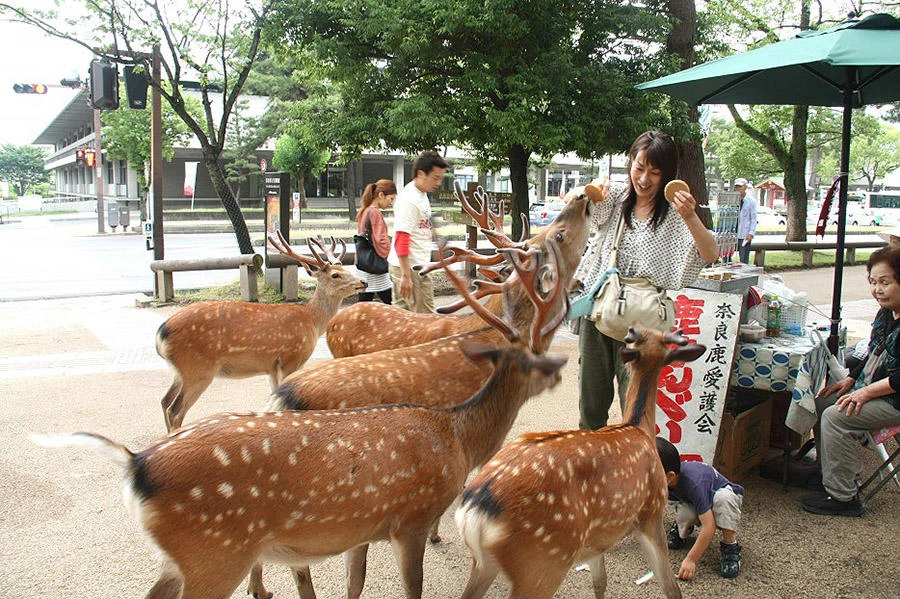
Every October, Nara hosts a traditional festival known as
Shika-no-Tsunokiri
. During the event, bucks with fully grown antlers are rounded up so their antlers can be safely trimmed. 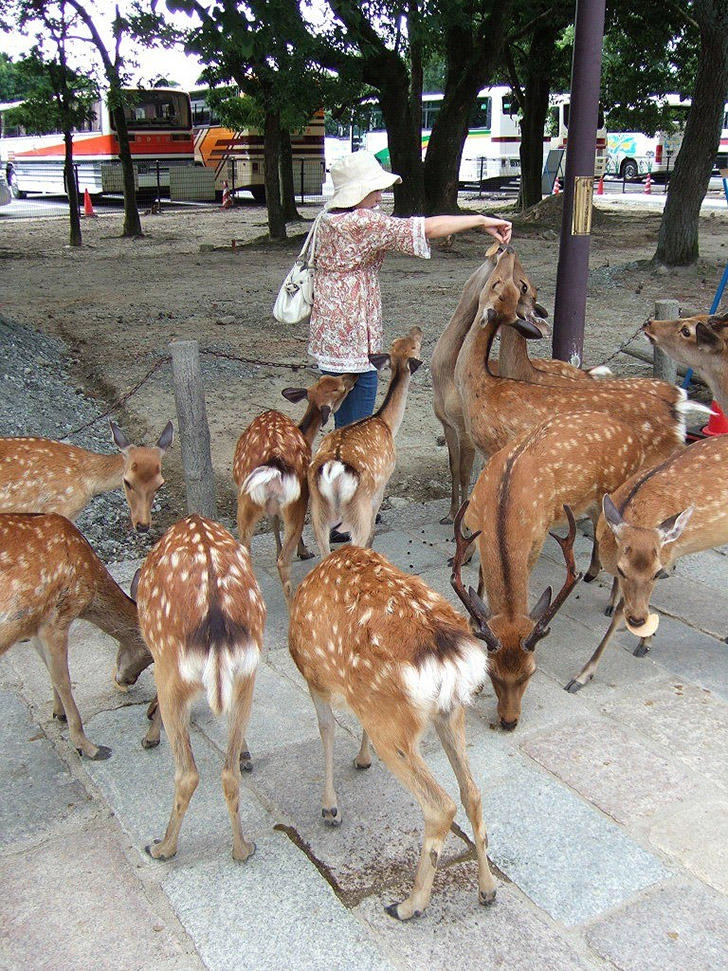
Another unique tradition takes place in late winter when natural food sources run low. To gather the deer for a special feeding, a musician plays Beethoven's 6th Symphony on a French horn. This tradition dates back to 1892 and was only briefly interrupted by World War II before being restored in 1949. On February 11, 1979, famous Italian trumpeter Nini Rosso conducted an experiment, playing the symphony on a trumpet instead of a horn. Sure enough, the deer recognized the familiar tune and emerged from the forest to meet him.