The Dukan Diet: Why Doctors Banned It and Millions Fall Out of Love with It (14 photos)
Pierre Dukan was a French nutritionist whose book, "I Don't Know How to Lose Weight," was published in 2000 and sold over 10 million copies in 32 countries. His system was hailed as a revolution in dietetics: four phases, hundreds of permitted foods, no calorie counting. Fans included Kate Middleton, Jennifer Lopez, and Gisele Bündchen. On July 8, 2026, Dukan turned 85—and since then, his medical license has been revoked, the diet has been added to the dangerous list, and millions of former fans have begun reporting kidney problems. Learn the full story: from the first obese patient to the official ban. 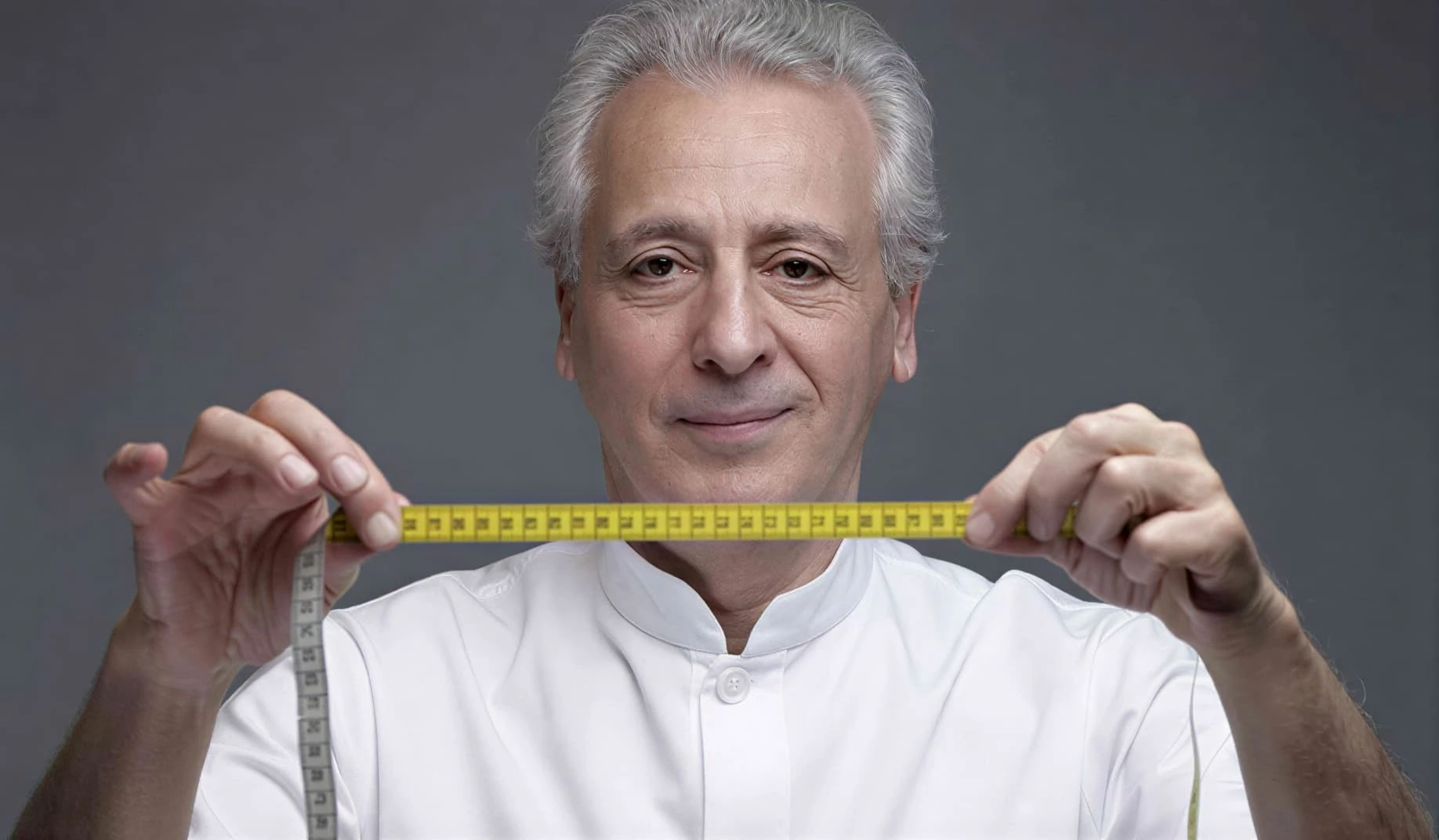
The Algerian doctor who revolutionized global dietetics
Pierre Dukan was born on July 8, 1941, in Algeria, then a French colony. After World War II, the family moved to Paris. Dukan planned to become an artist: he studied at art college, but after the death of his mother on the operating table, he abandoned painting and went into medicine. At 25, he was already seeing patients as a general practitioner.
Dukkan chose neurology as his specialty. He worked at Garches Hospital and wrote scientific articles. But in 1975, one of his patients—a severely obese man who had long since given up on himself—asked for help on one condition: not to ban meat. Dukan agreed. Within five days, the patient had lost 5 kilograms. It was then that the neurologist became a nutritionist. 
The book "I Don't Know How to Lose Weight" was published in 2000 and has sold over 10 million copies.
Dukan spent the next 20 years developing the system. In 2000, the book "Je ne sais pas maigrir" ("I Don't Know How to Lose Weight") was published. It became a bestseller in France and quickly spread around the world: translations appeared in 32 countries, with a total circulation exceeding ten million copies.
How the system works: 4 phases
The Dukan Diet is built on four sequential phases: "Attack," "Cruise," "Consolidation," and "Stabilization." The first two phases promote weight loss, while the second two consolidate the results. The basic principle is high protein and minimal fat and carbohydrates. Dukan allowed up to 100 foods: 72 protein foods and 28 vegetables. 
Attack Phase: Only lean meat, fish, eggs, and low-fat dairy products—in any quantity, without restrictions.
The Attack Phase lasts from 3 to 10 days: only pure protein, water, and one and a half tablespoons of oat bran per day. During this time, the body loses from 2 to 6 kilograms. The mechanism is simple: without carbohydrates, the body switches to fat as an energy source, triggering ketosis. It was the rapid results in the first days that created a powerful effect: people saw the number on the scale and believed in the system. 
The "Cruise" phase is the longest. Protein days alternate with protein-and-vegetable days. For every kilogram lost, approximately seven days are allocated. The "Consolidation" phase gradually reintroduces fruits, whole-grain bread, and one "festive" meal per week. Finally, "Stabilization" is a lifelong regimen: one protein day per week, three tablespoons of bran daily, and 30 minutes of walking per day. Forever.
Star Hour: Kate Middleton, Jennifer Lopez, and Worldwide Fame
The diet's popularity peaked in 2011. On the eve of Prince William and Kate Middleton's wedding, British tabloids reported that the bride's mother, Carole Middleton, had lost about 2 kilograms in 4 days following the Dukan diet. Kate herself was also considered a fan of the diet, although her sister Pippa later publicly denied ever following it. 
April 2011: Tabloids linked the Middleton family's appearance on the eve of the royal wedding to the Dukan diet. This became the best publicity in the history of the diet.
Other famous fans included Jennifer Lopez, Gisele Bündchen, and Penélope Cruz. Fashion designer Karl Lagerfeld also openly spoke about his experience with the system. The book soared into the UK and US charts, and Dukan was invited to appear on television around the world. He became not just a nutritionist, but a brand. 
Jennifer Lopez lost weight after giving birth to twins in 2008. Among her tools was the Dukan diet, which the singer has publicly mentioned.
What went wrong: Doctors' criticism
The medical community was skeptical from the very beginning. The British Dietetic Association (BDA) included the Dukan Diet in its list of the 5 worst celebrity diets in 2011—and repeated the verdict in 2013. The association's experts stated bluntly: "There is no serious scientific basis for this diet." 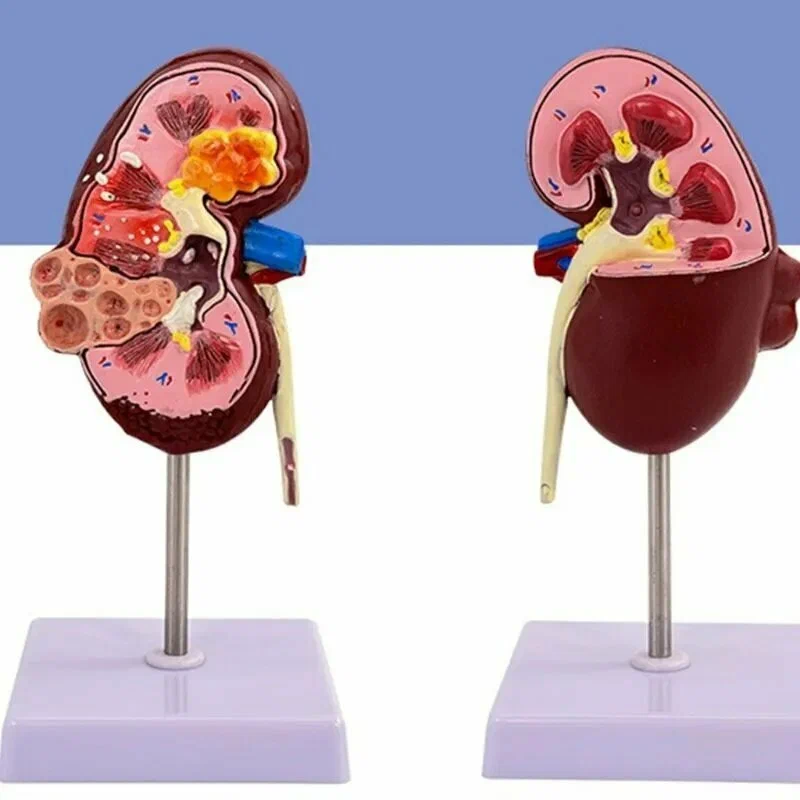
The kidneys are the main target of high-protein diets: when protein is broken down, uric acid is formed, which the body must constantly eliminate.
The doctors' specific complaints were physiological. Excess protein places a constant strain on the kidneys: when proteins are broken down, uric acid is formed, which the kidneys must constantly eliminate. At a lipid metabolism seminar in Austria in 2013, Dr. Louris Aronié stated that long-term protein overload can lead to severe kidney failure. The French Food Safety Agency included the Dukan Diet on its list of 15 unbalanced and potentially dangerous diets. 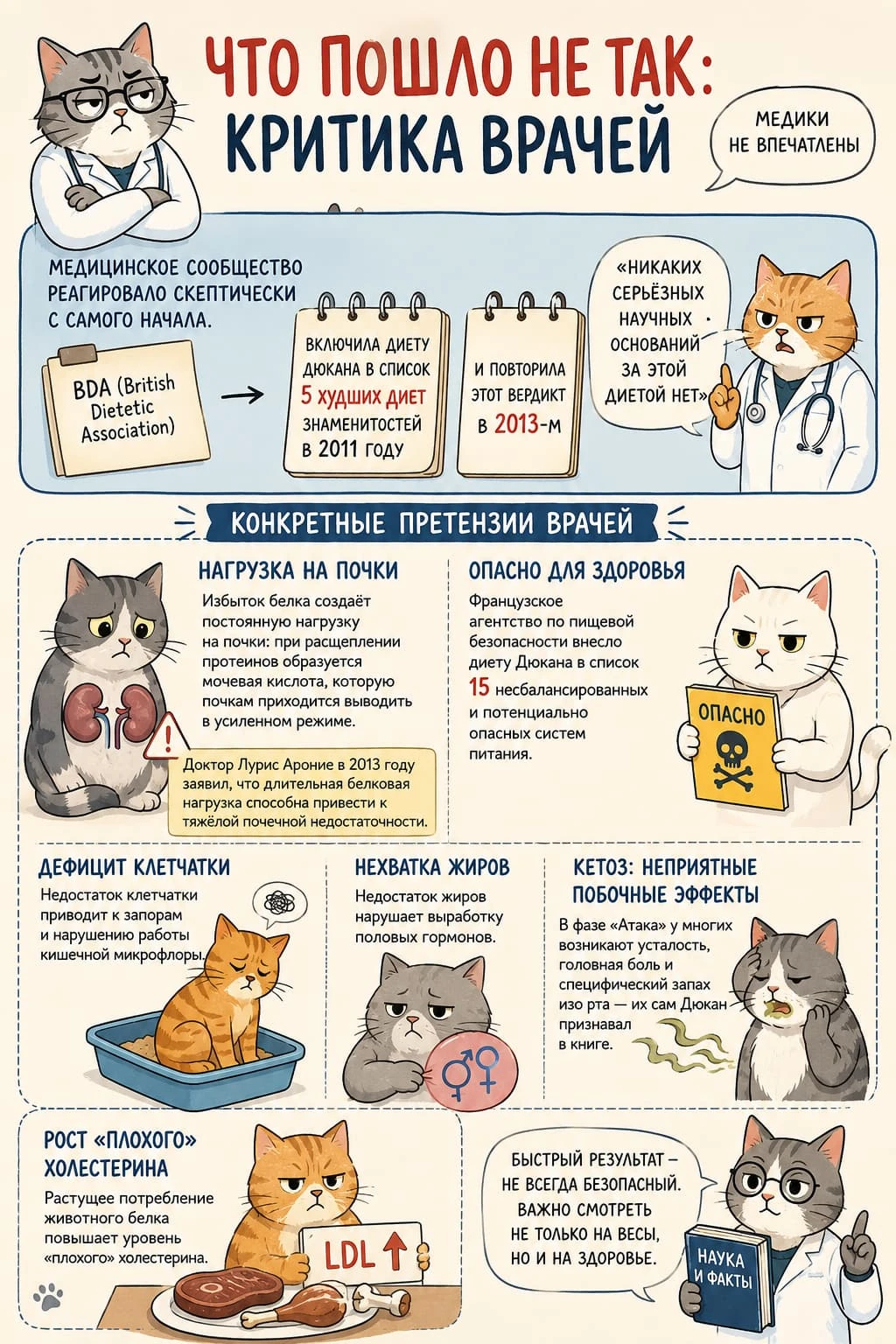
Other risks, doctors noted, included a fiber deficiency, leading to constipation and disruption of the intestinal microflora. A lack of fat disrupted the production of sex hormones. Ketosis in the "Attack" phase was accompanied by unpleasant symptoms for many: fatigue, headaches, and a specific bad breath—all of which Dukan himself acknowledged in his book. Increasing animal protein consumption raised "bad" cholesterol levels. 
35% of Dukan diet followers regained all the weight they lost in less than a year. But this doesn't stop the diet from remaining one of the most popular in the world.
The Slim Points Scandal and License Expiration
Dukan dealt the decisive blow to his reputation himself. In January 2012, he proposed adding a special credit for maintaining a healthy weight to the French baccalaureate exams. The idea was simple: slim high school students should receive an extra point simply for their figure. 
The French Council of Doctors reviewed Dukan's case in 2012. The official reason for his exclusion from the registry in 2014 was the commercial promotion of the diet.
The reaction was immediate. Dr. David Katz of Yale University commented succinctly on the initiative: "It's wrong from every point of view. This approach encourages eating disorders." The French Council of Doctors has opened disciplinary proceedings. In March 2012, Dukan was found guilty of violating Article 13 of the professional code, which requires doctors to be accountable for the public consequences of their statements. 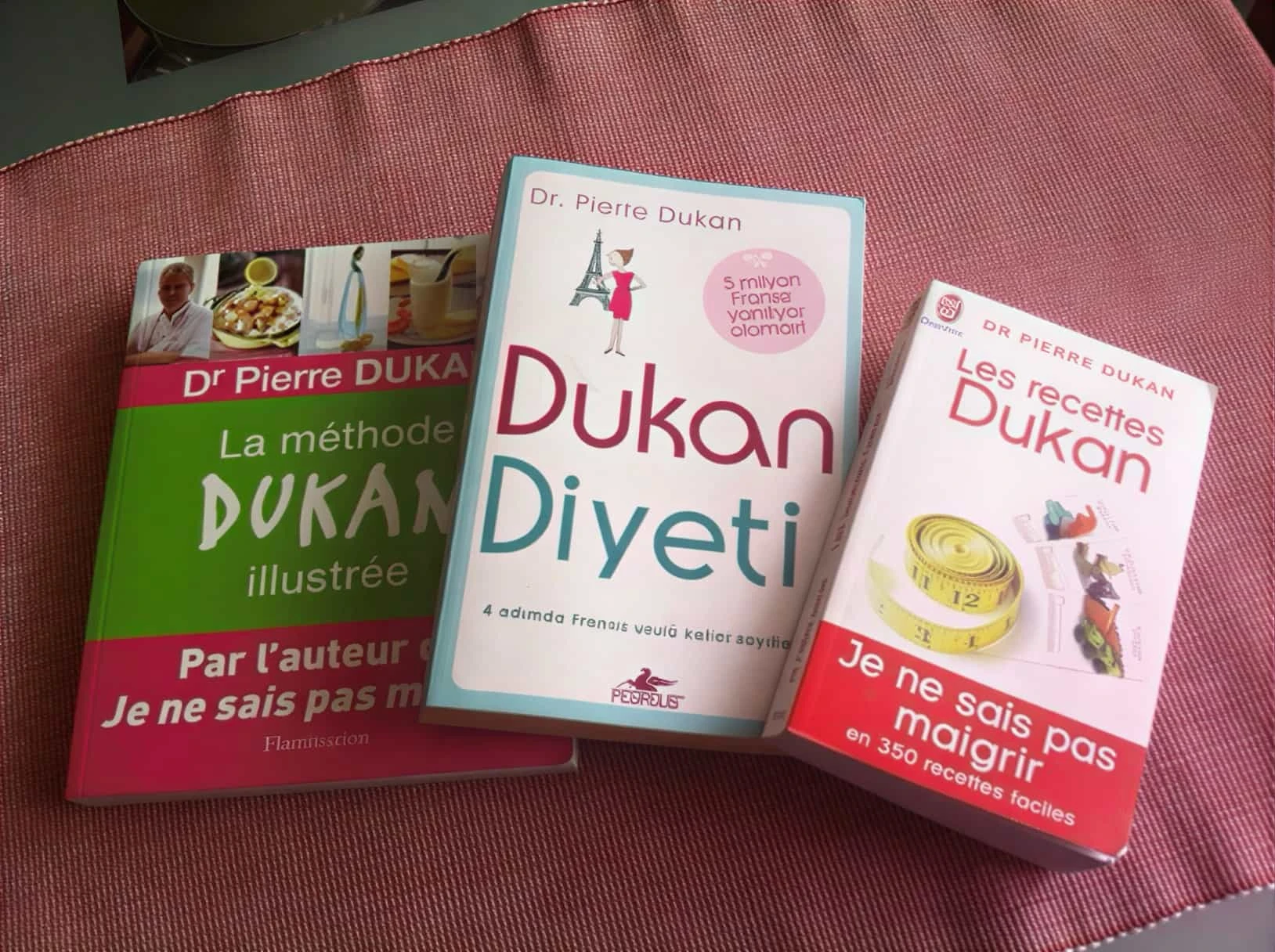
After being removed from the medical register, Dukan continues to publish books and run an online consultation platform.
In May 2012, Dukan voluntarily resigned from the medical council. In January 2014, he was removed from the French medical register, formally for commercially promoting his diet. The former general practitioner has become a writer and entrepreneur.
What do the long-term results say?
The French publication Le Journal des Femmes Santé (Women's Health Journal) conducted a survey of nearly 5,000 diet followers. The results were revealing: 35% of respondents regained all the weight they had lost less than a year after starting the diet. The authors concluded that, in the medium term, the Dukan Diet is no better than other restrictive diets. 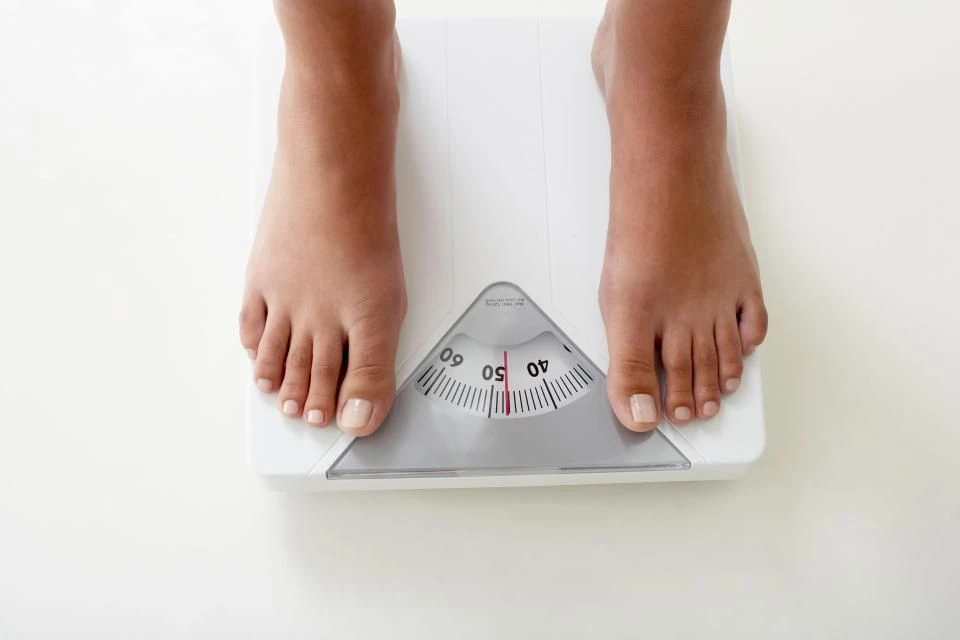
Rapid weight loss in the first few weeks is the main pitfall: the body adapts to the deficit and regains its original weight when returning to its normal diet.
Professor Monique Romont explained the mechanism of the yo-yo effect: a sharp reduction in calorie intake forces the body to learn to expend less energy. When a person returns to their normal diet, the body perceives it as excess and stores fat. This is why weight often returns with a vengeance after strict diets. 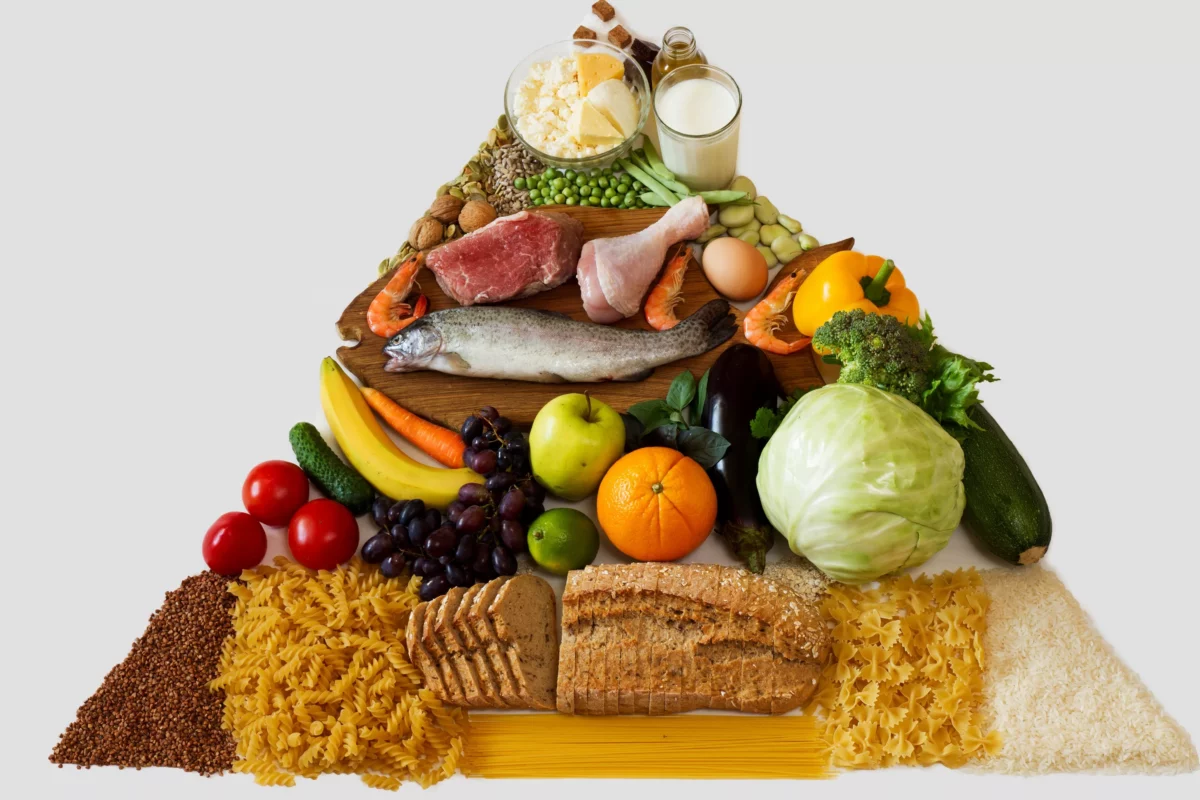
Modern nutritionists insist that long-term results come not from restricting food groups, but from a balanced diet without strict restrictions.
Modern nutrition science views the Dukan Diet as a potentially risky regimen—not a viable long-term strategy. It is contraindicated for people with kidney, liver, and cardiovascular diseases.
Why do we still keep looking?
The story of the Dukan Diet isn't the story of one man. It's the story of a demand for a simple solution to a complex problem. The protein system provided exactly what most people wanted: a quick start, visible results, clear rules, and a sense of control. The possibility of kidney problems or weight regain later came later. 
Dukan traveled to dozens of countries giving lectures. His audience didn't diminish even after his license was revoked—millions still Google the diet.
Dukan, born on July 8, 1941, never admitted to his mistakes. He continues to maintain a website, sell books, and offer online consultations. His diet continues to be Googled by millions. The question to ask at this point is: are we looking for a diet—or are we looking for something else?