Cheslav Boyarsky - "The Cezanne of Counterfeit Money": The Story of a Polish Engineer Who Fooled the Bank of France for 13 Years (14 photos)
January 1951. The Banque de France detects flawless counterfeit banknotes in circulation. Experts are convinced that a team of specialists, an organized network with industrial equipment, is behind it. But in reality, it's a single Pole in a basement near Paris with a homemade press and ink in milk cans. The hunt will last 13 years. An accidental spilled glass of water will expose him. 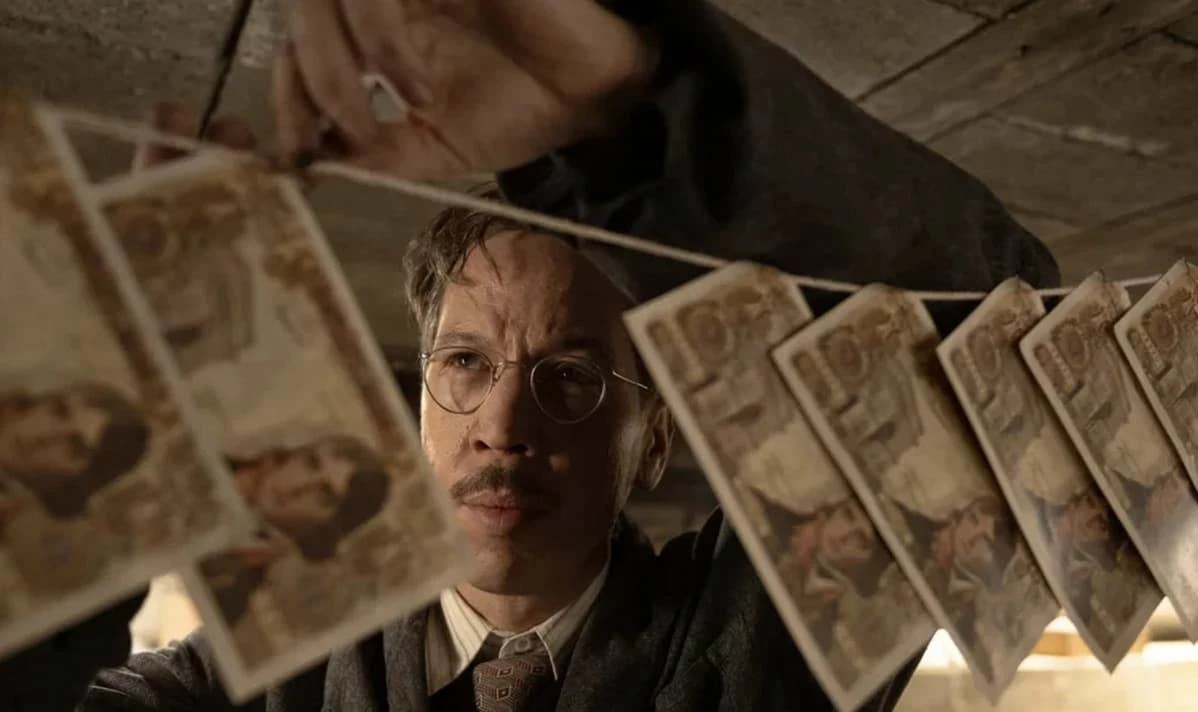
A Genius Without a Country
Czesław Jan Boyarsky was born on October 15, 1912, in the Polish city of Łańcut. From his youth, his head was full of talented ideas. He studied at two polytechnic institutes—Lviv and Gdansk—and graduated with a degree in architectural engineering. He had grandiose plans.
World War II changed everything. A Polish army officer, Boyarsky was captured by the Hungarians, escaped, and reached France. When the country capitulated, most of the Polish troops crossed the English Channel to England. Boyarsky stayed behind and settled in the picturesque town of Vic-sur-Cère in the south of the country. 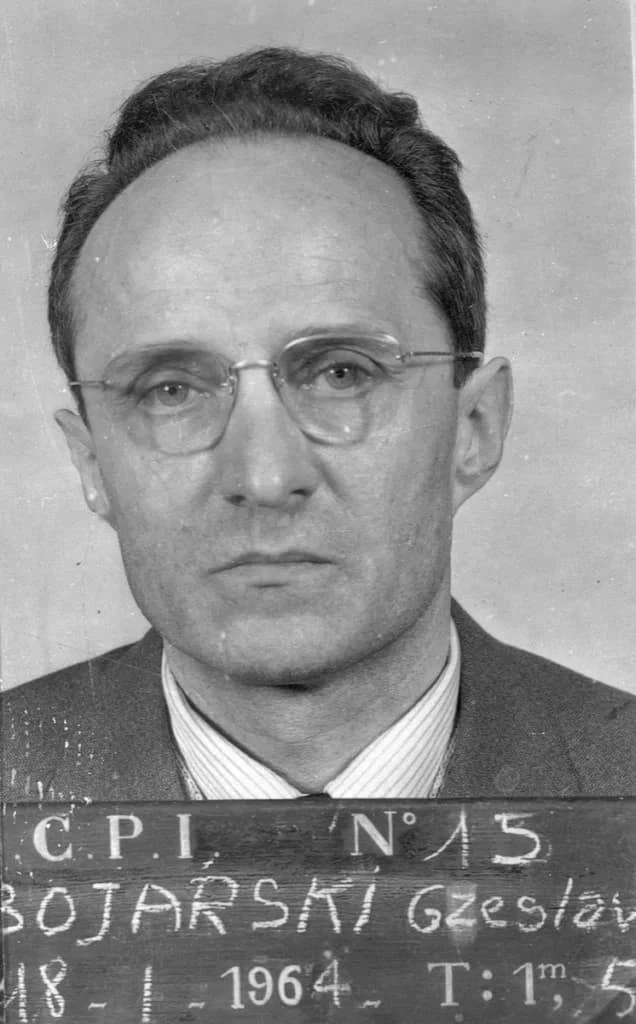
Czesław Jan Boyarsky. Police photo. 1964
It was a time of hardship. An immigrant without proper papers and with a poor command of the language, he felt like an outsider. Ideas swirled in his head: plastic pencils, coffee capsule designs that were ahead of their time. Boyarsky tried to make his way in post-war Paris, proposing inventions—and each time he hit a dead end. The language barrier and lack of connections hampered him. The system rejected him twice: first as an immigrant, then as an inventor. 
Provincial Vic-sur-Cère, where Boyarsky settled after the capitulation of France
This rejection became the first step toward becoming the man the newspapers would later call "the Cézanne of counterfeit money."
The Master Takes on the Job
Realizing that the legal path to recognition was closed, Boyarsky began plotting his adventure with the cold precision of an engineer. He created his own tools, boiled paper pulp, and mixed ink in ordinary milk cans. He cut out engravings under a magnifying glass and assembled machines from scrap materials. For fear of being caught, he didn't buy equipment from stores—he did everything himself. 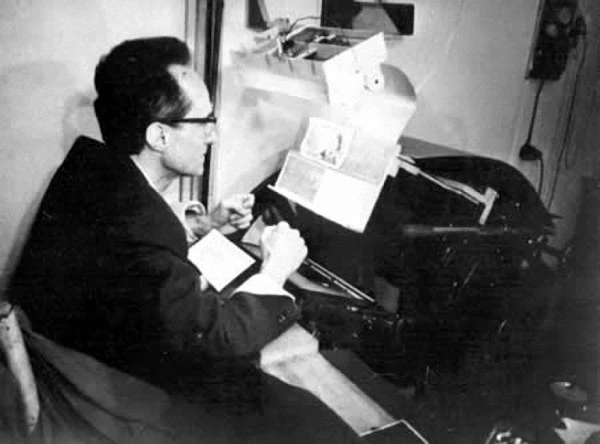
Cheslav Boyarsky engraving a cliché. Photo from the criminal case
He first attempted to counterfeit thousand-franc notes bearing the portrait of Cardinal Richelieu—their modest security level made them an ideal testing ground for his technique. A whole year of trial and error took him a year. When Boyarsky finally decided to go public, he went to a butcher's shop and bought a chicken. He paid with a counterfeit. He returned home with change—real money. It was his personal triumph. 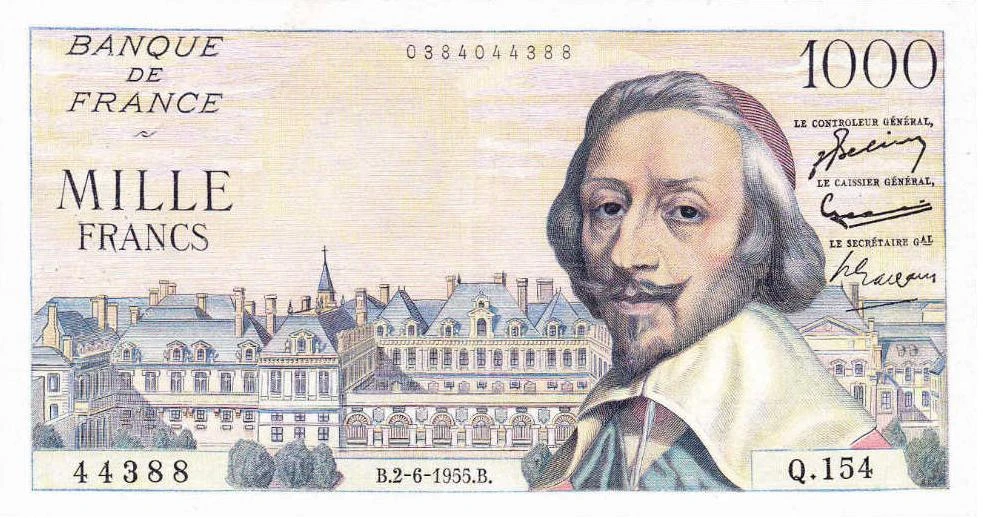
A 1000-franc Richelieu banknote. 1953—the first series Boyarsky undertook to reproduce.
Following visits to stores and markets also went smoothly. His uncertainty was gone. He was no longer a failed inventor. He had become the creator of his own reality.
13 Years in the Shadows
Boyarsky remained elusive because he operated outside the logic of the criminal underworld. No accomplices, no warehouses, no large-scale distribution. He diluted the flow of real money with his own bills, one at a time, during ordinary purchases in different cities and regions. He'd buy pens in Reims, a pack of cigarettes in Paris, and a newspaper in the south of France. The police were looking for a complex network. In reality, it was a single, methodical individual who constantly changed routes. 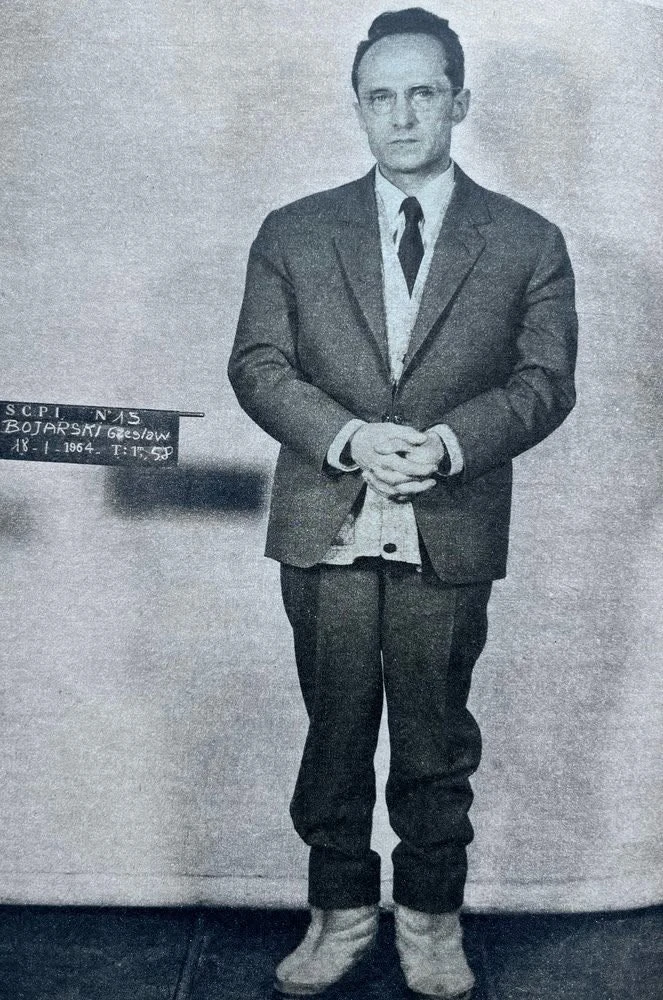
Cheslav Boyarsky. Photo from the criminal case
He entered and exited the metro at random, never entering the same stores twice. He traveled across the country on overnight trains, posing as a traveling salesman to his wife. By the mid-1950s, Boyarsky was issuing up to 1,500 banknotes a month—and still remained invisible. 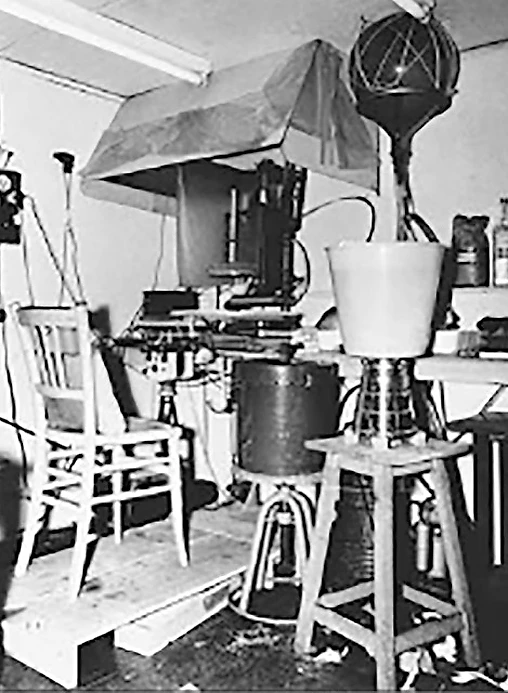
A printing press designed and manufactured by Boyarsky himself—using parts that wouldn't arouse suspicion when purchased.
In November 1962, he took on the greatest challenge of his life—the new-style 100-franc "Bonaparte" banknote. The French authorities were proud of this note: the most modern banknote in Europe, with cutting-edge watermarks and multi-layered security. Boyarsky expended all his 10 years of experience on its reproduction. For the paper, he mixed tissue paper with carbon paper in precisely measured proportions, and aged the finished notes with dust and ash—which he specially collected from church floors. 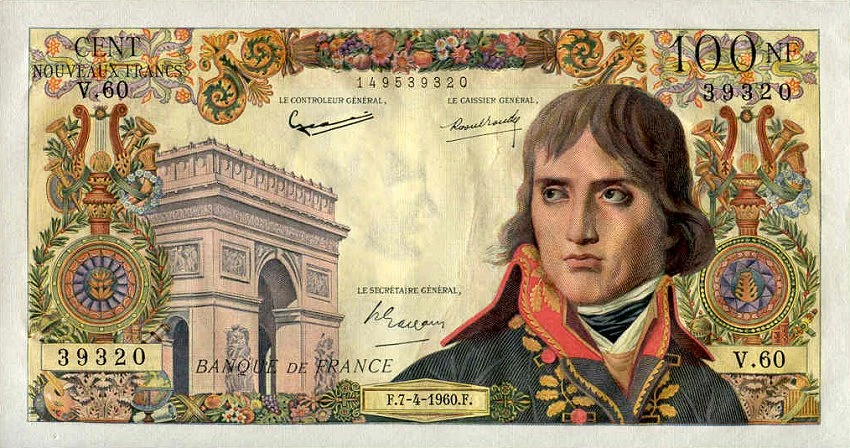
100-franc "Bonaparte" banknote, 1961. The only counterfeit banknote in history that the Banque de France officially bought from the public.
The result was alarming. Even experienced bank employees accepted the "Bonapartes" without a shadow of a doubt. Experts later found only microscopic differences: one of Napoleon's hairs was slightly thicker than normal, one flower petal in the corner of the note was incomplete.
Failure
On November 9, 1963, two inspectors from the Central Office for the Fight against Counterfeiting (OCRFM – Office central de répression de la fausse monnaie) arrived at the post office on Rue Turgot in the 9th arrondissement of Paris. A few days earlier, an unknown person had purchased treasury bonds there, paying with a bundle of 100-franc "Bonapartes." The notes looked flawless—but they were counterfeit. The police hoped the buyer would return. And he did. 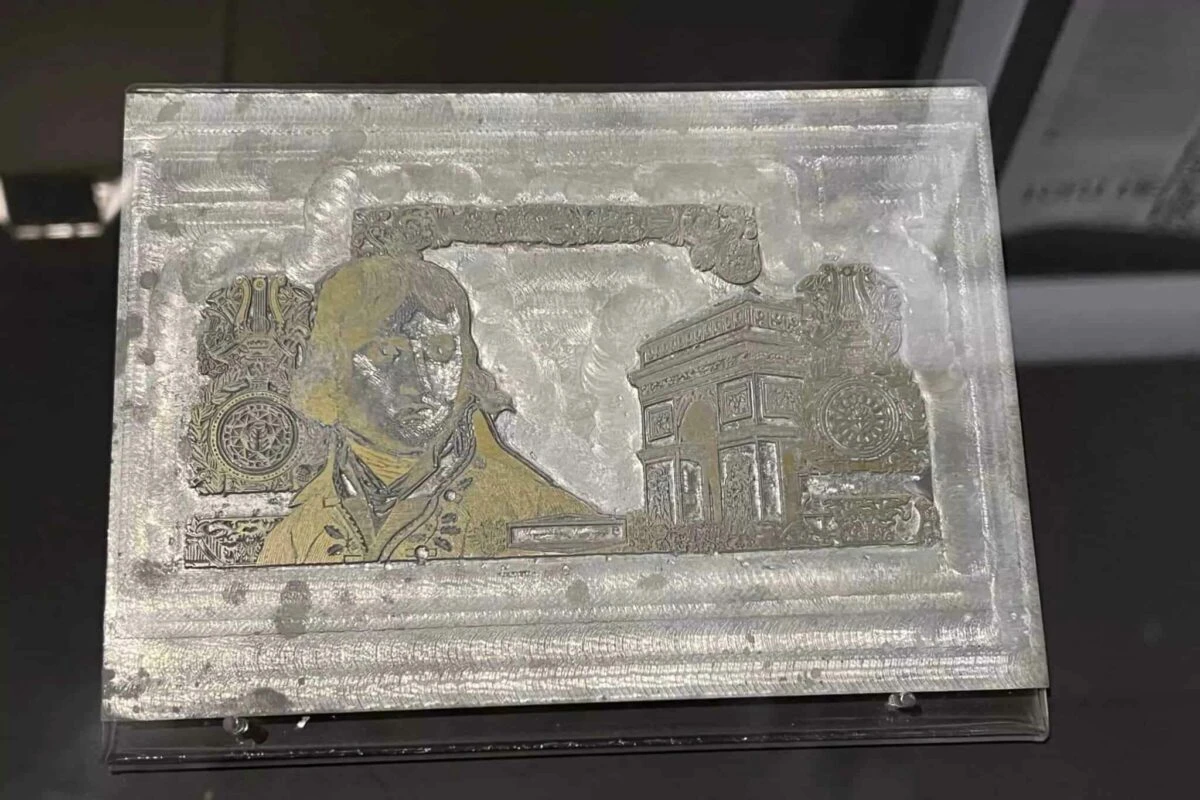
A matrix for printing "Bonapartes," made by Boyarsky. Experts confirmed: he worked alone.
The investigation led to Alexis Shuvalov, a car dealer who naively paid with counterfeit money at the same post office. During interrogation, he named his brother-in-law, Polish translator Antoine Dowgerd. Dowgerd turned in his old friend. Boyarsky, tired of the endless late-night drives, reluctantly recruited both of them to help sell the money—this became his only mistake in 13 years. 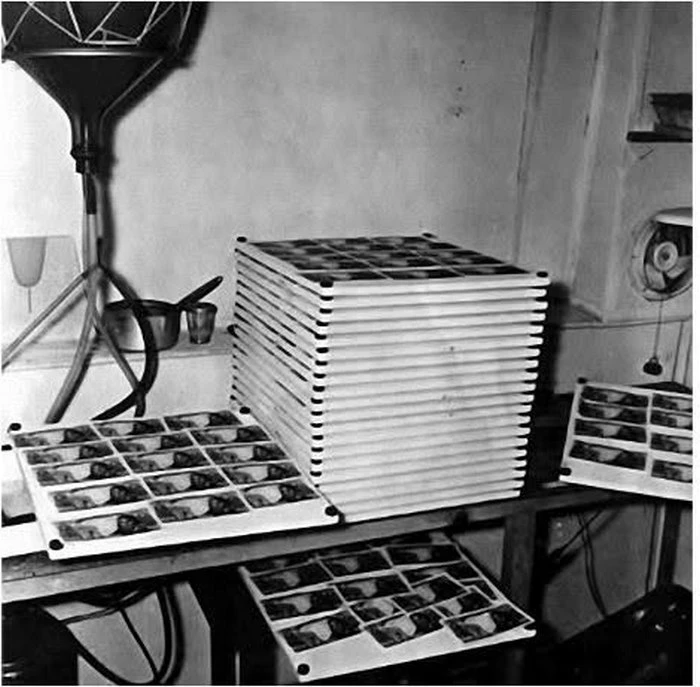
Photo from Boyarsky's workshop, taken by police immediately after his arrest
On January 17, 1964, the police arrived at his home in Montgeron. The initial search yielded almost nothing: a quiet elderly man, a modest house, a safe containing 72 million old francs in Treasury bonds. The police were almost turning away when one of the inspectors accidentally dropped a glass of water. The liquid flowed across the floor and disappeared into a barely noticeable crack between the boards. An electrically operated hatch opened onto a 9-square-meter basement workshop—containing engraving tools, copper plates, machines, and stacks of freshly printed "Bonapartes" worth 13 million francs.
Sentence, Prison, and a Bitter Ending
The investigation established that approximately 300 million old francs had been circulated over 13 years. Boyarsky was sentenced to 20 years in prison. He served his sentence in the Santé prison in Paris. For exemplary behavior, he was released early after 13 years. His accomplices, Shuvalov and Dovgerd, escaped punishment: the court credited them with the amount the master had handed over. 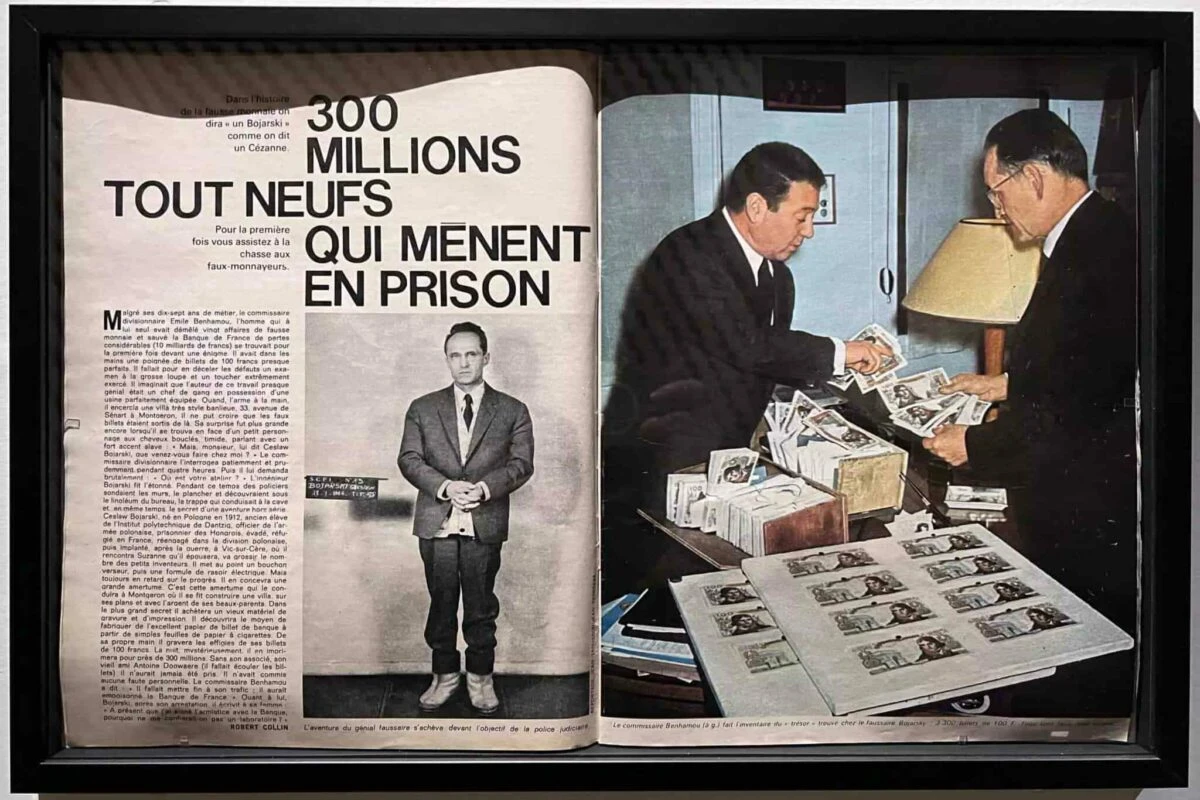
Paris Match spread, February 8, 1964: "300 Brand New Millions Leading to Prison"
In 1978, while Boyarsky and his wife were on vacation, a pipe burst in their modest apartment in Évry. Plumbers, moving a stove, discovered a hidden cache underneath: ten gold bars and 797 coins. In 1980, a retrial ended with the confiscation of all remaining property. Cheslav Boyarsky died in poverty on May 2, 2003. 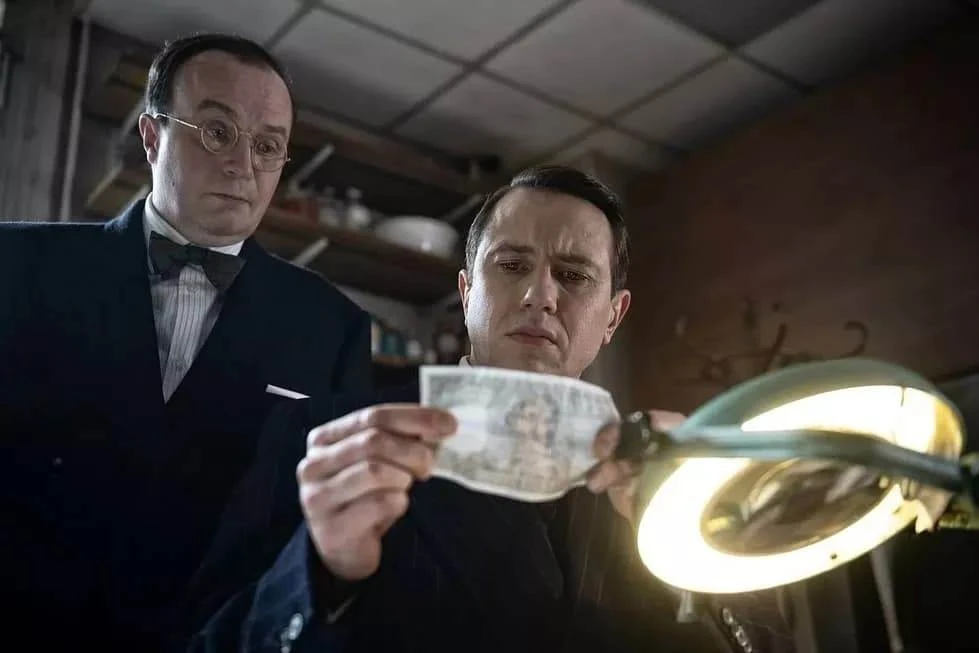
Still from the film "The Boyarsky Affair" (L'affaire Bojarski, 2026, directed by Jean-Paul Salomé). Reda Kateb plays Boyarsky.
Paradox: The Criminal as Artist
The trial became a sensation. Newspapers wrote about Boyarsky not as a criminal, but as an artist. It was then that the nickname "Cézanne of Counterfeit Money" emerged—and this is not irony, but a recognition. The Boyarsky phenomenon is unique in the history of counterfeiting: in 1964, the Banque de France, as an exception, bought back counterfeit "Bonaparte" bills from anyone who voluntarily brought them to its cashier. Nothing like this had ever happened before or since. 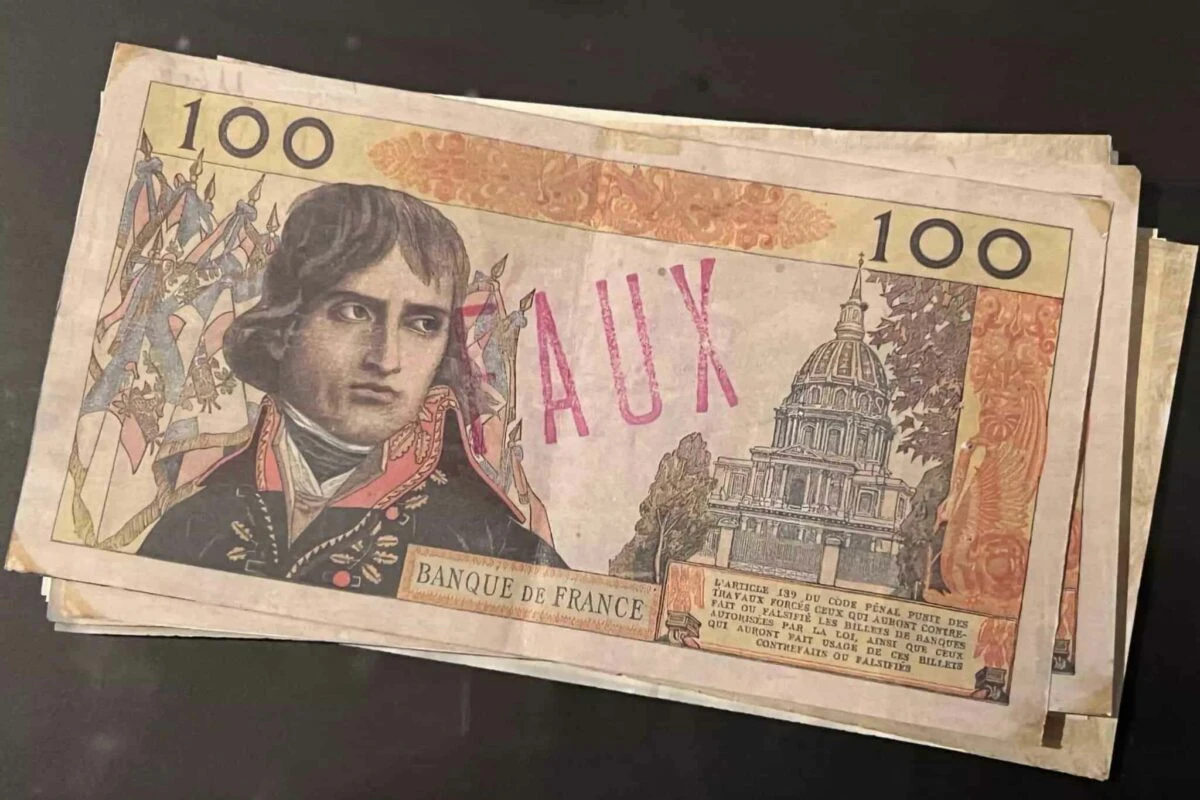
Fake "Bonaparte" bills marked by the bank. Today, they fetch higher prices at auction than genuine bills of the same denomination.
In 2008, one of his banknotes sold for over €5,500. In 2015, an "authentic Boyarsky with Napoleon" was sold in Paris for €7,000. In 2023, a pair of his banknotes set a record—€20,600 per lot. The man whom the system refused to recognize as an inventor became a recognized master—posthumously. In January 2026, the feature film "The Boyarsky Affair" (L'affaire Bojarski, directed by Jean-Paul Salomé) was released in France, starring Reda Kateb.