Tinto Brass is a name synonymous with erotic cinema. This Italian director masterfully blurs the lines between art and sensuality, creating films that excite, provoke, and make you think. His works are more than just erotica; they are true explorations of human desires, passions, and fantasies. In this article, we'll highlight five of Tinto Brass's best films, which prove that erotica can be art. Ready to immerse yourself in a world of passion and beauty? Let's begin! 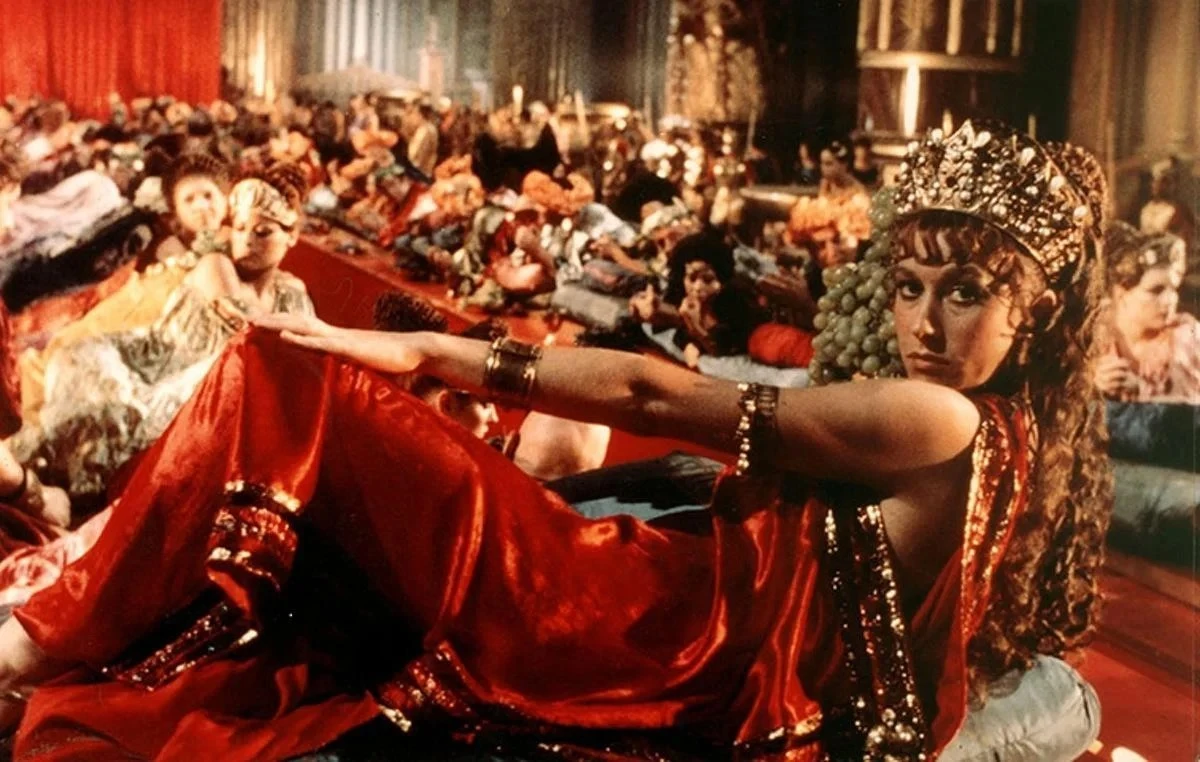
Peeping Tom (1994): Playing with Fantasy
Brass's central work is not, as many believe, "Caligula," but rather "L' Uomo Che Guarda" (The Man Who Watches), made fifteen years later. "Peeping Tom" explores the theme of voyeurism and human desire. The protagonist, Professor Dodo, is experiencing a personal crisis and begins spying on others' intimate moments. This journey into a fantasy world becomes a way for him to understand himself and his feelings. 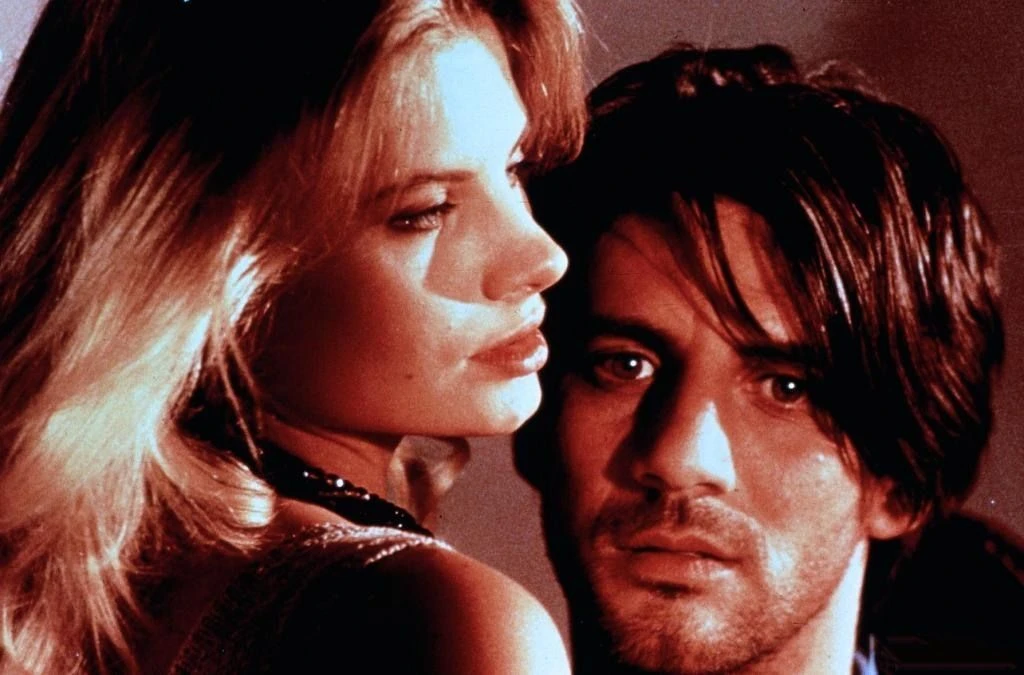
A manifesto of cinematic voyeurism, a reflection on the nature of infidelity and its acceptance by partners, with quotes from Baudelaire and the first appearance of the "man with the big cigar," the image Brass would often portray in subsequent years. Brass uses eroticism as a metaphor to convey his character's inner conflict. The film is shot with a lightness and irony that makes it accessible and captivating. "Peeping Tom" is a story about how our hidden desires can lead to unexpected discoveries. The film perfectly captures Brass's style: bold, yet not lacking in depth.
Salon Kitty (1976): Eroticism and Totalitarianism
"Salon Kitty" marked Brass's first foray into totalitarian aesthetics—black stockings against a backdrop of red swastika banners, the austerity of racially faithful Nibelungen interiors contrasting with the austere physiques of the actors, who seem to have stepped out of propaganda posters about the purity of the Aryan race, the abrupt movements of the men in leather, and the sounds of German marches. 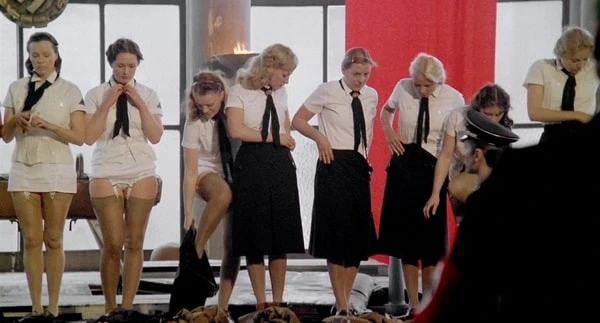
At the same time, Brass doesn't try to turn the film into a social drama, nor does he overwhelm or drive the viewer away from the screen. The film stands out for its visual aesthetic: every scene is carefully considered, from the costumes to the lighting. "Salon Kitty" is not only erotica but also a reflection on power, manipulation, and human nature. The film demonstrates Brass's ability to transform sensuality into a tool for exploring complex themes.
Paprika (1991): A Story of Passion
"Paprika" is one of Tinto Brass's most tender and sensual films. The main character, a young woman named Mimma, takes a job at a brothel to earn money for her fiancé. But she soon realizes that her new life opens up a world of pleasure and freedom. The film is filled with vibrant colors, light humor, and, of course, Brass's signature eroticism. 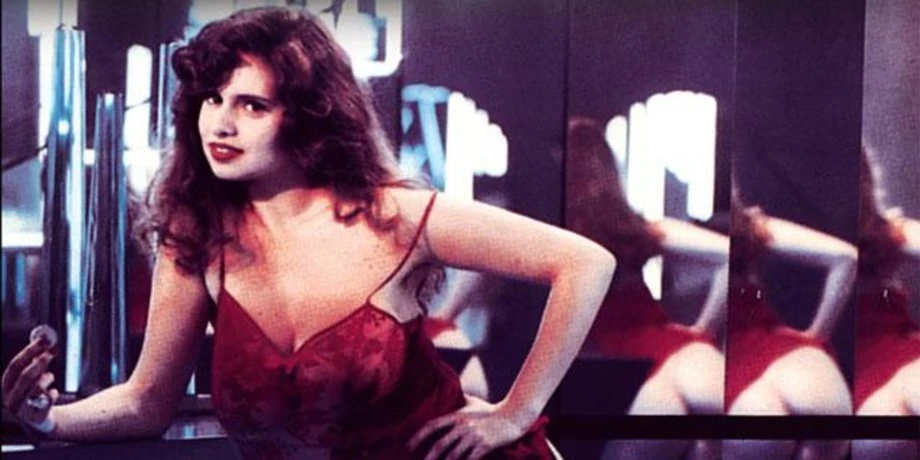
The film stands out for its sincerity: there is no judgment or moralizing. Brass shows how the heroine, nicknamed Paprika, discovers her sexuality and gains confidence. This film is a hymn to female sensuality and freedom of choice that remains relevant today.
Caligula (1979): A Scandalous Classic
After seeing the edited film, the screenwriter demanded his name be removed from the credits, and Malcolm McDowell and Peter O'Toole, who played the leading roles, were looked down upon for a long time after their return to Hollywood. Caligula and Nero are the two main figures of "ancient Roman debauchery." Nero, more interested in playing the harp while watching Rome burn and baiting people with strange beasts in the Colosseum, didn't exactly suit Brass's interests. 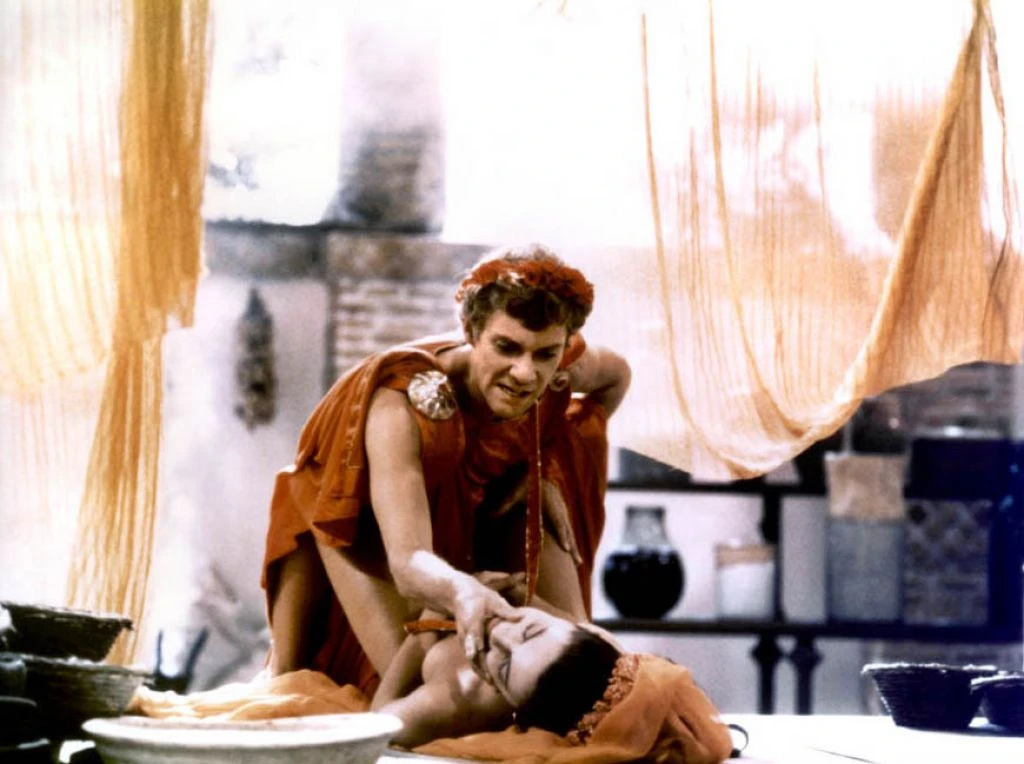
Caligula, however, is the perfect character for Tinto of that period—luxury, madness, a horse appointed by a senator, and orgies lit by the scorching Roman sun—it was enough for the director to consider the historical theme exhausted. The theatrical release of "Caligula" screams, "Watch it!"—the film was cut, banned, and subjected to public censure. We recommend watching it in a hot tub, armed with a few dozen bunches of grapes.
All the Ladies Do It (1992): Lighthearted and Provocative
Completing our top list is "All the Ladies Do It"—a light and playful comedy that explores female sexuality through the lens of fantasy. The main character, Diana, is happily married, but her curiosity and thirst for adventure lead to a series of funny and piquant situations.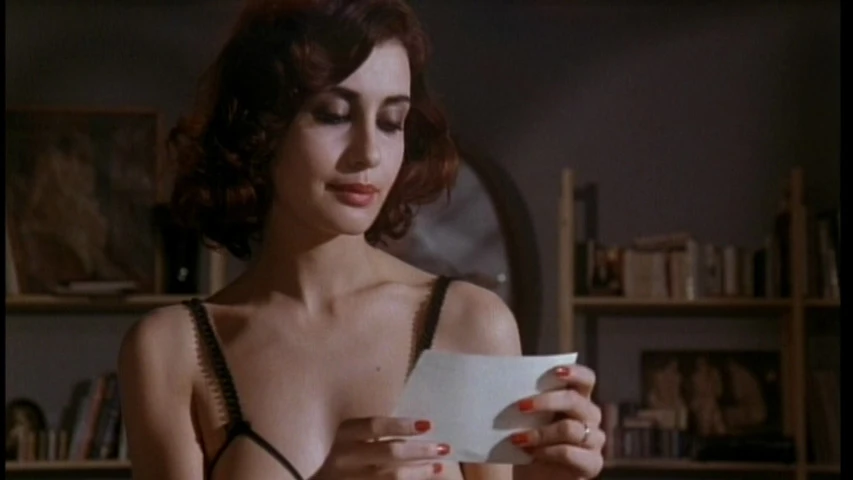
The film is filled with humor and a warm atmosphere, making it one of the most accessible in Brass's filmography. There are no dark tones or complex dramas here—only a joy for life and freedom of expression. "All the Ladies Do It" demonstrates that erotica can be fun and lighthearted without losing its artistic value.
Add your comment
You might be interested in:













Persistence in achieving a goal

A biker prevented a hit-and-run driver from escaping

17 Photos That Will Stop You in Your Tracks (18 Photos)

Not everyone is having fun on the amusement ride

The cutest lunch delivery ever

Stunning Views of the Martian Horizon from 400 Kilometers

A book titled "A Guide to Rebuilding

Young women, Dancing and George Michael: nothing superfluous

An apology delivered with a running start
