How supermarkets work: Tricks that make you buy (20 photos)
You've probably all heard the expression "clever marketing ploy." But what does it mean when it comes to supermarkets and other large stores we visit almost every day? Supermarkets and chain stores have truly learned to control the minds of their consumers. How? Find out now. 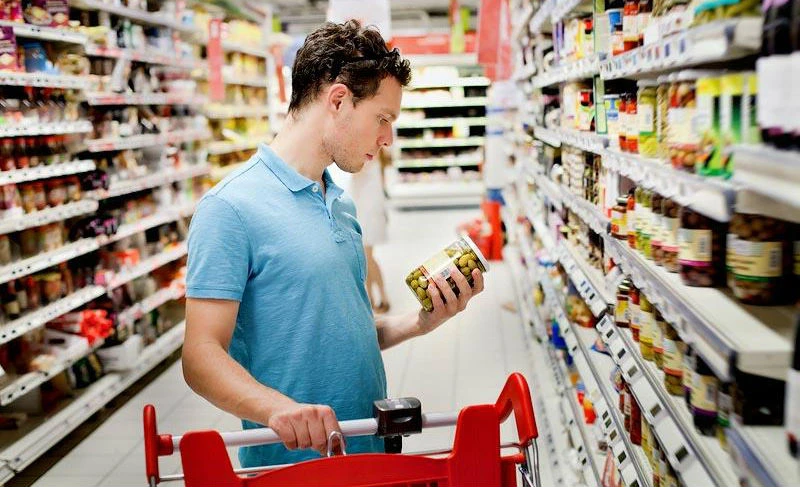
They make you associate the color red with discounts.
Supermarkets are often plastered with advertising outside, featuring discounts highlighted in color. In our minds, a red price tag has long been associated with a price reduction. However, it's worth being careful: such colored price tags don't always mean better deals: the price may be slightly reduced or even remain unchanged. But consumers are still inclined to buy products with such price tags because of the established association.
They make carts too big. 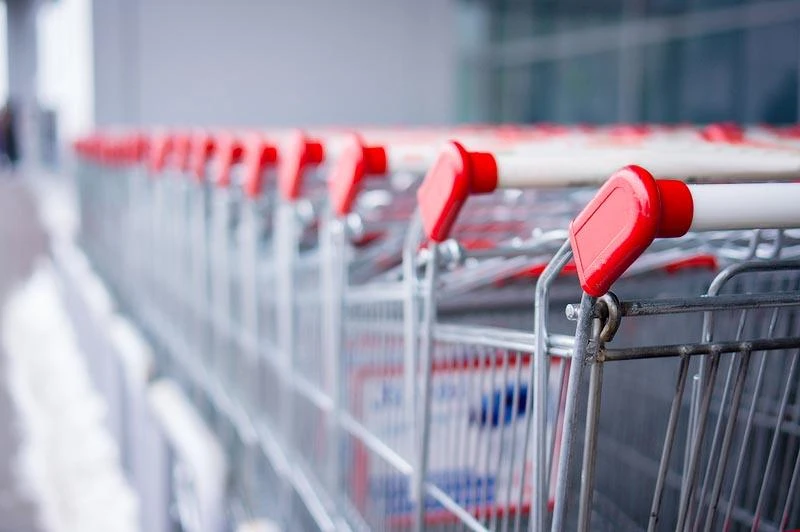
Shopping carts were invented in 1938. Meanwhile, the size of a typical cart has doubled over the past 40 years. And they're almost always much larger than the average family's shopping basket. If we're carrying a half-empty cart, we subconsciously want to fill it. As a result, we end up buying more food than we need. Therefore, if you're only going to the store for a short time, it's better to bring a basket. This way, you'll kill two birds with one stone: you'll save money, and your shopping bag will be lighter.
Fruits and vegetables are usually located at the entrance to the store. 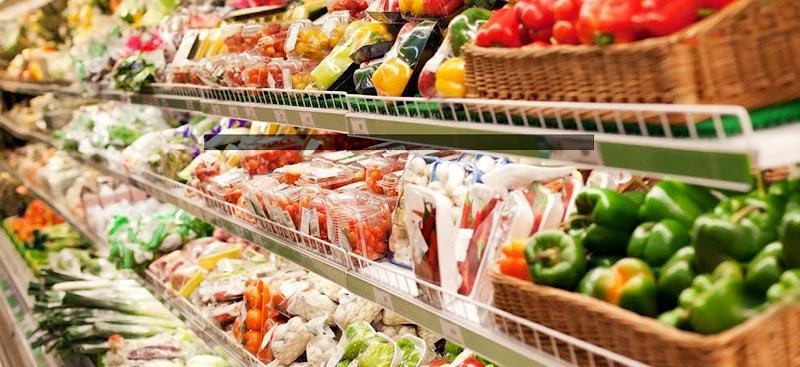
Researchers tested shoppers' willpower. It turns out that giving people the opportunity to do what they consider "good" first is enough to encourage them to actively exceed their own limits. This is why supermarket owners display healthy fruits and vegetables right at the entrance: the more money shoppers spend on healthy foods, the more they'll buy unhealthy ones like beer and chips.
They hide dairy products in the back of the store. 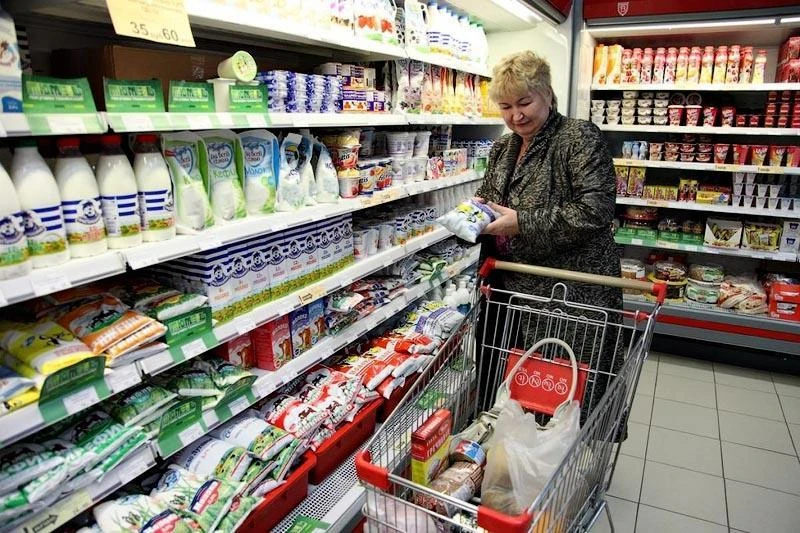
Salespeople use a multitude of tricks to get us to buy more. Years of research have revealed tricks that are used everywhere and that we're unaware of. To illustrate this more clearly, consider why milk—the most popular product—is always found at the very back of the supermarket. It's not because that's where the refrigerators are, but because they want you to pass by other groceries first to find milk.
They create the illusion that their fruits and vegetables are fresh. 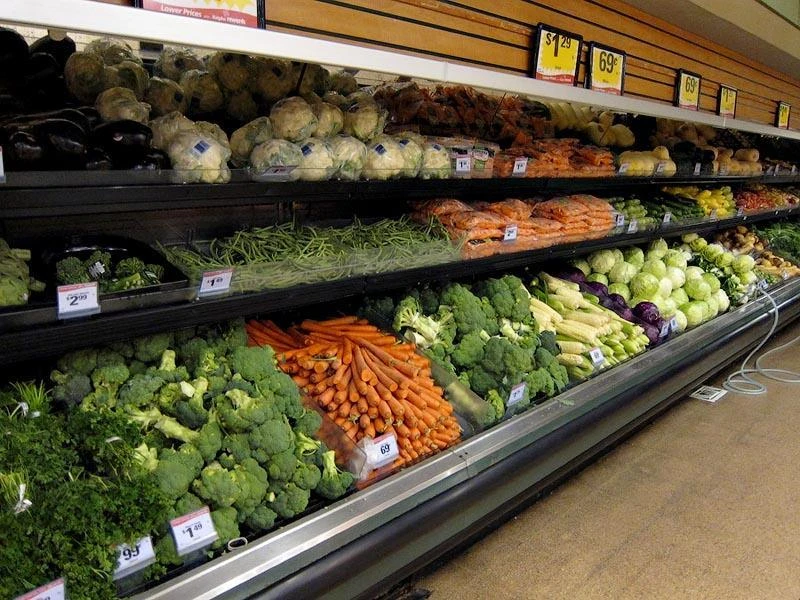
In most supermarkets, fruits and vegetables in the produce section are washed and polished until they shine. In fact, they're often sprayed with water, despite the fact that this will speed up their rotting. Why? Because people love freshness, and our brains associate this with a shiny, moist surface. Furthermore, supermarkets specifically use certain substances to maintain the appetizing appearance and color of fresh fruits and vegetables. In fact, the "fresh" fruits and vegetables you buy at the supermarket may have been in storage for a month beforehand, after which they'll sit in your refrigerator for a couple of days before being eaten.
They're trying to attract you with their colors. 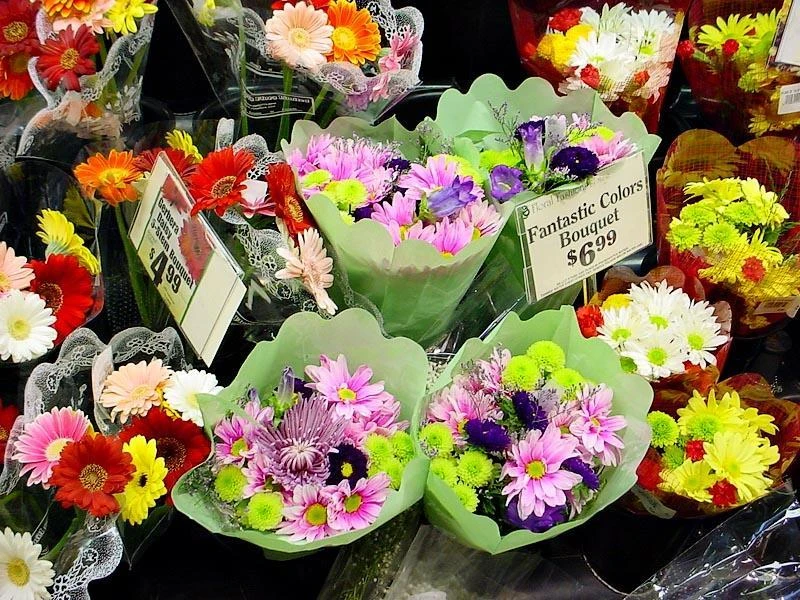
As soon as you enter the supermarket, your senses are delighted by the scent of flowers and colorful fruits in the produce section. This automatically triggers the release of the pleasure hormone dopamine, and you're filled with the pleasant anticipation of shopping. From here, it's not even a step, but half a step, to purchasing. Tip: Smell and enjoy, but remember what you actually need to buy. Pull out your shopping list and reread it.
They make you hungry. 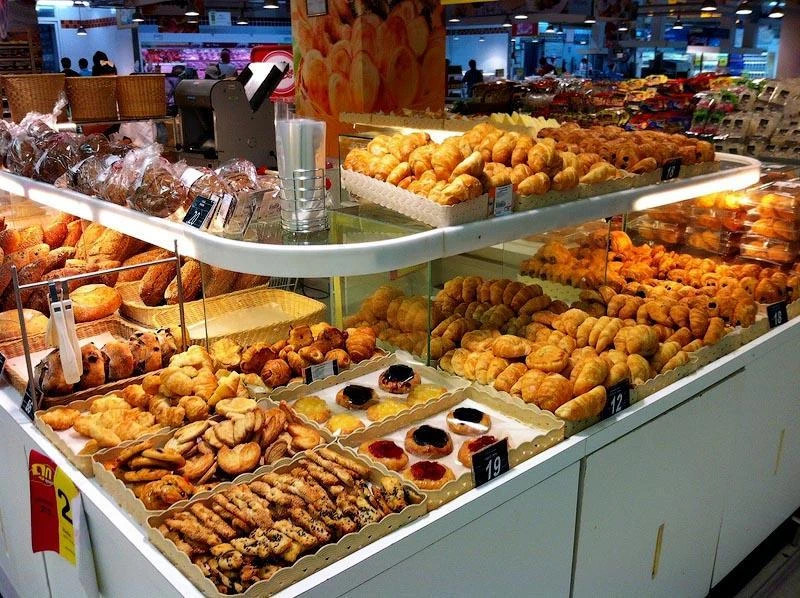
In many supermarkets, the bakery section is located near the entrance. The smell of freshly baked goods activates your salivary glands, making you want to buy that delicious treat right away. Some supermarkets even set up small counters offering customers sample products. It's always surprising how many people buy products simply because they feel obligated or hungry. Remember, you don't owe anyone anything, and to avoid "hungry" shopping, it's best to have a snack before you go shopping.
They make you go everywhere. 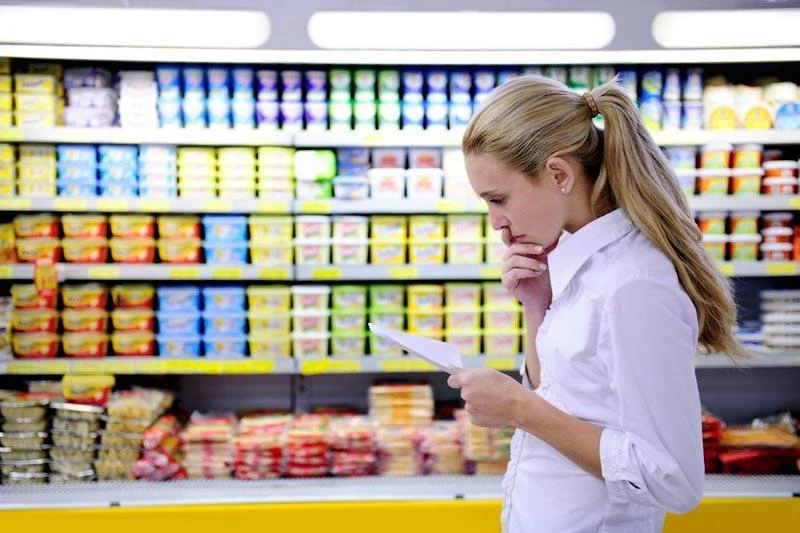
Essential items like bread, milk, and eggs are scattered throughout the store to make you wander around, making spontaneous, thoughtless purchases along the way. You believe you're choosing your own route through the supermarket. In reality, experts have deliberately planned everything to ensure you encounter as many temptations as possible along the way. That's why dairy shelves are never located near the entrance, otherwise you might finish too quickly and leave without two dozen essential items.
They make you think you're walking quickly when you're not. 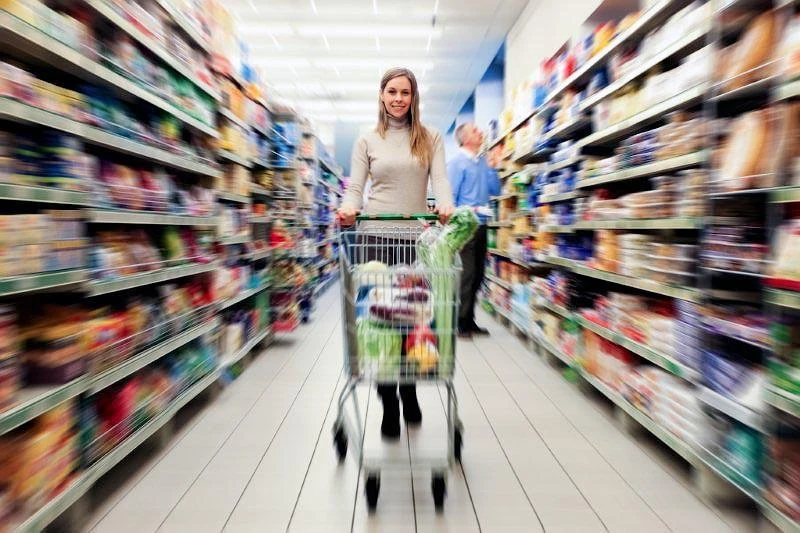
They lay small tiles on the floors in the more expensive sections to make your cart rattle louder. So you think you're walking faster, so you subconsciously slow down and spend more time in the expensive section.
They've developed a "left-right" formula. 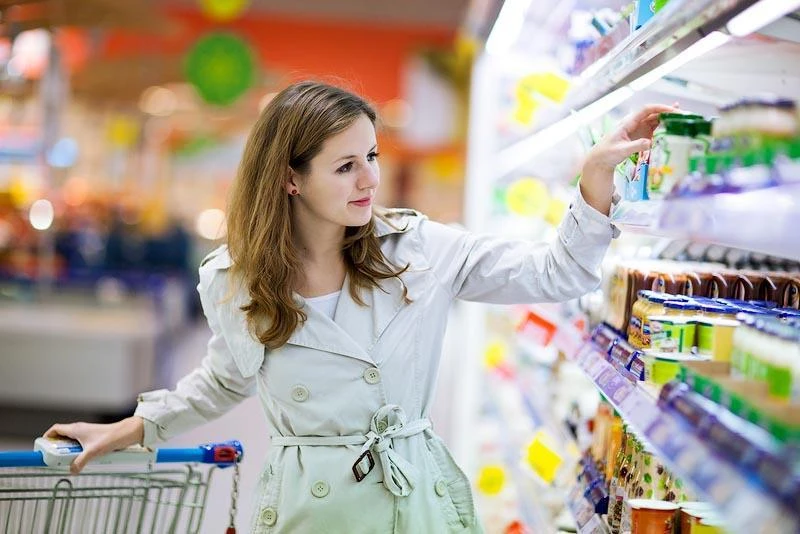
Most supermarkets operate according to the so-called right-hand law, where customers move counterclockwise. In this case, as they move through the store, customers continually turn left, and their gaze most often falls on the center of the wall on their right. This is where the so-called gold shelves are located, containing either the most expensive items or products with expiring dates.
They confuse us with complex pricing. 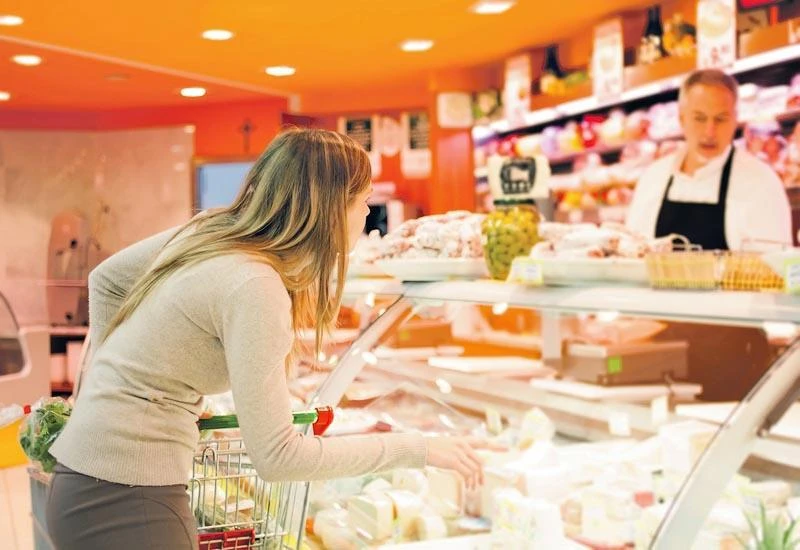
We all know that old trick: $0.99 always seems much smaller than $1.00. Subconsciously, the penny swells to a gigantic savings, and your hand reaches for the coveted "freebie." Old prices, often written in smaller font, boldly crossed out and new ones highlighted, work in the same direction. Your brain processes this information as a picture, not as an arithmetic problem. And so you end up buying something you don't need to "save money." Advice: Do the math! Don't be lazy and subtract the new price from the old one. Sometimes the result will surprise you with its insignificance.
They're using your children. 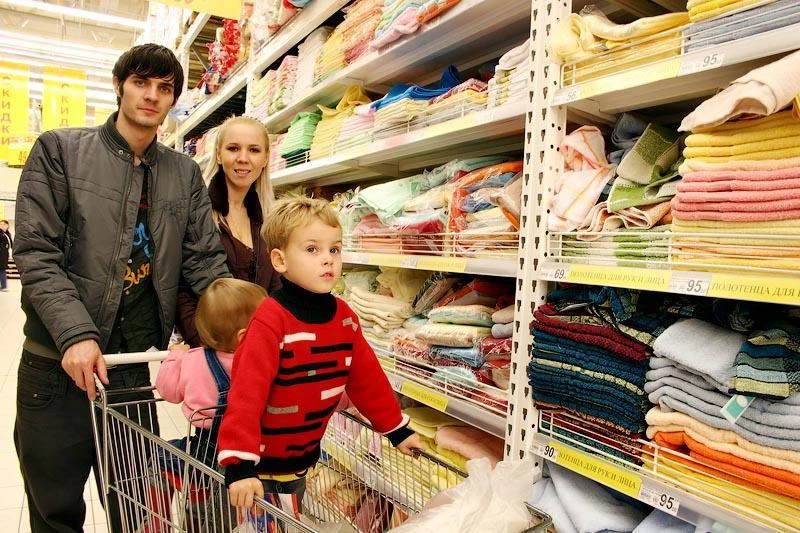
Perhaps it's inevitable. Every parent will have to undergo a rite of passage: going to the store with their child and enduring all their whims, requests for chocolate bars, new cereal, candy... And it's good if it only ends in tears, but real tantrums with rolling on the floor and screaming are also possible. Yes, children have a hard time walking past colorful displays.
They hide cheaper items from you. 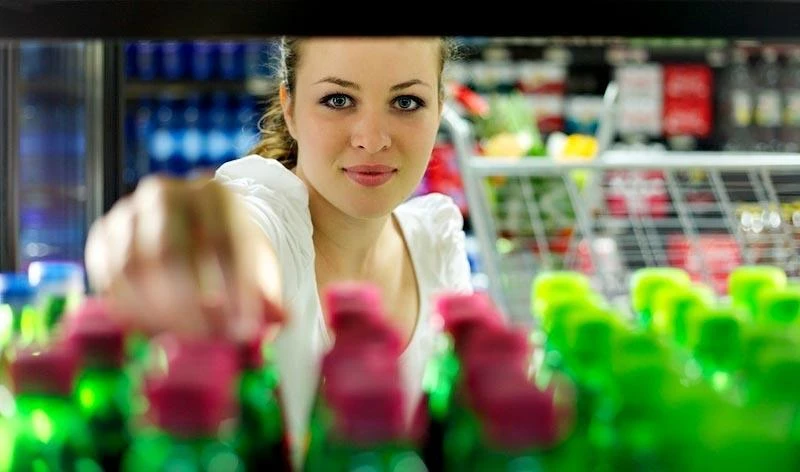
Have you ever noticed that all the expensive merchandise is placed on the middle shelf of the display, right at eye level? This is done so you see the most expensive items first. Then, they play on psychology, making you assume that the items on the shelves above or below are of lower quality (although this is usually not the case). Today, however, this spot in the sun is being conquered by established brands, as their products generate greater profits.
They offer their own pairs of products. 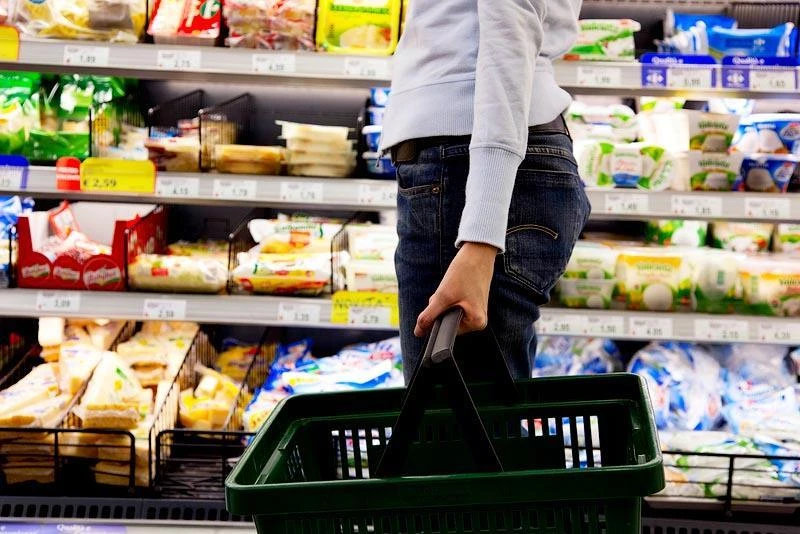
Everything loves a pair. It's the same at the supermarket. So-called complementary products are always placed next to the main ones. Next to beer are chips or bags of dried fish, next to cookies are juices or sodas, next to shirts are ties, and so on. All designed to make you buy more.
They sell meat and fish against a backdrop of white walls. 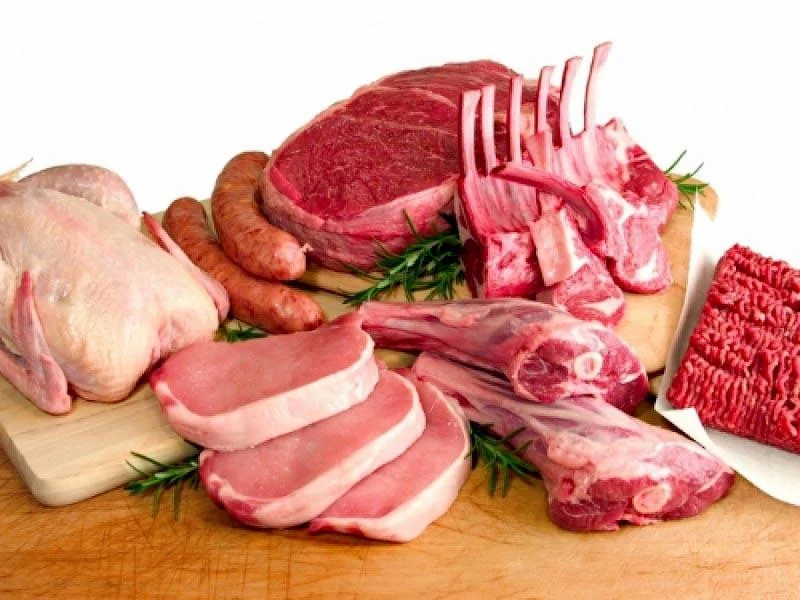
Meat and fish are often sold against a white background to look fresher. And visual tricks like wooden shelves and pleasant lighting encourage people to spend more.
They appeal to your greed. 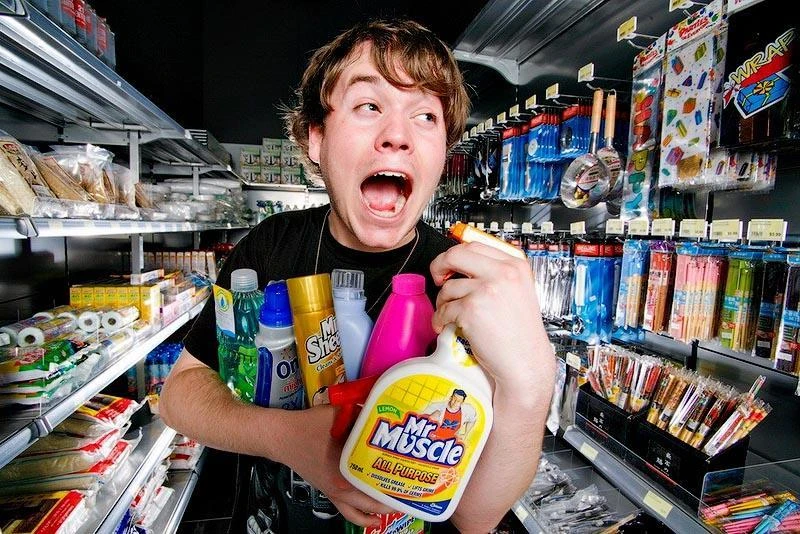
It seems like the flow of promotions is simply inexhaustible. Buy one shampoo and get one free. What a deal! However, before you buy shampoo, consider: do you really need it or will it gather dust for three months? Buying two items at a lower price doesn't really save you much, but it increases the supermarket's sales. Besides, the discounted prices are usually for stale or expired goods.
They paint the walls warm tones to entice you to linger in the store longer. 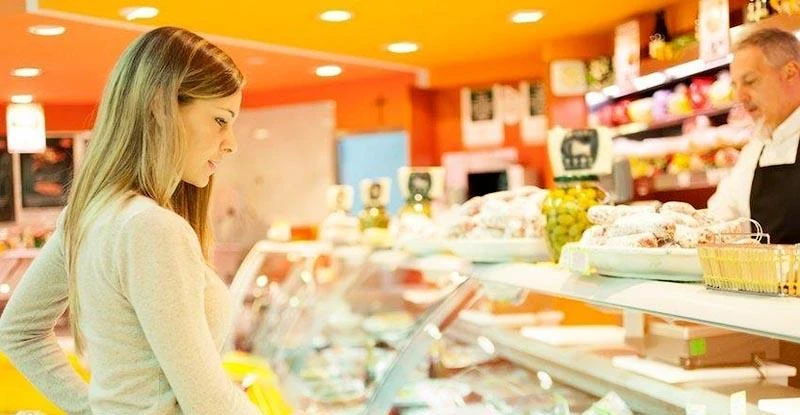
Warm colors are inviting and contemplative. Research has shown that people spend a lot of time choosing which fruit juice to buy, so those aisles are painted red.
They play music to make you spend more. 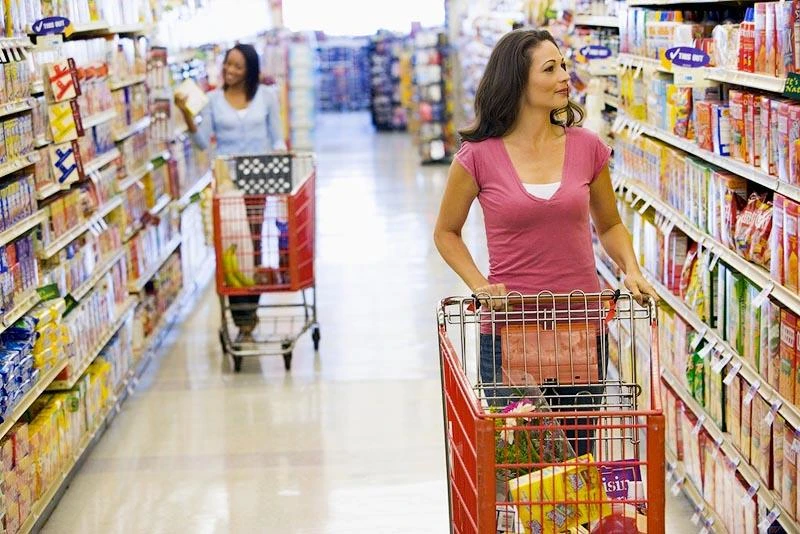
Music also plays a significant role in encouraging you to buy. Next time you're at a shopping mall, close your eyes and listen. You'll likely hear melodic music, which is also part of the strategy. Listening to such music subconsciously makes us slow down, pause for a long time in front of the shelves, and examine the merchandise. Supermarkets play light, mood-boosting hits to entice you to make an impulse purchase that wasn't on your list.
They place shelves with small items near the checkout to encourage spontaneous purchases. 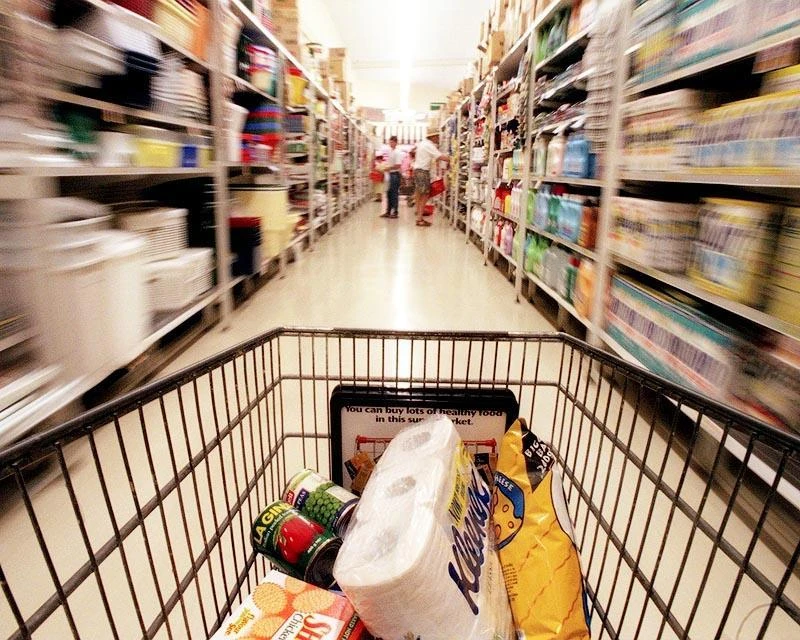
At the checkout, you'll notice even more items that fall into the so-called impulse-buy category. Candy bars, cheap magazines, gum, mints, and soda... The supermarket's last chance to get you to spend money. Usually, the checkout line is lined with shelves of chocolate bars, which you'll likely grab as a reward for a long shopping spree. You'll be browsing and choosing these items anyway—after all, you need to pass the time in line somehow. And compared to the "big" purchases, buying gum or a candy bar for the road for a few kopecks just doesn't seem like a big deal.
They tie you to them with a discount. 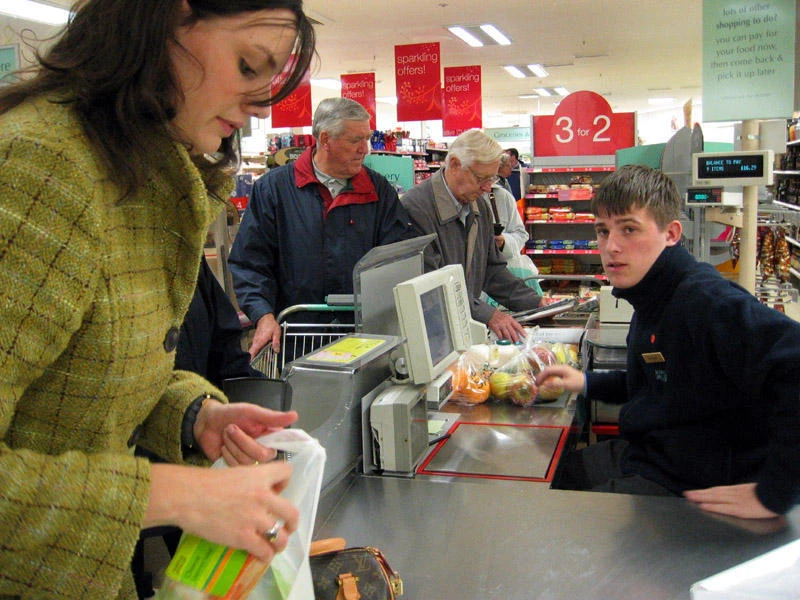
And when you pay at the checkout, you'll habitually pull out your loyalty card. A small discount will firmly bind you to this supermarket. A repeat customer is a gold mine. After all, you'll leave even more money here next time.