From everyday life to striking cityscapes, these photographs offer a fascinating glimpse into how people and cities across Asia actually looked throughout the 20th century. These rare archival images capture the rapid transformation of Asian society, revealing a compelling mix of age-old traditions and swift modernization.
1. A street food eatery in Bangkok, 1987. 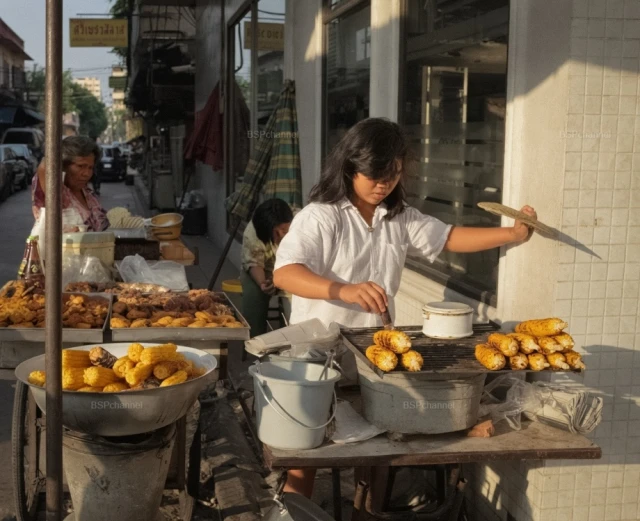
2. Cyclists filling a city street in Beijing, 1987. 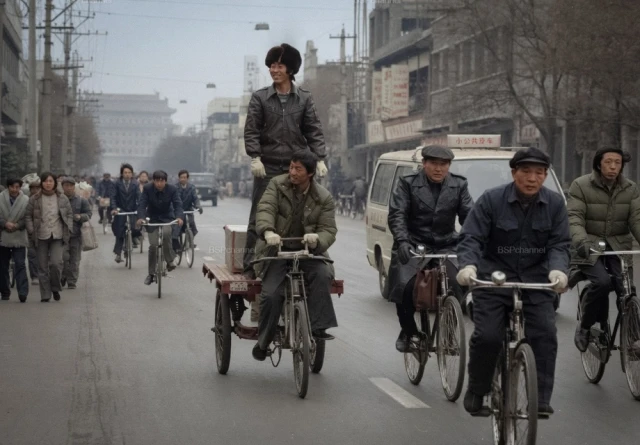
Thousands of cyclists swarming the streets of Beijing became one of the most iconic images of late 20th-century China. At the time, Beijing was widely known as the "Kingdom of Bicycles," with two-wheelers dominating urban transport as the primary mode of travel for millions of workers, students, and commuters.
3. A highway interchange in Singapore, 1987. 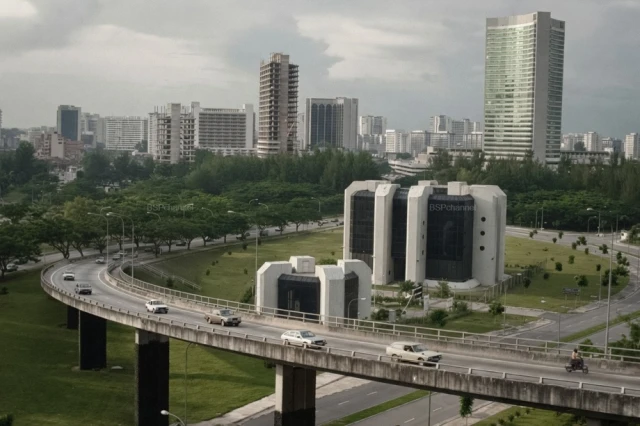
During the 1980s, Singapore underwent a massive economic and infrastructure boom, transforming from a developing port city into an ultra-modern Asian metropolis. For residents, this decade was defined by sweeping construction projects, digitalization, the emergence of a new urban culture, and a final farewell to colonial-era life. On November 7, 1987, Singapore opened its first MRT subway stations—a milestone locals considered the decade's premier technological marvel. Air-conditioned trains revolutionized the daily commute. Meanwhile, Changi Airport's Terminal 1, opened in 1981, set new global standards for civil aviation and quickly became Southeast Asia's primary air gateway. The Housing & Development Board (HDB) aggressively cleared old slums and traditional villages (*kampongs*), relocating residents to new high-rise housing estates in Bishan, Ang Mo Kio, and Tampines. Solidifying its status as one of the four "Asian Tigers," Singapore focused heavily on attracting foreign investment in high tech, computing, and banking. This surge laid the foundation for the Central Business District (CBD), filling the skyline with its first iconic skyscrapers.
4. A restaurant in Tokyo, 1958. 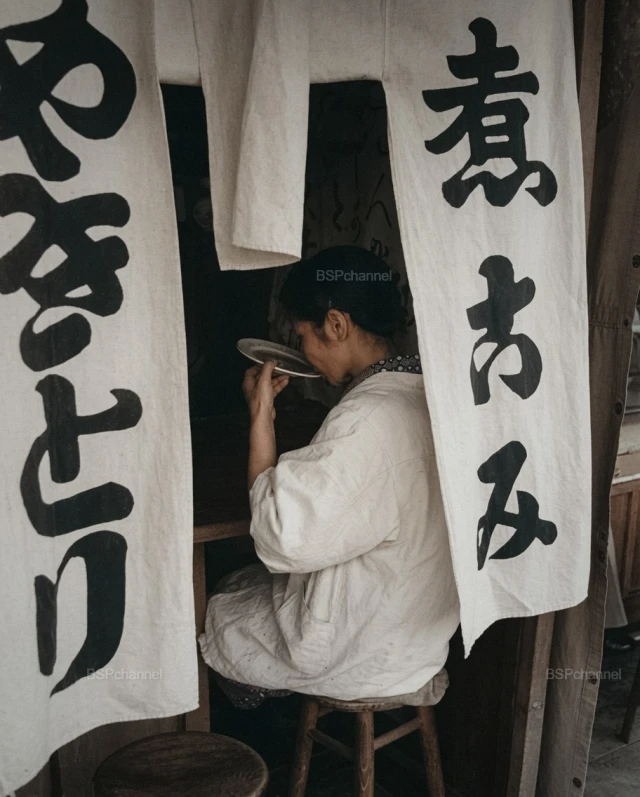
5. Darjeeling, India, 1956. 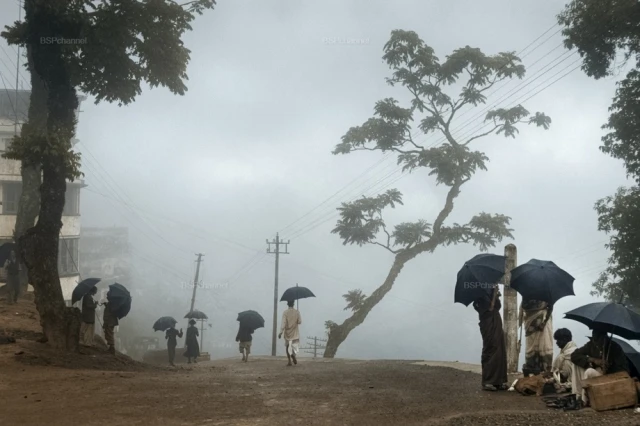
Nestled in the Himalayan foothills of West Bengal, India, at an elevation of over 2,000 meters, Darjeeling is a world-famous hill station. It is globally renowned for its premium tea, breathtaking views of the snow-capped Kangchenjunga peak, and its historic narrow-gauge Toy Train railway.
6. A dockworker in Shanghai, 1957. 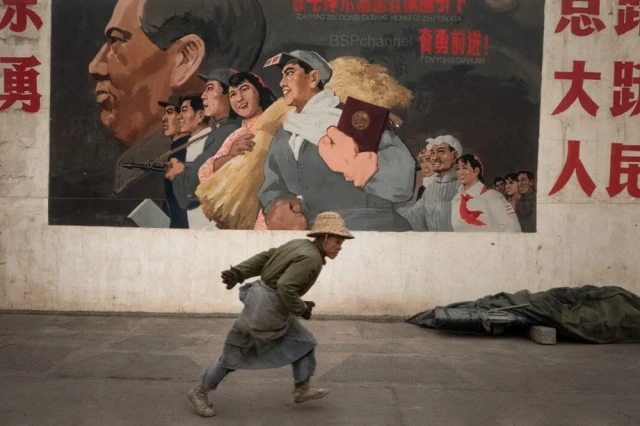
A docker (or longshoreman) is a port worker responsible for loading, unloading, and securing cargo aboard ships and throughout the harbor.
7. An elevated expressway with Tokyo Tower in the background, Japan, 1981. 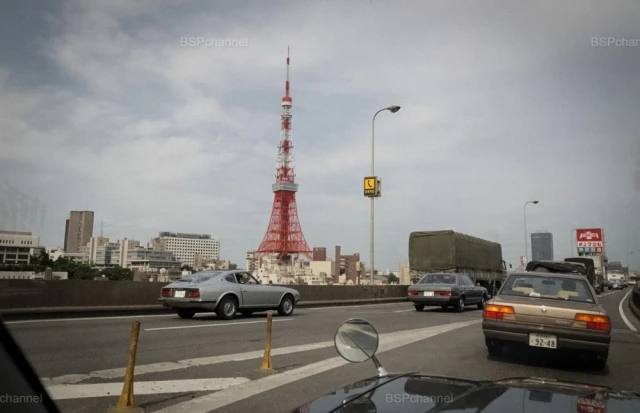
Completed in 1958 in Shiba Park (Minato Ward), Tokyo Tower stands as one of the Japanese capital's primary landmarks. At 333 meters, it was the tallest self-supporting steel tower in the world when constructed and remains a major tourist attraction today. Architect Tachū Naitō modeled its design after Paris's Eiffel Tower, though the Tokyo structure weighs nearly half as much—about 4,000 tons compared to the Eiffel's 7,300. Painted in alternating bands of white and international orange, the color scheme serves aviation safety regulations rather than mere aesthetics, ensuring visibility for aircraft. Its nighttime illumination adapts with the seasons: warm orange lights in winter and a crisp white glow in summer, with colorful neon displays reserved for special holidays. Built as a symbol of Japan's post-WWII rebirth and its rapid economic boom, the tower served as the region's main TV and radio broadcast mast for decades. As surrounding skyscrapers blocked digital signals in the 21st century, it was eventually superseded by the 634-meter Tokyo Skytree.
8. On the streets of Phnom Penh, State of Cambodia, 1989. 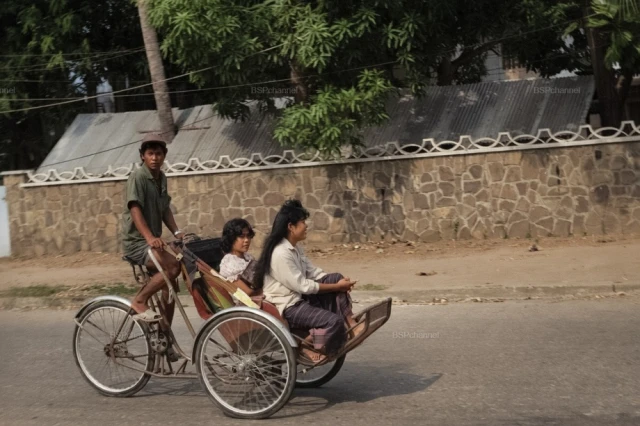
9. A farmer working in Suratgarh, Rajasthan, India, 1972. 
10. An Intersputnik satellite ground station built near Vientiane, Lao People's Democratic Republic, with Soviet assistance, 1988. 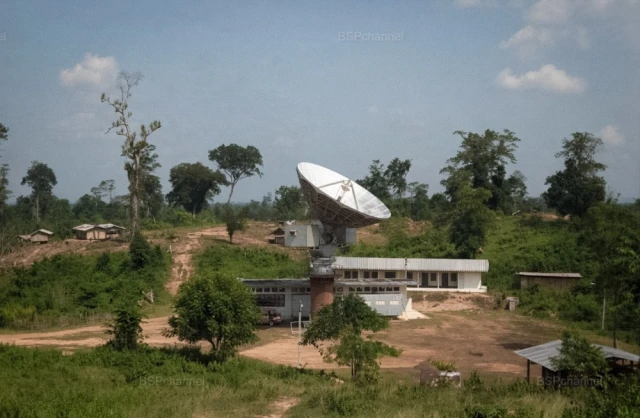
Laos officially joined the Intersputnik international satellite communications agreement on November 11, 1981, becoming a full member of the organization created by the USSR and its allies as an alternative to the Western Intelsat system. The high-tech ground station was constructed as part of a major foreign aid program: between 1976 and the late 1980s, Soviet engineers and specialists built over 50 key infrastructure projects in the Lao PDR, including bridges, hospitals, oil storage facilities, and highways.
11. Socialist Republic of Vietnam: The opening of road traffic on the Thăng Long Bridge across the Red River, built with Soviet technical assistance, 1983. 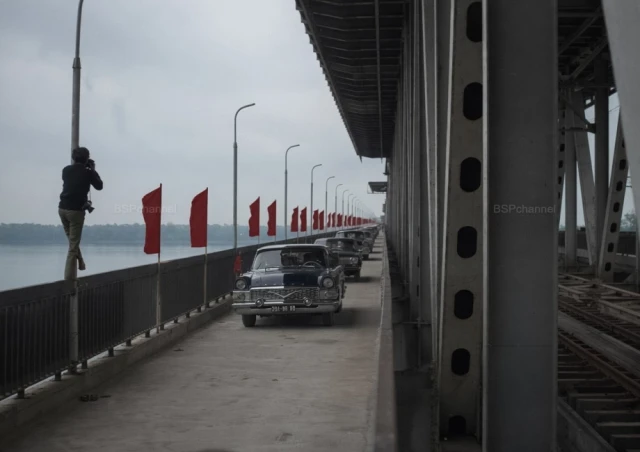
Opening the Thăng Long Bridge to vehicular traffic across Hanoi's Red River marked a major milestone in Vietnam's transportation network and stood as a key symbol of Soviet-Vietnamese relations. Meaning "Soaring Dragon," this massive double-deck bridge transformed the capital's logistics by connecting central Hanoi directly to the northern provinces and Nội Bài International Airport.
12. A herd of water buffalo near Vientiane, Laos, 1969. 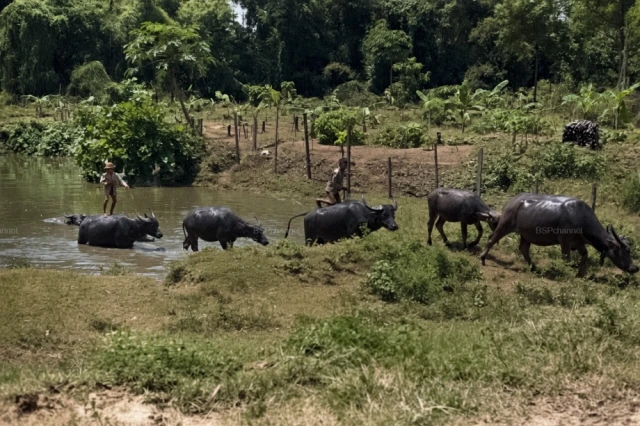
13. A gathering of photographers, Japan, 1958. 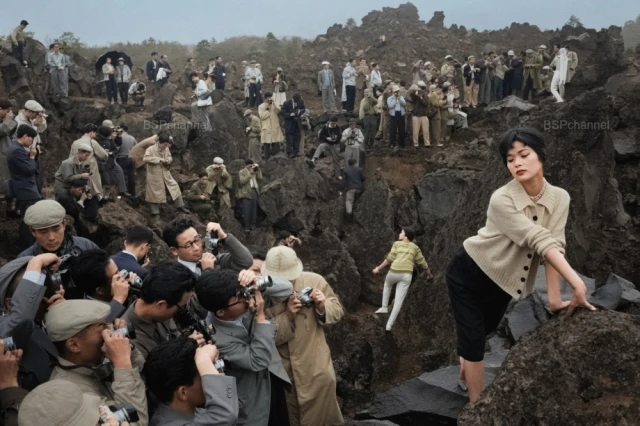
Japan's first photography festival. Models hired by Fuji pose against the volcanic rock formations of Karuizawa to the delight of amateur and professional photographers alike.
14. Wuhan, China, 1971. 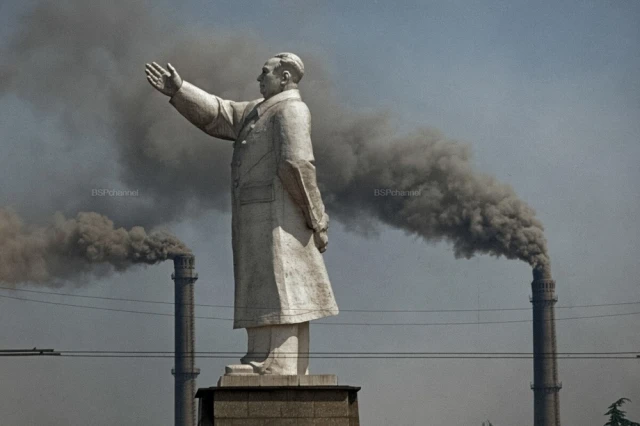
15. A woman doing laundry in Ratchaburi Province, Thailand, 1987. 
16. Soviet Foreign Minister Andrei Gromyko with geishas during his first official visit to Japan, 1962. 
From July 24 to 31, 1962, Andrei Gromyko made his first official visit to Japan at the invitation of the Japanese government. It was a crucial step toward normalizing bilateral relations, which had grown strained following the 1960 US-Japan Security Treaty. As part of the cultural itinerary, the hosts held a diplomatic banquet at a traditional *ryokan* inn, where high-ranking guests were entertained by professional geishas.
17. China, 1986. 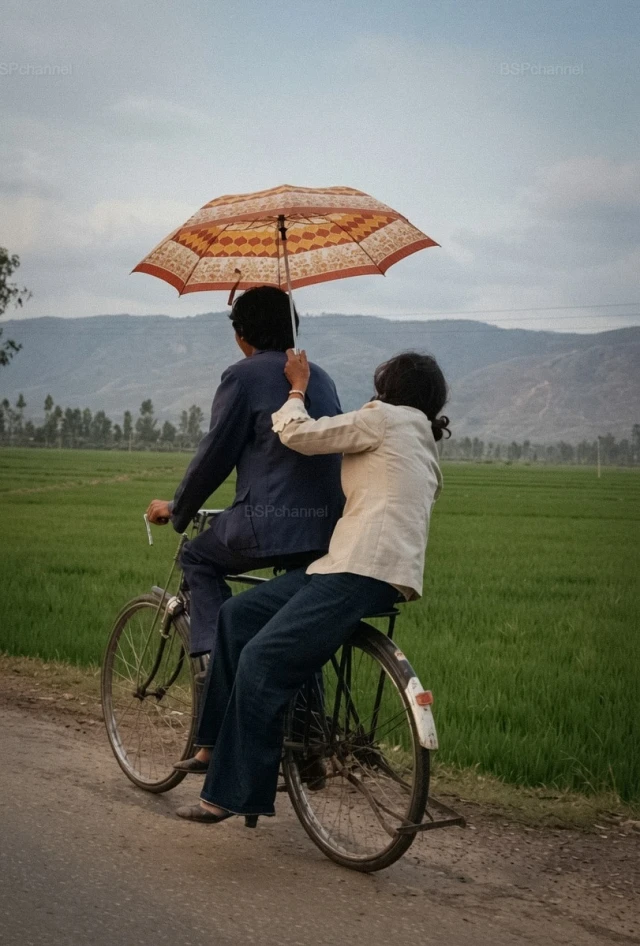
18. Rickshaw pullers waiting for passengers in Hong Kong, 1975. 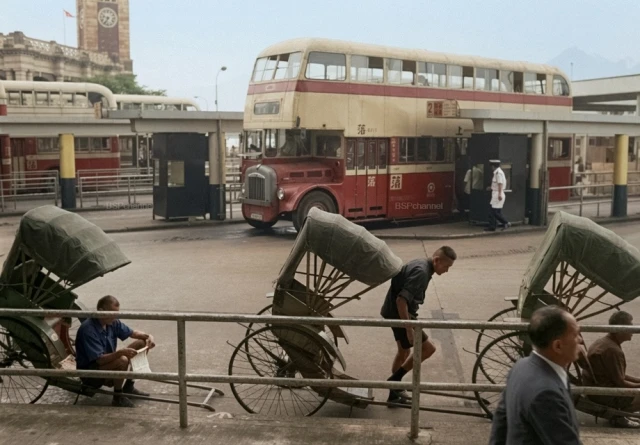
19. A beach food vendor in Thailand, 1988. 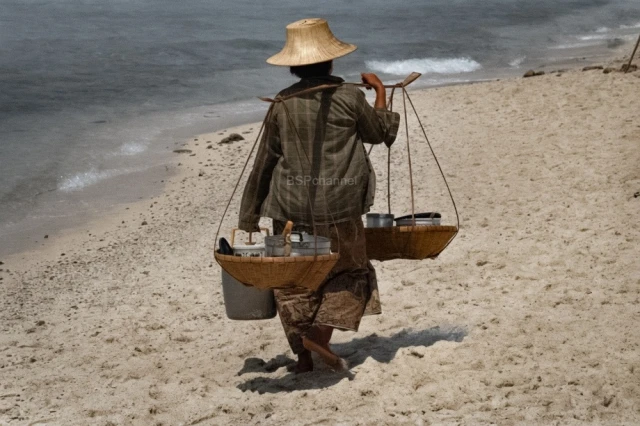
20. Outdoor advertising in Shenzhen, 1992. 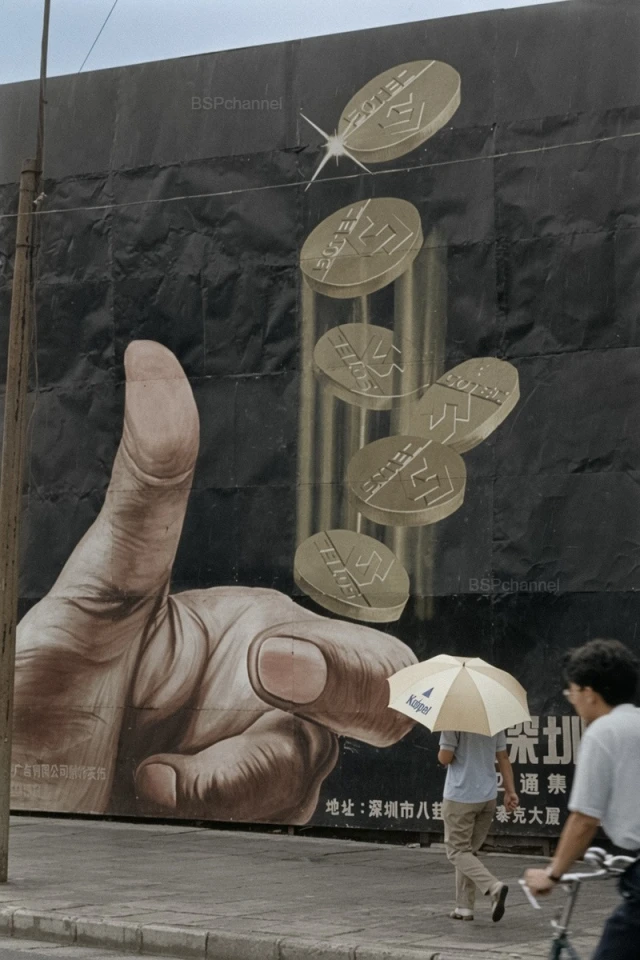
Add your comment
You might be interested in:











Toyota Updated the Luxury Century Sedan for the First Time

Rare or Well done

10-year-old Kanye West studying in China (7 photos)

How the opening screensavers of famous film companies have

A rare tuned Porsche from Ukraine came to light in Portugal

Mercedes SLR McLaren celebrates 20th anniversary with

This is what first class looks like on Singapore Airlines

A show car with sliding doors Toyota Century decided to put
24 photos proving that time flies inexorably (25 photos)

Protective film Removing it with a power screwdriver

How to start a 102-liter engine

When a child plays hide-and-seek at a professional level

Man sets up bedroom camera and discovers the reason for his

Super dads who swoop in to save the day

Precision carpentry

Looks like it's time to buy WinRAR

How to hang wallpaper neatly

Athlete in Bavarian dress flies over a lake on a hydrofoil
