The scandalous life of Calamity Jane, a woman who lived like a man (10 photos)
History knows many cases of women posing as men. But sometimes, women didn't hide their true nature, simply acting like members of the opposite sex, successfully handling challenges traditionally considered masculine. A prime example is the American Wild West legend Calamity Jane. She was a skilled marksman, held her own in fights, and drank whiskey just like the men, earning a reputation as a true suffragette long before the movement became widespread. 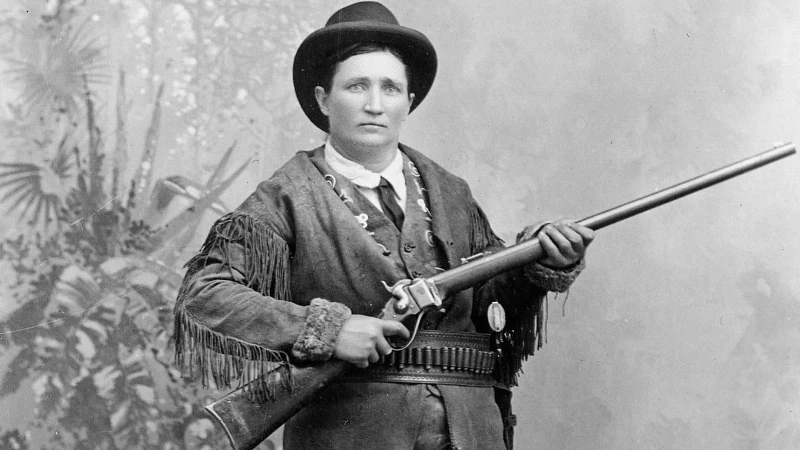
The Daughter of a Farmer and a Prostitute
Calamity Jane's life is shrouded in so many myths and legends that it's extremely difficult to distinguish truth from fiction. Jane herself actively added to the confusion by telling fictitious stories about her adventures. In 1896, Jane even published an autobiography, full of fabricated events and exaggerated details. 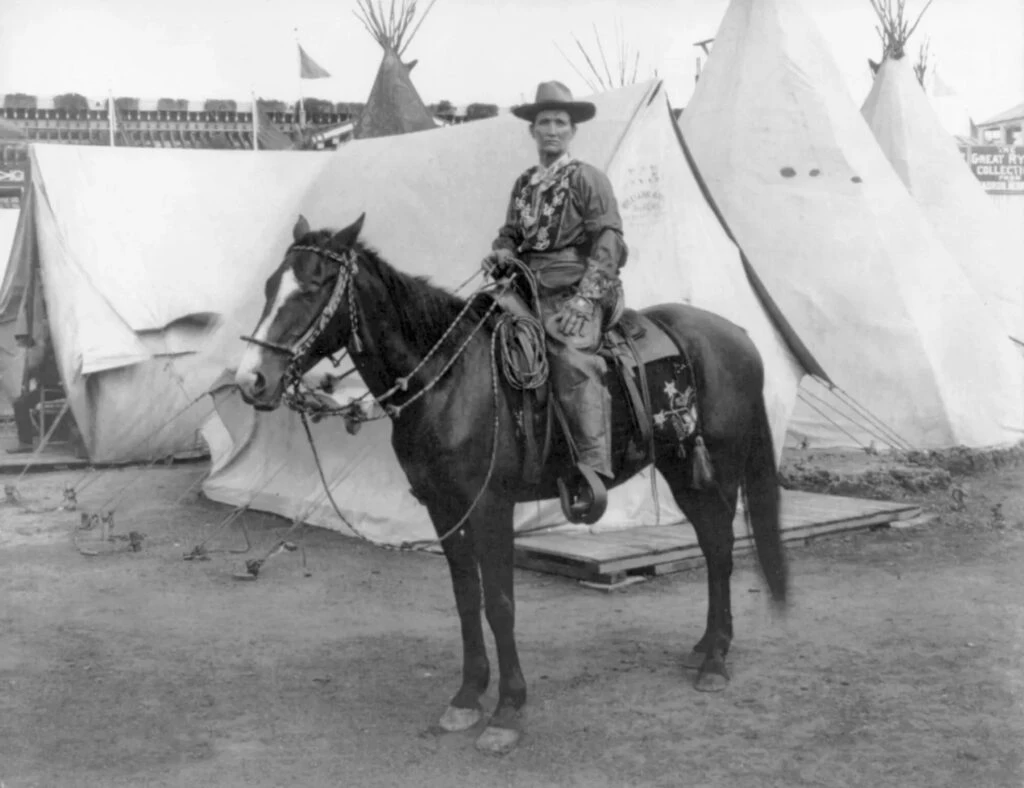
Therefore, we will only discuss those facts about Calamity Jane's life that are officially recognized as authentic and supported by documents or eyewitness accounts. At birth, the wonder woman was named Martha Jane Canary, but she received her catchy cowgirl name much later.
Martha was born in 1852 on a farm near Princeton, Missouri. Her father was a farmer, and almost nothing is known about her mother. According to some sources, she was an illiterate prostitute who decided to give up the oldest profession. Martha spent her childhood with her five siblings on the farm. The children's main pastimes were horseback riding and shooting at bottles, which were always in abundance thanks to their alcoholic father.
How Calamity Jane Came to Be
It is known that by the age of 15, Martha Canary was an orphan. First, her father died, and then pneumonia took her mother. The fate of the other children is unknown. Forced to earn her own living, Martha moved to Wyoming and found work in a boarding house. During the day, she worked as a maid, and in the evenings, she was forced to entertain soldiers, following in her mother's footsteps in her youth. 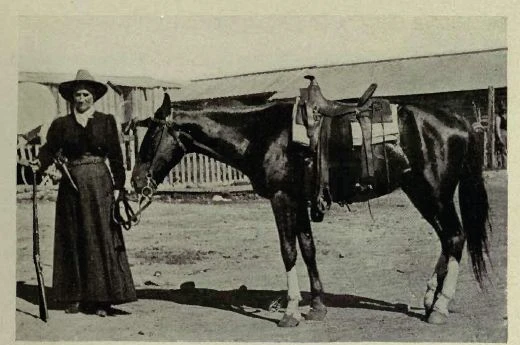
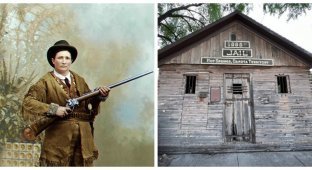
Calamity Jane. Photo from the early 1880s
Martha was very different from other women of her time. She quickly realized that in the harsh world of the American frontier, a girl had to play by men's rules. So she traded in women's clothing for men's, learned to shoot with distinction, and rode confidently. Martha sat deftly in the saddle, fought fearlessly, chewed tobacco, and was not averse to a drink in good company. These skills became her ticket into the Wild West, where women rarely had a chance to make a name for themselves. Such an extraordinary person soon gained widespread fame. 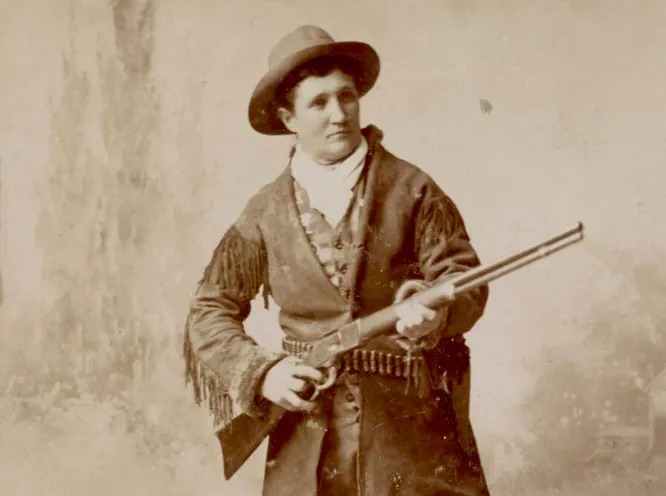
Calamity Jane—Martha's nickname was no accident. The word "calamity" translates as "calamity" or "misfortune," and, according to one version, she joked that she brought trouble to everyone who messed with her. Another version says that her courage and participation in dangerous situations, such as shootouts and rescues, made her a "calamity" for her enemies. Either way, the name became her calling card.
Personal Life
In 1876, Calamity Jane arrived in Deadwood, South Dakota, the center of the gold rush. It was there that her name became legendary. One of the most notable episodes in her biography was her relationship with another Wild West icon, James Butler, known as Wild Bill. In her book, Jane described him as a close friend. Later, in 1902, in a press interview, she referred to him as her husband of convenience. It is unknown whether they were lovers. 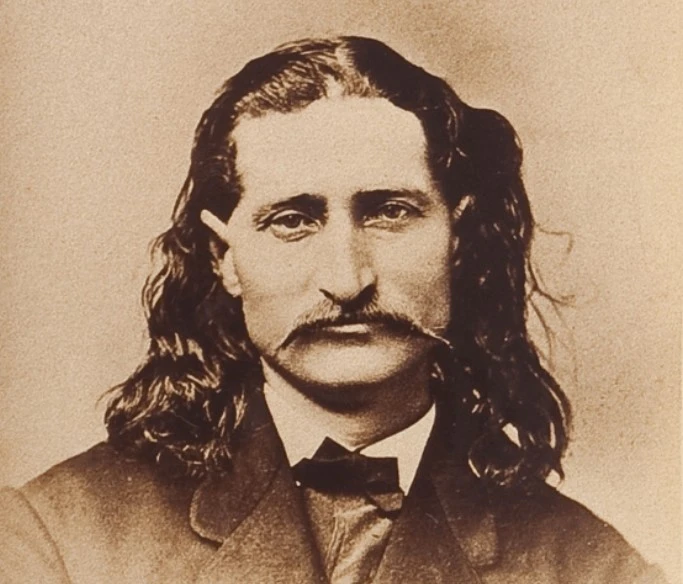
Wild Bill
Calamity Jane's acquaintance with Wild Bill was brief. They met just six weeks before he was shot in a saloon during a poker game. It's quite possible that the "marriage of convenience" story was a PR stunt Jane concocted to attract attention and popularity. 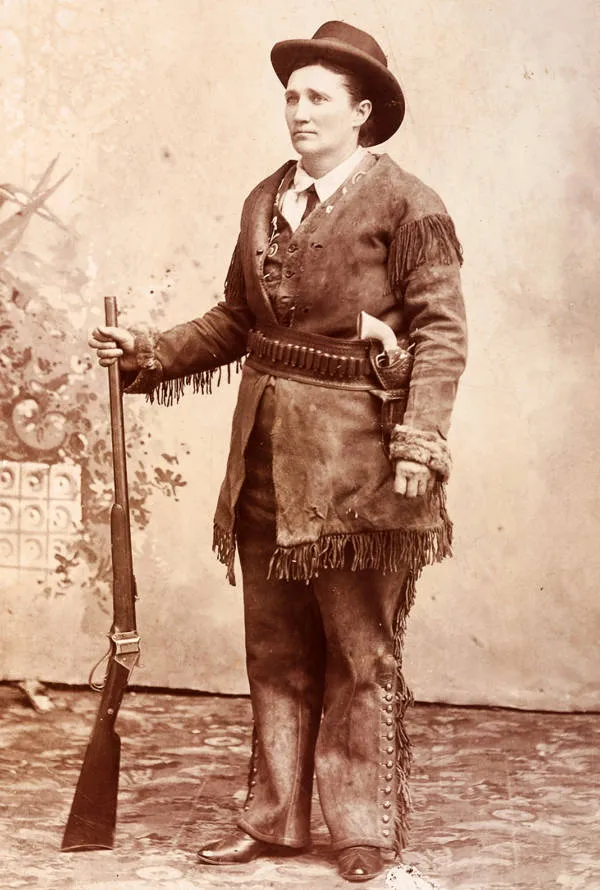
In her book, the woman wrote that in 1885 she married a man named Clinton Burke and lived with him in Texas. This cannot be verified. However, there are eyewitness accounts that Calamity Jane was married to a man named Bill Steers in Wyoming. According to some sources, she had two children with him: a boy who died in infancy and a girl. Jane's daughter lived a long life and died at a very advanced age in the 1960s.
A Person with a Capital P
While Calamity Jane's lifestyle was far from perfect, everyone who knew her remembered her as a kind, compassionate, and courageous person. These qualities make her a safe bet for a positive character. 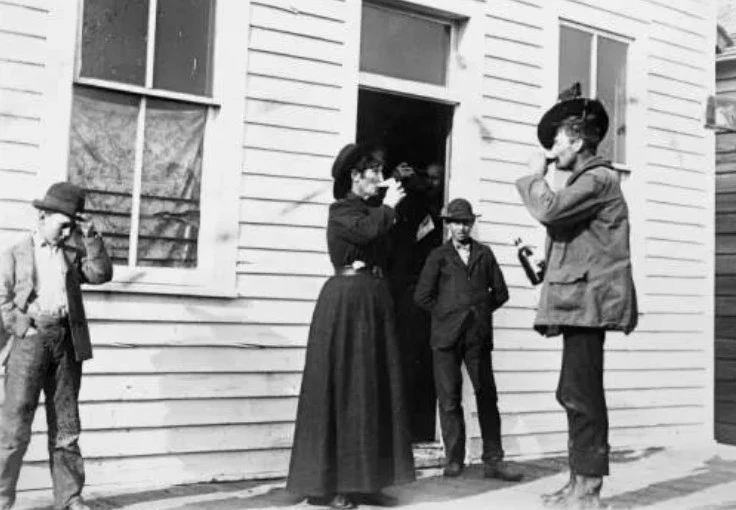
Calamity Jane drinking beer with men at the Gilt Edge bar, Montana, 1887
In 1895, the Black Hills Daily Times published an article about Calamity, describing her as follows:
"She was always known for her friendliness, generosity, and happy warmth. It made no difference to her whether a person was rich or poor, white or black, or what his circumstances were; Calamity Jane was equally kind to all. Her purse was always open to help the hungry, and she was one of the first to offer her assistance in case of illness, accident, or any misfortune."
Many of Calamity Jane's real-life actions speak volumes about her character. For example, in 1878, when a smallpox epidemic broke out in Deadwood, she selflessly nursed eight sick gold miners. One of them later described her this way:
"The last person who held her head and gave comfort to the restless gambler or the former scoundrel about to leave for a new country."
Between Reality and Myth
Over time, Calamity Jane's image became surrounded by numerous legends. She herself loved to embellish her adventures, recounting exploits that sometimes sounded too incredible. For example, she claimed to have served as a scout in General Custer's army, but historians have found no evidence to support this. Her autobiography, published late in her life, is also full of exaggerations, which only fueled the myths surrounding her. 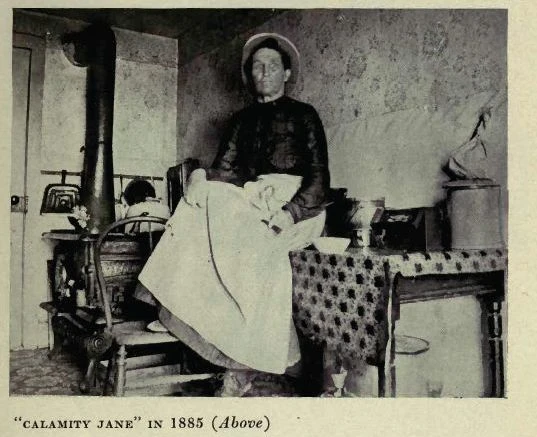
Calamity Jane. 1885
The press of the time eagerly circulated stories about the unusual cowgirl. Calamity Jane became the heroine of pulp novels, newspaper articles, and folk tales. Her image became a symbol of the freedom and independence of the American frontier.
In the late 19th century, Calamity Jane became famous throughout the United States. She even became a participant in Buffalo Bill's Wild West Show. In 1895, she toured with the show, dazzling audiences with her accurate marksmanship with a rifle, revolver, and bow, as well as her virtuoso horseback riding.
The Sad End of a Legendary Woman
Alcohol, which Calamity gravitated toward for most of her life, became the cause of her demise. In the summer of 1903, the completely destitute woman moved in with Madame Dora Dufrasne in Belle Fourche. She continued to drink and earned her living by washing clothes in a brothel. At the age of 51, the Wild West legend died, most likely from cirrhosis of the liver. The exact date of her death is unknown, but her tombstone lists August 2, 1903. Rumor has it that this was the day Jane herself requested be carved on her gravestone. 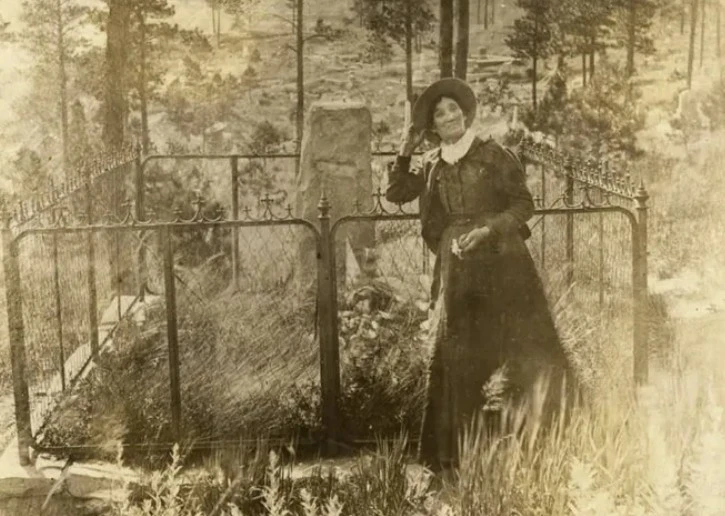
Calamity Jane at Wild Bill's grave. She will soon be buried nearby.
Calamity Jane's grave is located next to Wild Bill's final resting place on Mount Moriah. It offers a magnificent view of Deadwood, the town with which she spent a significant part of her life. According to eyewitnesses, Jane's funeral was the most crowded in Deadwood's history. Her coffin was covered by one of the gold miners she once saved during a smallpox epidemic.
The Legacy of a Legend
Calamity Jane left a lasting mark on American popular culture. Her image has inspired countless films, books, television series, and comics. She became a symbol of female emancipation long before it became widely known. Nevertheless, her image is often romanticized. Many forget about this woman's real life, which was filled not only with adventures and love affairs, but also with hardships and vices. 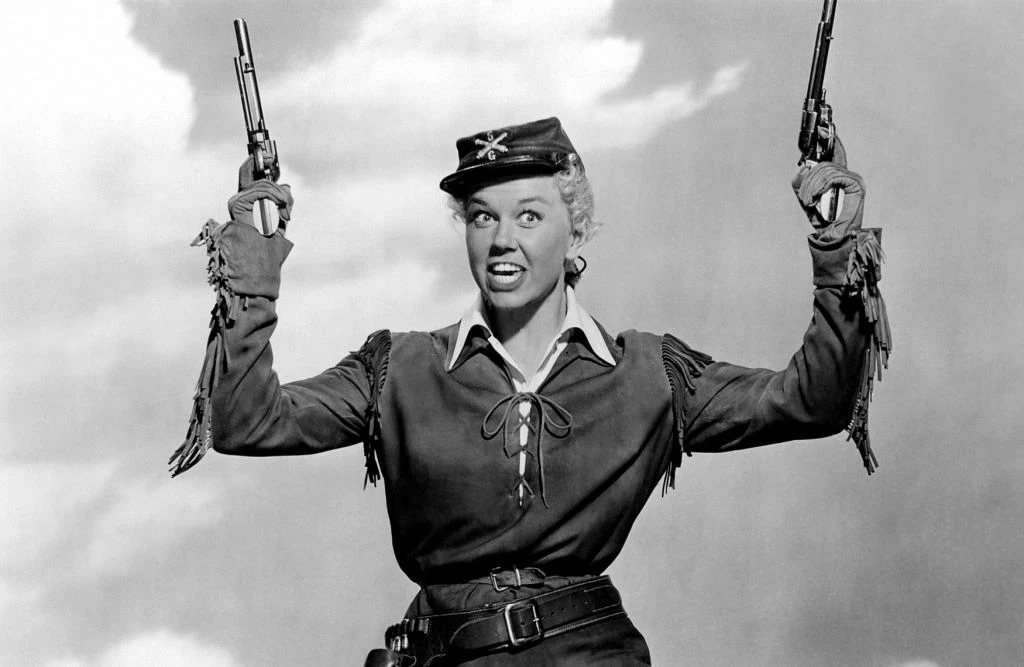
Calamity Jane, played by actress Doris Day. 1953
Calamity Jane lived in an era when women were relegated to the role of housewives, but she chose a path full of risk and freedom. Her survival skills, charisma, and daring made her an icon of the Wild West. Even if half the stories about her are fiction, they reflect the spirit of the times and the dream of independence.
Who do you think Calamity Jane really was—a brave heroine, a victim of circumstance, or a skilled adventurer who forged her own legend? Share your thoughts in the comments—we're curious to know how you view such a controversial figure from the past.