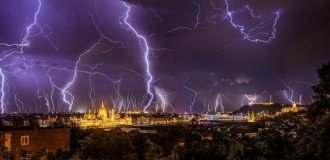
32 Men and One Woman: The Shocking True Story of Anatahan Island (9 photos)
Imagine a tiny island lost in the vast expanses of the Pacific Ocean. Volcanic rocks, tropical heat, coconut palms, and 32 men vying for the attention of a single woman. This isn't a Hollywood movie script—it is the real-life story that unfolded on the island of Anatahan toward the end of World War II. Let's dive into this incredible tale of passion, intrigue, and tragedy. 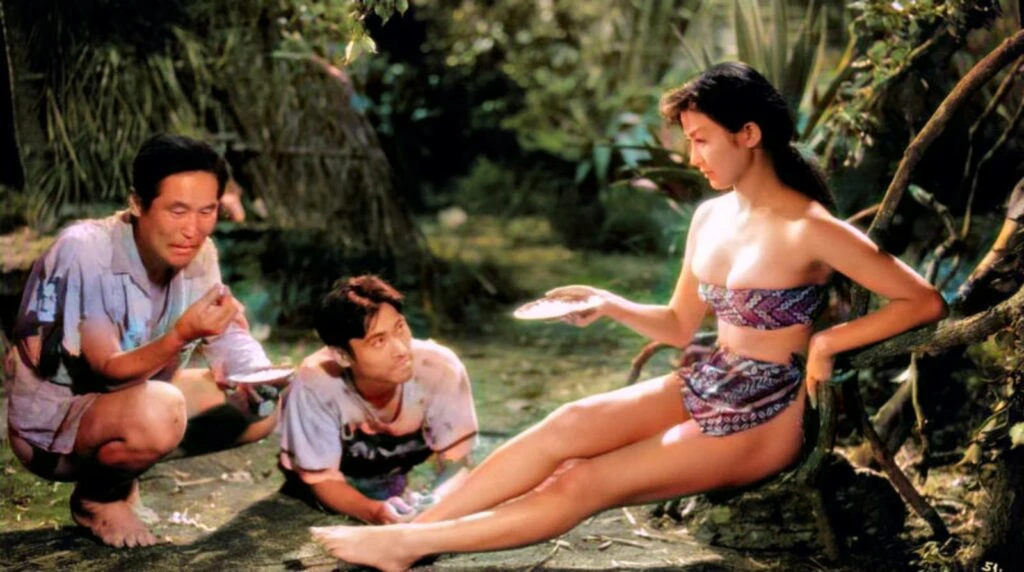
A Pacific Paradise
Anatahan is a small volcanic island in the Mariana Islands chain, spanning just 33.9 square kilometers. Spanish explorers were the first to discover it during the Age of Sail, but unimpressed by their find, they sold this patch of volcanic land to the Germans. The Germans, in turn, later sold Anatahan to the Japanese. 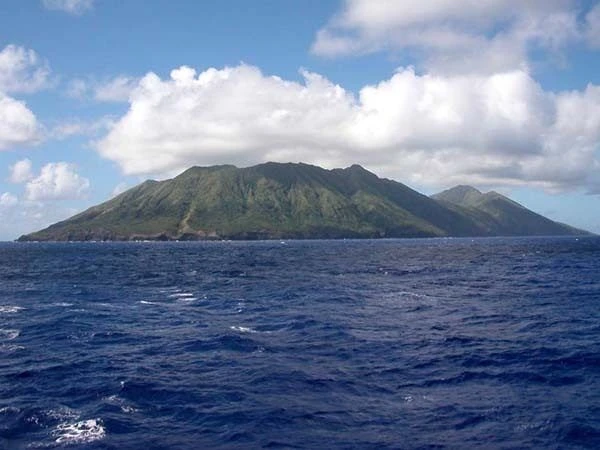
Anatahan Island
Lacking strategic value, the island generated little interest from the military. However, it held great agricultural potential. Soil enriched by volcanic ash and a mild climate created ideal conditions for growing coconut palms, prompting the Japanese to establish plantations there.
Shortly before the outbreak of World War II, a supervisor named Kikuichiro Higa was stationed on Anatahan to oversee a plantation of 45 workers. He was joined by his relative Shoichi Higa, who served as his deputy. Shoichi brought along his 28-year-old wife, Kazuko. 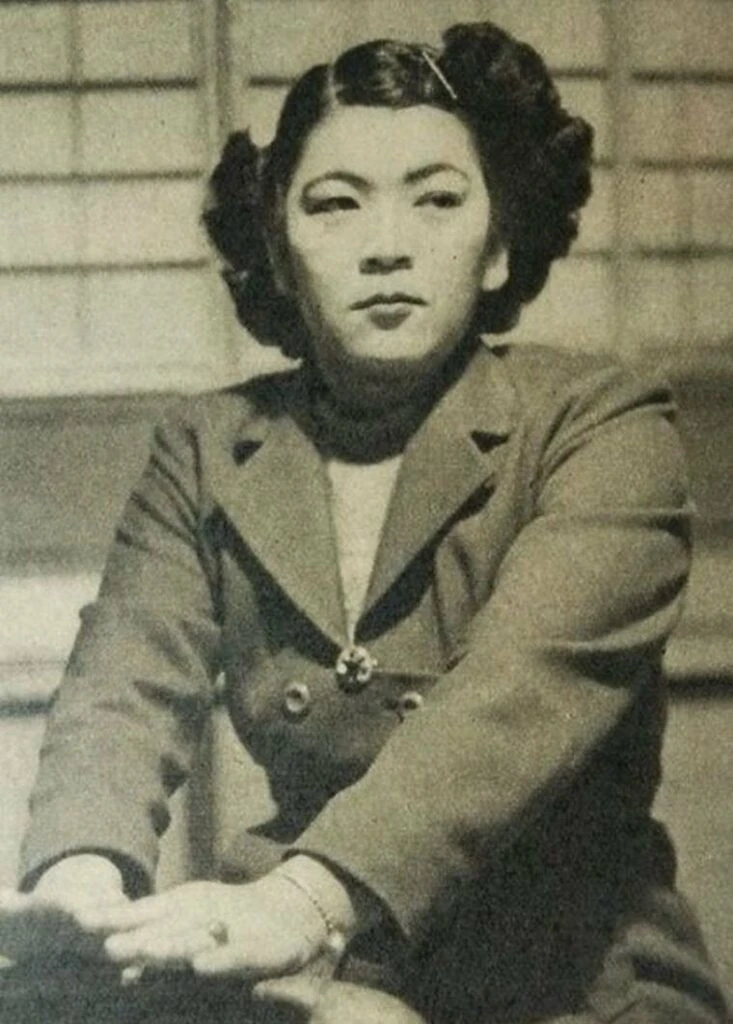
Historical photo of Kazuko Higa
When war broke out, conditions on the island grew treacherous. The plantation workers fled, leaving behind only Kikuichiro, Shoichi, and Kazuko. Soon after, Shoichi set sail for the island of Saipan—about 120 kilometers south—to fetch his sister. He left Kazuko in Kikuichiro's care, promising to return in a month. He was never seen on the island again.
Kazuko and Kikuichiro spent the next two years alone together, eventually becoming romantically involved. They even planned to marry once they returned to Japan. Life on the isolated island proved surprisingly comfortable, and the couple felt content. War seemed to spare this tropical paradise, raging far beyond the horizon. Only occasionally would planes overhead or smoke-chugging battleships in the distance serve as reminders of the conflict.
New Arrivals
Their idyllic life came to an end in June 1944, when American warplanes attacked and sank several Japanese vessels near the island. Thirty-two sailors, along with their captain, managed to reach the shore in lifeboats. Kikuichiro and Kazuko warmly welcomed the castaways, thrilled to have company and unaware of the turmoil that would follow. 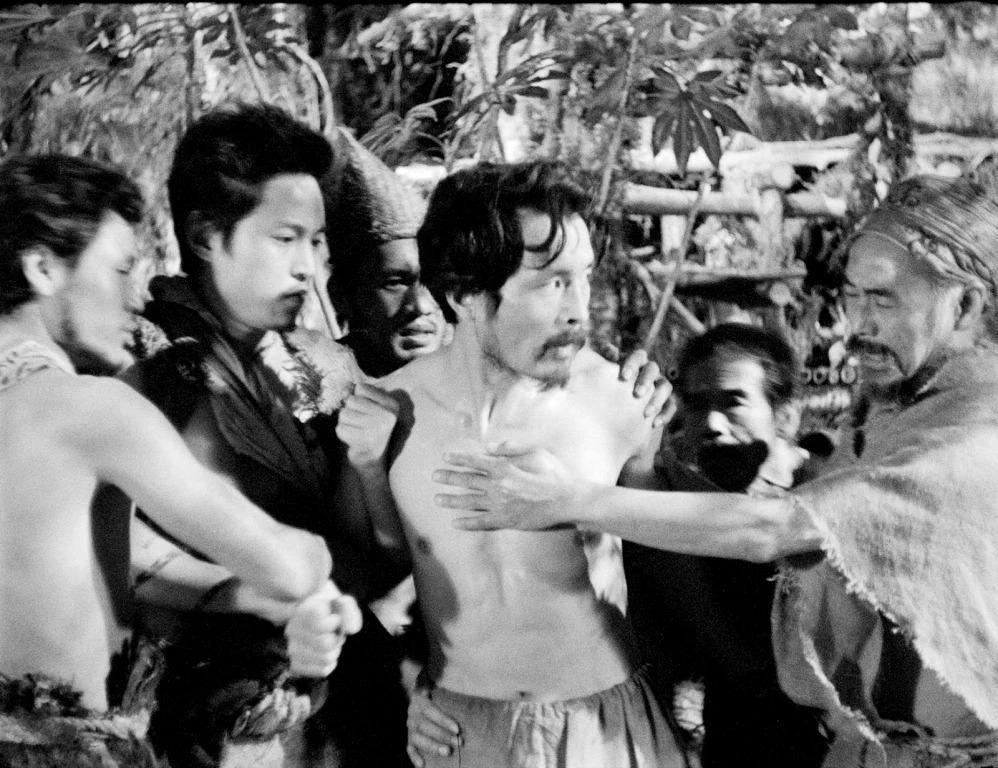
For months, the island's stranded residents lived in relative peace. The plantations and gardens provided fresh fruit and vegetables, while the ocean supplied fish and crabs. They even took to brewing homemade coconut wine. The war still felt distant, making itself known only once: in 1945, when an American B-29 bomber was shot down near the island. The castaways salvaged aluminum skin from the wreckage to make cookware and used parachute fabric to sew clothes.
Unaware that the war had ended in 1945, the castaways continued living in isolation. But by 1946, tension flared into violence—and the catalyst was the island's only woman. Kazuko began an affair with a sailor named Gensaburo Yoshino. Determined to eliminate Kikuichiro, Gensaburo shot him dead with a revolver.
Yoshino had no idea that Kazuko was also secretly seeing another sailor, Morio Chiba. Unwilling to share her, Chiba stabbed Yoshino to death. Seeing the mounting body count, Captain Yoshida realized that if nothing changed, the men would slaughter each other over Kazuko. He decided to officially marry her off to the strongest and most aggressive sailor, Riichiro Yanagibashi. 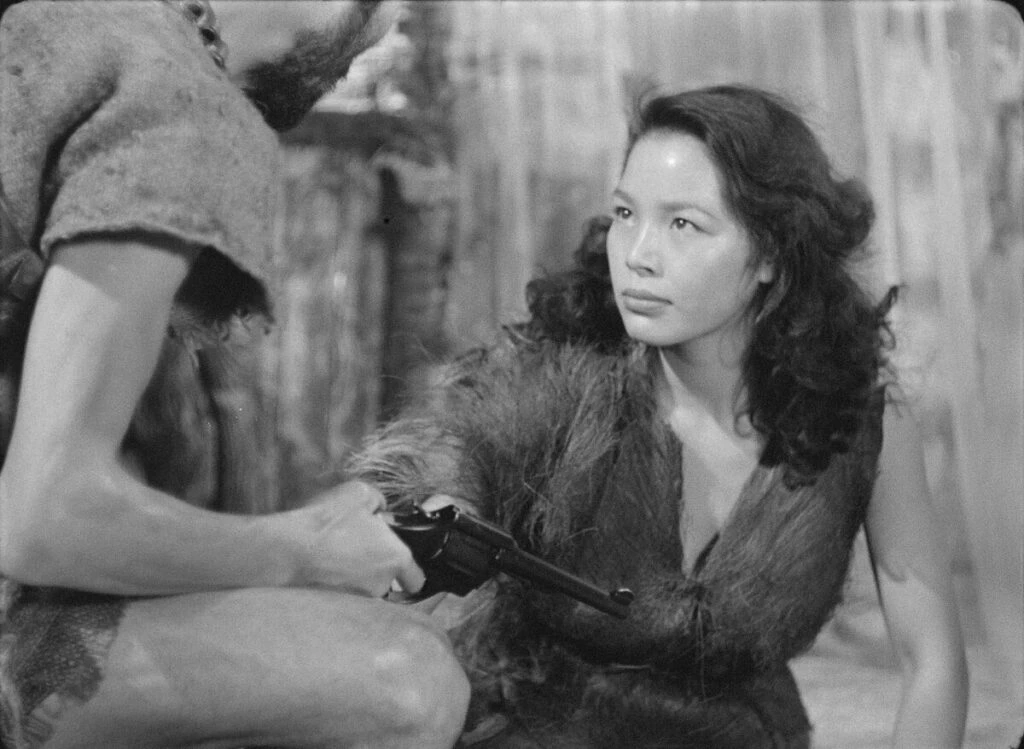
Neither physical strength nor brutal force could save Riichiro. Shortly after the wedding, he mysteriously drowned while swimming in the sea. Kazuko went on to be paired with four more men, each quickly murdered by rival suitors. The sailors dubbed her the "Queen Bee." Their motives went beyond lust—controlling Kazuko also meant gaining control of the plantation, as she remained its nominal caretaker.
Escape from the Island
One by one, eleven men met violent ends. The last victim suffered 13 knife wounds during a fight. By July 1950, the remaining sailors came to a grim realization: the only way to stop the bloodshed was to kill Kazuko. But she overheard their plot and fled into the jungle, taking the island's only radio with her. 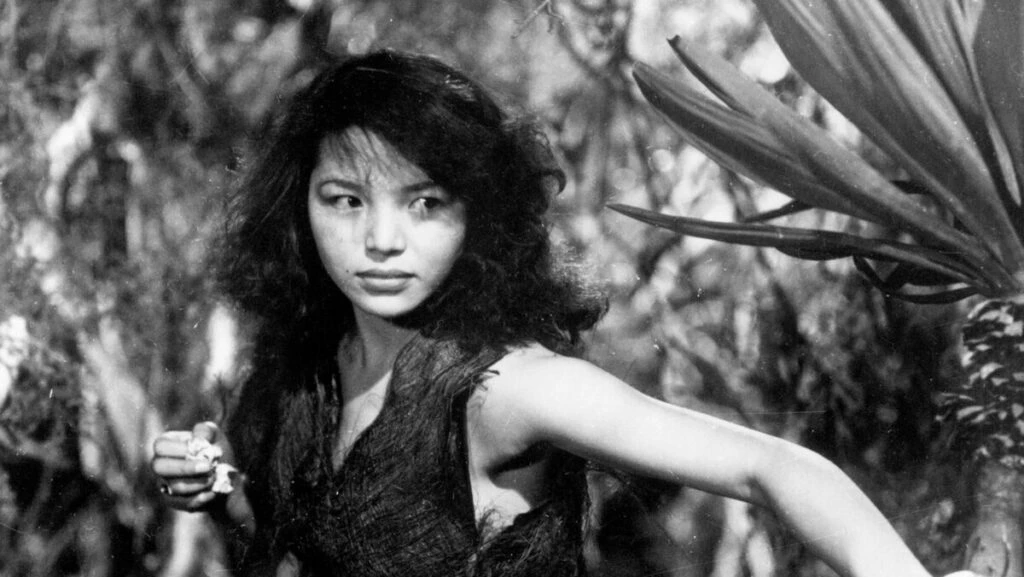
Hiding in a remote part of the island, Kazuko soon managed to escape. Accounts of her rescue differ. According to one version, she signaled a passing American ship, which sent a boat to retrieve her. Another account suggests her radio signal was intercepted by a Japanese man working with the US military, who rescued her on a small yacht. Either way, Kazuko soon arrived back in Japan.
Her saga turned her into a national sensation. She toured Japanese cities, recounting her life on Anatahan alongside 32 men, promoted on posters as the "Queen of Anatahan." Once public interest faded, Kazuko returned to her home island of Okinawa, where she reunited with her long-lost husband, Shoichi Higa, and remarried him. Little is known about her later life, except that she passed away in the mid-1970s. 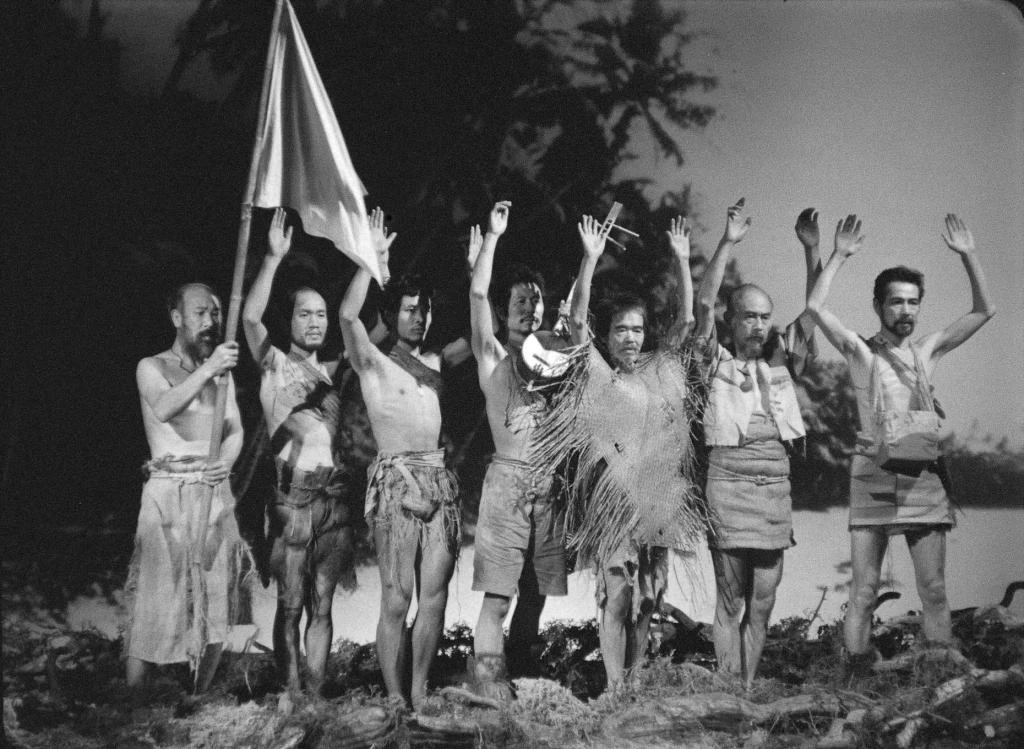
The sailors left behind on Anatahan lived in isolation for another year. American forces periodically dropped leaflets declaring the war was over, but the men refused to believe them. They were finally convinced to surrender only when family letters were dropped onto the island.
On June 30, 1951, the remaining survivors surrendered on the beach, waving white flags. Fewer than half of the original castaways were still alive. While some had succumbed to illness and accidents, many had been murdered by their fellow survivors.
A Story Without a Happy Ending
The island did not stay deserted for long. Residents from a northern Marianas island relocated to Anatahan to restore the coconut plantations. They lived there until 1990, when a series of earthquakes and resulting tsunamis forced their evacuation. The island has remained uninhabited ever since. Volcanic eruptions in 2007 and 2008 further devastated the land, rendering it entirely uninhabitable today. 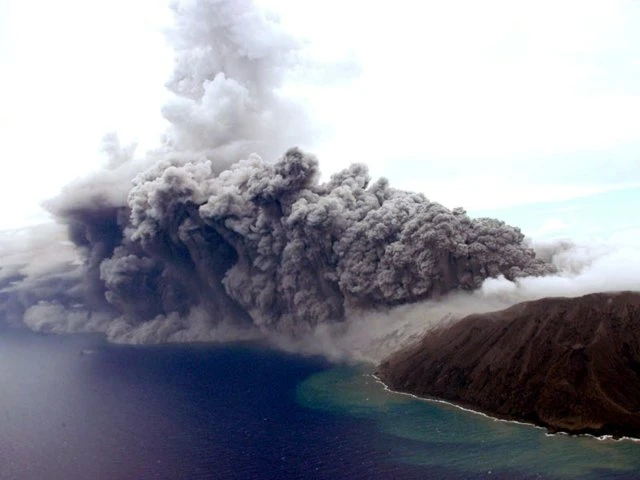
Volcanic eruption on Anatahan
The tragic saga of the 32 men and Kazuko inspired numerous authors and filmmakers. The most famous cinematic adaptation was Josef von Sternberg's 1953 drama
The Saga of Anatahan
. Stills from the film are used throughout this article. 
Interestingly, portrayals of Kazuko vary wildly. Some depict her as a victim caught in impossible circumstances, while others frame her as a scheming temptress who manipulated men for her own gain. What really happened remains known only to those who lived through this dark chapter. What about you? Do you think you could hold onto your humanity and sanity in a situation like that? Let us know in the comments!