Half a billion people worldwide consume a deadly product (6 photos)
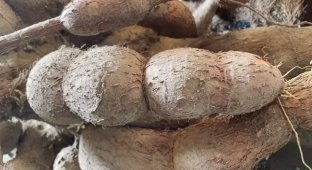
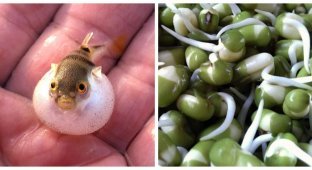
People sometimes enjoy indulging in something dangerous and exotic, just to get a thrill and talk about it later. Everyone knows that the Japanese eat fugu, a fish that sometimes causes death. But did you know that over 500 million people worldwide regularly consume this deadly root vegetable? Yet, the number of deaths from it is hundreds of times higher than the number of cases of poisoning from Japanese fish. We're talking about cassava, an important crop in many tropical countries. 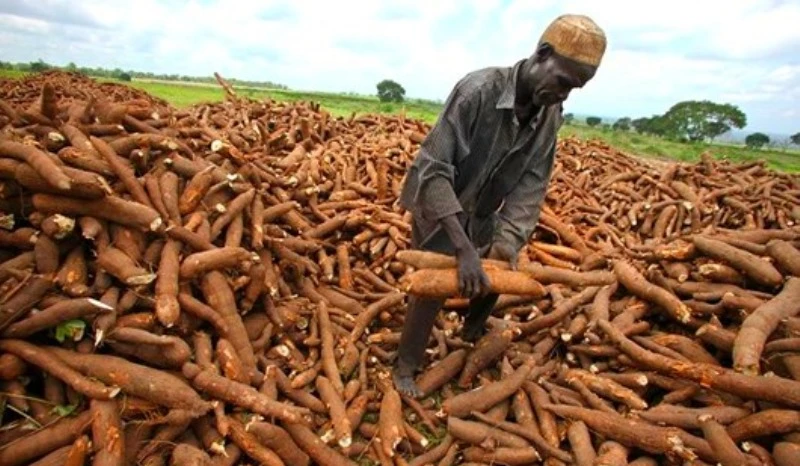
Cyanide Tubers
According to the World Health Organization (WHO), cassava kills approximately 200 people annually. However, this figure doesn't seem alarming when you consider how many people it saves from starvation. Cassava, also known as cassava, is native to South America. But it is now also grown in Southeast Asia and Africa. Nigeria is considered the largest producer of cassava. 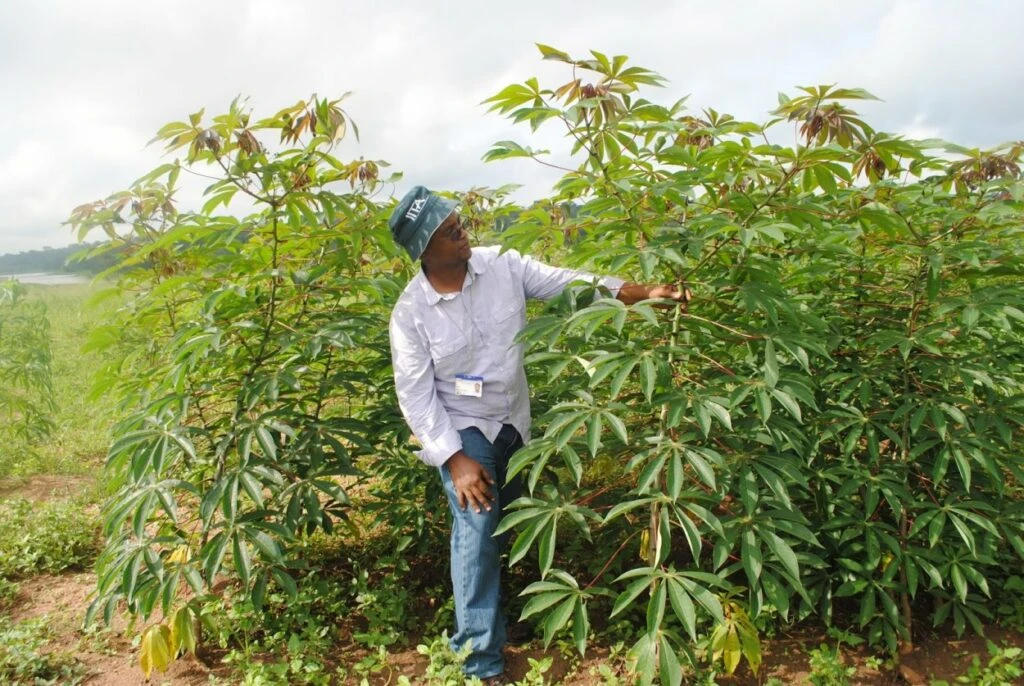
Cassava tubers are eaten, but they must be specially processed. This is extremely important, as this crop contains substances that produce deadly hydrogen cyanide. Furthermore, all parts of the plant are toxic: raw roots, bark, and even leaves. 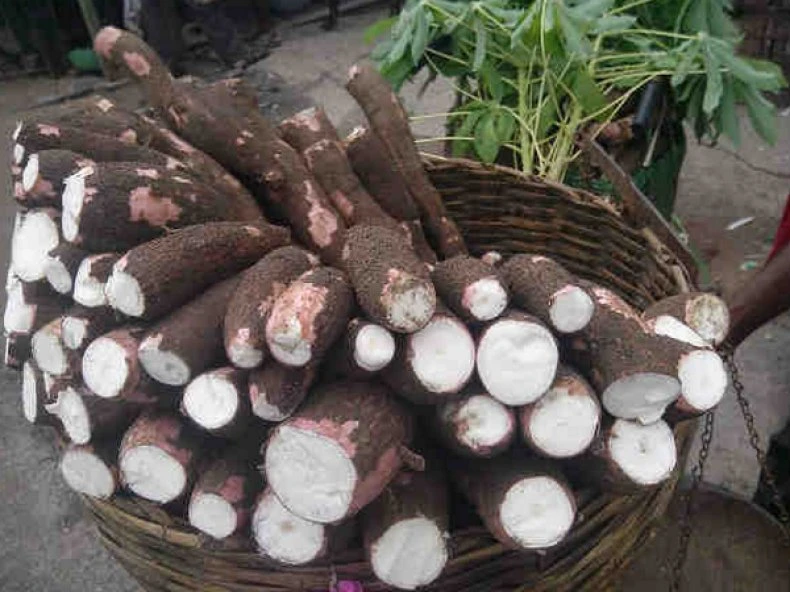
Bitter varieties of cassava are particularly dangerous. They can contain up to 1,000 milligrams of poison per kilogram of body weight. This problem can be solved by soaking the cassava in water for 24 hours. After this treatment, the risk of poisoning is significantly reduced, although it does not completely eliminate it.
Why cassava is essential
Statistics show that the incidence of cassava poisoning increases during periods of food crises. Then, people are more likely to eat bitter cassava, which is highly saturated with cyanide, without the time or ability to cook it properly. This happened in 2017 during the Venezuelan crisis. Perhaps it would be worthwhile to find a substitute for cassava? But it's not that simple. 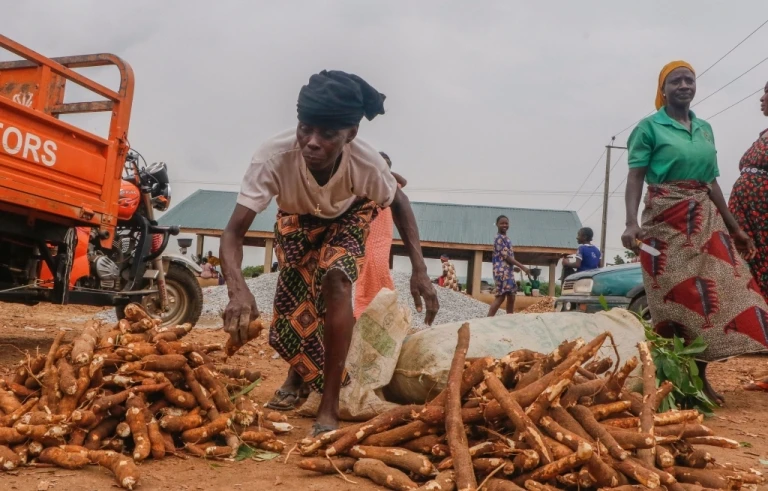
The cassava bush is unpretentious and produces an excellent harvest. It tolerates drought well, which is especially important for many regions. Furthermore, it is rarely affected by diseases, and pests avoid it. The tubers, rich in fiber and starch, can weigh up to 10 kilograms. However, such large roots are not usually eaten, as older tubers are inferior in taste to younger ones. 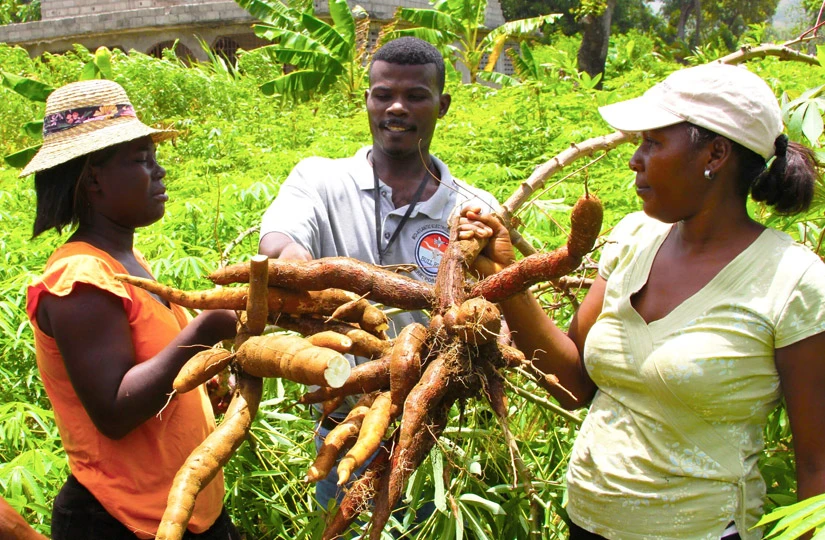
Unfortunately, half a billion people around the world are forced to eat cassava. They simply have no other choice. For these people, cassava is a staple crop, just like wheat or potatoes for us. Growing anything else that's guaranteed to yield a good harvest in tropical conditions is extremely difficult. Cassava has become a part of their lives, and they know how to handle these tricky tubers.
How to Eat Cassava
After soaking, cassava is fried or boiled. It is also used to make flour, which is used to bake bread or flatbreads. Tapioca is also made from cassava. Yes, what many consider a grain is actually a product derived from dangerous tubers. 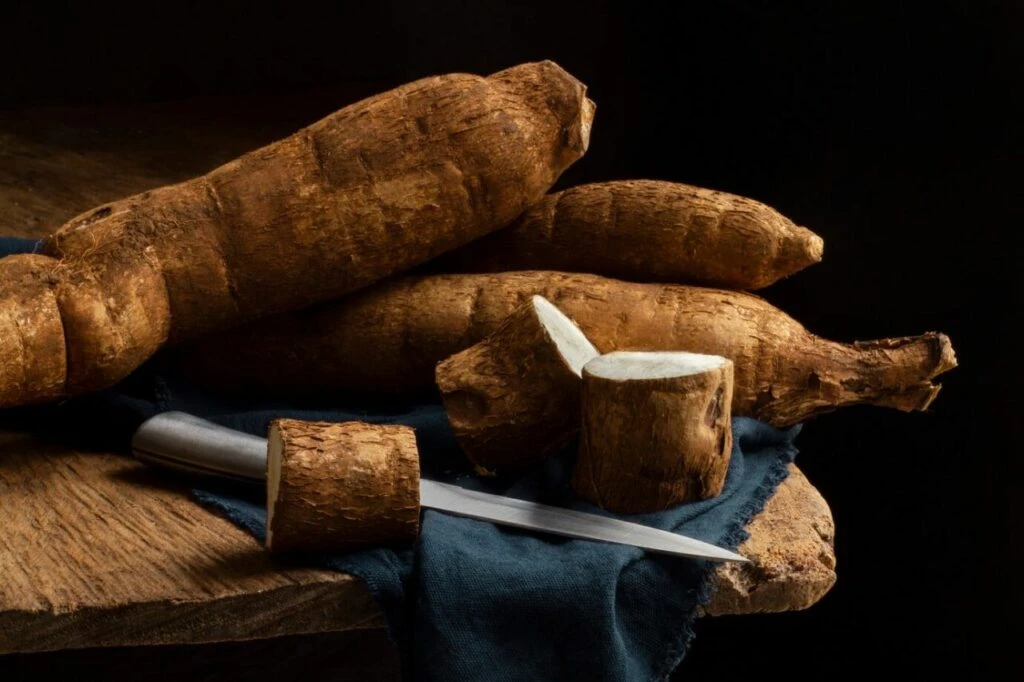
Cassava is rich in vitamins B, C, A, K, and E, and also contains calcium, iron, magnesium, phosphorus, potassium, sodium, zinc, copper, manganese, and selenium. It also contains the valuable antioxidant resveratrol, which slows aging.
Cassava is both a lifeline and a life-threatening food. Despite the risk of poisoning, it remains an essential food for millions of people in tropical countries. Do you think humanity could find a safer alternative to cassava, or is its cultivation and consumption inevitable for survival in challenging conditions? Share your thoughts in the comments!