The ruler who built himself a palace-tomb: how King Philip II buried his wives, imprisoned his monstrous son, and awaited death for 20 years at El Escorial (20 photos)
Philip II of Habsburg ruled a vast empire, stretching from the gold mines of the New World to the remote provinces of Europe. While his subjects trembled before his might, the monarch himself hid from the world behind stern stone walls. He went down in history not as a jubilant triumphant, but as the most hardworking, lonely, and deeply unhappy ruler of his time. Wielding power capable of crushing kingdoms, he found himself powerless against a fate that methodically snatched away everyone he loved. Fate turned his life into a drawn-out tryst with death. 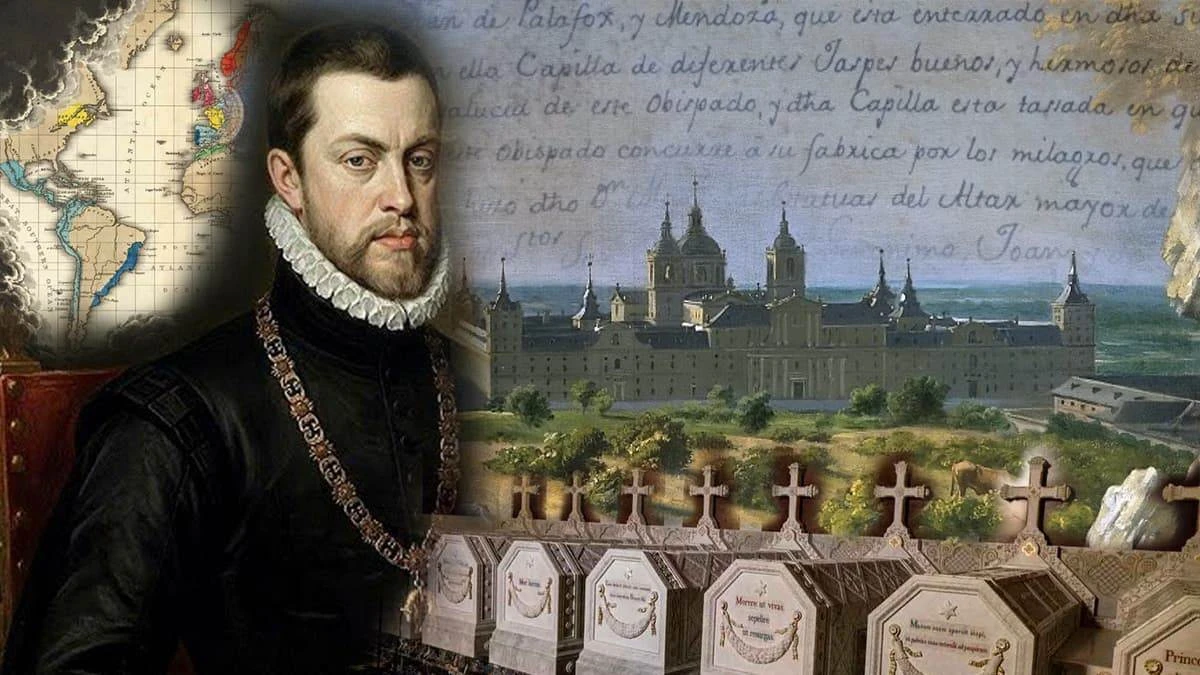
Four altars, four graves
Philip II sincerely tried to find family happiness. But the Habsburg throne demanded heirs, and dynastic alliances were woven through dangerous kinship ties. Marriages between uncles and nieces, cousins and cousins—a genetic trap that destined the family line to degenerate and left Philip in perpetual mourning. The king outlived all four wives and several children. Each death left a new scar on his heart. 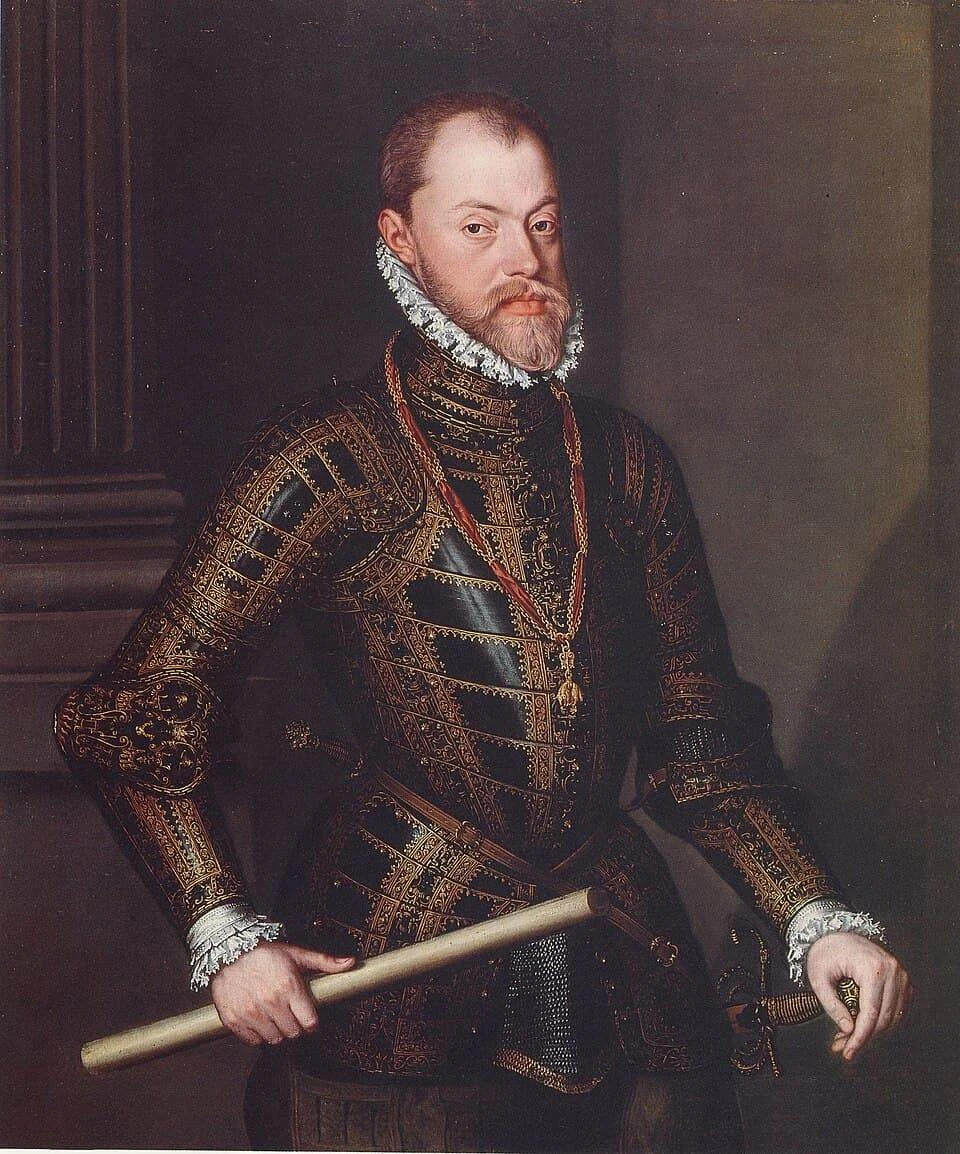
Philip II of Habsburg
His first wife, Maria of Portugal, was Philip's first cousin once removed—on both his father's and mother's sides. She was not yet eighteen. The queen died of puerperal fever four days after the birth of her first child, Carlos. Philip grieved over the loss, but duty obliged him to remarry. 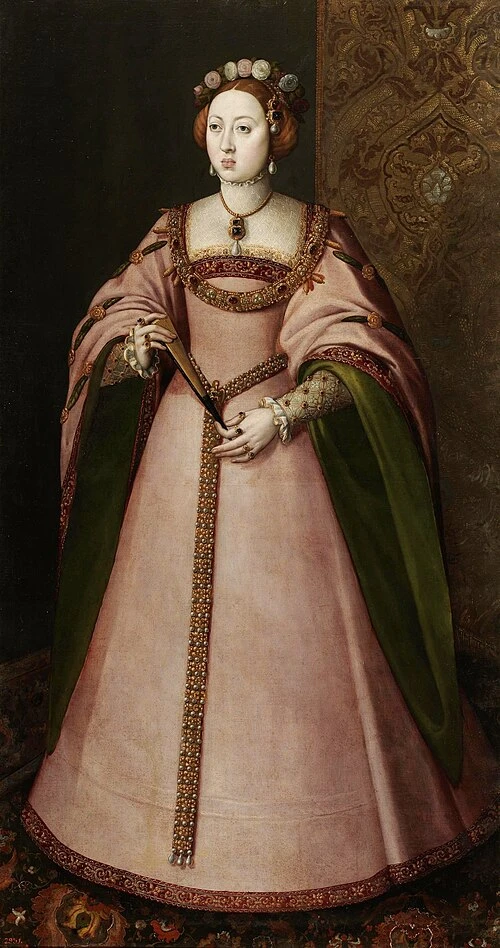
Mary of Portugal, Philip II's first wife
His second wife was the English queen Mary Tudor, known in history as "Bloody Mary." This marriage, lacking warmth, turned into a political nightmare. The stern, fanatical Englishwoman desperately and unsuccessfully tried to conceive, experiencing false pregnancies. She ultimately died of cancer, leaving Philip without the English crown and no children. 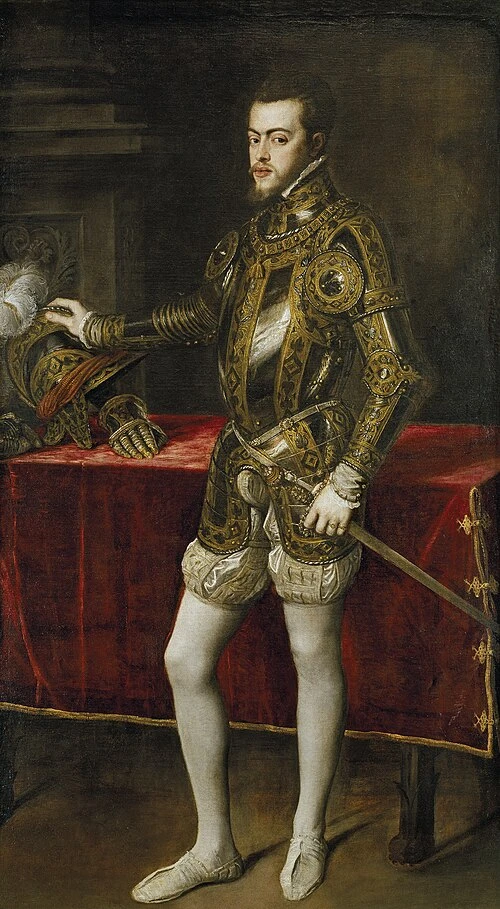
Philip II in ceremonial armor
The third alliance promised salvation. The young French princess Elisabeth of Valois arrived at the Spanish court at the age of 13. She was a true gem: delicate beauty, gentle disposition, and a lively mind. For a brief moment, spring settled in the king's cold heart. But the fairy tale was short-lived: on October 3, 1568, Elisabeth died during difficult childbirth. She was 23 years old. Contemporaries wrote that after that day, Philip completely forgot how to smile. 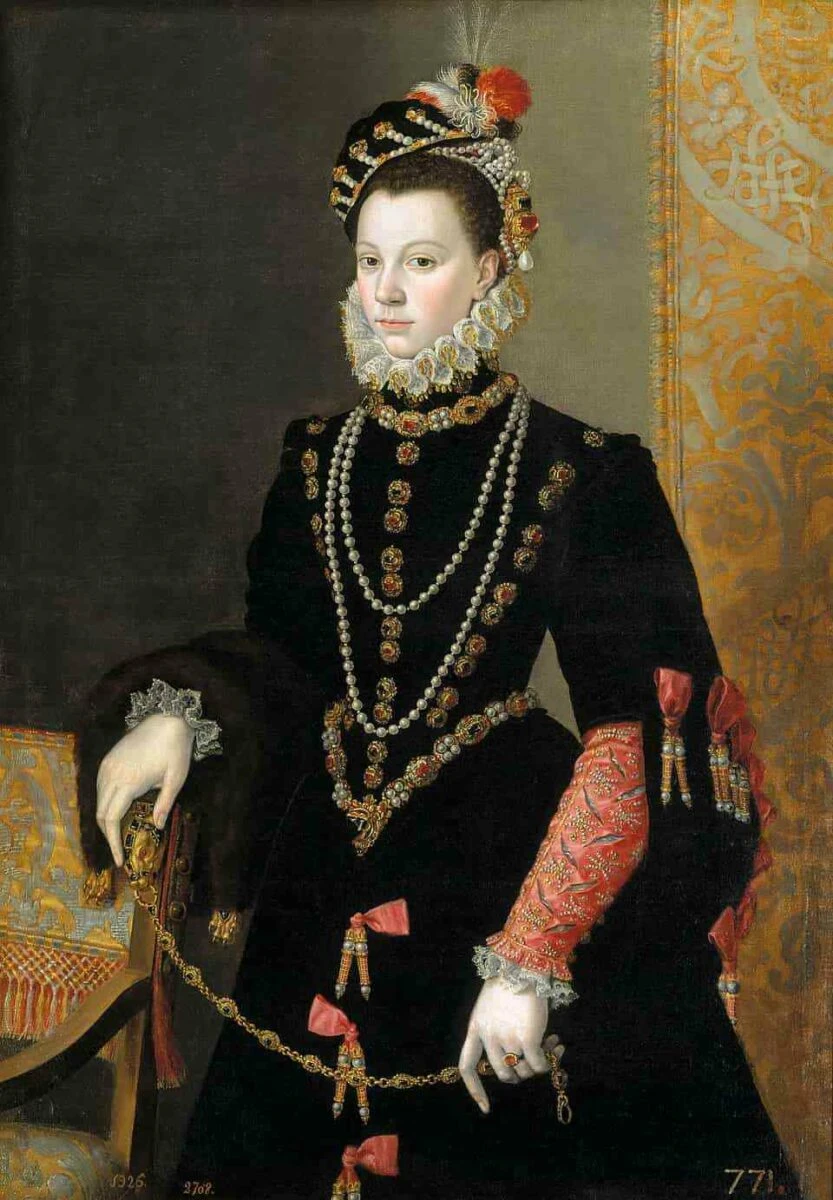
Elizabeth of Valois – the only wife Philip II truly loved
The last attempt at happiness
The last attempt to continue the line was Anne of Austria. She was 22 years younger than Philip and his niece – the daughter of Emperor Maximilian II and Maria of Spain, granddaughter of Charles V. Anne was initially intended as a wife for the monarch's eldest son, the insane Don Carlos. But he died in 1568, and Philip II decided to marry his son's bride himself. 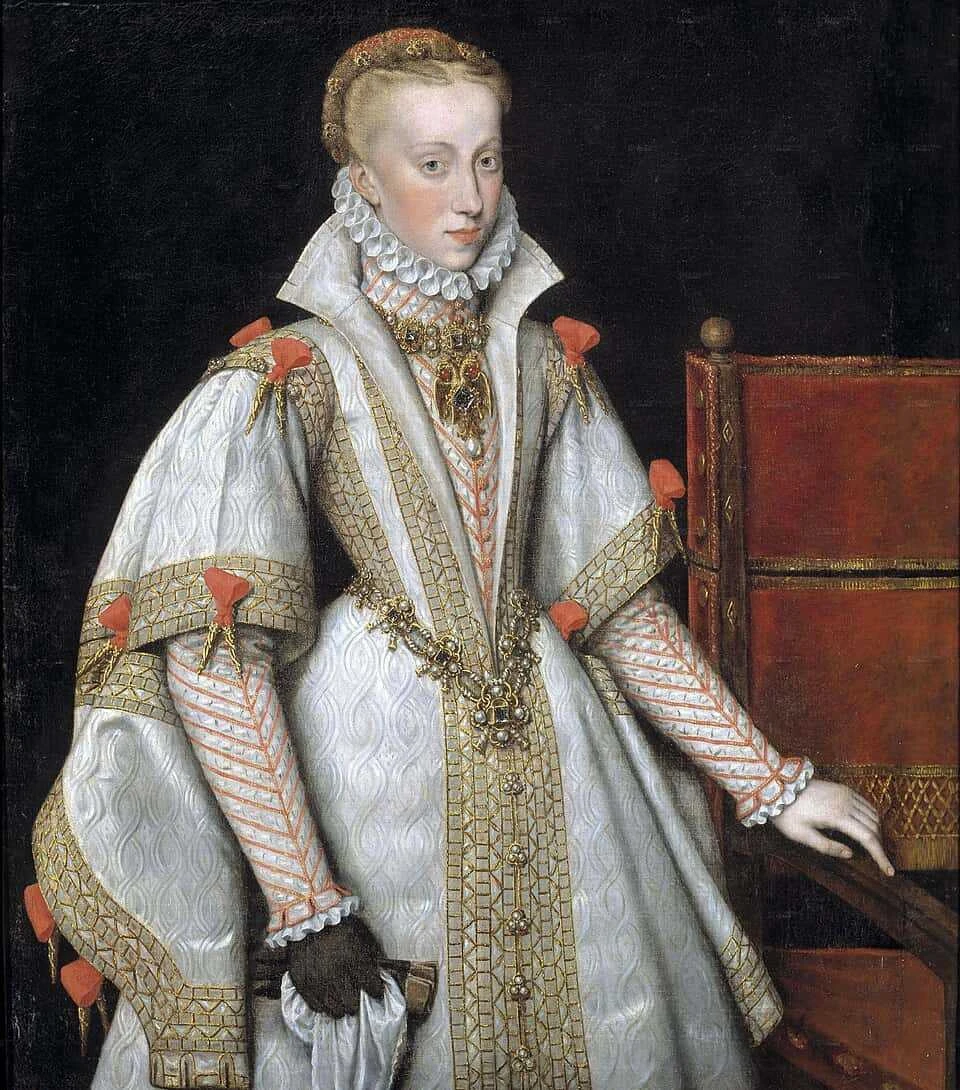
Anne of Austria — the fourth wife of Philip II
Anne bore her husband five children, but only the fourth, Philip, survived to adulthood. The others died in infancy. This woman died before reaching the age of thirty-one, exhausted by endless pregnancies and losses. 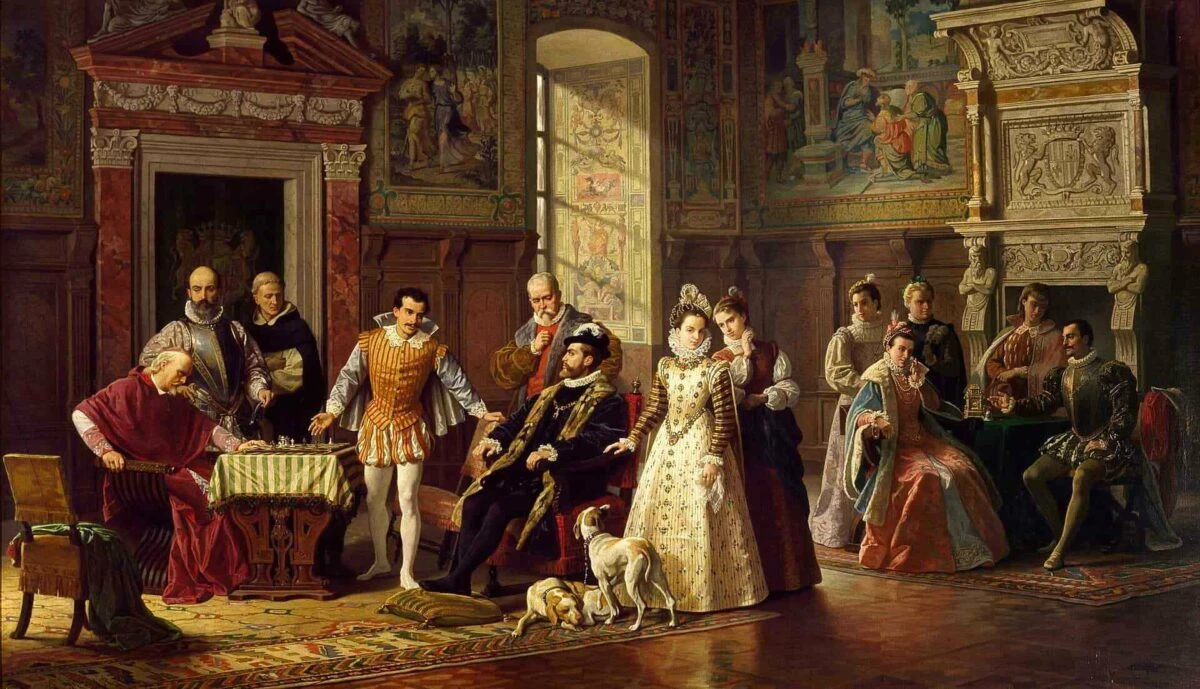
Chess tournament at the court of the King of Spain. Artist: Luigi Mussini, 19th century. Anne of Austria is on the right in the chair.
In 1580, the king and queen set out for Portugal to claim the Portuguese throne after the death of the childless King Henry. On the journey, Philip fell ill with the flu. Anne never left his bedside. The king recovered, but she became infected and died in Badajoz. Philip was left alone, surrounded by children's coffins and the ghosts of the past. 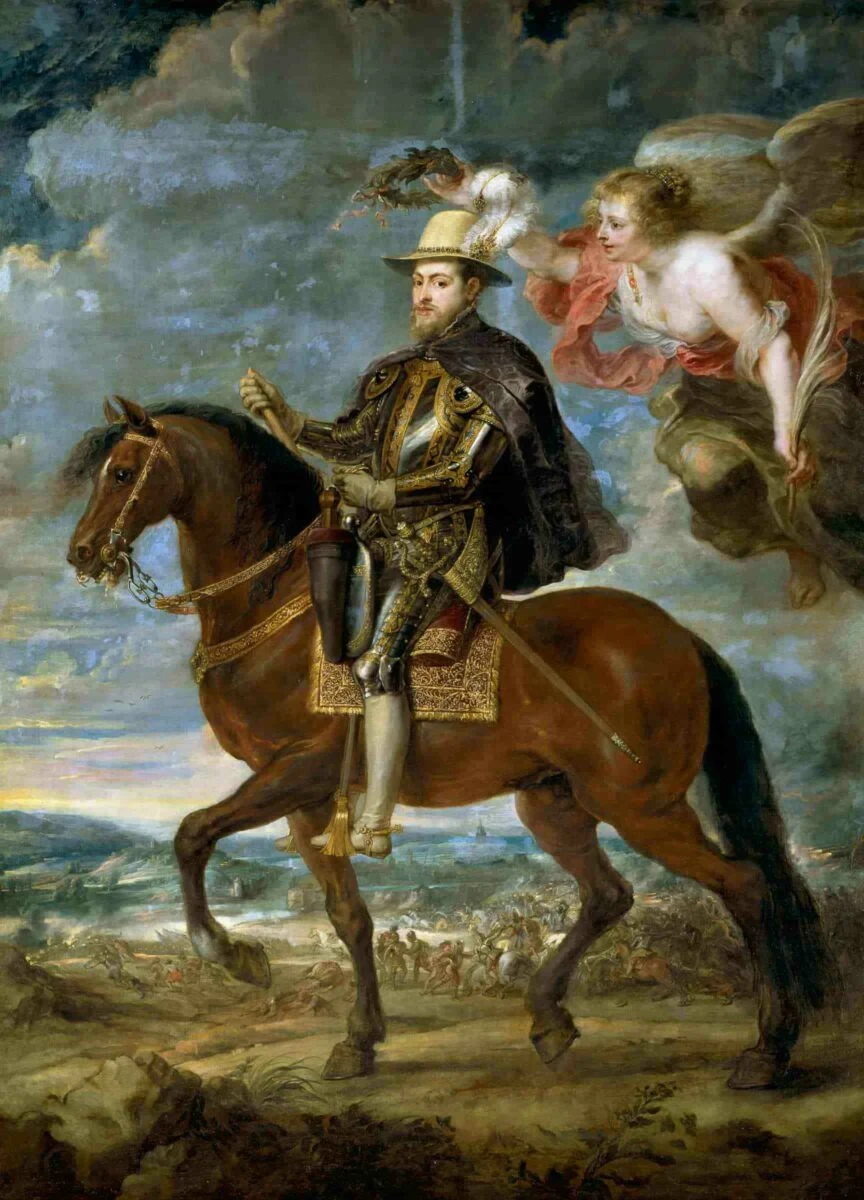
Portrait of Philip II by Rubens
The Monster Son: Between Duty and Madness
Philip's most terrible ordeal was his eldest son and heir, Don Carlos. Born to Maria of Portugal, the boy was a victim of incest and, apparently, severe birth trauma. According to legend, the midwives were distracted by the execution of a heretic during the birth, causing the baby to suffer oxygen deprivation. Carlos grew up physically weak and mentally unstable. Unfortunately, even studying at the University of Alcalá didn't improve the situation: my father ended up with nothing but scandals. 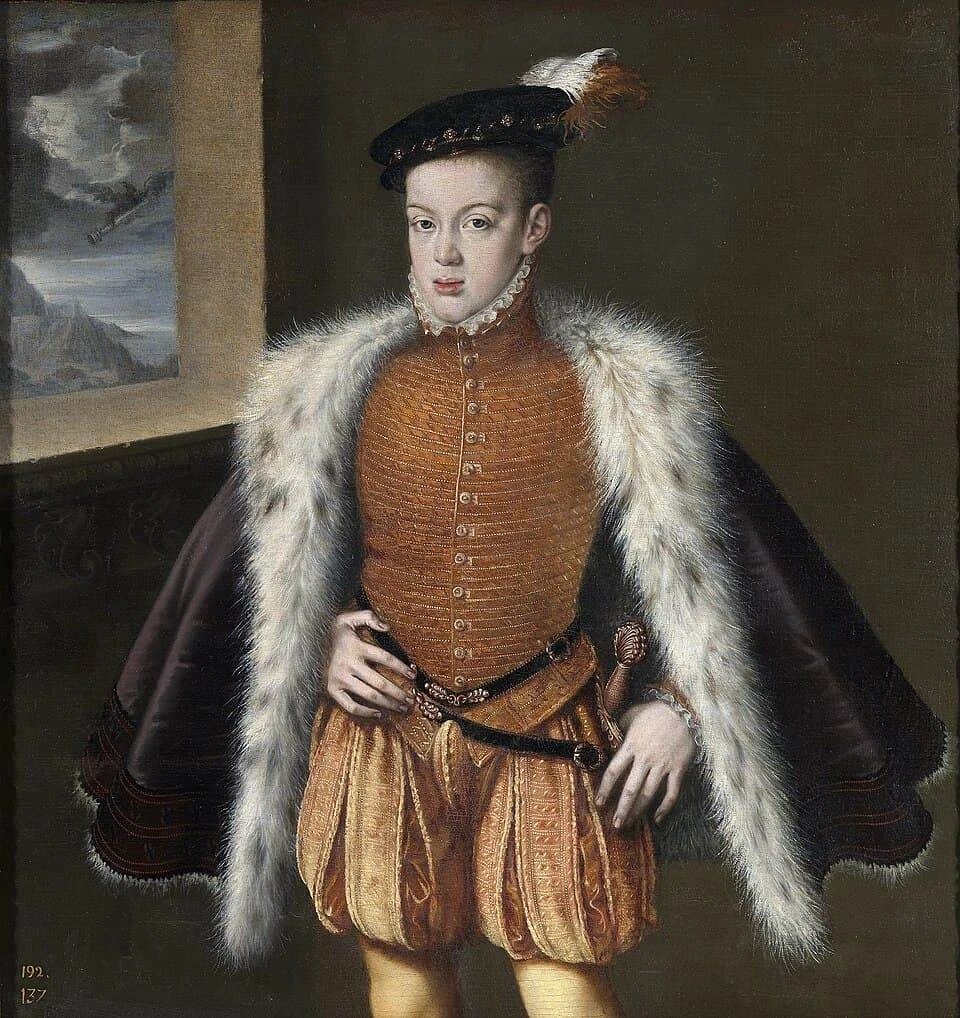
Don Carlos – the heir Spain never received
The prince displayed pathological cruelty. He tortured pets, mutilated thoroughbred horses in the royal stables, and ordered the brutal flogging of ladies-in-waiting for the slightest offense. Outbursts of rage alternated with bouts of paranoia. In 1562, while chasing a servant, Carlos fell down the stairs and fractured his skull. To save his life, Andreas Vesalius himself, one of the greatest anatomists of his era, performed a trepanation. 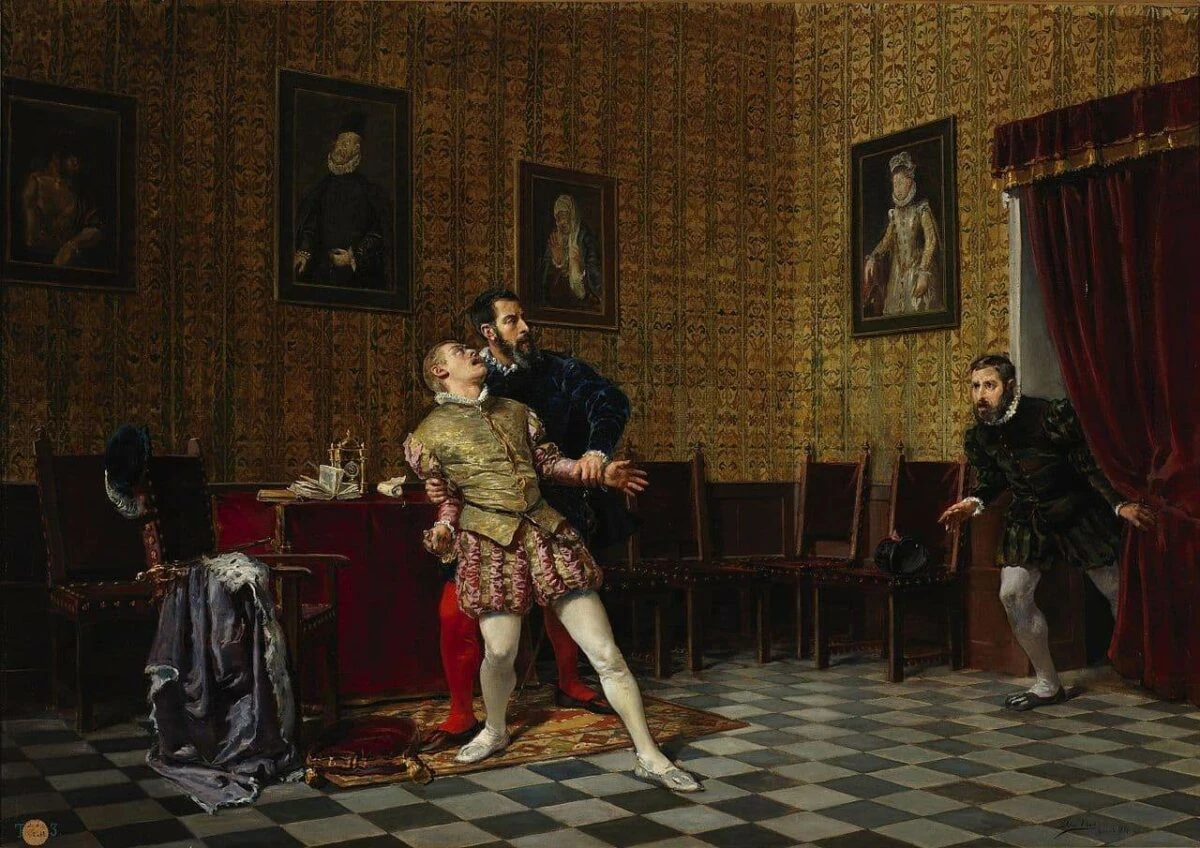
Don Carlos at the Duke of Alba. Artist José Uría y Uría, 19th century
The prince survived, but his mind became even more clouded. He began to openly hate his father and made plans to escape to Spain's enemies in the Netherlands. Philip II faced a terrible choice: surrender the great empire to a mad sadist or destroy his own firstborn.
Arrest at Night and the "Black Legend"
Shortly before midnight on January 18, 1568, Philip II, in armor and with four advisers, entered his son's chambers. The king announced Carlos's arrest, confiscated his weapons and documents, and boarded up the windows. As a result, Don Carlos spent six months in solitary confinement in the Alcázar of Madrid, and died on July 24, 1568. He was only 23 years old. 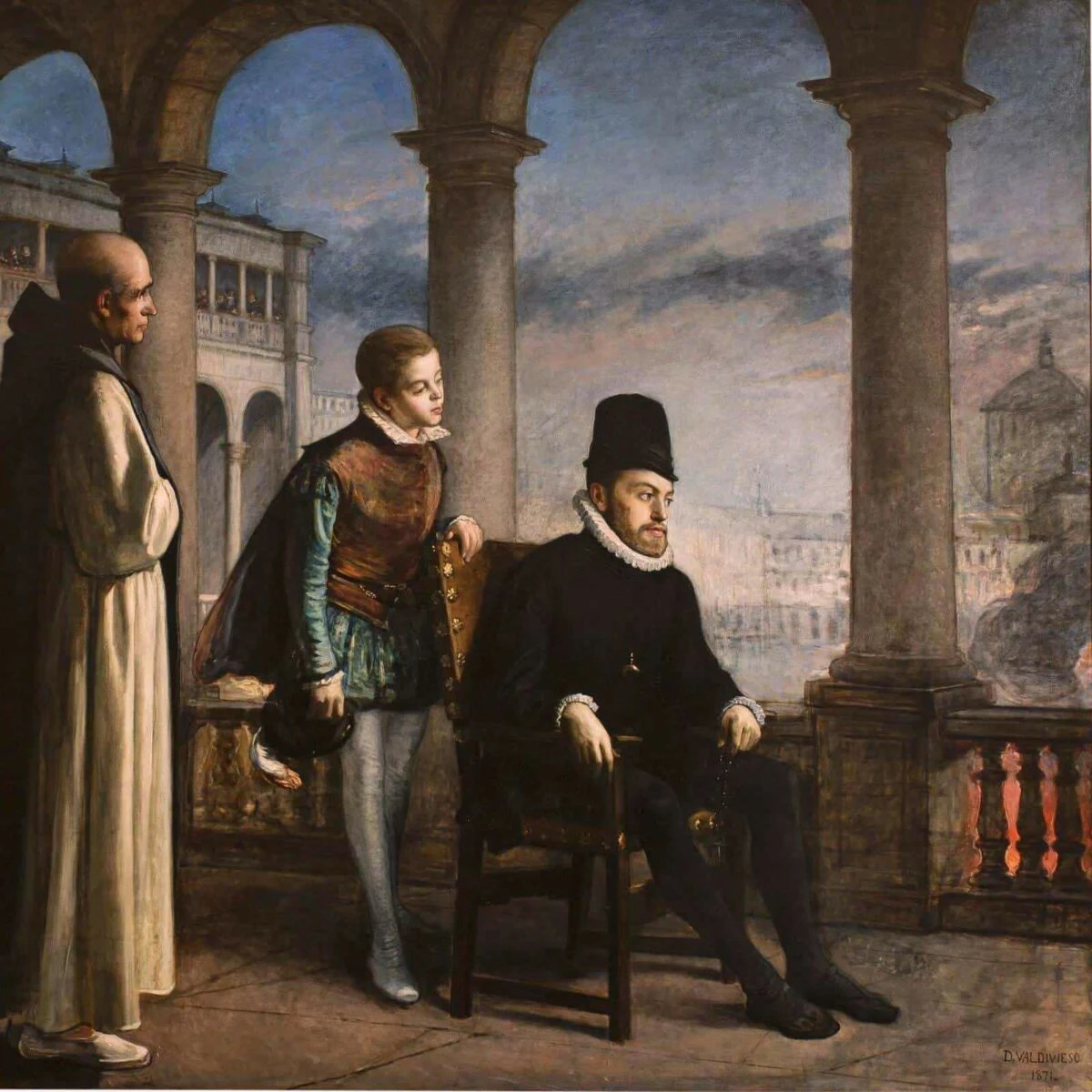
Philip II presides over an auto-da-fé. Artist Domingo Valdivieso y Enarejos, 19th century. The painting depicts the king and his son Carlos overseeing the burning of heretics.
Philip's enemies created the "Black Legend," accusing the monarch of cold-blooded filicide for the sake of tyranny. William I of Orange's propaganda was particularly active: his 1581 "Apology" directly called Philip a murderer. This version was picked up by Schiller and Verdi, and the image of the "innocent liberal tortured by his tyrant father" entered popular culture forever. In reality, the prince, plagued by illness, most likely died of fever and exhaustion. But the stigma of child murder remained an eternal curse for Philip. 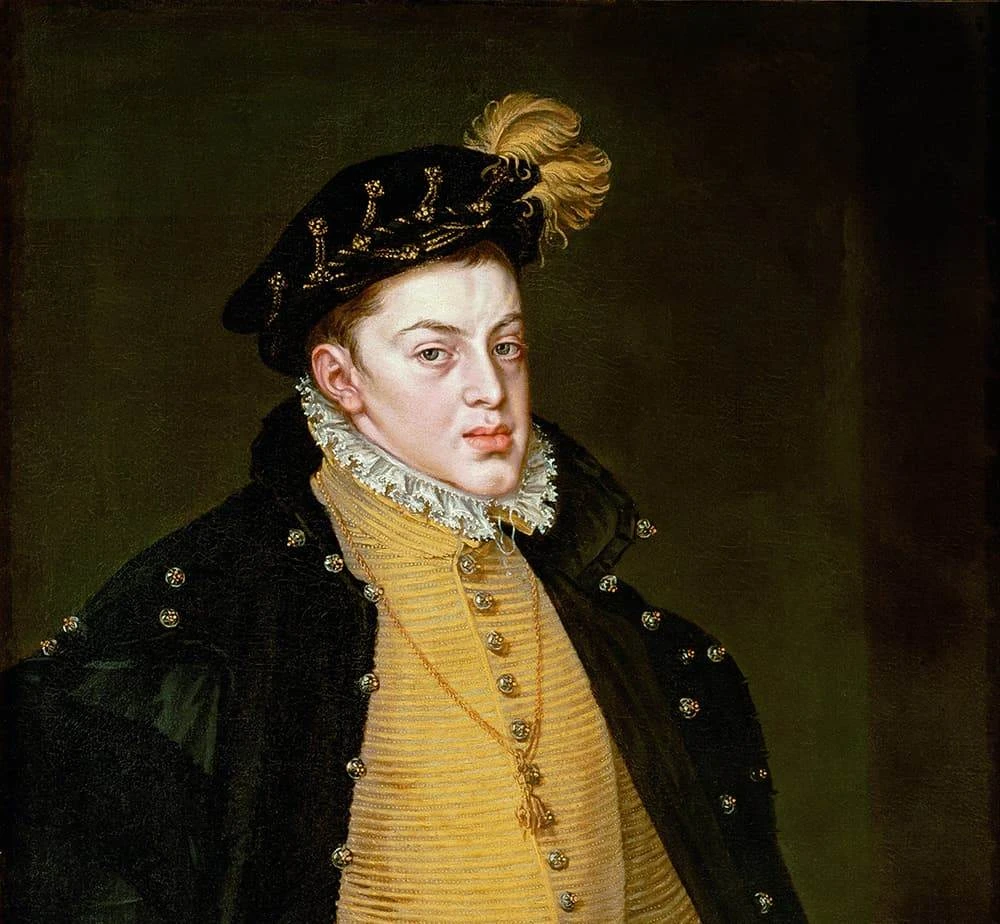
Don Carlos
El Escorial: A Stone Grate of Grief
Having lost his loved ones, Philip II built a new residence. Not a luxurious palace, but a gigantic monastery-pantheon. The Escorial building was shaped like a grate: the same type of grate on which Saint Lawrence, to whom the complex is dedicated, was roasted alive. Construction began in 1563 and took twenty-one years. The building was erected to commemorate Spain's victory over France at Saint-Quentin in 1557—Saint Lawrence's Day. 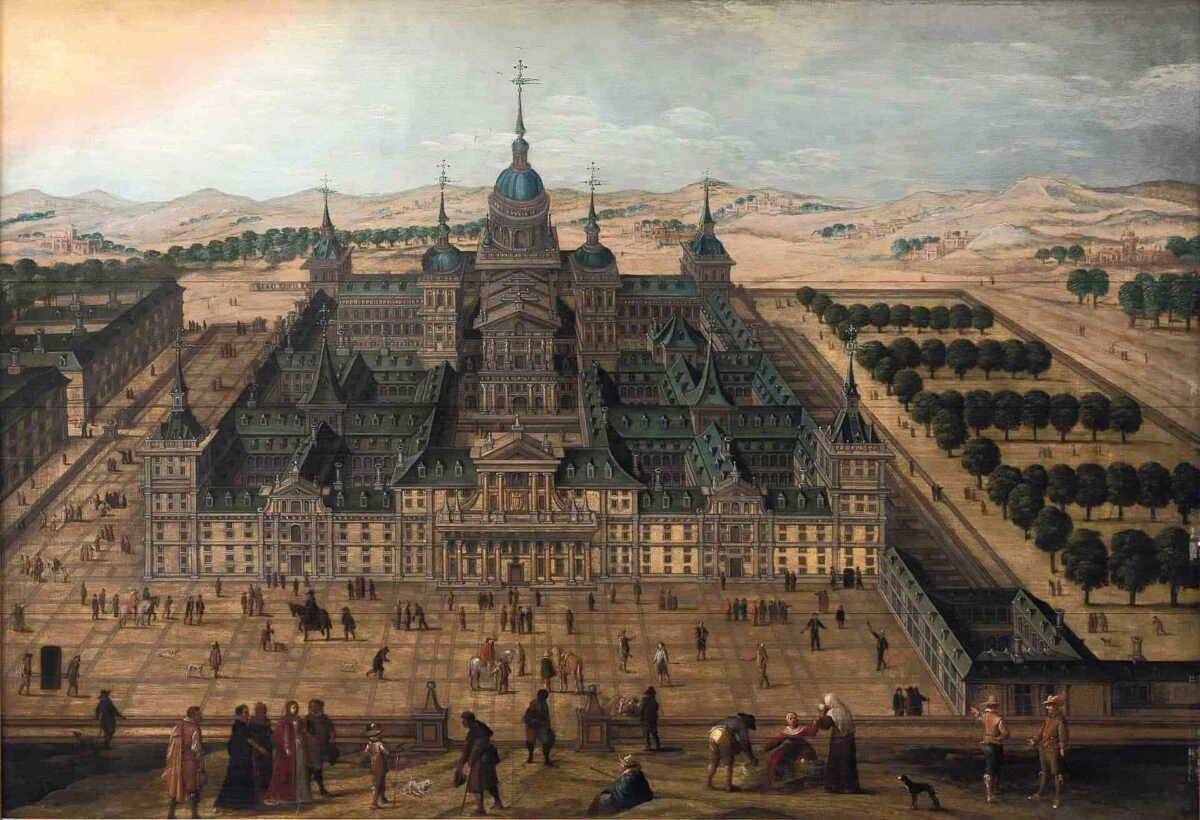
The Escorial in the early 17th century
No gilded glitter, no Versailles. Only gray granite, strict geometry, silence. At the heart of this stone giant is the Pantheon of Kings: marble sarcophagi containing the ashes of wives and children. Philip's bedroom was designed to adjoin the church altar. Through a special window, the king could listen to requiem masses and gaze upon the graves of those he had lost without leaving his bed. 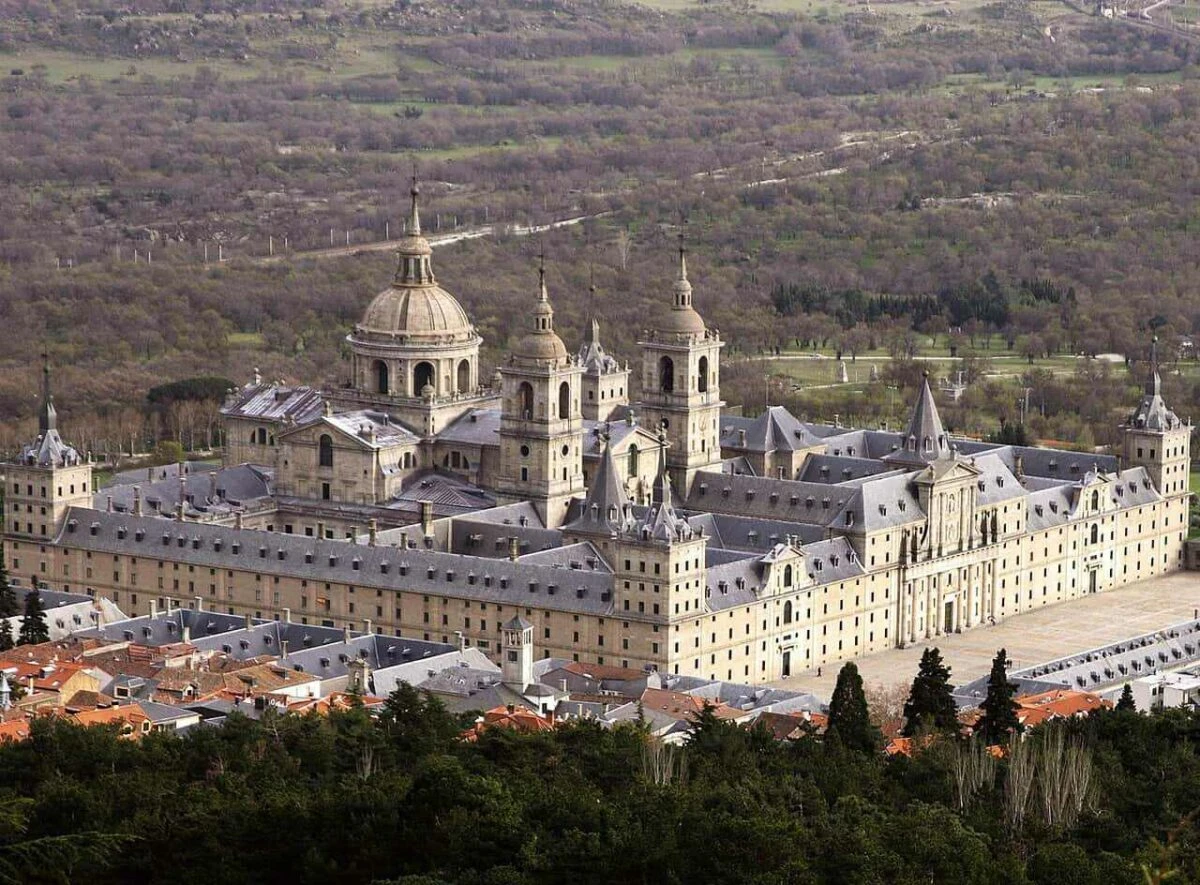
General appearance of El Escorial today
El Escorial: A Treasure Trove of Controversies
El Escorial had 16 courtyards, approximately 4,000 chambers, 2,500 windows, 89 fountains, and 51 bells. For a long time, the palace was considered the largest building in the world. Within its vaults, Philip II collected many priceless relics of the Christian world: the clay vessel in which Jesus turned water into wine at the wedding in Cana, the hand of St. Anthony of Padua, and even a bladder stone from Pope Pius V. 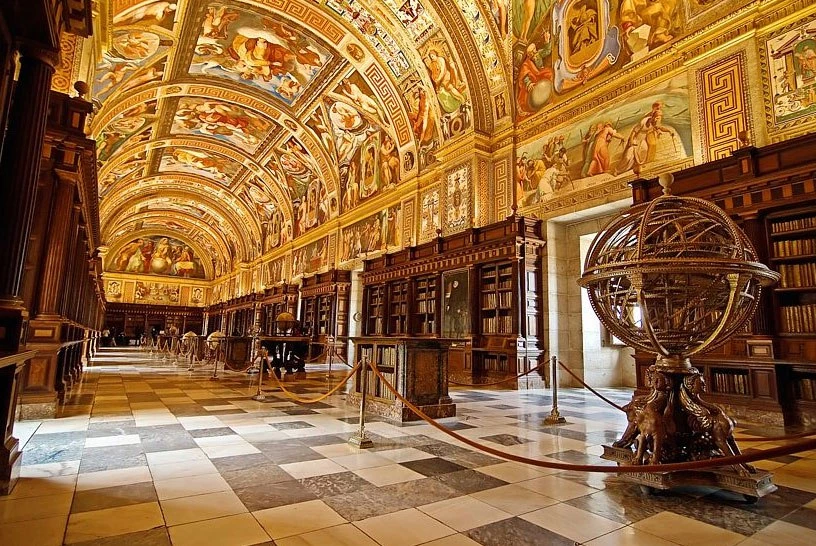
The Escorial Library – sixty meters long and over forty thousand volumes
The Escorial became a refuge for the king's conflicted mind. On the one hand, Philip was a fanatical Catholic. On the other, he was a passionate collector of knowledge. In the Escorial library, he amassed over 40,000 volumes – one of the largest book collections in Europe at the time. Here, the works of the "heretic" Copernicus, ancient occult treatises, manuscripts of Saint Teresa of Avila, and even the Koran were housed side by side. 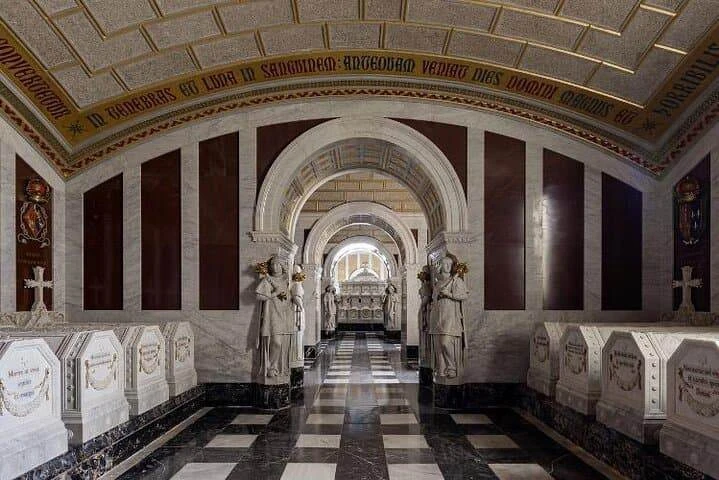
The Royal Tomb of El Escorial – the resting place of the Spanish monarchs and their families
In addition, El Escorial housed masterpieces of painting. The king valued Dutch and Italian painting. He had over forty paintings by Hieronymus Bosch in his collection. By order of Philip, thirty paintings by Titian were purchased. In total, the king's collection numbered about a thousand paintings. 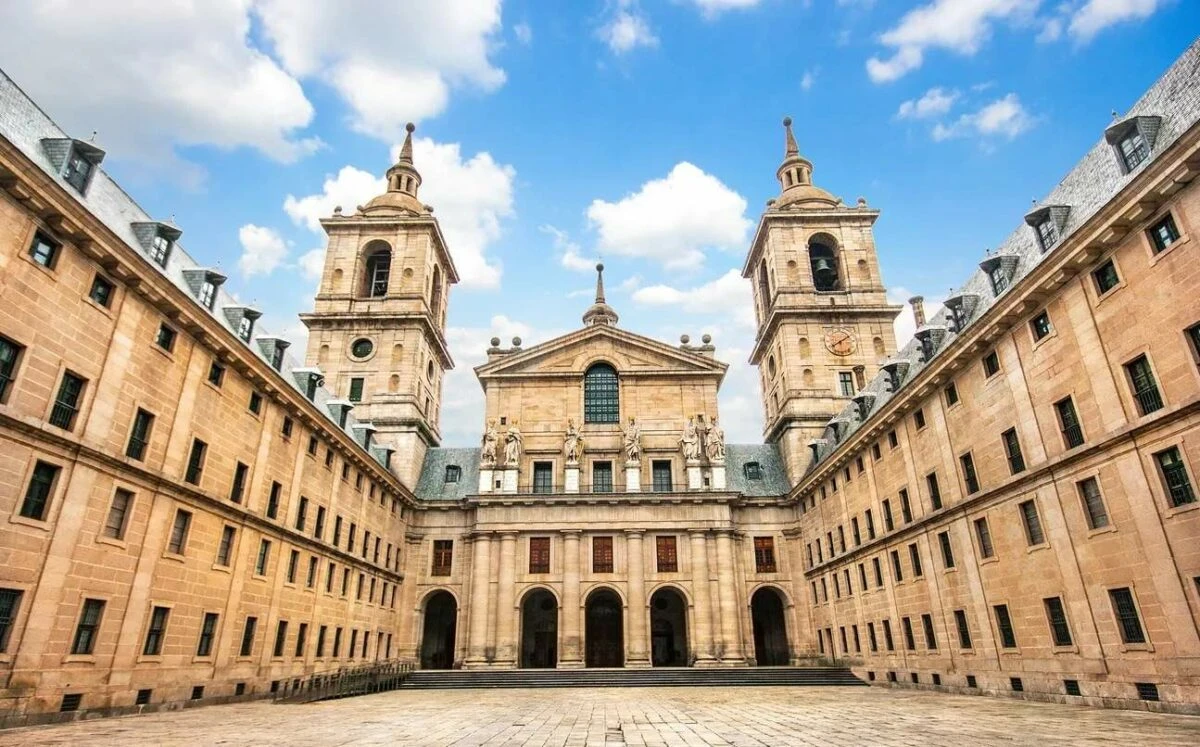
One of the courtyards of El Escorial
Epilogue of the Monk King
Philip II was nicknamed the "Paper King" and the "Monk King." He worked twenty hours a day in his tiny cell, personally reviewing every bill, every petition, and every execution permit. He believed he ruled by God's will—and therefore, no one could share his burden. 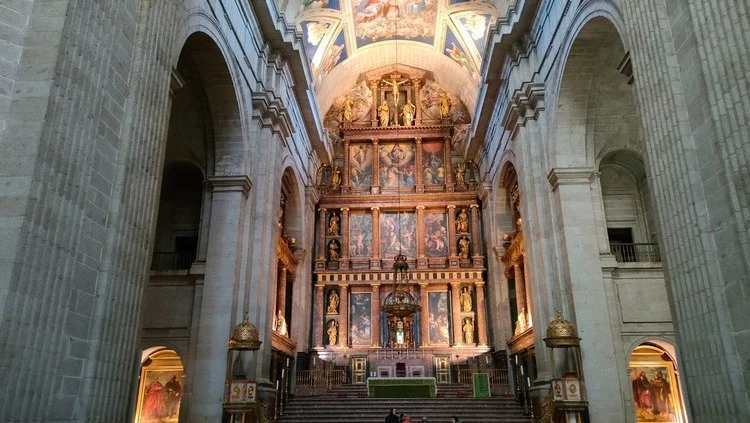
Basilica of El Escorial
The last years of his life became a constant torment. Gout, dropsy, fever. His legs swelled, unhealing ulcers opened up on his body, and he was practically unable to move. In June 1598, the king moved to El Escorial to die. His death throes lasted 53 days. But even in this state, he refused to hand over power, signing state documents with a trembling hand. Before his death, he ordered the destruction of some of his personal correspondence. He died on September 13, 1598, holding a cross in his hands. He was 71 years old. His son, Philip III, succeeded him to the throne. 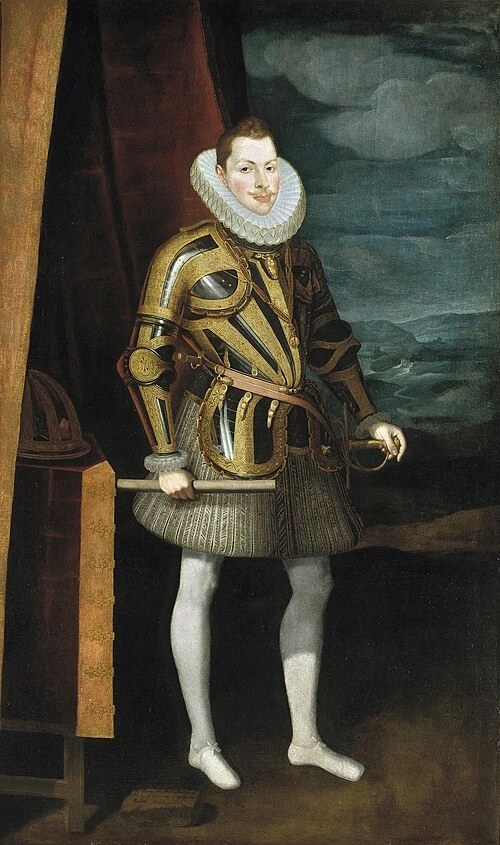
King Philip III of Spain – the only heir to reach adulthood
The ruler of half the world died in spiritual loneliness, leaving behind a great empire on the brink of decline and the cold granite El Escorial. His palace-crypt became an eternal monument to the man who ruled the world but was never able to save those he loved. 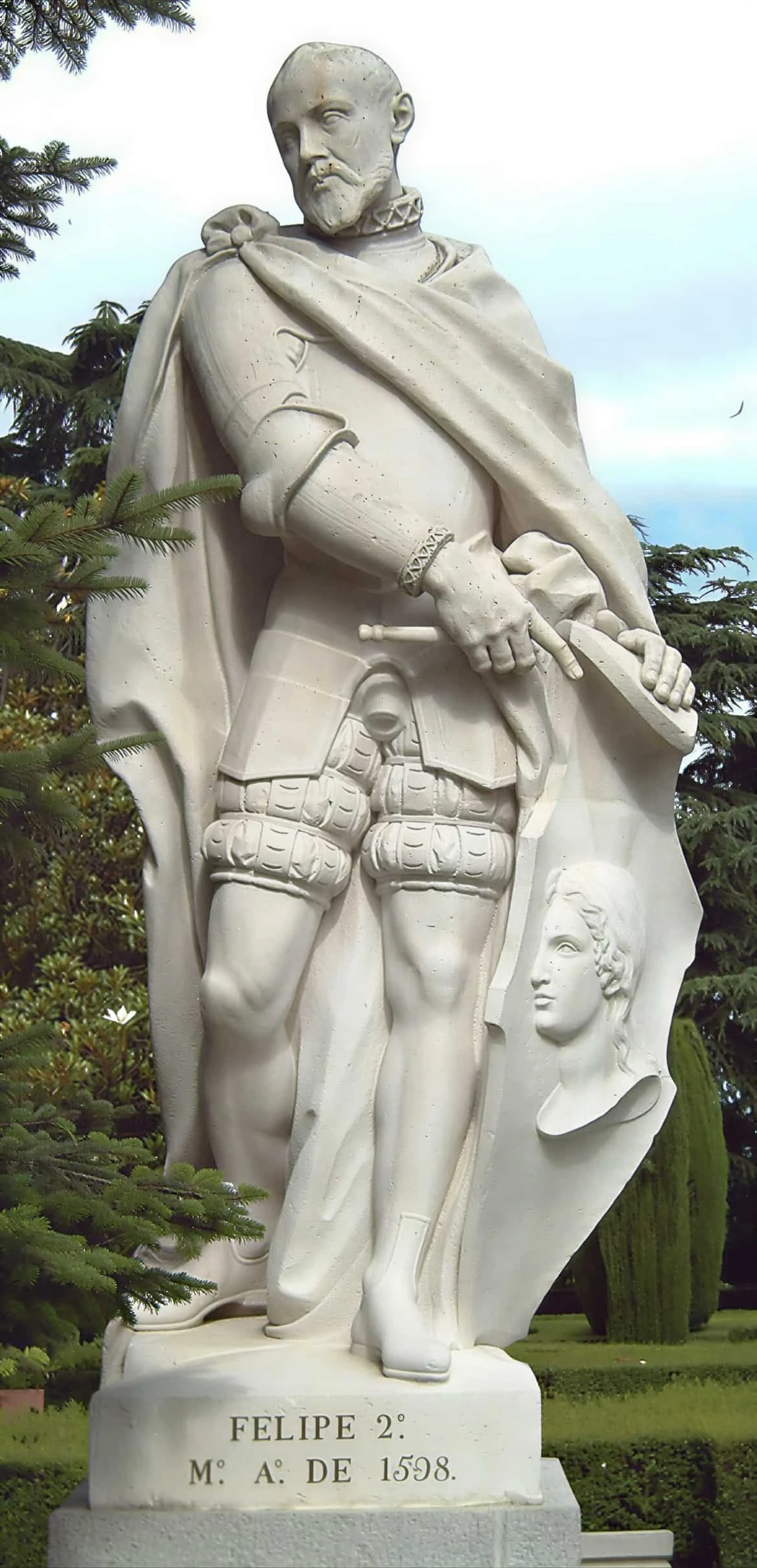
Statue of Philip II in Madrid
The story of Philip II shows how easily absolute power can turn into a gilded cage, and family duty into personal tragedy. What do you think: was Philip II a ruthless monster who tortured his son for power, or was he the main victim of a heavy crown and a cruel era? Share your opinions in the comments.