What Muslims were forbidden to do with their concubines (4 photos)
Islam permits a man to have multiple wives. Previously, concubines were also permitted, but only slaves purchased at the slave market or captured during military campaigns. A concubine was not a free person, but that did not mean one could do anything with her. 
The Quran devotes considerable attention to the relationships between men and women, both within and outside of marriage. The holy book gives Muslims the opportunity to choose their family life. Everyone has the right to choose how many wives to have or whether to prefer concubines. One verse regarding family life states the following:
"And if you fear that you will not be just to the orphans, then marry other women of your choice: two or three or four. But if you fear that you will not be just to them equally, then be content with one, or with the slave girls your right hands have possessed" (Quran 4:3). 
A Muslim man did not have to marry a concubine to accept her into his family. Concubines, unlike legal wives, have no property rights. A man can be unmarried and still have a concubine. He was obliged to provide her with shelter, food, and protection. However, Sharia law was extremely intolerant of adultery. Adultery was considered to be a relationship with another man's wife or simply with a free woman, not a slave.
Certain laws also applied to relationships with concubines. For example, a woman was forbidden to have sexual intercourse if she was pregnant. However, various types of affection were permitted. Intimacy with a concubine who had previously had another master was prohibited. A certain period of time had to pass after their separation. Most often, this was one menstrual cycle, but in some Muslim communities, it was necessary to wait 2-3 months. 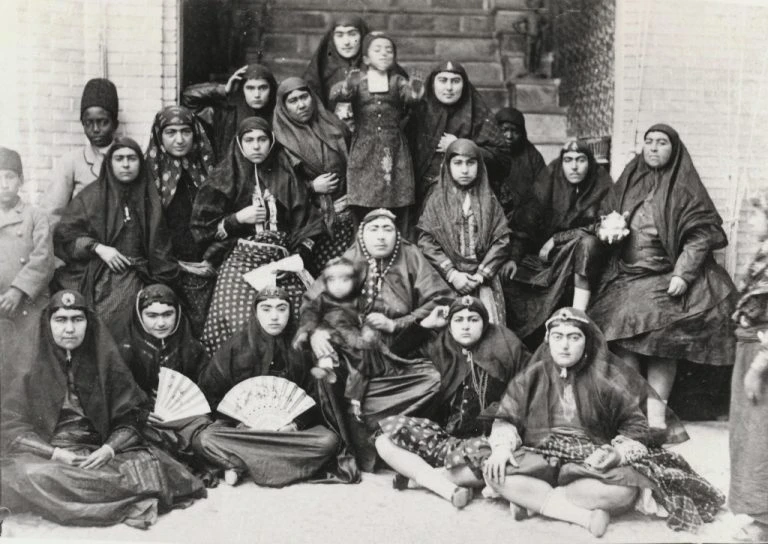
A concubine was forbidden from being forced into sexual intercourse, much less forced to sleep with other men. If a woman were to engage in indecent behavior because of her master, the blame for it rests solely with him.
"And do not force your slave girls into prostitution if they desire chastity. But whoever forces them thereto, then since it is compulsion, Allah will forgive it" (Quran 24:34).
Concubines were forbidden from being inflicted with mental or physical suffering. In their relationship with their master, everything had to be by mutual consent.
If a concubine had a child with her master, he was obliged to free her. A child born to a concubine was recognized by the father and raised in the family just like children born to his wives. 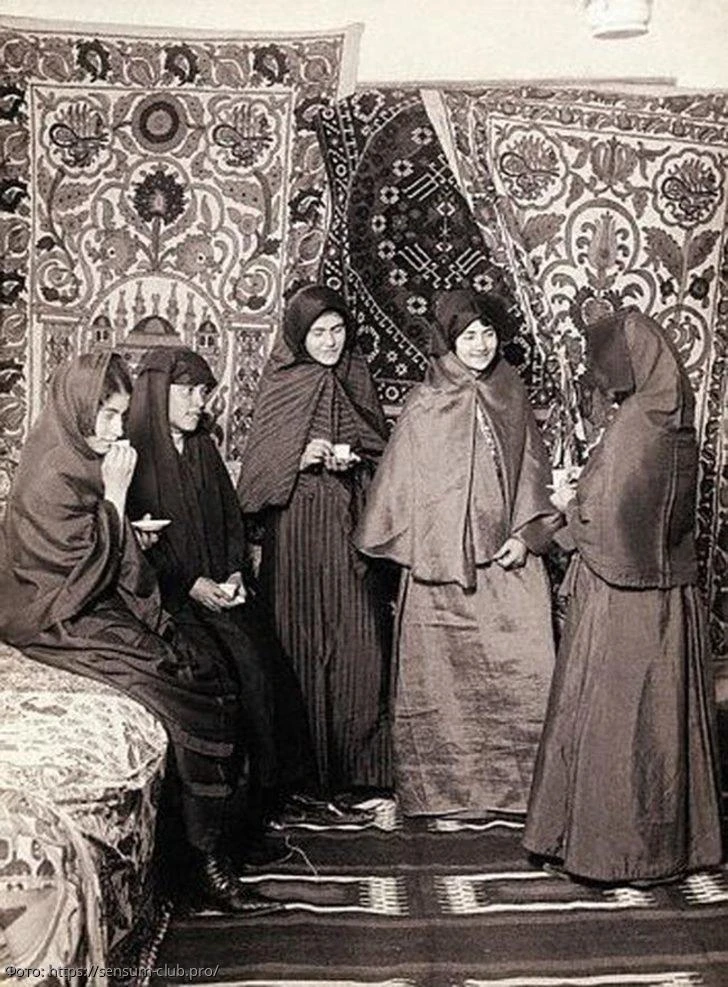
If a Muslim wanted to marry a concubine as his official wife, the law did not prohibit him from doing so. However, before doing so, he was also obliged to free her.
"To marry his concubine as a free woman, the master must free her. Such Muslims will be doubly rewarded by Allah" (Bukhari, "Itq," 49).
The most famous case of such a marriage is the story of Roxolana. This woman was a concubine of the Turkish Sultan Suleiman the Magnificent and later became his wife. Moreover, Roxolana, or Hurrem as the Ottomans called her, became the monarch's only wife. Suleiman, before marrying his former concubine, disbanded his large harem.