You’ve almost certainly seen a rainbow and likely experienced the shimmering mirage on a scorching asphalt road. A lucky few may have even witnessed awe-inspiring wonders like the Northern Lights, fogbows, upside-down rainbows, or star trails in person. In this collection, we’ve gathered over a dozen breathtaking natural phenomena created by the refraction and interplay of light—spectacular optical illusions that make for unforgettable photos and memories. 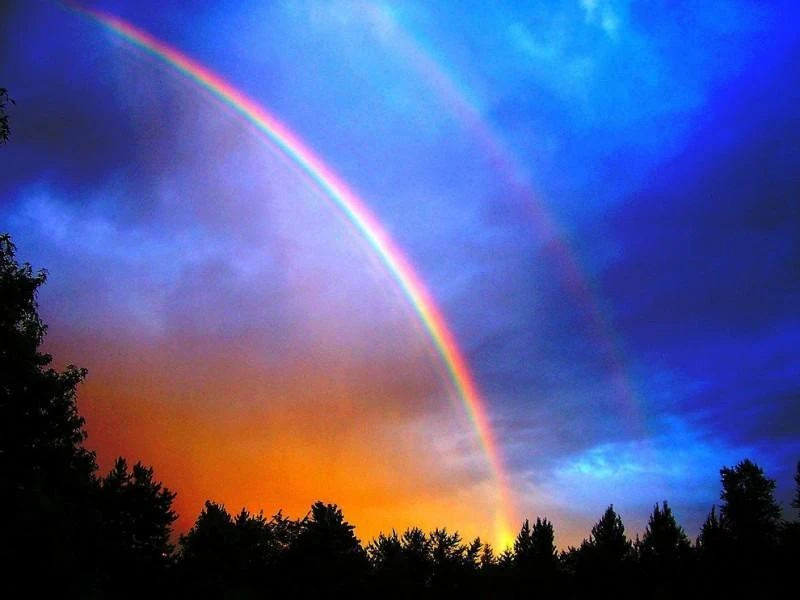
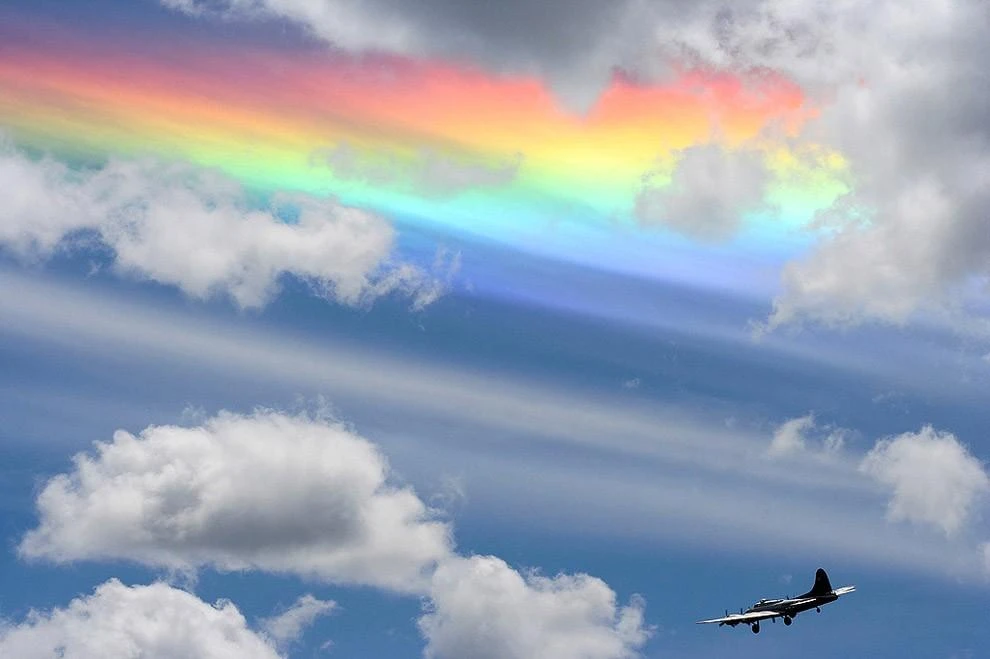
1. Circumhorizontal Arc (Fire Rainbow)
This rare atmospheric phenomenon, often called a "fire rainbow," occurs when sunlight passes through horizontally aligned ice crystals in high-altitude cirrus clouds. The result is a vibrant, rainbow-colored curtain stretching across the sky. This photo was taken over Washington state in 2006. 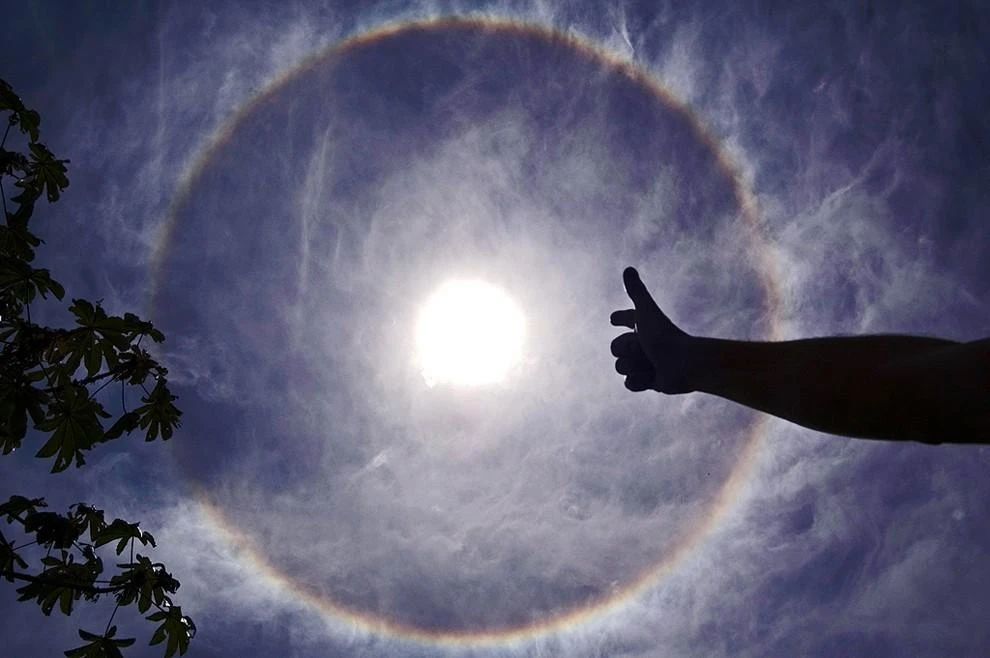
2. Solar Halo
Sunlight refracts through hexagonal ice crystals suspended in high-altitude clouds at a 22-degree angle, creating a luminous ring around the Sun. Variations in the orientation of these crystals can form different halo types. On bitterly cold days, a phenomenon known as "diamond dust" can occur, where floating ice crystals scatter sunlight in all directions. 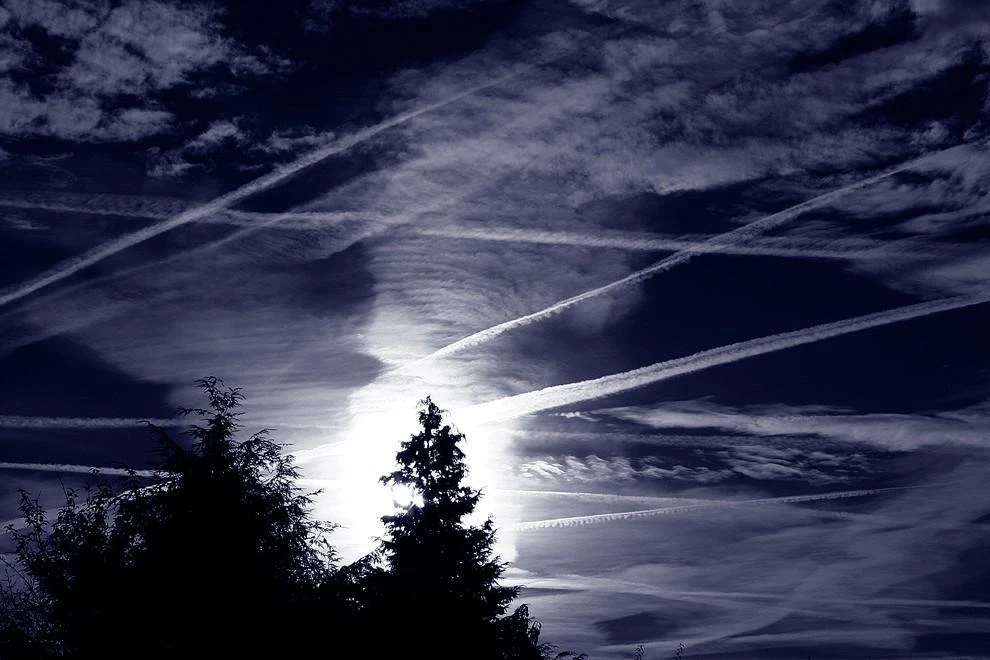
3. Airplane Contrails
Engine exhaust and aerodynamic pressure changes at high altitudes cause moisture to condense and freeze into tiny ice crystals. Those long, white streaks crisscrossing the sky are essentially artificial, suspended clouds formed in the wake of aircraft. 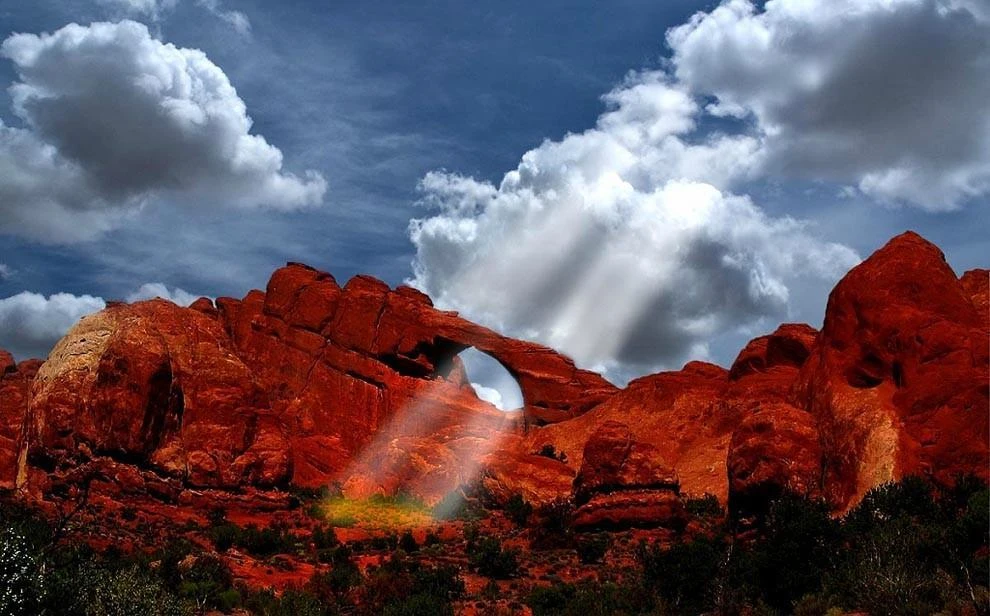
4. Crepuscular Rays
As the Sun sets, beams of light streaming through gaps in clouds create striking, visible columns of sunlight. These dramatic shafts—often featured in cinematic sci-fi films—were captured here at a national park in Utah. 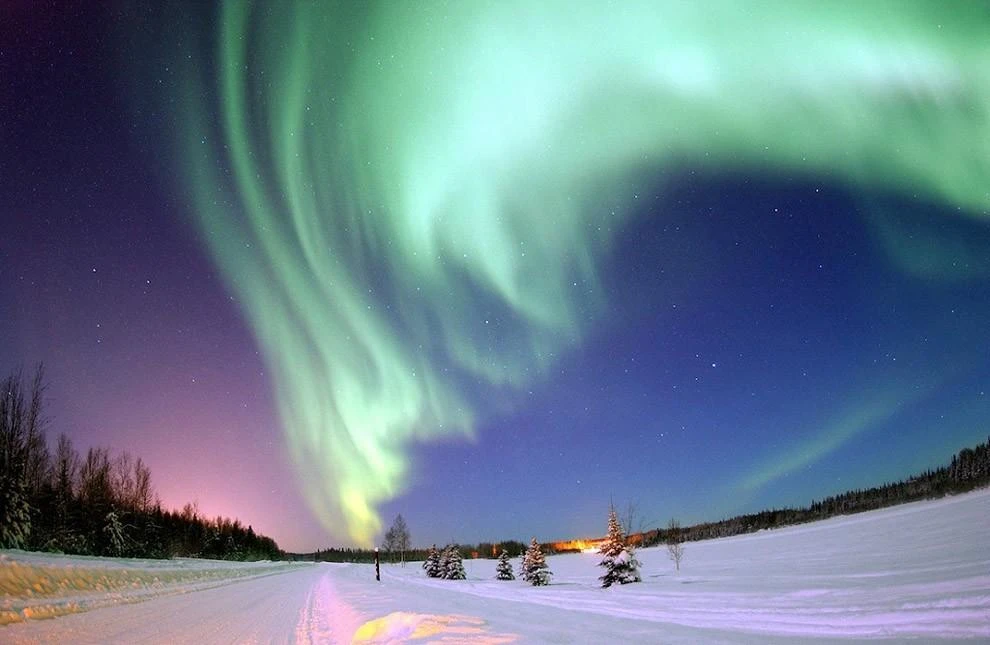
5. Aurora Borealis
The Northern Lights occur when charged particles from solar wind collide with gas molecules in Earth’s upper atmosphere, generating magnificent displays of glowing color guided by the planet's magnetic field. 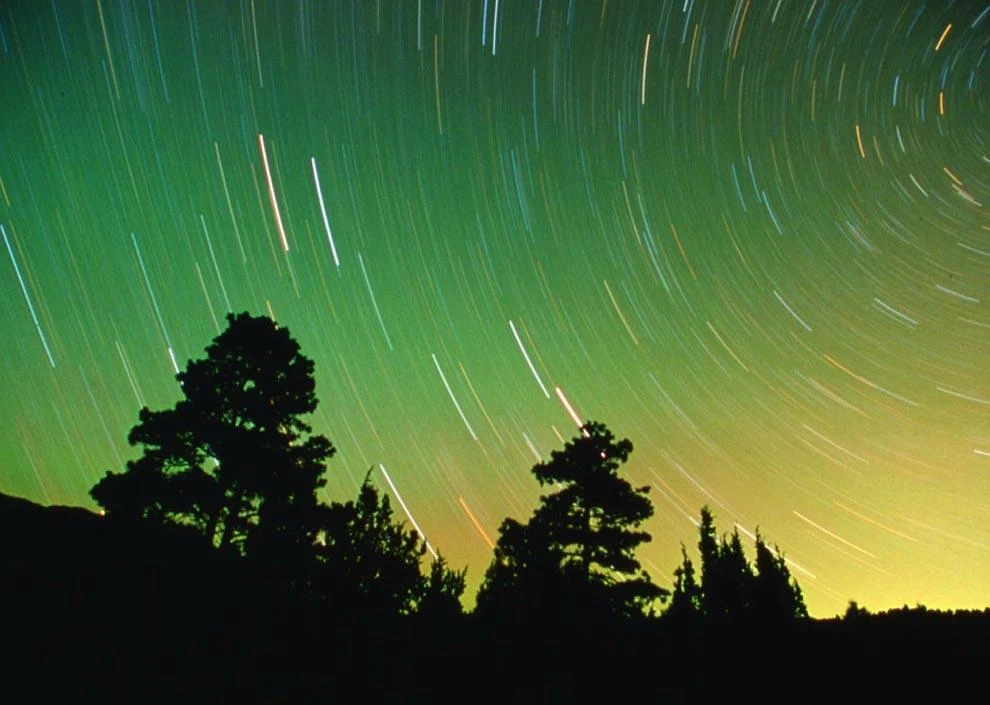
6. Star Trails
A mesmerizing demonstration of Earth’s rotation, star trails are invisible to the naked eye. To capture this phenomenon, photographers use long-exposure camera settings. In the image, Polaris—situated almost directly above Earth's axis—remains virtually motionless while the surrounding stars trace circular paths. 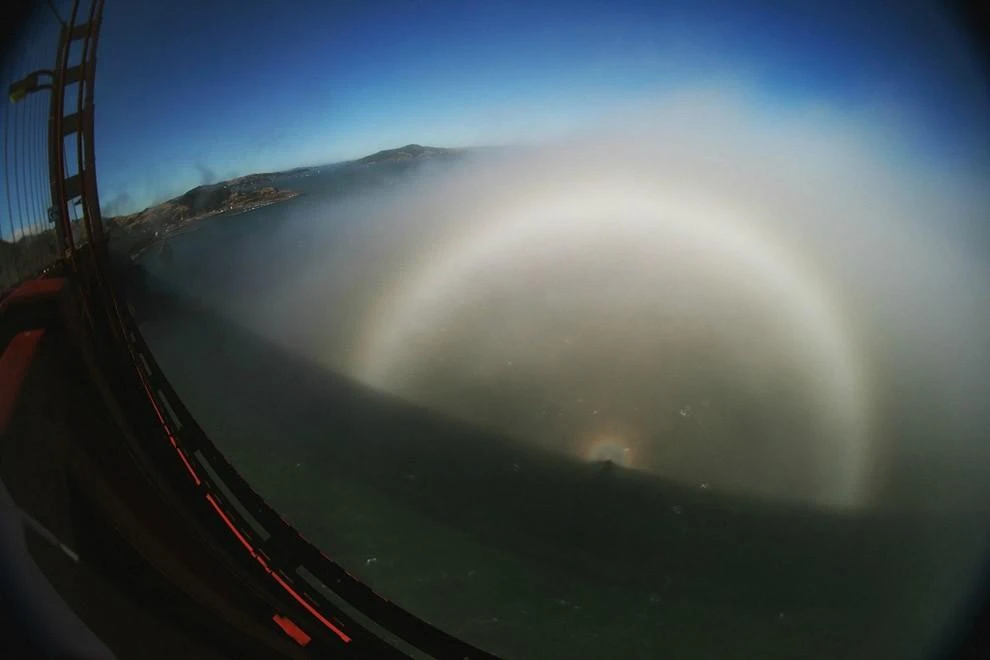
7. Fogbow (White Rainbow)
Captured at the Golden Gate Bridge in San Francisco, this photo shows a fogbow. Because the water droplets in fog are exceptionally tiny compared to raindrops, diffraction washes out the colors, leaving a ghostly white arc. 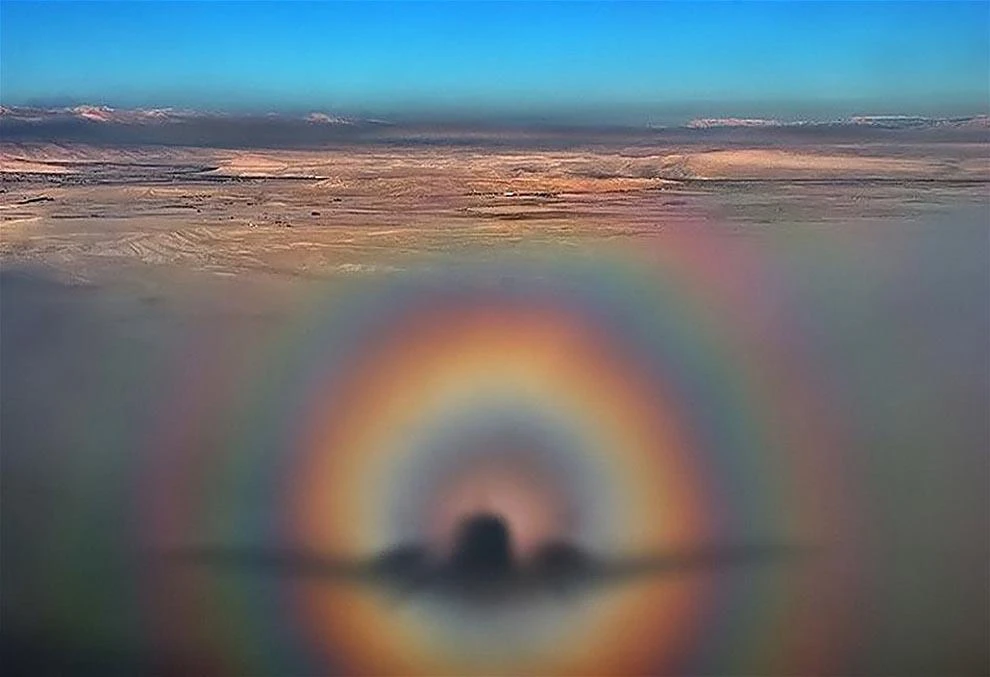
8. Buddha’s Light
Taken in China, this phenomenon is closely related to the glory optical effect. Sunlight diffracts through tiny water droplets in a cloud layer below, casting a circular rainbow halo. The silhouette visible at the center is the shadow of the aircraft itself. 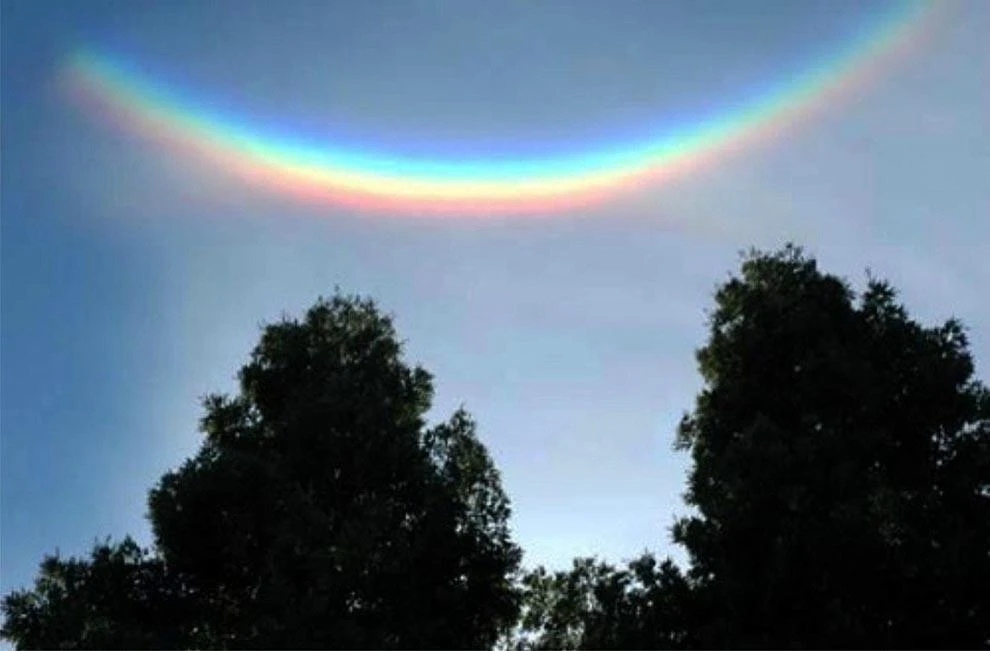
9. Circumzenithal Arc (Upside-Down Rainbow)
Resembling a vibrant smile in the sky, this unusual arc forms when sunlight refracts through flat, ice-crystal plates in high-level cirrus clouds at a specific angle. 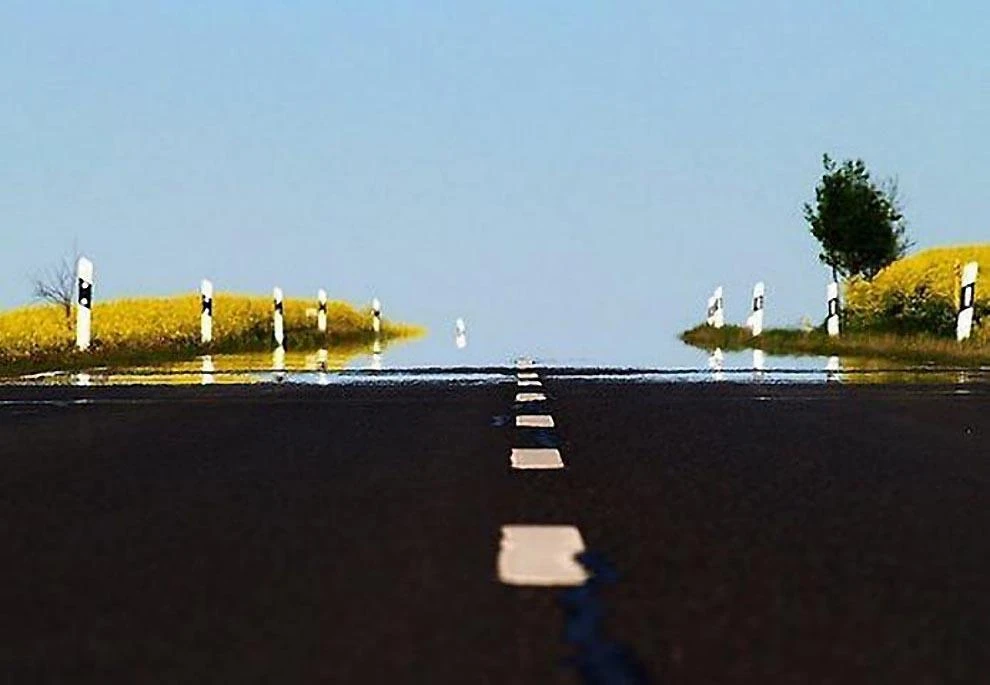
10. Mirage
A surprisingly common optical event, mirages occur not just in deserts, but on scorching asphalt roads on hot summer days. The illusion is caused by light rays bending as they pass through layers of air at drastically different temperatures, reflecting the sky above the horizon and making the ground look wet or glassy. This photo was taken in Thuringia, Germany. 
11. Iridescent Clouds
When rays from the setting sun hit atmospheric water droplets at precise angles, light diffraction and interference take place. The result is an iridescent cloud that looks like it was painted with a vibrant Photoshop gradient. 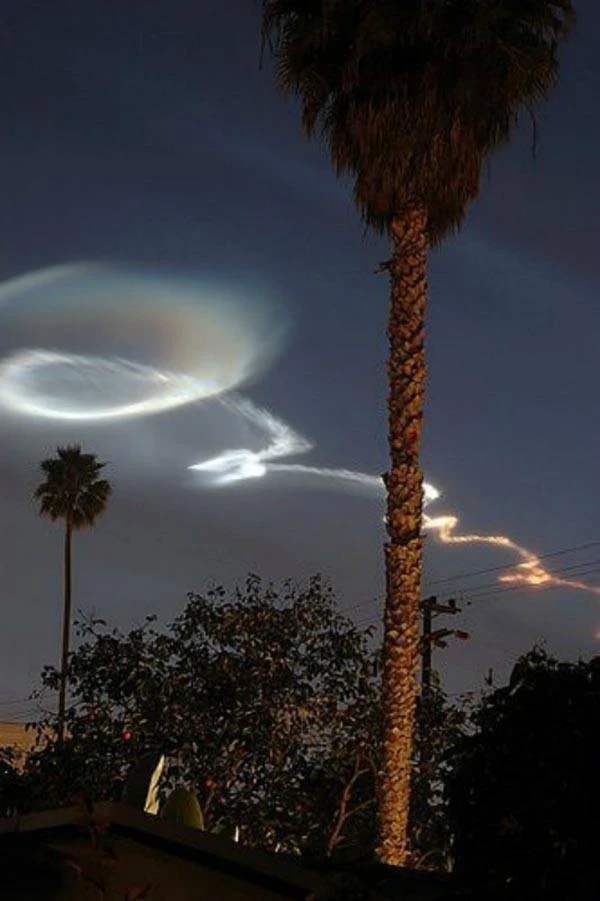
12. Rocket Exhaust Trail
This spectacular streak was left by a Minotaur rocket launched by the U.S. Air Force in California. Winds at different atmospheric altitudes shift and twist the exhaust plume, while lingering water droplets and ice crystals refract sunlight into brilliant rainbow hues. 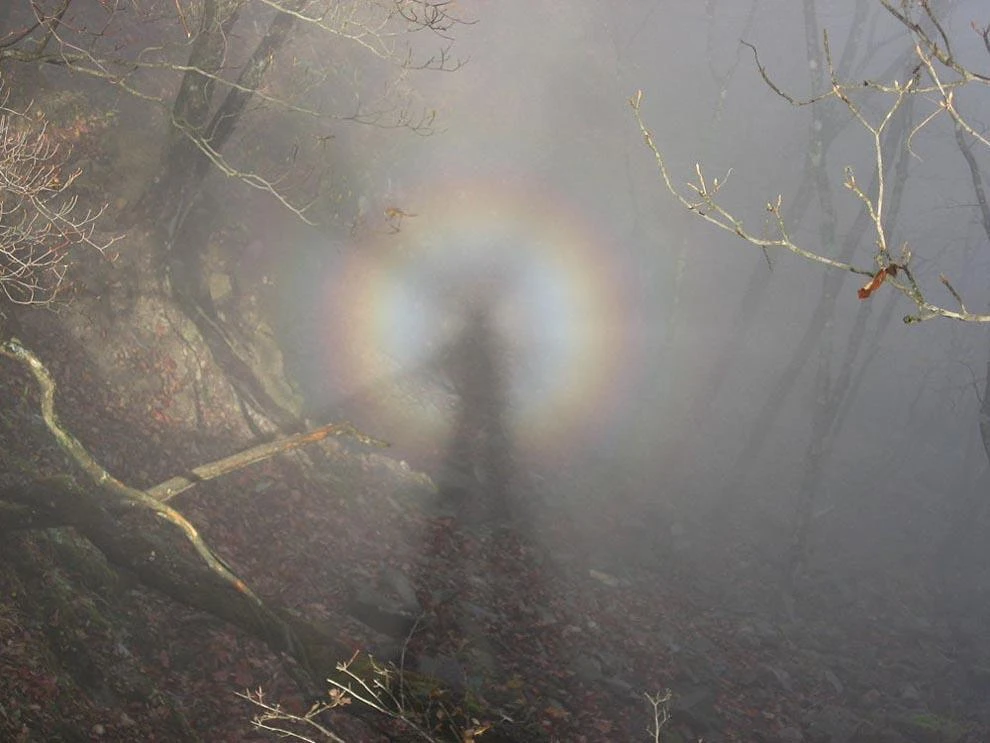
13. Brocken Spectre, Germany
Typically seen on misty mornings, this phenomenon features a colorful halo opposite the sun caused by light scattering off fog droplets. The dramatic triangular shadow breaking through the luminous disk is actually the cast silhouette of a mountain peak or cloud formation. 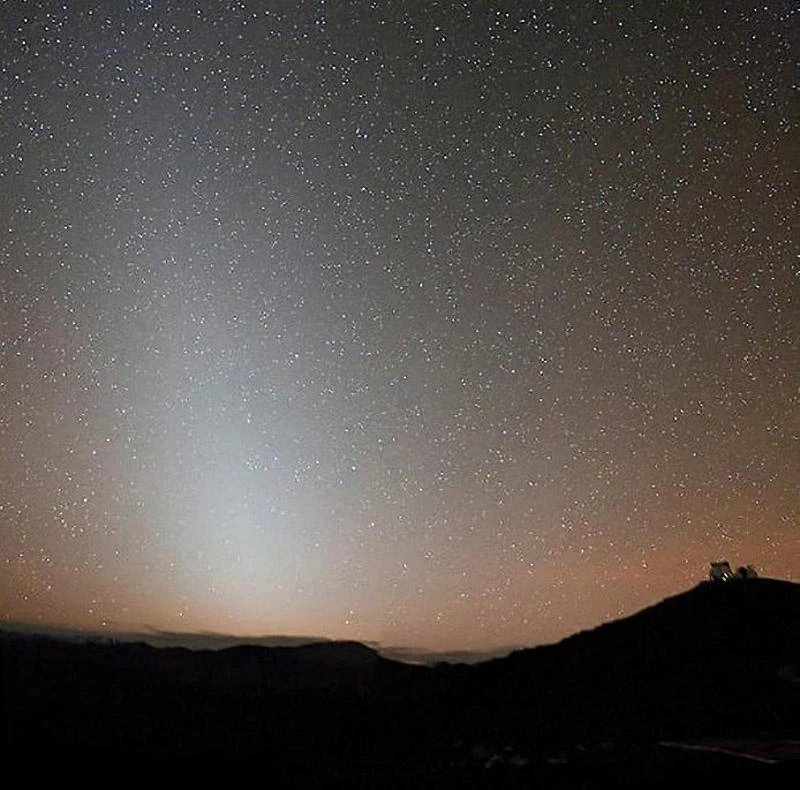
14. Zodiacal Light
Often washed out by moonlight or urban light pollution, zodiacal light is best observed on clear, moonless nights far from city lights. This faint, glowing cone of light is produced by sunlight scattering off cosmic dust particles scattered throughout the inner Solar System.
Add your comment
You might be interested in:










Protective film Removing it with a power screwdriver

How to start a 102-liter engine

When a child plays hide-and-seek at a professional level

Man sets up bedroom camera and discovers the reason for his

Super dads who swoop in to save the day

Precision carpentry

Looks like it's time to buy WinRAR

How to hang wallpaper neatly

Athlete in Bavarian dress flies over a lake on a hydrofoil
